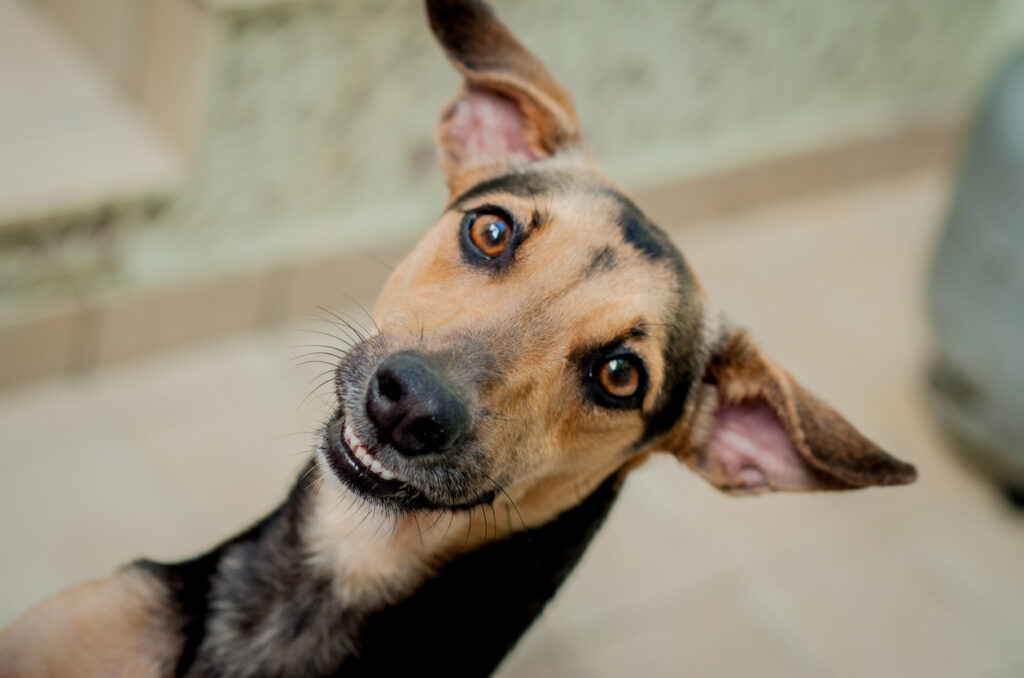
If you live with a dog, you know the look: the long, unblinking stare that feels loaded with meaning, judgement, or secret plans. Dogs don’t stare randomly. It’s one of their main ways of communicating with us, and depending on the moment, their stare can mean very different things.
1. “You are my safe person.”
One of the most common reasons dogs stare is comfort. When your dog looks at you calmly, especially while relaxed or resting, it’s often a sign of trust. They feel safe enough to focus on you without needing to scan their surroundings. Dogs form strong attachment bonds with their humans. That steady gaze can be reassurance for them as much as affection for you. It’s their way of checking in and grounding themselves near someone they rely on.
2. “I’m waiting for guidance.”
Dogs are excellent observers of human behaviour. When they’re unsure of what’s coming next, they often watch your face closely. This happens during walks, before meals, or when something unfamiliar is happening. Your dog is looking for cues. Tone, posture, and facial expressions help them decide what to do. The stare isn’t pressure, but attention. They’re asking without words what happens now.
3. “I want something and I think you know it.”
This is the classic expectant stare. Food bowls, leads, treats, or toys are often involved. Your dog believes you understand the situation perfectly and is waiting for you to act accordingly. Dogs quickly learn cause and effect. They know that staring often works, especially if it has worked before. This look is polite persistence rather than demand, but it can feel intense when you are on the receiving end.
@happypawsz Dogs can’t talk, but their eyes say everything. 👀 When your dog stares at you, it might be pure love… or a clever way to get what they want. Learn the 3 hidden messages behind your dog’s deep gaze — and how it reveals their emotions, their bond with you, and even a bit of manipulation. Has your dog ever done this to you? #DogLove #DogBehavior #DogCommunication ♬ original sound – Happy Paws
4. “I’m trying to communicate a need.”
Dogs don’t have many ways to express discomfort, boredom, or the need to go outside. Staring is often paired with pacing, sighing, or standing near doors. When your dog stares in this context, they’re hoping you will notice something is off. It’s worth paying attention to the situation rather than dismissing it as random behaviour.
5. “I’m feeling unsure and need reassurance.”
If your dog is staring during a stressful moment, such as loud noises, visitors, or unfamiliar environments, they may be seeking reassurance. Your presence and calm response help them regulate their emotions. Dogs often look to their owners when they feel uncertain. A gentle voice or relaxed body language can help them feel safer without needing to intervene dramatically.
6. “I’m reading your mood.”
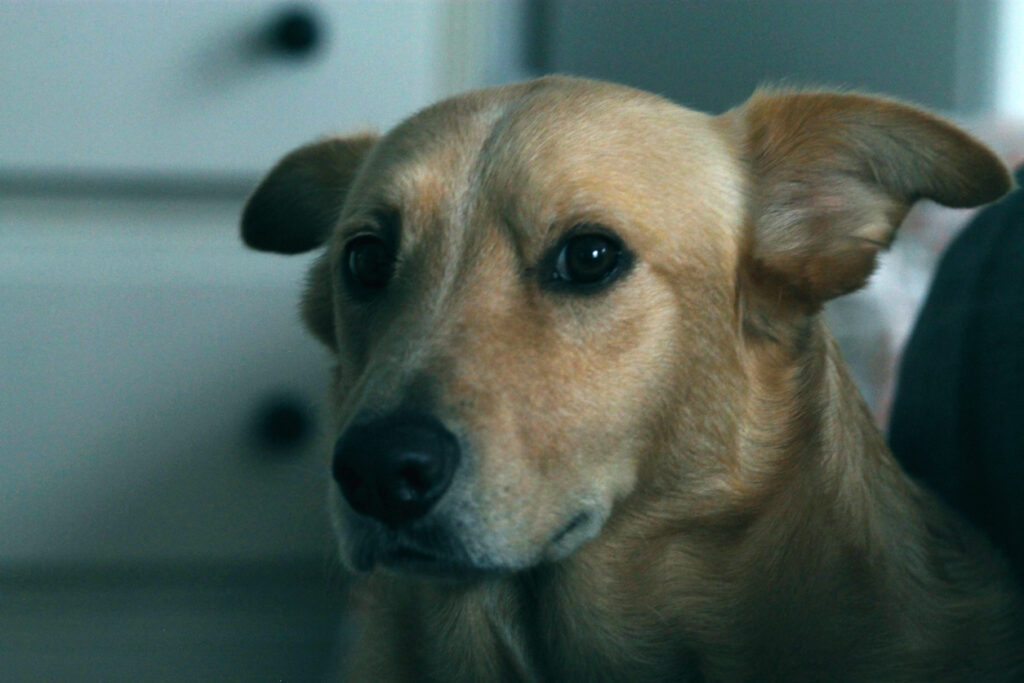
Dogs are highly sensitive to emotional changes in humans. When you are upset, distracted, or stressed, your dog may watch you more closely than usual. It’s not manipulation or judgement, but awareness. Your dog is trying to understand whether your mood affects them and what kind of response is expected. The stare is part of that emotional monitoring.
7. “I’m bored and need interaction.”
A dog that stares while you are working, scrolling, or watching television may simply be bored. They’re checking whether you are about to engage with them. This often happens with dogs who are mentally under-stimulated rather than physically tired. The stare is an invitation, not a complaint. They’re hoping for play, attention, or a change in routine.
8. “I love you.”
Mutual gazing between dogs and humans can release oxytocin, the same hormone linked to bonding in humans. When your dog looks at you softly, and you return the gaze, it can strengthen your bond. This type of stare usually feels calm and warm rather than intense. It’s one of the ways dogs express affection without needing physical contact.
@packleaderdogs Have you ever noticed your dog staring at you? I've actually gotten quite a few messages as to why a dog may be staring at their owner throughout the course of a day. Dogs have an incredible ability to adapt to many different situations, probably why they ended up in our homes with us. They are masters at feeling energy and studying body language. They learn quickly how a human moves, what their energy is, and what behaviors are associated with it. For example, when you put on different clothes, a specific pair of shoes, or reach for the leash, they learn quickly, which means they are going for a walk. That's the obvious stuff. What may not be as obvious is when they study your body language and feel your energy if you are in an anxious, fearful, or angry state as well. Those energies and the body languages associated with them will never allow them to trust you as a leader/parent-figure. They also study how you respond when they put pressure on you. The dog who comes over and demands attention/affection and the human gives it. In this case, they study the softer, passive energy and how you allow them to control you. Another scenario is the dog who invades their human space, jumping on them, and climbing on top of them while they are on the couch. Again, they study softer/weaker energy that doesn't have enough respect for its space that the dog can take as it pleases. Both these scenarios will not allow the dog to feel protected by their human because they studied and learned how the human is easily controlled and doesn't have respect for their own space. This may seem like a lot, but dogs live 100% in the moment and are 100% honest. We bring them into our home, and they have nothing else to do but figure out the humans they live with. Many may see this as a lot to deal with, but to me, I'm so grateful to have 100% honest and 100% in the moment animals who keep me accountable to living in a healthy energy based on the nature code. Be aware of your energy and your actions. Your dogs and nature are watching you!👀
9. “I’m trying to work out what you want from me.”
During training or unfamiliar situations, dogs often stare because they’re processing information. They’re watching your hands, face, and posture for clues. This is especially common with intelligent or highly responsive breeds. The stare reflects focus and engagement rather than confusion or stubbornness.
10. “I sense tension and am staying alert.”
If there’s been an argument, raised voices, or unusual activity, your dog may stare more than usual. They’re assessing whether the environment is safe. Dogs are sensitive to changes in energy and routine. Their stare can be a form of vigilance, making sure they’re ready to respond if needed.
11. “I’m guarding you.”
Some dogs stare as part of protective behaviour. They keep an eye on you while also monitoring their surroundings. This is more common in breeds with strong guarding instincts, and the stare is often paired with alert posture rather than relaxation. It’s not necessarily aggression, but awareness and loyalty combined.
12. “I’m confused and trying to understand.”
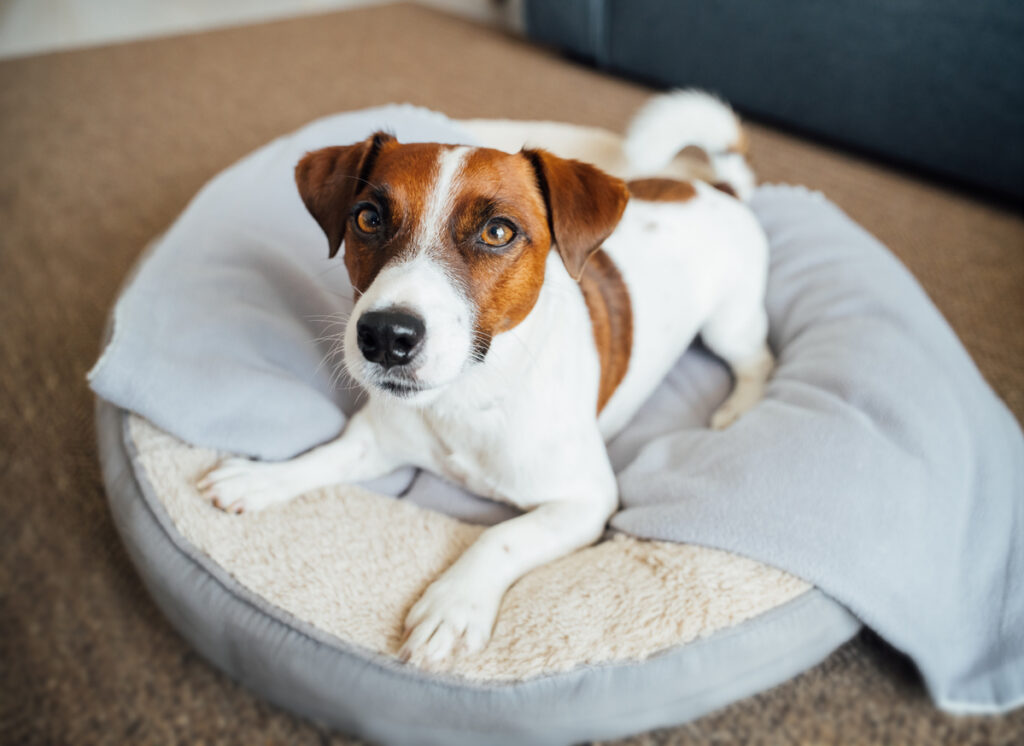
When you do something unexpected, such as talking to an object, moving furniture, or changing routine, your dog may stare because they’re trying to make sense of it. Dogs rely heavily on patterns. When those patterns break, watching you helps them recalibrate and understand whether the change affects them.
13. “I feel connected right now.”
Sometimes dogs stare simply because they enjoy the moment. There’s no need, no stress, no request. They’re present with you. These moments often happen during quiet times together. The stare reflects connection rather than communication, and it usually fades naturally once the moment passes.
14. “I’m trusting you to notice me.”
At its core, staring is about trust. Your dog believes that if they look at you long enough, you will understand something important, even if neither of you can name it. Dogs rely on their humans to read between the lines. That steady gaze is not strange or mysterious. It’s their way of staying connected in a world built around words they don’t use.