Horses often get written off as big, skittish animals that run on instinct and not much else.
People admire their strength or grace, but intelligence rarely makes the list unless you’re already familiar with them. That assumption tends to come from watching them at a distance, or only seeing them in controlled settings where their behaviour looks simple and repetitive.
Spend any real time around horses, though, and that idea starts falling apart pretty quickly. They remember people, read situations, solve problems, and make decisions that go well beyond basic training. A lot of what they do gets mistaken for habit or luck, when it’s actually thoughtful behaviour shaped by awareness, learning, and experience. Once you know what to look for, it’s hard to miss just how sharp they really are.
They remember people long after contact ends.
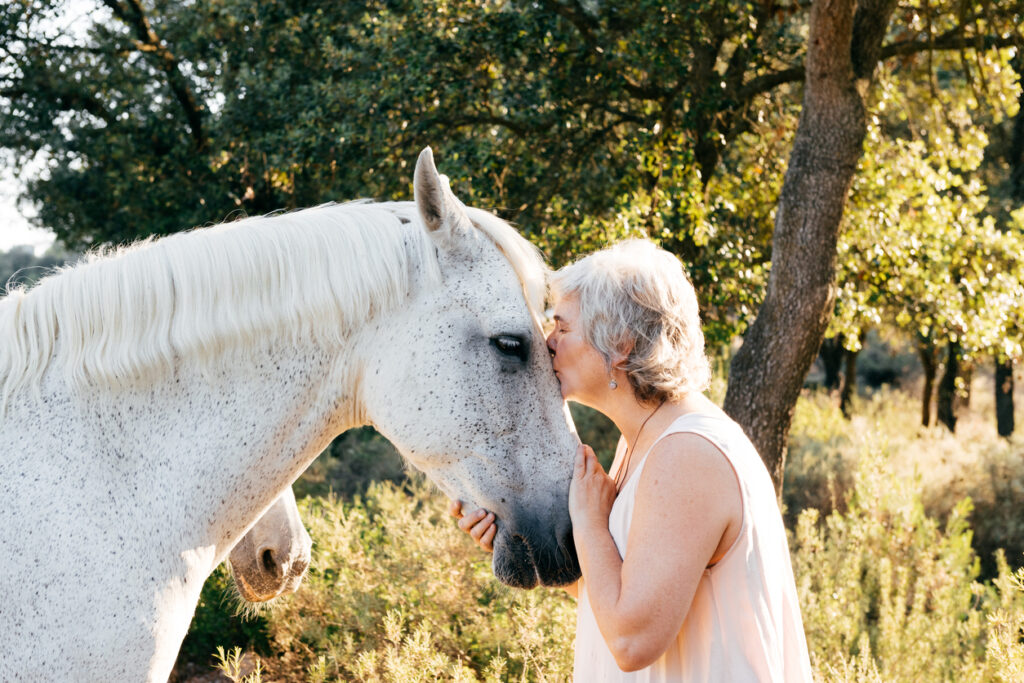
Horses don’t just recognise familiar humans in a vague way. Many can remember specific people years after last contact, responding with clear changes in body language, posture, and engagement. A horse that once trusted you will often soften, approach more willingly, or show relaxed curiosity, even after long separation.
This isn’t simple recognition, either. Horses remember how interactions felt, not just what someone looked like. They retain emotional memory, which means past kindness, consistency, or fear gets stored alongside the person involved. That level of recall requires more than instinct. It shows long-term memory tied to emotional experience.
They read human emotional states with precision.

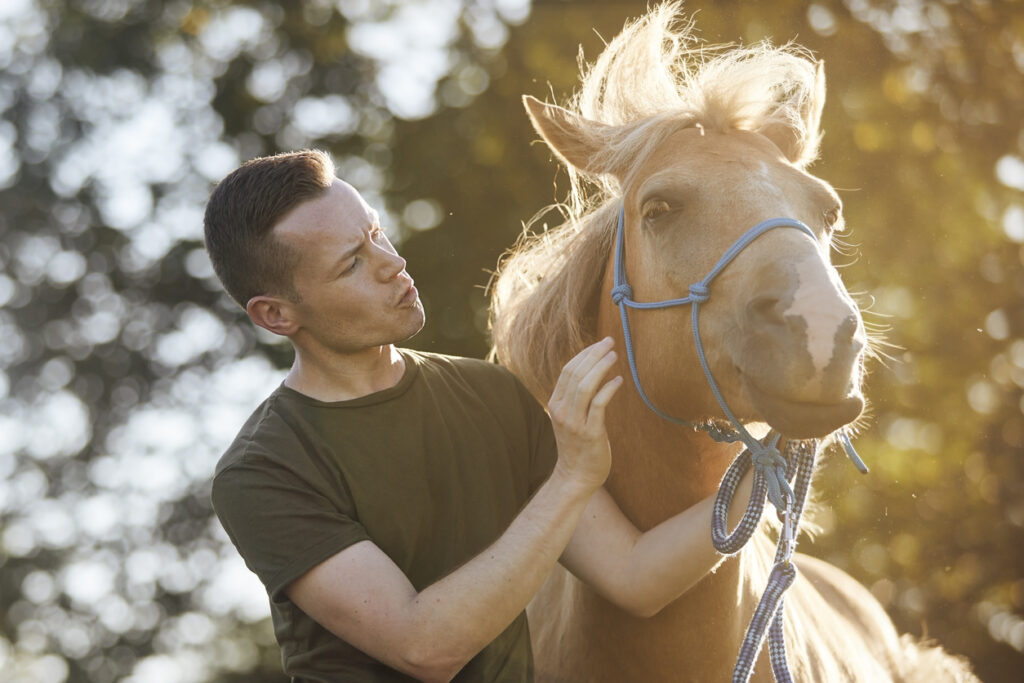
Horses notice tension before words ever appear. Changes in breathing, muscle tightness, hesitation, or frustration register immediately. A rider feeling anxious may find their horse restless or unsettled, even when outward behaviour looks calm.
Their sensitivity isn’t coincidence or superstition. Horses evolved to detect threat through subtle cues, and humans are full of them. Interpreting emotional states and adjusting behaviour accordingly shows awareness, not reflex. Horses don’t just react to movement. They assess internal states through physical signals.
They solve practical problems without instruction.

Some horses work out how to open gates, undo latches, move obstacles, or access food with no human teaching involved. They test actions, observe outcomes, and repeat what works. Once learned, these solutions often stick permanently.
That type of learning requires flexibility. The horse isn’t following a trained behaviour but discovering a solution through reasoning. When a horse escapes repeatedly using the same method, it’s not misbehaving. It’s demonstrating retained problem-solving ability.
They track time through routine awareness.

Horses know when feeding, turnout, or riding usually happens, and they notice immediately when timing changes. They may wait at gates, become restless, or position themselves where the next activity usually starts.
Rather than being simple random anticipation, horses track daily patterns through observation and memory. They form expectations based on sequence, not clocks. That ability to predict future events based on past experience shows cognitive processing, not simple habit.
They learn by watching other horses.

Horses often pick up behaviours by observing herd mates. A nervous horse may gain confidence crossing water after watching another do it safely. Others learn how to navigate objects, equipment, or people simply through observation. Learning in that way reduces risk, but it also demonstrates evaluation. The horse isn’t copying blindly. It watches the outcome first. Choosing whether to attempt something based on observed results requires judgement, not instinct.
They notice unfair or inconsistent treatment.
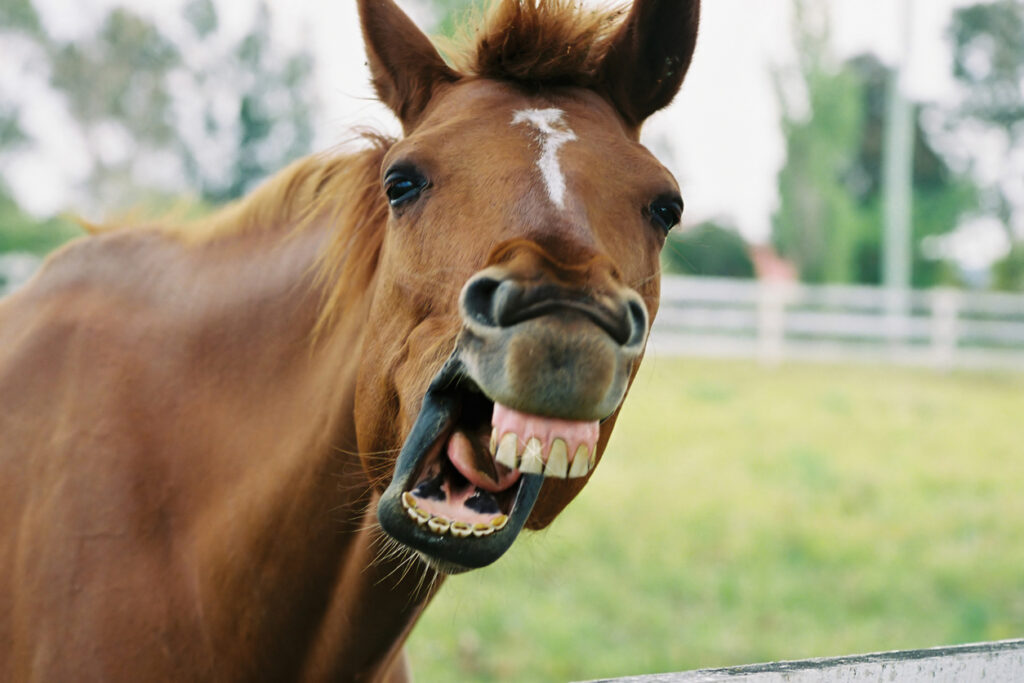
Horses are acutely aware of differences in handling, rewards, and expectations. If one horse is treated gently and another harshly, they notice. If rewards are inconsistent, frustration often follows, and their sensitivity shows evaluative thinking. The horse isn’t reacting only to immediate stimulus but comparing treatment across situations. Recognising inconsistency suggests an awareness of patterns and fairness within social environments.
They adapt behaviour to different humans.
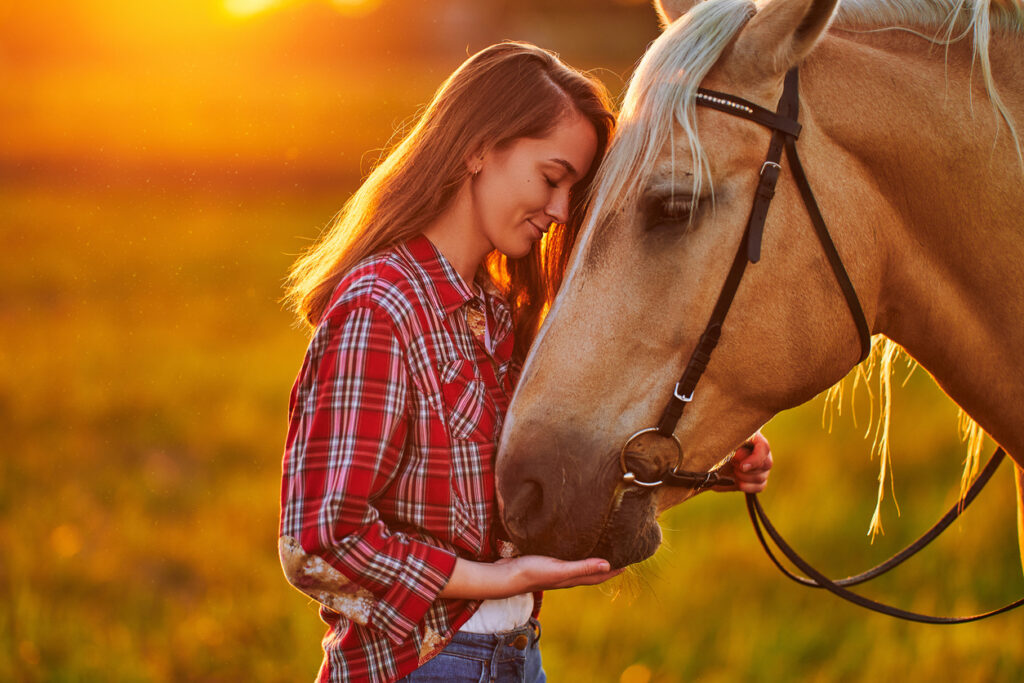
Many horses behave very differently depending on who handles them. They learn quickly who is confident, hesitant, inconsistent, or predictable, and they adjust their responses accordingly. It’s not manipulation in a human sense, though. It’s categorisation. Horses store information about individuals and tailor behaviour based on past interactions. That level of social memory reflects awareness, not defiance.
They retain memory of negative experiences for years.
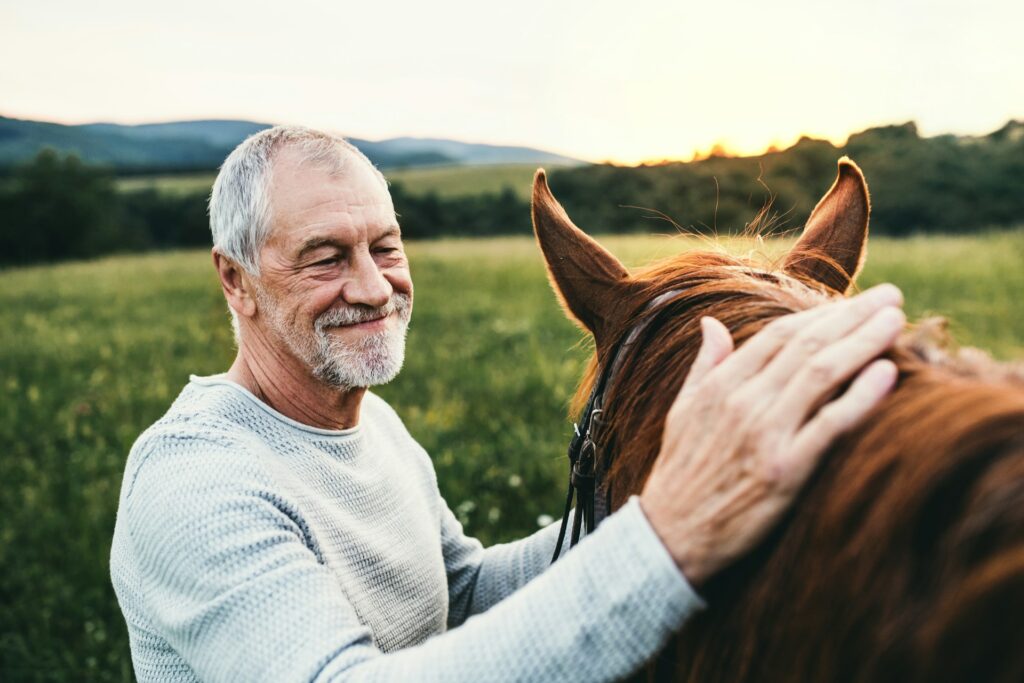
A frightening trailer ride, painful veterinary procedure, or stressful environment can stay with a horse long after the event ends. Avoidance behaviour often appears instantly when the memory is triggered. What seems like stubbornness is actually adaptive intelligence. Retaining danger memories helps survival. The horse remembers what caused harm and acts to avoid it, even if humans assume enough time has passed to forget.
They communicate intentionally within social groups.
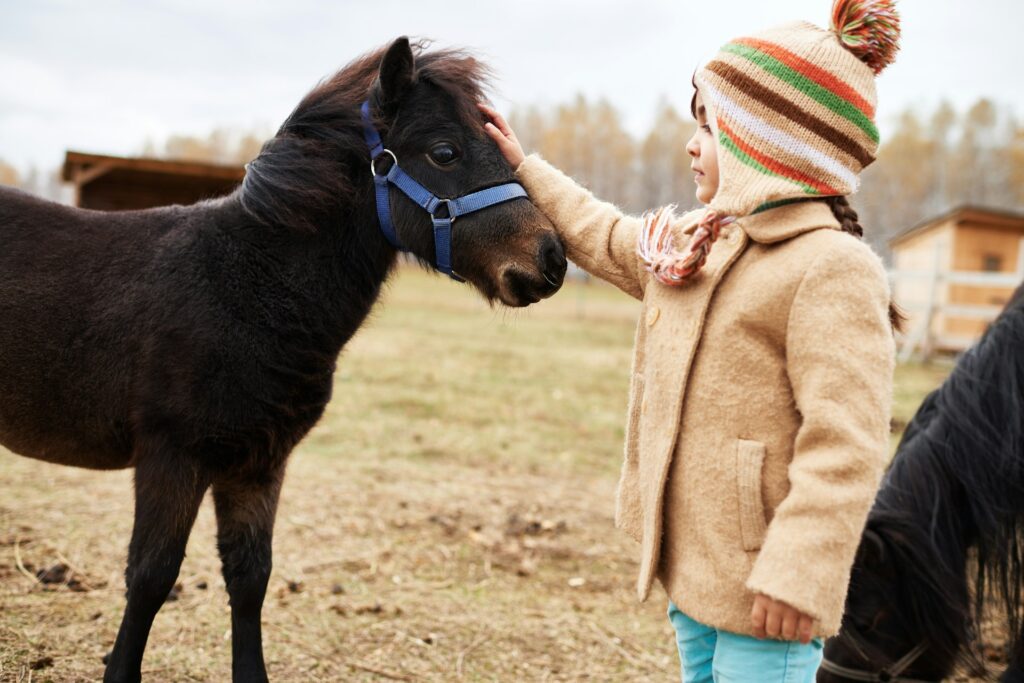
Horses constantly negotiate space, boundaries, and relationships using posture, positioning, and movement. These signals change depending on context, hierarchy, and emotional state. Communication here is deliberate, not automatic. Horses adjust signals based on response, showing awareness of cause and effect. That ongoing social negotiation requires judgement and adaptability.
They form deep, selective emotional bonds.
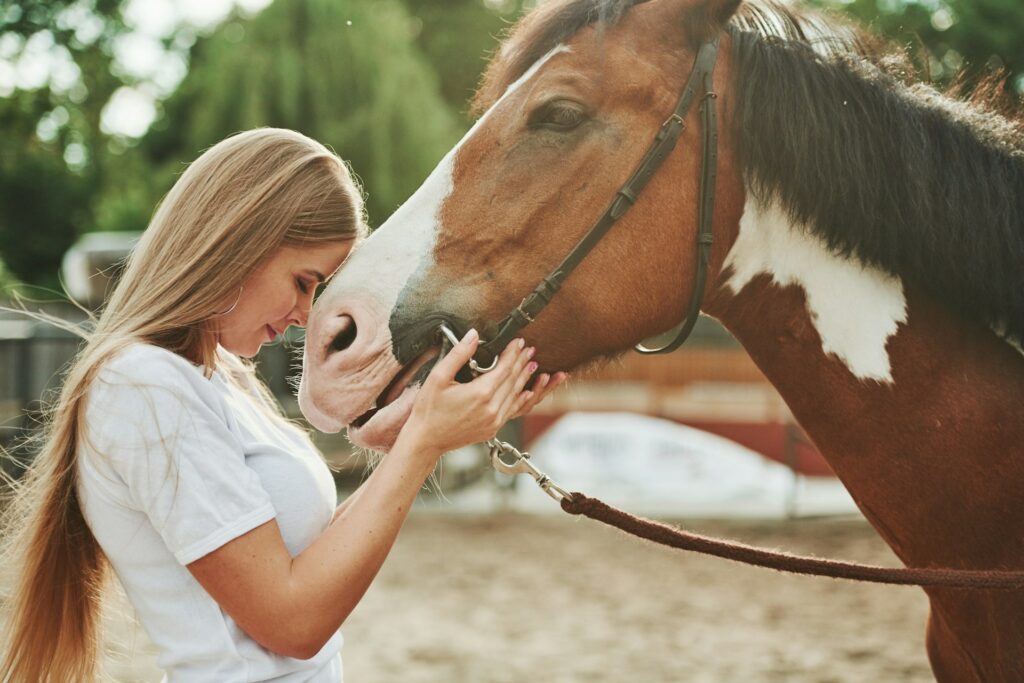
Horses bond strongly with specific individuals, both human and equine. Separation often causes distress, while reunion brings visible relief, even after long absences. Bonding like this requires recognition, preference, and emotional memory. Horses don’t attach randomly. They choose, remember, and respond emotionally over time, which is one of the clearest indicators of intelligence.