Long before weather apps, news alerts, or anything resembling modern science, people watched the sky.
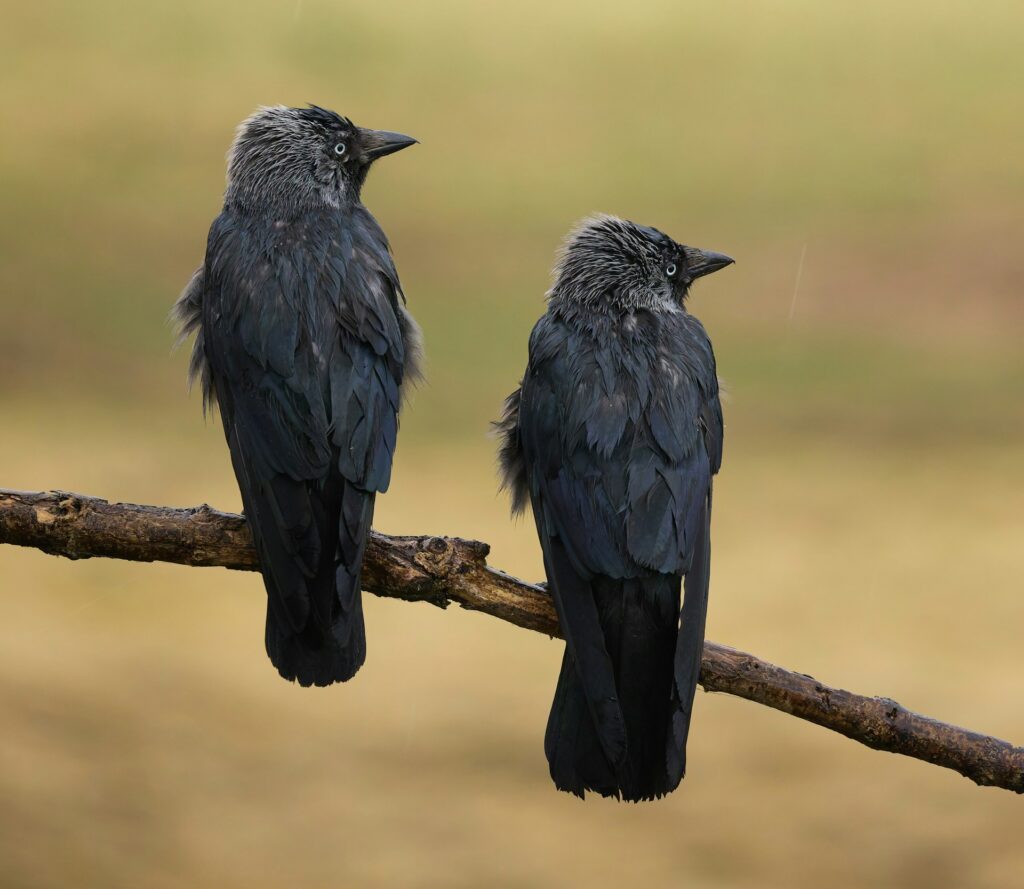
Birds weren’t just background noise or decoration. They were messengers, warnings, reassurance, sometimes outright threats. When something important was about to happen, good or bad, many cultures believed you’d see it first in feathers and flight.
What’s fascinating is how much agreement there was across time and geography. The same birds kept turning up in myths, superstitions, and rituals, even among societies that never crossed paths. A shape circling overhead, a call at the wrong moment, a bird appearing where it shouldn’t—none of it felt random to the people watching. These creatures became loaded with meaning, woven into stories about fate, death, protection, and luck. Once you start looking at which birds carried those beliefs, you get a revealing glimpse into how humans tried to make sense of uncertainty long before anyone pretended they had control over it.
1. Ravens as messengers between worlds
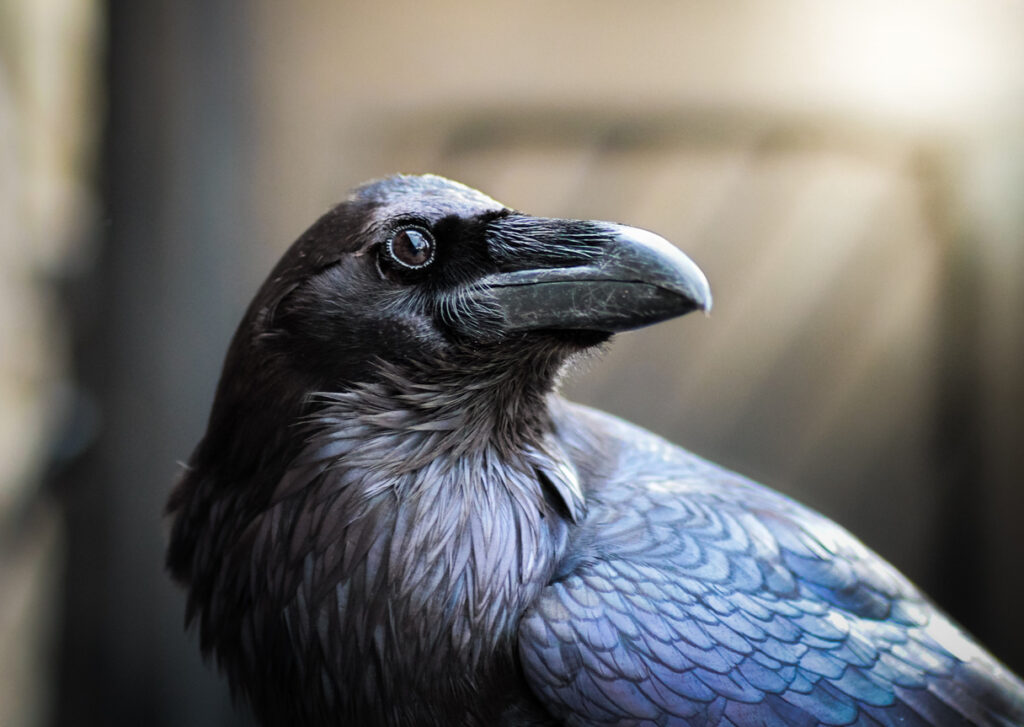
Ravens have carried heavy symbolic weight across many societies, particularly in northern Europe and parts of Asia. Their intelligence, dark colouring, and habit of appearing around battlefields or death sites made them easy to associate with the boundary between life and death.
In Norse culture, ravens were linked to knowledge, memory, and fate, often seen as observers rather than villains. In other societies, seeing a raven near home was taken as a warning of loss or bad news. The same bird could represent wisdom or doom, depending entirely on context.
2. Owls as signs of death or hidden truth
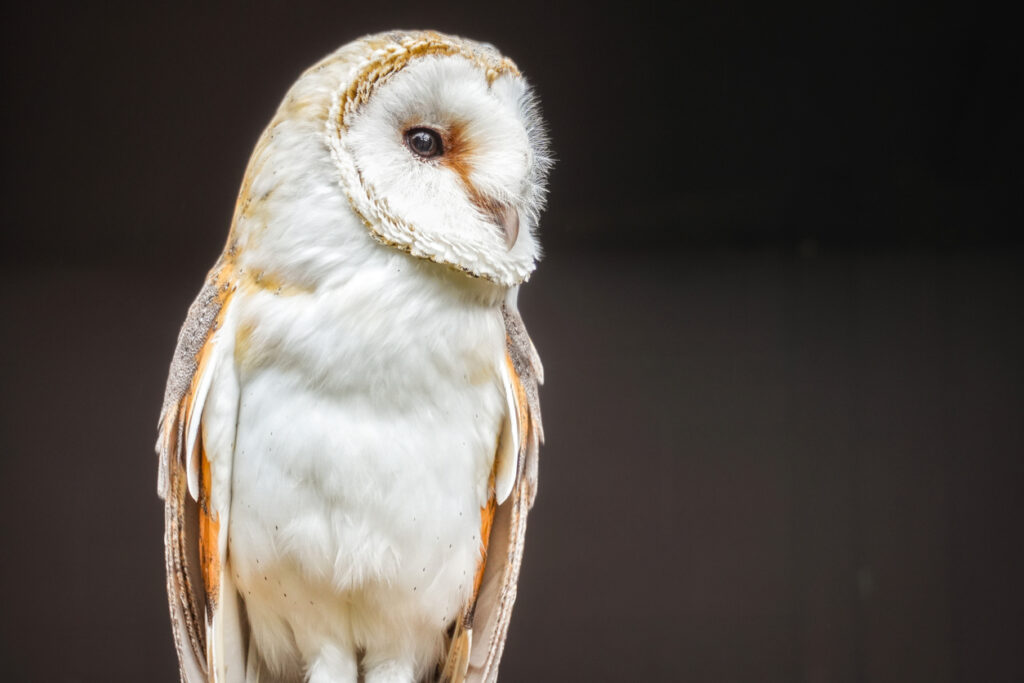
Owls appear in omen traditions across Europe, the Americas, and parts of Africa. Their nocturnal habits, silent flight, and unblinking stare made them unsettling to many early societies. In ancient Rome, an owl near a city was believed to predict disaster or death, while in some Native American cultures, owls were linked to spirits or the afterlife. In contrast, Greek society associated owls with wisdom and protection, showing how the same bird inspired fear in some cultures and reassurance in others.
3. Eagles as omens of power and victory
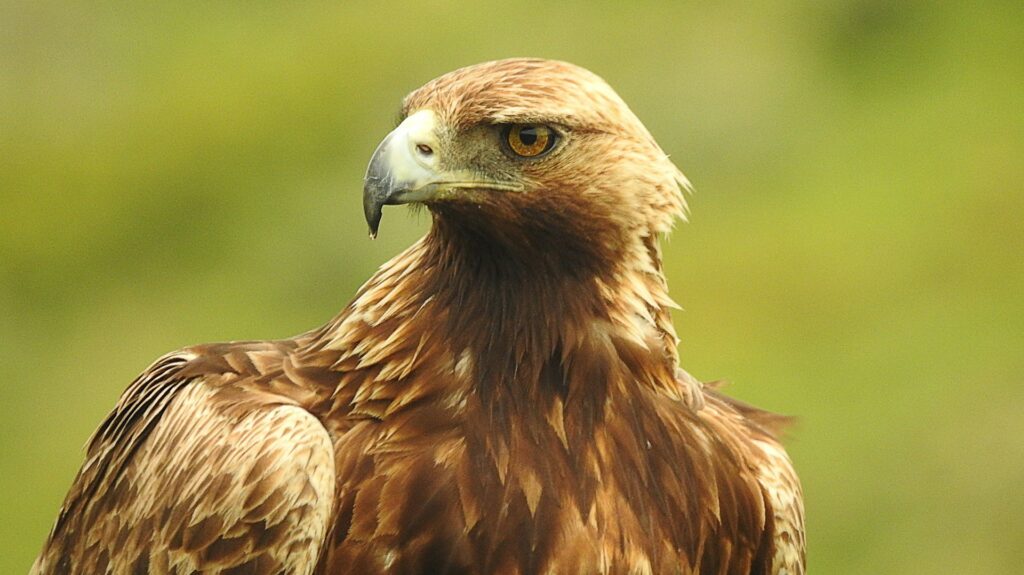
Eagles were widely seen as positive omens, particularly in societies that valued strength, dominance, and divine favour. Their size, hunting ability, and position high in the sky made them natural symbols of authority. In ancient Rome, the appearance of an eagle before battle was interpreted as a sign of victory and approval from the gods. Across many cultures, eagles were believed to carry messages from higher powers, reinforcing their role as symbols of leadership and protection.
4. Crows as warnings of change or conflict

Crows, like ravens, were often linked to unsettling omens. Their adaptability and tendency to gather in large numbers made them noticeable during times of upheaval, such as famine or war. In medieval Europe, crows appearing near settlements were sometimes seen as warnings of sickness or social unrest. In parts of Asia, however, crows could symbolise ancestral spirits watching over the living, giving them a more neutral or even protective meaning.
5. Vultures as signs of renewal rather than death
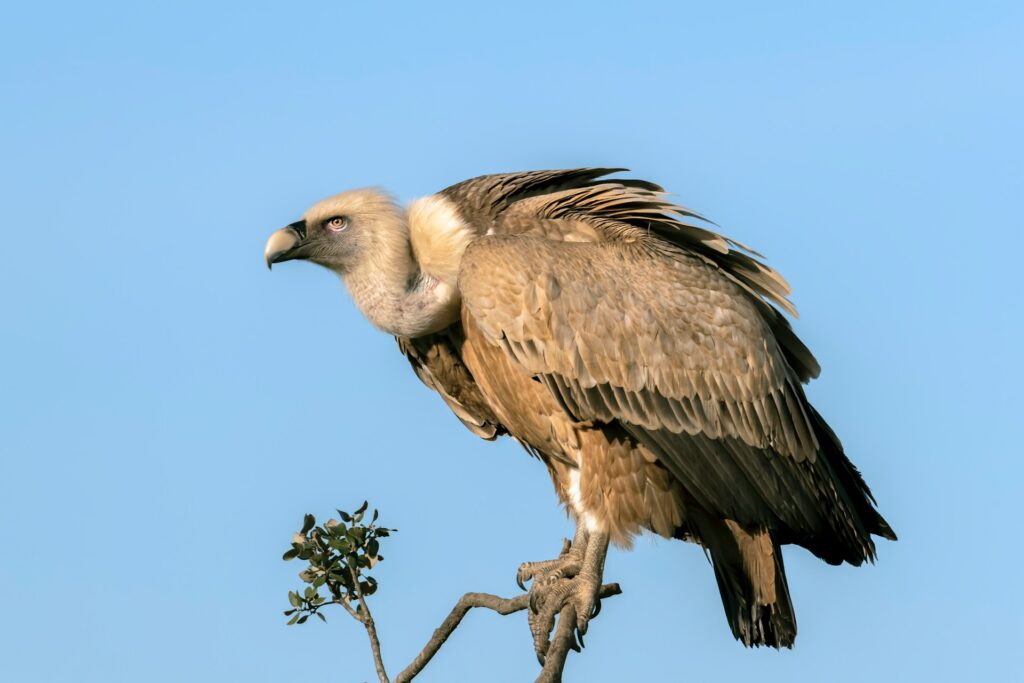
While vultures are often associated with death in modern thinking, some ancient societies saw them very differently. Their role in cleaning the land of decay gave them a necessary and even sacred status. In ancient Egypt, vultures symbolised protection and motherhood, linked to goddesses rather than destruction. Seeing a vulture overhead could be interpreted as a sign of cleansing, renewal, or divine oversight rather than a threat.
6. Swallows as symbols of hope and safe return
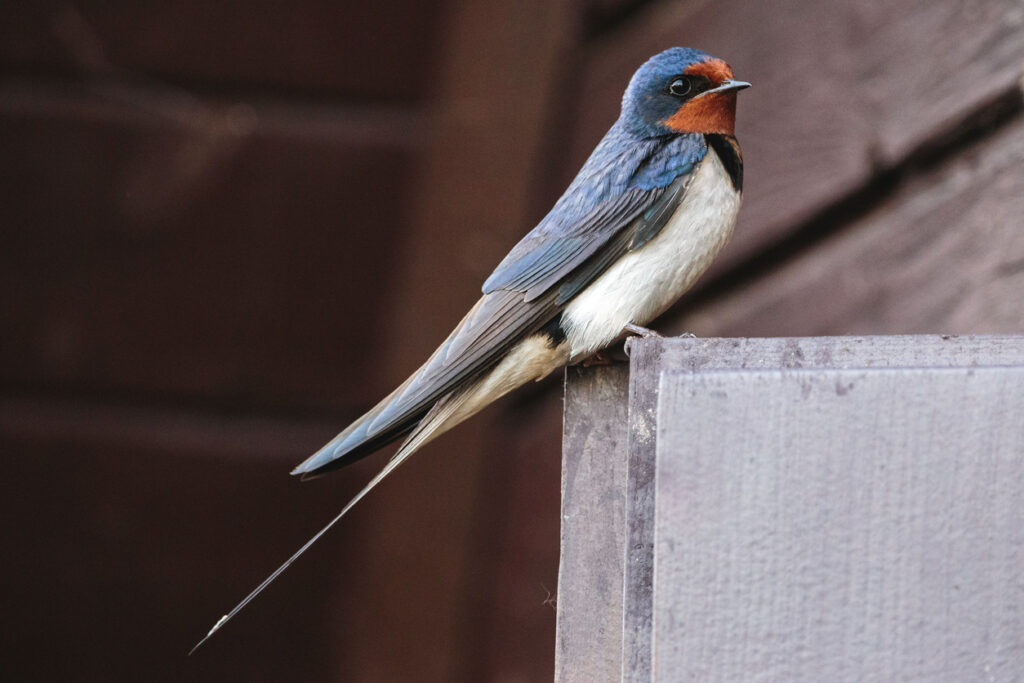
Swallows have long been associated with positive omens, especially in maritime and farming cultures. Their seasonal return marked the end of winter and the arrival of more stable conditions. In ancient Greece and later European folklore, the sight of the first swallow of the year was seen as a promise of good fortune. For sailors, swallows meant land was near, turning them into signs of survival rather than superstition.
7. Hawks as warnings to stay alert
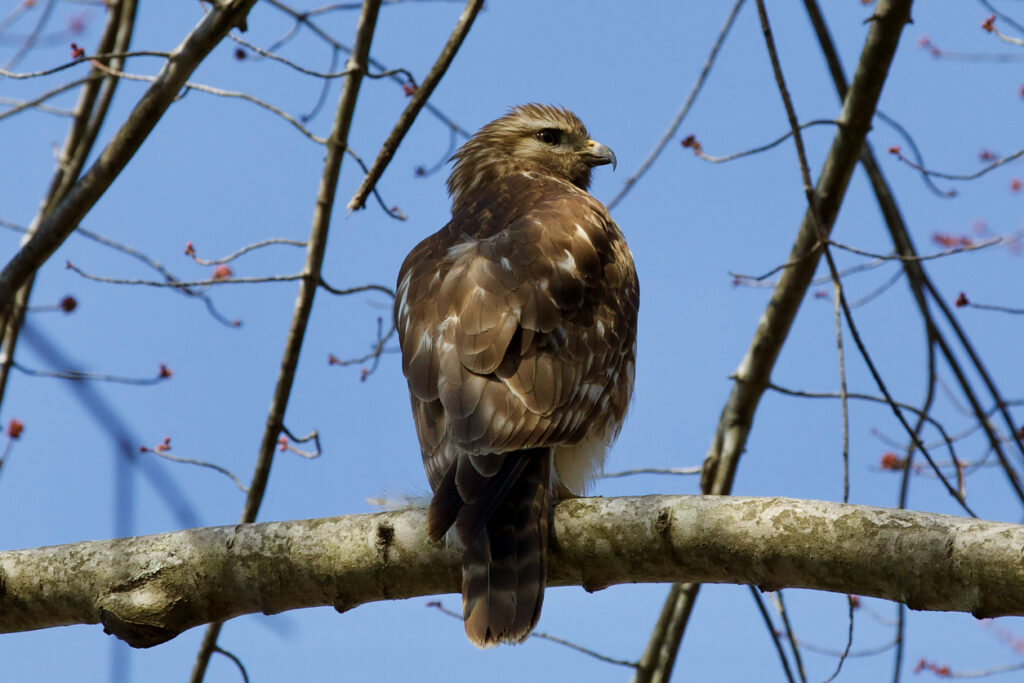
Hawks were often interpreted as omens tied to vigilance and conflict. Their sharp eyesight and sudden, decisive movements made them symbols of awareness and impending action. In some Indigenous North American cultures, hawks were seen as messengers urging people to pay attention or prepare for change. Seeing one circling overhead wasn’t necessarily negative, but it was rarely ignored.
8. Doves as signs of peace and divine approval
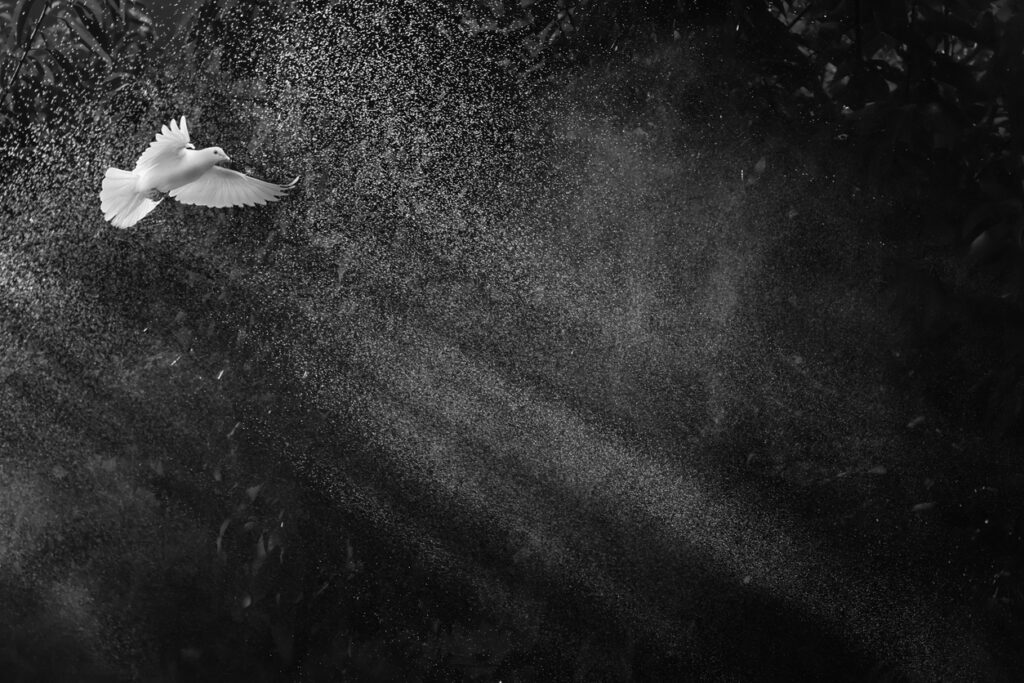
Doves appear repeatedly in religious and cultural symbolism as positive omens. Their gentle behaviour and pair bonding made them easy symbols of harmony and stability. In ancient Middle Eastern and later Christian traditions, doves were associated with purity, peace, and divine presence. Their appearance often signalled reassurance rather than warning, especially during times of uncertainty.
9. Cranes as symbols of longevity and good fortune

In East Asian cultures, cranes were powerful positive omens. Their long lifespan and graceful movements linked them to endurance and prosperity. Seeing cranes in flight or near settlements was often interpreted as a blessing, particularly in Chinese and Japanese traditions. They symbolised balance and long-term harmony rather than sudden change.
10. Magpies as signs of luck or misfortune depending on number
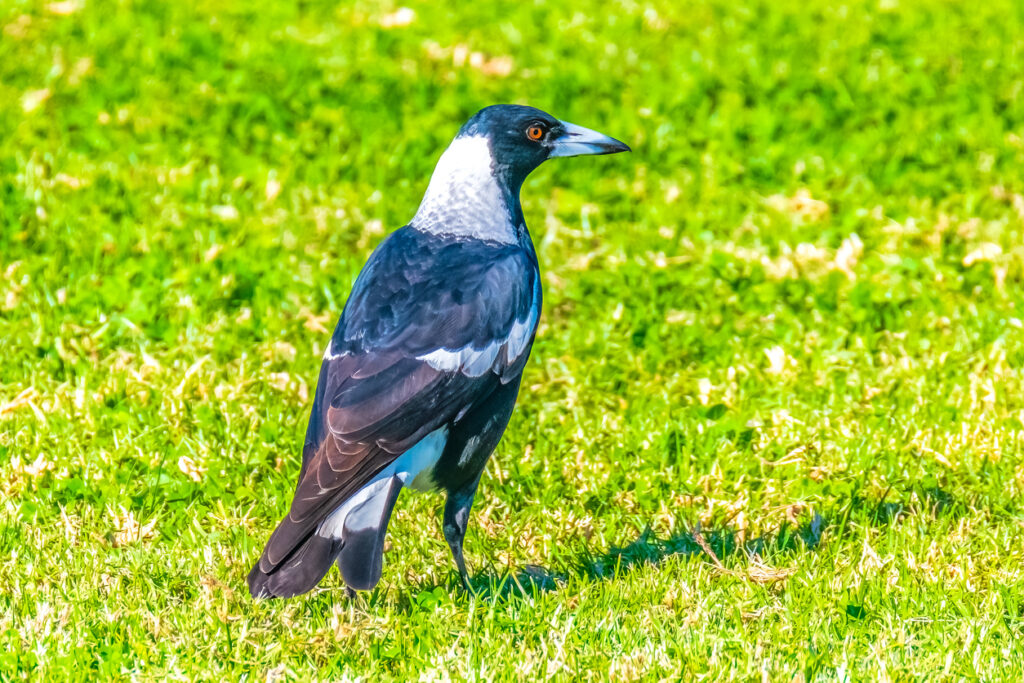
Magpies are one of the clearest examples of birds being read through specific rules rather than general feeling. In British and European folklore, the number of magpies seen together carried distinct meanings. One magpie was often seen as bad luck, while two signalled joy or good news. This structured interpretation shows how deeply birds were woven into everyday thinking, even influencing small daily decisions.
11. Herons as omens of patience and transition
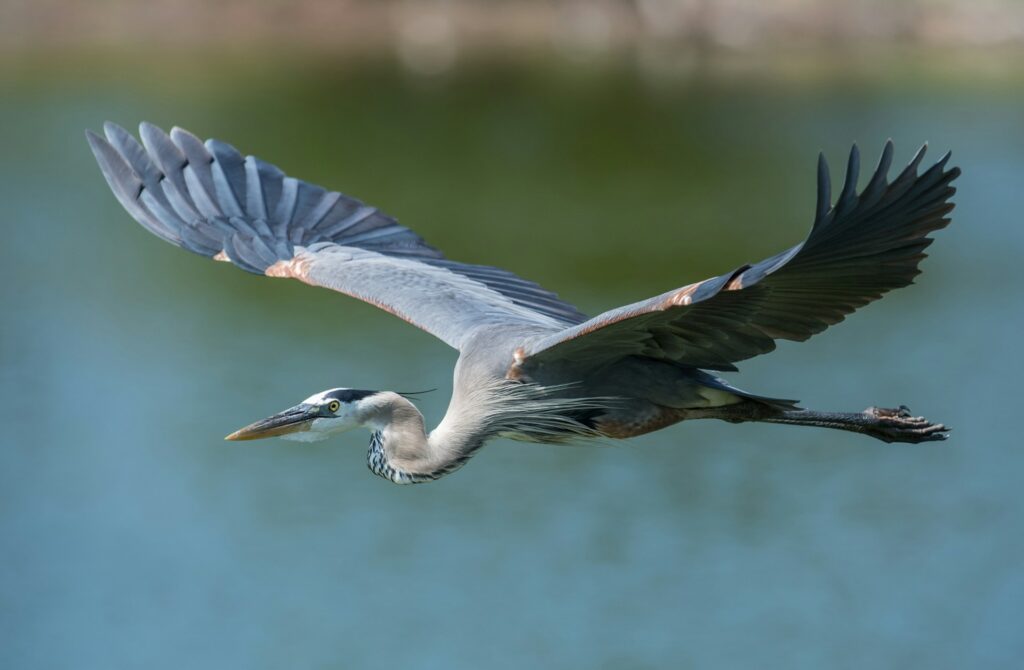
Herons appear in ancient Egyptian, Celtic, and Asian symbolism as creatures of stillness and observation. Their slow movements and solitary hunting style set them apart. Seeing a heron was often interpreted as a sign to wait, reflect, or prepare for gradual change rather than immediate action. They were rarely linked to disaster, but instead to timing and awareness.
12. Roosters as warnings and protectors

Roosters held symbolic importance in many societies due to their role in marking time. Their crowing at dawn connected them to vigilance and the banishing of darkness. In parts of Europe and Asia, roosters were believed to ward off evil spirits simply by calling out the morning. Their presence was taken as a sign of protection rather than threat.
13. Albatrosses as symbols of burden and fate
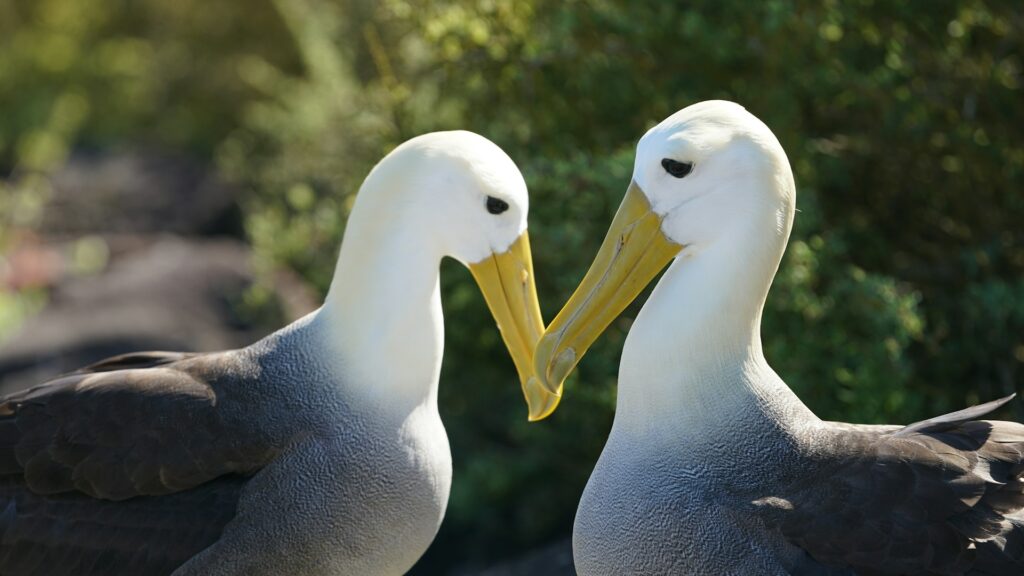
For seafaring cultures, albatrosses were deeply symbolic. Their vast wingspan and habit of following ships made them constant companions at sea. Killing or harming an albatross was widely believed to bring terrible luck, representing a violation of natural order. Seeing one alive was often considered a sign of guidance, while its loss symbolised moral failure and impending hardship.
Across cultures, birds acted as living signals in a world where people looked for meaning in patterns around them. Whether feared, revered, or welcomed, these interpretations reveal less about the birds themselves and more about how societies understood fate, danger, and hope in an unpredictable world.