Bringing more than one dog into the same home can be brilliant, but it isn’t automatically a recipe for harmony.
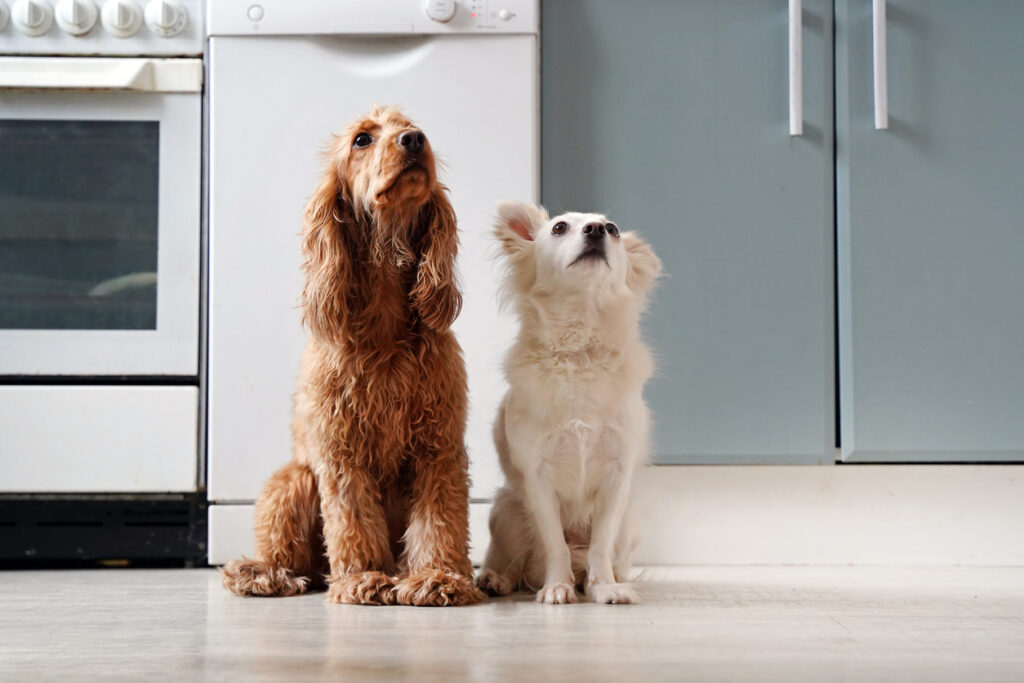
Some combinations rub along just fine, while others seem to create tension no matter how much training, space, or good intention you throw at them. When clashes happen, it’s rarely because the dogs are “bad” or poorly loved. It usually comes down to instincts, and the way certain traits clash once they’re living on top of each other day in, day out.
It’s important to note that problems don’t always show up straight away. Dogs can tolerate a lot in short bursts, especially when everything is new. It’s only once routines settle and boundaries start to matter that friction appears. Understanding which breeds tend to struggle together can help you be more realistic about mixing pets before you end up managing stress, behaviour issues, or constant separation in your own home.
1. Akita and other dominant large breeds

Akitas are confident, self-directed dogs that were bred to make decisions independently. They don’t naturally look to other dogs for social cues or approval, which can cause friction when they share space with another dominant large breed. At first, everything may seem calm, but tension often builds quietly through stiff body language, prolonged staring, and subtle resource guarding.
The real danger with this pairing is how quickly disagreements escalate once a line is crossed. Akitas tend not to back down, and neither do other assertive breeds. When conflict happens, it’s rarely noisy warning growls first. It’s sudden, physical, and difficult to interrupt safely, even for experienced owners.
2. Jack Russell Terrier and very small dogs

Jack Russells are small, but they’re not gentle dogs by instinct. They were bred to chase, grab, and dispatch prey quickly, and that drive doesn’t disappear just because they live in a house. When paired with very small or fragile dogs, the size difference becomes risky during moments of excitement.
Many incidents in these homes don’t come from anger. They happen during play, feeding, or sudden movement when the Jack Russell’s instincts kick in before conscious control. Even a single grab can cause serious injury, making this pairing far more dangerous than people expect.
3. Greyhound and toy breeds
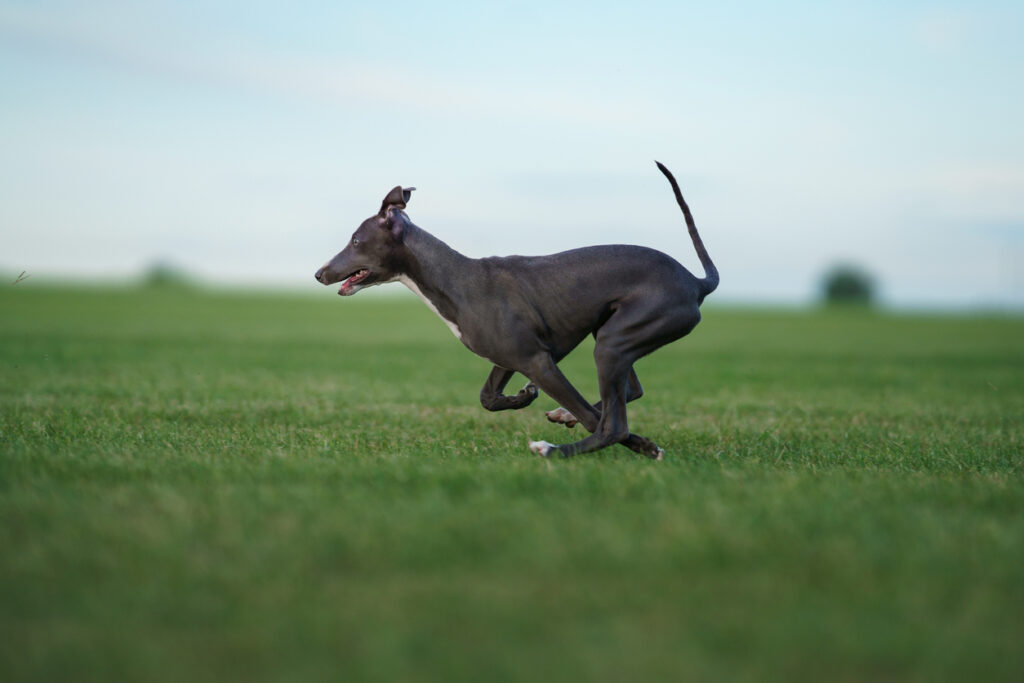
Greyhounds are famously calm indoors, which often leads owners to underestimate their prey drive. While they may sleep for hours, their instinct to chase fast-moving small animals is deeply ingrained and can be triggered instantly.
Living with toy breeds increases the risk, especially if the Greyhound has a racing background. A quick sprint across the room, a squeaky toy, or sudden excitement can activate instinct before the dog has time to process what it’s chasing. When that happens, the consequences can be severe.
4. Border Collie and low-energy companion breeds
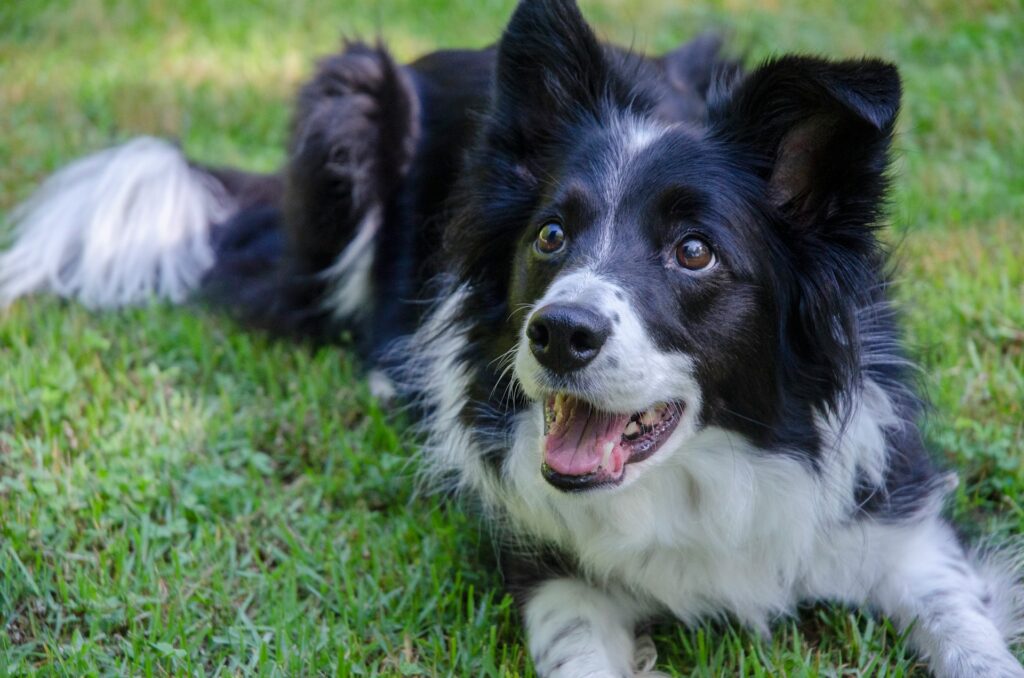
Border Collies are highly intelligent, driven dogs that need constant mental and physical engagement. Pairing them with relaxed companion breeds often leads to frustration on both sides. The Collie wants movement, interaction, and purpose, while the other dog wants peace.
This mismatch often shows up as herding behaviour, staring, nipping, or controlling access to space. Over time, the calmer dog becomes stressed or defensive, while the Collie becomes more intense. What looks like play at first can turn into chronic tension that never fully settles.
5. Staffordshire Bull Terrier and same-sex power breeds
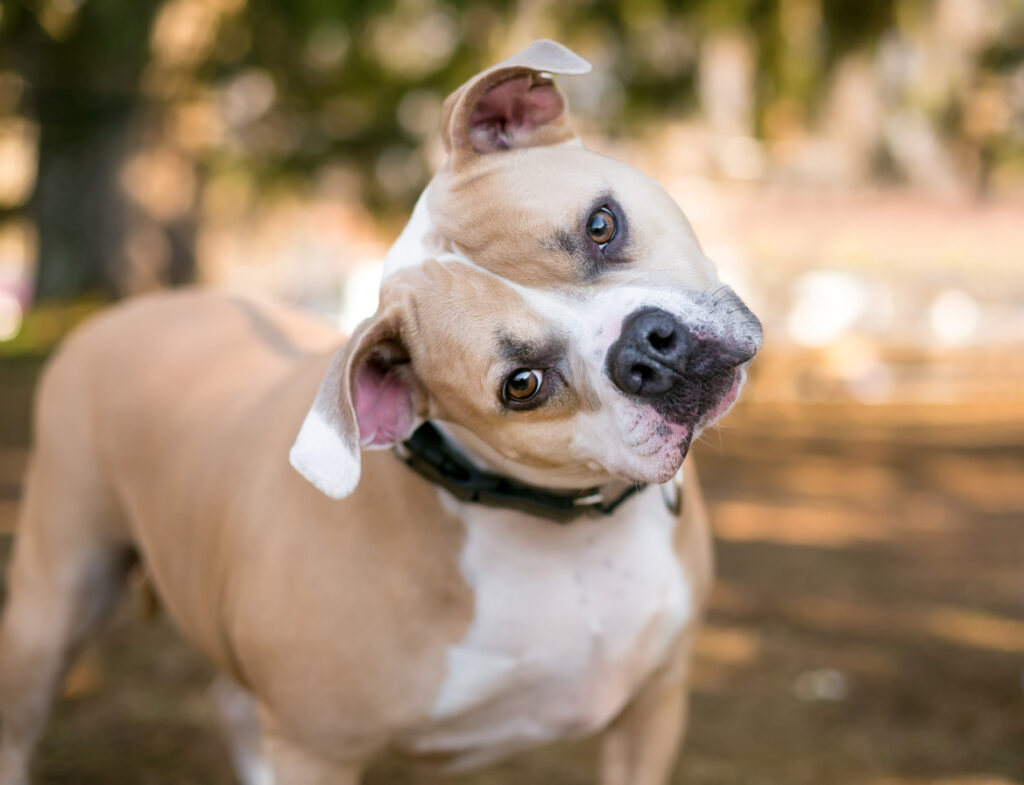
Staffies are famously people-focused, but dog-to-dog relationships can be more complicated, particularly with same-sex pairings involving other strong, confident breeds. Even when raised together, maturity can change the dynamic.
When disagreements occur, these dogs don’t tend to disengage easily. Their strength and determination mean fights escalate quickly and are hard to break up safely. Many households end up managing permanent separation despite early signs of harmony.
6. Husky and small or fragile dogs
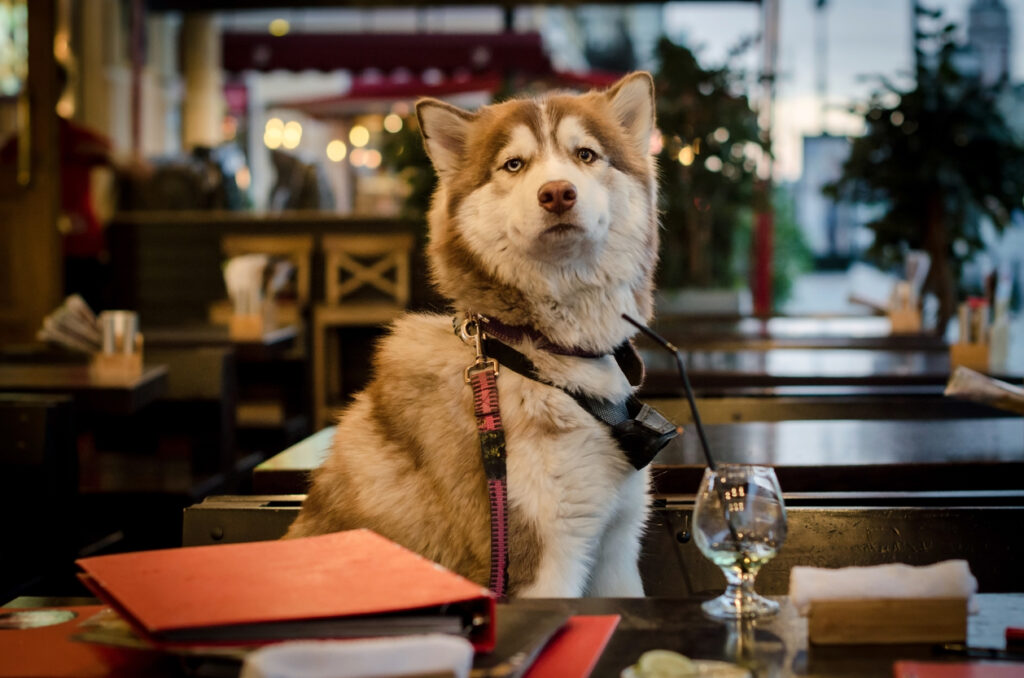
Huskies are playful, energetic, and physically rough compared to many other breeds. They often don’t recognise their own strength, especially when excited or overstimulated.
Even without aggression, injuries can happen during normal play. Huskies also retain a strong prey drive that can surface unexpectedly. For smaller dogs, living with a Husky can mean constant stress and physical risk rather than companionship.
7. Chihuahua and giant breeds

Chihuahuas are bold, reactive, and often completely unaware of how small they are. When paired with giant breeds, the size imbalance creates a dangerous situation, even if both dogs are friendly.
A single correction, paw placement, or startled reaction from the larger dog can cause catastrophic injury. Many incidents are accidental rather than aggressive, making this pairing especially risky despite good intentions.
8. Bull breeds living together without experienced management
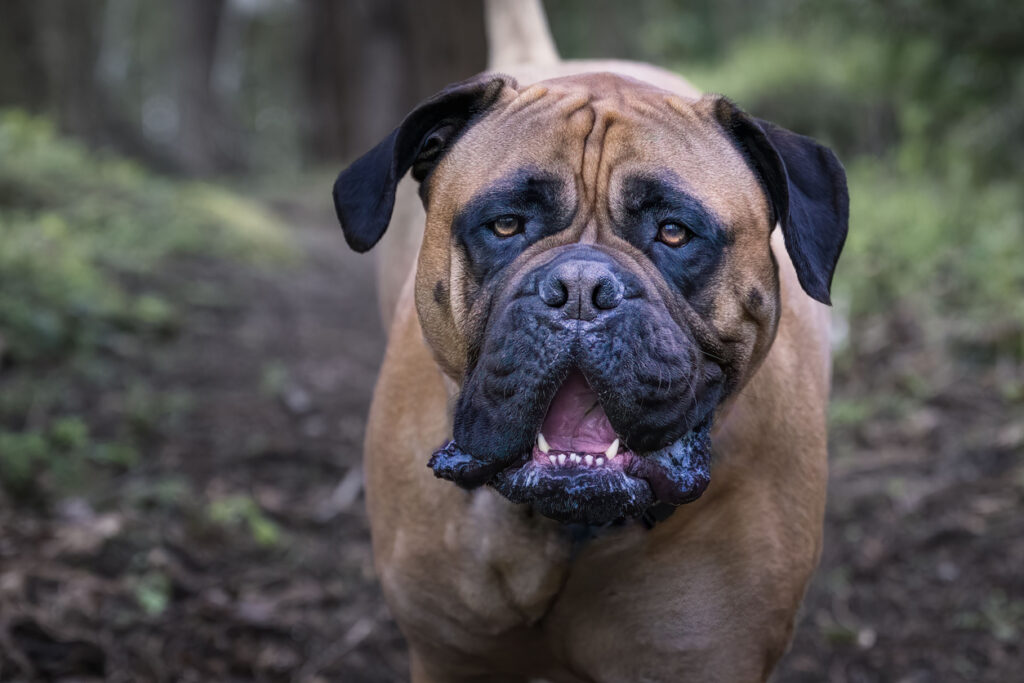
When two bull-type breeds share a home, their shared traits can amplify conflict. These dogs are powerful, persistent, and less likely to disengage once aroused.
Managing these pairings often requires constant supervision, controlled routines, and sometimes lifelong separation within the home. For most households, that level of management becomes emotionally and practically unsustainable.
9. Livestock guardian breeds and high-energy companion dogs
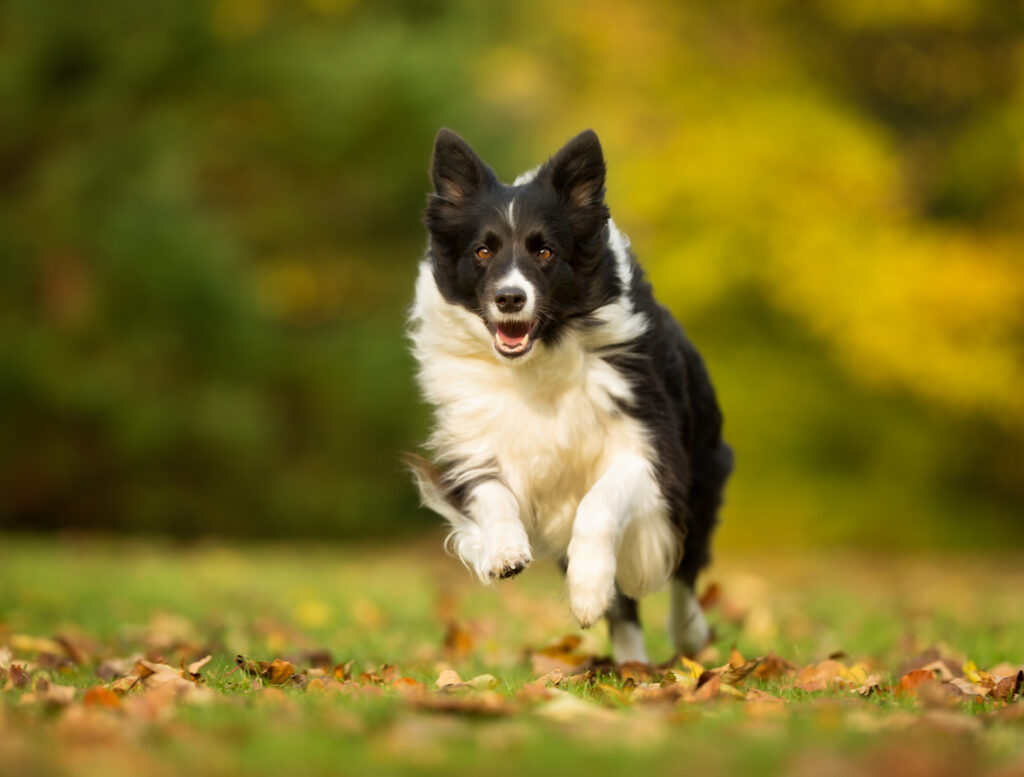
Livestock guardians are bred to assess threats independently and act decisively. High-energy companion dogs can unintentionally trigger corrective or protective behaviour through chaotic movement or persistent play.
This mismatch leads to miscommunication rather than obvious aggression. Owners often miss early warning signs because the conflict doesn’t follow typical dog-play patterns. By the time issues surface clearly, the relationship is already unstable.
10. Two unneutered males of assertive breeds
This pairing causes more household breakdowns than many owners expect. Hormones, maturity, and territory can flip peaceful relationships seemingly overnight, even between dogs raised together.
Once social hierarchy settles, challenges can become relentless. Many owners are caught off guard because the dogs “used to get along,” not realising that adult dynamics change dramatically with age and hormones.
These combinations aren’t guarantees of failure, but they come with real, predictable risks that don’t disappear with love alone. Understanding breed instincts and household dynamics early can prevent injury, stress, and heartbreaking rehoming decisions later on.