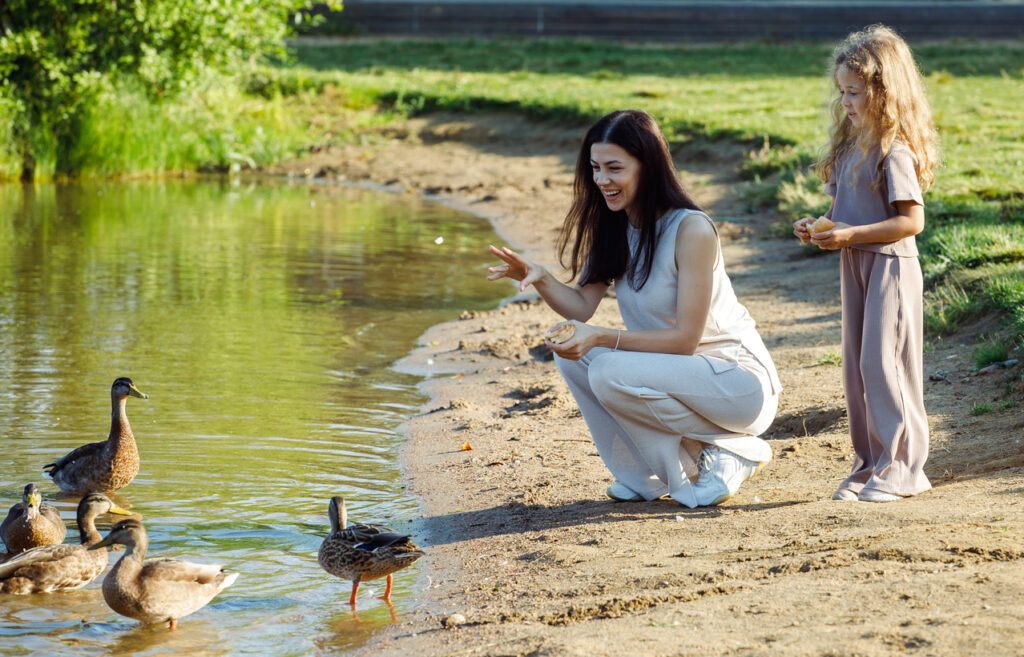
Feeding birds feels like one of the most harmless, feel-good things you can do. Chucking out a bit of bread, hanging a feeder, or tipping leftovers onto the lawn feels positively wholesome, like you’re doing your bit for nature while you’re at it. That’s why most people never stop to wonder whether there are actually rules attached to it. Surely, no one’s getting in trouble for helping the birds, right?
Well… yes and no. In the UK, bird feeding sits in a slightly awkward space where good intentions don’t always line up with the law. Certain habits that feel completely normal can cause real problems, from public health issues to wildlife harm, and that’s where regulations come in. The catch is that hardly anyone talks about them, so people break them every day without realising they’ve crossed a line. Once you know what’s allowed and what isn’t, a few everyday feeding habits start to look a lot less innocent.
1. Feeding birds in ways that cause harm is already illegal.
Under the Wildlife and Countryside Act, it’s illegal to intentionally or recklessly cause unnecessary suffering to wild birds. This applies even when your intentions are good. If the food you provide regularly causes illness, injury, or dependency, it can cross a legal line. This often comes up with mouldy seed, spoiled fat balls, or food left to rot on the ground. If birds are getting sick because of feeding practices, councils, and wildlife officers can treat it as an offence, not a mistake.
2. Throwing food into water for birds can breach local by-laws.
Feeding ducks, swans, or geese at ponds and lakes feels almost traditional. Many local councils, however, have by-laws banning the throwing of food into water bodies due to pollution and ecosystem damage. Uneaten bread and grain rot, alter water chemistry, and encourage algae blooms. Even when signs are not obvious, these by-laws are enforceable, and people are often fined simply for doing what they have done for years.
3. Feeding birds in public spaces can count as littering.
Dropping seed, bread, or scraps in parks, pavements, and town centres can legally be treated as littering. The logic is simple: once food is left behind and not fully eaten, it becomes waste. Councils regularly use littering laws to issue fines, especially in urban areas where feeding birds attracts pigeons, gulls, and rats. Many people are shocked to find that bird feeding can fall under the same rules as dropping rubbish.
4. Encouraging pest species can breach nuisance laws.
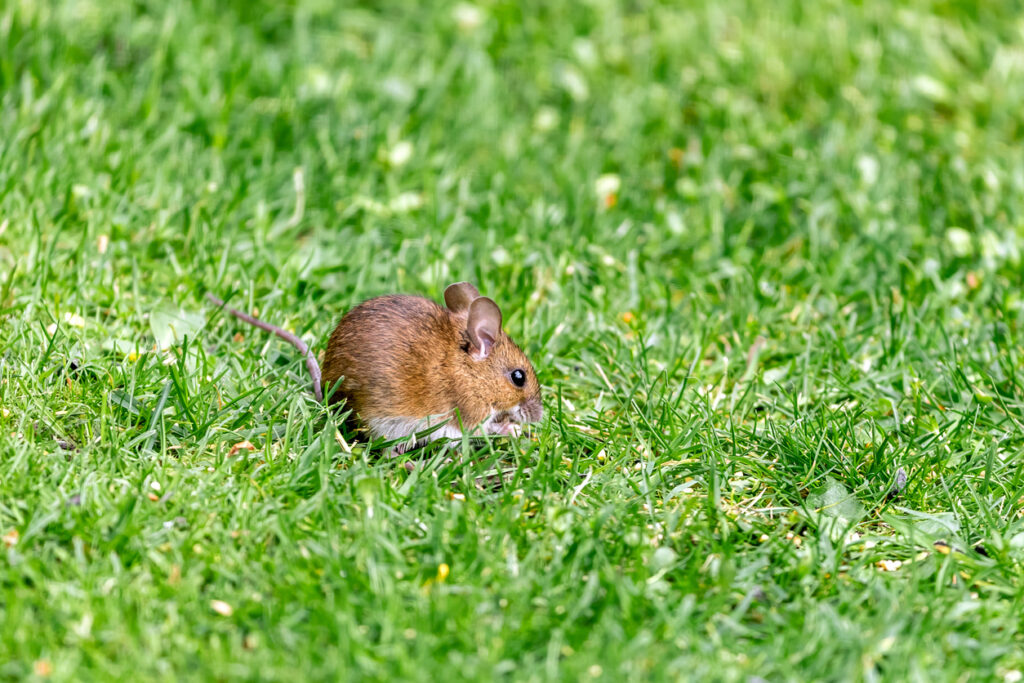
Feeding birds in a way that attracts rats, mice, or aggressive birds can trigger nuisance complaints. Local authorities have powers to intervene if feeding causes health risks or disrupts neighbouring properties. This is common in flats and terraced housing, where one person’s bird feeding leads to infestations next door. You may not be breaking a wildlife law directly, but you can still be ordered to stop and fined if the feeding causes wider problems.
5. Feeding birds near roads can be an offence.
Putting food down near roads, car parks, or verges can increase the risk of birds being hit by vehicles. If feeding creates a predictable danger, it can be considered reckless behaviour. Some councils treat this as a road safety issue rather than a wildlife one. People have been fined for encouraging birds to congregate in traffic areas, even when the intention was simply to help them.
6. Feeding protected birds incorrectly can still be illegal.
All wild birds in the UK are protected, but some species have additional protections around disturbance. Feeding practices that repeatedly disturb nesting birds or draw predators into nesting areas can breach these rules. This includes placing feeders too close to nests or feeding in ways that cause repeated stress. Protection is not just about killing or trapping. Disturbance through careless feeding can also count.
7. Leaving food out overnight can break local pest control rules.
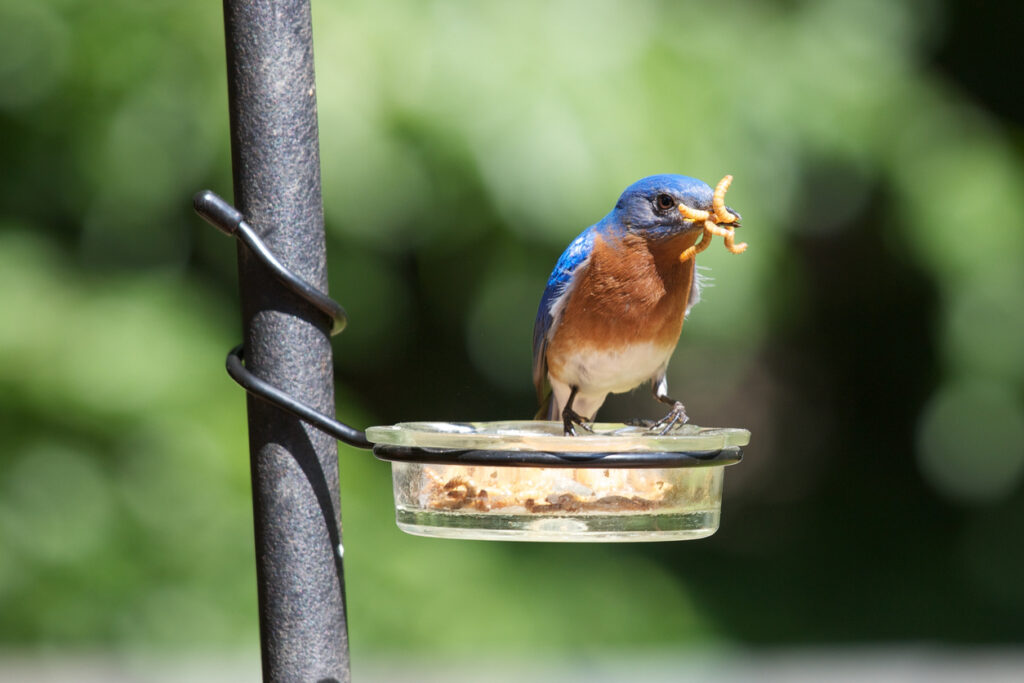
Many councils have pest prevention regulations that require residents to manage food sources responsibly. Leaving bird food out overnight often attracts rats and foxes rather than birds. Once a pest issue is identified, councils can issue formal notices requiring changes. Ignoring these can lead to fines, even though the original act was simply feeding wildlife.
8. Feeding birds from balconies can violate lease agreements.
In flats and managed properties, feeding birds from balconies or communal areas is often banned in lease agreements. While not criminal law, breaching these terms can still have serious consequences. Property managers often act due to droppings, blocked drains, and damage to buildings. People are often surprised to discover that feeding birds from their own balcony can technically break housing rules.
9. Using inappropriate food can breach animal welfare standards.
Feeding birds foods known to cause harm, such as salted snacks, cooked leftovers, or certain processed foods, can be viewed as irresponsible under animal welfare principles. If feeding repeatedly causes harm and warnings are ignored, authorities may step in. The law doesn’t require malicious intent, only foreseeable harm, which catches many people out.
10. Feeding birds to deliberately attract them can cross into disturbance.
Repeatedly feeding birds to bring them closer for photography, interaction, or entertainment can be considered disturbance, especially during breeding seasons. This is most relevant with ground-nesting birds, seabirds, and protected species. What feels like harmless enjoyment can legally become interference if it disrupts natural behaviour.