Britain’s woodlands feel completely different once the sun goes down.
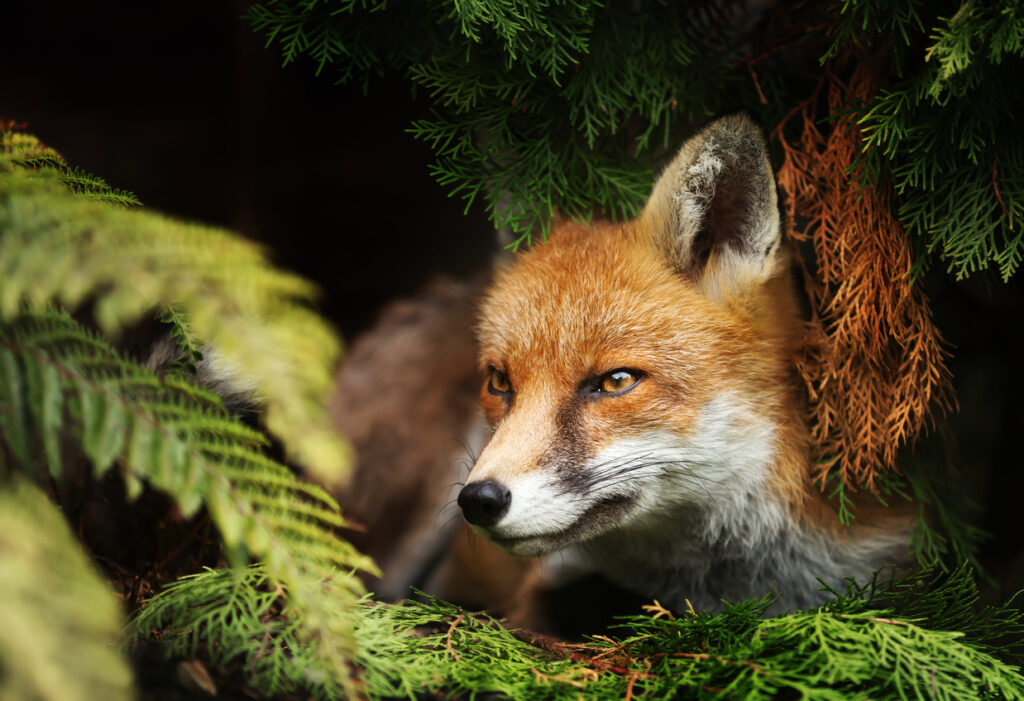
Familiar paths turn quieter, colours flatten into shadow, and the whole place seems to hold its breath. It’s easy to assume everything’s gone to sleep, but that’s when a lot of woodland life is only just getting started. After dark, a hidden shift change happens, and the night crew quietly takes over.
These nocturnal predators aren’t lurking for drama’s sake. They’re doing essential work, keeping populations in check and ecosystems ticking along. Most people never see them, but their presence shapes what the woods look like by day. If you’ve ever wondered what’s moving through British forests while the rest of us are tucked up in bed, here’s who’s out there, hunting under cover of darkness.
1. Red fox
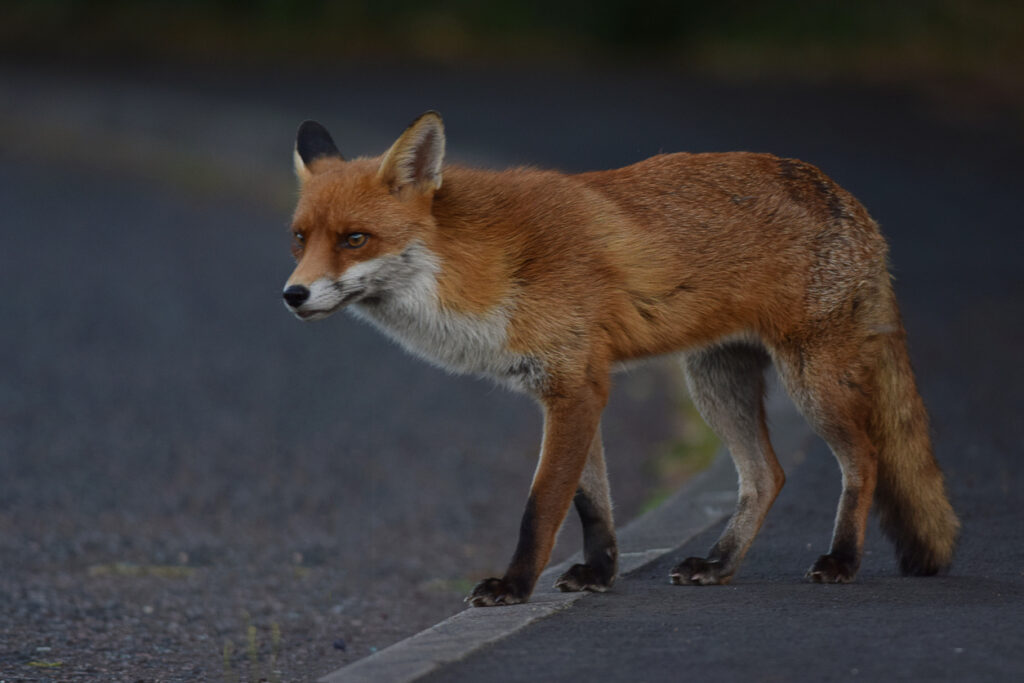
Foxes are the undisputed night-shift regulars of British woodland. As daylight fades, they slip out from cover and start following routes they know intimately, weaving between trees, hedges, and clearings with quiet confidence. Their hearing is astonishingly sharp, good enough to pick up the faint movement of a mouse under leaves or grass.
What really sets foxes apart is how adaptable they are. They’ll hunt whatever’s available, from rodents and insects to birds and carrion, adjusting their tactics as conditions change. This flexibility is why foxes thrive at woodland edges, where habitats overlap. By keeping small mammal numbers in check, they play a steady role in maintaining balance, even if most of their work goes completely unnoticed.
2. Badger

Badgers don’t immediately spring to mind when you think of predators, but they’re very much part of the nocturnal hunting scene. Once night settles in, they emerge from their setts and begin methodical foraging across woodland floors, snuffling through soil and leaf litter with impressive determination.
Their sense of smell is doing most of the heavy lifting. Earthworms make up a large part of their diet, but badgers are opportunists. If they come across rodents, ground-nesting birds, or eggs, they won’t pass them up. In woodland environments where food sources overlap, badgers quietly shape what thrives and what doesn’t, all while looking deceptively cuddly.
3. Tawny owl
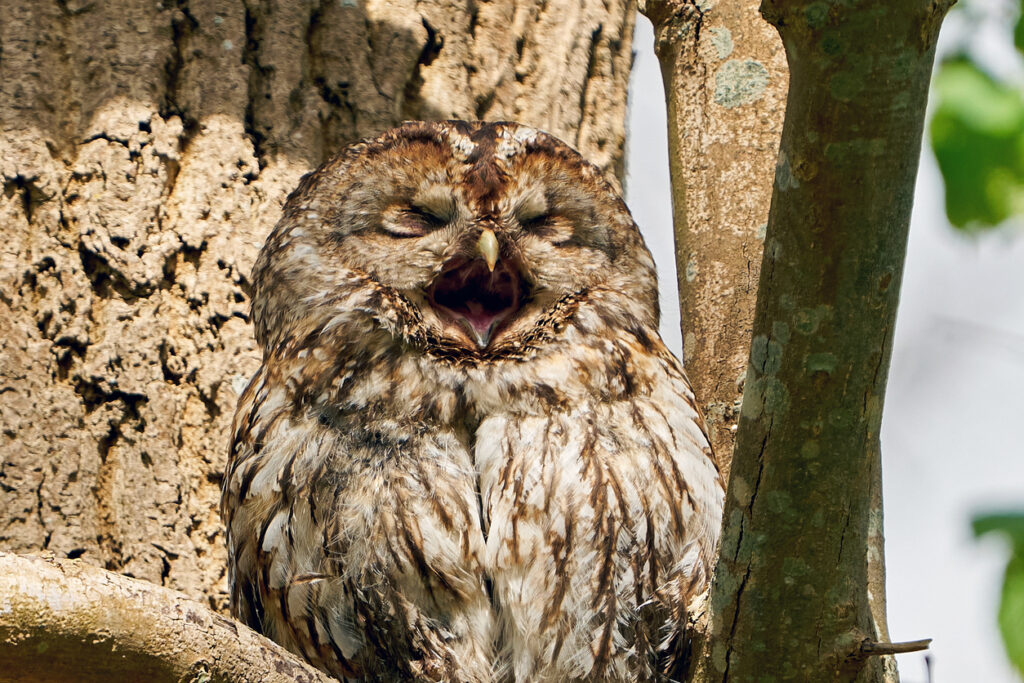
Few sounds define a British woodland night like the call of a tawny owl. That familiar hoot echoing through the trees isn’t just atmospheric, it’s the sound of a highly skilled predator marking territory and keeping tabs on rivals. Tawny owls are woodland specialists through and through.
Their hunting style is built for darkness. Silent flight, huge eyes adapted to low light, and excellent hearing allow them to drop onto prey with startling accuracy. Mice and voles make up most of their meals, and because they can hunt in near-total darkness, tawny owls are among the most efficient nighttime hunters in British forests.
4. Barn owl
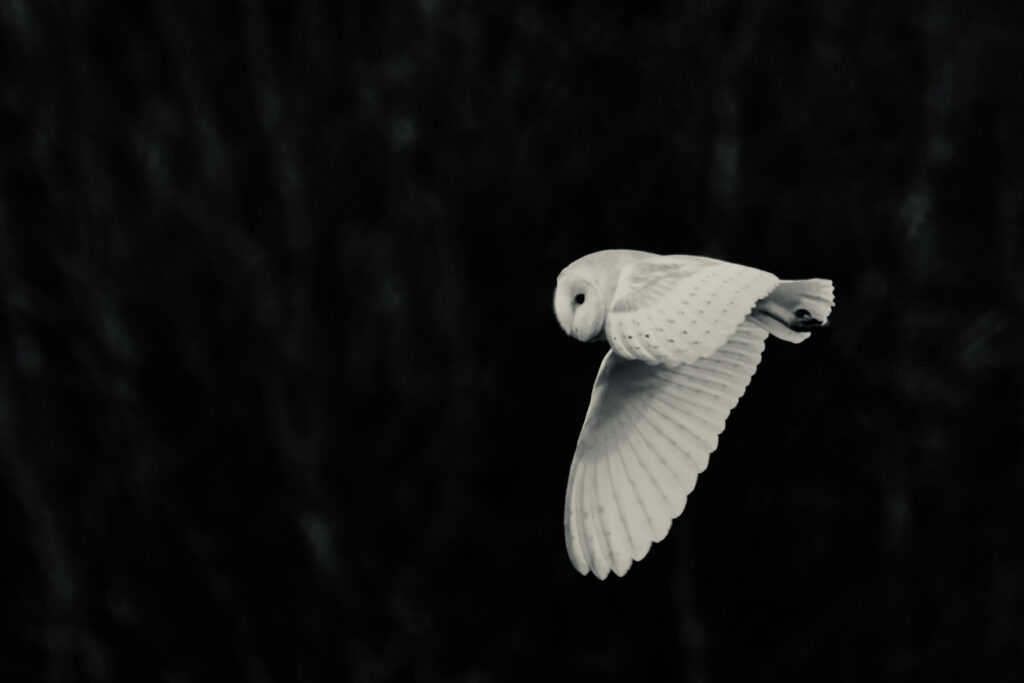
Barn owls are usually linked with farmland, but many regularly hunt along woodland edges, rides, and clearings once night falls. Their pale shape floating low over grass can look almost ghostly, especially in moonlight, which only adds to their mystique.
Their real advantage lies in sound. The distinctive facial disc funnels noise straight to their ears, letting them pinpoint prey movements with incredible precision. Even when vegetation is thick and visibility poor, barn owls can strike based on sound alone. This makes woodland margins rich hunting grounds, especially where small mammals are plentiful.
5. Stoat
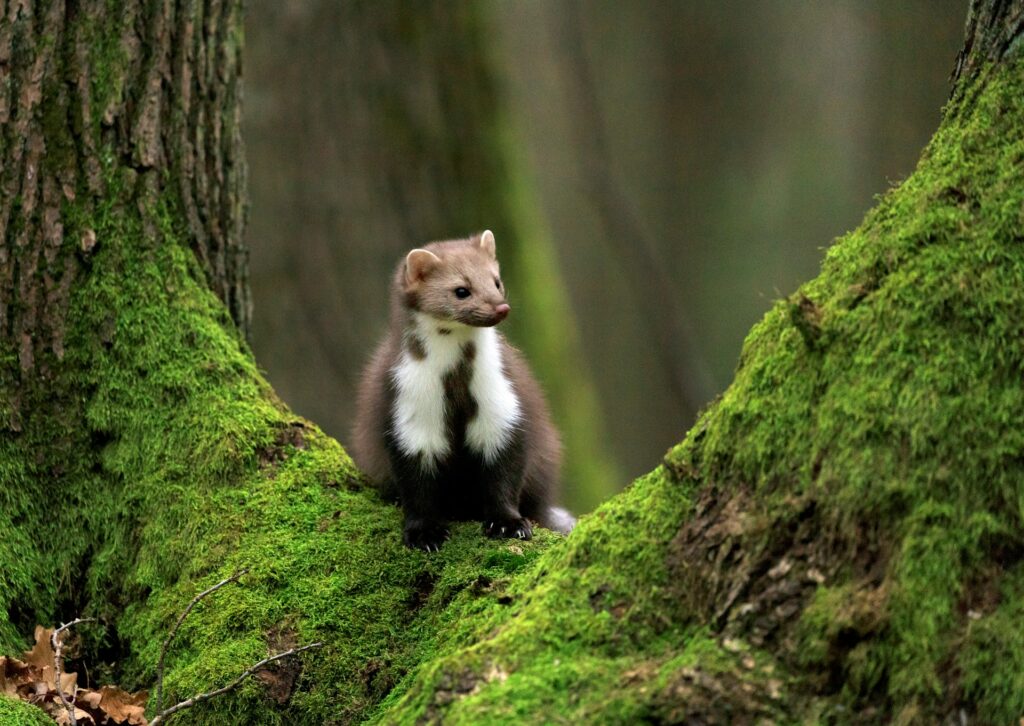
Stoats might be small, but they’re relentless. In woodland habitats, they stay active well into the night, darting through undergrowth, fallen logs, and burrows with fearless energy. Their slim bodies let them go where many predators can’t.
What’s most impressive is their willingness to tackle prey larger than themselves. Rabbits are a prime target, and once a stoat commits to a hunt, it rarely gives up easily. Speed, agility, and sheer determination make stoats one of Britain’s most effective small predators, despite their modest size.
6. Polecat
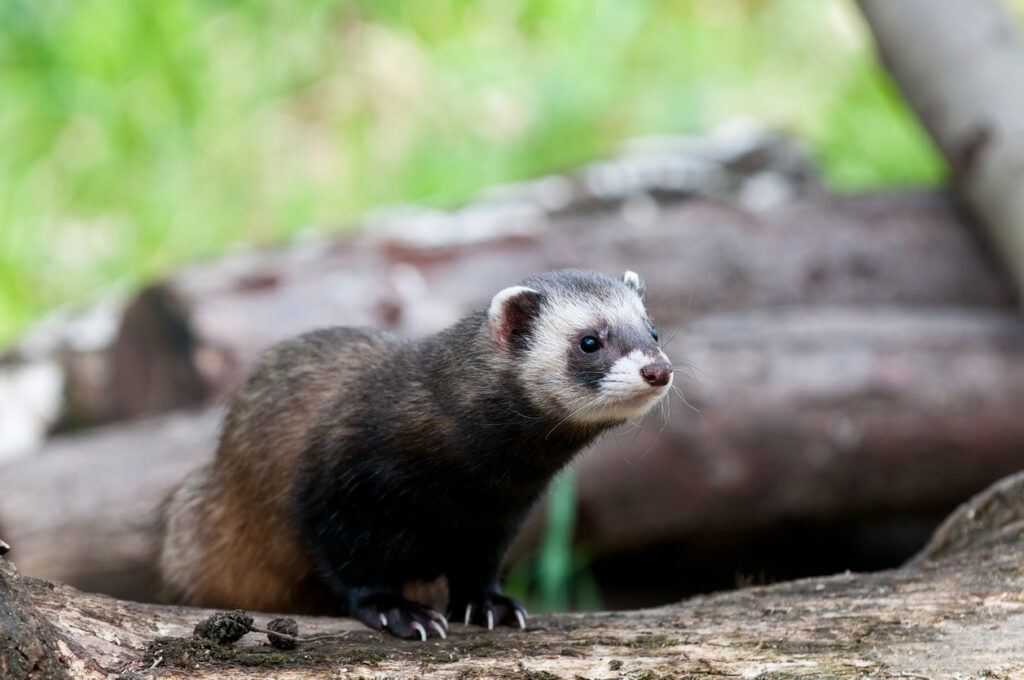
Polecats were once pushed to the brink in Britain, but they’re slowly reclaiming parts of their former range, including woodland areas near rivers and farmland. Mostly nocturnal, they emerge after dark to hunt rodents, rabbits, frogs, and birds.
They rely heavily on scent and stealth rather than speed. Their low-slung bodies are perfect for slipping through dense cover and into burrows, turning hiding places into traps. For prey, once a polecat has locked onto a scent trail, escape becomes very unlikely. Their quiet return is reshaping woodland food webs in subtle ways.
7. Feral and free-roaming cats

Not all nighttime hunters in British woods are wild. Domestic cats that roam freely, or live feral lives, often extend their territory into woodland edges and small forests. Unlike native predators, they don’t hunt purely out of necessity.
Many cats hunt even when well-fed, patrolling the same routes night after night. Birds, rodents, reptiles, and amphibians are all vulnerable. In some areas, their impact rivals that of native predators simply because of their numbers. It’s a complicated presence, one that blurs the line between pet and predator.
8. Pine marten
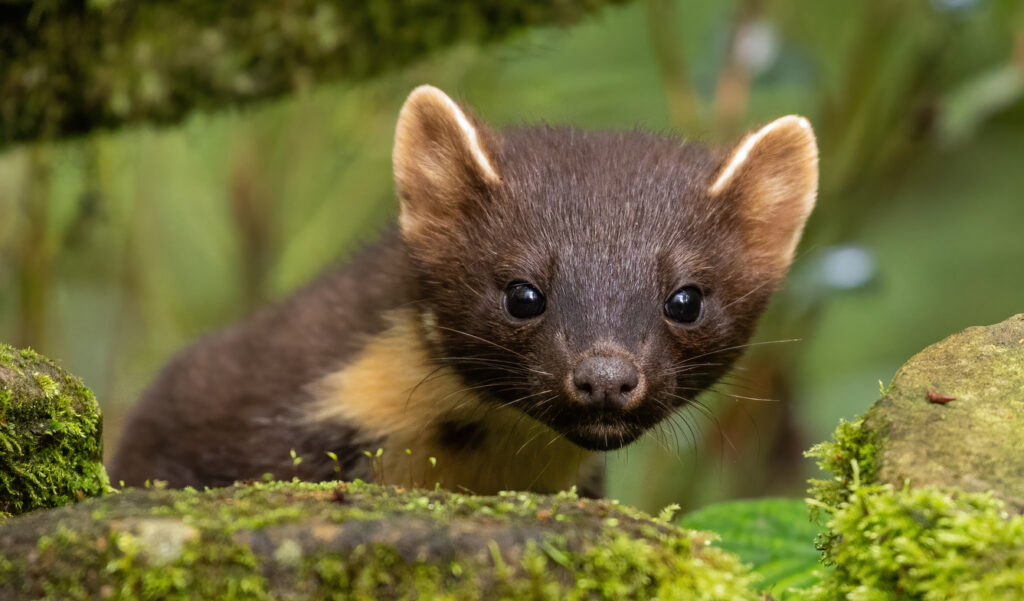
Pine martens are among Britain’s most elusive woodland residents. Mostly active at night, they move through forests with ease, climbing trees, leaping between branches, and hunting both on the ground and in the canopy.
Their diet is varied, including rodents, birds, eggs, insects, and fruit when available. This flexibility makes them important ecosystem shapers. Where pine martens return, they often trigger changes further down the food chain, sometimes even helping native species recover by controlling overabundant prey.
9. Common buzzard
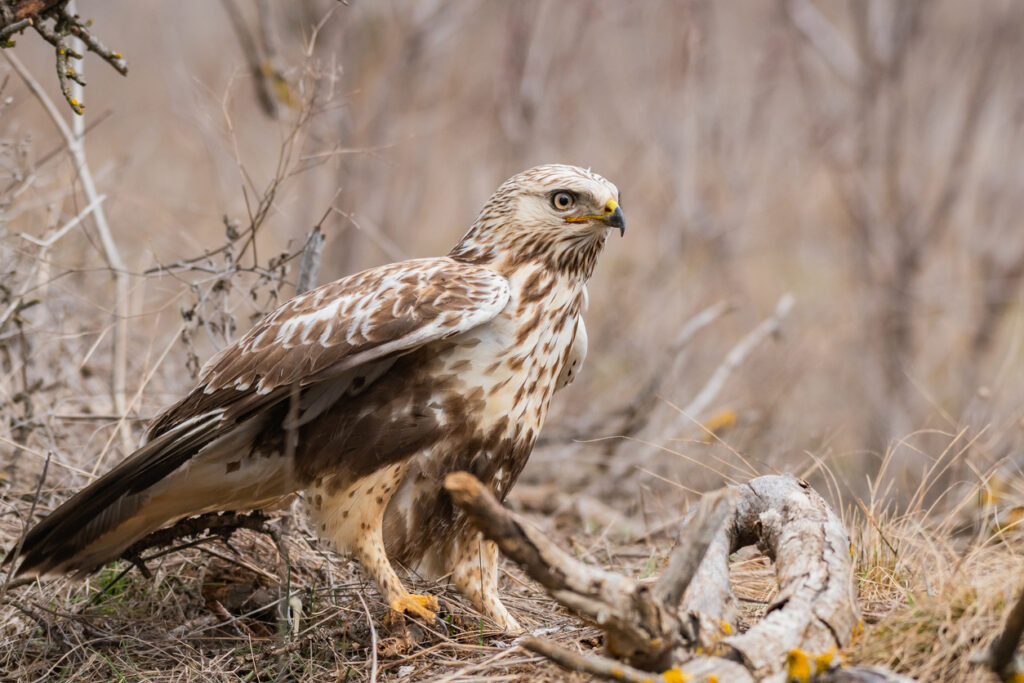
Buzzards are best known as daytime hunters, but they don’t fully clock off once the sun sets. At dusk and during early nightfall, they’ll still take advantage of movement below, especially in woodland clearings and along edges.
They’re opportunistic feeders, taking small mammals and carrion when the chance arises. In low light, they rely more on movement than precision hunting. This flexibility allows them to make the most of transitional hours when day and night overlap.
10. Otter
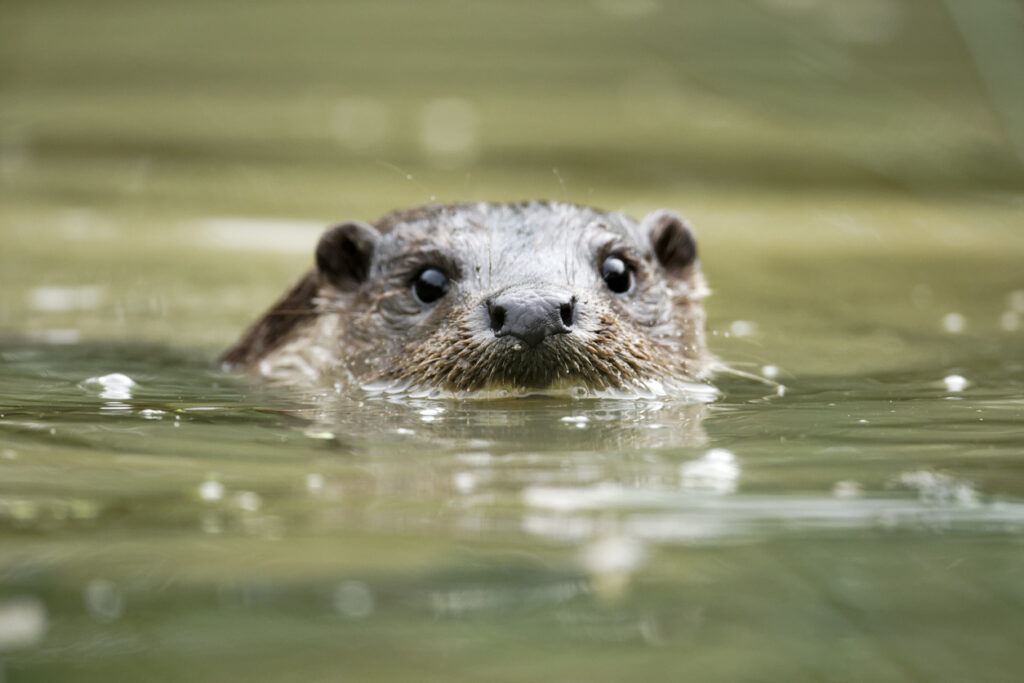
Where woodlands are threaded with streams and rivers, otters become the dominant nocturnal predators. Mostly active at night, they patrol waterways with smooth, efficient movements, hunting fish, amphibians, and crustaceans.
Most people never see an otter directly. Their presence is usually revealed by tracks in mud or spraint left on rocks. By controlling fish populations and linking aquatic and woodland ecosystems, otters play a quiet but crucial role in keeping these environments healthy.