Most people don’t realise that their perfectly normal garden contains plants that could seriously harm or even kill their dog.
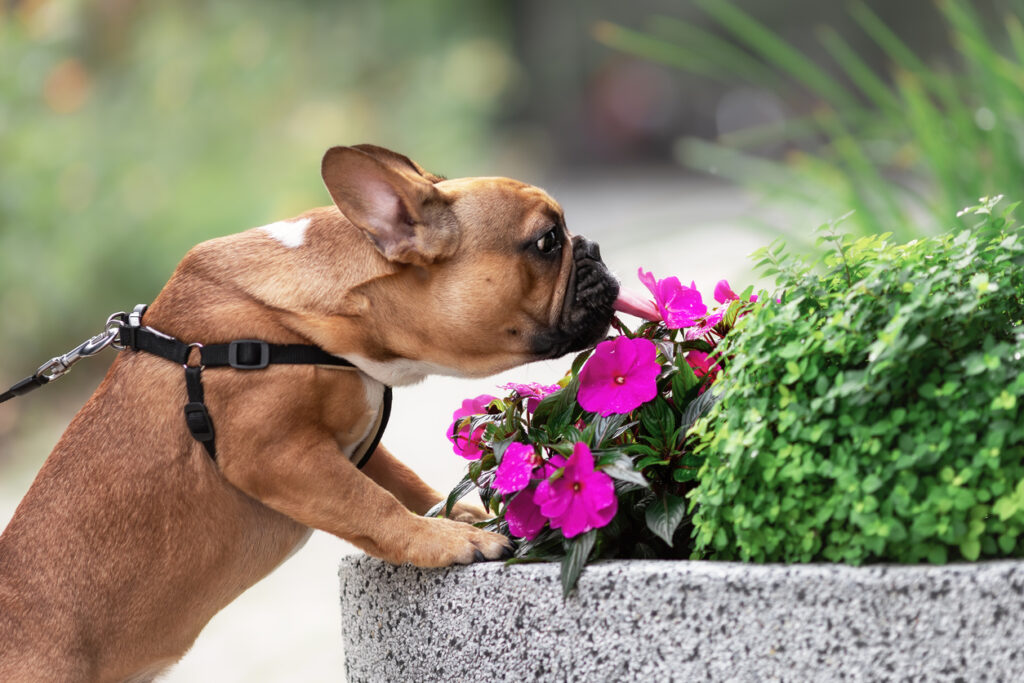
These aren’t exotic or obviously dangerous plants; they’re common flowers, shrubs, and ground cover that appear in gardens across the UK without any warning labels. Dogs explore the world through their mouths, and they don’t instinctively know which plants are safe, so they’ll chew on whatever looks interesting or smells appealing.
The symptoms of plant poisoning can range from mild stomach upset to organ failure, and by the time you realise something’s wrong, it might be too late. Knowing which common garden plants pose risks helps you either remove them or keep your dog away from them because prevention is much easier than dealing with emergency vet visits.
1. Daffodils
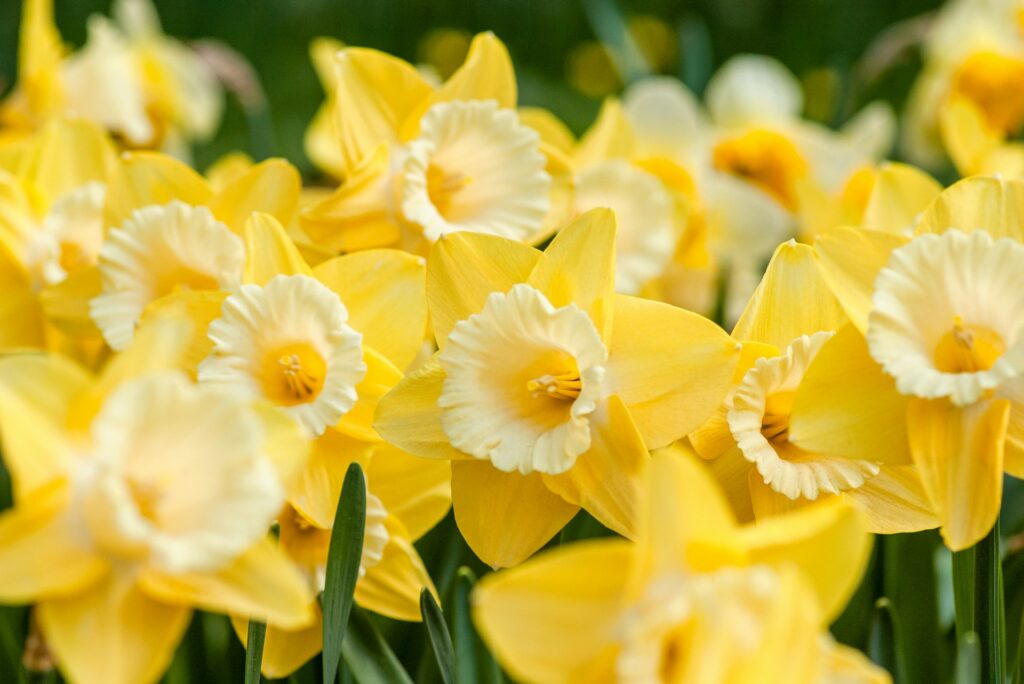
These cheerful spring flowers are everywhere in British gardens, but every part of the plant is toxic to dogs. The bulbs contain the highest concentration of toxins, so dogs digging in flower beds are at particular risk. Symptoms include vomiting, diarrhoea, abdominal pain, and in serious cases heart problems and breathing difficulties. Even drinking water from a vase of daffodils can cause illness, and many dogs are attracted to the bulbs because they smell interesting.
2. Tulips
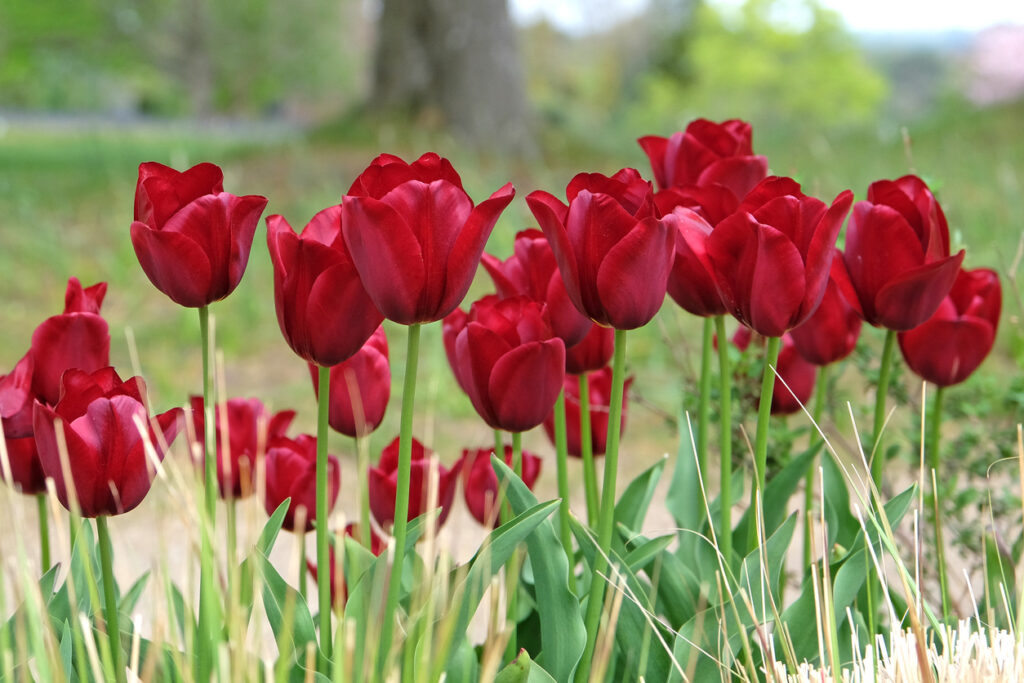
Another spring favourite, tulips contain toxins concentrated in the bulbs but present throughout the plant. Dogs who dig up and eat tulip bulbs can experience severe gastrointestinal upset, drooling, and loss of appetite. The symptoms usually appear quickly after ingestion, and even though tulip poisoning is rarely fatal, it’s extremely unpleasant for the dog and requires veterinary treatment. The bulbs are the main danger, but even nibbling the leaves or flowers can cause problems.
3. Azaleas and rhododendrons
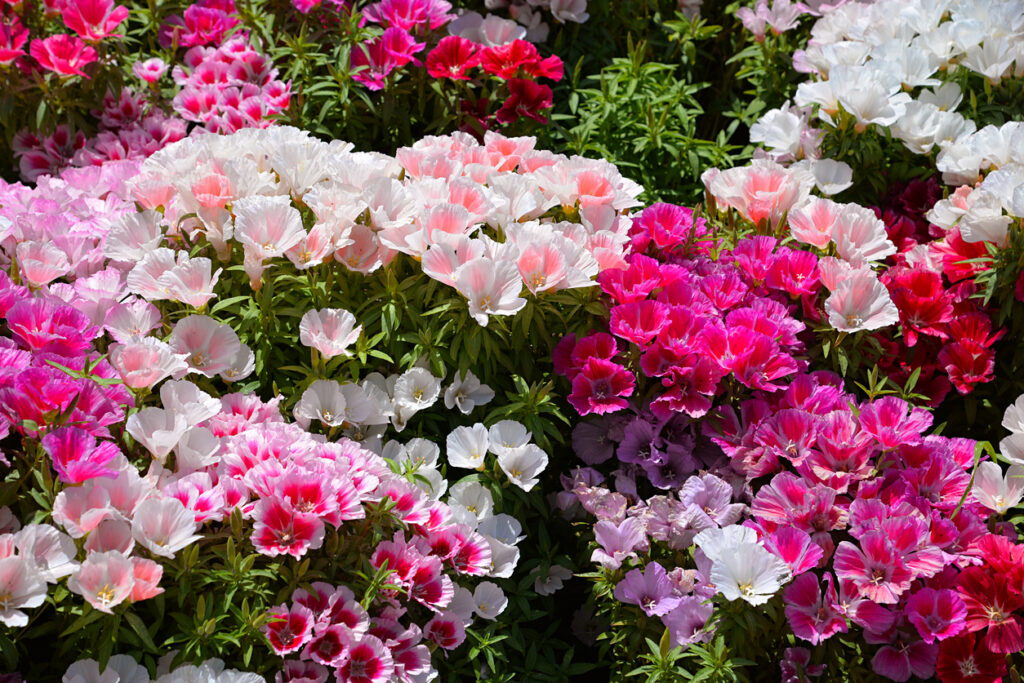
These popular evergreen shrubs contain grayanotoxins that affect the heart and nervous system. Even eating a few leaves can cause vomiting, diarrhoea, drooling, and weakness, while larger amounts can lead to heart failure and death. The problem is that these plants are so common in British gardens that most people don’t realise they’re dangerous. Symptoms can appear within hours, and the toxins are present year-round in all parts of the plant.
4. Lily of the valley
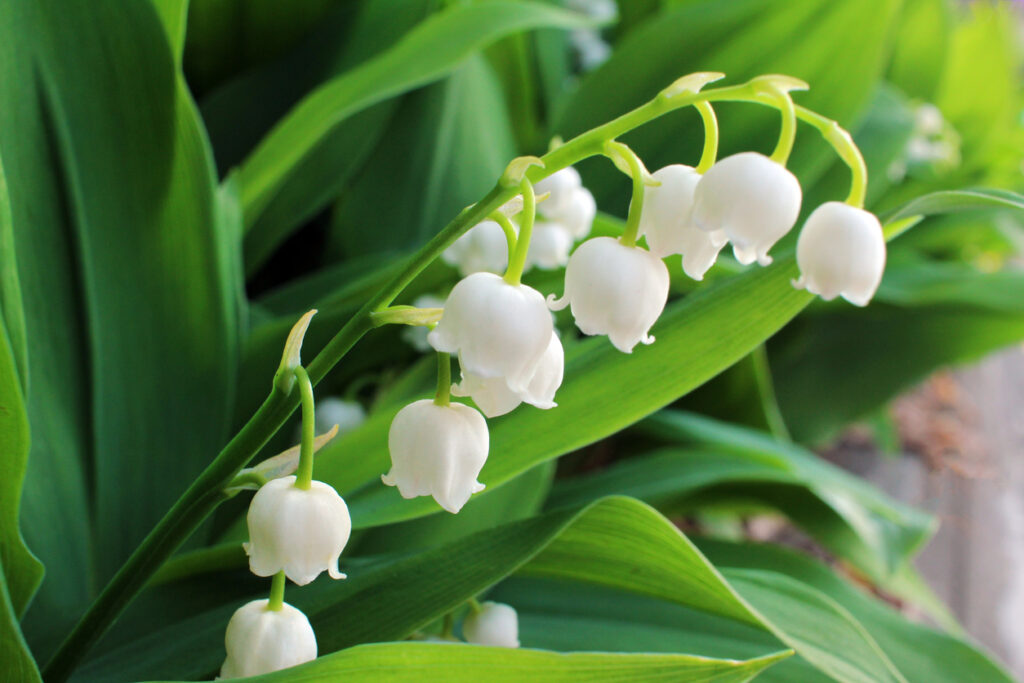
This delicate-looking ground cover with sweet-smelling white flowers is highly toxic to dogs. It contains cardiac glycosides that affect the heart, and eating even small amounts can cause vomiting, diarrhoea, decreased heart rate, and potentially fatal heart problems. The entire plant is poisonous, including the berries that appear after flowering. Dogs are sometimes attracted to the flowers because of their scent, making this particularly dangerous.
5. Foxgloves

These tall, elegant plants with tubular flowers contain digitalis, the same compound used in heart medication but deadly in uncontrolled amounts. Every part of the foxglove is poisonous, and symptoms include vomiting, diarrhoea, weakness, heart failure, and seizures. Even dried plants remain toxic, so foxgloves in cut flower arrangements pose risks. The seeds and upper leaves contain the highest concentrations, but the whole plant is dangerous.
6. Laburnum
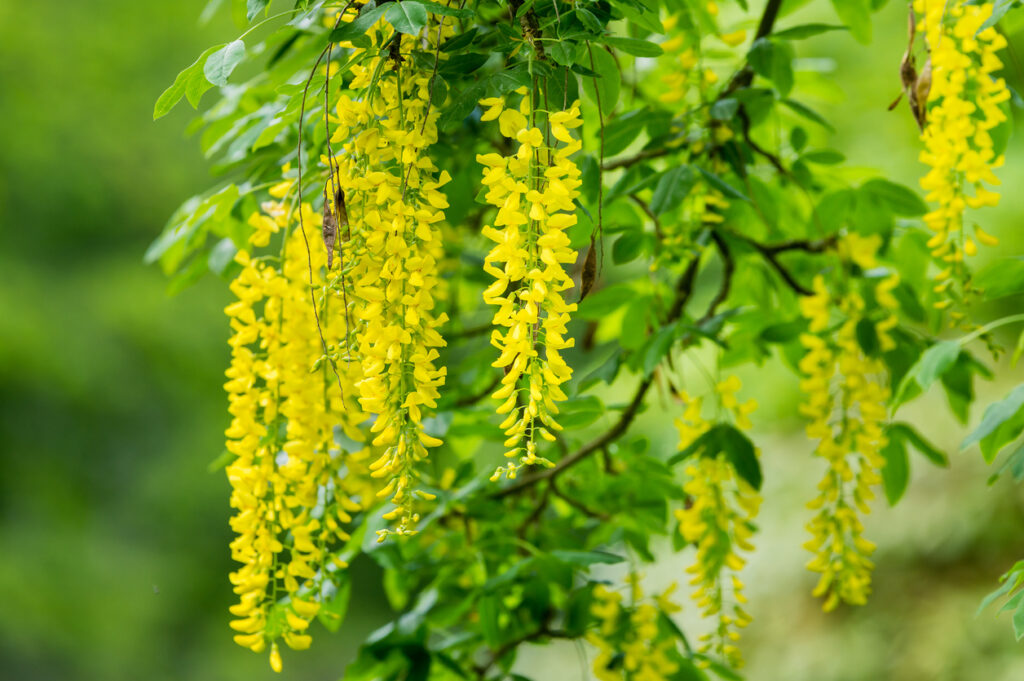
The bright yellow flowers and hanging seed pods make laburnum trees attractive additions to gardens, but they’re extremely poisonous. All parts are toxic, but especially the seeds, which can cause vomiting, incoordination, dilated pupils, and potentially fatal convulsions. The seeds remain toxic even after falling and drying out, so they pose risks long after flowering ends. Dogs sometimes play with or chew the seed pods, not realising they’re dangerous.
7. Hydrangea
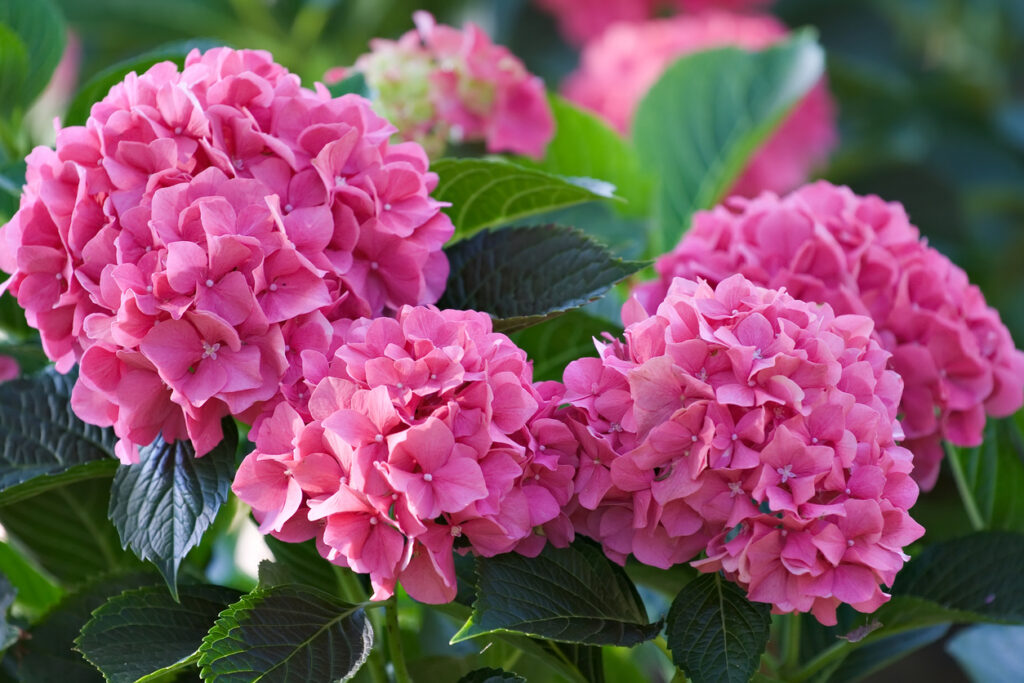
These popular flowering shrubs contain cyanogenic glycosides that release cyanide when digested. While poisoning is rarely severe enough to be fatal, it causes vomiting, diarrhoea, and depression. The flower buds contain the highest concentration of toxins, making spring particularly risky when curious dogs investigate new growth. Many gardens have multiple hydrangea plants, increasing the chances of exposure.
8. Yew
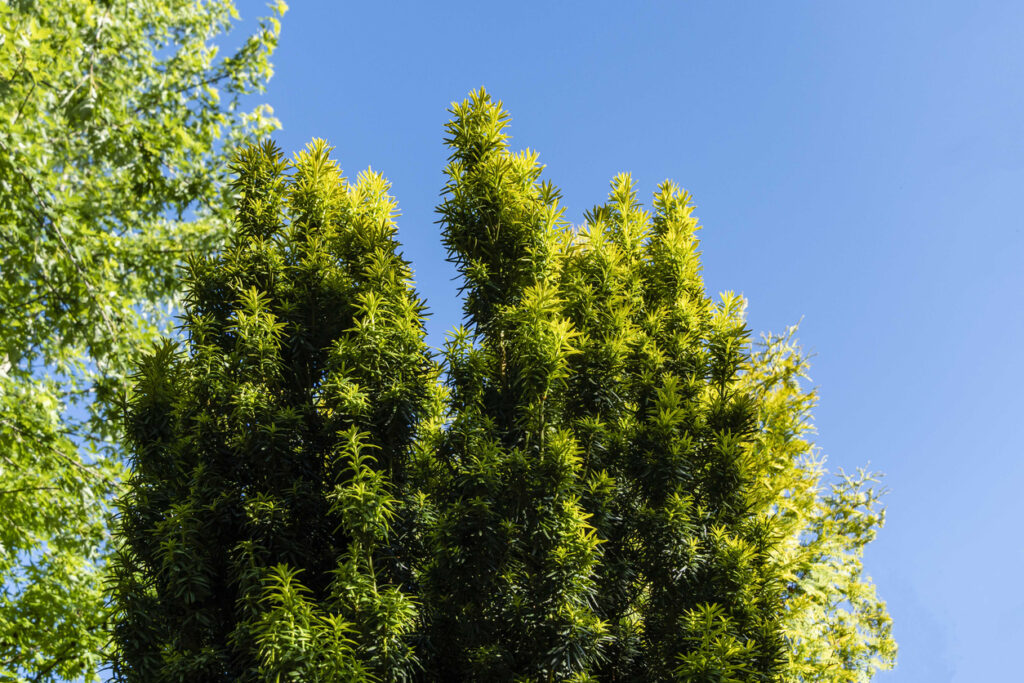
Yew trees and hedges are common in British gardens and churchyards, but they’re among the most toxic plants to dogs. All parts except the flesh of the berries contain taxine, which affects the heart and can cause sudden death. There’s often no warning before collapse occurs, and by the time symptoms appear, it’s often sadly too late to save the dog. Even small amounts of yew can be fatal, making it particularly dangerous.
9. Bluebells
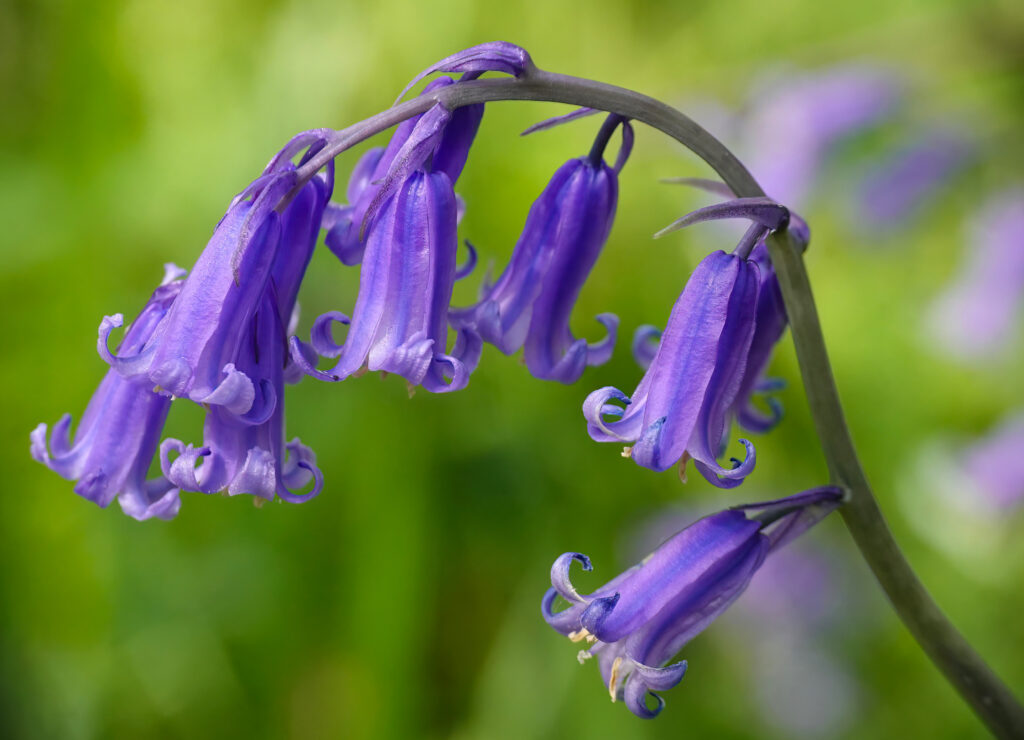
These woodland flowers that naturalise in many gardens contain toxic glycosides throughout the plant. Eating bluebells causes vomiting, diarrhoea, and abdominal pain, and the bulbs are especially dangerous. Dogs digging in areas where bluebells grow can easily encounter the bulbs, and the flowers themselves sometimes get nibbled. While bluebell poisoning is rarely fatal, it requires veterinary treatment and causes significant distress.
10. Ivy

Both common ivy and its decorative relatives contain saponins that cause gastrointestinal upset when eaten. The berries that appear on mature ivy are particularly toxic and can cause more severe symptoms, including difficulty breathing and excessive drooling. Many gardens have ivy covering walls or fences where dogs can easily access it, and some dogs chew ivy leaves out of boredom. The toxicity increases as the plant matures, with older ivy posing greater risks than young growth.