When you spot a yellowing leaf on a houseplant, your first thought is usually that you’ve done something terribly wrong.
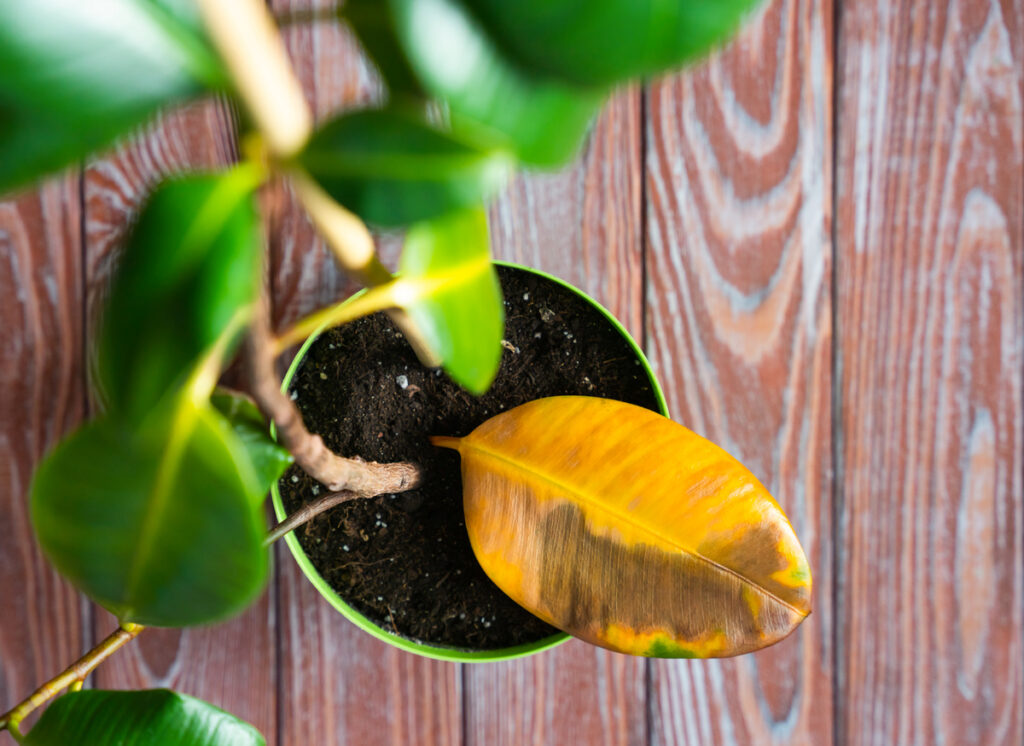
Most of us instantly panic and start Googling like our plant is on life support. The truth is, yellow leaves aren’t a personal failure, and they’re usually just your plant’s way of saying something isn’t quite right. Luckily, once you discover the usual culprits, it gets easier to deal with. Plants are surprisingly forgiving once you figure out what they’re trying to tell you, and most problems can be sorted without much drama. If your plant’s going patchy or pale, here’s what could be going on and what you can do to fix it.
1. You might be watering too much.

Overwatering is the most common reason for yellow leaves. When a plant sits in soggy soil, the roots can’t breathe properly. This causes the leaves to weaken and turn yellow from the bottom up. It’s easy to do this by mistake because many people think more water means more care. Letting the soil dry out slightly between waterings usually helps. Make sure the pot has drainage holes, so extra water can escape. Once the roots get more air, the plant often recovers.
2. The plant might not be getting enough water.

Dry soil can also cause yellowing. When a plant doesn’t get enough moisture, the leaves lose strength and start to fade. They may feel crispy or thin. This happens a lot with plants that like regular, steady watering. A simple fix is checking the soil with your finger. If it’s dry several centimetres down, it’s time to water. Steady habits help the plant stay healthy.
3. It may not be getting the right light.

Plants kept in low light often turn yellow because they can’t make enough energy. The leaves begin to fade or stretch towards the nearest window. On the other hand, too much direct sunlight can scorch the leaves and create yellow patches. Moving the plant to a brighter but indirect light spot usually helps. Most houseplants prefer gentle light rather than harsh midday sun.
4. The roots might be cramped.
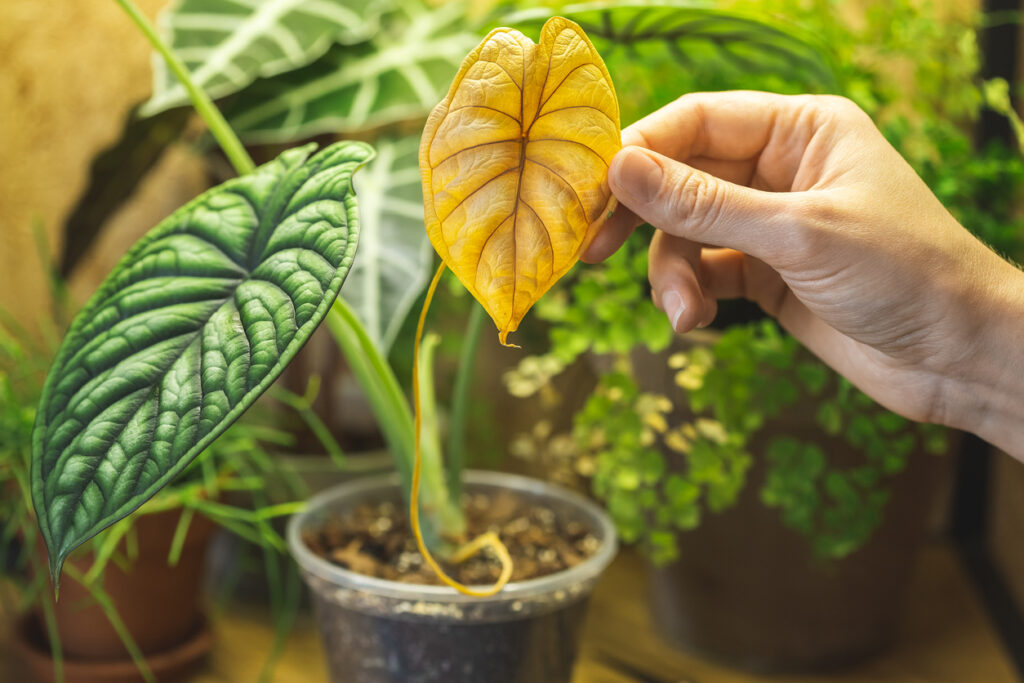
If a plant has been in the same pot for a long time, the roots may run out of space. When this happens, the plant can’t take in enough nutrients or water. Yellowing leaves are one of the first signs. You might also see roots growing out of the drainage holes. Repotting into a slightly bigger pot with fresh soil gives the plant room to grow again. The new space helps the leaves return to their normal colour.
5. The plant could need more nutrients.

Plants need regular nutrients to stay green. If the soil becomes old or depleted, the leaves may turn pale or yellow. This is common in plants that haven’t been fed for months. The yellowing often starts on newer leaves. A gentle liquid fertiliser usually helps restore colour. Feeding the plant every few weeks during the growing season can prevent this problem returning.
6. Temperature changes might be stressing it.
Sudden cold draughts or very warm spots can make leaves turn yellow. Houseplants like stable temperatures, so moving them near a heater or leaving them by an open window can cause stress. Some plants react even to small changes. Keeping the plant away from strong draughts and heat sources helps it settle. A stable spot makes it easier for the plant to recover.
7. The humidity might be too low.

Many houseplants come from tropical areas and need more moisture in the air to stay healthy. Dry indoor air can cause leaf tips to yellow or brown; this is common in winter, when heating dries out rooms. Misting the leaves or placing a water tray nearby can help. Increasing humidity gives the plant the comfort it’s used to in nature.
8. You may have pests without noticing.
Tiny insects like spider mites, aphids or mealybugs can weaken leaves and cause yellow patches. They’re often hidden under the leaves or in the soil. Over time, they drain the plant’s strength. Checking the leaves closely helps you spot the problem early. Washing the plant gently or using a mild plant safe treatment usually clears the pests.
9. Old leaves naturally turn yellow.
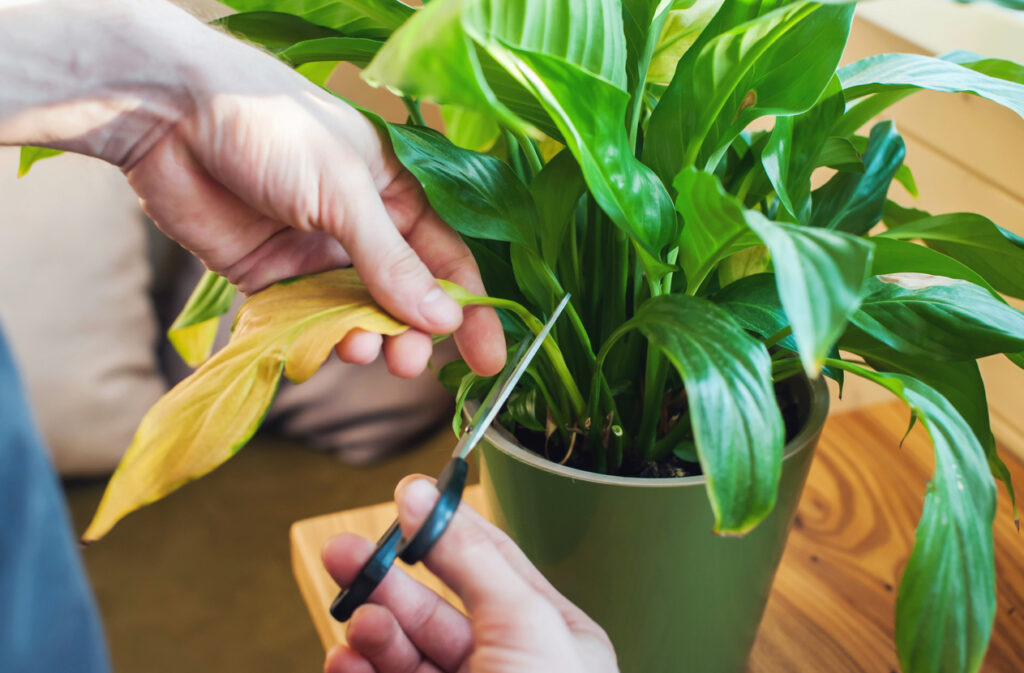
Sometimes yellowing is simply part of the plant’s growth cycle. Older leaves near the bottom naturally age and fall off. This is normal and not a sign that anything is wrong. If the plant is growing new leaves and only the oldest ones are yellow, you don’t need to worry. It’s just the plant renewing itself.
10. The plant might be reacting to tap water.

Some plants are sensitive to chemicals found in tap water, such as chlorine or fluoride. As time goes on, this can cause leaves to turn pale or spotted. This is especially common in plants like spider plants or peace lilies. Letting tap water sit out overnight or using filtered water can help. It gives the chemicals time to evaporate and is gentler on the plant.
11. You might’ve moved the plant recently.
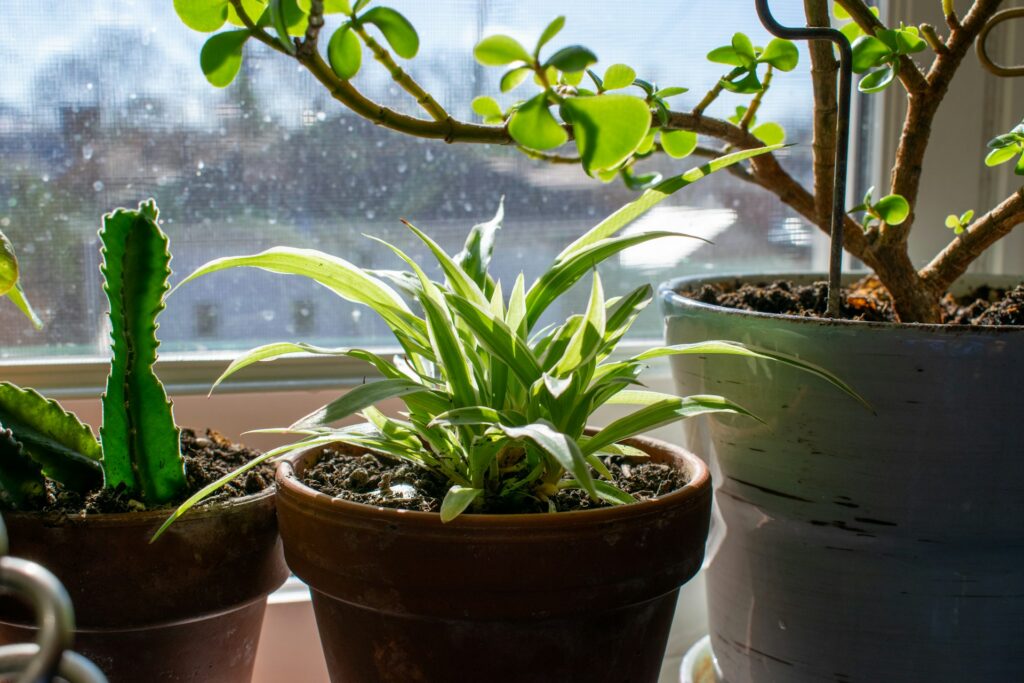
Plants often react to being moved by dropping or yellowing leaves. They need time to adjust to new light, temperature, and humidity levels. Even small changes can cause temporary stress. Giving the plant time to settle usually solves the issue. Once it adapts, new healthy leaves often appear.
12. The pot or soil may not drain well.
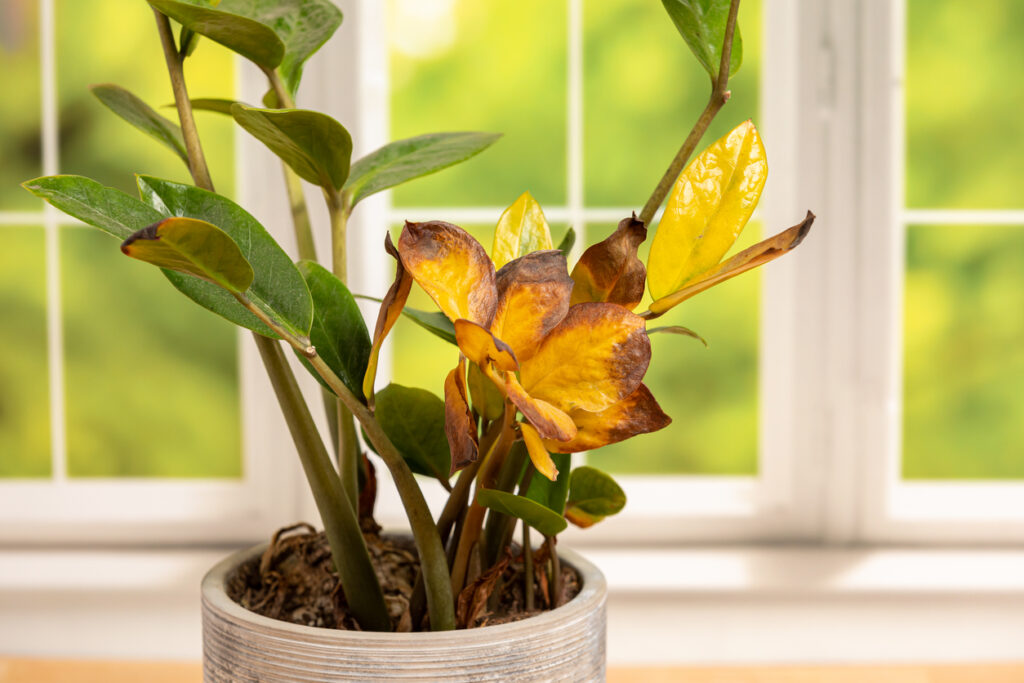
If water sits around the roots for too long, yellowing is almost guaranteed. Poor drainage leads to root rot, which stops the plant from taking in nutrients. Over time, the leaves fade and weaken. Using pots with drainage holes and light, airy soil helps prevent this. Healthy roots are the foundation for bright green leaves.
13. It might be getting too much direct heat.

Plants placed too close to radiators, heaters or very bright windows can overheat. The leaves start to yellow, curl or feel dry to the touch. This heat stress happens faster than many people expect. Moving the plant a little further from the heat source usually solves the problem. A cooler, consistent environment keeps the leaves green and healthy.