
Most people wander around National Trust sites assuming it’s fine to pocket the odd thing, but the rules are a lot stricter than you think. These places aren’t just pretty backdrops for a Sunday walk. They’re protected landscapes, and the Trust keeps a close eye on what people remove, even when it seems harmless.
If you’ve ever wondered what you’re actually allowed to take home without getting into trouble, the answer is… not much. In fact, the list is so short it surprises most people. Here’s what the National Trust says you can legally take, and why everything else needs to stay exactly where it is.
Common berries and fruits for personal use only
Most people wander into National Trust properties thinking they can fill a basket with blackberries, sloes, or wild strawberries like they’re shopping at a free supermarket. They see abundant fruit growing wild and assume it’s fair game to harvest as much as they fancy taking home.
The National Trust does allow sustainable picking of plentiful wild foods for personal use, but excessive foraging is strongly discouraged. You can pick common things like blackberries or elderberries but only small amounts for yourself and your family, not buckets to make jam for your entire street. You’re expected to leave plenty for other people to enjoy and for wildlife that depends on these food sources.
Wild garlic leaves, but never the bulbs
Wild garlic is absolutely everywhere on National Trust land in spring, covering woodland floors with its distinctive smell. People see massive carpets of the stuff and think they can dig up bulbs to replant in their gardens or harvest entire plants without consequence.
When picking wild garlic leaves, you must leave the bulb in the ground so the plant can grow again next year. Uprooting or damaging structures below ground without permission is illegal under the Wildlife and Countryside Act 1981. You can take some leaves for pesto or salads but digging anything up will get you in proper trouble.
Common nuts like hazelnuts and beech nuts
Autumn brings loads of nuts falling from trees on National Trust land, and people see them lying on the ground, thinking they’re just going to rot anyway. They’ll fill bags with hazelnuts, chestnuts, and beech nuts, assuming nobody minds since they’re literally scattered everywhere.
You can pick nuts like hazelnuts, beech nuts, and chestnuts in autumn for personal use, but again only moderate amounts. These nuts are crucial food sources for squirrels and other wildlife preparing for winter, so taking massive quantities deprives animals of food they genuinely need to survive.
Dandelion flowers and leaves in small amounts
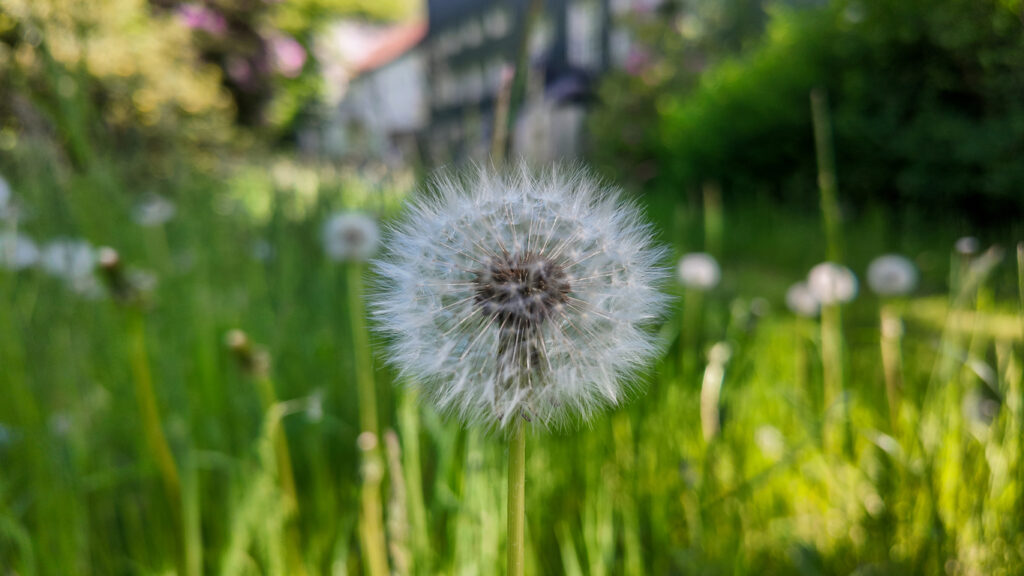
Dandelions grow absolutely everywhere, and most people consider them weeds rather than anything valuable. They’re so common that taking a few handfuls seems completely harmless and like you’re basically doing the Trust a favour by removing them.
Dandelion flowers and young leaves can be foraged, with flowers used for jam or cakes and leaves eaten in salads. But you still can’t take the mick and strip entire areas bare. The “only pick common and abundant foods” rule applies even to things most people think of as nuisance weeds.
Fallen fruit from trees
When apples, pears, or plums are lying on the ground rotting, it seems utterly pointless not to pick them up and use them. People see fruit literally going to waste and can’t understand why they shouldn’t be allowed to take it home for crumbles or preserves.
Fallen fruit is generally okay to collect for personal use since it’s already on the ground, but you absolutely can’t shake trees or pick fruit directly from branches. The fruit on the tree belongs to the Trust, and stripping trees clean affects wildlife. Windfalls only, and even then, just what you’ll actually use yourself.
Wild flowers, but with massive restrictions
Wildflowers look absolutely gorgeous and people are constantly tempted to pick posies while walking through National Trust meadows. They see thousands of flowers and think a small bunch couldn’t possibly make any difference to such abundance.
You should never pick flowers in public parks, community gardens, or on National Trust property or nature reserves. Even though wildflower picking isn’t automatically illegal everywhere, National Trust sites specifically prohibit it to protect wildlife and maintain the environment. Those flowers are meant to stay where they are for insects and visual enjoyment.
Mushrooms only if you’re absolutely certain
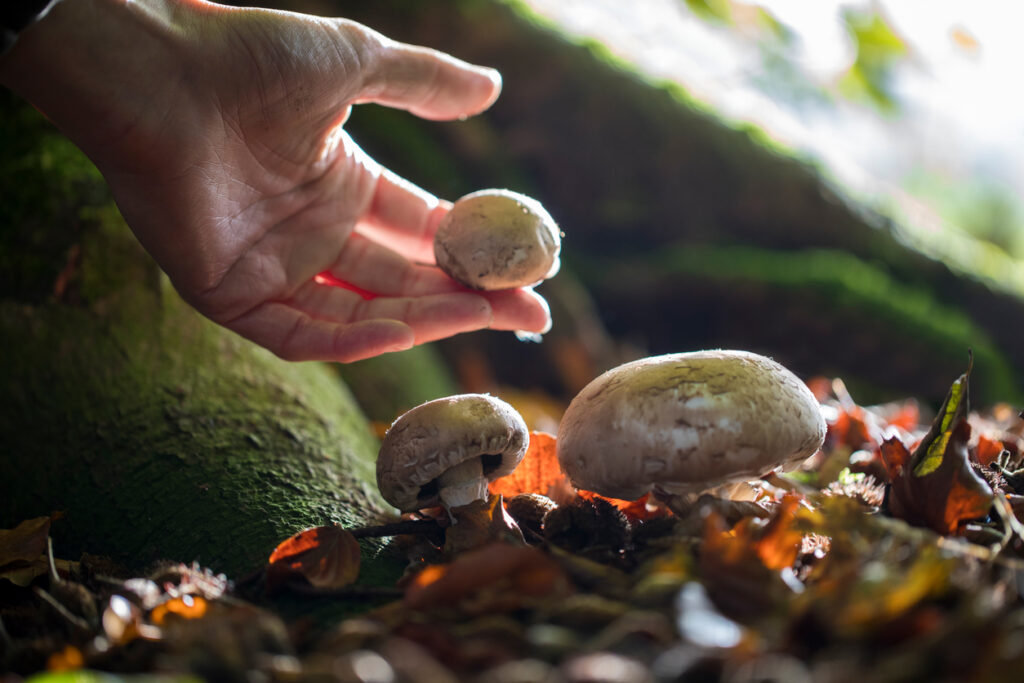
Mushrooms pop up everywhere on National Trust land, and foraging them seems like a properly rustic countryside activity. People see fungi growing and assume they can harvest them for cooking, thinking they’ll just look up identification when they get home.
You must identify species carefully and be 100% certain of what you’re picking before taking anything. Loads of British fungi are deadly poisonous and look very similar to edible varieties. It’s best to avoid picking mushrooms unless you’re with an adult who knows which ones are safe because getting it wrong could literally kill you.
Nothing at all from SSSIs or protected areas
Sites of Special Scientific Interest exist throughout National Trust land, but aren’t always obviously signposted. People wander through these areas assuming the same foraging rules apply everywhere, without realising they’ve entered specially protected zones with stricter regulations.
You cannot forage anything without consent on a Site of Special Scientific Interest, as this is illegal under the Wildlife and Countryside Act 1981. These sites protect rare environments, species, or ecosystems that are particularly vulnerable. If you’re unsure whether you’re in an SSSI, it’s better to not pick anything at all.
Nothing on Schedule 8 of the Wildlife and Countryside Act
Most people have never heard of Schedule 8 and have no idea which plants are legally protected. They see something unusual or pretty and pick it without realising they’ve just committed an actual criminal offence by taking a protected species.
You must avoid picking protected species and never take rare, vulnerable, or threatened species. Schedule 8 lists plants that are completely off-limits, including certain orchids, ferns, and rare wildflowers. Not knowing the law doesn’t protect you from consequences if you’re caught with protected plants.
Absolutely nothing for commercial purposes
Some people forage on National Trust land intending to sell what they find at markets, use it in their restaurant, or make products for their small business. They think picking wild foods to sell is just entrepreneurial use of natural resources that would otherwise go to waste.
The Theft Act 1968 states you don’t steal wild plants unless you pick them for reward, sale, or other commercial purpose. The moment you’re foraging with intent to profit, even in small ways, you’re breaking the law. The National Trust only welcomes sustainable picking for personal use, not commercial foraging. Selling foraged goods without permission is theft.