Nearly every garden has that one frustrating spot where plants refuse to thrive, no matter what you try.
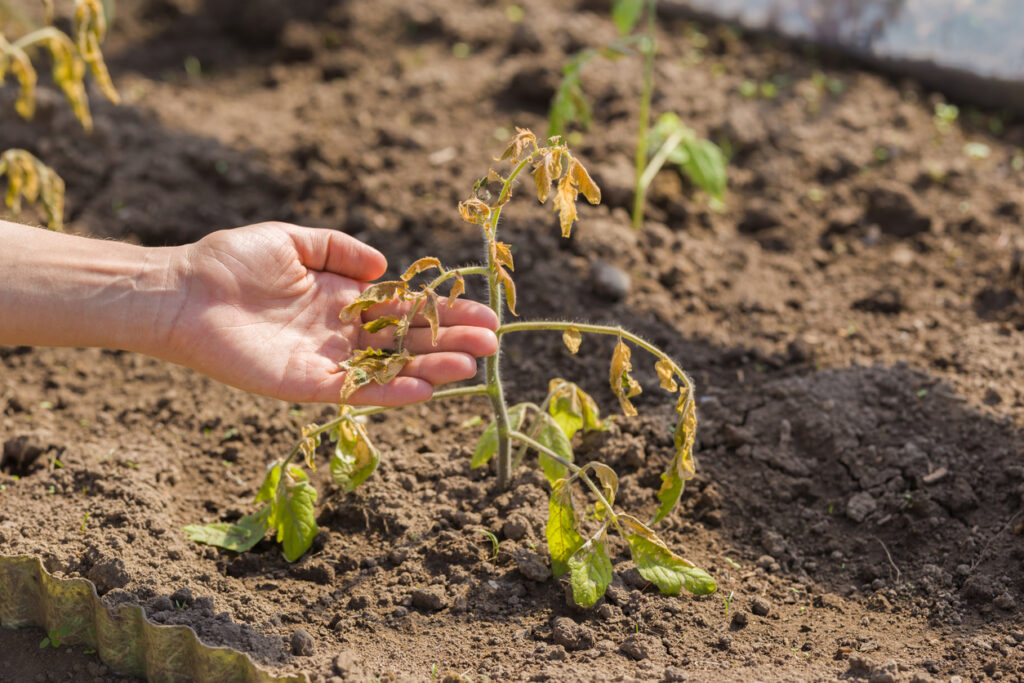
It’s not because you’re rubbish at gardening. These dead zones happen for specific reasons related to soil, light, water and other factors that create conditions where most plants simply can’t survive, and understanding what’s causing your particular dead zone is the first step toward either fixing it or working around it. Here are some possible explanations for what’s going on.
The soil is completely knackered and has no nutrients left.
That dead spot might have soil that’s been completely stripped of anything useful, either from years of the same plants taking everything out or from builders dumping rubbish subsoil there when your house was built. Plants need nutrients to grow, and if there’s nothing in the soil to feed them, they’re going to struggle and die, no matter how much you water them.
You can test this by digging down a bit and looking at what the soil’s like. If it’s pale, compacted, full of rubble or just looks completely lifeless compared to other parts of your garden, that’s your problem right there. The fix is either adding loads of compost and decent topsoil to build it back up, or just accepting that spot needs raised beds with fresh soil brought in.
There’s a massive tree root system hogging everything.
If your dead zone is near a tree, even one that might be in a neighbour’s garden, you’re probably dealing with tree roots that are nicking all the water and nutrients before your plants can get any. Trees have absolutely massive root systems that spread way further than their branches, and they’re incredibly efficient at sucking up everything available in the soil.
Trying to grow anything in competition with established tree roots is basically a losing battle because the tree will always win. Your best bet is either choosing shade loving plants that can cope with dry conditions, or building raised beds that sit above the root zone, so your plants have their own space to grow without fighting the tree.
The drainage is absolutely terrible and it’s basically a bog.
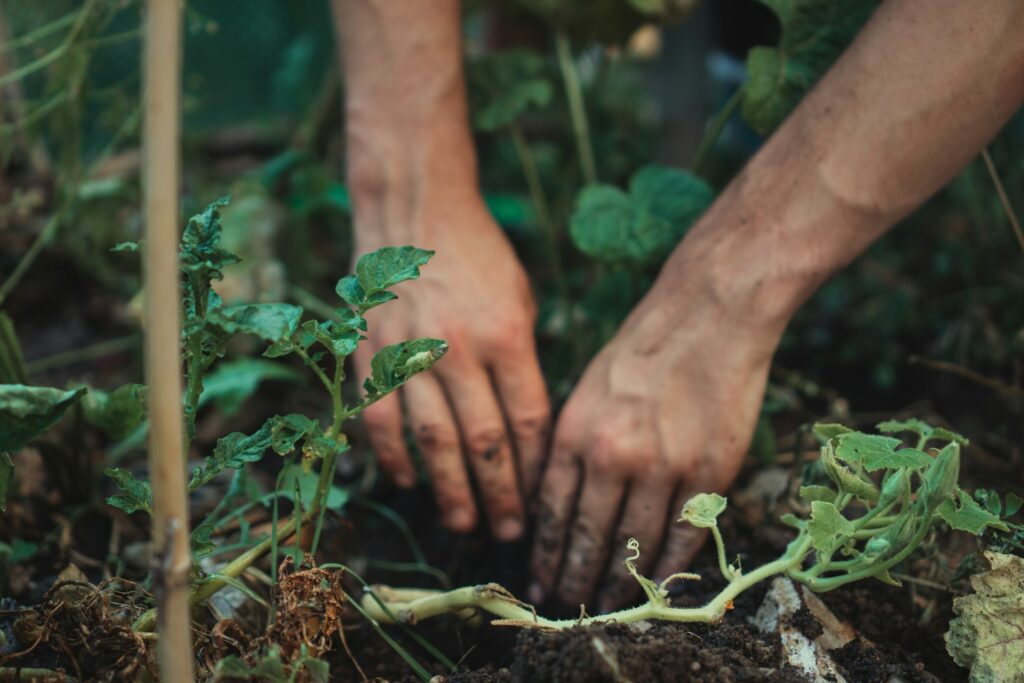
Some dead zones happen because water just sits there instead of draining away, turning the soil into a waterlogged mess where most plant roots rot. You’ll know this is your problem if the area is soggy or muddy long after rain while the rest of your garden has dried out, or if you dig down and hit water pretty quickly.
Poor drainage usually happens because of clay soil, compacted earth, or because that spot is naturally lower than everything around it, so water collects there. You can either improve drainage by digging in loads of grit and organic matter, installing proper drainage, or just embrace it and plant stuff that actually likes wet conditions like ferns and bog plants.
It never gets any proper sunlight.
Your dead zone might be in permanent shade from buildings, fences or trees, and most common garden plants need at least a few hours of direct sun to survive. If that spot is dark all day every day, regular plants are going to struggle massively because they simply can’t photosynthesise enough to stay alive.
The mistake people make is trying to grow sun loving plants in full shade and then wondering why they die. The solution isn’t to keep trying the same thing, it’s to either accept that spot is for shade plants only, or to physically change the situation by trimming back trees or replacing solid fences with something that lets more light through.
The pH is completely wrong for what you’re trying to grow.
Soil pH affects whether plants can actually absorb nutrients, and if your dead zone has soil that’s way too acidic or too alkaline, plants literally can’t feed themselves even if the nutrients are there. Some spots end up with weird pH because of what’s buried underneath, like old building materials, or because of what’s been dumped there over the years.
You can get cheap pH testing kits from garden centres, and if your soil is massively acidic or alkaline compared to the rest of your garden, that explains why nothing grows there. You can try to adjust pH with lime or sulphur, but honestly, it’s often easier to just choose plants that naturally like those conditions rather than fighting against it.
Something toxic is buried there, poisoning the soil.
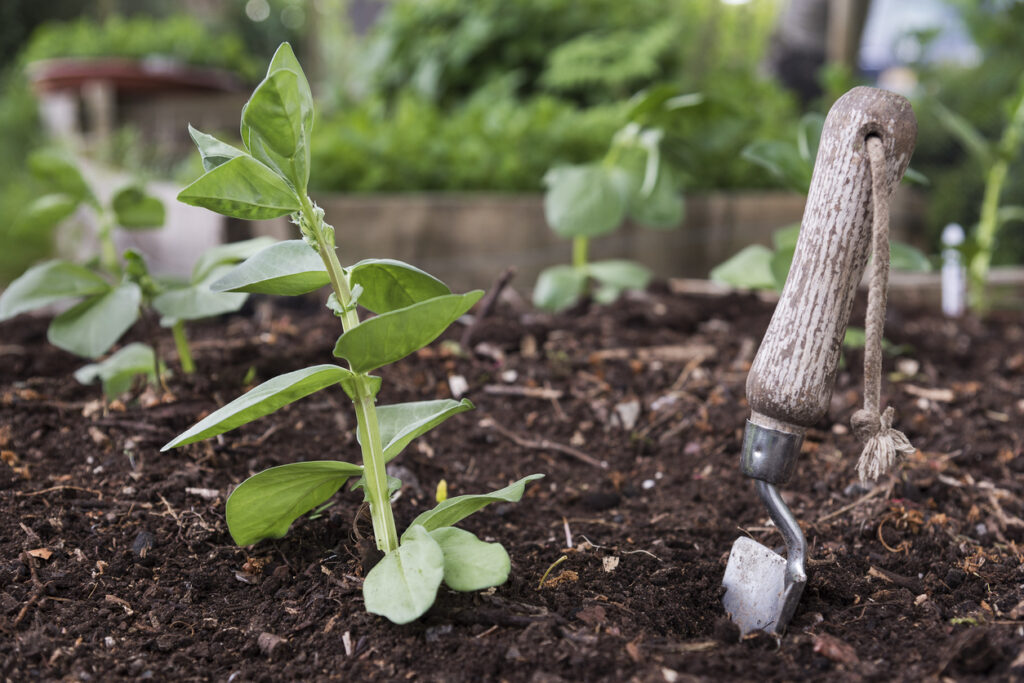
Sometimes dead zones exist because there’s actually something harmful in the soil that’s poisoning plants, like old paint, chemicals, treated wood, or other rubbish that got buried when the garden was established. This is especially common in newer housing developments, where builders just buried construction waste rather than removing it properly.
If you dig down and find weird stuff like chunks of plasterboard, treated timber, or areas where the soil smells chemical or just wrong, that’s probably your issue. There’s no easy fix for contaminated soil except removing it entirely and replacing it with clean topsoil, or building raised beds, so your plants aren’t touching the dodgy stuff underneath.
It’s in a wind tunnel that batters everything.
Some spots in gardens create natural wind tunnels where plants get absolutely battered by wind constantly, which dries them out, breaks stems, and generally makes life impossible. This often happens in gaps between buildings, at corners, or in spots where wind funnels through and picks up speed.
You can test this by paying attention to how windy that spot feels compared to the rest of your garden on a breezy day. If it’s noticeably worse, you need either windbreaks like hedges or fencing to protect the area, or you need to choose really tough plants that can handle being buffeted about constantly without dying.
Pets or wildlife keep destroying everything you plant.
Your dead zone might not be about the growing conditions at all, it might be that cats use it as a toilet, dogs dig there, or foxes and other wildlife keep wrecking anything you plant. Animal activity can compact soil, add too much nitrogen from wee and poo, and physically damage plants faster than they can establish.
If you notice animal tracks, digging, or the area smells strongly of cat or fox, that’s your problem. You’ll need to physically exclude animals with barriers, use deterrents, or choose tough plants that can cope with occasional damage and quickly regrow. Trying to grow delicate stuff in an area that’s essentially an animal toilet is never going to work.
The soil is rock hard and compacted.

Heavy clay soil or areas that get walked on constantly can become so compacted that plant roots literally can’t penetrate it, and water and air can’t get through either. This is really common in areas near pathways, where builders drove machinery, or in spots that naturally have heavy clay.
You can test this by trying to push a garden fork or spade into the soil. If it barely goes in, and you’re having to really force it, that’s compaction. Breaking up compacted soil is hard graft involving digging deeply, adding loads of organic matter and grit, and potentially avoiding walking on that area for a good while so it doesn’t just compact again.
There’s hardcore or concrete just below the surface.
Loads of gardens, especially in newer houses, have spots where there’s only a thin layer of soil over hardcore, concrete, or old paving that was just buried rather than removed. Plant roots hit this barrier and can’t grow deeper, which means they can’t access water or nutrients and the plants struggle or die.
Dig down in your dead zone and see how far you get before hitting something solid. If there’s only six inches or less of actual soil before you hit rubble or concrete, that’s why nothing grows. Your only real options are removing the obstruction, which is massive work, or building raised beds on top, so plants have proper depth to root into.
It gets no water because of rain shadow.
Rain shadow happens when your dead zone is right next to a wall, fence or under an overhang where rain literally never reaches even when it’s pouring everywhere else. The structure blocks rain from getting to that spot, so the soil stays bone dry unless you manually water it, and most people don’t realise this is happening.
Check your problem area during and after rain to see if it’s actually getting wet. If the soil stays dry while the rest of your garden is soaked, you’ve found your issue. Plants in rain shadow need regular manual watering or an irrigation system because natural rainfall isn’t reaching them, and without that, they’ll just shrivel up and die.
Previous owners used weed killer that’s still active.
Some weed killers, particularly older ones or really strong ones like those containing glyphosate or residual herbicides, can remain active in soil for ages and kill anything you try to plant. If previous owners went nuclear on weeds in that spot, the chemicals might still be hanging around, making it impossible for plants to survive.
This is hard to test for without proper soil analysis, but if absolutely nothing grows there including weeds, and there’s no obvious reason like compaction or contamination, lingering herbicide is a possibility. Time eventually breaks down most weed killers, but in the meantime, your best option is either waiting it out, replacing the soil entirely, or using containers with fresh compost that sit on top of the affected area.