Most dog owners in the UK walk their dogs off the lead whenever it feels safe.
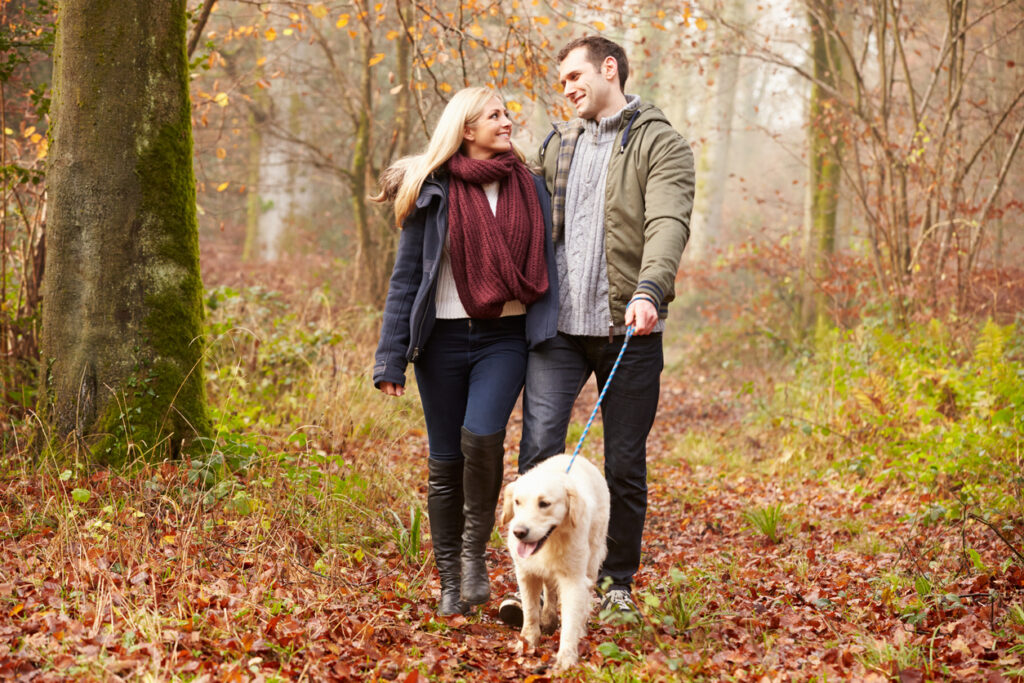
However, there are specific situations where the law says your dog must be on a lead, no discussion. These rules aren’t always known to everyone, and many people break them without realising it, which can lead to fines or being ordered to change how you handle your dog in public. These are the key times when a lead isn’t optional, it’s legally required, and knowing them saves you trouble while keeping everyone safe.
1. When you’re on roads, pavements or public paths next to traffic
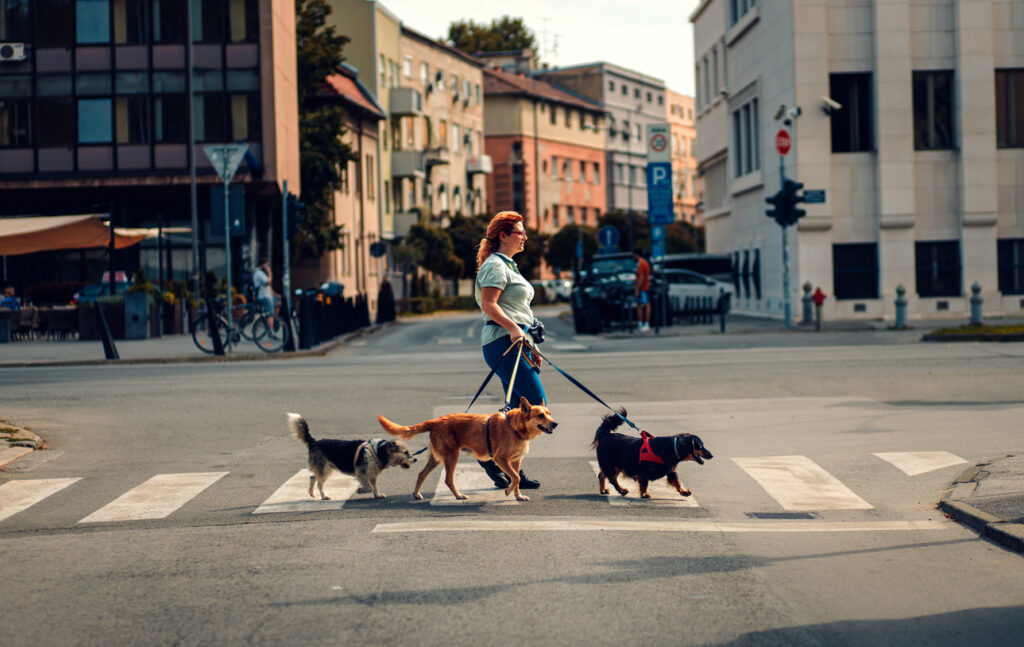
The Road Traffic Act requires dogs to be kept on a lead when they’re on designated roads, pavements or any path running directly beside traffic. This rule protects drivers as much as dogs because one sudden movement into the road can cause serious accidents. Many owners let their dogs wander near the kerb without realising this breaks the law. Keeping your dog on a lead anywhere cars pass is the safest and legally expected choice. Even calm dogs can react suddenly, so the law steps in to reduce the risk for everyone around you.
2. When you’re asked to by a police officer or authorised council officer
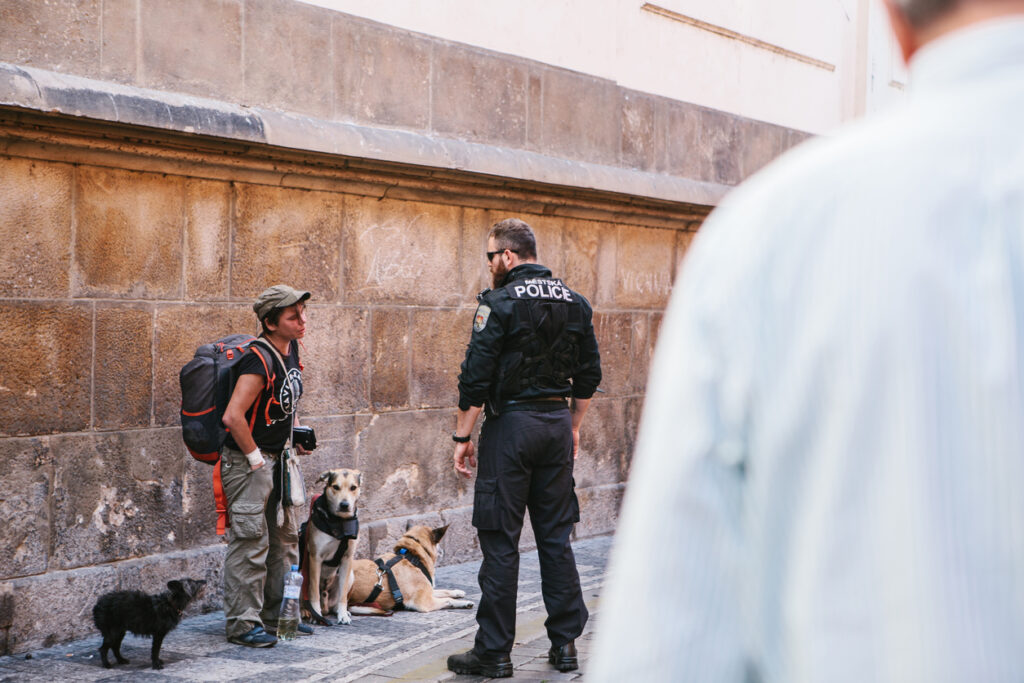
Under the Dogs Act, a police officer or council officer can legally instruct you to put your dog on a lead at any time. This might happen if they believe your dog is causing a nuisance, acting unpredictably or creating a risk to livestock or people. You don’t have to agree with them, but you do have to follow the order. If you refuse, you can face fines or further penalties. The rule gives authorities power to stop problems early, rather than waiting until something goes wrong.
3. In parks, beaches and public areas where local by-laws require leads
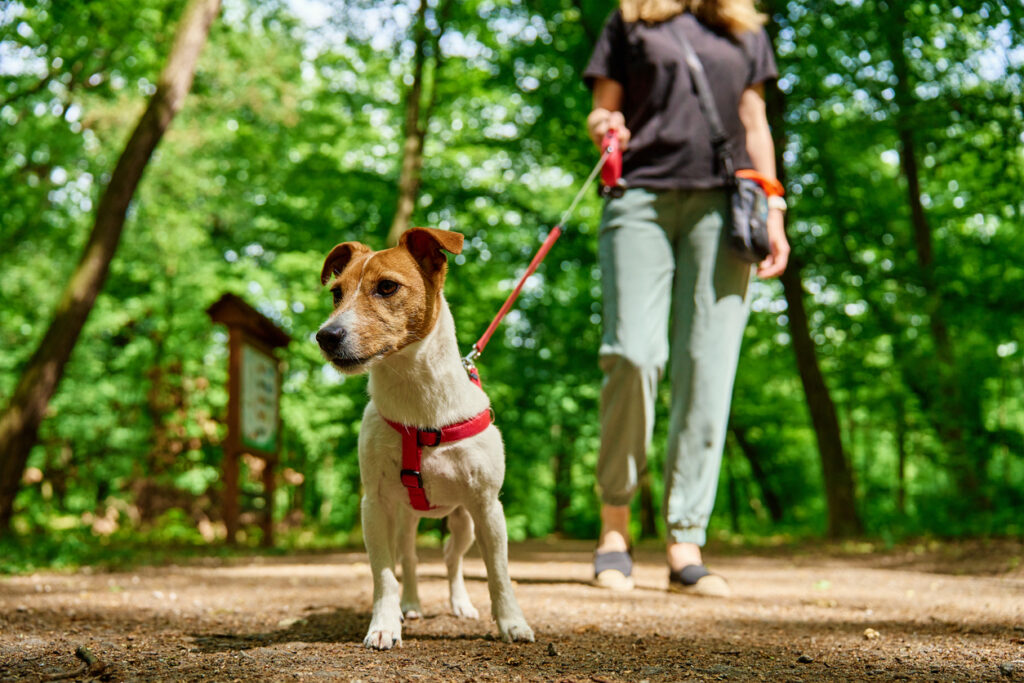
Councils can introduce Public Space Protection Orders that force dogs to be on a lead in certain parks, town centres, footpaths, play areas or beaches. These rules vary depending on where you live, which is why people often get caught out while travelling or visiting new places. Signs are usually displayed at entrances, but they’re easy to miss. Checking your local council’s website helps you avoid fines and keeps you aware of restricted zones you may not have noticed before.
4. In children’s play areas, sports pitches and designated dog exclusion zones

Most councils completely ban off-lead dogs in spaces designed for children, sports, or community activity. Even well-trained dogs can run into games, pick up equipment or frighten kids, which is why these areas require strict control. Many places don’t fully ban dogs but do require leads inside the boundary. If you’re unsure, the safest approach is to keep your dog on a lead when entering any fenced or marked activity area.
5. When walking near livestock, especially on farmland
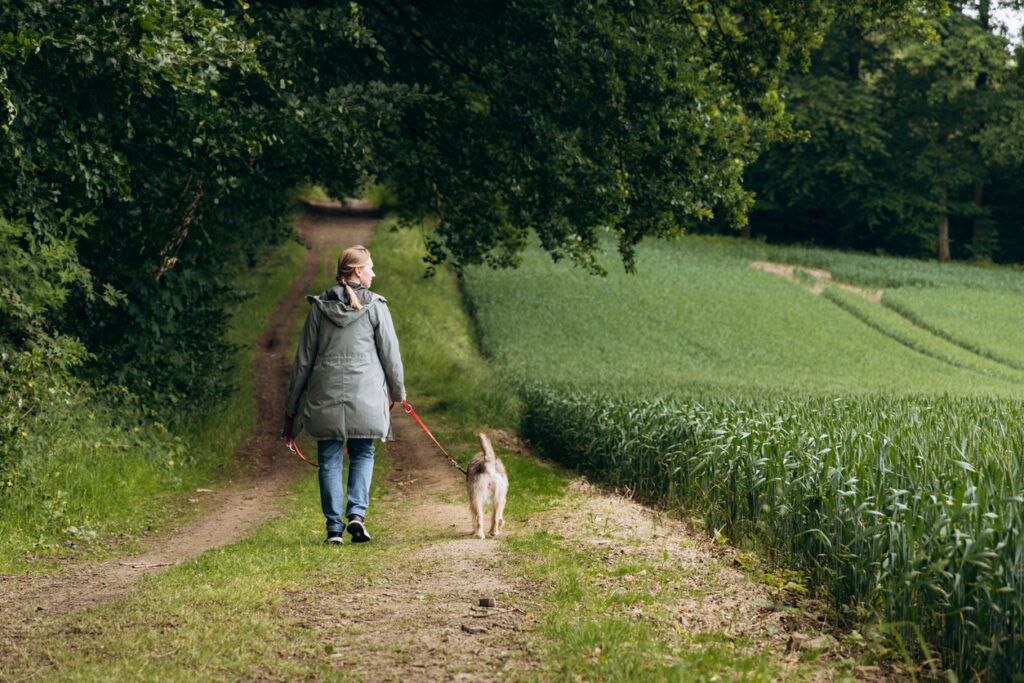
The Countryside Code advises that dogs must be on a lead near livestock at all times, and farmers have the legal right to shoot a dog they believe is worrying sheep or causing danger. Even if your dog has never chased anything before, instinct can kick in quickly around animals. Keeping your dog on a lead protects livestock, prevents confrontations with farmers, and avoids serious financial penalties if animals are harmed. When livestock are present, the lead isn’t optional.
6. During lambing season or around young animals
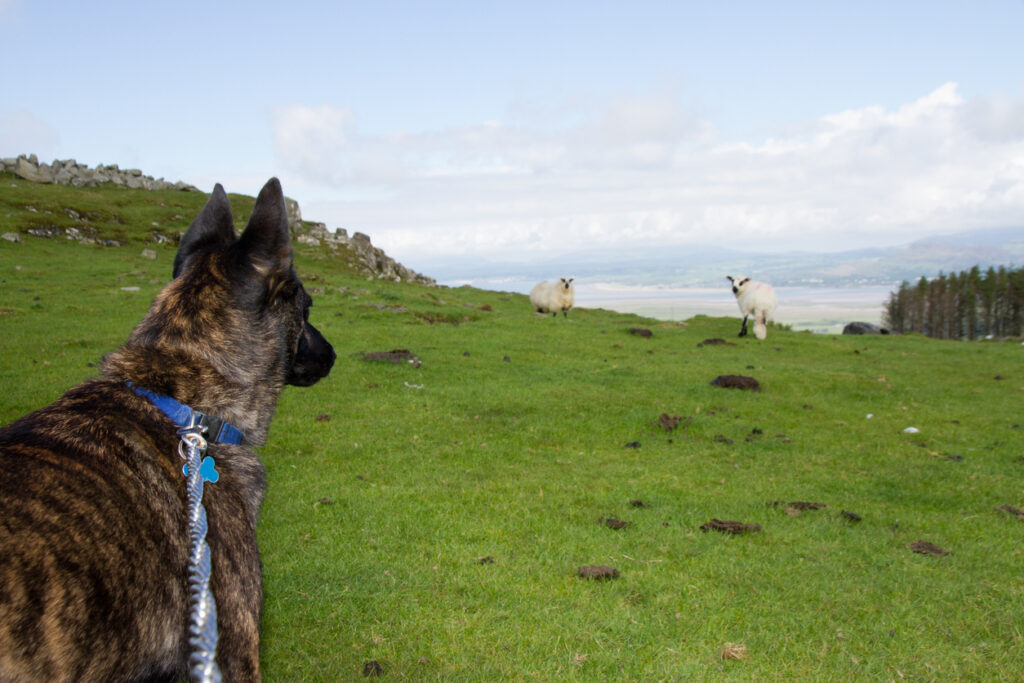
Lambing season is a particularly sensitive time, and many councils enforce temporary on-lead rules across popular walking routes. Pregnant ewes can miscarry from stress alone, so the risk isn’t only about chasing. If you see signs mentioning lambing or young livestock, always assume a lead is legally required because the rules are stricter during these periods to prevent losses.
7. On public transport, including buses, trains, and trams
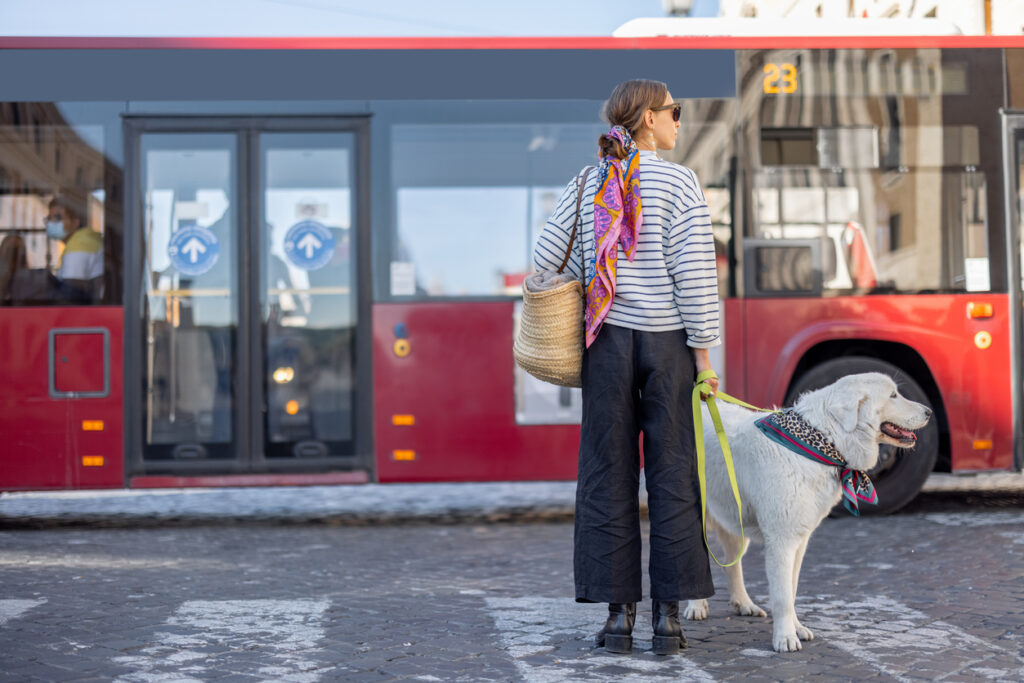
Most transport companies require dogs to be on a lead the entire time they’re on board, regardless of size or behaviour. Even small dogs sitting on laps must remain under full control. Staff have the right to refuse travel if the dog isn’t properly restrained. Transport rules aren’t optional, and they’re backed by safety laws to protect passengers and animals. A lead is mandatory the moment you step onto any public service with your dog.
8. Inside shops, cafes, and other private premises that allow dogs
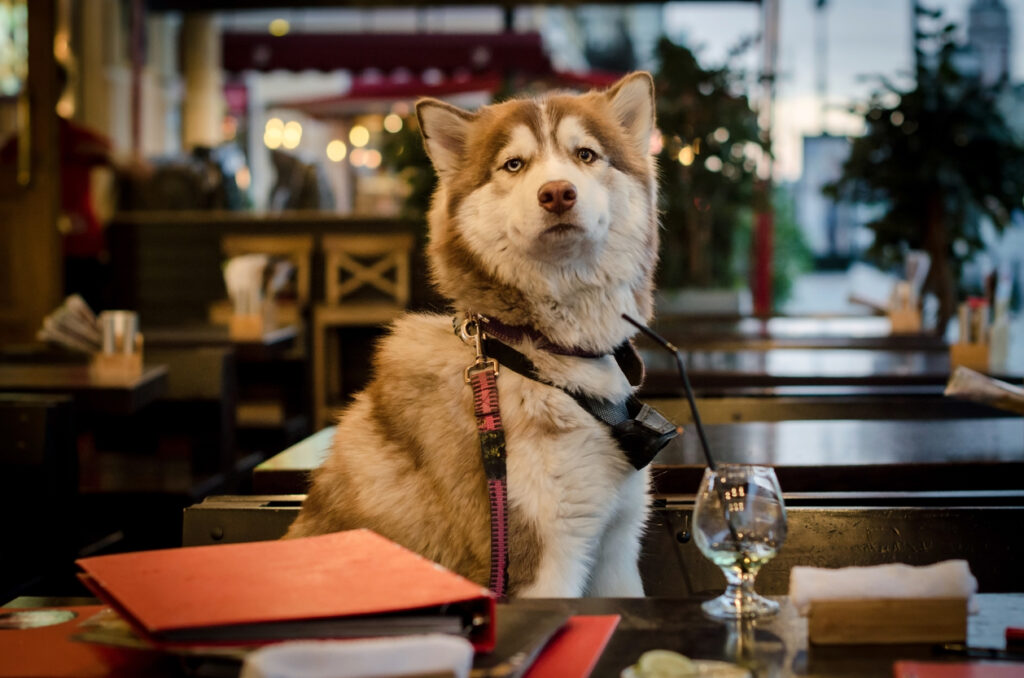
Any business that permits dogs can set its own terms, and almost all require dogs to be on a lead. Even if the space seems calm or empty, staff can legally ask you to restrain your dog or leave the premises if you refuse. Private businesses operate under health and safety guidelines that demand predictable behaviour from animals on site, so a lead is the standard expectation in every dog-friendly shop or cafe.
9. In campsites, caravan parks and holiday parks
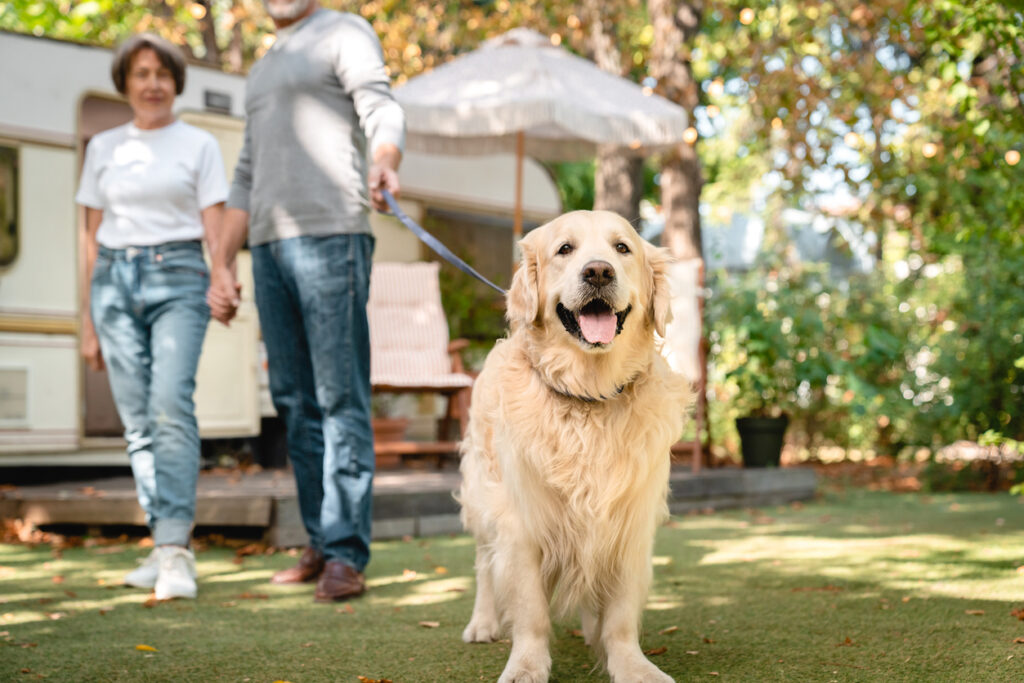
Most UK holiday parks have strict rules requiring dogs to be kept on leads outside your pitch or accommodation. These rules exist because dogs react differently in new environments and may wander into other pitches or wildlife areas. Breaking these rules can result in being removed from the site or fined. Even if you’re familiar with the area, holiday parks treat dog control seriously for the safety of all guests.
10. During dog-control orders or temporary safety restrictions
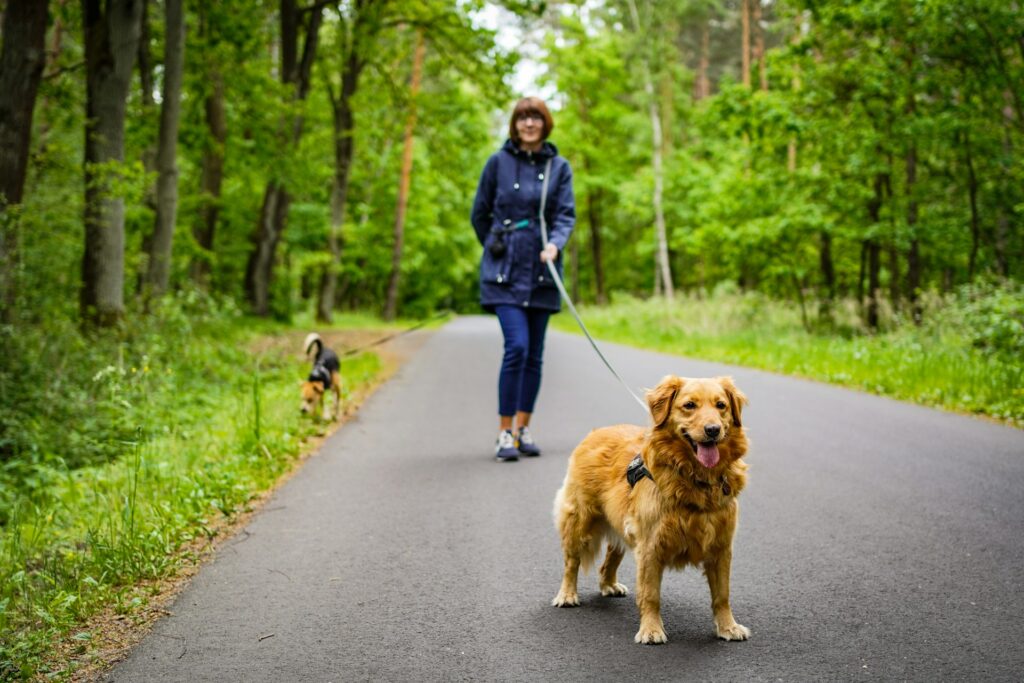
Councils can introduce temporary control orders after an incident, such as a reported dog attack, repeated complaints or safety concerns in a particular area. When these orders are active, all dogs must stay on a lead within the defined boundary until the order is lifted. These temporary rules can appear with little notice, which is why staying aware of local updates matters. They’re enforced to prevent further problems and keep public spaces safe while issues are investigated.