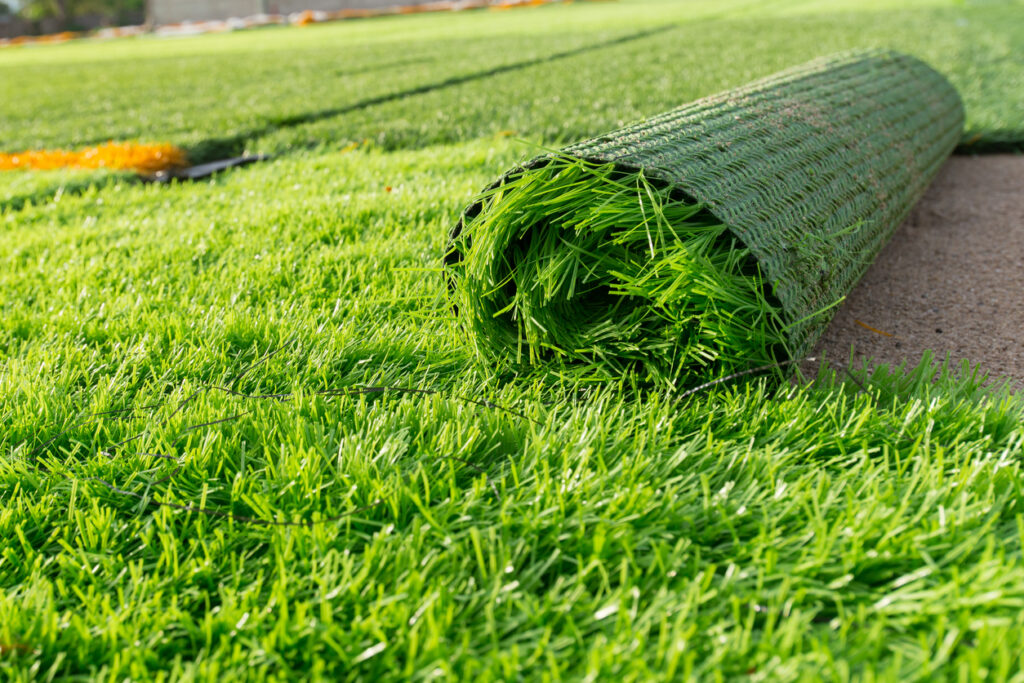
Artificial grass has become popular across the UK, but councils and environmental groups are starting to question its impact. What once felt like a simple garden upgrade is now being linked to drainage problems, heat issues and serious biodiversity loss. Because of this, several regions are considering new rules that would treat artificial turf the same way they treat other major garden alterations.
Planning permission isn’t required yet everywhere, but the direction of travel is clear, and some areas are already laying the groundwork for stricter controls. Here are some of the reasons you may soon need to clear it with your council before laying turf in your own garden.
Councils want tighter control over surface water drainage.
Artificial grass prevents rain from soaking into the soil, which forces more water into local drainage systems. In areas already struggling with flooding, councils see this as a growing risk. When too many gardens switch to artificial turf, heavy rain overwhelms drains that were never designed to handle so much run off at once.
Planning permission would allow councils to check that drainage stays safe for the area. It gives them a chance to insist on proper soakaway systems or alternative designs so homeowners don’t unintentionally increase flood risk.
Some regions are prioritising biodiversity recovery.
Many councils are trying to reverse the decline of insects, birds and native plants. Artificial grass removes soil access, eliminates habitat and pushes wildlife out of gardens. In areas where biodiversity plans are already in place, artificial turf is increasingly seen as a barrier to recovery.
Planning rules would let councils limit artificial grass in certain neighbourhoods so they can protect pollinators, encourage natural planting and support wider environmental goals. It becomes a way to prevent whole streets turning into plastic landscapes.
Heat concerns are pushing councils to rethink plastic landscaping.
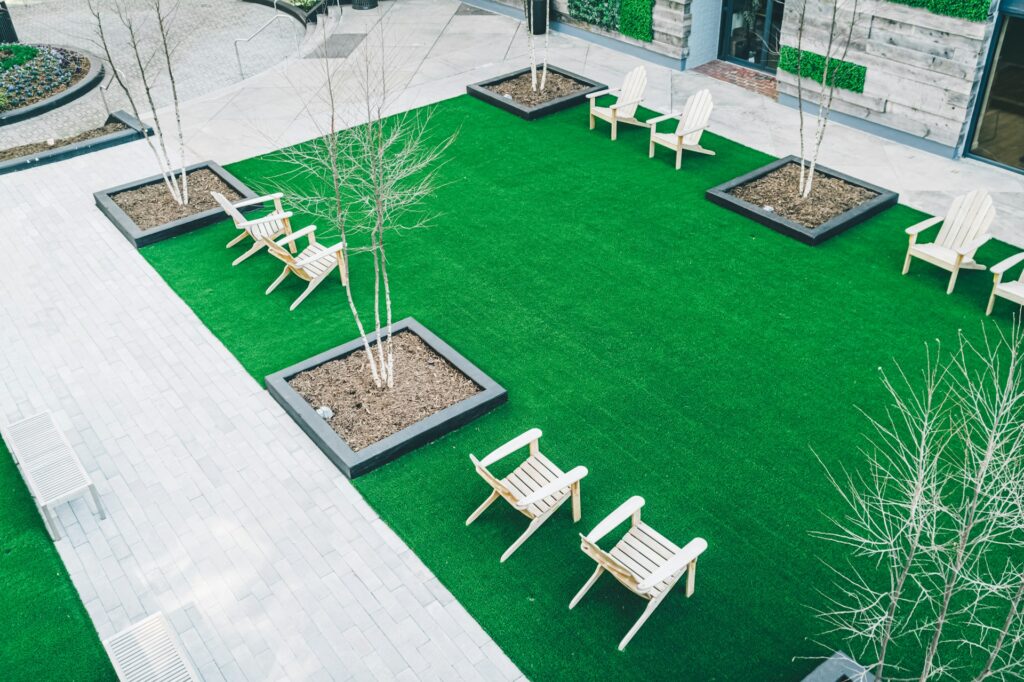
Artificial grass absorbs and traps heat more strongly than real lawns. In cities and densely built areas, this intensifies the urban heat problem. During warm weather, some artificial lawns can become too hot to walk on and raise local temperatures further. Councils looking to cool their towns may introduce planning permission to control how much artificial turf is installed. It allows them to favour greener, cooler alternatives that reduce heat rather than amplify it.
Pollution from plastic breakdown is becoming a bigger issue.
Artificial grass slowly breaks down in sunlight and weather, releasing microplastics into soil and waterways. As environmental research expands, councils are taking these risks more seriously. Microplastics already appear in rivers, drains and wildlife habitats, and garden plastics contribute to the problem.
By increasing regulations, councils can limit installations in sensitive areas or encourage safer materials. It also alerts homeowners to the long term environmental cost before they commit to a full garden replacement.
Some councils want consistency in conservation zones.
Conservation areas already have rules about fences, extensions, and garden structures. Many conservation officers now argue that artificial grass should fall under the same level of control because it changes the character of a property’s surroundings. Large areas of plastic turf look out of place in historic or rural settings.
Requiring planning permission would help maintain the appearance of protected areas. It ensures gardens fit the style and environmental aims of the neighbourhood rather than creating visual patches of plastic.
Local authorities are responding to resident complaints.
@lesswastelaura #stitch with @ukartificiallawns I HATE PLASTIC GRASS ❌ #EcoTok #ClimateTok ♬ Love You So – The King Khan & BBQ Show
Neighbours often raise concerns about artificial grass without realising it has broader implications. Complaints range from reflected heat affecting nearby gardens to reduced stormwater absorption causing pooling next door. These issues have pushed councils to consider regulation. Planning permission gives councils a way to assess the wider impact before approval. It allows them to prevent disputes by checking whether a garden change could affect surrounding properties.
Waste management pressures are increasing.
Artificial turf has a limited lifespan and is extremely difficult to recycle. Old lawns often end up in landfill, adding to long term waste problems. As councils struggle with rising disposal costs, they’re looking at ways to slow down the volume of artificial grass entering the system. By requiring permission, councils can encourage repairs, partial replacements or greener alternatives. It’s a way of reducing future waste before the issue becomes unmanageable.
Tree protection plans conflict with artificial turf installations.
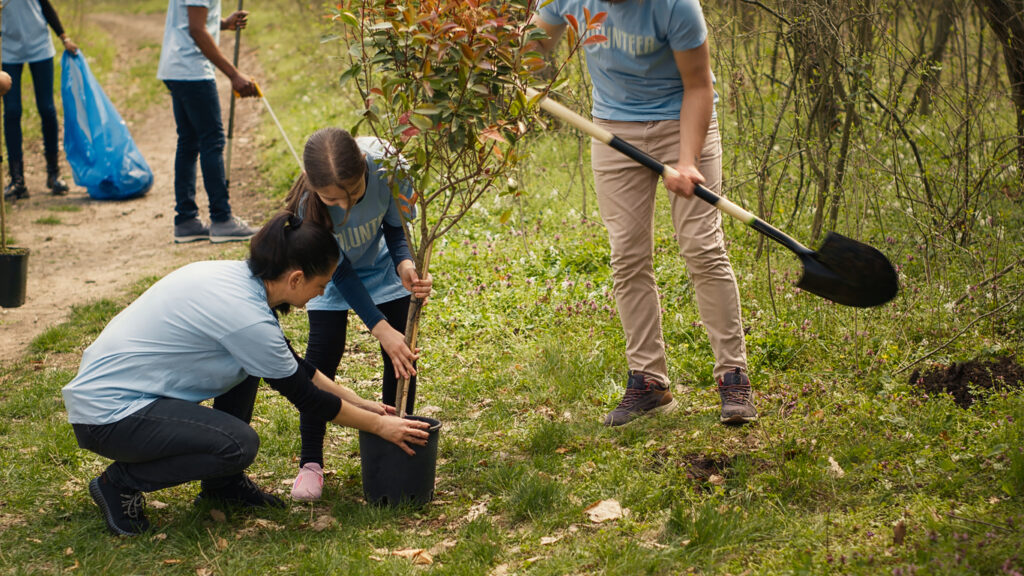
Many regions have Tree Preservation Orders and urban canopy plans. Artificial grass can harm the soil around tree roots by compacting the ground and reducing moisture absorption. As a result, councils are reconsidering whether turf installations are compatible with their tree protection policies. Tightening restrictions would let councils block installations that may harm established trees. It also helps them guide homeowners toward designs that keep soil healthy and root systems intact.
Councils are pushing for climate resilient gardens.
Climate change means heavier rain, hotter summers and more pressure on local ecosystems. Councils now encourage gardens that soak up water, support wildlife and stay cool in heatwaves. Artificial grass does the opposite on all three fronts, which makes it a target for future regulation. Planning controls would give councils the power to shape neighbourhoods with climate resilience in mind. It allows them to steer people towards planting, permeable surfaces or mixed gardens rather than full plastic coverage.
National discussions suggest future rules may spread.
Some local authorities are already reviewing artificial lawn policies, and environmental groups continue to push for stronger guidelines. As awareness grows, more councils are expected to follow. What starts in a few regions often expands across the country, especially when the change aligns with national environmental priorities.
If planning permission becomes a trend, homeowners may eventually need approval before installing artificial grass in certain zones. Understanding the direction now helps people make decisions that won’t leave them facing restrictions later.