Most garden plants look pretty innocuous, but in the UK, a few are classed as invasive and can cause serious legal trouble for homeowners.

If these plants spread on your land, you may struggle to sell your house, face delays or have to pay for expensive removal work. Estate agents, surveyors, and buyers all check for them because they can damage buildings and overrun gardens, not to mention property value. These are the plants that raise red flags fast, and why you’ll want to be on the lookout for them.
1. Japanese knotweed
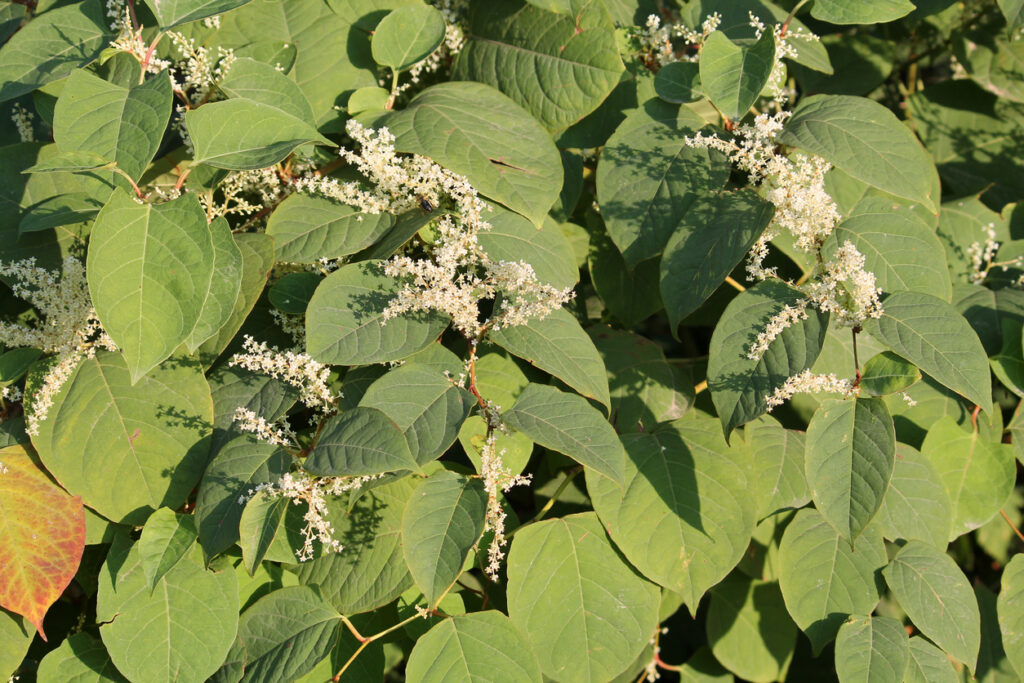
Japanese knotweed is the one most homeowners have heard of, and for good reason. It spreads aggressively underground, often well beyond what’s visible above the soil, and its roots can damage paving, drains, walls, and foundations. Even a small amount can cause alarm because it’s hard to eradicate without a long-term management plan.
If knotweed is discovered during a survey, mortgage lenders may refuse to proceed unless there’s evidence of professional treatment and an insurance-backed guarantee. That can delay or derail a sale entirely. Spotting it early, before it becomes established, gives you far more options and keeps control in your hands rather than the buyer’s.
2. Giant hogweed

Giant hogweed is taken seriously not just because it spreads quickly, but because it poses a real risk to health. The sap can cause severe skin reactions when exposed to sunlight, which makes it particularly concerning in gardens, near paths, or close to neighbouring land.
Homeowners are expected to prevent it from spreading, and removal must be done carefully and safely. If it’s found during a survey, it raises immediate questions about liability and safety. Dealing with it promptly shows that you’ve acted responsibly and reduces the chance of complications when selling.
3. Himalayan balsam
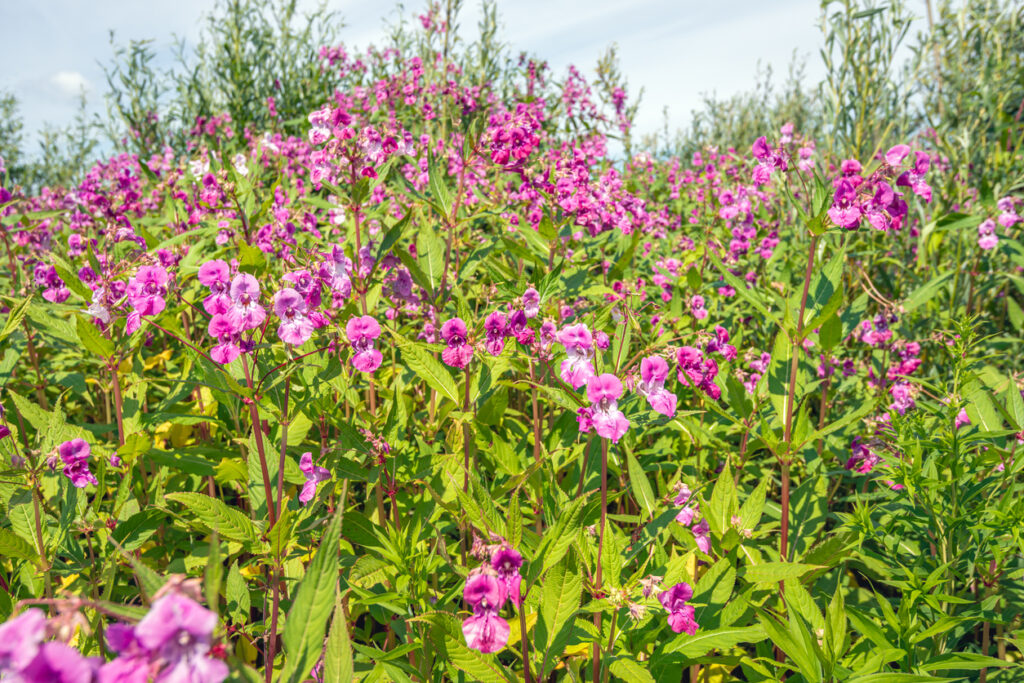
At first glance, Himalayan balsam looks like an ordinary, even attractive plant, which is why it often goes unnoticed. The problem is how quickly it spreads. Each plant produces thousands of seeds that travel easily, allowing it to take over borders, lawns, and nearby land in a short space of time.
Buyers and surveyors are wary of it because it outcompetes native plants and is difficult to control once established. Keeping it in check, or removing it entirely, reassures buyers that the garden hasn’t been neglected and that there won’t be ongoing issues after purchase.
4. Rhododendron ponticum
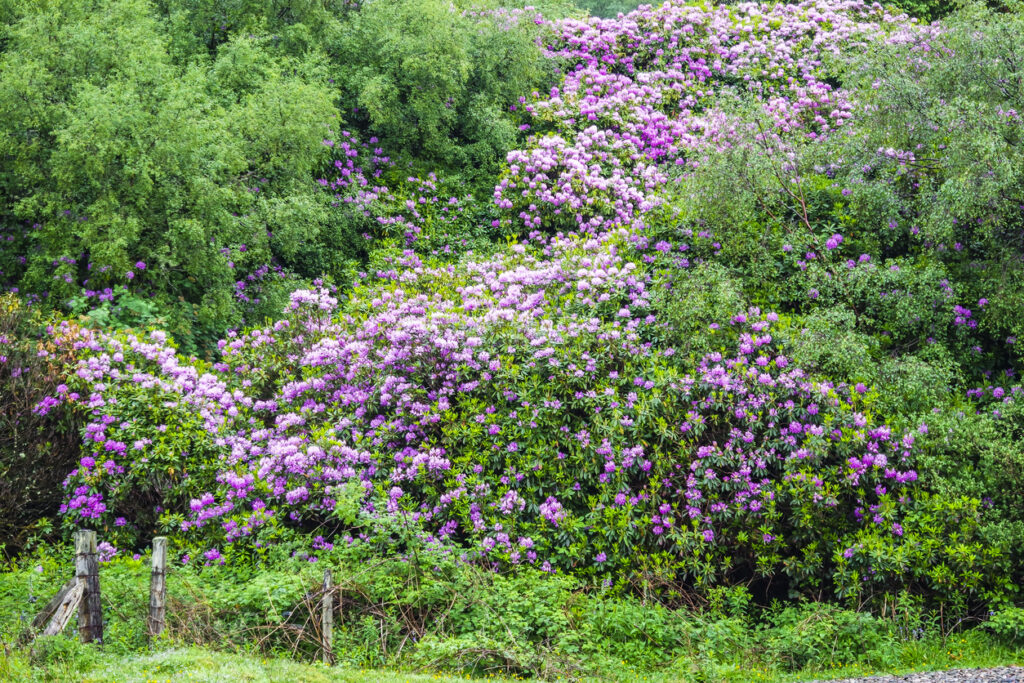
Rhododendron ponticum is often confused with ornamental rhododendrons, many of which are perfectly fine. This particular species, however, spreads aggressively, creates dense growth, and blocks light, making it harmful to gardens and surrounding land.
Surveyors are trained to spot it, and its presence can raise concerns about long-term maintenance and spread beyond property boundaries. Knowing exactly which variety you have matters. Removing ponticum before listing your property avoids awkward explanations and shows you’ve taken preventative action.
5. New Zealand pygmyweed (Crassula helmsii)
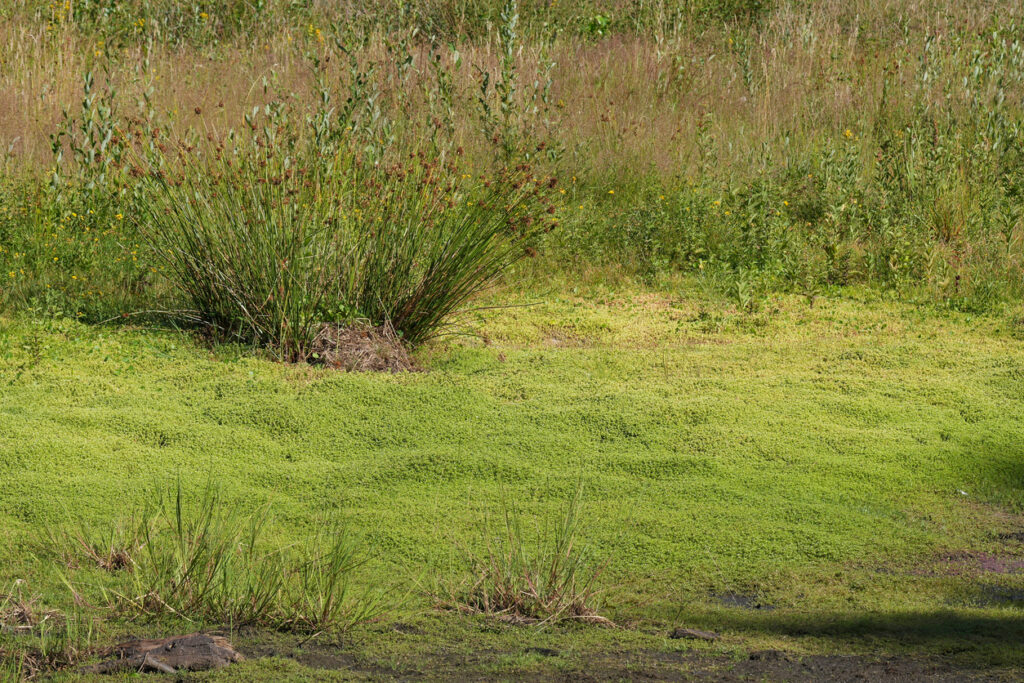
Crassula helmsii is most commonly found in ponds and damp areas, where it forms thick mats that smother other plants and reduce oxygen levels. Once established, it’s extremely persistent and difficult to remove fully.
If a surveyor spots it, buyers may worry about long-term management and environmental responsibilities. Managing ponds properly and dealing with this plant early can prevent it becoming a sticking point later, especially if your garden includes water features.
6. Floating pennywort
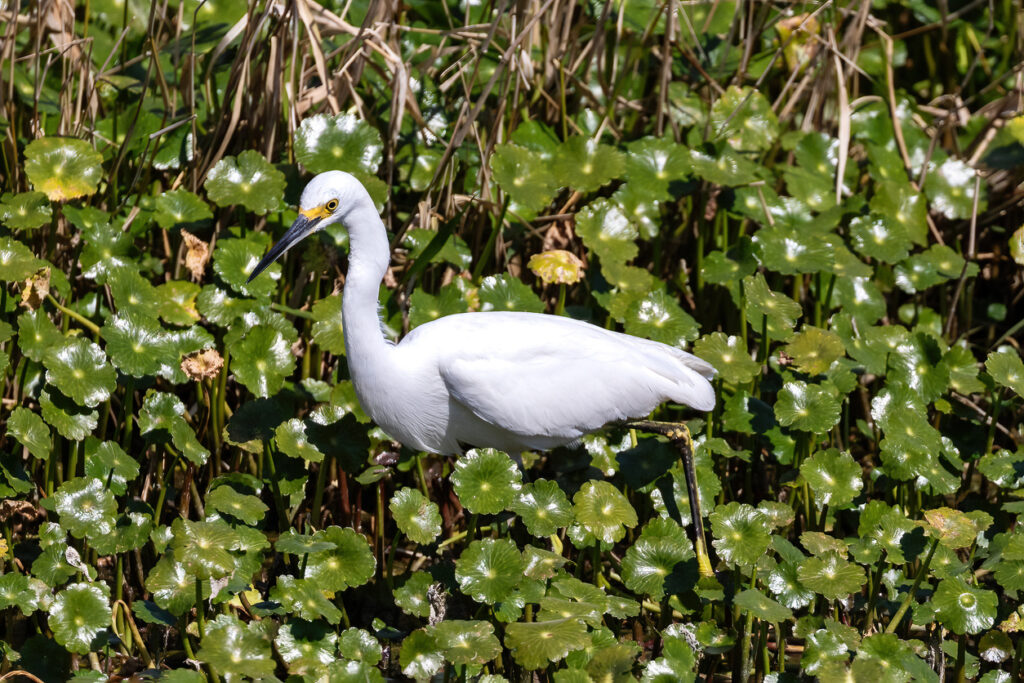
Floating pennywort grows rapidly across water surfaces, often doubling in size within days during warmer months. It can spread between ponds, streams, and neighbouring properties, making it a shared problem rather than a contained one.
Because removal can be expensive and time-consuming, surveyors often flag it as something that needs addressing before a sale goes ahead. Catching it early and keeping it under control demonstrates that the garden has been looked after and reduces the chance of last-minute demands from buyers.
7. Cotoneaster (specific invasive varieties)
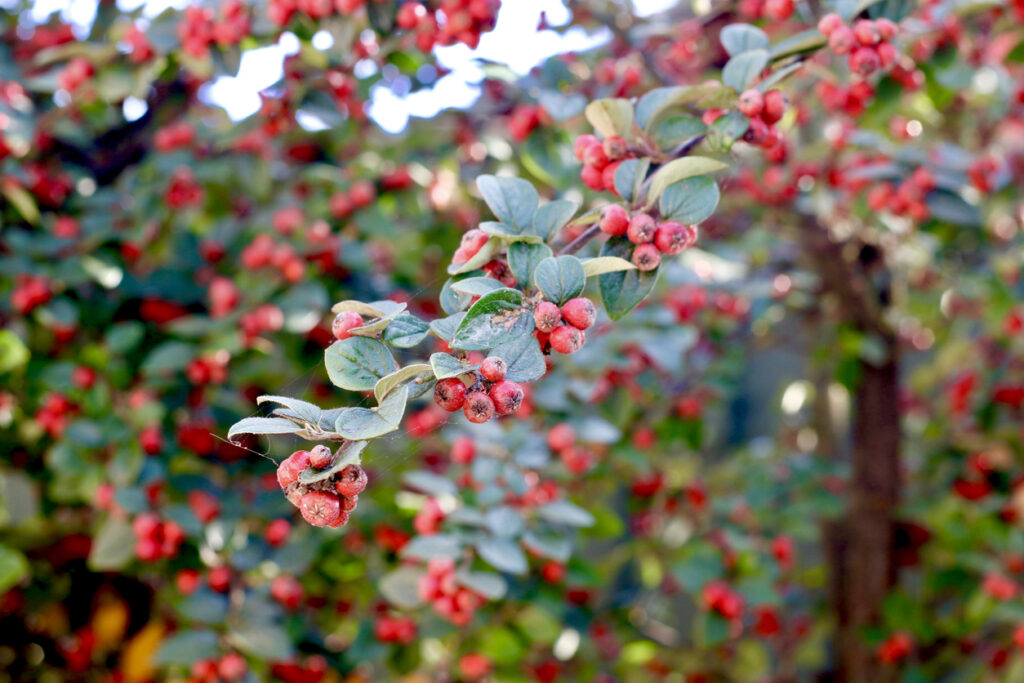
Not all cotoneasters are an issue, but several varieties are listed as invasive due to how easily they spread and damage local habitats. These are often found in established gardens and may have been planted years ago before their impact was widely understood.
Surveyors may note large or unmanaged growth, especially if it’s spreading beyond the garden boundary. Knowing which variety you have allows you to make informed decisions about pruning or removal, helping to avoid unnecessary complications when selling.
8. Kudzu vine (rare in the UK but an instant red flag)
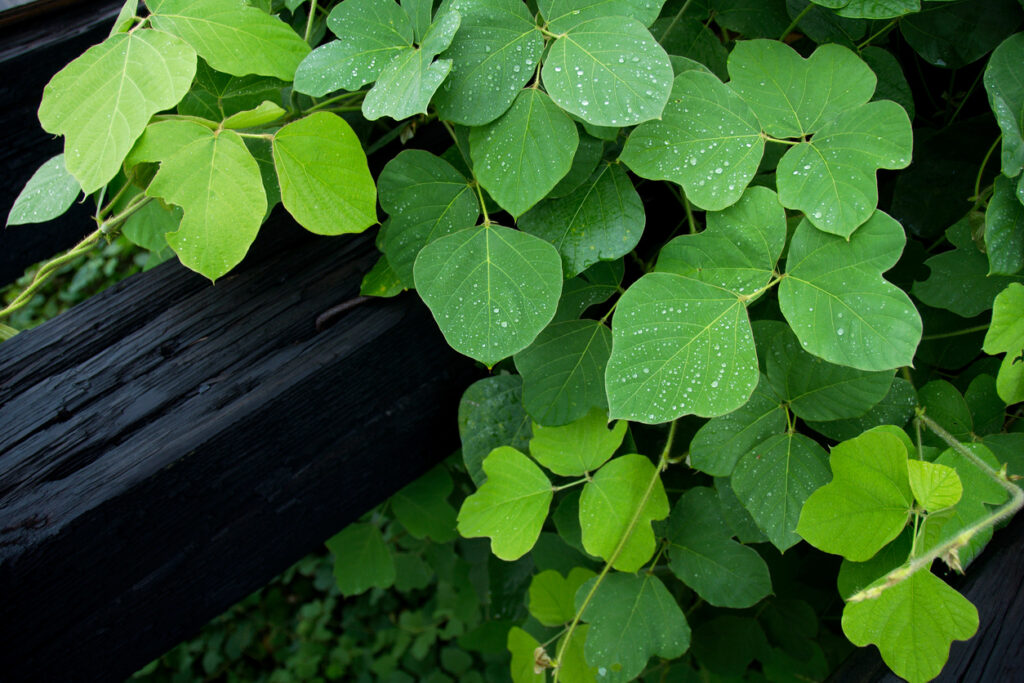
Kudzu is extremely rare in the UK, but if it’s found, it’s treated with urgency. The plant grows at an extraordinary rate and smothers everything around it, which is why it’s infamous elsewhere in the world.
Even a small amount would raise immediate concerns for buyers and lenders, and proof of control would be required before any sale could proceed. Understanding that even uncommon plants can cause major problems highlights why awareness matters, especially if your garden backs onto unmanaged land.