
Cats sleep an absolutely mental amount compared to humans, and if you’re worried your cat’s lazy or ill because they’re always kipping, chances are they’re just being a normal cat. The average cat sleeps between 12 and 16 hours a day, with some sleeping up to 20 hours, which seems excessive until you understand why they’ve evolved to be professional snoozers. These reasons explain why your cat spends most of their life unconscious, and why that’s completely normal.
They’re built to hunt in short bursts.
Cats are ambush predators who evolved to hunt by lying in wait and then exploding into action for a few seconds. This hunting style requires massive energy bursts followed by long recovery periods, so sleeping most of the day is how they recharge for the next potential hunt.
Even though your cat’s hunting consists of attacking a toy mouse, their body still operates on this feast or famine energy system. They’re hardwired to conserve energy between hunting opportunities, which is why they’ll sprint around like mental for five minutes then crash for three hours straight.
Most of their sleep isn’t deep sleep.
@bx102188 These two sleep well😘😘😘#catsoftiktok #foryou #funny ♬ original sound – bx102188
Your cat might look dead to the world, but they’re often in light sleep where they’re still somewhat alert to their surroundings. Their ears will twitch at sounds, and they can go from sleeping to fully awake in seconds if something interesting happens, like the sound of a treat bag.
Only about 25% of their sleep is actually deep REM sleep where they’re properly out of it. The rest is this light dozing state where they’re resting but ready to react, which is why they need so many hours of it to feel properly rested.
They’re crepuscular, not nocturnal.
Cats are most active at dawn and dusk, which are prime hunting times in the wild when their prey is most active. During the middle of the day and the middle of the night, they’re naturally inclined to sleep because that’s when there’s historically been nothing much to do.
This means that while you’re at work during the day, your cat’s supposed to be sleeping because midday isn’t their active time. Then they wake up around teatime when you get home, have their mad half hour, and settle down again until they wake you up at stupid o’clock in the morning.
Kittens and old cats sleep even more.
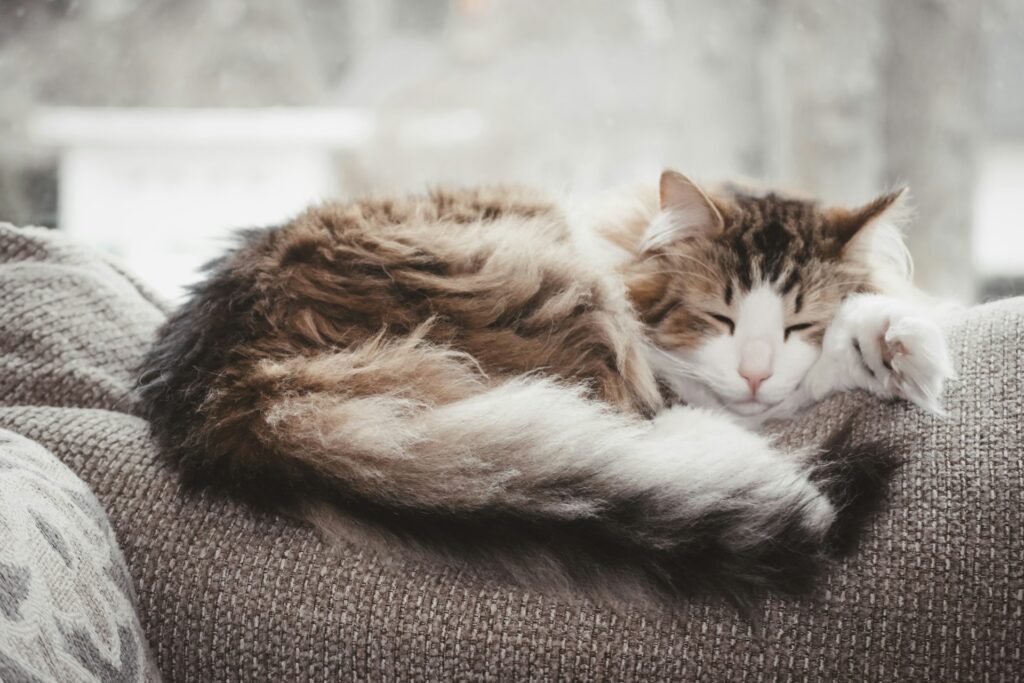
Baby cats can sleep up to 20 hours a day because growing takes massive amounts of energy and sleep is when they do most of their developing. They’re basically processing all the new information they’re learning and building their bodies when they’re unconscious.
Senior cats also sleep more because their bodies are less efficient, and they tire out more easily. An older cat might sleep 18 to 20 hours not because something’s wrong, but because that’s what their ageing body needs to function properly with less energy available.
Boredom makes them sleep more.
A cat with nothing to do will sleep more than a cat with enrichment and stimulation. If your cat’s sleeping 20 hours a day, and they’re not elderly, they might just be absolutely bored out of their mind and sleeping to pass the time.
Indoor cats especially can fall into this pattern because there’s literally nothing happening in their environment to keep them interested. Adding puzzle feeders, regular play sessions, or even just rotating their toys can reduce their sleep time by giving them reasons to be awake.
The weather affects how much they sleep.
Cats sleep more when it’s cold, rainy, or miserable outside because conserving energy when conditions are rubbish is a smart survival strategy. On grim days, your cat will be even more unconscious than usual because there’s no reason to be active when it’s horrible out.
This is why your cat seems to hibernate in winter and sleep constantly when it’s dark and cold. They’re not depressed, they’re just following ancient instincts that say bad weather means stay put and conserve energy until conditions improve.
They’re saving energy from their food.
Cats are obligate carnivores whose natural diet is pure protein and fat from prey animals. This diet is incredibly energy-dense, which means they get loads of calories from small amounts of food and don’t need to spend hours grazing like herbivores do.
Because their food is so efficient, they don’t need to spend time foraging or eating constantly like other animals. They can eat, get a massive energy hit, then sleep it off while their body processes all that protein into usable fuel.
Stress and anxiety make them sleep more.
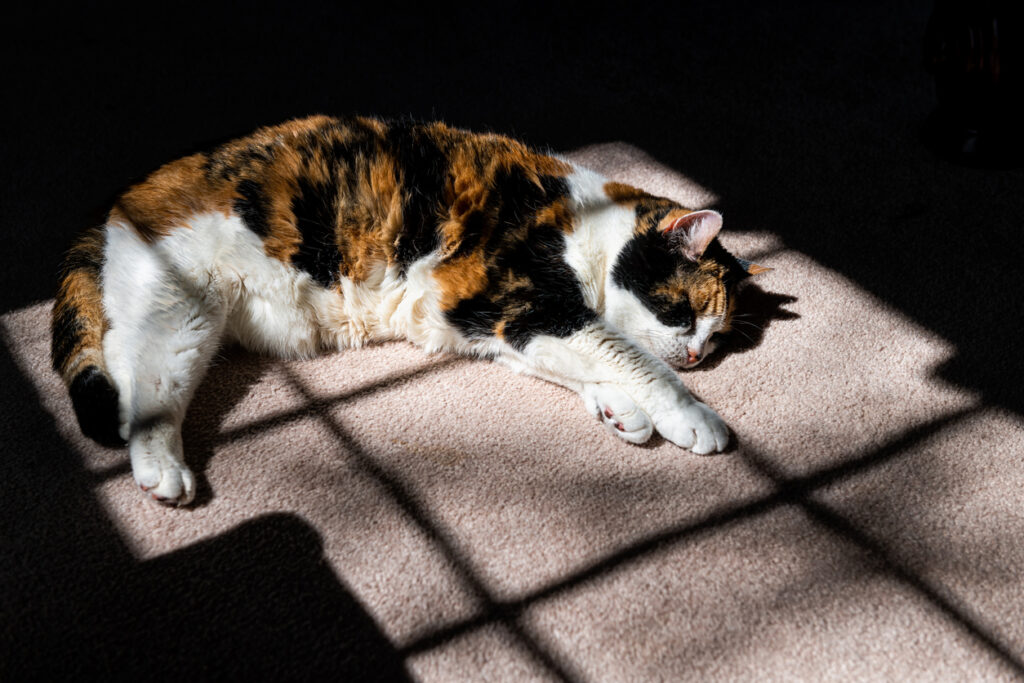
Cats dealing with stress often sleep more as a coping mechanism. If there’s tension in the house, new people or animals, or changes to their routine, they might retreat into sleep as a way to escape the situation and feel safe.
Stress sleeping is different from normal cat sleep because they’ll often hide and seem less relaxed. If your cat’s suddenly sleeping way more and hiding while they do it, something in their environment is probably stressing them out.
They’re actually awake more than you realise.
Your cat’s schedule doesn’t match yours, so you’re probably missing their active periods entirely. They might be tearing around the house at 2am or 5am when you’re asleep, which means what looks like constant sleeping during your waking hours is actually just their downtime.
If you had a camera on your cat 24/7, you’d see they’re actually quite active during times you’re not watching. They’re not sleeping all day every day, you’re just not awake for their party hours when they’re most lively.
Indoor life is less demanding.
Wild cats and outdoor cats need to be more alert because they’re dealing with threats, finding food, defending territory, and navigating dangers. Indoor cats have none of these pressures, so they can afford to sleep more because nothing’s trying to eat them and their food appears magically in a bowl.
This cushy indoor life means your cat can sleep safely for longer periods without worrying about predators or competitors. They’re living the dream compared to their wild cousins who need to stay alert to survive, so they’re taking full advantage of the security to catch up on sleep.
Hot weather makes them absolutely lazy.
@cats_friii sleeping😴cats😅#cats #cat ♬ الصوت الأصلي – Cats_ friiii
Cats don’t handle heat well, and they can’t sweat like humans do. When it’s hot, sleeping is the safest thing they can do because activity generates more heat that their body struggles to get rid of, so they just shut down and wait for cooler temperatures.
You’ll notice your cat becomes a puddle of fur in summer, barely moving from their cool spot on the floor. This isn’t laziness, it’s smart temperature regulation. Moving around in heat could genuinely be dangerous for them, so sleeping through the hot hours keeps them safe.
They’re dreaming and processing information.
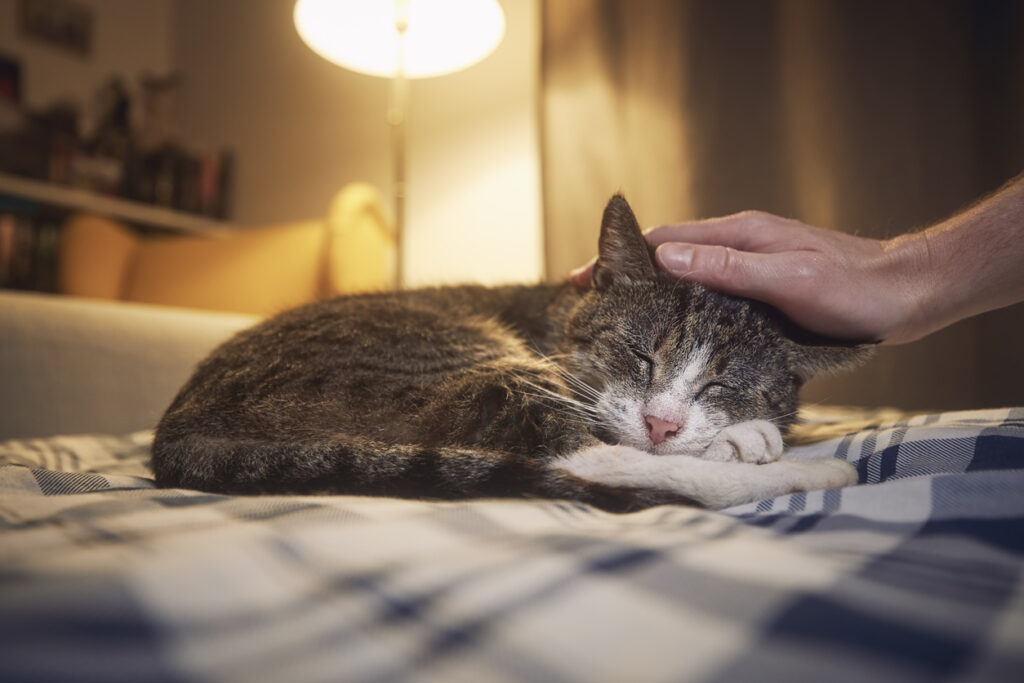
During those deep sleep phases, cats are dreaming, and their brains are processing everything they’ve experienced. You’ll see their paws twitching, their whiskers moving, and hear little chirps as they dream about hunting or playing or whatever goes on in cat dreams.
This brain processing during sleep is essential for their mental health and learning. All the skills they practice during play, all the environmental information they gather while awake gets filed away and consolidated during sleep, making all those hours crucial for their development and wellbeing.
Medical issues can increase sleep time.
While most cat sleeping is normal, sometimes excessive sleep alongside other symptoms can indicate health problems. If your cat’s sleeping more than usual and also seems lethargic when awake, not eating properly, or has changed their behaviour, that’s worth a vet visit.
Things like thyroid problems, diabetes, or pain from arthritis can all make cats sleep more than normal. The key is knowing your individual cat’s normal sleep pattern so you can spot when they’re sleeping more than usual for them, not just more than seems normal to you as a human.
They’re just really good at relaxing.
Cats have mastered the art of doing absolutely nothing without feeling guilty about it. They don’t have human anxiety about being productive or worries about wasting time, so when there’s nothing pressing to do, they just sleep without overthinking it.
Honestly, we could learn something from cats about not feeling bad for resting when we need it. Your cat’s not lazy or boring because they sleep loads, they’re just brilliantly efficient at conserving energy and taking care of their needs without making it complicated. They’ve got life sorted in a way humans never will.