Sea urchins look like simple little spikes sitting on the sea floor, but the more you learn about them, the stranger they become.
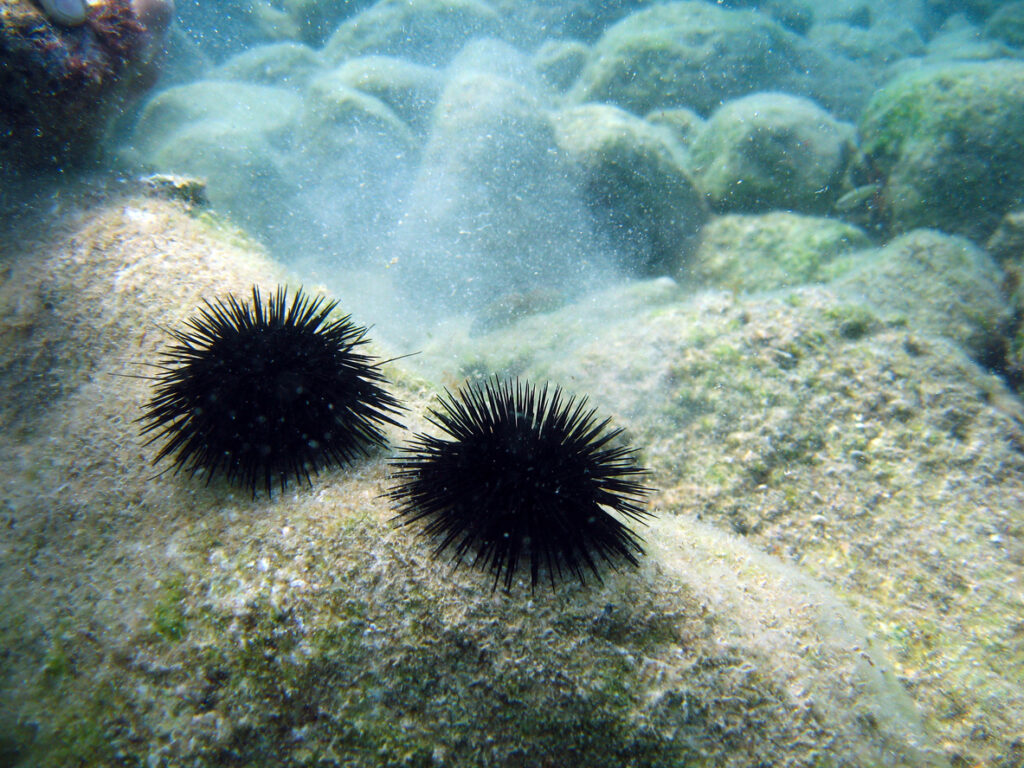
They don’t organise life the way we do, and they don’t use a single place in the body to think or react. Everything about them works as a group effort, which makes them closer to living systems than the single-minded animals most people imagine. Once you understand what’s actually going on under those spines, they start to feel more mysterious than basic.
Instead of acting like one brain steering the show, they’re built more like a network, where different parts share information and keep the animal going. They sense danger, find food, defend themselves and react to movement without a central control point. They’re basically proof that the natural world isn’t limited to the designs we’re familiar with.
They have no central brain at all.
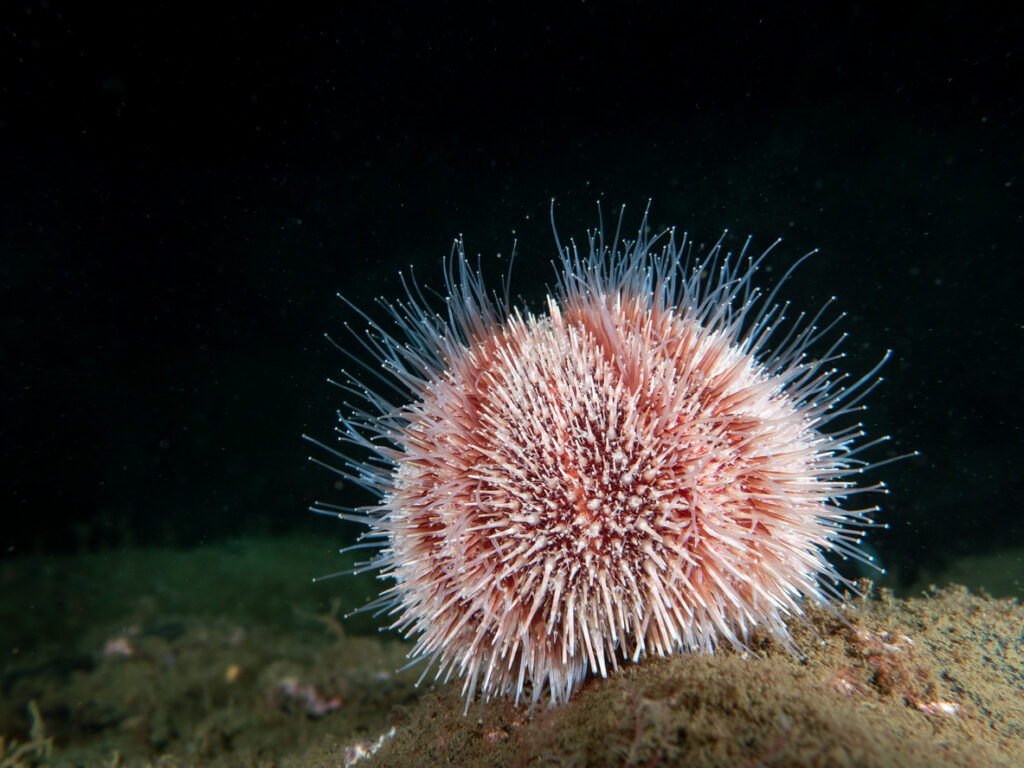
Most people assume every creature must have some kind of brain tucked away somewhere, but sea urchins don’t have one place doing all the thinking. They don’t even have a head, so the idea of a brain doesn’t apply to them in the first place. Instead, everything is spread through the body, which means different areas share responsibility for reacting and staying alive.
Once you see them like that, you realise how unusual they truly are. Every part of the body helps with sensing and decision-making, so no single location is in charge. It’s a completely different way of organising life, and it works surprisingly well for them.
Their nerves run through their whole body.
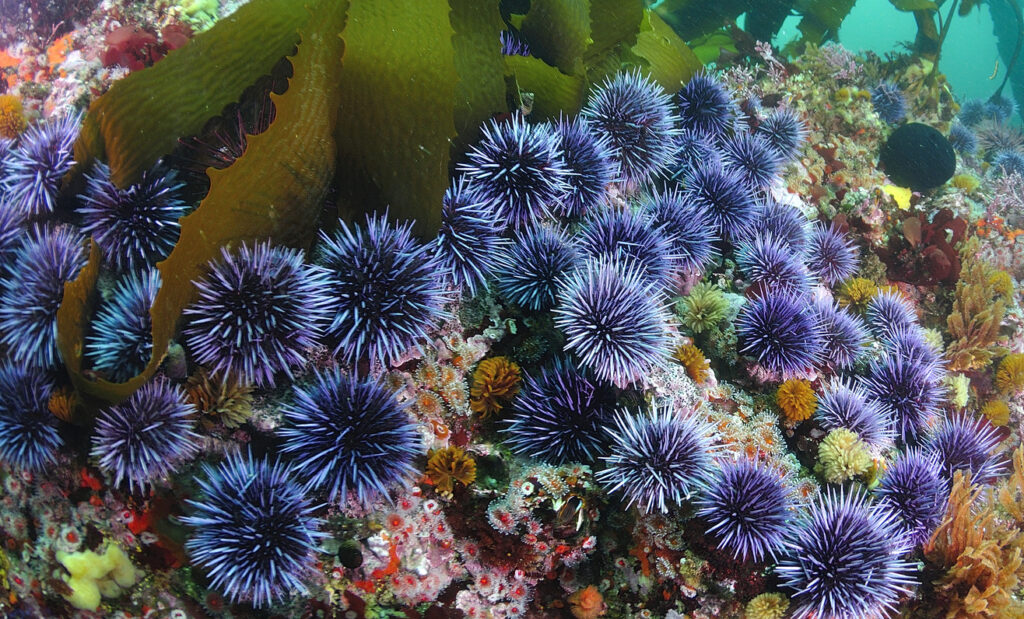
Instead of carrying signals to a central brain, their nerves form a ring under their shell and send information through the body. That network lets them respond to touch, movement and changes around them. It’s slow compared with a nervous system like ours, but it’s accurate enough for what they need.
Thinking of their nerves as a shared system helps it make sense. Every section contributes a little information, which means they don’t depend on a single place to notice what’s happening. It’s teamwork rather than hierarchy.
They can sense light even without eyes.
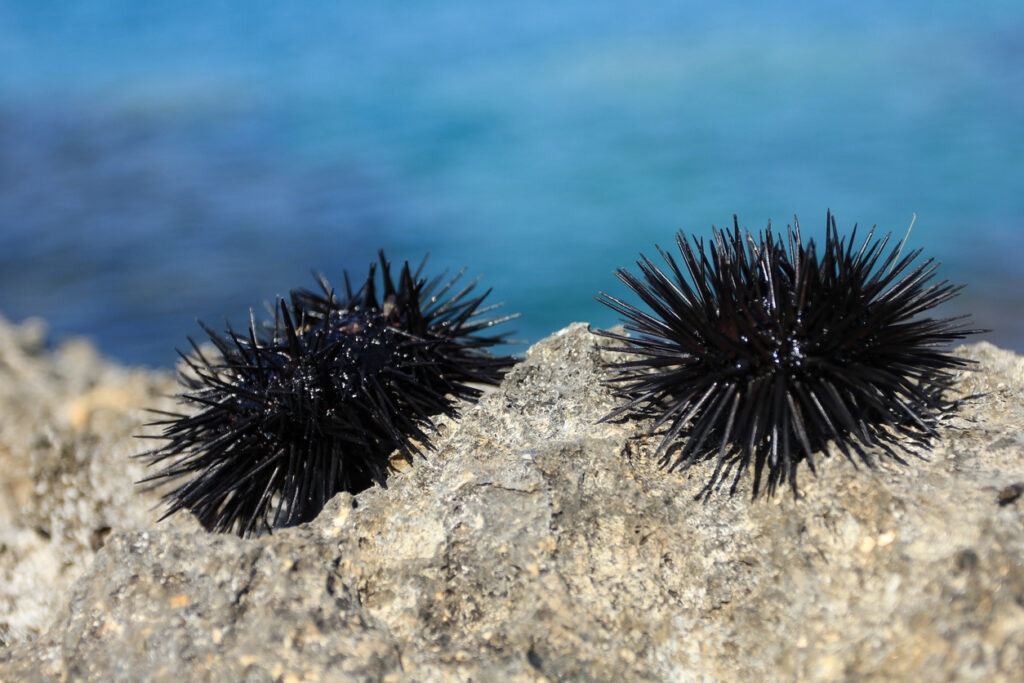
Most people assume you need eyes to detect light, but sea urchins see things in a very different way. Tiny light-sensitive cells cover their bodies, so shadows and movement are picked up across the surface. When something blocks the light, the urchin notices it, even though it doesn’t have anything resembling an eye.
If you watch them closely, you can see how they react. When something moves past, they change their position or shift their spines because the whole body is involved in sensing what just happened. In a strange way, the animal becomes one big eye.
Their spines help them think and respond.
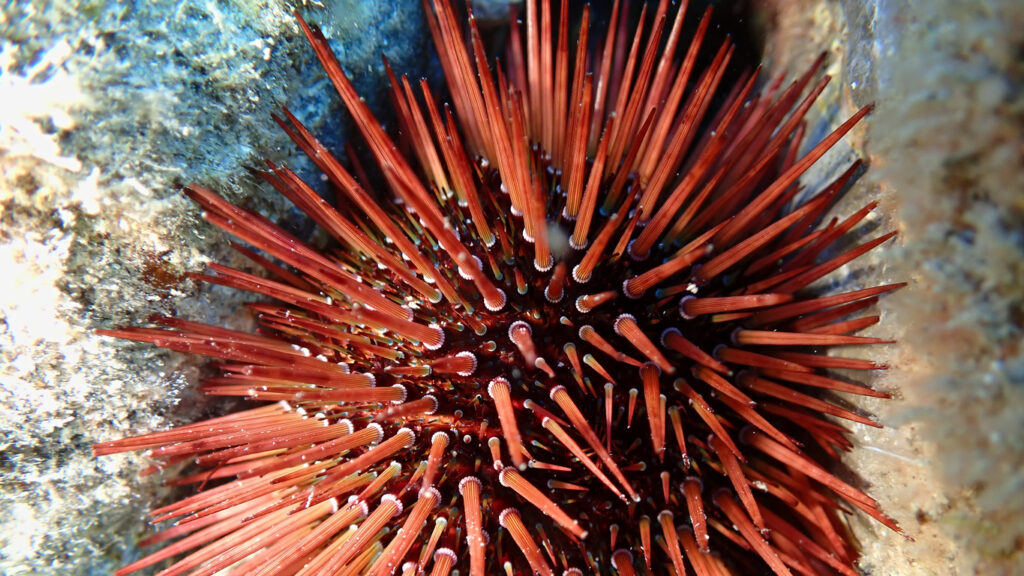
Those sharp-looking spikes are more than decoration. The spines move in response to nerve signals and help the animal react to whatever is happening around it. They create space, defend the body and make movement easier when something gets too close. Seeing the spines as part of how they sense things gives them a lot more depth. They’re not just armour, they’re part of how the animal explores and responds to the world, almost like moving antennae.
They use tiny tube feet to explore their surroundings.
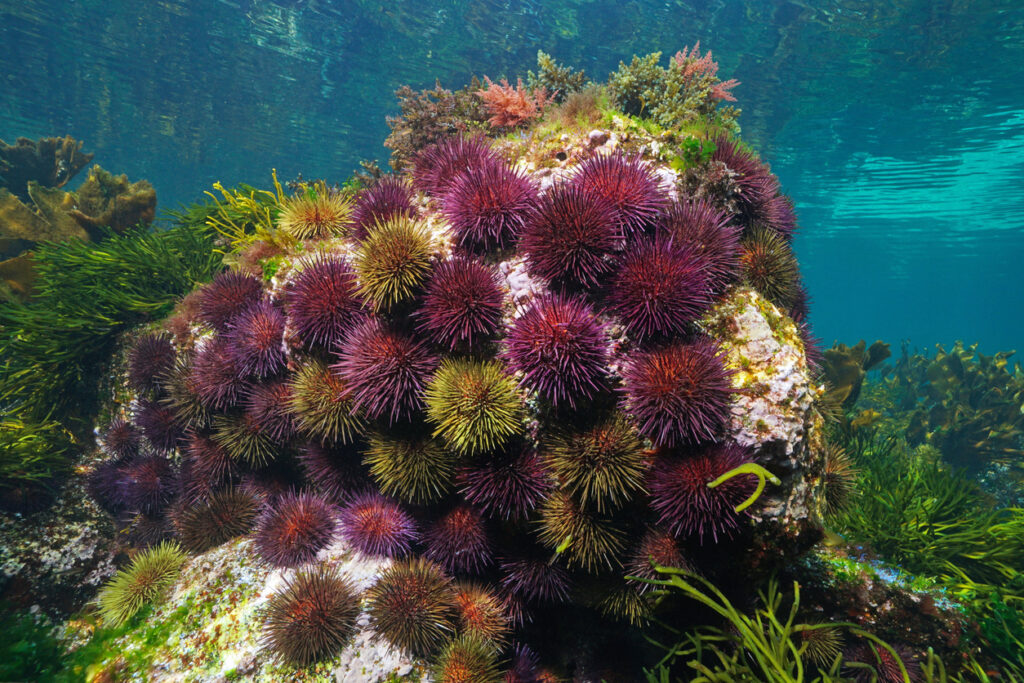
People often think sea urchins barely move, but those little flexible feet underneath let them crawl steadily across rocks. Each one works like a tiny finger, touching surfaces and helping the animal find secure places to grip. Once you focus on the tube feet, you notice how carefully they move. Every foot reacts to information from the body, helping them climb, grab and adjust themselves, even on rough surfaces.
They taste the world through their feet.
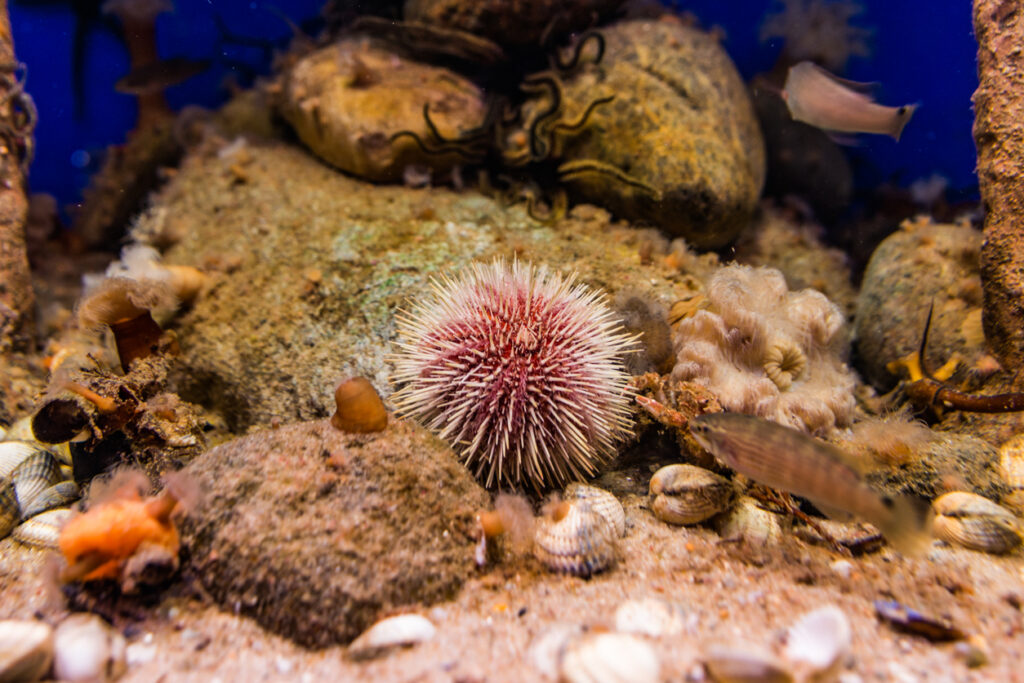
Tasting doesn’t happen in the mouth for a sea urchin. Chemical sensors sit on the tube feet, letting them sense what they’re touching. They learn whether something is food simply by exploring it with those feet. This ability makes them surprisingly efficient feeders. Instead of searching blindly, they taste as they go, learning which surfaces are worth clinging to and which ones offer nothing useful.
They move towards food without a brain guiding them.
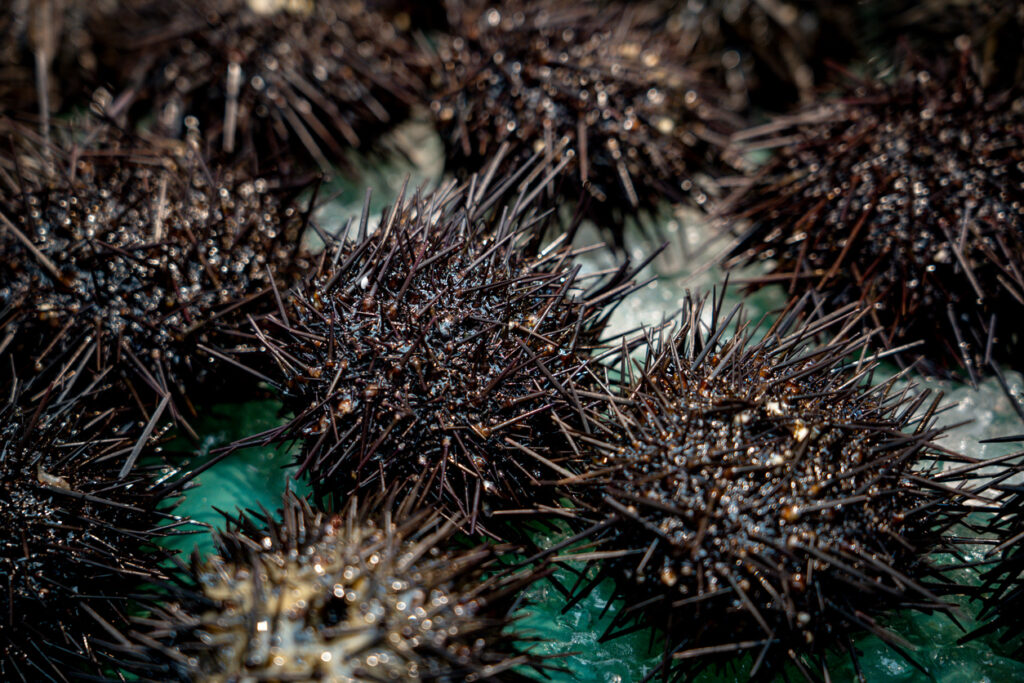
It might look like they’re guessing, but their nerves follow chemical trails that point towards algae or plants. Their body picks up tiny clues in the water and follows them slowly until they reach something edible. If you watch carefully, you see a steady, purposeful direction rather than random wandering. They don’t need a central brain to work things out because the whole system acts together, guiding them to the right place.
They use their mouth like a powerful set of tools.

That small opening underneath hides a jaw structure made of moving plates, known as Aristotle’s lantern. It scrapes, cuts and crushes food with surprising strength, allowing them to break through tough surfaces most animals would ignore.
Once you understand how this jaw works, their feeding looks a lot more organised than you’d expect. Each part responds to signals sent across the body, letting them work like a tiny set of tools without one place giving orders.
Their spines protect them without needing fast reactions.
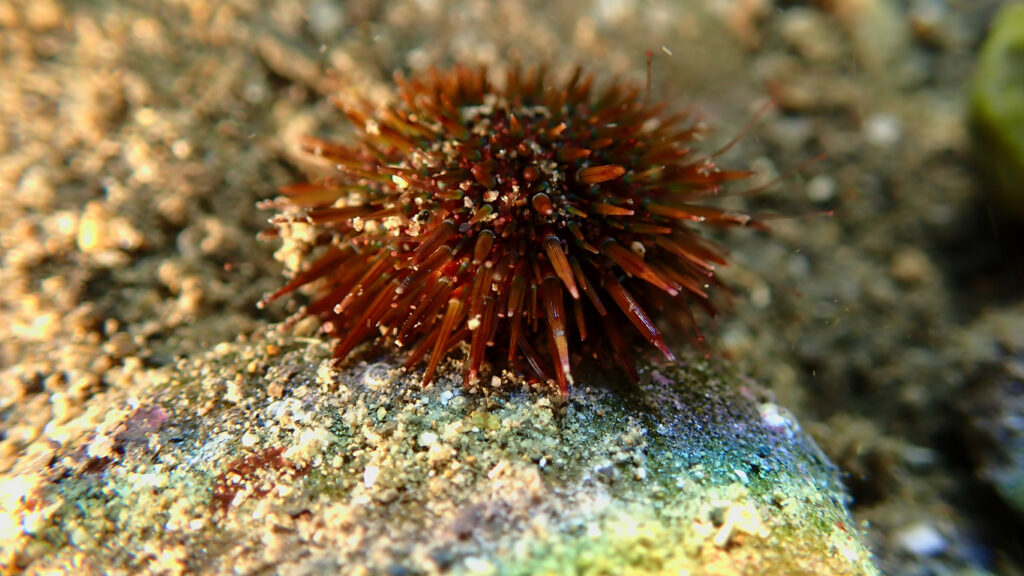
Even without a brain, sea urchins defend themselves by making it awkward for predators to get close. Angled spines create space around them, and any animal that tries to take a bite risks getting a painful surprise. Watching how they position their spines shows how effective their design is. They don’t need fast thinking, just slow, steady adjustment that keeps trouble at a distance.
They can rebuild lost spines.
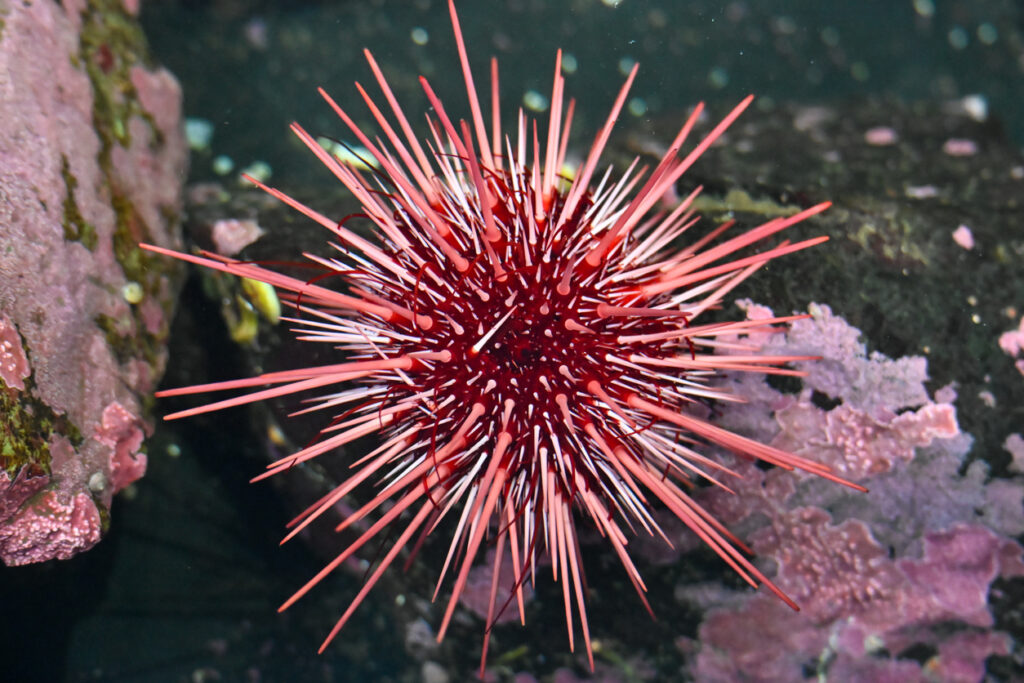
If something damages their spikes, they simply grow them back. It takes time, but they don’t lose their main protection permanently. That ability helps them survive attacks or rough conditions without long-term weakness. Knowing they can rebuild themselves gives you a new respect for how resilient they are. They’re slow and steady, but that approach keeps them going for a long time.
They sense danger through changes in water movement.
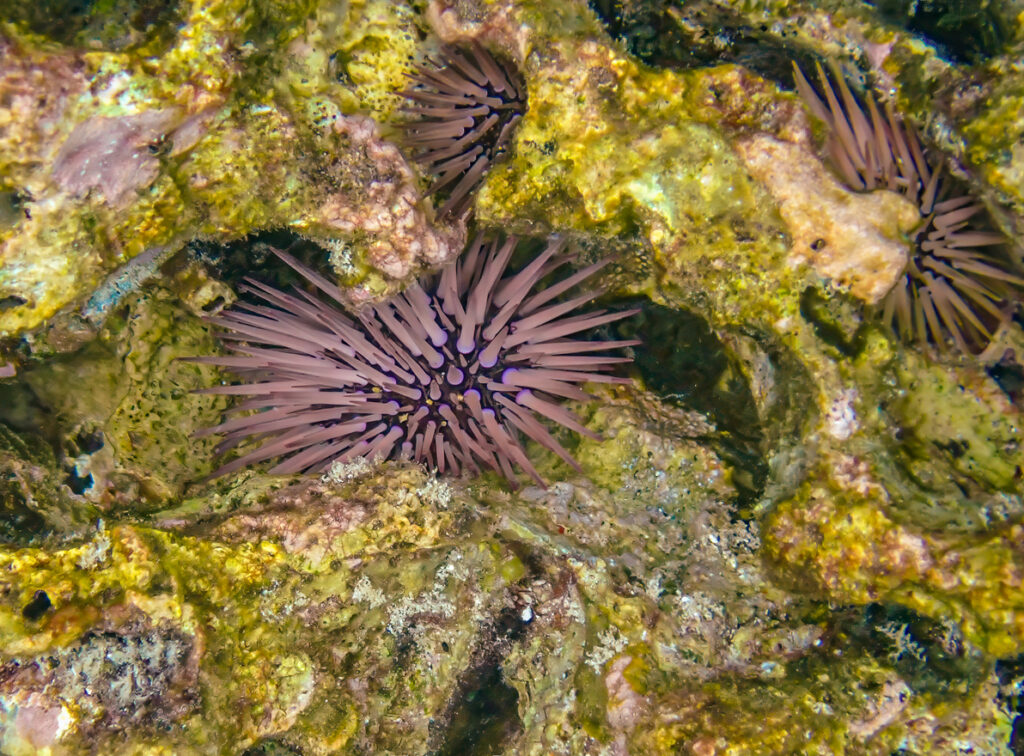
Vibrations and changes in water pressure tell them when something is nearby. Their body picks up these signals through the surface, and they react by shifting position or adjusting their spines. You can sometimes see them respond when a hand or a fish moves past. Their spines move slightly, as if preparing for whatever might come next, showing just how sensitive they are to changes in their surroundings.
They prove that a body can think without a brain.
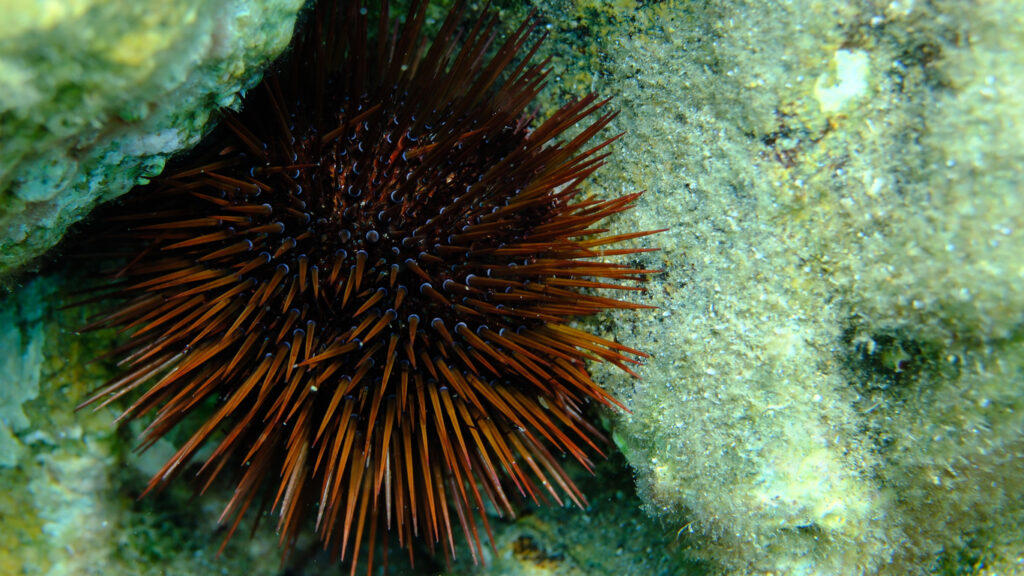
Most people imagine intelligence has to be organised like our own, but sea urchins prove there are other ways to stay alive and make choices. Their whole body acts as a shared system, with different parts doing different jobs at the same time.
Seeing them as a network instead of a simple creature makes them a lot more interesting. Nature doesn’t stick to one design, and sea urchins are a great reminder that problem-solving doesn’t always need a traditional brain to work.