You love your cat, but sometimes they seem indifferent or even outright annoyed by you.
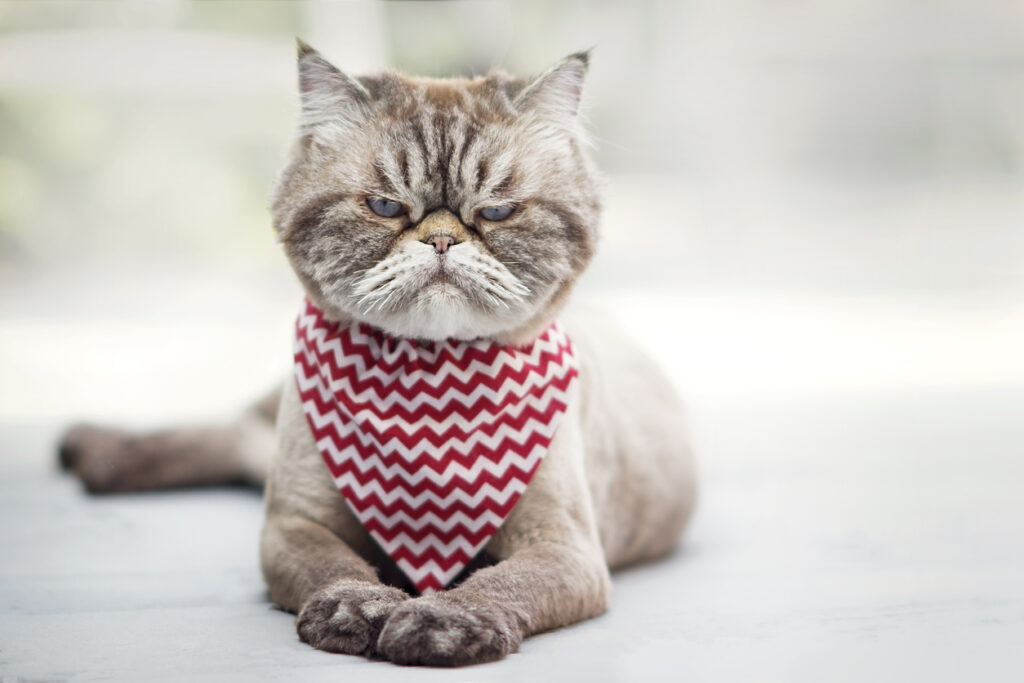
It might be confusing, but chances are, you’re probably doing stuff that genuinely bothers them without having a clue. What feels like showing love or being a responsible owner can actually be making your cat proper uncomfortable or stressed. These habits might seem harmless to you, but they’re slowly ruining your relationship with a pet who’s just trying to tell you to pack it in.
1. You’re always picking them up for cuddles.
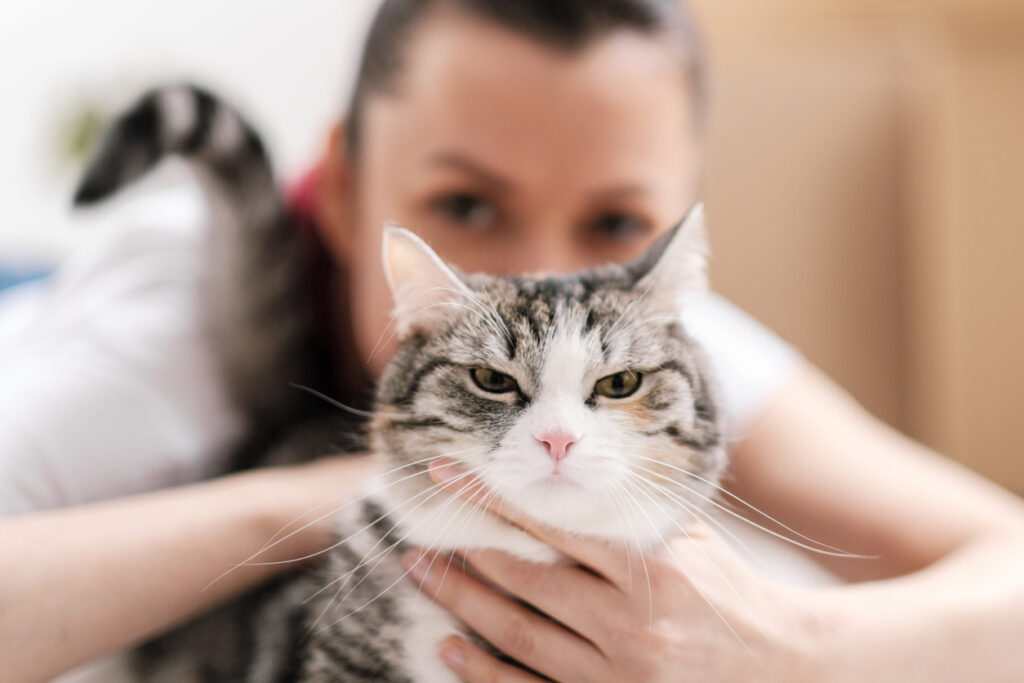
You see your cat and immediately want to scoop them up for a cuddle because they’re cute and fluffy. From your cat’s perspective, they’re just minding their own business when suddenly, they’re airborne with no warning and trapped against your chest.
Most cats absolutely hate being picked up unless it’s on their terms. They’re control freaks who don’t like feeling restrained or vulnerable, so constantly grabbing them makes them associate you with that uncomfortable trapped feeling. Let them come to you instead of always initiating contact.
2. You’re petting them wrong.

You’re stroking your cat’s belly or touching their paws because it seems cute, then acting shocked when they scratch you. Cats have specific zones they like being touched and loads of places they really don’t want your hands near.
The belly, paws, tail, and back legs are usually no-go areas for most cats because they’re vulnerable spots. Stick to the head, cheeks, and under the chin if you want them to actually enjoy being petted instead of tolerating it while planning their escape.
3. You’re not cleaning their litter tray enough.
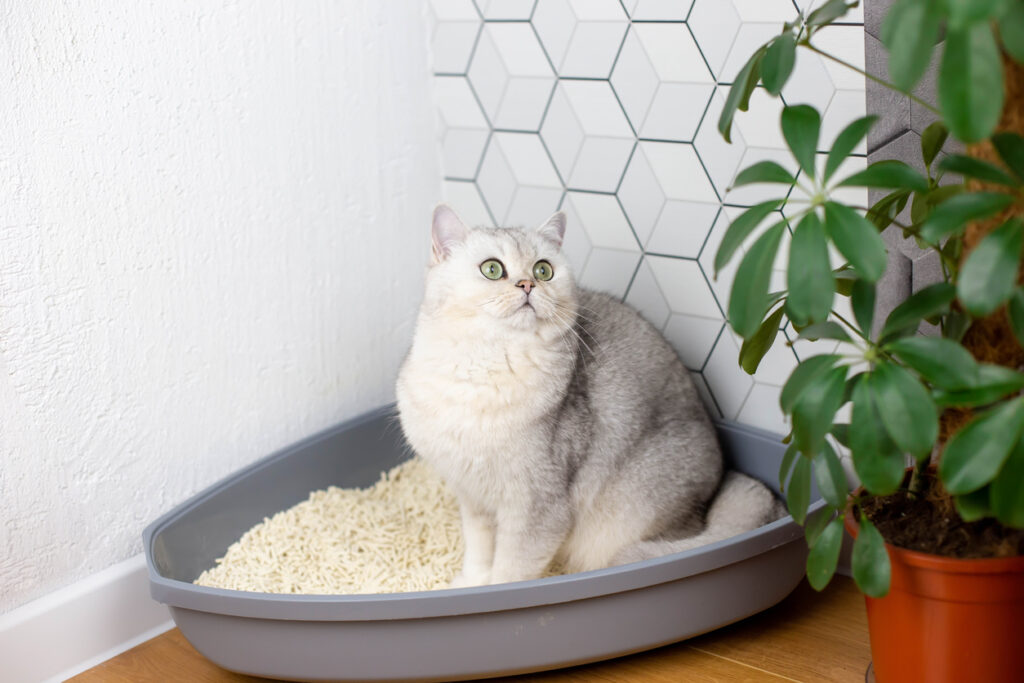
You think scooping the litter every couple of days is fine because it doesn’t smell that bad to you. Your cat has a sense of smell about fourteen times stronger than yours, so what seems okay to you is absolutely minging to them.
Cats are proper clean animals who don’t want to use a toilet that’s already got stuff in it. If their tray’s not cleaned at least once daily, they’ll either hold it in which causes health problems, or they’ll find somewhere else to go like your carpet or bed.
4. You’re staring at them constantly.
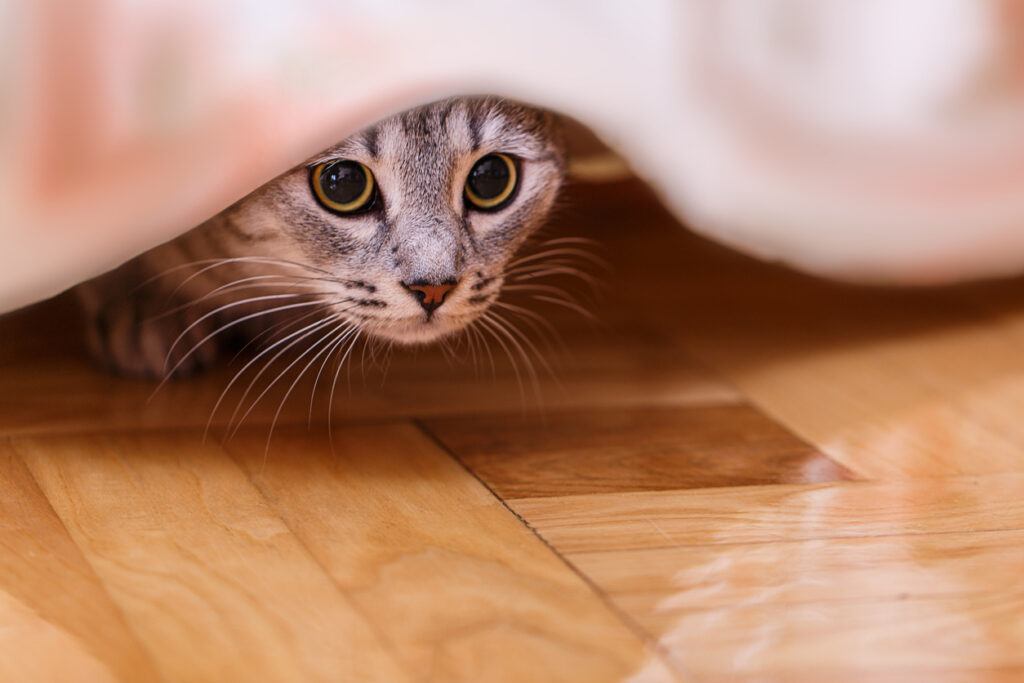
You love looking at your cat because they’re adorable, so you’re always watching them and making eye contact. In cat language, prolonged staring is basically a threat or a challenge, not a sign of affection.
When you stare directly at your cat without blinking, you’re making them uncomfortable and on edge. If you want to show affection in a way they understand, do slow blinks at them instead, which is basically cat for “I like you, and I’m not a threat.”
5. Your house is too loud and chaotic.

You’ve got music blaring, kids running about, people coming and going constantly, and you wonder why your cat’s always hiding. Cats are sensitive to noise, and they need quiet spaces where they can properly relax without constant stimulation.
All that chaos keeps your cat in a permanent state of low-level stress because they can’t ever fully switch off. Making sure they’ve got quiet spots to escape to and keeping noise levels reasonable helps them feel secure instead of constantly on alert.
6. You’re punishing them for normal cat behaviour.
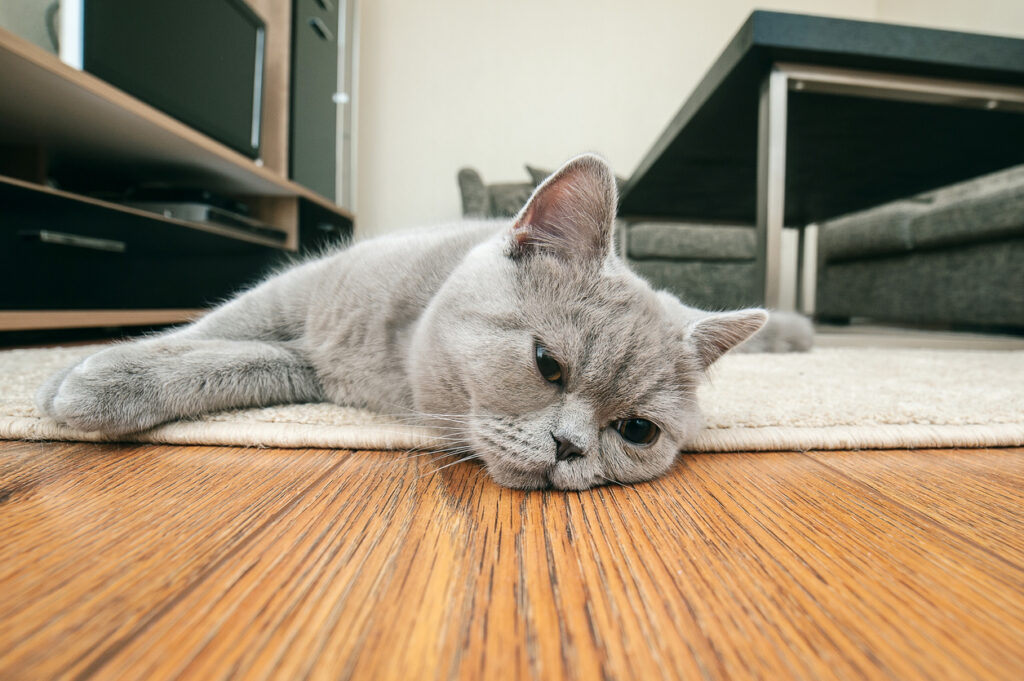
Your cat scratches the sofa or knocks stuff off the counter, and you shout at them or spray them with water. They’ve got absolutely no idea why you’re suddenly angry because from their perspective they’re just doing normal cat things.
Punishment doesn’t work on cats because they don’t connect your anger with their action, they just learn that you’re unpredictable and scary. Instead of punishing behaviour you don’t like, give them appropriate alternatives like scratching posts and accept that some stuff is just what cats do.
7. You’re feeding them rubbish food.
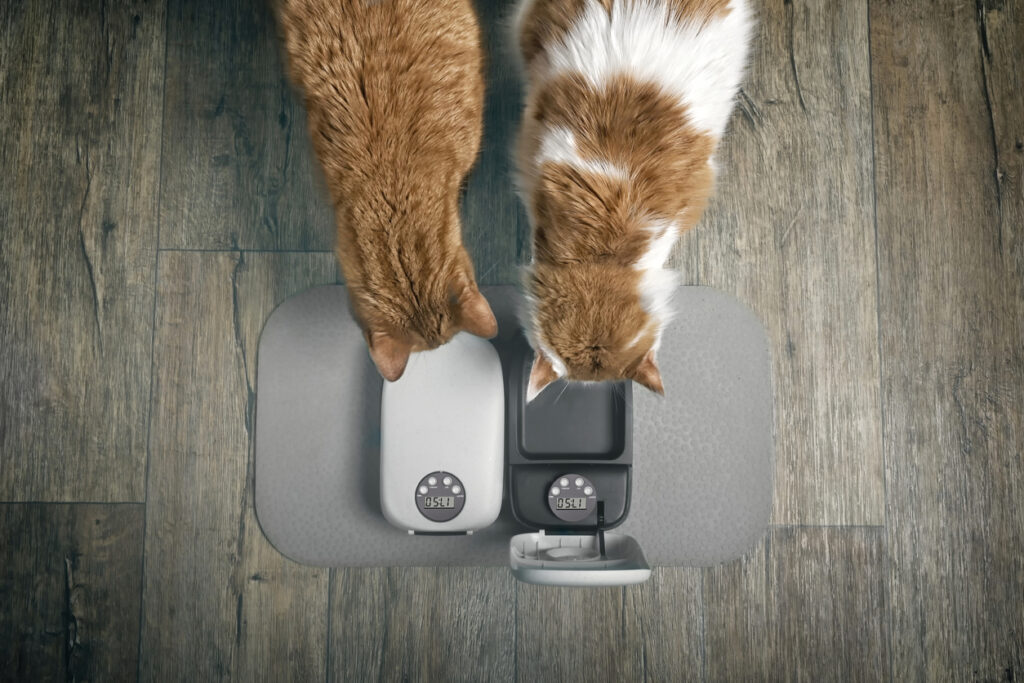
You buy the cheapest cat food from the supermarket because it’s convenient and cats aren’t fussy, right? Wrong. Cheap cat food is full of fillers and rubbish that doesn’t meet their nutritional needs and can make them feel genuinely unwell.
Cats are obligate carnivores who need proper meat-based food, not biscuits made mostly of grain and by-products. Feeding them decent quality food means they’ll feel better, have more energy, and won’t be constantly begging because they’re actually satisfied by what they’re eating.
8. You’re not playing with them properly.
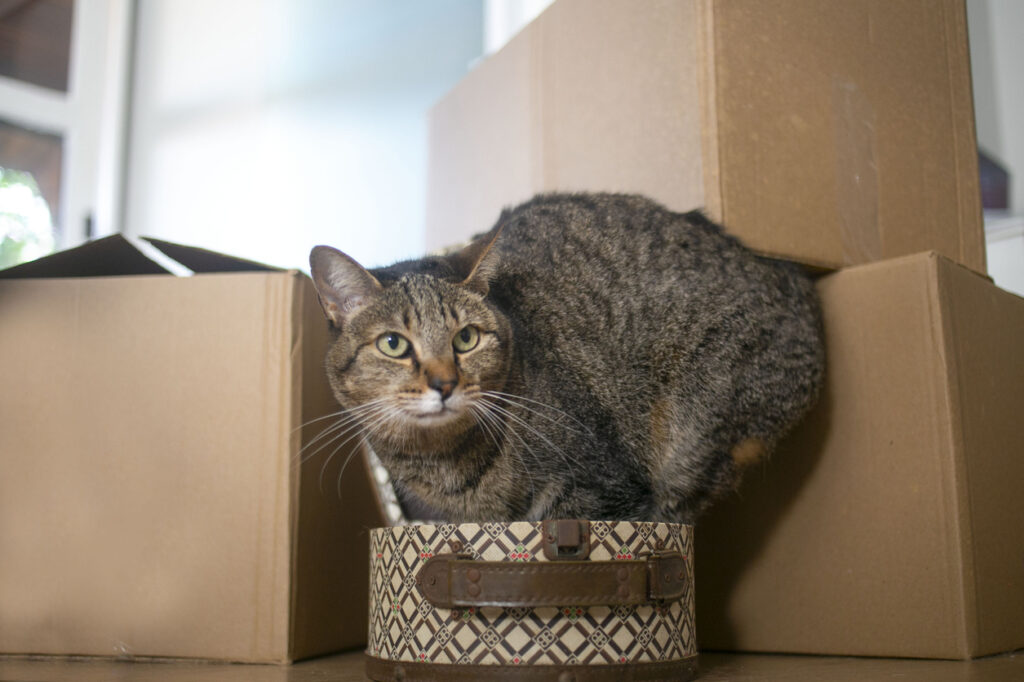
You wiggle a toy in front of them for thirty seconds, then get bored when they don’t seem interested. Cats need proper play that mimics hunting, with stalking, chasing, and catching, not just random movements that don’t make sense to their predator brain.
Spending at least fifteen minutes a day doing proper interactive play where they can hunt, pounce, and catch things stops them getting bored and destructive. A tired cat who’s had chance to express their hunting instincts is a much happier cat who won’t be attacking your ankles at three in the morning.
9. You’ve rearranged everything they know.

You moved house or completely changed your furniture layout, and your cat’s been acting weird ever since. Cats are massively territorial and rely on familiar scents and layouts to feel secure, so big changes proper stress them out.
When everything they knew suddenly smells wrong or is in different places, they lose their sense of security and have to start over establishing their territory. If you have to make changes, doing it gradually and keeping their stuff like beds and litter trays in similar spots helps them adjust without completely freaking out.
10. You’re forcing them to socialise.

You’ve got mates over, and you keep dragging your cat out to meet them, even though they’ve clearly gone to hide. You think you’re being nice by including them, but you’re actually forcing them into a situation that makes them really uncomfortable.
Most cats aren’t social butterflies who want to meet new people. If they’ve chosen to hide when visitors arrive, that’s them saying they don’t want to be involved. Forcing interaction just makes them more anxious, and they’ll start hiding earlier and for longer because they know you might drag them out.
11. Their resources are in stupid places.
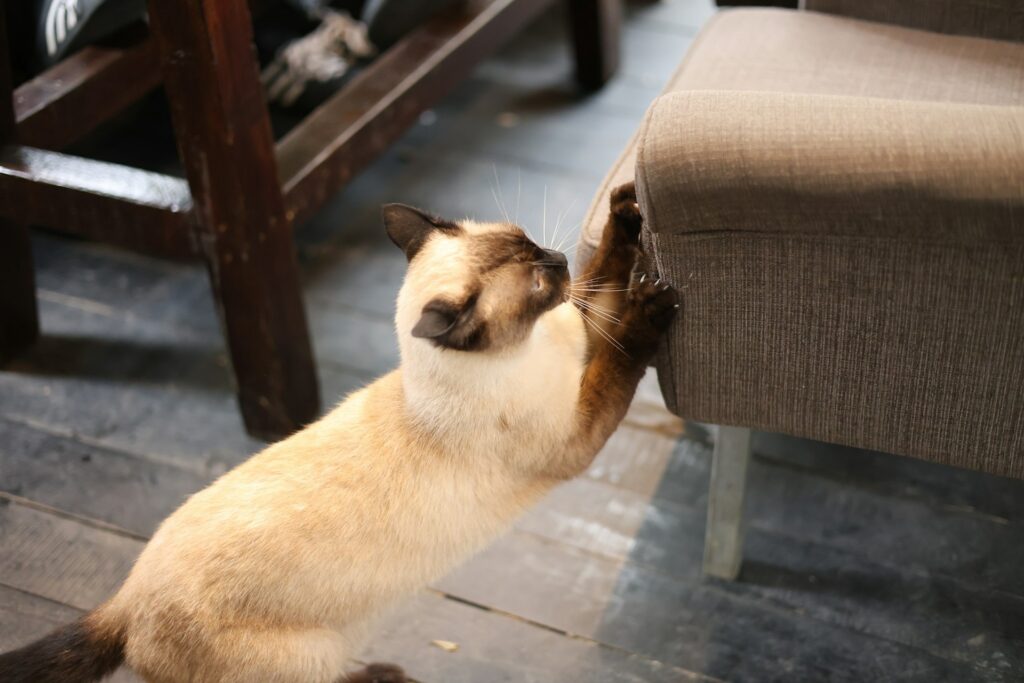
You’ve put their food bowl right next to their litter tray because it’s convenient for you. Cats don’t want to eat where they toilet because that’s grim, and having everything bunched together in one spot makes them feel trapped with no escape routes.
Food, water, and litter trays should all be in different locations, ideally in quiet spots where they won’t be disturbed. Cats also like having multiple water sources around the house because in the wild they wouldn’t drink right where they eat in case the water’s contaminated.
12. You’re using smelly products around them.

You love your scented candles, air fresheners, and strong cleaning products, not realizing your cat’s sensitive nose finds them absolutely overwhelming. What smells nice to you can be genuinely distressing to an animal with a much more powerful sense of smell.
Strong artificial scents can cause headaches, respiratory problems, and stress in cats who can’t escape them. Using unscented or naturally scented products, especially around their food and litter areas, makes your home much more comfortable for them to exist in.
13. You’re not respecting their boundaries.
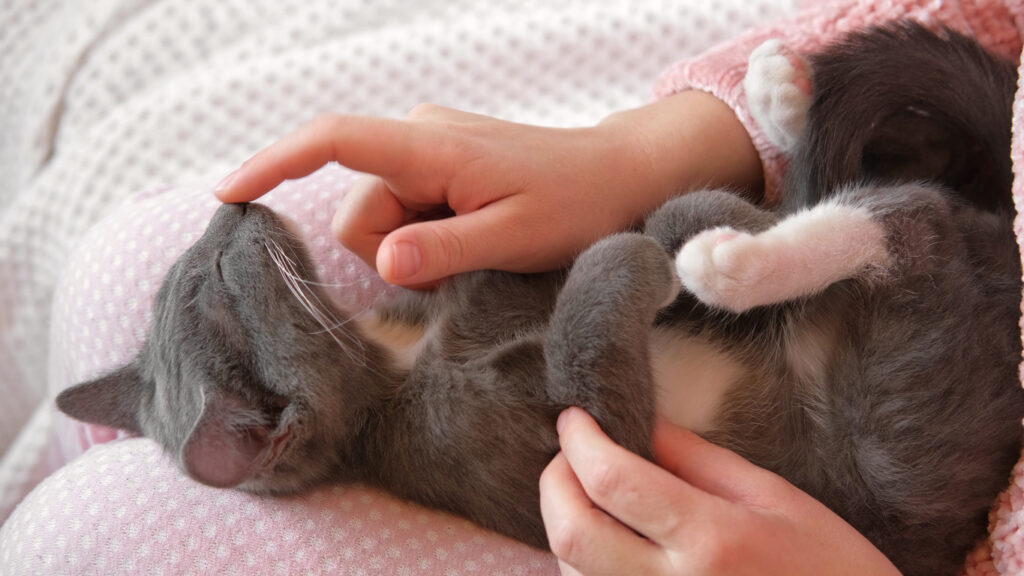
Your cat walks away when you’re petting them or swishes their tail, but you keep going because you want more cuddles. You’re ignoring all the signals they’re giving you that they’re done, and that teaches them that you don’t listen.
Cats give loads of warning signs before they scratch or bite, like ears going back, tail swishing, skin twitching, or simply moving away. If you ignore these signals and keep pushing, they’ll escalate to scratching because you’ve left them no choice. Learning to read and respect these signs builds trust instead of resentment.
14. You’re gone too much without entertainment.
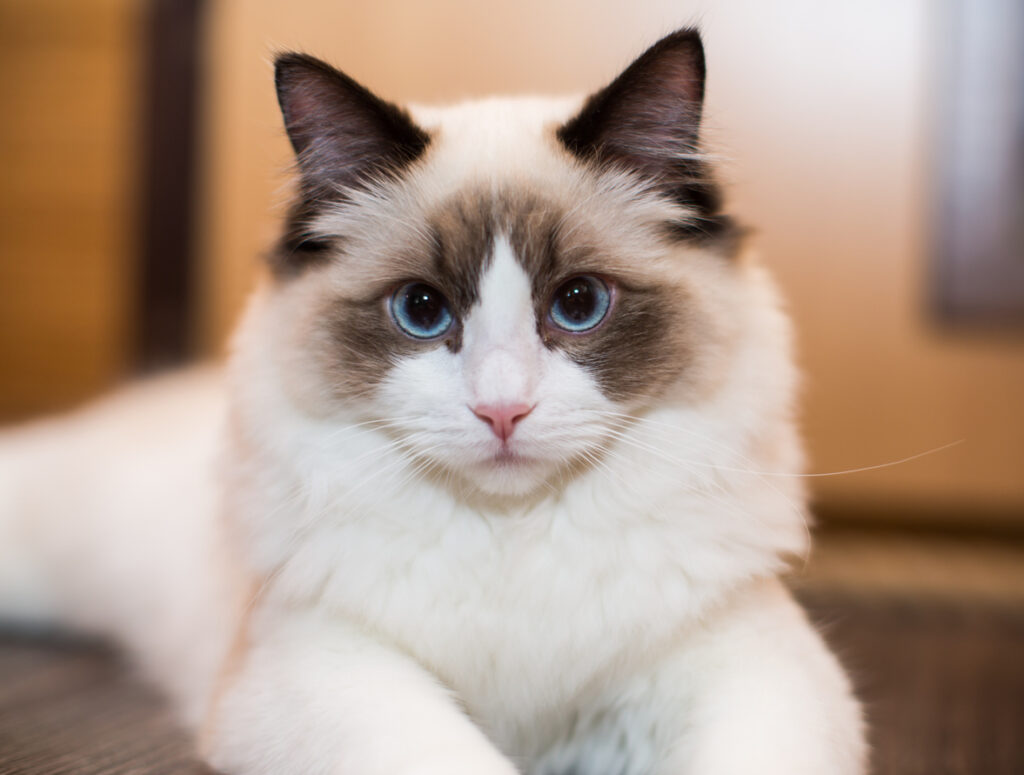
You work long hours and leave your cat home alone with nothing to do all day. Cats sleep a lot, but they also need mental stimulation, and being bored for hours on end makes them depressed, destructive, or both.
Leaving puzzle feeders, rotating toys, or even just putting bird feeders outside windows gives them something to do while you’re out. Some cats benefit from having another cat for company, though that only works if they’re actually social cats who like other animals.
15. You’re taking them to the vet in a rubbish carrier.
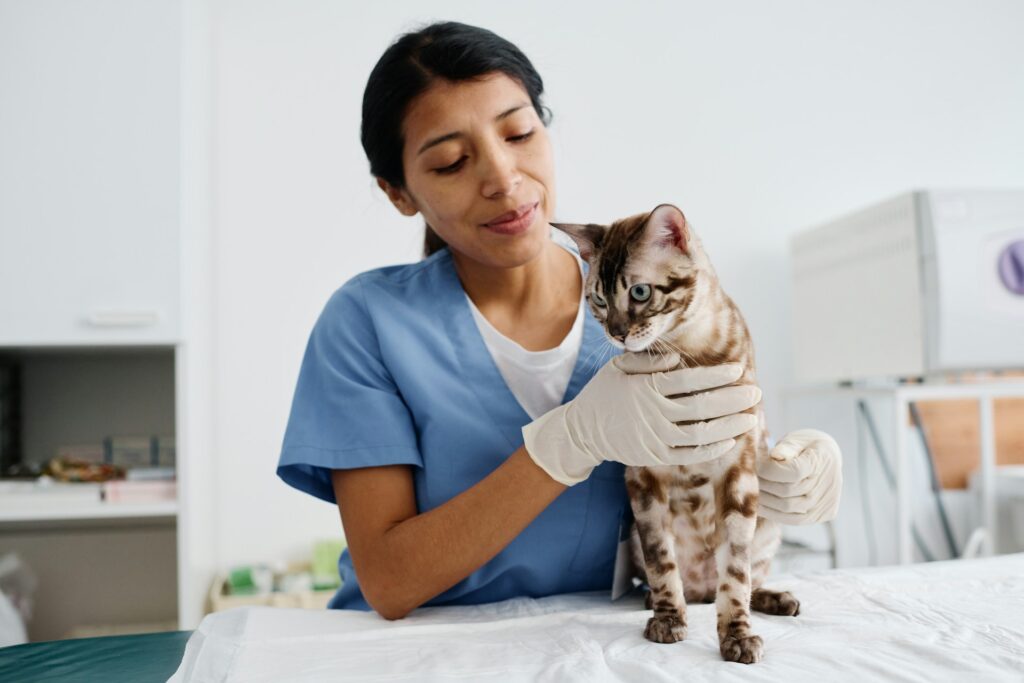
You only get the cat carrier out when it’s vet time, so your cat’s learned it means something horrible is about to happen. Then the carrier itself is small, plastic, and see-through so they feel exposed and terrified the entire journey.
Leaving the carrier out all the time with treats and bedding in it makes it just another spot to chill rather than a torture device. Using a proper covered carrier where they can’t see all the scary stuff during the journey, and covering it with a blanket, helps them feel safer instead of like they’re being paraded through hell.