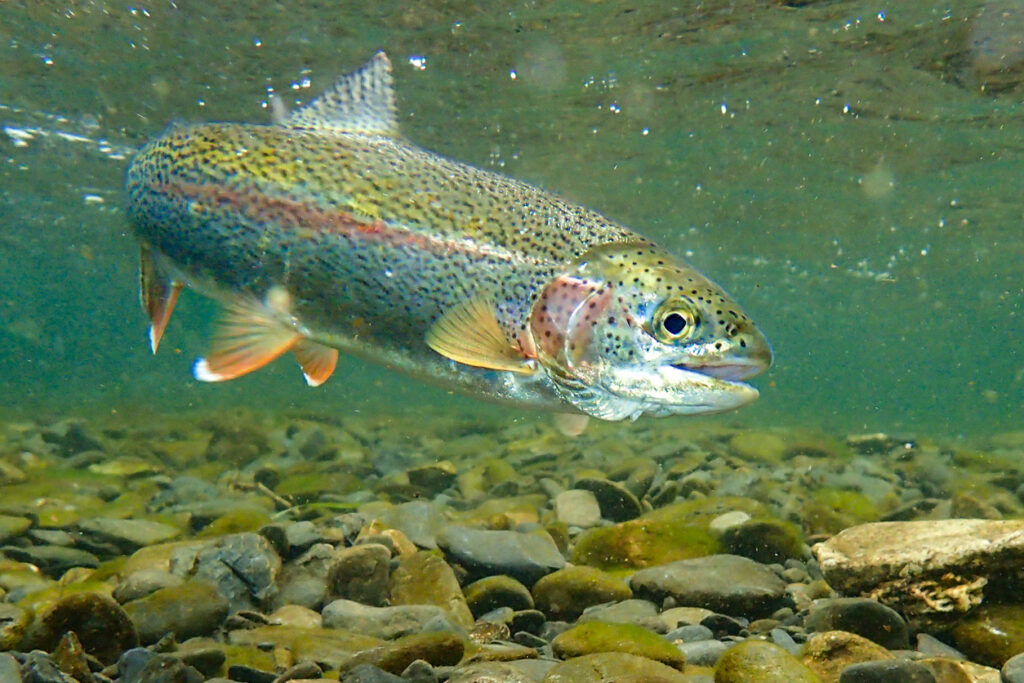
Freshwater fish are declining across the world, and many people don’t realise how serious the problem has become. Rivers, lakes and wetlands that once held thriving fish populations are now struggling because of pollution, habitat loss and rising temperatures. When freshwater fish disappear, the whole ecosystem suffers. Understanding what is harming them is the first step towards helping them recover.
Their habitats are being damaged or removed.
Freshwater fish need clean, stable environments, but many rivers and lakes are changing faster than they can adapt. Water extraction, polluted run-off and damaged riverbanks all break down the natural habitats fish rely on. When the water becomes dirty or the landscape is altered, fish can no longer feed, breed, or shelter safely.
Protecting these habitats means looking after the water that flows through them. Cleaning up polluted areas, reducing harmful chemicals and restoring riverbanks all help fish return. When the habitat is healthy, fish populations can recover far more quickly.
Barriers stop fish from migrating.
Many fish travel through rivers to reach feeding or breeding grounds. When dams, weirs or other barriers block their path, they lose access to the places they need. This can cause numbers to drop rapidly because fish cannot complete their natural journeys. Even small barriers make a big difference to species that depend on movement.
Removing unused structures and creating fish passes can reopen these routes. This allows fish to move freely again, which is essential for keeping river ecosystems alive and balanced.
=Pollution is slowly poisoning waterways.
Chemicals from farms, untreated sewage and industrial waste all wash into rivers. These pollutants lower oxygen levels, make the water unsafe and disrupt breeding cycles. Fish are sensitive to changes in water quality, so even small increases in pollution can harm entire populations. The damage often happens quietly, long before people notice.
Improving water treatment, reducing chemical use and handling waste correctly helps restore clean water. When pollution drops, fish begin to return, and the river regains its natural rhythm.
Overfishing removes species faster than they can recover.
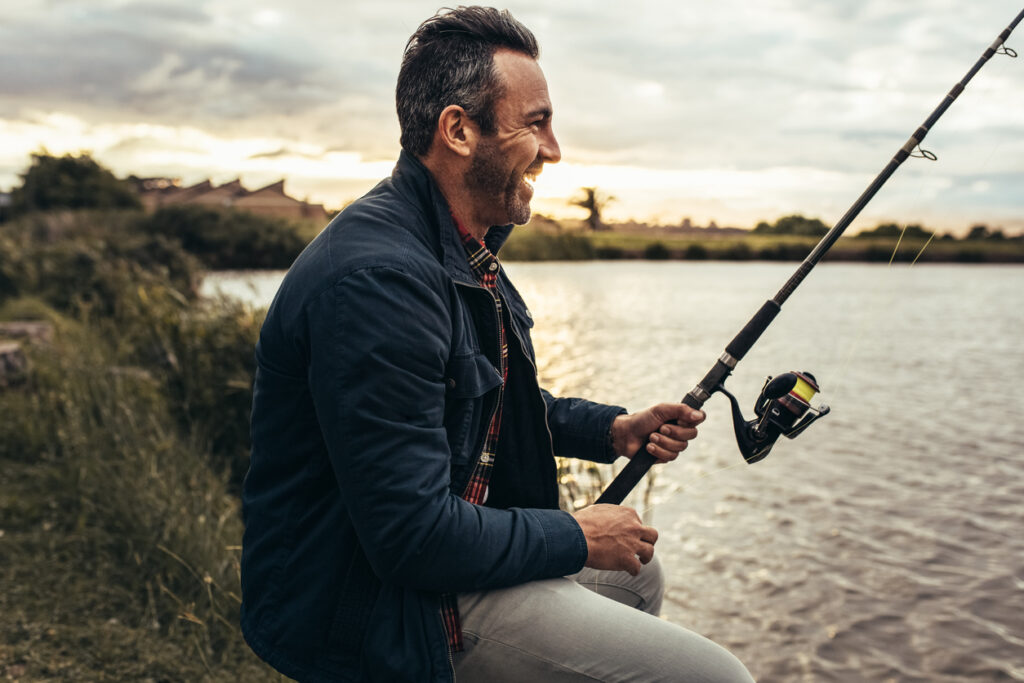
Fishing is sustainable when done carefully, but some rivers and lakes are fished too heavily. Large numbers of fish are taken before they can breed, leaving the population weakened. In some areas, illegal or careless fishing methods cause even more damage by harming fish of all sizes.
Stronger regulations, catch limits and responsible fishing practices help restore balance. When fishing is managed well, rivers remain full of life for future generations.
Invasive species take over and push native fish aside.
Non-native species often grow faster or feed more aggressively than local fish. They compete for food, spread diseases and disrupt the natural balance of the ecosystem. Once invasive species establish themselves, native fish struggle to survive. This problem is common in lakes and slow-moving rivers, where fish cannot escape.
Preventing the release of unwanted species and managing those already present helps protect native fish. Healthy ecosystems rely on local species working together, not being pushed out by competitors.
Climate change is warming and altering waterways.
Freshwater fish depend on stable temperatures and predictable water levels. Climate change is causing heatwaves, long dry periods and sudden floods that disrupt these conditions. Warmer water holds less oxygen, which makes it difficult for fish to breathe. Sudden changes in water flow can also wash away eggs or leave fish stranded.
Protecting wetlands, planting trees along riverbanks and reducing other human pressures helps waterways cope with these changes. Healthier ecosystems are more resilient and give fish a better chance of surviving a warming climate.
Wetlands and floodplains are being removed or drained.
Many fish species rely on wetlands and floodplains to breed and grow. These areas act as safe nurseries where young fish can shelter from predators and feed easily. When wetlands are drained for farming, building or development, fish lose essential breeding grounds, and their numbers fall.
Restoring wetlands brings life back into entire river systems. These areas improve water quality, reduce flooding and give fish safe places to grow. Protecting them is one of the most effective ways to support freshwater life.
Many species are disappearing without being studied.
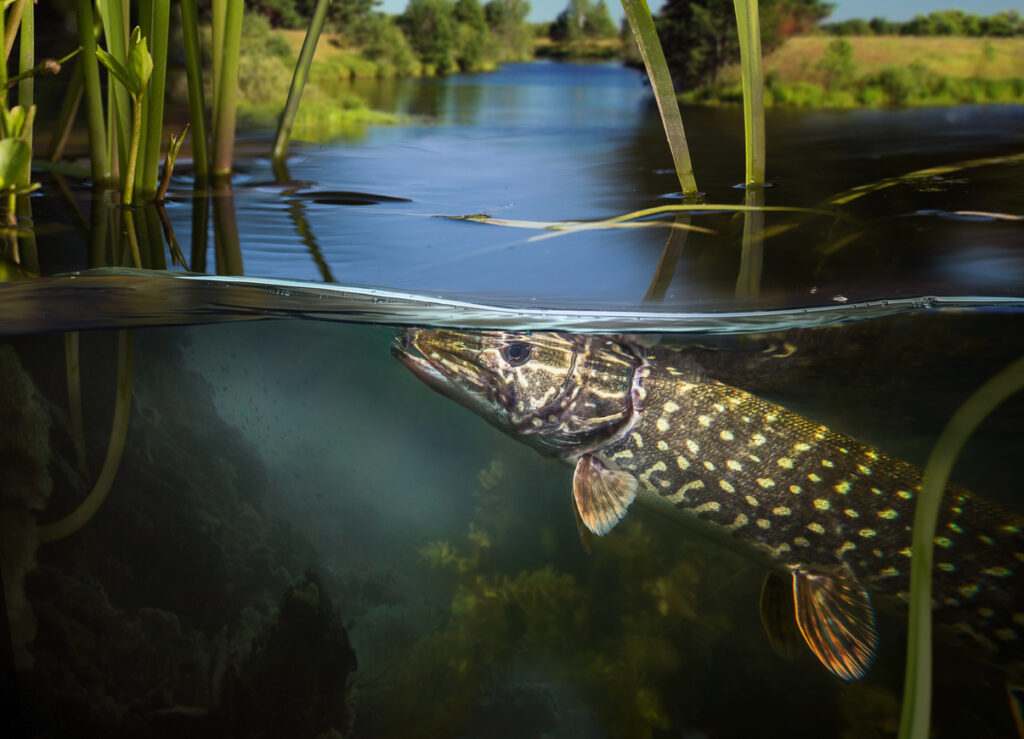
Freshwater ecosystems hold thousands of fish species, many of which are still poorly understood. Because they live out of sight, their declines often go unnoticed. By the time scientists realise a species is in trouble, it can already be close to disappearing. This lack of research makes conservation more difficult.
Better monitoring, more scientific studies and public awareness help highlight problems earlier. The sooner we recognise a decline, the sooner action can be taken to protect the species at risk.
River ecosystems collapse when fish decline.
Freshwater fish are part of a larger chain that keeps rivers and lakes healthy. They control insect populations, feed birds and mammals, and help maintain the natural balance of the water. When fish numbers drop, plants and animals that depend on them also decline. This creates a ripple effect that weakens the entire ecosystem.
Protecting fish means protecting the river as a whole. When fish thrive, the whole ecosystem becomes stronger and more resilient.
Communities and industries rely on healthy fish populations.
In many regions, freshwater fish support local jobs, tourism and traditional ways of life. When fish disappear, these communities suffer. Healthy waterways also help clean water supplies and support farming and recreation. The loss of fish affects more than nature; it affects people directly.
Supporting conservation projects, choosing sustainable fishing and pushing for stronger protection laws helps ensure these resources remain available for future generations. People thrive when rivers thrive.
Everyday household choices affect river health.
Many pollutants that harm freshwater fish come from daily life. Cleaning products, garden chemicals and plastic waste often end up in streams. Even small amounts build up over time, harming fish and the insects they feed on. Many people don’t realise how household habits shape river health.
Using natural products, disposing of waste properly and reducing chemical use all help keep rivers clean. These simple actions make a real difference when done consistently across communities.
Local conservation projects make a huge difference.
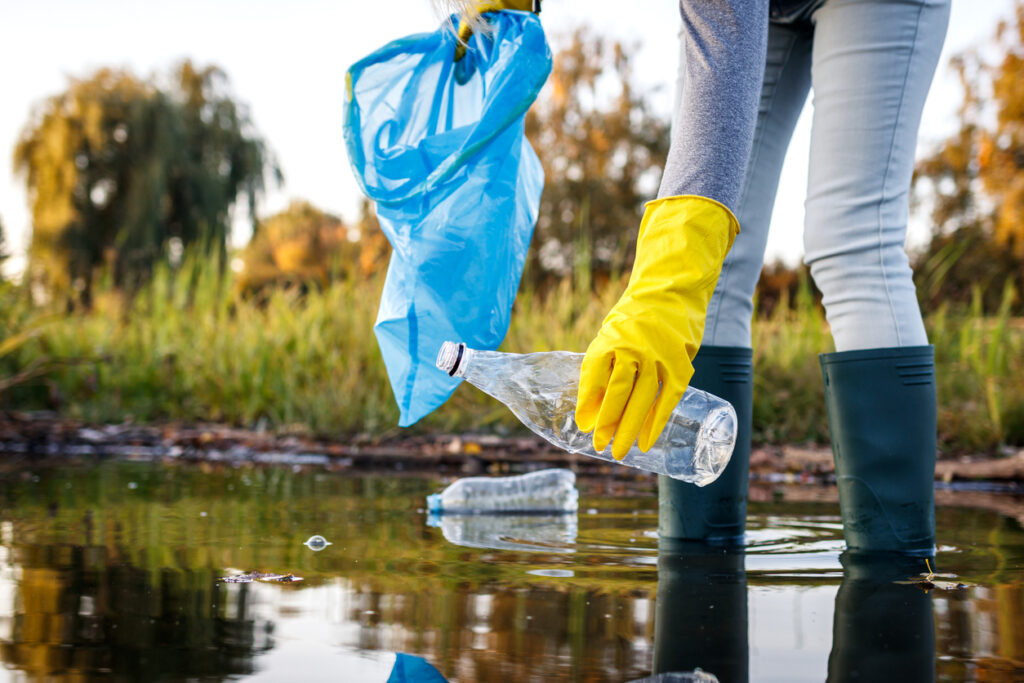
Volunteers often lead river clean-ups, monitoring programmes and habitat restoration projects. These efforts remove rubbish, improve water flow and create safer spaces for fish. Local action can transform a damaged river into a thriving habitat again.
Supporting or joining these projects helps protect freshwater fish directly. Even a few hours of effort can restore homes, improve water quality and support long-term recovery.
Protecting freshwater life requires stronger policies.
Many problems affecting freshwater fish come from large-scale decisions about land use, water management and pollution control. Without clear rules, industries, and developments can damage waterways without facing consequences. Stronger policies help protect nature by setting limits and ensuring accountability.
Public pressure encourages leaders to prioritise clean water and healthy habitats. When policies focus on protection rather than short-term gain, fish populations have a chance to recover.
There is still hope if we act now.
Despite the challenges, freshwater ecosystems can recover quickly when conditions improve. Rivers that were once polluted have bounced back after restoration efforts. Fish populations can rise again when barriers are removed, water quality improves and habitats are restored. Nature responds positively when given the chance.
Every action, from individual habits to national policies, helps shape the future of freshwater life. If we choose to respect and protect rivers now, we can ensure they remain rich in fish and full of life for generations to come.