Most people think hailstones are just noisy ice lumps that bounce off cars and patios, but they’re far more dangerous than they seem.
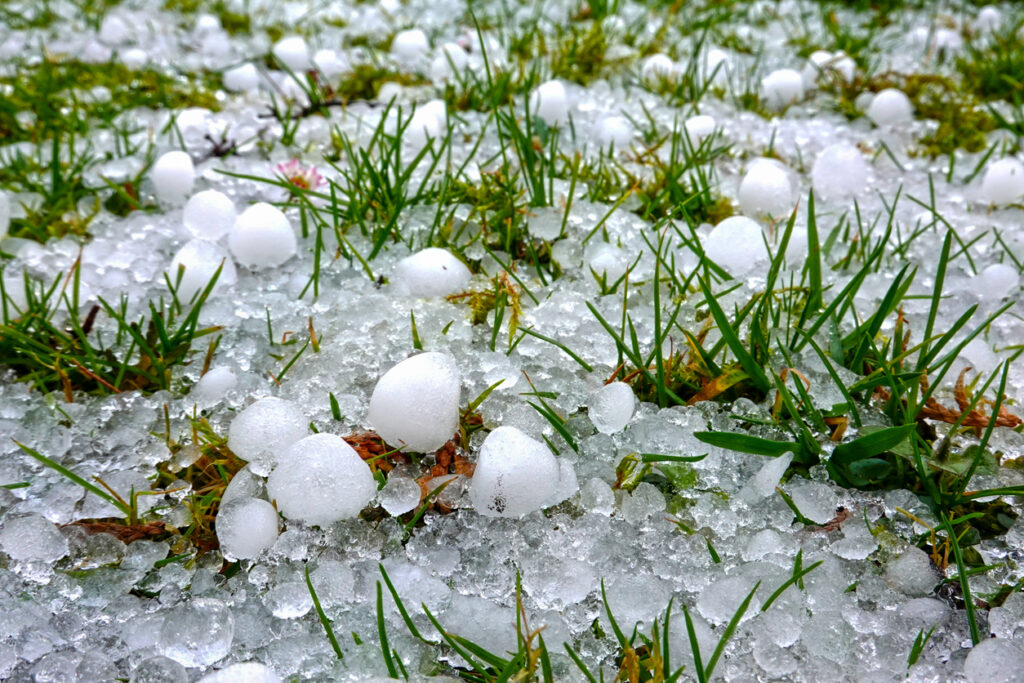
Hail forms in powerful storms, grows bigger than you’d expect and falls at speeds that can seriously injure people, damage homes and destroy crops. Because the danger doesn’t look dramatic, many underestimate how much harm hail can cause. Here’s why hailstones deserve far more caution than most people give them.
They fall at speeds that can injure you instantly.
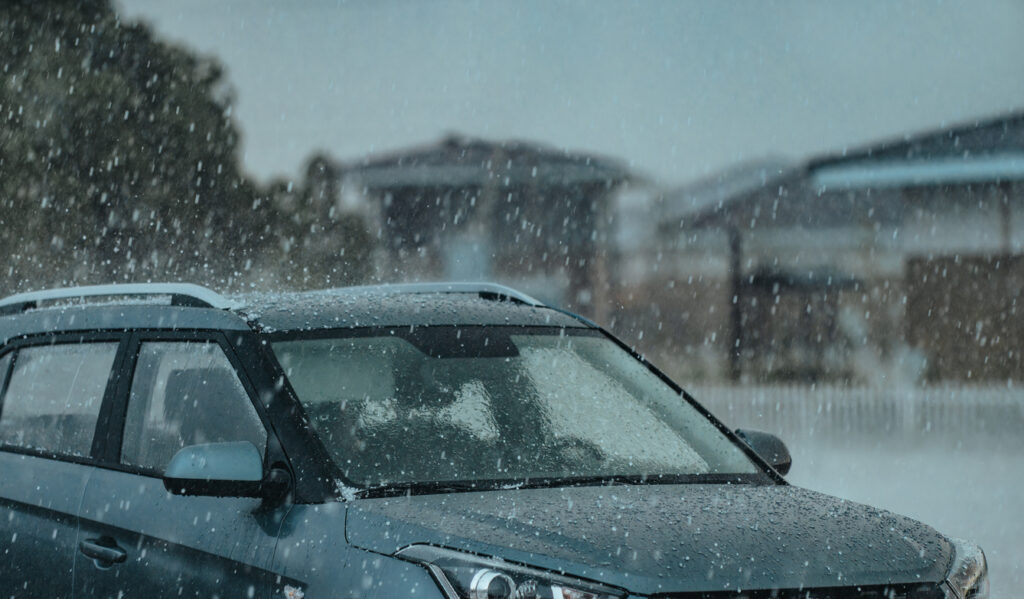
Even small hailstones pick up speed as they fall. Larger ones can reach motorway speeds before they hit the ground. That force is strong enough to bruise skin, cut your head or knock you off balance. Many people think they can run through a hail shower safely, but the impact is far harder than rain. Staying under cover until the hail passes is always safer. A few minutes indoors prevents injuries you never saw coming because hailstorms turn dangerous much faster than people expect.
Larger hailstones form hidden layers of ice.
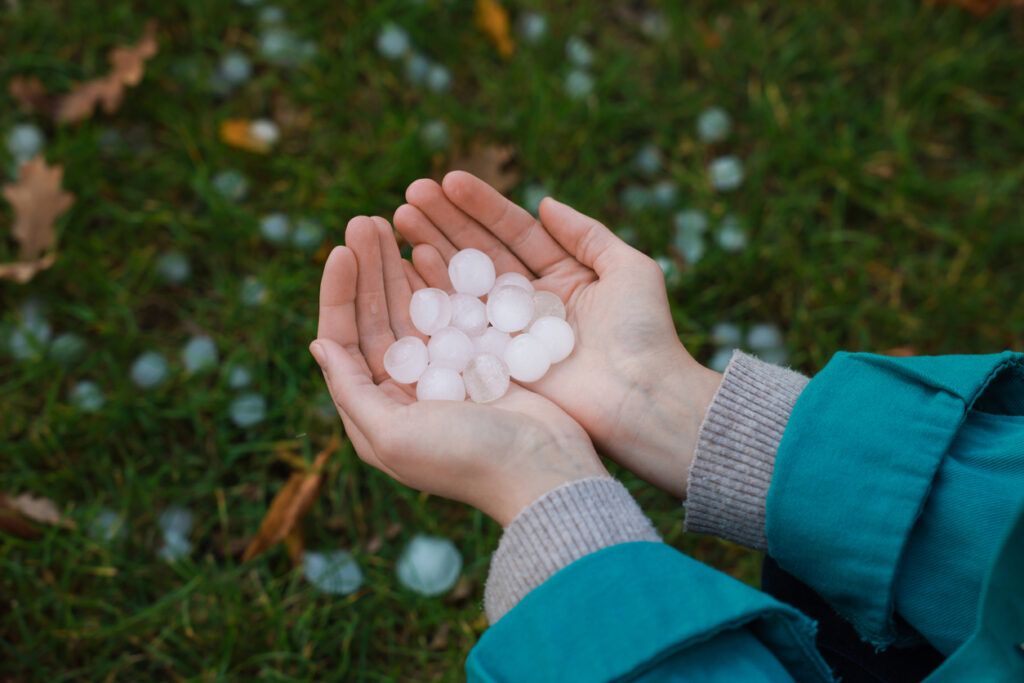
Some hailstones grow in multiple layers as storm winds lift them up and down. Each lift adds a new shell of ice, making the stone heavier and more solid. What looks like a simple chunk of ice can actually be dense and rock hard inside. This is why bigger hailstones cause serious damage to roofs and cars. If you see hail larger than a pea, you should assume it’s carrying enough weight to break things. This helps you take storms more seriously and protects you from wandering outside at the wrong time.
Hailstorms can destroy roof tiles in minutes.
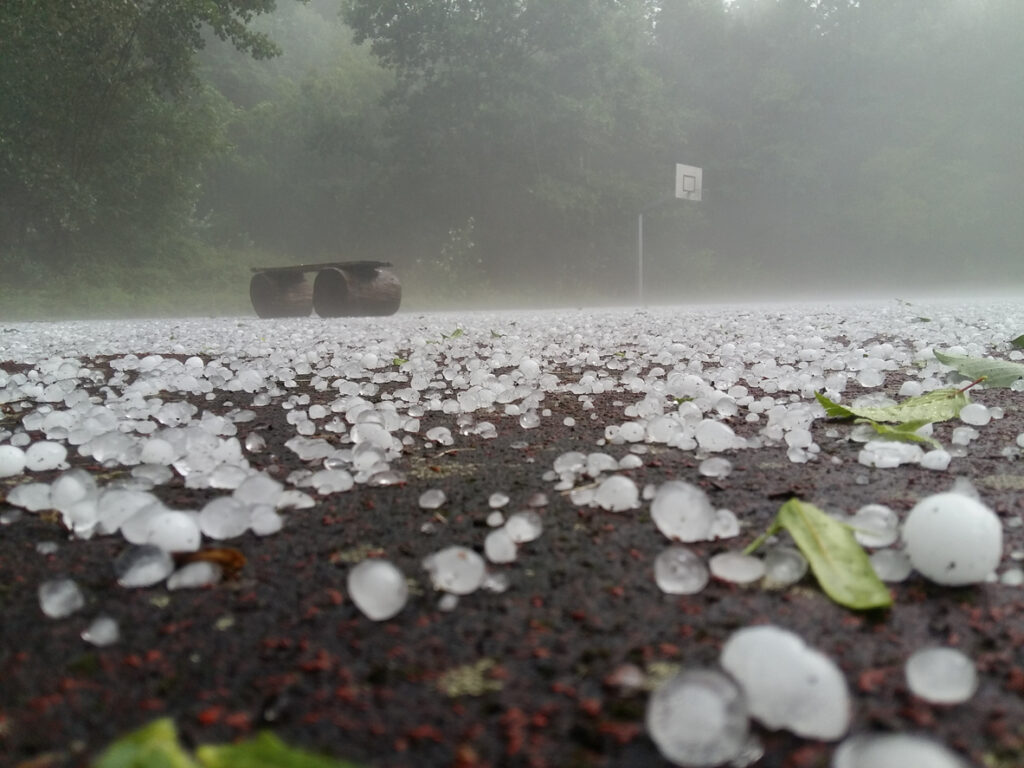
Many roofs aren’t built to withstand solid ice stones hitting them at high speed. Hail can crack tiles, dent metal and damage guttering. Even if the roof looks fine afterwards, small cracks let water seep in, which can cause leaks months later. These repairs cost far more than people expect. Checking your roof after a hailstorm helps you catch hidden damage early. You don’t need a massive storm for trouble. Even a short burst can weaken parts of your home without you realising.
Cars are extremely vulnerable during hailstorms.
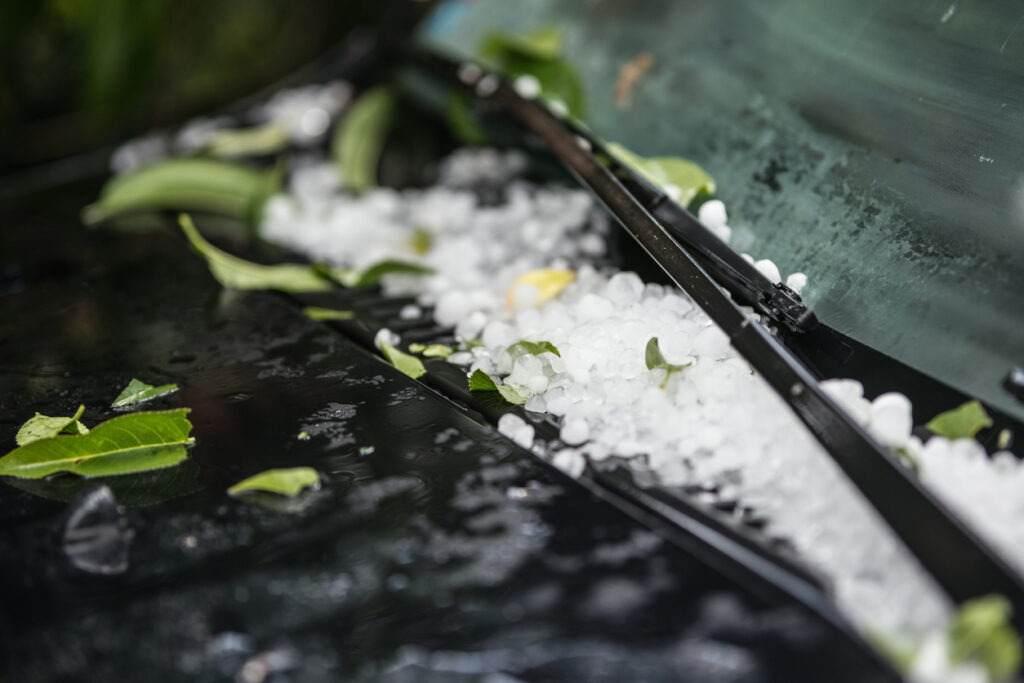
Hail dents metal panels easily, breaks wing mirrors and can smash windscreens if the stones are big enough. Many people try to drive through a hailstorm, but visibility drops instantly and the noise can be frightening. Cars aren’t designed to protect against heavy ice impact. Staying parked under shelter or pulling into a covered area prevents costly repairs. Waiting a few minutes for the storm to pass is far cheaper and safer than risking serious damage on the road.
Farmers face huge losses after even a short hailstorm.
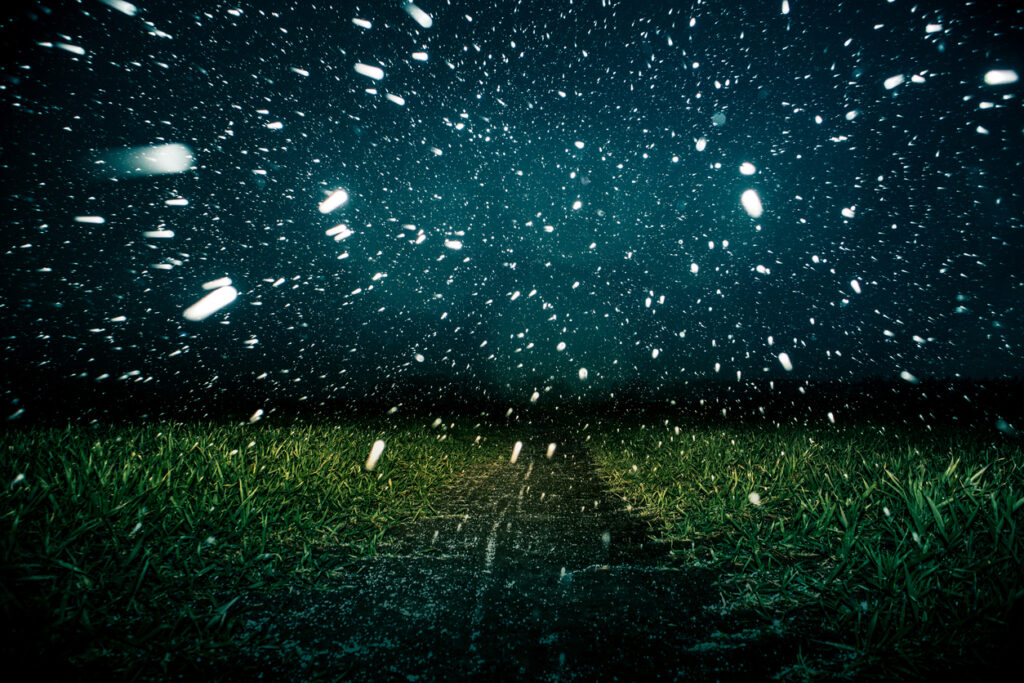
Hail destroys crops fast because the stones cut leaves, bruise fruit and knock plants flat. A single storm can wipe out an entire field in minutes. This affects food supply and raises prices because farmers can’t recover quickly from sudden damage. Knowing this helps people take hail warnings seriously. The impact isn’t just noisy weather. It affects farms, shops and whole communities when crops are ruined.
Hail can clog drains and cause sudden flooding.
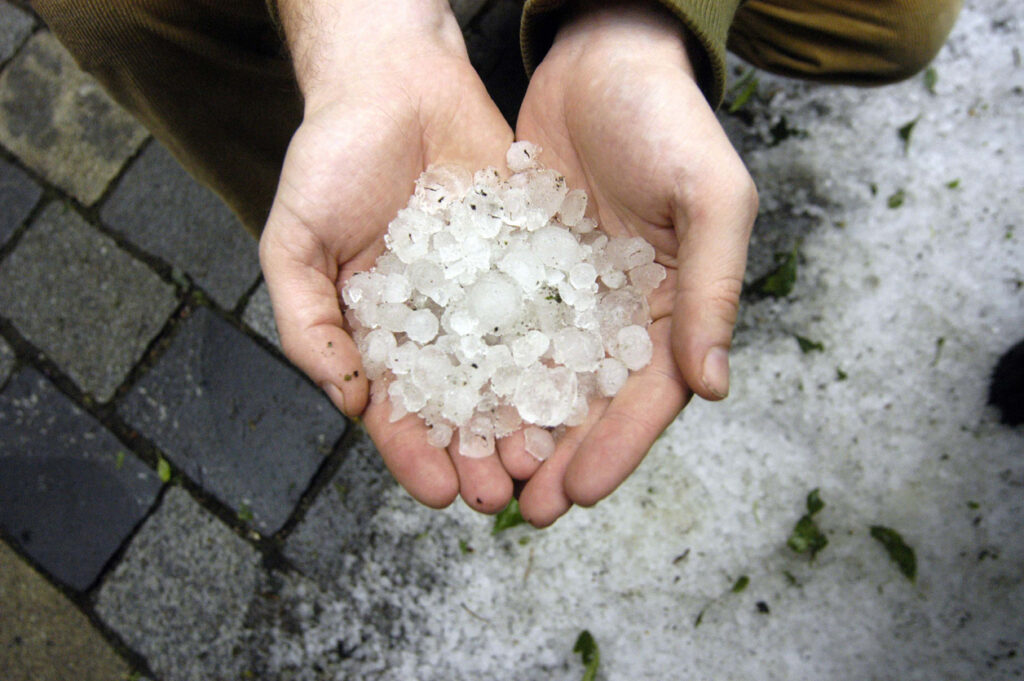
When large amounts of hail fall at once, drains can’t cope with the build up. The ice blocks water from flowing away, which leads to fast flooding on roads and in gardens. Even small hailstones pile up surprisingly quickly and melt more slowly than people expect. Keeping gutters and drains clear before storm season helps water move freely. This simple step reduces the risk of your home flooding during heavy hail showers.
The noise can cause animals to panic and injure themselves.
Pets and livestock often react badly to sudden hailstorms. The loud, sharp noise and fast-moving ice can frighten them, leading to frantic behaviour. Animals try to escape, hide or run without thinking, which can cause accidents or injuries. Bringing pets indoors when storms approach helps keep them safe. For larger animals, offering shelter and calming routines reduces the risk of panic when hail starts falling.
Hail often signals a more dangerous storm is forming.
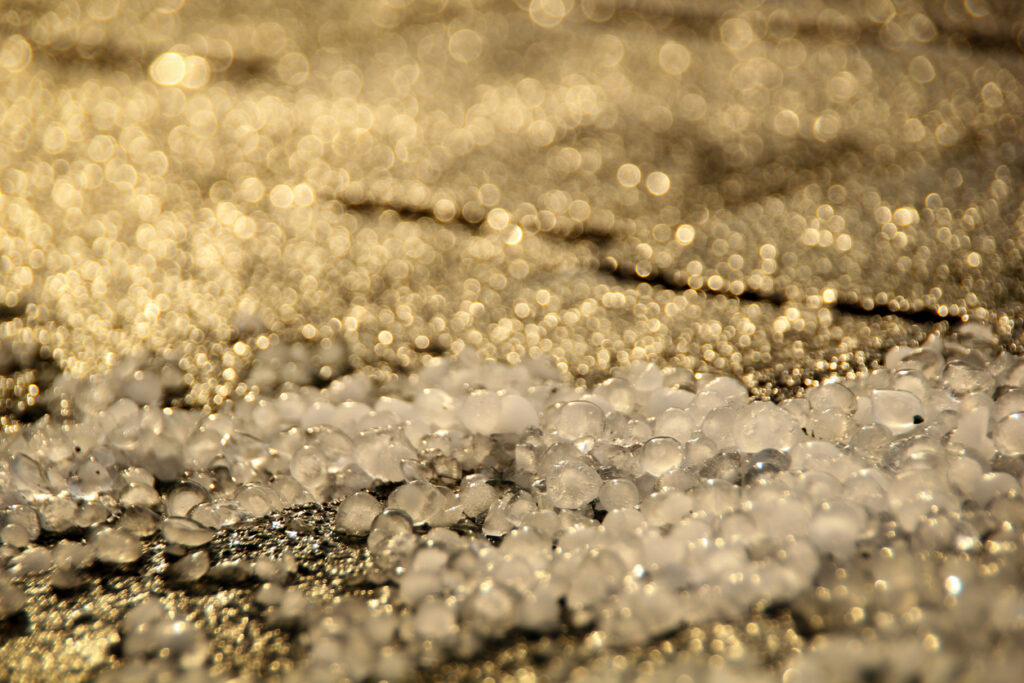
Hail doesn’t happen in mild weather. It forms in storms with strong updrafts, heavy winds and unstable air. When hail appears, it often means the storm has the energy to create lightning, flooding or even tornado strength winds. Many people treat hail as harmless, but it’s usually a warning sign. When hail starts, staying indoors is the best choice. The storm may escalate quickly, and hail is just the first sign of deeper trouble in the clouds.
Hailstones bounce unpredictably and can hit you sideways.
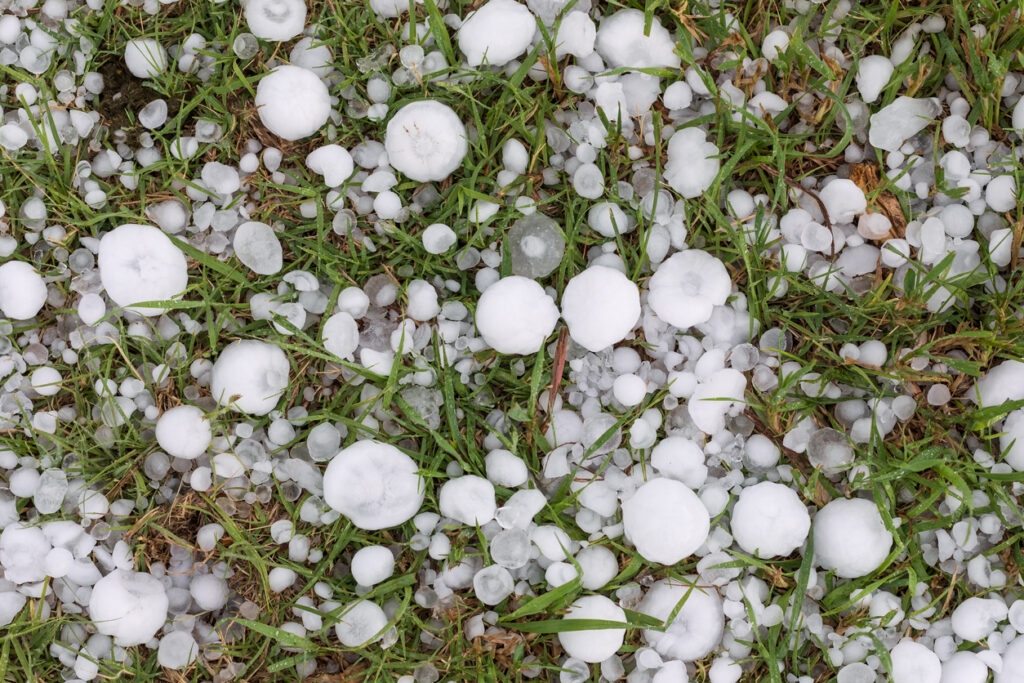
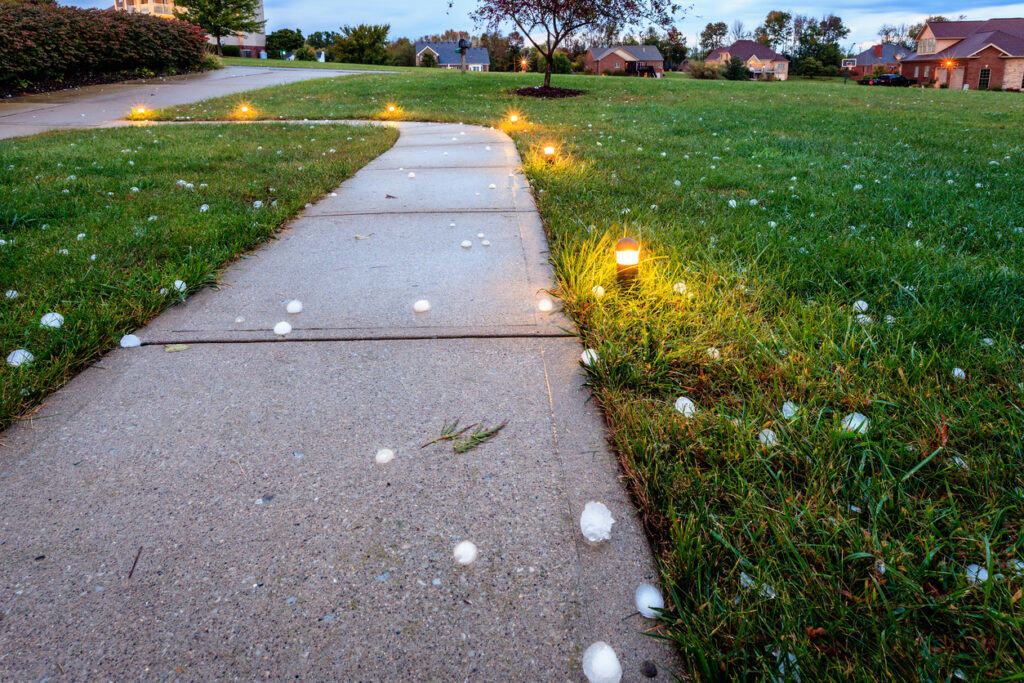
Unlike rain, hail doesn’t fall straight down. It hits the ground and bounces at sharp angles. This makes it hard to avoid. You might think you’re safe standing under a small shelter, but hail can bounce underneath or travel in sideways gusts of wind. Full cover is the safest option. A proper structure protects you better than trees or open doorways because hail can strike from angles you don’t expect.
Hail can injure you even when you’re indoors.
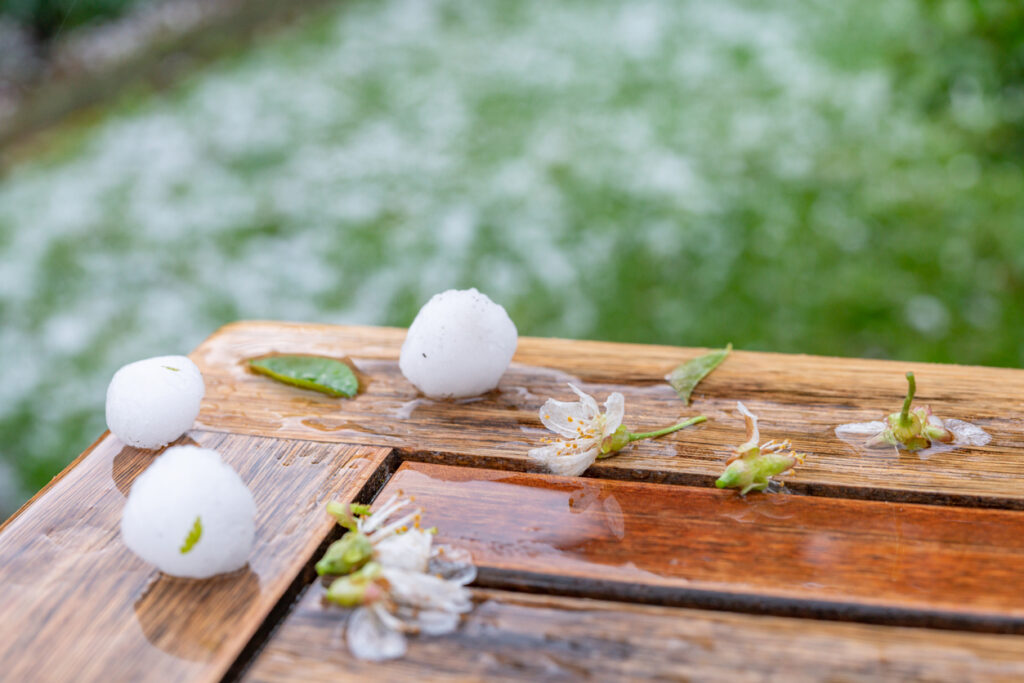
Large hailstones can break windows and glass doors. If you’re standing near one when a big stone hits, you risk cuts from shattered glass. Conservatories are especially vulnerable because they’re built with large panels that aren’t designed for heavy ice impact. During hailstorms, moving away from windows keeps you safe. Even if the hail looks small at first, sizes can increase quickly without warning.
Hail makes roads dangerous fast.
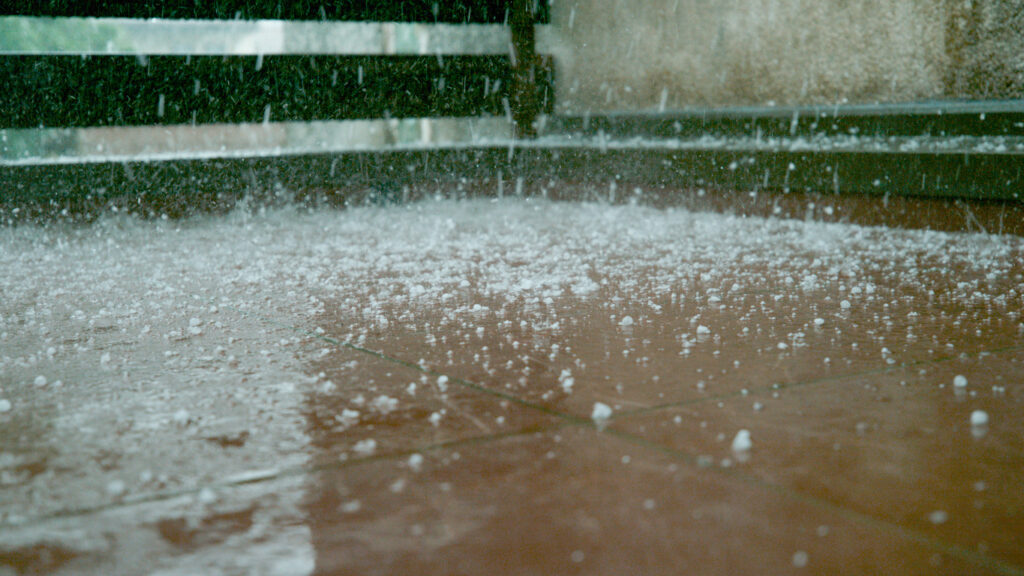
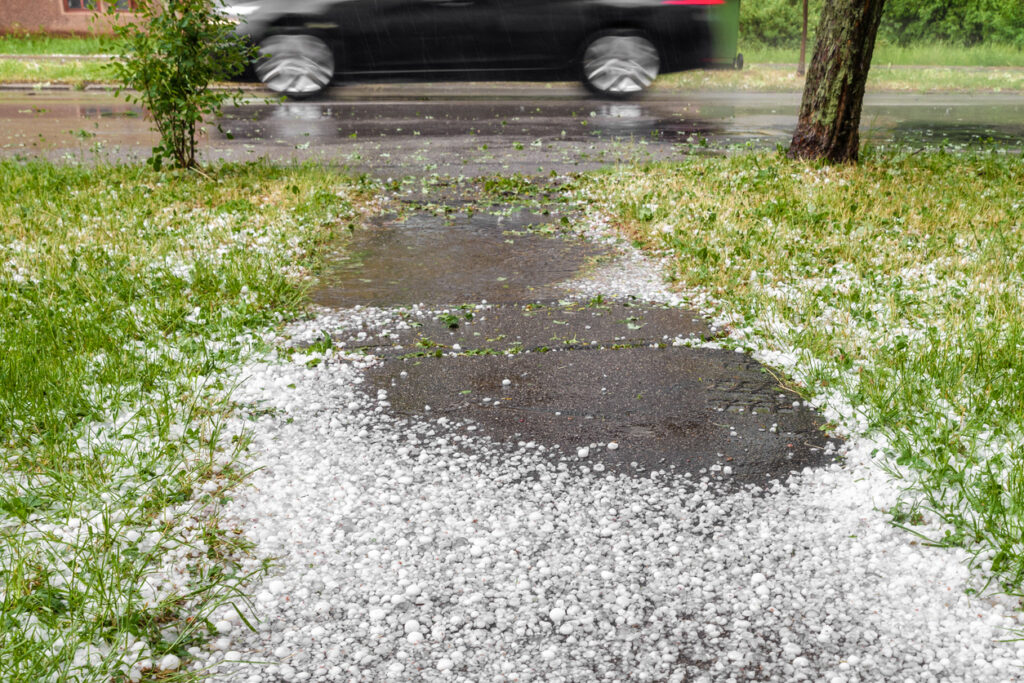
Hailstones create a slippery surface that cars struggle to grip. Even small stones act like marbles under tyres, leading to skids or loss of control. Drivers often underestimate how quickly road conditions change when hail starts to settle. Slowing down or pulling over helps prevent accidents. Roads usually clear quickly once hail melts, but those few minutes of danger are enough to cause serious crashes.
Hailstorms are becoming more common with extreme weather.
Weather patterns are shifting, and hailstorms are appearing in places and seasons where they weren’t common before. Stronger storms mean bigger hailstones and more damage. Many people aren’t prepared because they think hail is a rare event. Being aware of this change helps you take warnings more seriously. Simple steps like sheltering early, protecting vehicles and checking your home afterwards make a big difference in staying safe.