The blue jay is one of North America’s most eye-catching birds, known for its bright colours and clever behaviour.
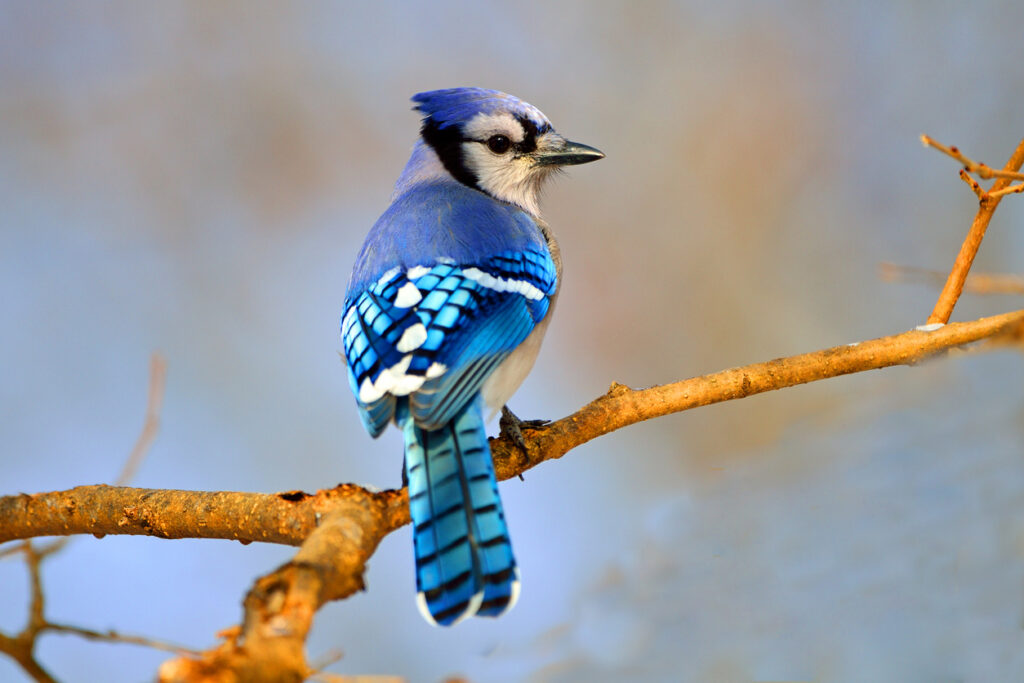
It’s the kind of bird you notice instantly because it doesn’t blend into anything. Blue jays are bold, noisy, and full of attitude, yet they’re also caring, intelligent and deeply loyal to their families. Here are the key things that make this bird stand out. If you’re ever lucky enough to see one in person, you’ll be just as awed by them as you might expect.
Their bright blue feathers aren’t actually blue.
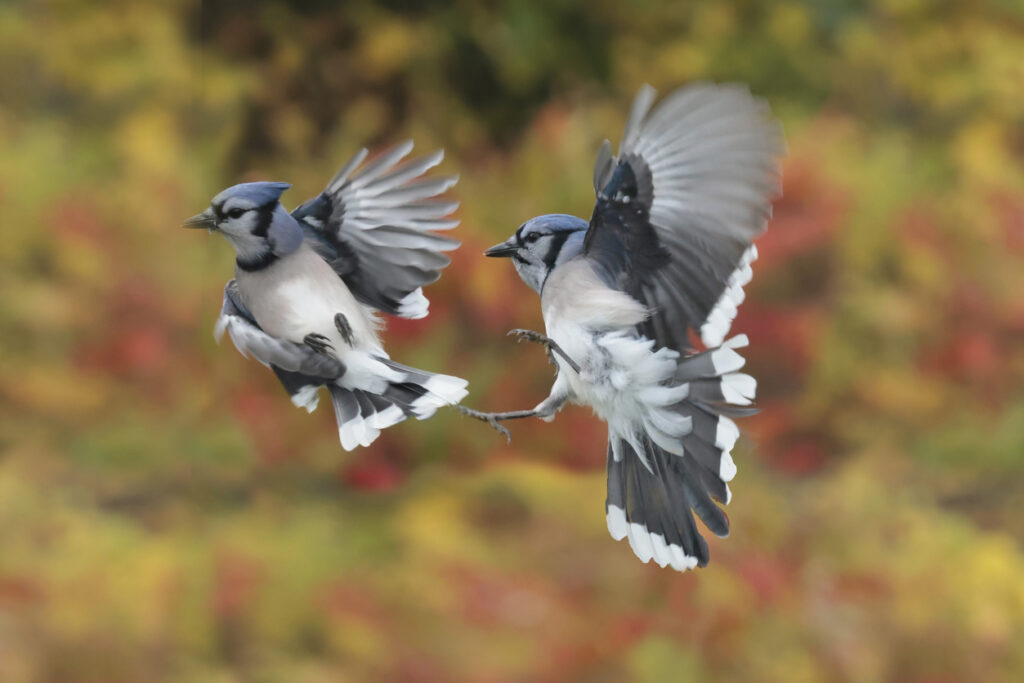
Blue jays look stunning, but their feathers don’t contain blue pigment. Light hits tiny structures in the feathers and reflects blue back to your eyes. If you held a feather up to the light in your hand, it would look almost brown or grey instead of bright blue. This clever trick of light makes the bird look striking from a distance. It shows how nature can create eye-catching colours without using actual colour in the feathers.
They’re known for their bold personalities.
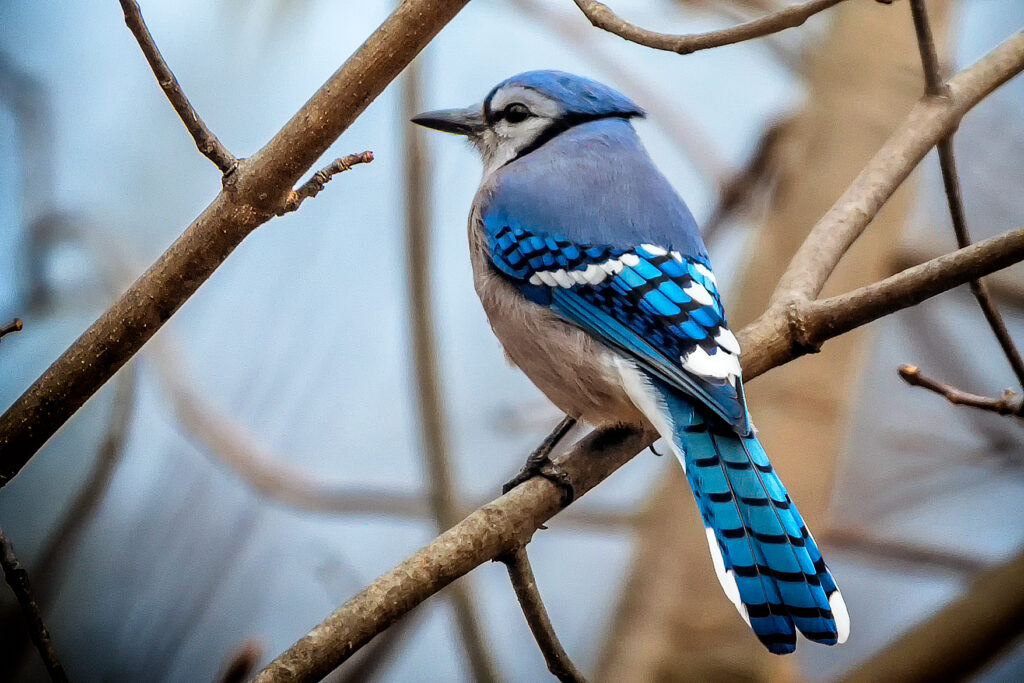
Blue jays aren’t quiet birds. They shout, squawk and call loudly to warn others of danger or to claim territory. Their voices carry a long way, which is why you often hear them before you see them. Their bold nature makes them one of the most noticeable species in any woodland. Their loud calls help protect other birds too. When a predator appears, blue jays raise the alarm loudly and quickly. Their confidence makes them natural neighbourhood guards.
They can mimic other birds, including hawks.
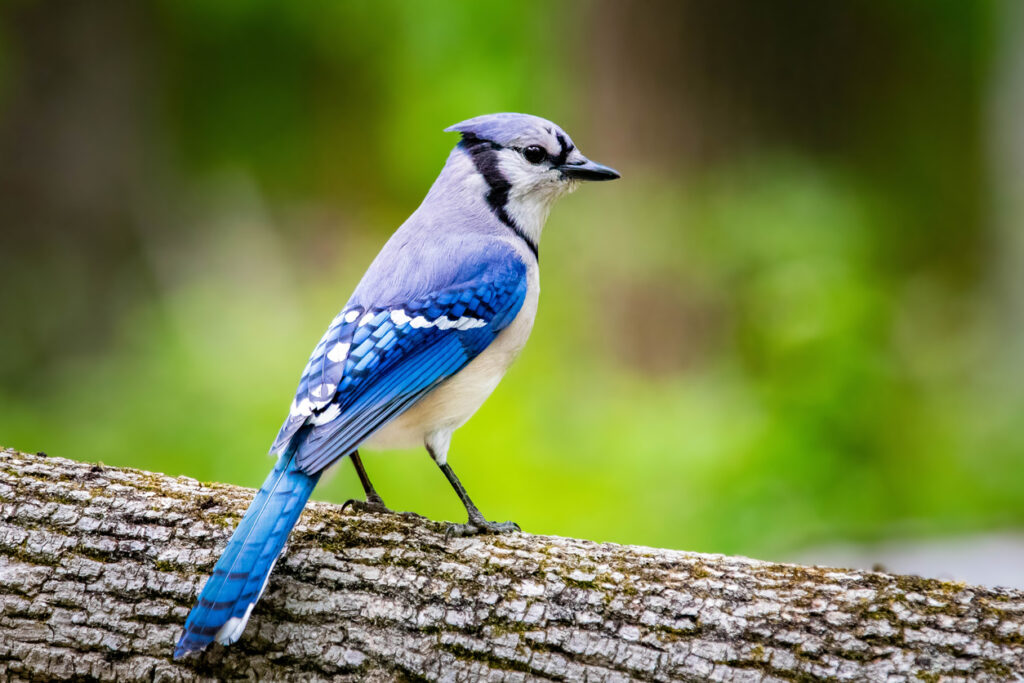
Blue jays are talented mimics. They can copy hawk calls so well that other animals think a predator is nearby. This clever trick helps them scare off competition or protect their food sources. It’s an unusual skill for a bird that isn’t a parrot. That mimicry shows how smart blue jays are. They use sound to control situations around them, which helps them survive in busy environments.
They’re incredibly intelligent problem solvers.
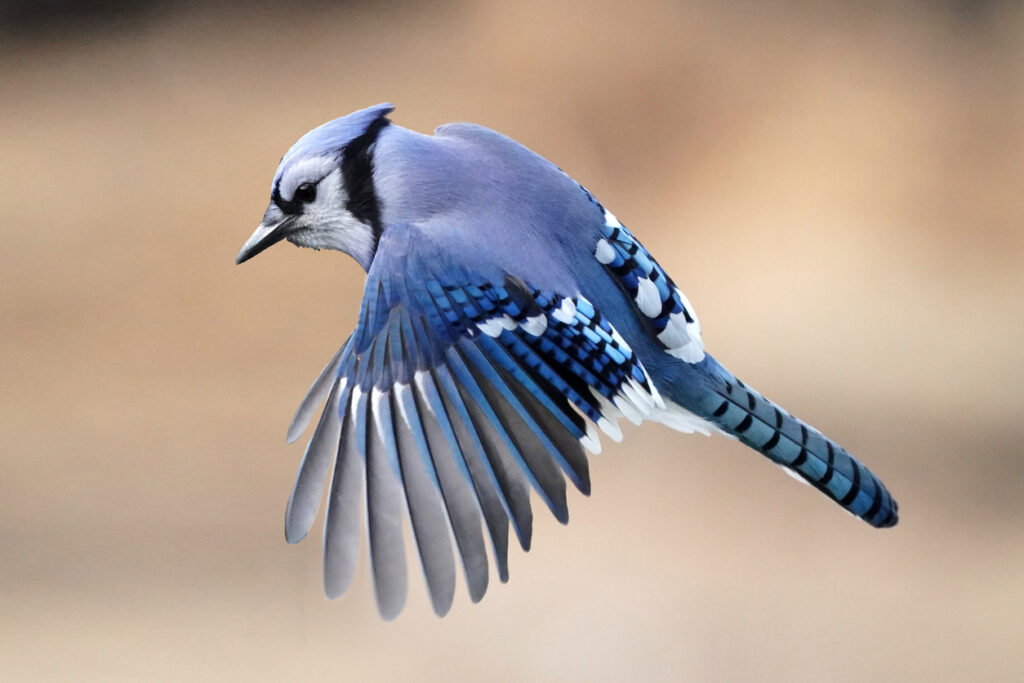
Blue jays can plan ahead, solve puzzles and remember where they hide food months later. Their intelligence helps them adapt to new environments and survive harsh winters. They’re known to test objects, explore new spaces and learn from experience. Such clever behaviour puts them in the same category as other intelligent birds like crows and ravens. They’re far more capable than their loud personalities might suggest.
They store food for winter in clever hiding spots.
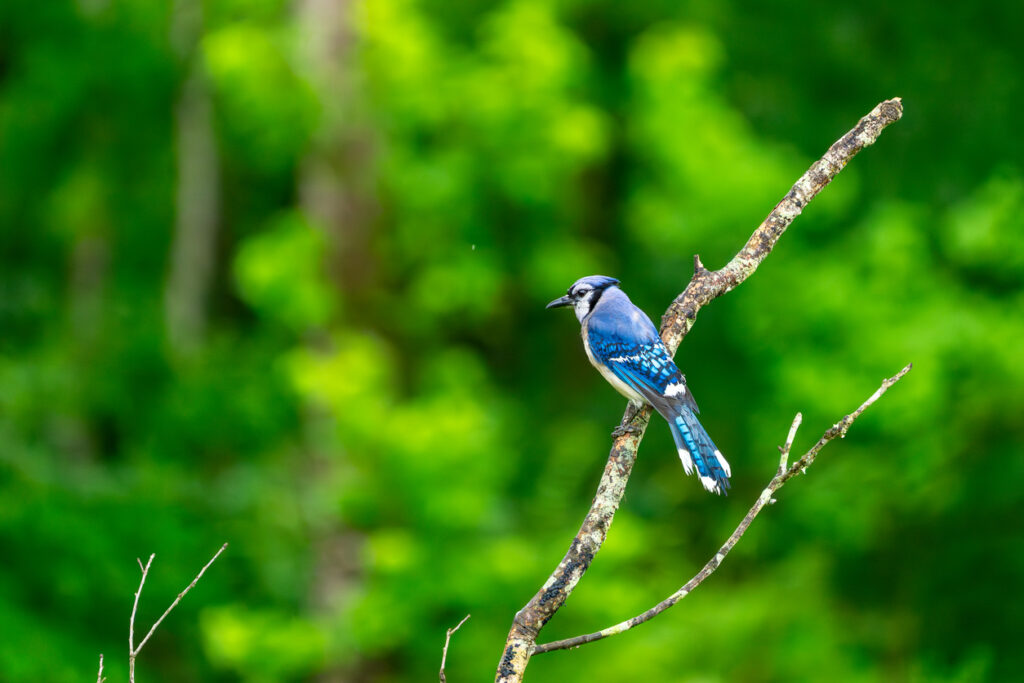
Blue jays hide acorns, seeds, and nuts in hundreds of different places during the year. They use their strong memory to find these food caches later when food is scarce. Some of the seeds they forget help forests grow because they sprout into new trees. This habit makes blue jays important for their ecosystems. By forgetting a few of their hiding spots, they unknowingly help create new woodland growth.
They’re fiercely loyal to their families.
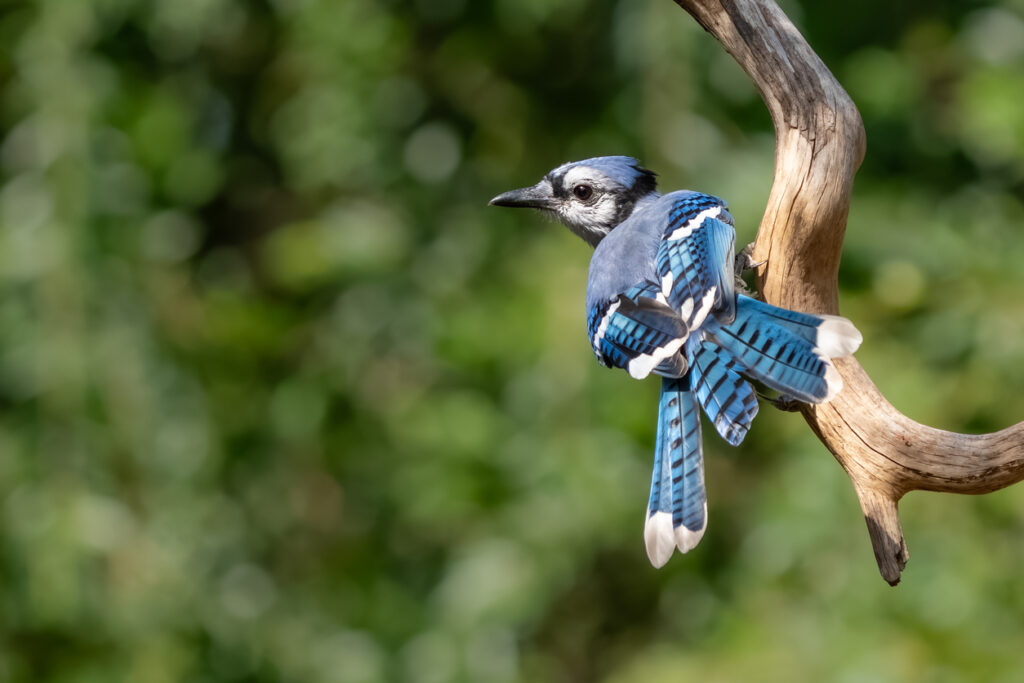
Blue jays mate for long periods and work together to protect their young. Both parents help build the nest, feed the chicks and defend the area around their home. They’re well known for chasing off predators, sometimes even larger birds. Their strong family structure helps their young survive and shows how caring blue jays can be. Their loyalty is one of their most admirable traits.
They travel in groups and look out for each other.
Blue jays often move in small groups, especially during migration. They watch for danger, call out warnings and support each other while travelling. Their group behaviour helps them stay safe in unfamiliar areas. Travelling together also helps them find food more easily. Their teamwork makes them stronger and more adaptable than many other birds.
Their crested head feathers show their mood.
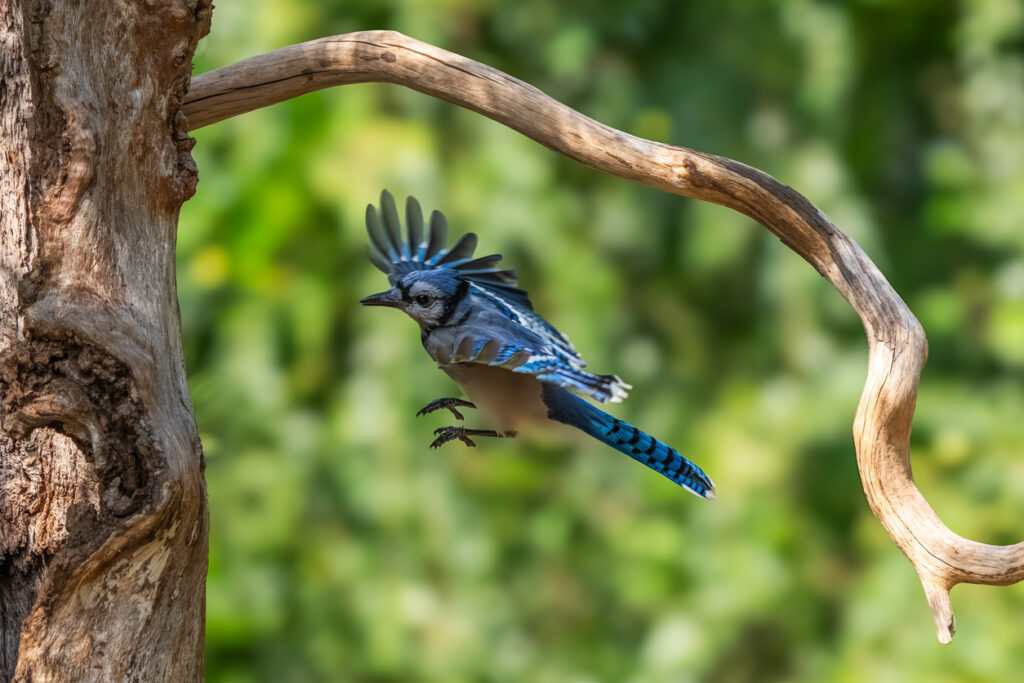
The tall crest on a blue jay’s head isn’t just for looks. It rises and falls based on the bird’s emotions. When the crest is raised, the jay is alert or excited. When it’s lowered, the bird feels calm and relaxed. This crest acts like a mood signal, helping other birds understand the jay’s intentions. It’s a clear way blue jays express themselves without sound.
They’re regular visitors to bird feeders.
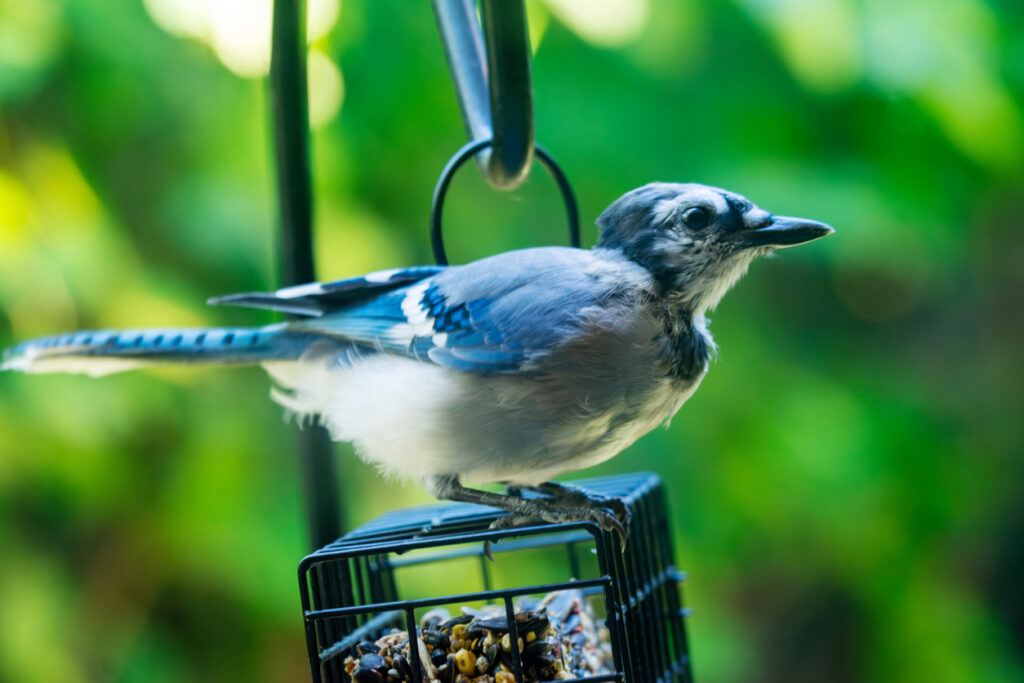
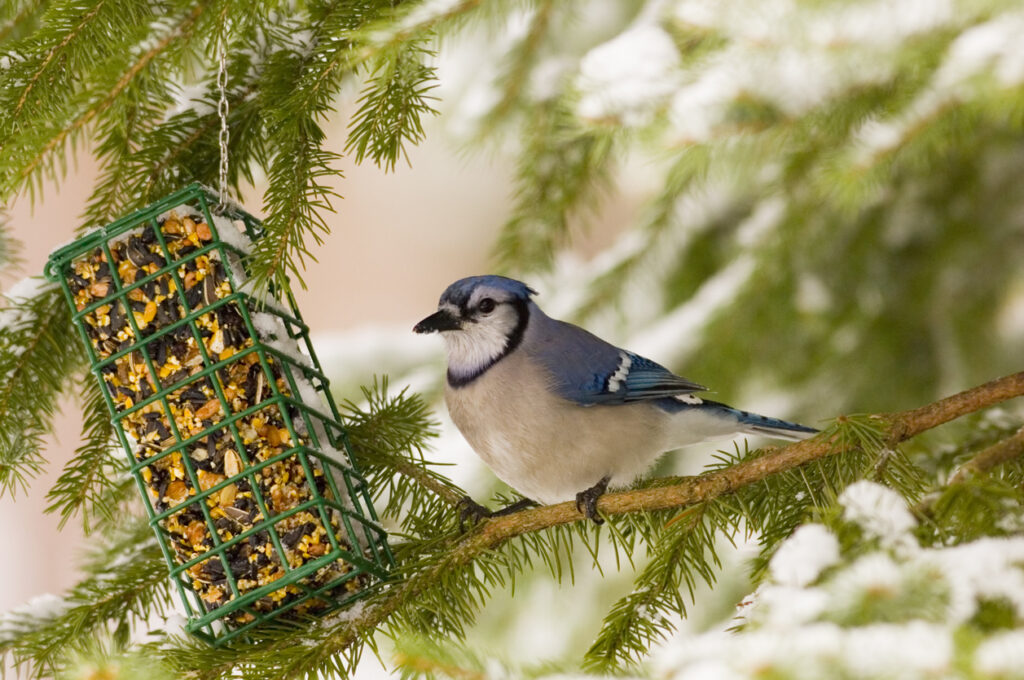
Blue jays love peanuts, seeds and suet, which makes feeders a perfect stop for them. Their loud calls and bright colours make them easy to spot when they visit. They usually arrive in confident groups and take what they need quickly. Offering the right foods encourages blue jays to return often. Their presence adds energy and activity to any garden.
They play a bigger ecological role than most people realise.
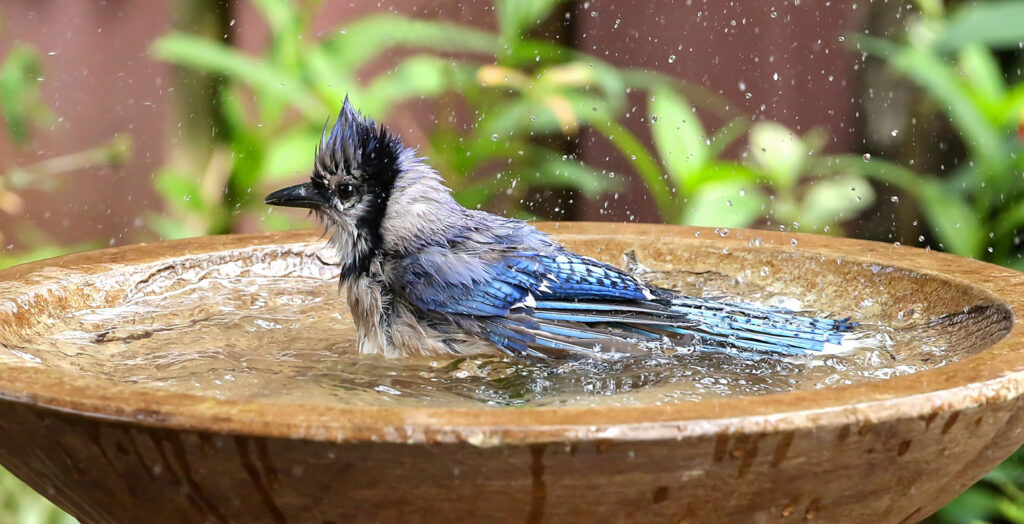
Beyond their beauty and personality, blue jays help shape forests by spreading seeds. They warn other wildlife about predators and bring life to the areas they travel through. Their behaviour influences many other species around them, and understanding their importance helps you appreciate them more. Blue jays may be bold and loud, but they’re also vital to the balance of North American ecosystems.