Hummingbirds look tiny and gentle, but there’s a lot more going on with them than most people realise.
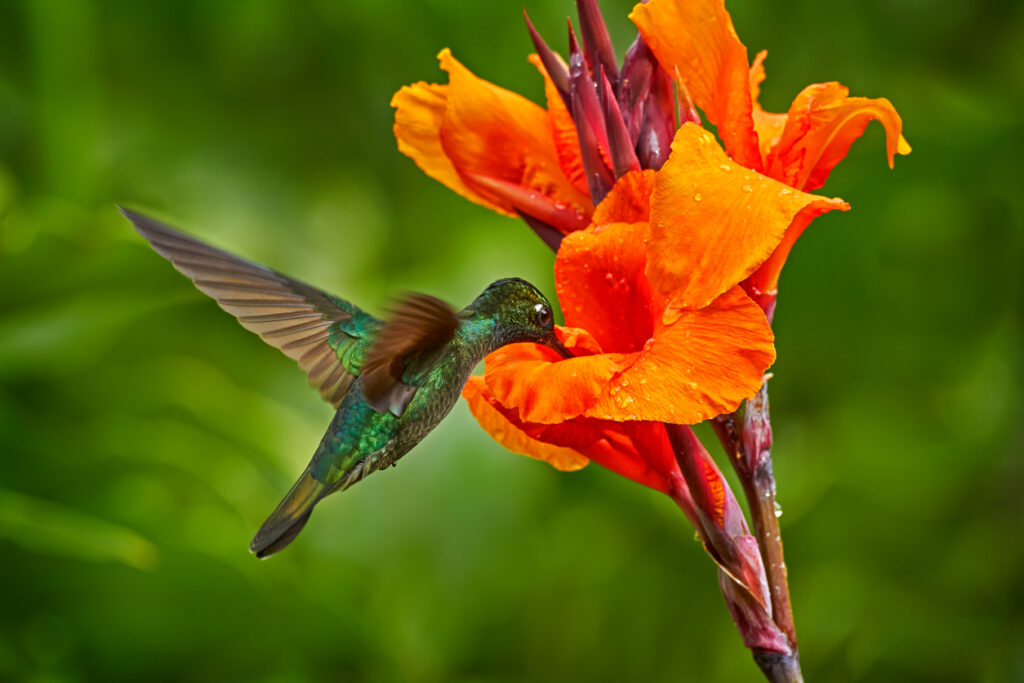
They move too quickly for us to notice all the interesting things they’re doing, so most of what makes them fascinating gets missed in the blur. When you slow your attention and actually watch them, you start seeing how complex and surprising they really are.
They might look delicate, but they’re incredibly tough, determined little birds with skills that don’t show up in most wildlife. They travel long distances, defend territory with serious attitude, and navigate their world with accuracy most animals wouldn’t manage. Once you start learning a bit about them, they stop being a pretty garden visitor and become one of the most impressive birds on the planet.
1. They can hover in the air like a tiny helicopter.
Most birds only fly forward, so a hovering bird looks almost unreal. Hummingbirds have wing joints that allow the wings to move in a way other species simply can’t. That movement keeps them still in midair while they feed. If you’ve ever watched one stay perfectly in front of a flower without landing, it feels like the bird is floating on invisible strings.
Seeing it up close makes you appreciate how hard the bird is working just to stay in one spot. Their wings move in a tight, controlled motion that lets them balance in the air, and it takes an enormous amount of energy. Staying still actually requires far more effort than flying forward, which tells you how specialised these birds really are.
2. They beat their wings faster than your eyes can follow.
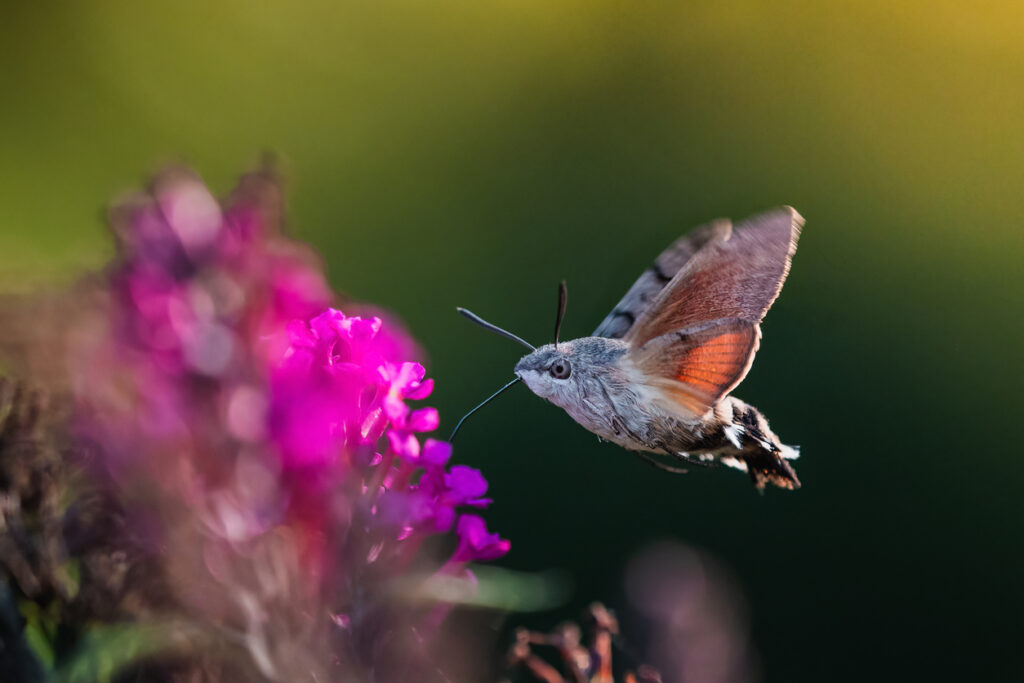
When you look quickly, their wings appear as a blur, which makes them look like they’re trembling. In reality, their wings move so rapidly that the human eye can’t track the movement. Some species flap up to dozens of times every single second, which keeps them steady while drinking nectar. It also helps them move with surprising accuracy around flowers.
Slow-motion recordings show just how much effort is going into those tiny movements. What looks gentle is actually a serious workout. Every second requires a huge burst of energy, and they repeat that movement constantly while feeding and hovering. Once you realise that, they become even more impressive to watch.
3. They drink nectar by licking, not sucking.
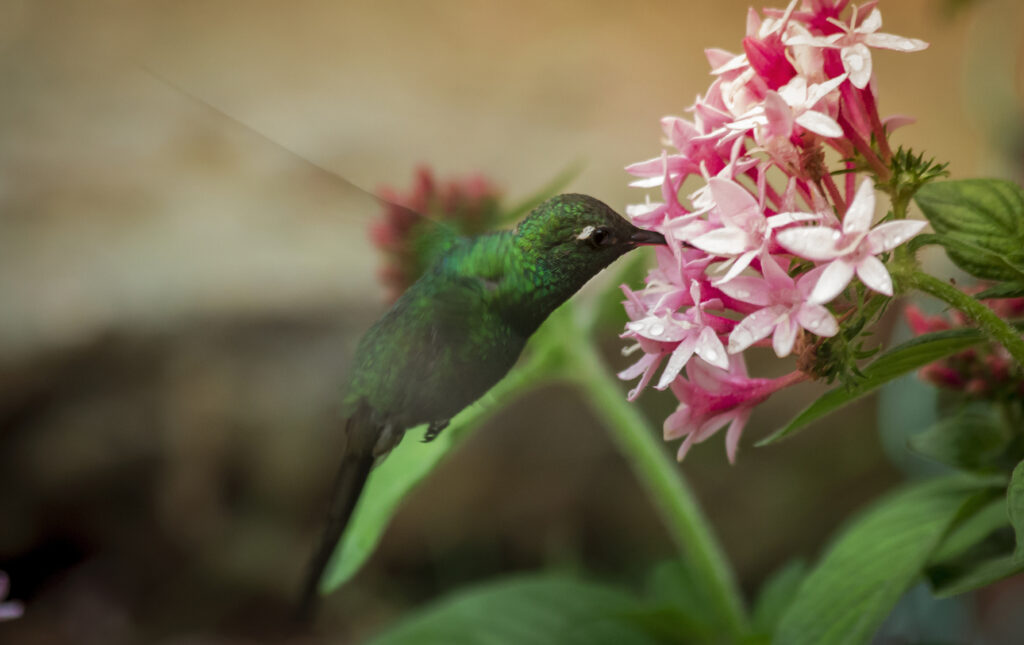
People often imagine they sip nectar like drinking through a straw, but their feeding is based on rapid tongue movement. Their tongues extend and retract so quickly that you barely notice what’s happening. Each lick collects a tiny amount of nectar, and they repeat the motion constantly while feeding.
Watching a slow video of the tongue moving makes you realise how well shaped their bodies are for this job. The tongue flicks in and out at high speed, collecting droplets that would be impossible for most birds to reach. Flowers that seem awkward to other species are basically built for them.
4. They need to eat almost constantly to stay alive.
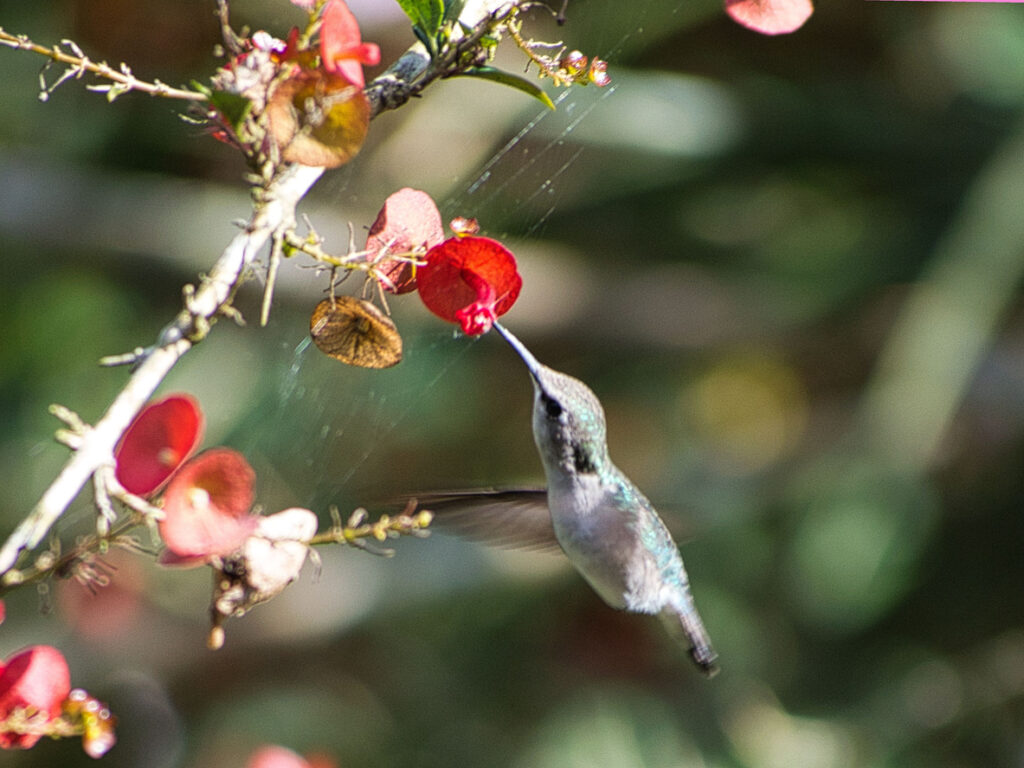
Their bodies burn through energy at a huge rate because their wings are always moving. They live close to running out of fuel, which means they’re constantly searching for nectar. A hummingbird can lose weight rapidly if it doesn’t feed regularly, which is why you often see them rushing from flower to flower without much pause.
Putting out safe nectar feeders or planting nectar-rich flowers genuinely helps them survive. They need small, regular meals throughout the day just to keep going. When you realise how quickly their energy drains, it makes their constant movement look less like fussing and more like a daily battle to stay alive.
5. They can fly backwards with ease.
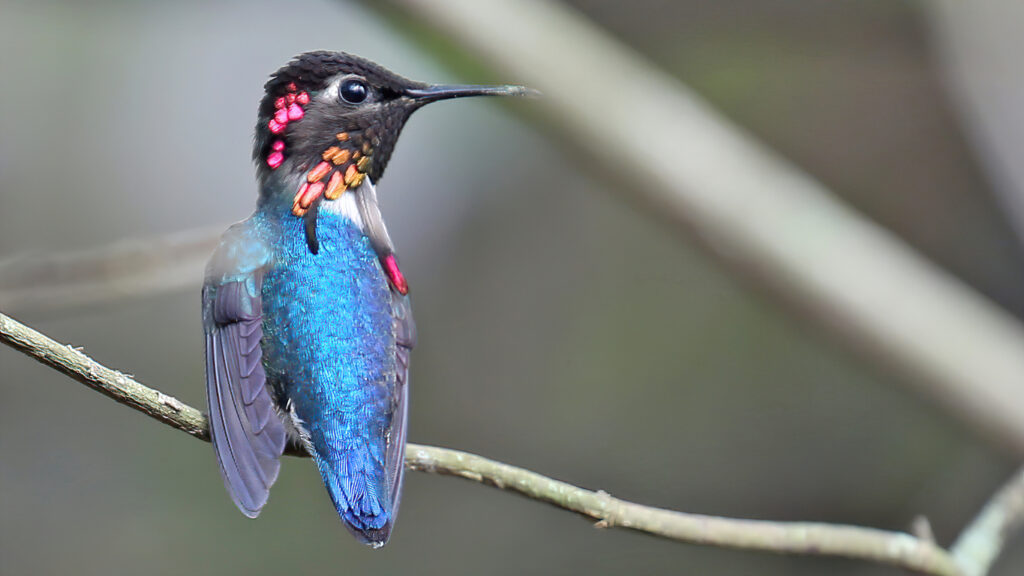
Reversing through the air looks impossible for most birds, but hummingbirds do it naturally. They don’t need to turn around when they want to adjust their position. Instead, they lift backwards without changing direction, which helps them feed efficiently around tight spaces.
Watching them step back from a flower makes this skill obvious. It looks simple until you remember that nearly every other bird on Earth would have to turn its whole body to move the same way. Their ability to move in any direction is one of the things that makes them so unique to watch.
6. They’re far tougher than their size suggests.
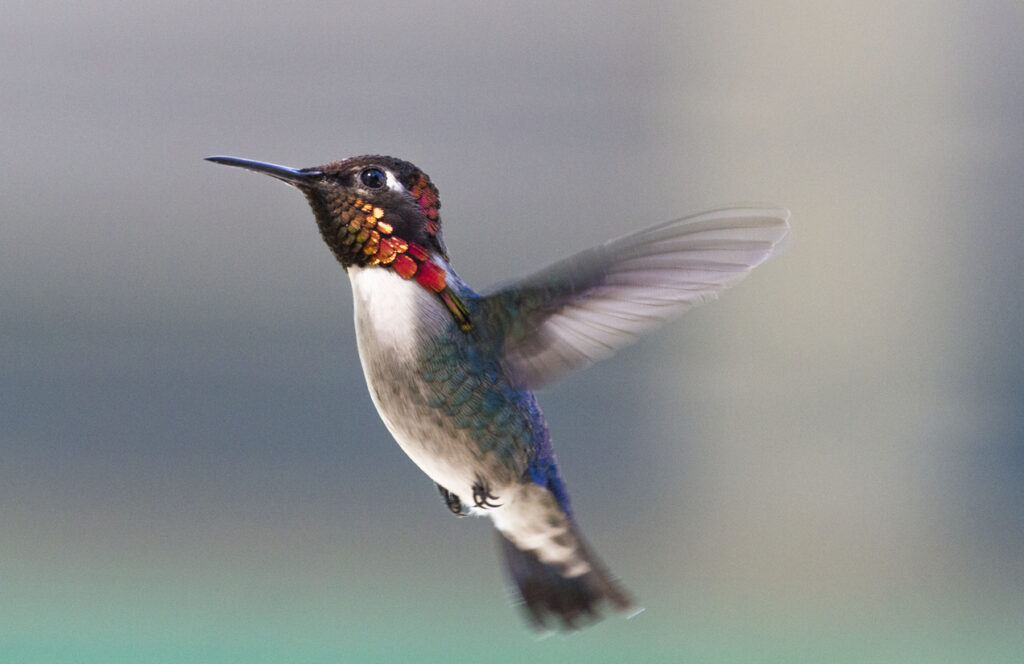
Their tiny bodies look fragile, but hummingbirds cope with rough weather and cold nights extremely well. They enter a resting state where their temperature drops and their energy use slows. This helps them survive nights that would exhaust other birds. It’s a clever way of conserving strength when conditions are harsh.
Understanding their nighttime resting state makes their survival a lot more impressive. They don’t give up when temperatures drop. They adapt. It’s another reminder that size doesn’t indicate strength, and these birds are balancing energy constantly in order to make it through each day and night.
7. They chase away much bigger birds.
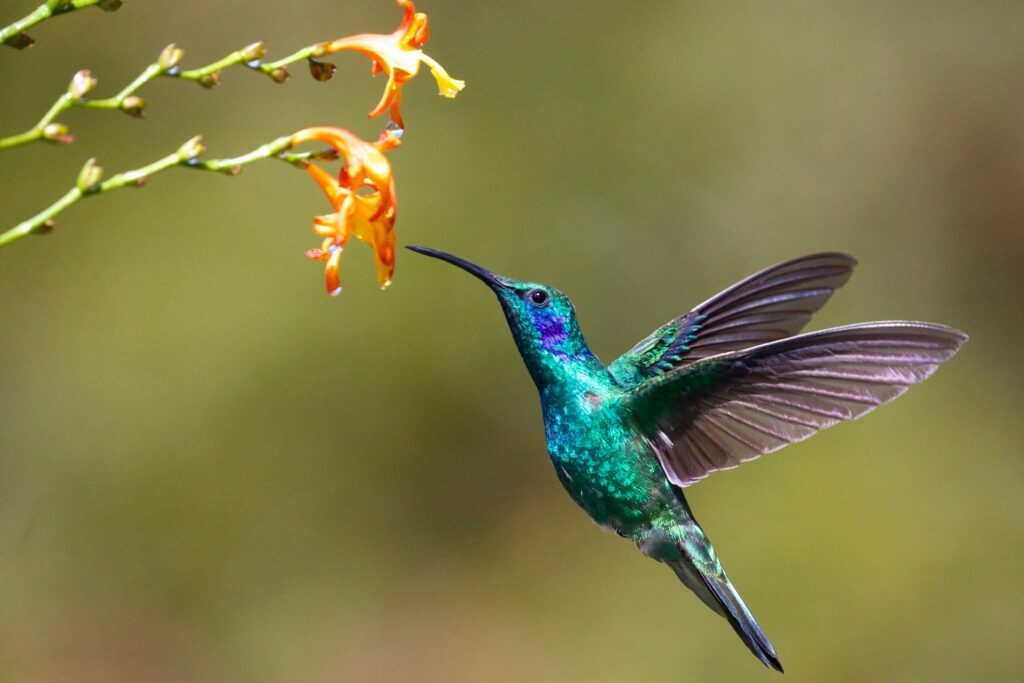
Many people assume such small birds must avoid conflict, but hummingbirds defend food sources with serious determination. They’ll chase off birds several times their size if they feel their feeding spots are threatened. It’s their way of protecting the limited resources they depend on.
Watching one dart towards a larger bird is genuinely surprising. You’d expect the bigger bird to ignore them, but hummingbirds move so quickly that they can intimidate species that aren’t nearly as fast. They know speed gives them an advantage, and they use it confidently.
8. They can remember every flower they visit.
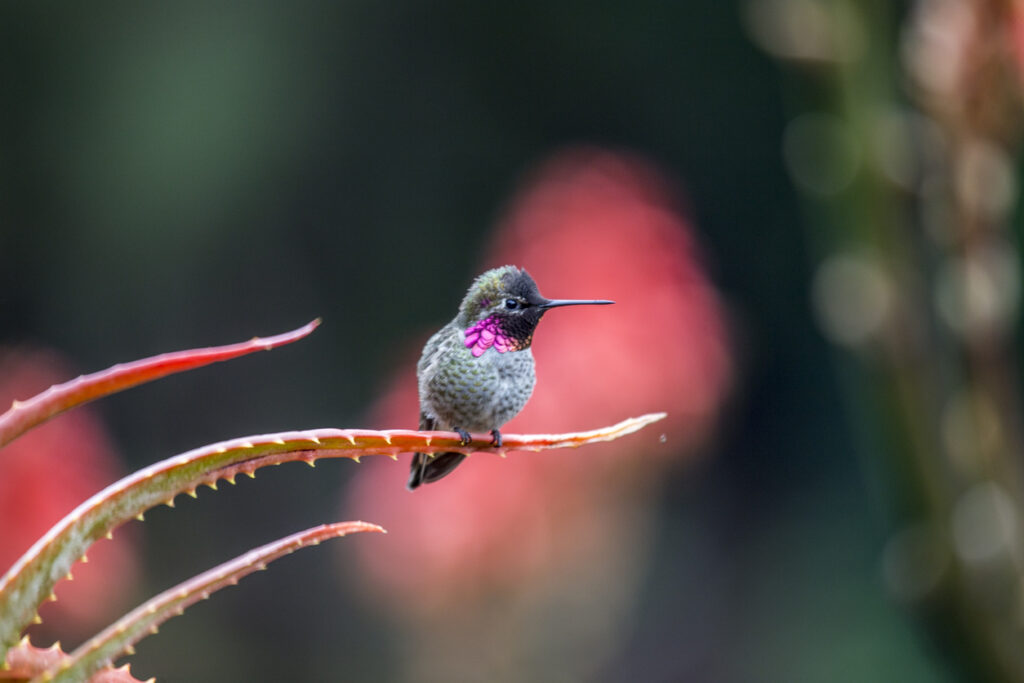
It’s easy to imagine they fly from flower to flower randomly, but they actually plan their routes. Their memory helps them return to the same blossoms at the right time each day, which means they waste less energy searching for food.
If you pay attention to their routine in your garden, you start noticing patterns. They return at similar times, often visiting flowers in a particular sequence. That ability to track where they’ve already been shows a level of planning most people don’t expect from such a small creature.
9. They migrate huge distances despite their tiny size.
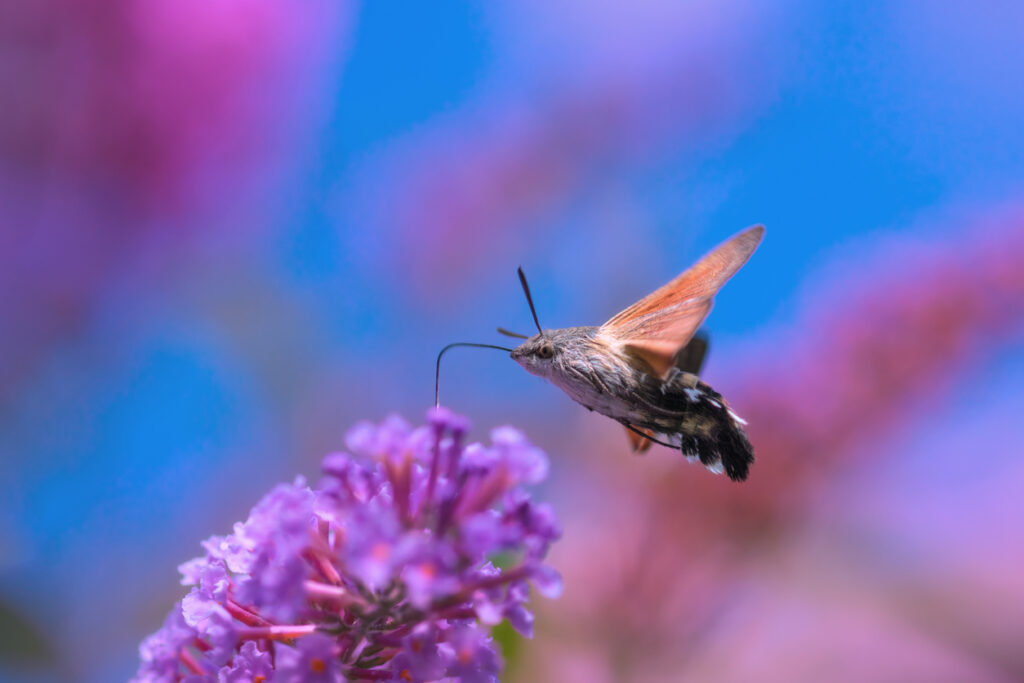
It’s hard to believe birds this small travel long distances, but some species migrate across large bodies of water without stopping. They time their journeys with weather patterns and food sources, which allows them to keep going when most animals would struggle.
Learning about their migration routes makes you appreciate the journey they take each year. It isn’t just impressive because of the distance. It’s impressive because they manage it while constantly needing energy and feeding opportunities. Their determination is endless.
10. They change colour depending on the light.
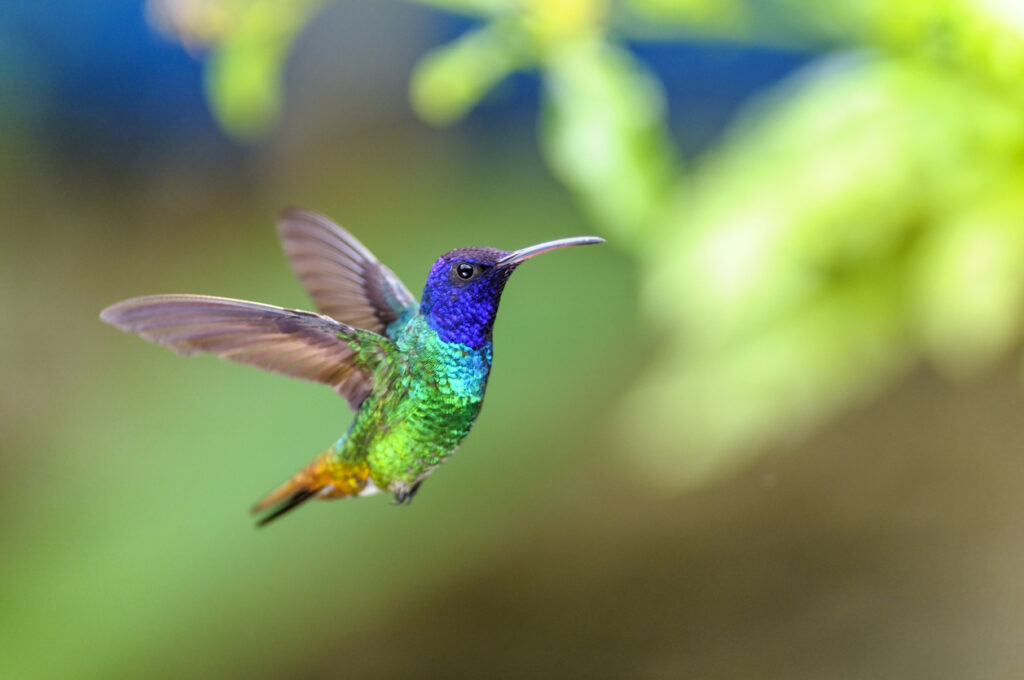
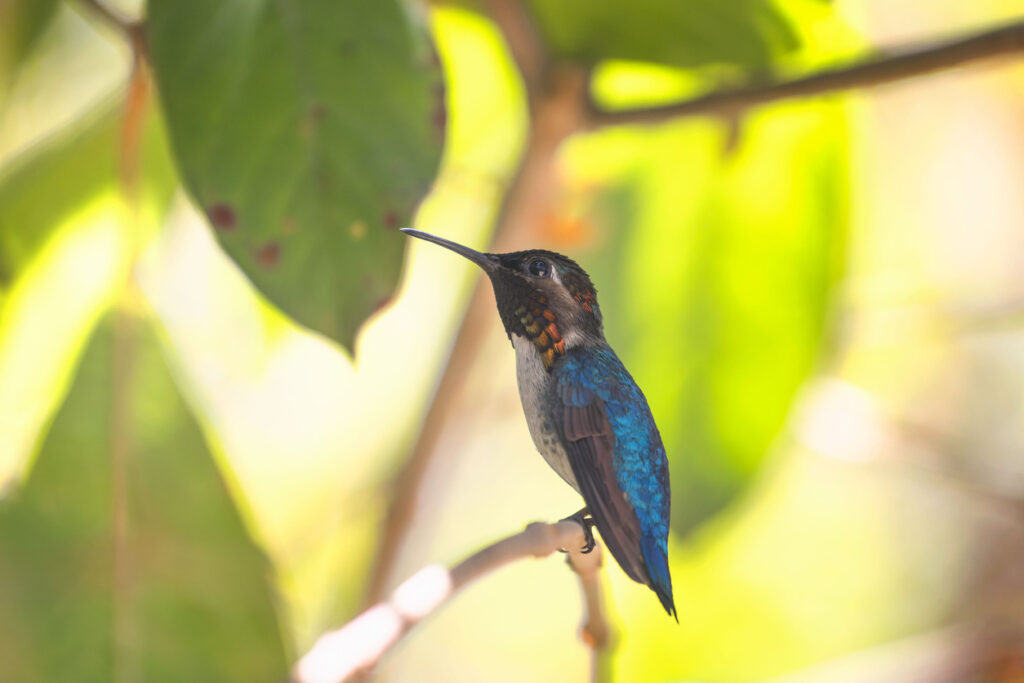
Their feathers don’t work like paint. The colours shift because of how light reflects off them. That’s why a hummingbird’s throat might look dull in the shade, but suddenly shine brightly when the sun catches it. The feathers reflect the light in a specific way that changes depending on the angle.
If you watch the same bird from different positions, you’ll see colours appear and disappear. It’s a natural trick of light rather than pigment, and once you notice it, you understand why they sometimes look completely different from one moment to the next.