Getting into wildlife photography is exciting, but it’s also very easy to annoy an animal without meaning to.
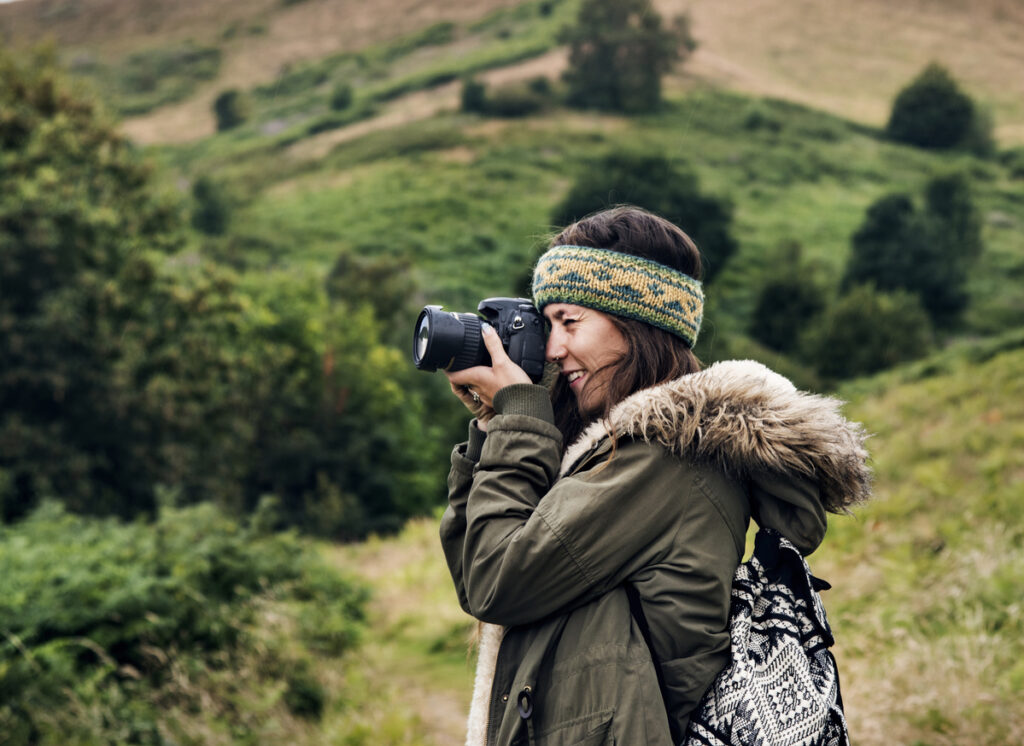
Most beginners focus on lenses and angles and forget that the real challenge is knowing how not to be a nuisance. A good photographer blends in, keeps calm, and doesn’t turn the moment into a performance. You don’t need a degree or a long list of rules. You just need to know what crosses the line and what keeps the animal safe and relaxed. If you’re starting out, these are the basics that stop you from making a mess of it before you’ve even taken the shot.
1. Keep a respectful distance at all times.
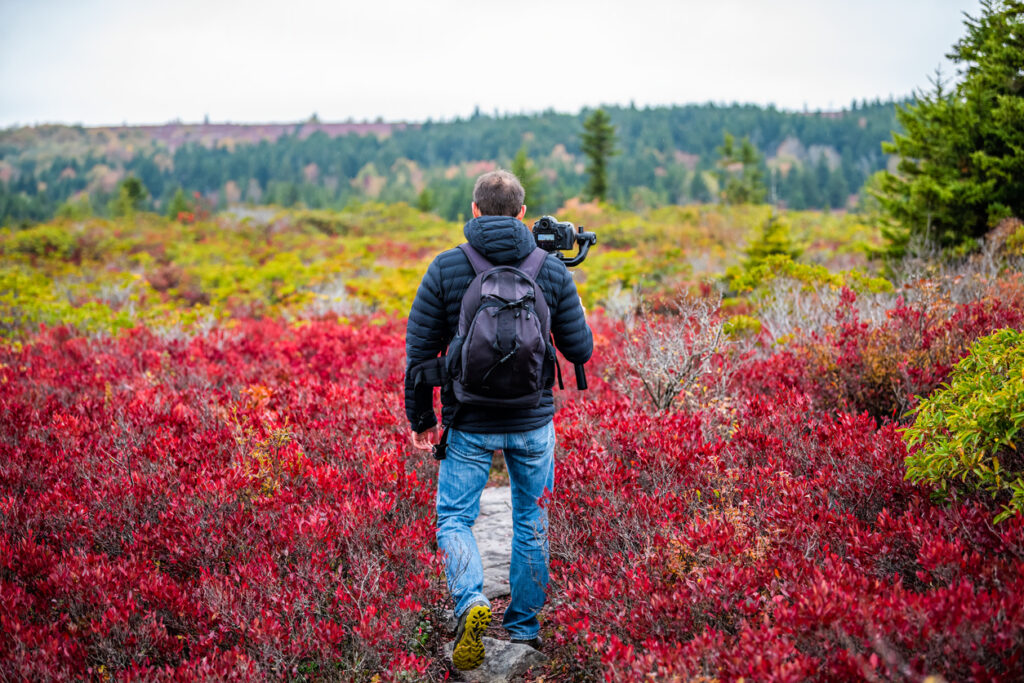
Getting too close can frighten animals, push them away from food, or even make them abandon their young. Many new photographers move in too quickly because they want a better shot. This often disrupts the animal’s natural behaviour and can cause real harm. Using a zoom lens and staying still helps you capture natural moments without stress. If the animal changes its behaviour because of you, you’re already too close and should step back.
2. Never disturb nests or dens.
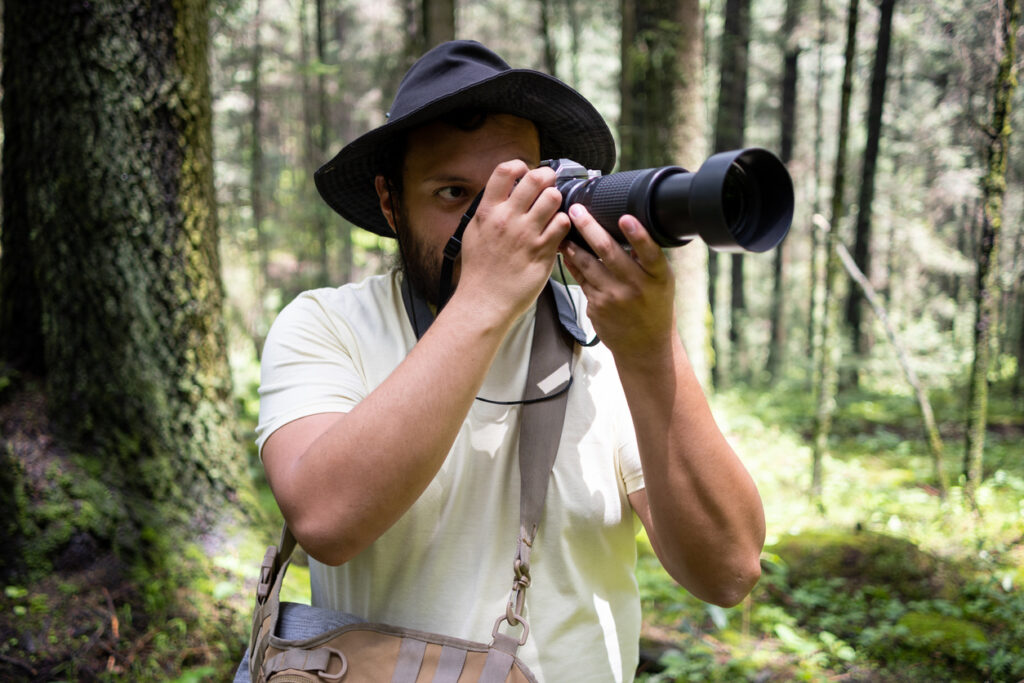
Nests, burrows, and dens are sensitive places where animals feel most vulnerable. Touching them, moving branches or getting too close can cause the animals to leave. Some new photographers do this to get a clearer shot, not realising the damage it causes. The best images come from patience rather than interference. Watching from a safe distance protects the animals and helps you see more natural behaviour.
3. Avoid using playback or calls to lure animals.
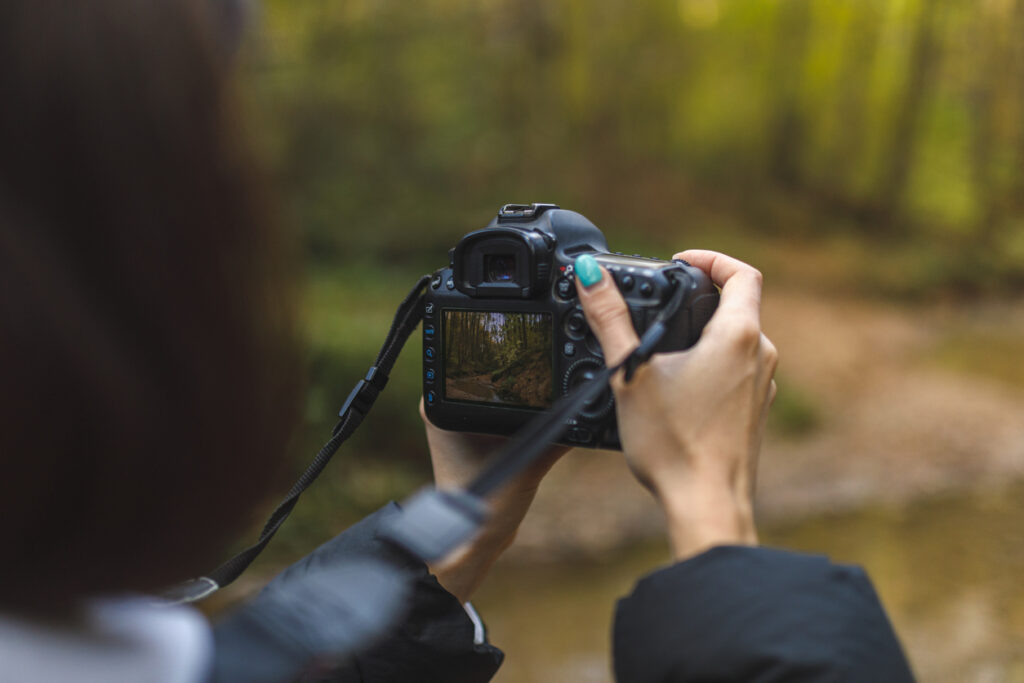
Playing recorded bird calls or animal sounds can confuse or stress wildlife. Birds may leave their nests to defend territory, or animals may approach thinking there’s danger or a mate nearby. These tactics may create photo opportunities, but they disrupt natural rhythms. Letting animals act naturally produces more rewarding pictures. Respecting their space helps keep the environment balanced and calm.
4. Don’t feed wildlife to get better shots.
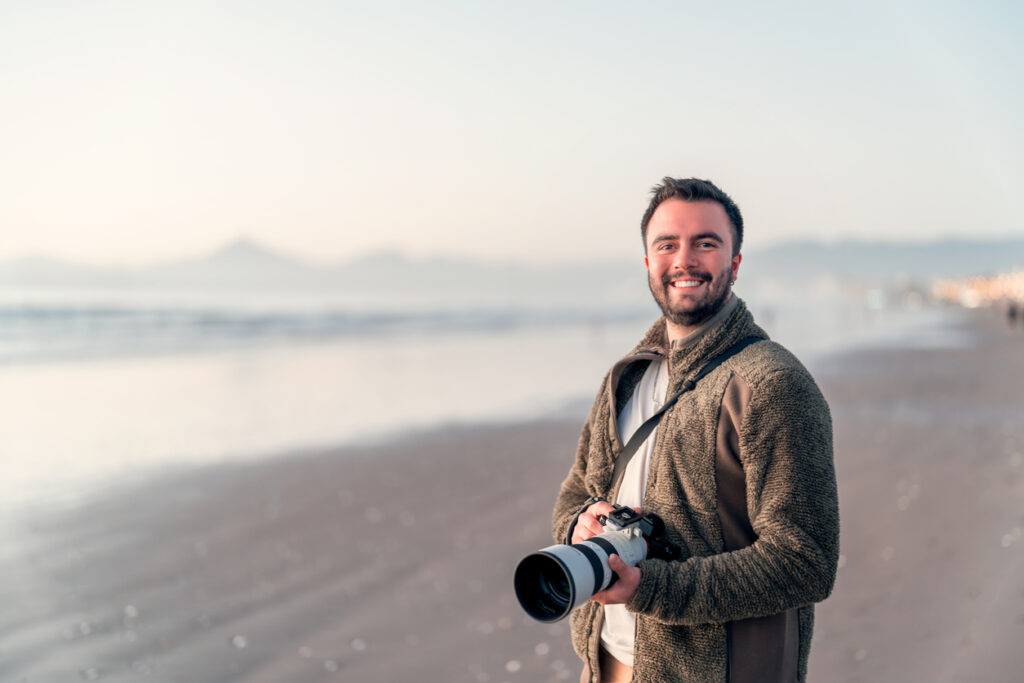
Feeding animals changes their behaviour. They may start relying on people for food or lose their natural caution. This makes them more vulnerable to danger and can lead to unhealthy diets. Many new photographers don’t realise how quickly feeding can cause long-term harm. Photographing animals where they naturally feed is safer and more ethical. It also keeps wildlife wild, which is the whole point of the activity.
5. Move slowly and avoid sudden noises.
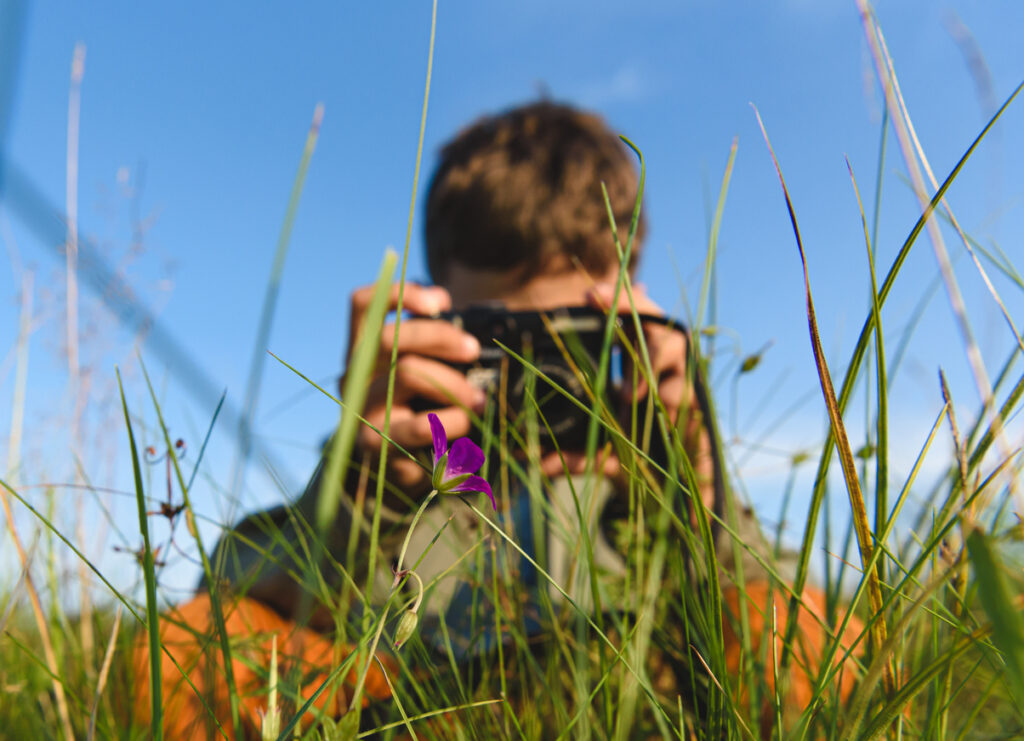
Wild animals are easily startled. Fast movements or loud sounds can scare them off or trigger stress. New photographers often get too excited and accidentally make noise while setting up equipment. Taking things slowly helps wildlife stay calm. The quieter you are, the more natural your photos will look because the animals won’t feel threatened.
6. Stick to marked paths and protected areas.
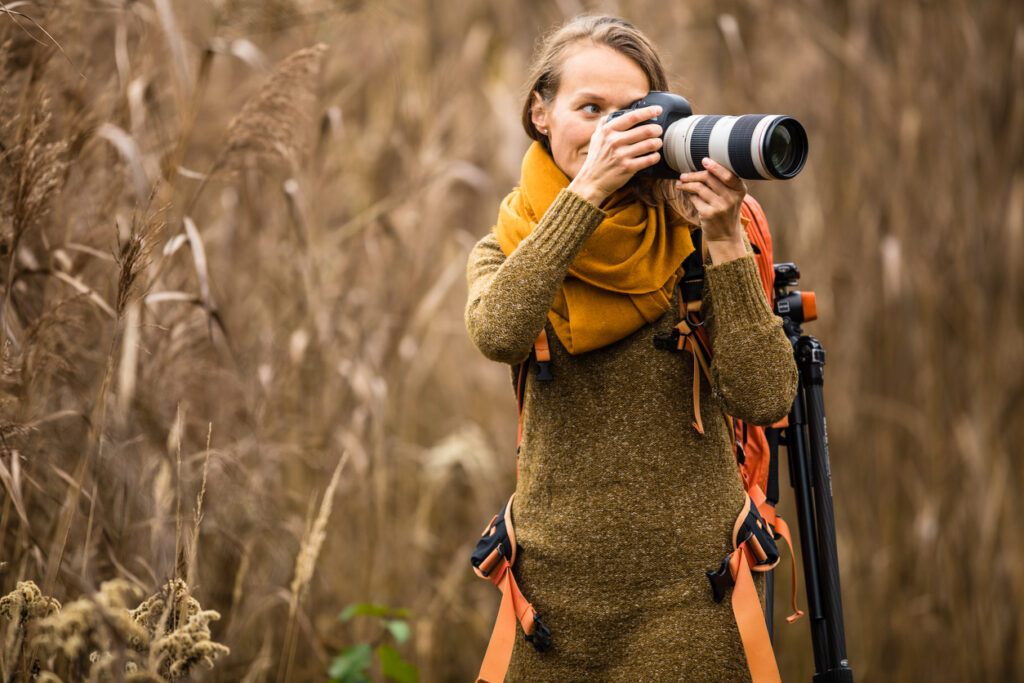
Many reserves and parks have strict rules to protect sensitive habitats. Wandering off paths can crush plants, disturb ground nests or damage fragile ecosystems. New photographers sometimes step off trail for a better angle without seeing what they’re harming. Staying on approved routes protects the landscape and keeps you safe. You can still capture beautiful shots without risking damage to the environment.
7. Learn the behaviour of the animals you photograph.
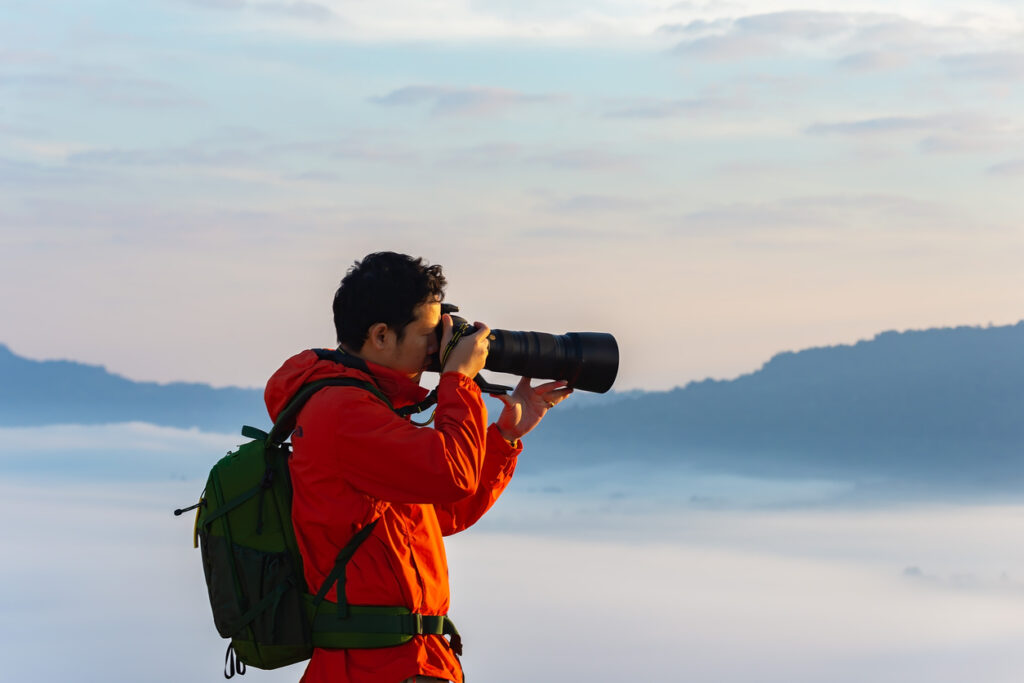
Understanding how animals behave helps you spot signs of stress. For example, birds flick their wings or call more loudly when they feel threatened. Deer may stamp their feet or stare directly at you if they’re uncomfortable. Learning these signals helps you step back before things escalate. Respecting an animal’s boundaries keeps the experience positive for both you and the wildlife.
8. Be mindful of breeding seasons.
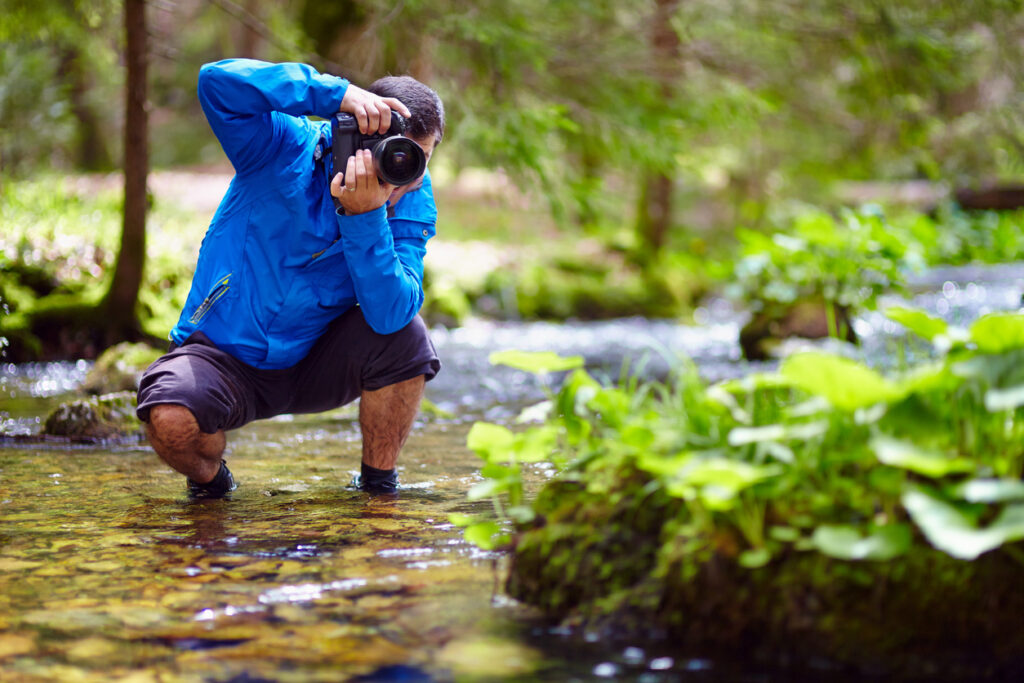
Animals are most vulnerable when they’re raising young. Getting too close can cause parents to leave the area or struggle to feed their young properly. Many beginners don’t realise how sensitive wildlife can be during these periods. Researching local breeding seasons helps you plan responsibly. Giving animals extra space at these times keeps them safe and avoids unnecessary stress.
9. Don’t block escape routes.
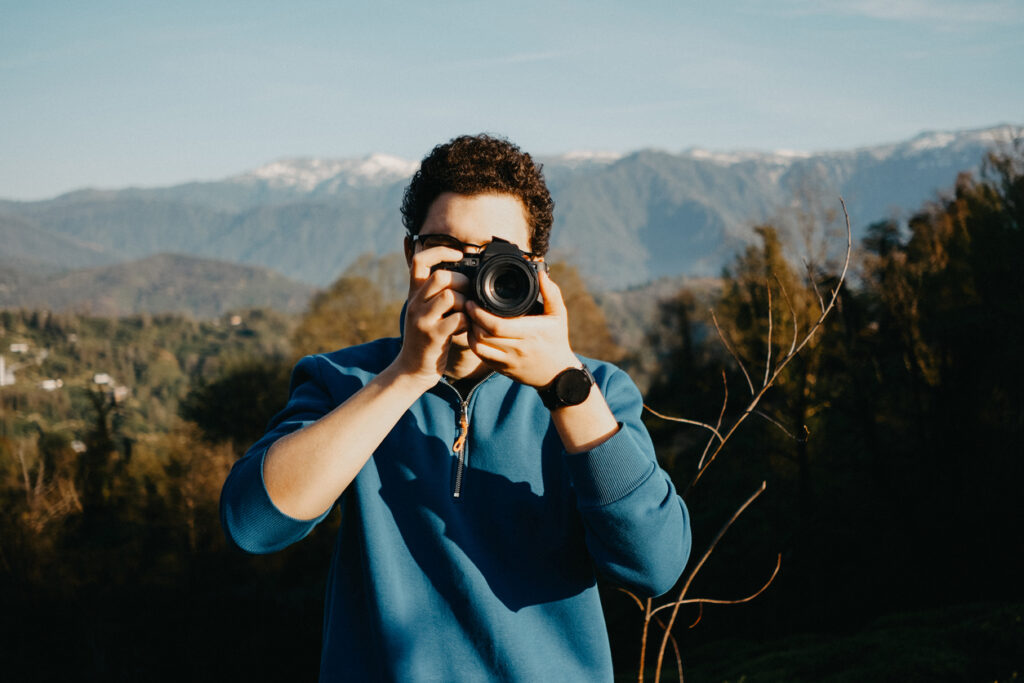
Every animal needs a clear path to get away if it feels scared. Standing in front of this route can trap them, leading to panic or injury. It’s easy to block an exit without meaning to when you’re focused on the camera. Always leave room for the animal to move freely. If they feel safe, they’re more likely to stay long enough for you to capture great images.
10. Respect other photographers and observers.
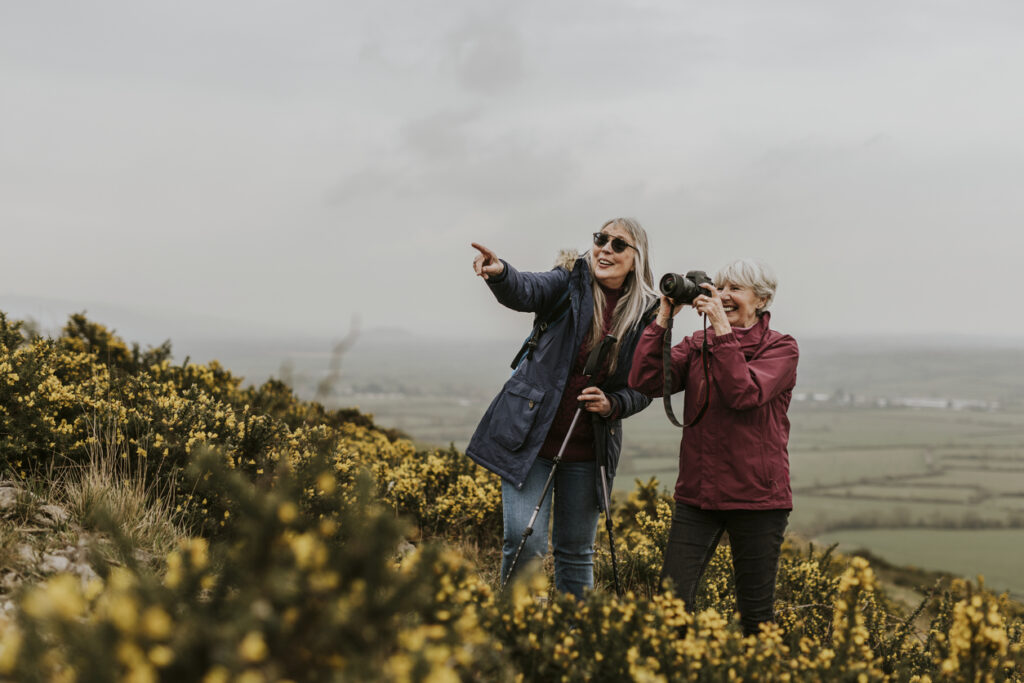
Wildlife areas can get busy, especially in popular spots. Being considerate means not crowding people, stepping into their shots, or disturbing animals they’re watching. New photographers sometimes rush in without noticing the people already there. Giving other people space creates a better experience for everyone. It also reduces the pressure on the wildlife you’re all there to enjoy.
11. Keep habitats as you found them.
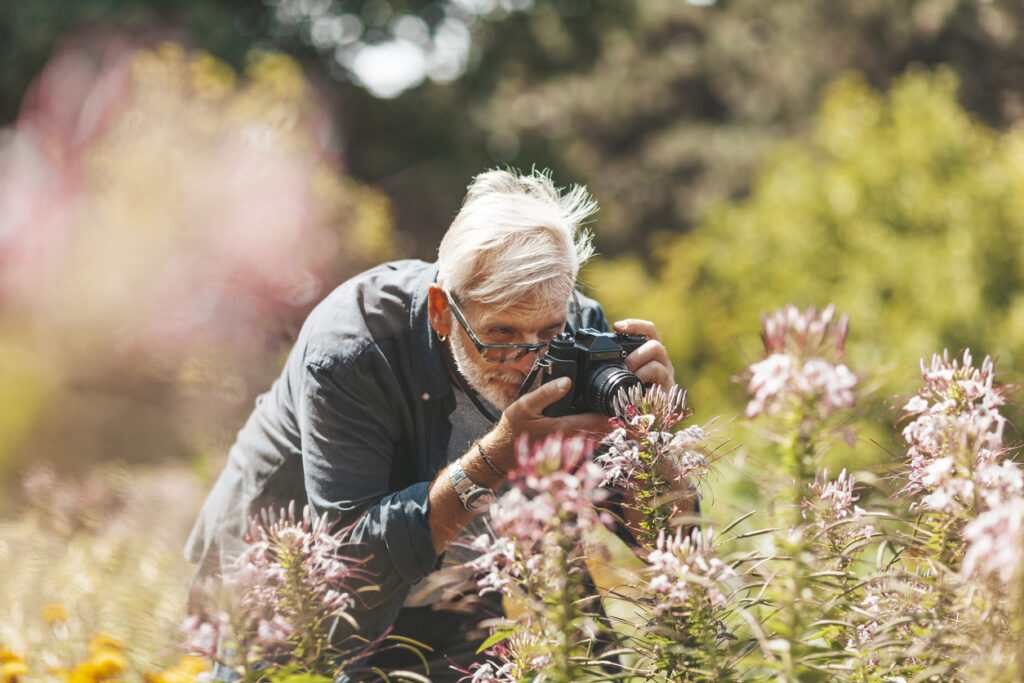
Moving rocks, branches, or plants to improve your shot can damage the environment and disturb hidden creatures. Even small changes can have lasting effects. It’s easy to forget how many animals rely on these micro habitats. Leaving everything untouched protects the local ecosystem. Ethical photography means observing nature rather than shaping it.
12. Put the animal’s well-being above the photo.
The most important rule is simple. No picture is worth harming an animal. If the wildlife looks stressed, agitated or frightened, it’s time to stop. New photographers sometimes push for the perfect shot, forgetting that the subject is a living creature. Choosing kindness over the photo leads to better long-term results. Ethical photography protects wildlife, builds your skills, and creates images you can be proud of.