Across parts of southern Europe and the Mediterranean, olive trees are taking on new meaning.
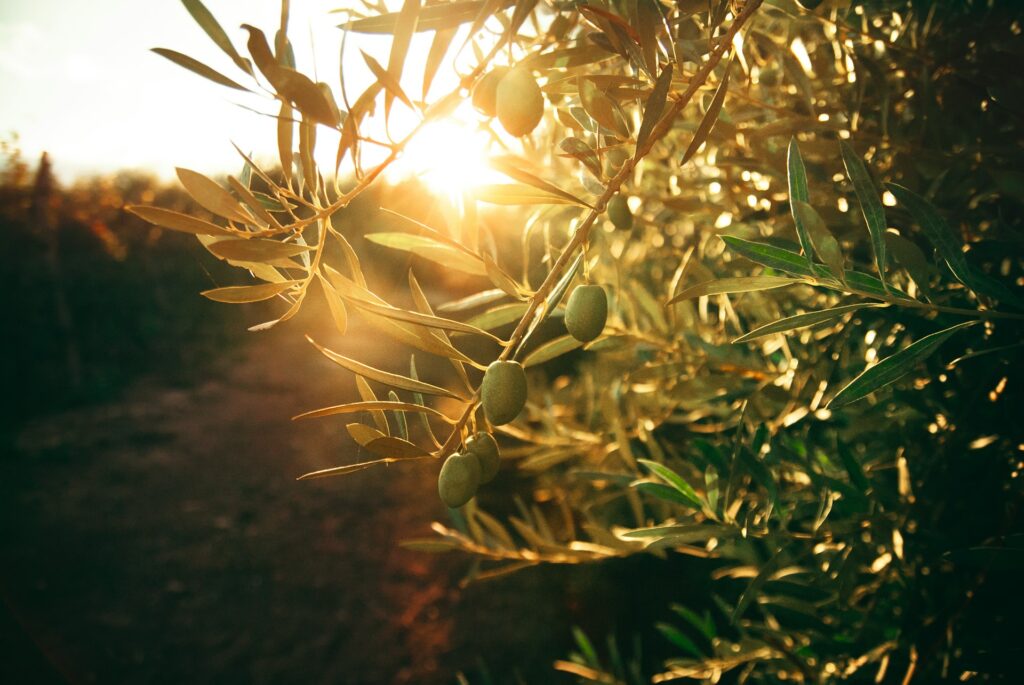
Once seen simply as crops, they’re now viewed as symbols of survival. These ancient trees are some of the toughest plants on Earth, capable of living through drought, heat, and poor soil. As climate change reshapes the landscape, the olive tree has become a reminder that resilience can still take root even when the ground looks bare. Here are ten reasons why olive trees are now seen as symbols of hope in a drying world.
They can survive extreme drought.
Olive trees are built for harsh conditions. Their deep roots reach water far below the surface, allowing them to survive months without rain. Even when their leaves turn grey and the soil cracks, the tree stays alive beneath the surface, waiting for better days. Their incredible strength has made them a natural emblem of endurance. In areas where other crops fail, the olive tree holds on, showing that life can persist even when the weather refuses to cooperate.
Their roots protect the soil.
Olive trees do more than grow fruit; they anchor the ground beneath them. Their widespread roots hold soil in place, preventing erosion on dry hillsides. This is especially important in countries where deforestation and heat are leaving slopes bare. By keeping the land stable, olive trees help stop desertification, a growing problem across southern Europe and North Africa. Each tree becomes part of a living defence system against further damage.
They thrive in poor soil where others fail.
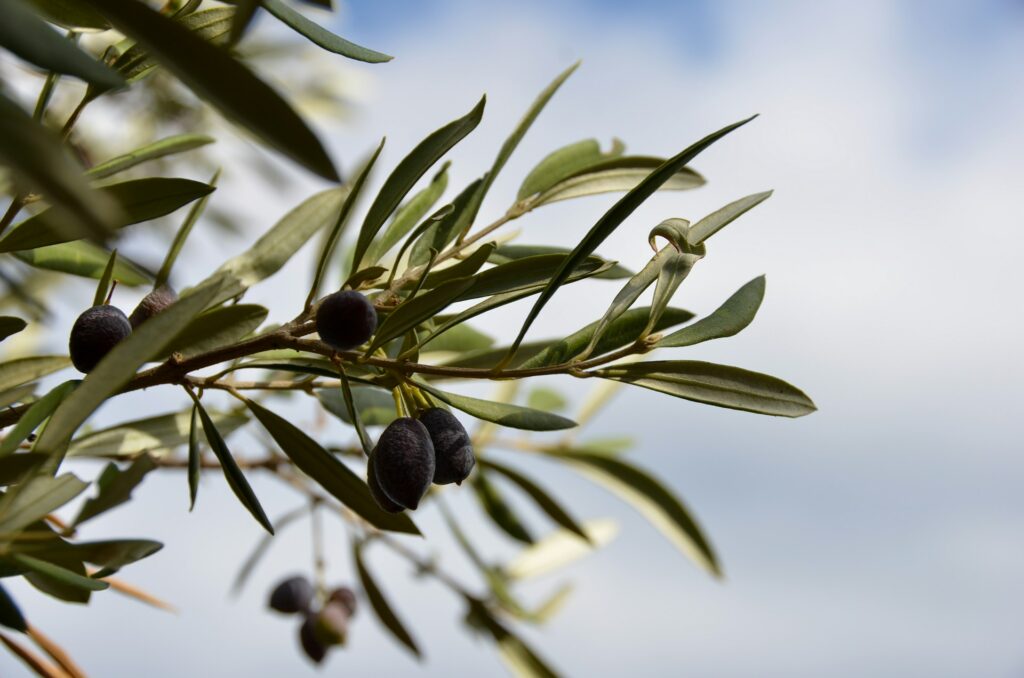
Many crops need rich, fertile earth, but olive trees can grow in rocky, nutrient-poor ground. This makes them ideal for regions struggling with declining soil quality. Farmers can still make a living without overworking the land. Because they don’t demand much, olive trees represent sustainability in its simplest form: working with nature rather than against it. They show how adapting to limits can still lead to abundance.
They can live for thousands of years.
Some olive trees have been alive since before the Roman Empire. Their lifespans often exceed a thousand years, with new shoots growing from ancient trunks, even after fires or storms. This remarkable longevity turns them into natural monuments of survival. To communities facing rapid environmental change, that kind of lifespan feels comforting. The trees act as a reminder that the world can heal and endure beyond the lifespan of one generation.
They provide food and income during hard times.
When other crops fail, olive trees keep producing. Even in poor harvest years, they yield enough fruit to make oil, which is one of the world’s most reliable food and trade products. This stability matters in areas hit by climate stress or economic uncertainty. For many rural families, the olive tree isn’t just a plant, but a livelihood that keeps going, no matter what the season brings. It symbolises security in a time when agriculture feels increasingly fragile.
Their grey-green leaves reflect heat.

Olive leaves have a unique shape and texture that help them survive blistering heat. Their silvery undersides reflect sunlight and reduce water loss, allowing the tree to stay cool and conserve energy in extreme weather. That built-in adaptation is one of the reasons the olive tree has become a symbol of harmony with nature. It shows how survival often depends on small, clever adjustments rather than force or resistance.
They regenerate after damage.
Even when burned in wildfires or cut back to stumps, olive trees can regrow from their roots. In regions like Greece and Spain, people have seen charred trunks sprout green shoots within months. This cycle of regrowth gives hope to communities recovering from disaster. It’s easy to understand why they’re now planted after fires or droughts. Each new branch represents renewal, and the promise that destruction is never the end of the story.
They connect cultures and generations.
Olive trees have been part of human life for thousands of years, symbolising peace, wisdom, and prosperity. Families often pass down groves for generations, keeping a link between the past and the future. In a changing climate, that continuity has taken on new importance. The trees remind people of what endures, grounding modern life in traditions that still make sense today.
They require little water compared to other crops.
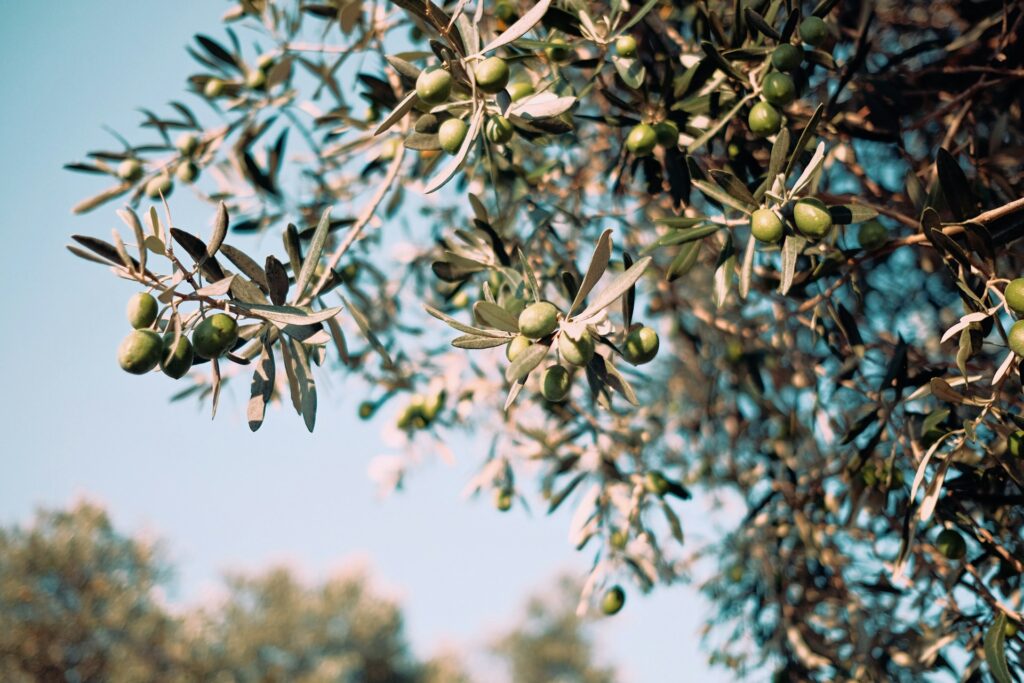
As droughts worsen, water-hungry crops are becoming less viable. Olive trees, however, can survive on rainfall alone once established. Their low water needs make them a sustainable option for dry regions trying to balance food production with conservation. Efficiency has made the olive tree a model for climate-friendly agriculture. It shows how farmers can adapt without abandoning productivity, turning scarcity into stability.
They stand as living symbols of hope.
In art, religion, and daily life, the olive tree has always stood for peace and endurance. Today, it carries a new meaning: one tied to survival in the face of environmental change. When people see those twisted trunks still bearing fruit in cracked, dry soil, they see resilience in action. It’s no wonder that replanting olive groves has become a quiet act of optimism. Every new tree represents not just the chance of harvest, but the belief that life will keep finding a way to grow, no matter how dry the ground becomes.