Rainbows always feel a bit magical, even when you know there’s science behind them.
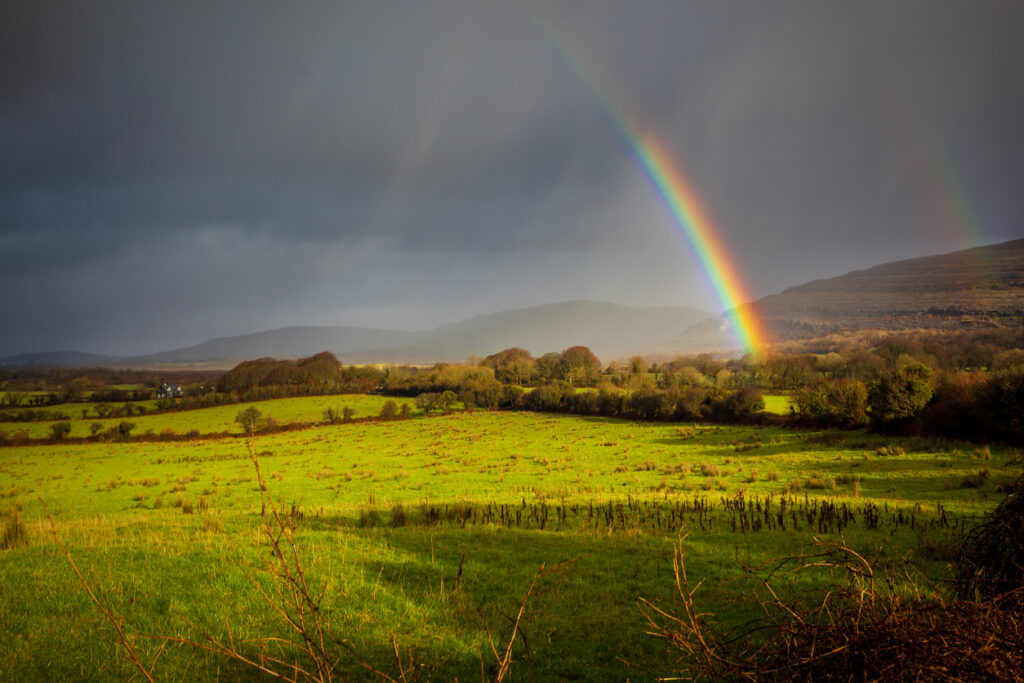
You step outside after a downpour, everything smells fresh, the sky starts to clear and suddenly, there’s a bright arc of colour sitting above you like it’s been painted there. It’s one of those moments that makes you pause, no matter how busy you are because it feels rare and perfectly timed.
What people often forget is that you need very specific conditions for a rainbow to appear. The sun has to be in the right place, the light has to travel through the right kind of raindrops, and your position in relation to all of it matters more than you think. Once you understand how those pieces fit together, you realise rainbows aren’t random at all. They’re just the outcome of a neat bit of nature doing what it always does when the conditions line up.
Sunlight has many colours hidden inside it.

Even though sunlight looks white, it’s actually made of all the colours we see in a rainbow. These colours stay blended together until something separates them. Rain gives the perfect chance for this to happen. When light enters a raindrop, the colours spread out because each colour bends a little differently. That’s the start of a rainbow forming.
Raindrops act like tiny prisms.
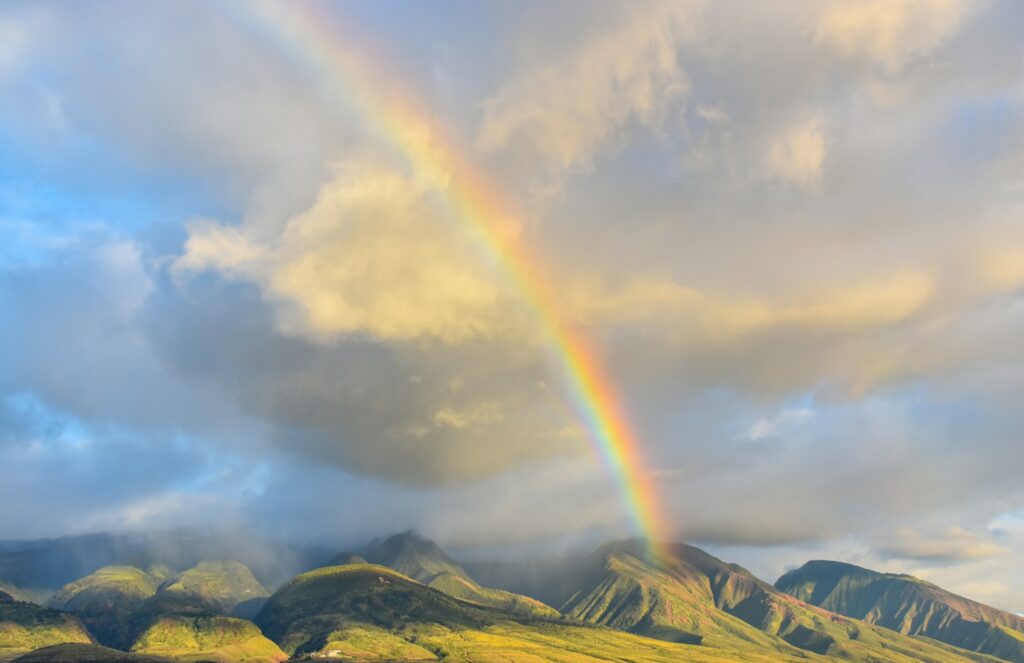
A raindrop bends light in the same way a glass prism does. Light enters the drop, bends, reflects off the inside and bends again as it leaves. This bending spreads the colours out into the seven we recognise. We only see the rainbow when enough drops reflect the same colours toward our eyes at the same angle.
You need sunlight behind you.
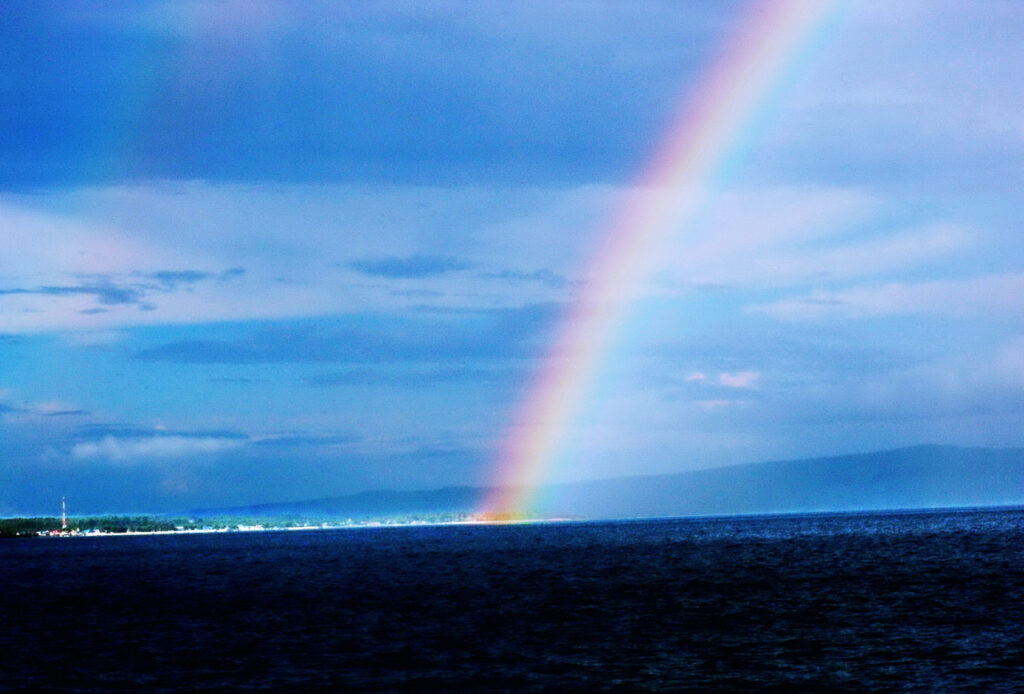
Rainbows only appear when the sun is behind you and the rain is in front of you. This angle lets the light reflect inside the drops and travel straight back to your eyes. If the sun is too high or too far to one side, the rainbow won’t appear because the angle isn’t right for the colours to reach you.
Rain in the air helps scatter the light.

After rain, the air holds millions of droplets, and each one helps break up the sunlight a little more. The more drops there are, the clearer the rainbow looks. If the rain is too heavy or too light, the rainbow can look faint or not appear at all because the light doesn’t spread properly.
The sun needs to be low in the sky.
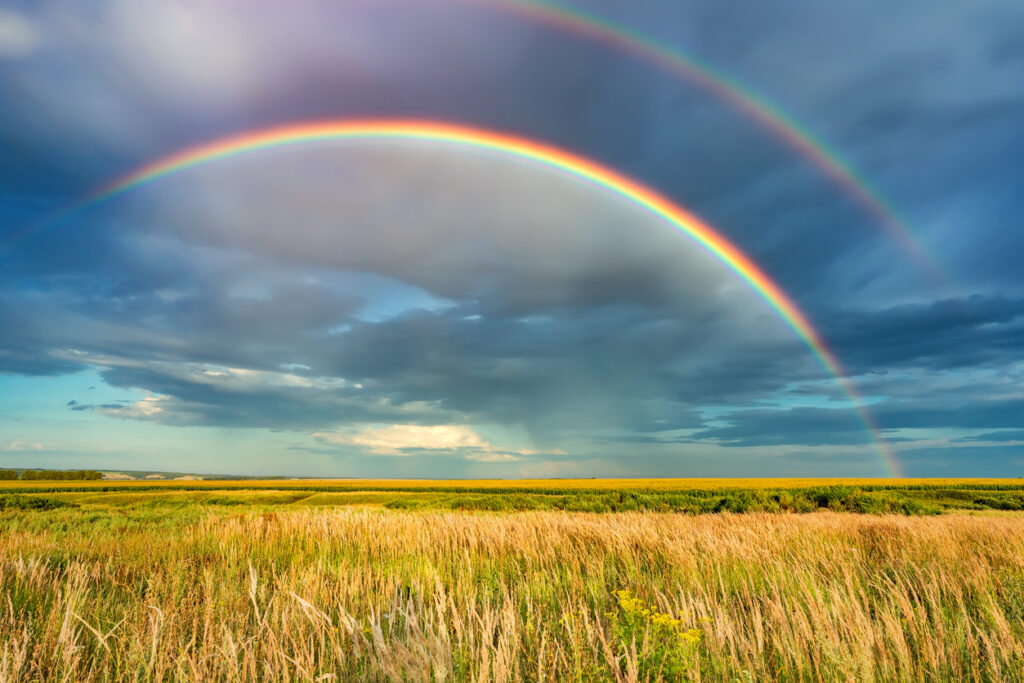
Rainbows are easiest to see when the sun is early in the morning or late in the afternoon. This is when the sunlight hits the raindrops at the perfect height for the colours to reflect back to us. When the sun is high, the rainbow sits too low or disappears altogether because the light can’t bend toward your eyes in the same way.
Each raindrop sends only one colour to your eyes.
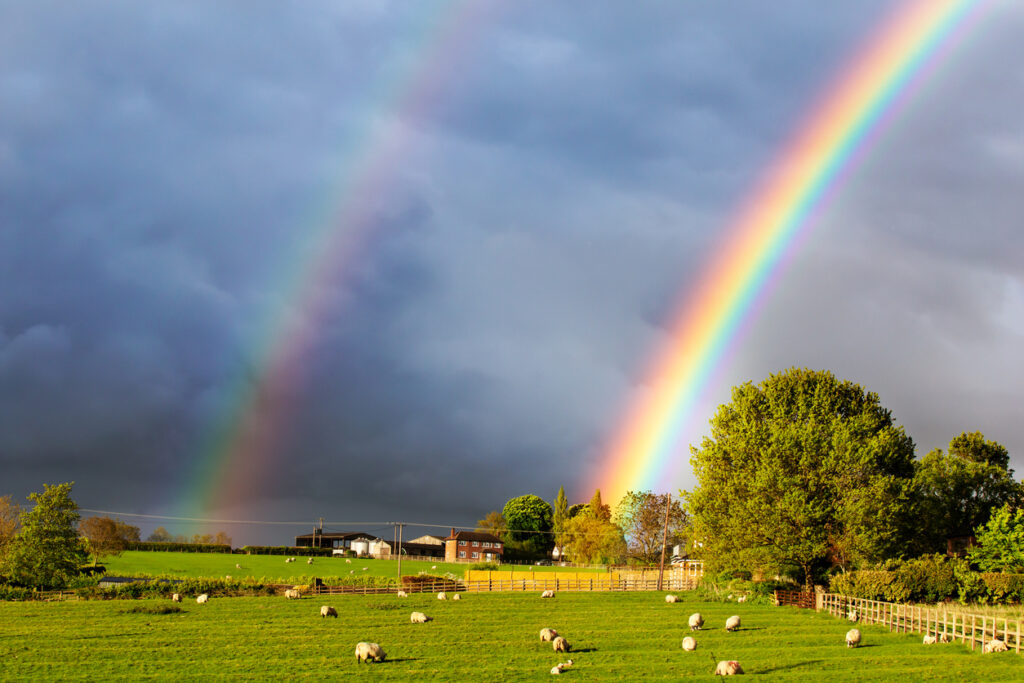
Even though a raindrop splits the light into many colours, you only see one colour from each drop. That’s why a full rainbow needs many raindrops lined up together. Each drop sends a different colour to you depending on the angle, and all those drops together form the full arc.
The curve of a rainbow is caused by angles.
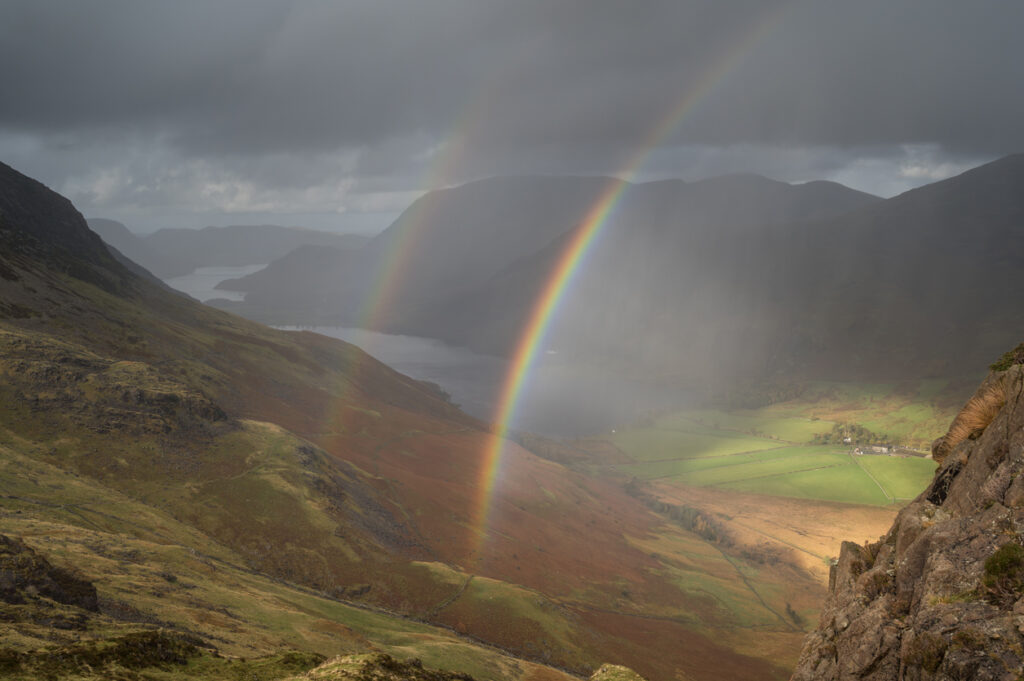
A rainbow looks curved because only drops at a certain angle reflect the right colours back to us. These drops form a circle shape, but we usually only see the top half. If you were in an aeroplane, you could sometimes see a full circle rainbow because nothing blocks the bottom half.
The sky behind the rainbow affects how bright it looks.
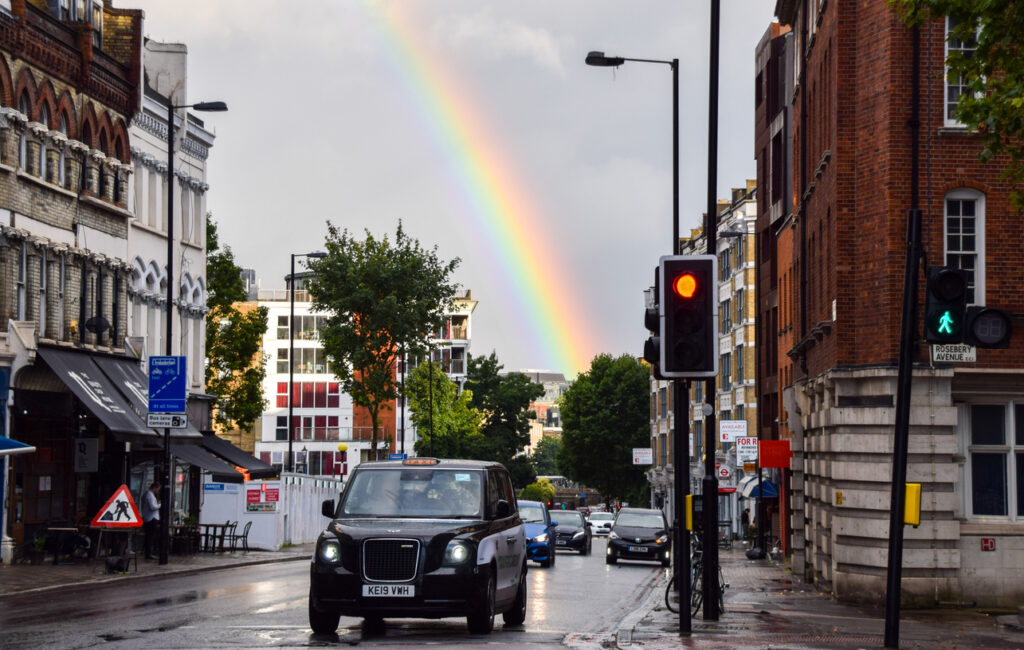
A rainbow stands out more when the sky behind it is dark or grey. The contrast makes the colours look stronger and easier to see. When the sky is bright, the rainbow can look faded because the background light washes it out. In other words, the duller it is, the better (at least when it comes to rainbow-spotting).
Double rainbows happen when light bounces twice.
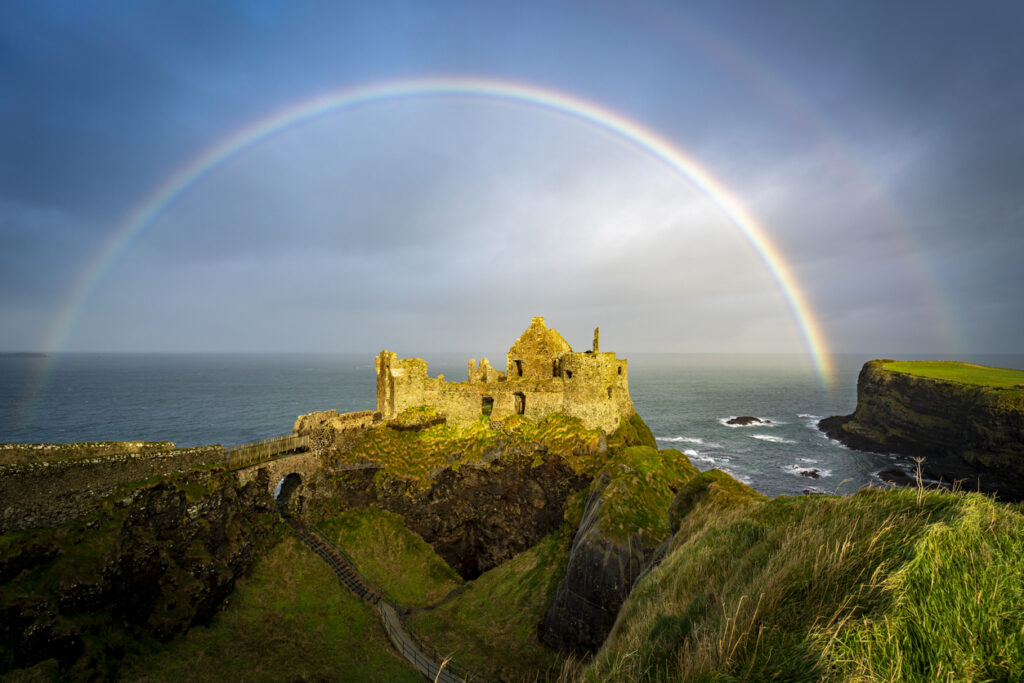
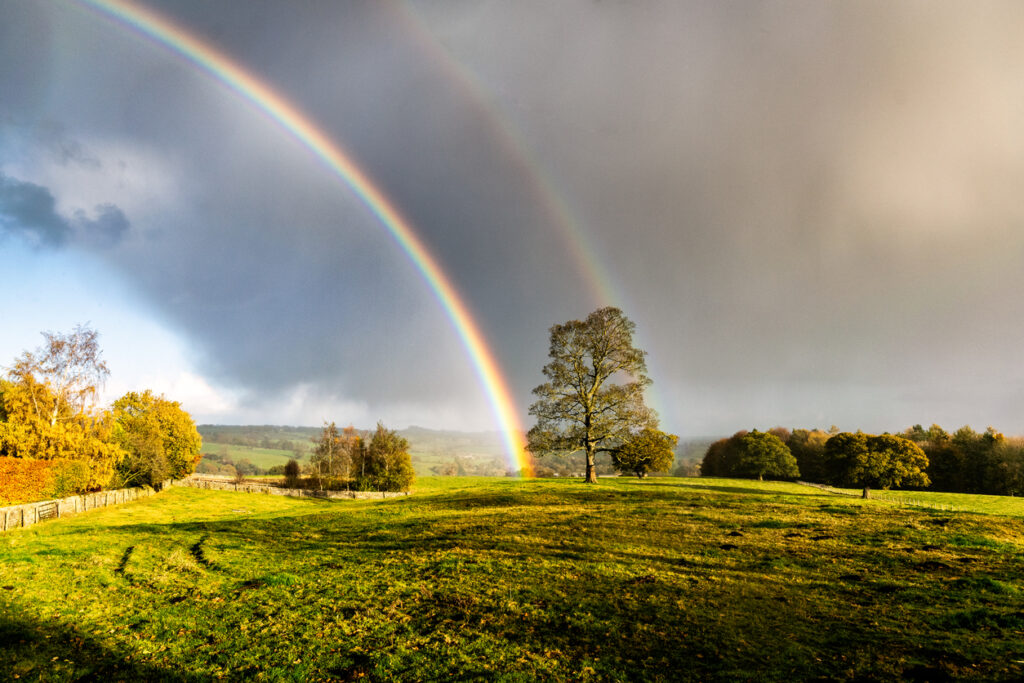
Sometimes the light inside a drop reflects twice before it leaves. This creates a second rainbow above the first one. It’s always fainter because the extra bounce spreads the light more. The second rainbow has its colours in reverse order because the extra reflection flips the pattern.
The size of raindrops changes the colours.
Larger raindrops make rainbows sharper and brighter because they bend light more cleanly. Smaller drops create softer, blurrier rainbows that can be harder to spot. This is why you might see a very bright rainbow after a quick shower, but barely see one during fine misty rain.
Rainbows appear in the opposite direction to the sun.

If you ever lose sight of a rainbow, just turn your back to the sun. The rainbow always appears in the section of sky facing away from it. That’s because the light has to travel through the drops in front of you and reflect back toward your eyes.
Not everyone sees the same rainbow.
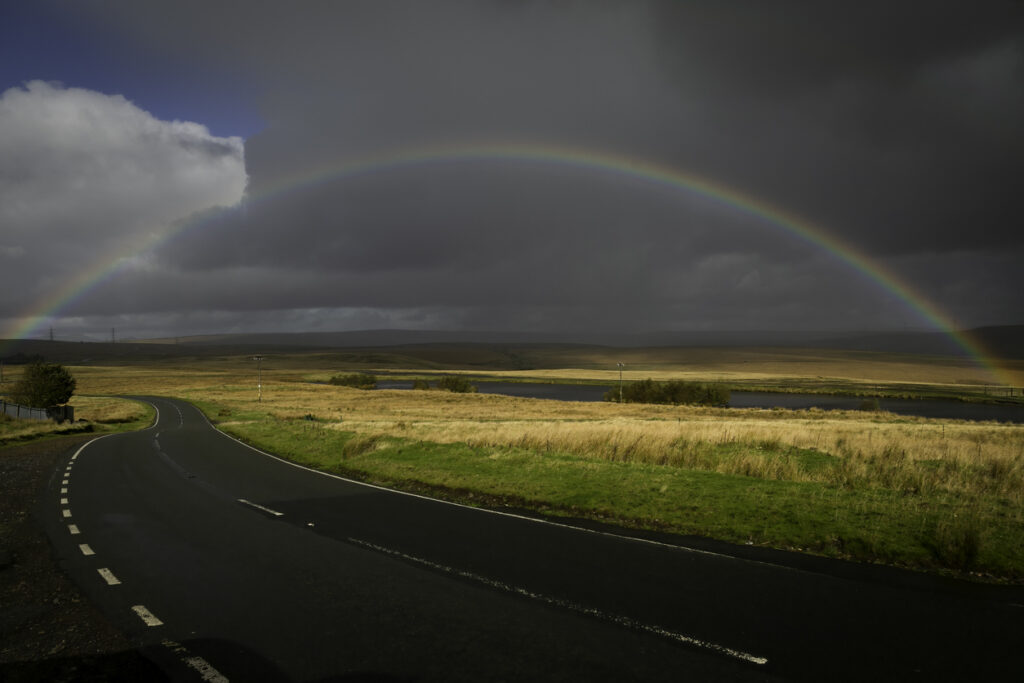
Every person sees a rainbow from a slightly different angle because each pair of eyes catches light from different raindrops. So even when two people stand side by side, they’re not looking at the exact same set of drops. This means every rainbow is personal to the viewer, shaped by the angle of light and where they’re standing. Pretty amazing, don’t you think?
Mist and spray can create smaller rainbows.
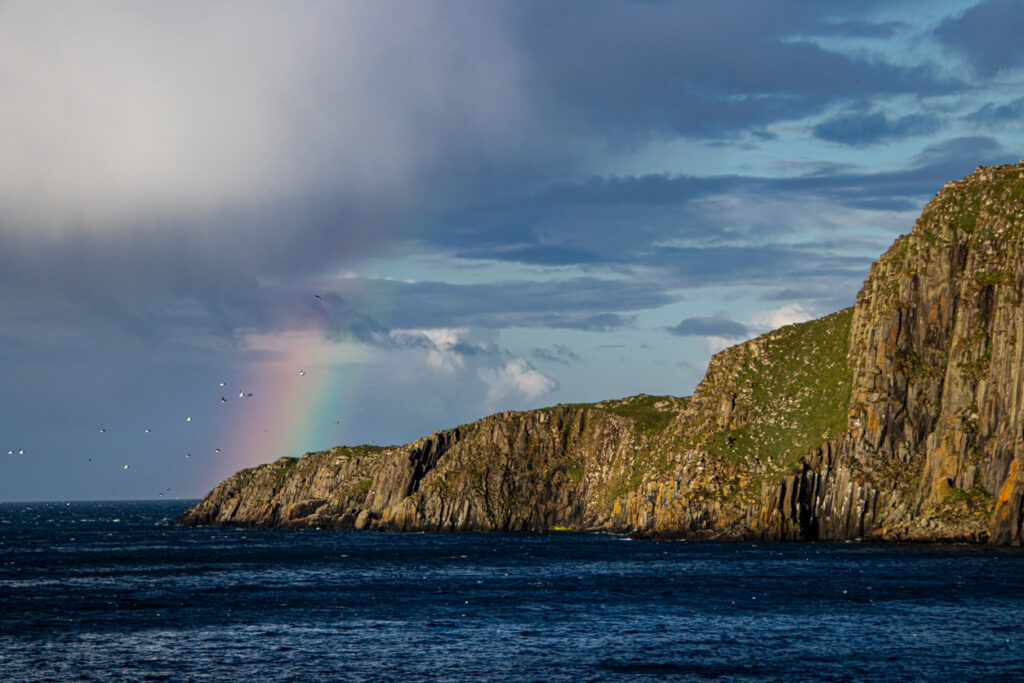
You don’t need full rain to get a rainbow. Mist from waterfalls, fountains, or even garden hoses can bend light in the same way. The drops are smaller, so the rainbow often looks tighter and closer. These mini rainbows follow the same rules as the big ones in the sky. As long as you have sunlight and droplets, the colours can appear.
You can’t reach the end of a rainbow.
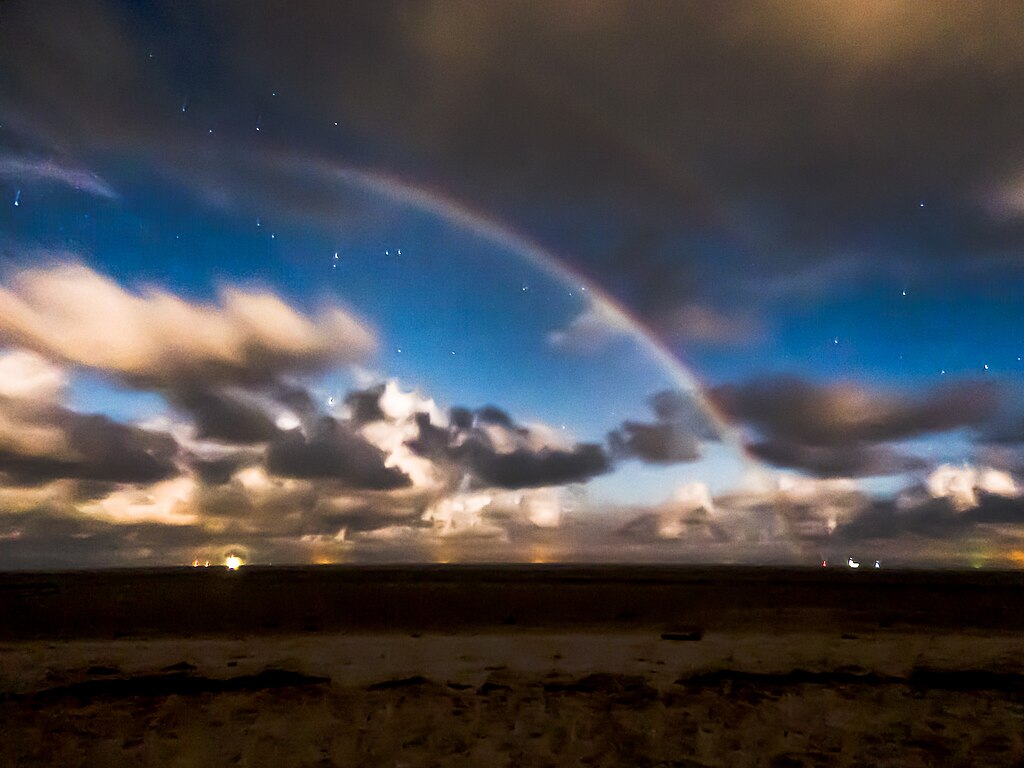
A rainbow isn’t a real object, so it doesn’t have a physical end. It moves with you because it depends on your position and the angle of the light. No matter how far you walk, the rainbow stays the same distance away because it only exists from your viewpoint.