When we picture a beautiful garden, bright sunshine usually accompanies it, but some flowers are at their peak when the sun goes down.

They stay closed all day, then open once the light drops, almost like they’re waiting for the rest of the world to wind down before they appear. It gives night gardens a totally different feel, and you notice details you’d miss during the day.
These plants are easy to overlook unless you know when to watch for them, and that makes them even more interesting. Some open slowly, some all at once, and each has its own rhythm after sunset. Here are a few of the most striking night-bloomers.
1. Night-blooming cereus is properly dramatic about its timing.

Most flowers open gradually over hours or even days, slowly unfurling their petals as the sun moves across the sky. They take their time about blooming and stay open for ages, giving everyone plenty of opportunity to appreciate them.
The night-blooming cereus opens in a matter of hours once darkness falls and then closes forever by morning, never to open again. Each massive white flower gets one single night of glory before it’s done, making the whole event feel special and slightly ridiculous. People literally host viewing parties to watch these flowers bloom because missing it means waiting ages for the next one.
2. Evening primrose isn’t actually that posh despite the name.
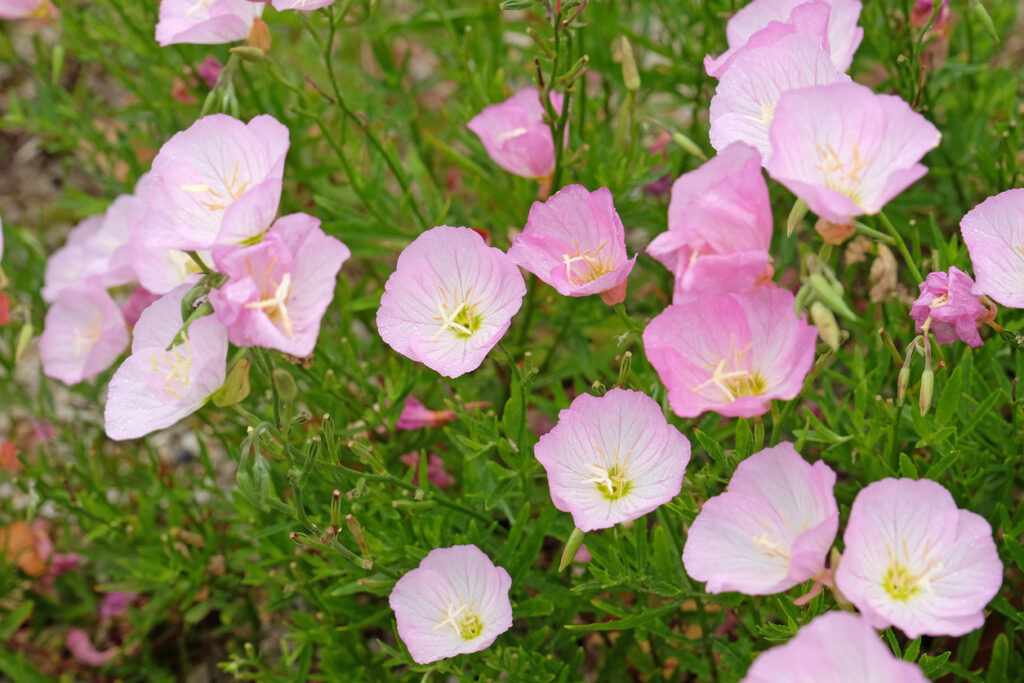
When people hear “evening primrose,” they probably imagine some delicate, fancy garden flower that needs loads of attention and special conditions. They think of something you’d find in expensive botanical gardens rather than growing wild by the roadside.
Evening primrose is basically a weed that grows absolutely everywhere and couldn’t care less about soil quality or garden maintenance. The bright yellow flowers pop open around dusk and stay open through the night, attracting moths with their lovely scent. It’s so common in Britain that people don’t even realise those cheerful yellow blooms along paths and wasteland are actually night bloomers.
3. Moonflowers are massive and smell absolutely gorgeous.

Most night-blooming flowers are probably quite small and subtle, doing their thing quietly without much fanfare. People assume that flowers blooming in darkness wouldn’t bother being particularly showy, since nobody’s really around to see them anyway.
Moonflowers produce enormous white blooms that can be six inches across, unfurling dramatically as evening arrives. They release this incredible sweet fragrance that fills entire gardens, making sure moths can find them from miles away. The sheer size and smell of these flowers makes them anything but subtle or shy about their nighttime display.
4. Night phlox smells better than it looks.

When people think about attractive flowers, they’re usually focused on visual appeal, like bright colours and interesting shapes. They judge flowers primarily on how pretty they look, rather than considering other qualities like scent or timing.
Night phlox has fairly underwhelming small white flowers that don’t look particularly special during the day when they’re closed. But come evening, they open up and release this absolutely beautiful almond-honey scent that’s ridiculously strong. The plant has clearly put all its effort into smell rather than appearance, knowing its pollinator audience works the night shift.
5. Four o’clocks are charmingly literal about their name.

Most flower names are poetic or based on appearance rather than being straightforward descriptions of behaviour. People expect botanical names to be fancy Latin words or references to mythology, rather than just stating exactly what the plant does.
Four o’clocks literally open around four in the afternoon and stay open through the night, closing again by morning. They’re ridiculously punctual about it, too, like they’ve got tiny watches buried in their petals. The flowers come in loads of brilliant colours and have a lovely scent, making them proper showoffs for the late afternoon and evening crowd.
6. Night-scented stock looks absolutely rubbish but smells amazing.

Garden centres usually sell plants based on how gorgeous they look, with big colourful displays that catch your eye immediately. People choose flowers that will make their gardens look stunning during the day when they’re actually outside enjoying them.
Night-scented stock is so visually boring that it’s almost laughable, with tiny dull flowers that look half dead during daylight hours. But plant it near windows or seating areas, and you’ll understand why people bother because the evening fragrance is absolutely incredible. It’s like the plant is playing a trick, looking completely unappealing until darkness falls, and it suddenly becomes the star of the garden.
7. Nottingham catchfly has a properly British name and habit.

Exotic night-blooming flowers are usually from tropical places with romantic origins and dramatic backstories. People assume that plants with interesting nocturnal habits must come from far-flung locations rather than being native to ordinary British countryside.
Nottingham catchfly is a native British wildflower that’s been blooming at night in this country for ages. The white or pink flowers open around dusk and close by mid-morning, releasing a lovely clove-like scent overnight. It’s becoming quite rare now, but you can still find it on limestone rocks and old walls if you know where to look after dark.
8. Dragon fruit flowers are absolutely massive one-night wonders.
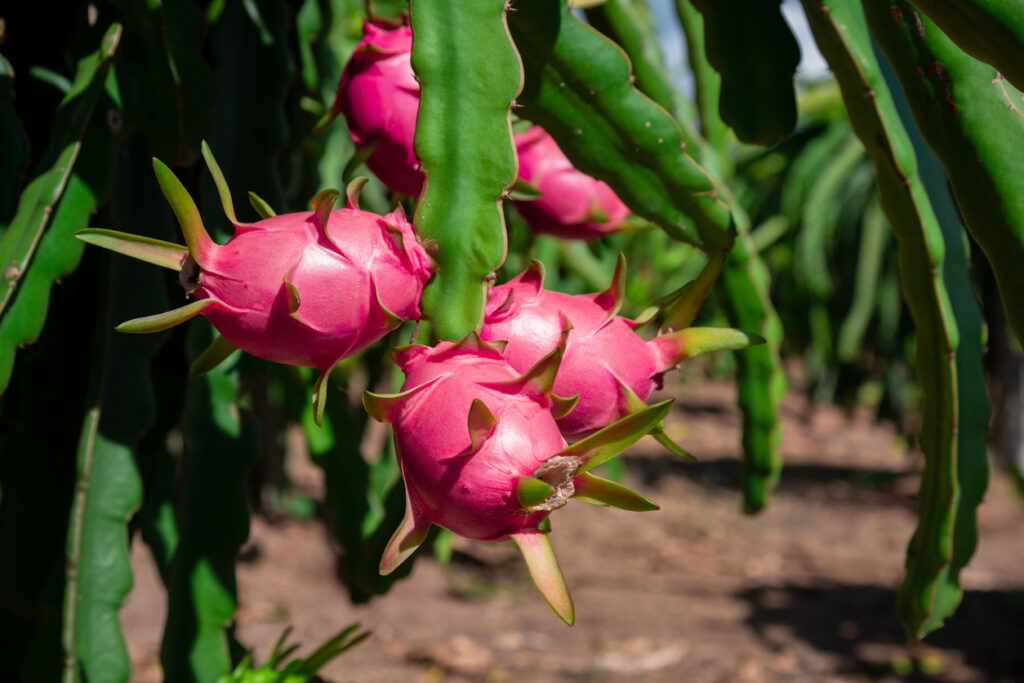
Most people only know dragon fruit from the supermarket and have never considered what the plant looks like or how it flowers. They probably imagine something tropical and colourful blooming away in sunshine to produce those weird pink fruits.
Dragon fruit plants produce these absolutely enormous white flowers that only open for a single night before dying, measuring up to 30 centimetres across. The whole performance is ridiculously extravagant for something that lasts mere hours, with the flowers being far more spectacular than the actual fruit. If you grow dragon fruit at home, you basically have to stay up late or set alarms to even see the blooms.
9. Night-blooming jasmine isn’t actually jasmine at all.
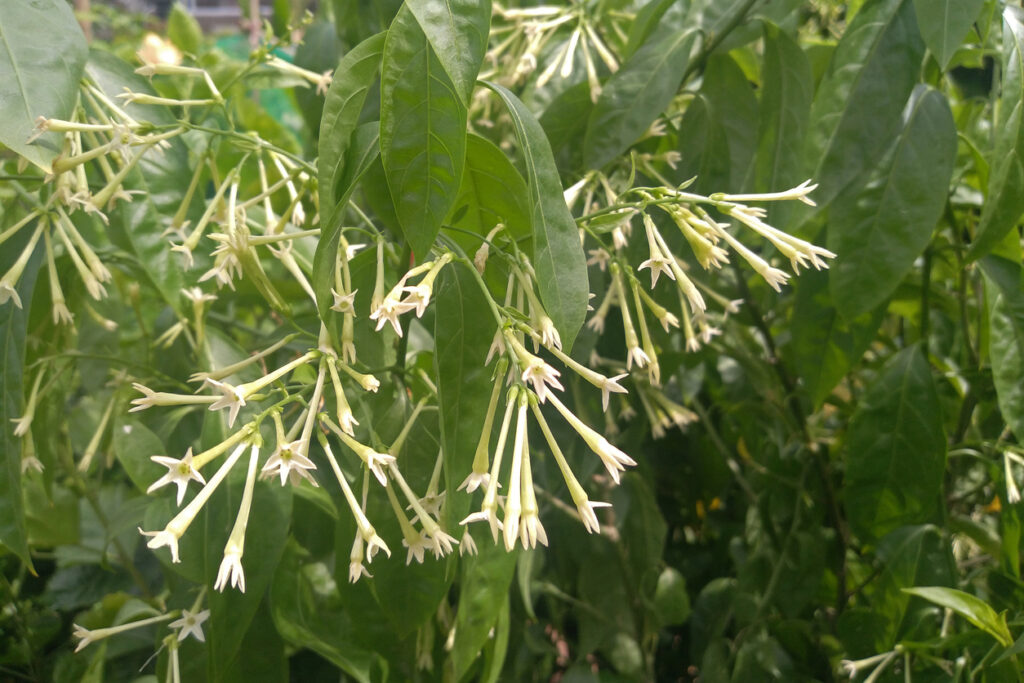
When people hear about night-blooming jasmine, they probably imagine proper jasmine that happens to flower at night. They assume it’s just a variety of the jasmine they already know, perhaps with slightly different timing.
Night-blooming jasmine is a completely different plant that just borrowed the name because it smells lovely. The small greenish-white flowers are pretty unremarkable to look at but produce this incredibly strong sweet fragrance after dark that can fill entire neighbourhoods. In warm countries, people often plant it near bedrooms so the scent drifts through windows, though some find it too overpowering.
10. These flowers evolved for moths, not morning people.

People often don’t think about why flowers bloom when they do, assuming it’s just random timing or perhaps related to temperature and light. They don’t usually consider that flowering times are actually carefully evolved strategies for attracting specific pollinators.
Night-blooming flowers specifically evolved to attract moths and other nocturnal insects, rather than competing with thousands of other flowers for daytime pollinators like bees. They’ve developed pale colours that show up in moonlight, strong scents that travel on night air, and nectar that appeals to moth tastes. It’s a whole different pollination strategy that’s just as successful as the daytime approach, just with a completely different customer base.