Cats make that low, steady purr that most people take as a clear sign of contentment, but it might not be so simple.

You hear it when they’re curled up on the sofa, half-asleep and comfortable, yet you’ll also hear it in moments that don’t fit the typical cosy picture. The sound is soothing and familiar, which is why the full meaning behind it often goes unexamined.
There’s actually a lot going on when a cat starts purring, and some of it has little to do with pure enjoyment. Cats use this sound in a range of situations, and understanding those contexts can give you a clearer sense of what they’re trying to tell you. Once you know the possibilities, the behaviour becomes even more intriguing, and you start paying attention in a completely new way.
Scientists only recently figured out how cats actually purr.

For decades, researchers believed cats purr by rapidly contracting muscles in their voice box about 30 times per second. A 2023 study changed everything. Scientists discovered special fatty pads in cats’ vocal cords that vibrate at low frequencies without any muscle effort.
Purring happens almost automatically once a cat’s brain sends the starting signal. The pads work like human “vocal fry.” This explains how small animals produce sounds usually only heard from much larger creatures.
Kittens are born blind and deaf, but can purr within days.
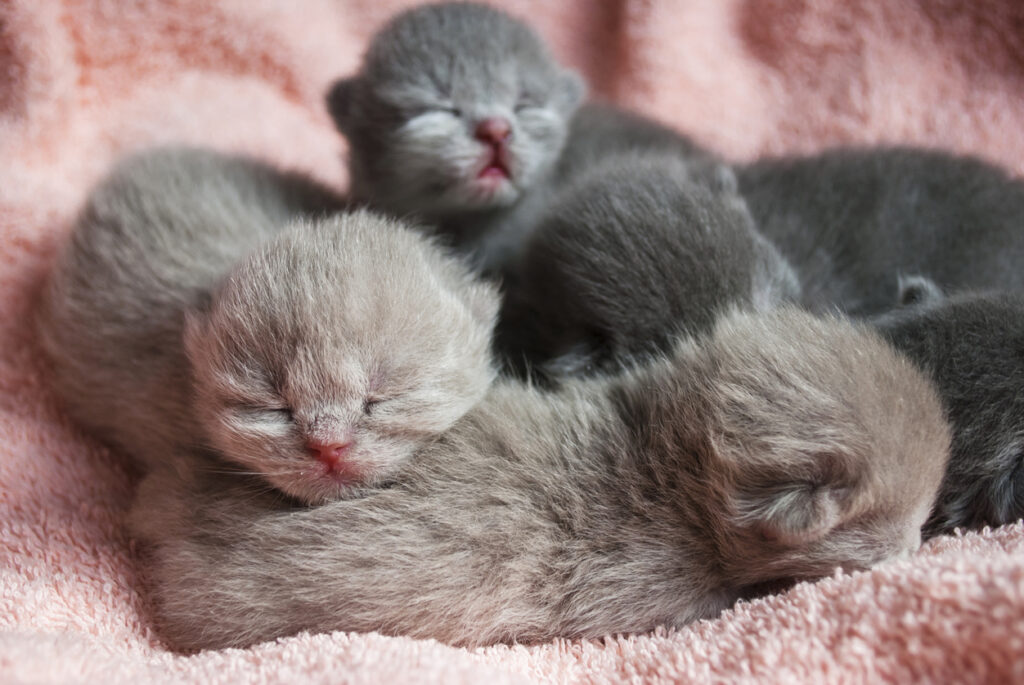
Newborn kittens can’t see or hear anything. Their eyes stay sealed for about 10 days, and their ear canals remain closed even longer. However, they start purring just days after birth as their first form of communication.
Mother cats purr back, creating a vibration kittens can feel even when they can’t hear. This helps blind, deaf newborns locate their mother for feeding. Purring evolved as a survival tool before it became the contented sound we love.
Your cat is manipulating you with a hidden baby cry.
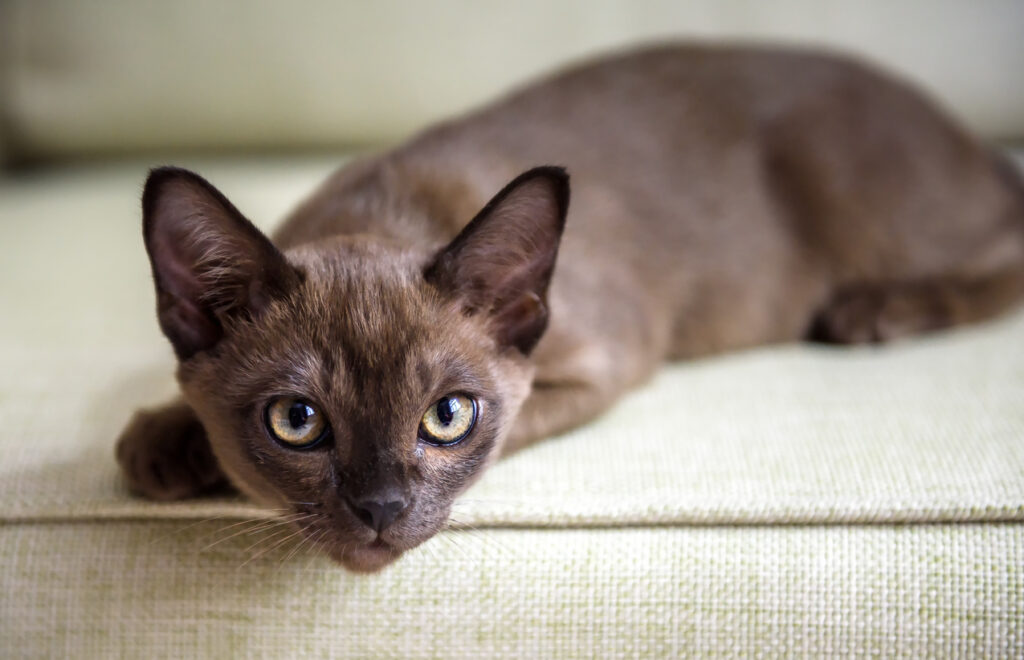
Research from the University of Sussex revealed something sneaky. Hidden inside the purr cats use when demanding food is a high-pitched sound remarkably similar to a crying human baby.
Their “solicitation purr” taps directly into your brain’s response to infant distress. Even people who never owned cats rated these food-demanding purrs as urgent and impossible to ignore. Your cat has learned to exploit your parenting instincts.
Cats purr when they’re stressed or frightened.

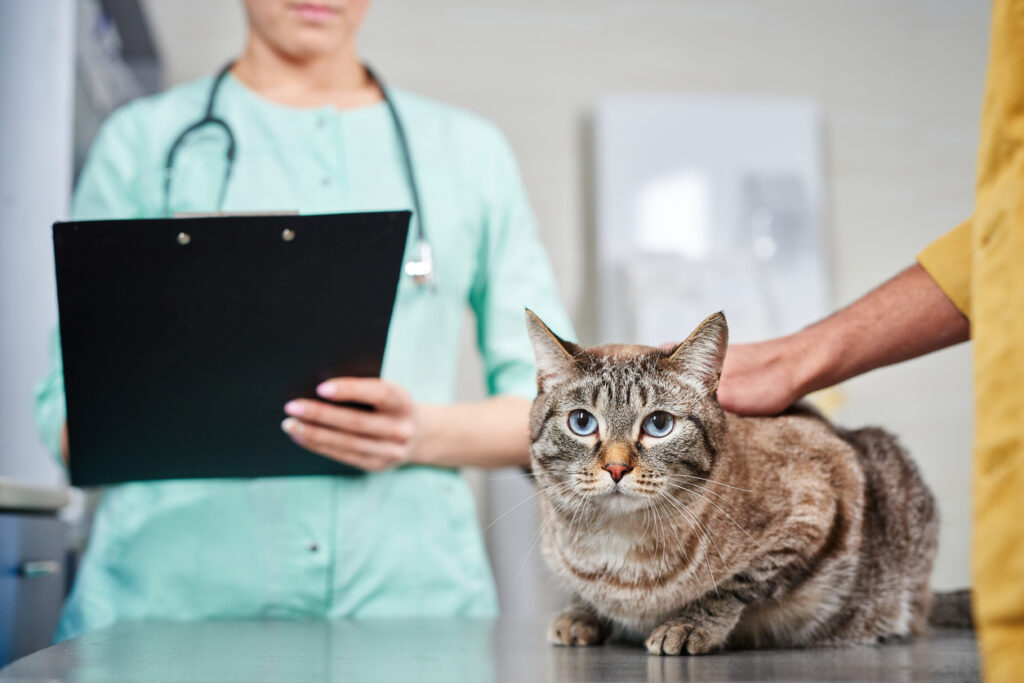
Many people assume purring always means happiness, but vets regularly hear cats purring during stressful examinations. A cat might purr loudly while showing clear signs of fear, like flattened ears and dilated pupils.
Stressed cats use purring as a self-soothing mechanism. The rhythmic vibrations help regulate breathing and heart rate, calming them in frightening situations. It works like a human humming to themselves when anxious.
Injured cats purr to heal themselves.

Cats purr at frequencies between 25 and 150 Hz, the exact range that promotes tissue healing and bone regeneration in medical research. Scientists believe cats evolved purring partly as a low-energy way to maintain their bodies.
Cats sleep up to 16 hours daily, which normally causes muscle and bone problems from inactivity. Purring vibrations may keep their bones and muscles healthy during rest. It’s basically built-in physiotherapy that runs while they nap.
Some cats purr while they’re dying.
Cats have been observed purring during their final moments. Researchers believe purring releases endorphins, the body’s natural painkillers. A dying cat may use this to ease discomfort and find calm.
Some experts think dying cats might purr as a final act of communication with their humans. Others believe it represents trying one last time to trigger the healing response. A purring dying cat is likely seeking comfort.
Mother cats purr during labour.
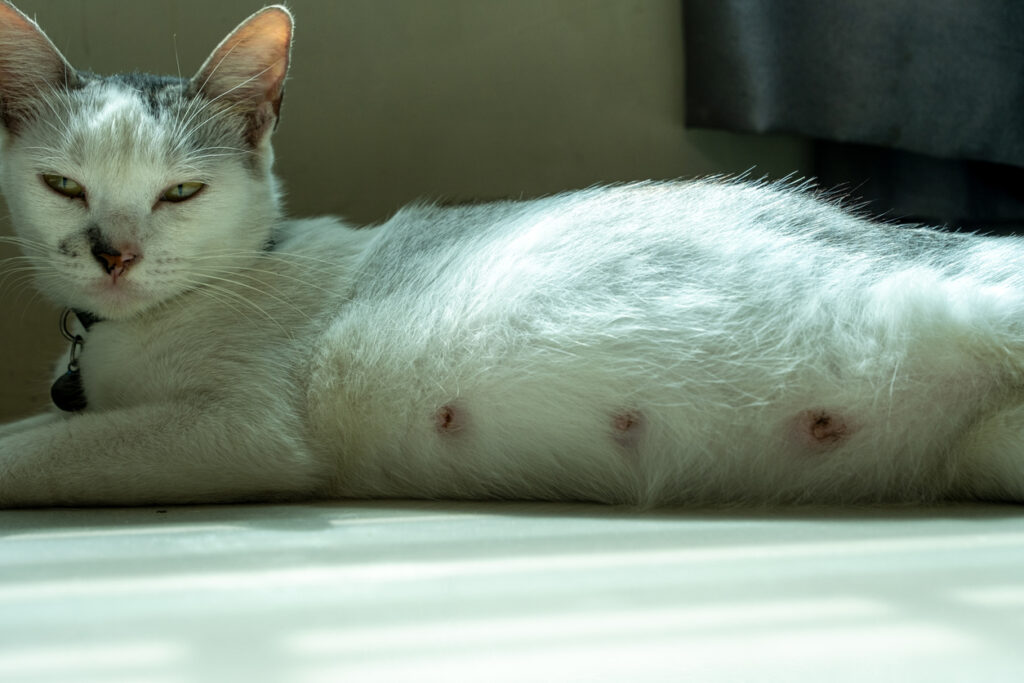
Giving birth is painful, yet many mother cats purr throughout the process. The purring helps regulate breathing and may reduce pain through endorphin-releasing vibrations.
Once kittens arrive, the mother’s purring becomes a homing signal. The vibrations travel through her body, helping blind and deaf newborns locate her for their first feed. From the very start of life, purring is about survival.
A gene controls how much your cat purrs.
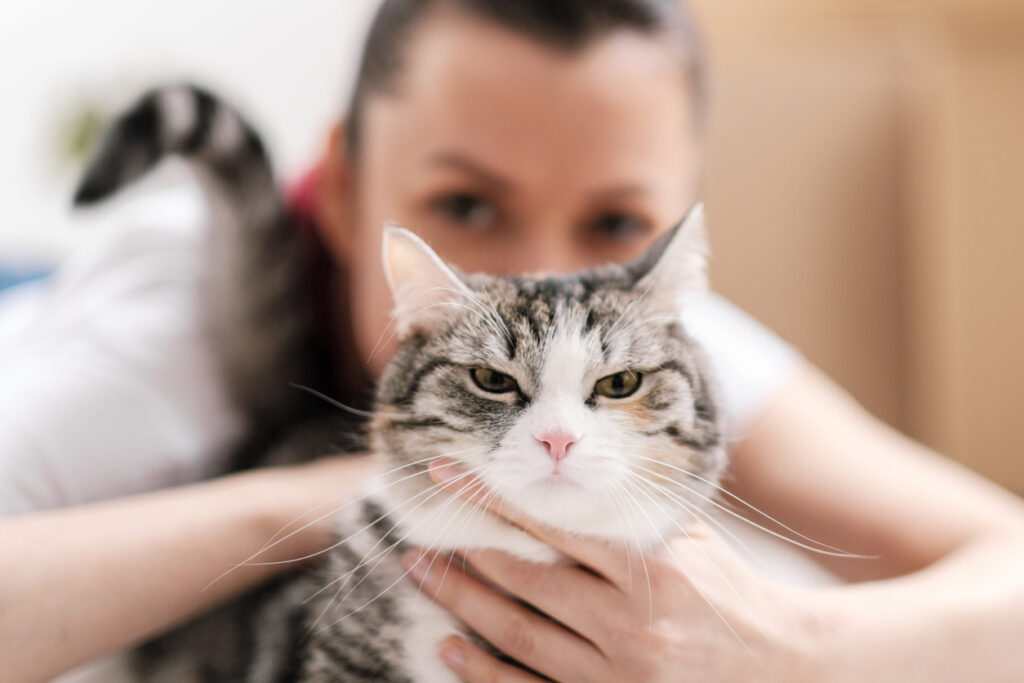
A 2025 study found cats with a “short-type” androgen receptor gene purr significantly more than those with the “long-type” version. This explains why some cats are chatty purr machines while others stay quiet.
Pedigree cats more often carry the quieter gene than mixed breeds. Cats raised by humans didn’t need to rely as heavily on vocal communication, allowing the quieter gene to spread through breeding programmes.
A stressed purr sounds different from a happy purr.
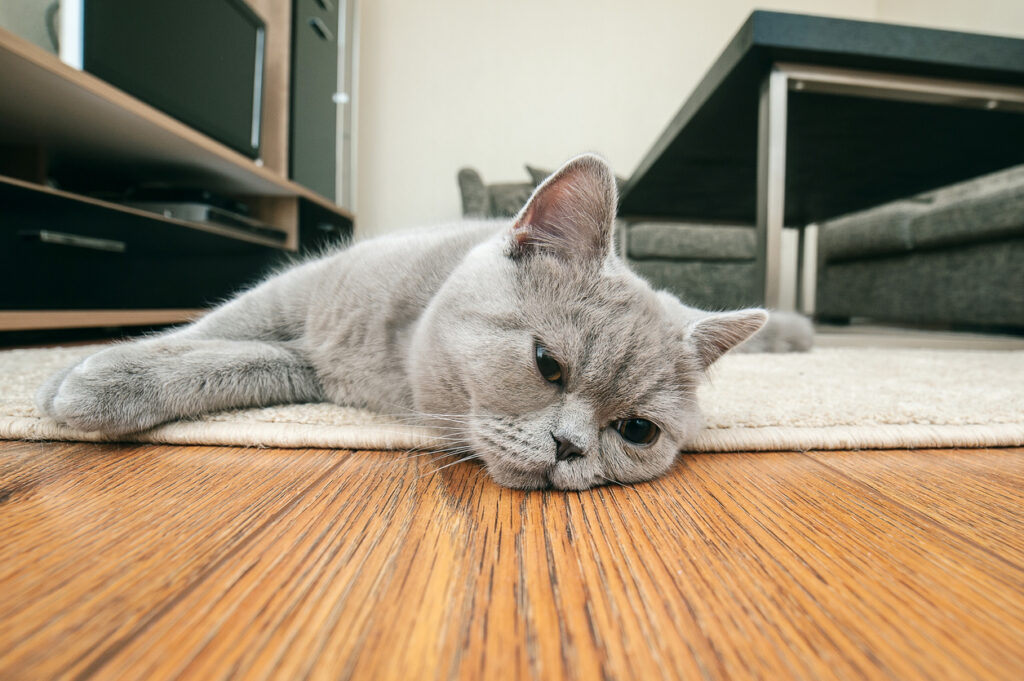
Experts have identified distinct differences between purrs made in different emotional states. A content cat produces a lower-pitched, steadier purr. A stressed or demanding cat creates a higher-pitched purr with more variation.
Happy purring seems automatic and unconscious. Stress or food-demand purring appears more deliberate. Learning to tell the difference helps you understand what your cat actually needs in any moment.
Purring may lower your blood pressure.
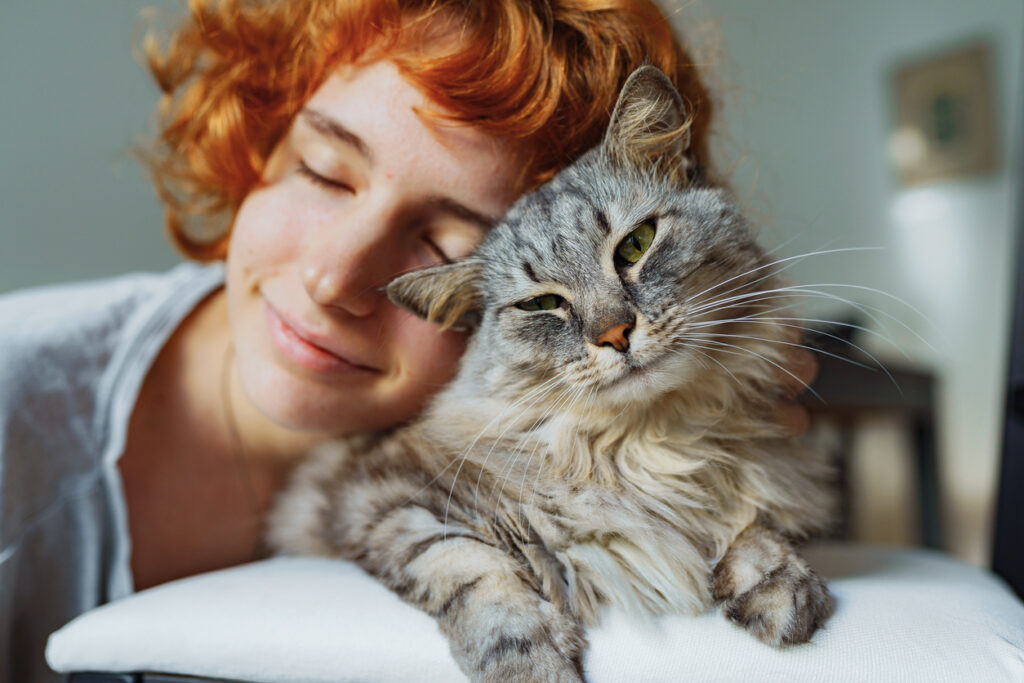
The health benefits flow both ways. Studies suggest cat purring reduces stress hormones in humans. The low-frequency vibrations trigger oxytocin release, the bonding hormone creating calm and connection.
Cat owners have a 40% lower risk of heart attack compared to non-owners. The specific frequency of purring may offer something beyond general pet ownership benefits. Those vibrations might actually be therapeutic.
Not all cats purr at the same frequency.
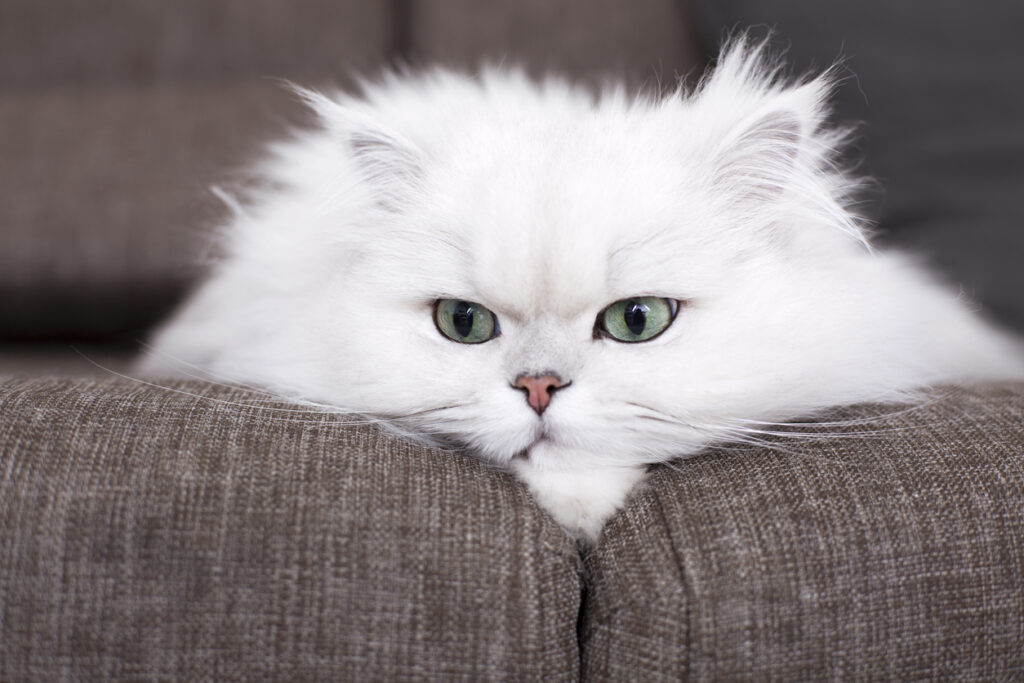
Domestic cats typically purr between 20 and 30 Hz, but there is considerable variation. Cheetahs purr at similar frequencies despite being much larger, suggesting the mechanism is consistent across species.
What changes more is intensity and duration. Some cats purr so quietly you barely hear it, while others rattle windows. Volume depends on how strongly the cat is communicating rather than body size.
Big cats can’t purr and roar at the same time.
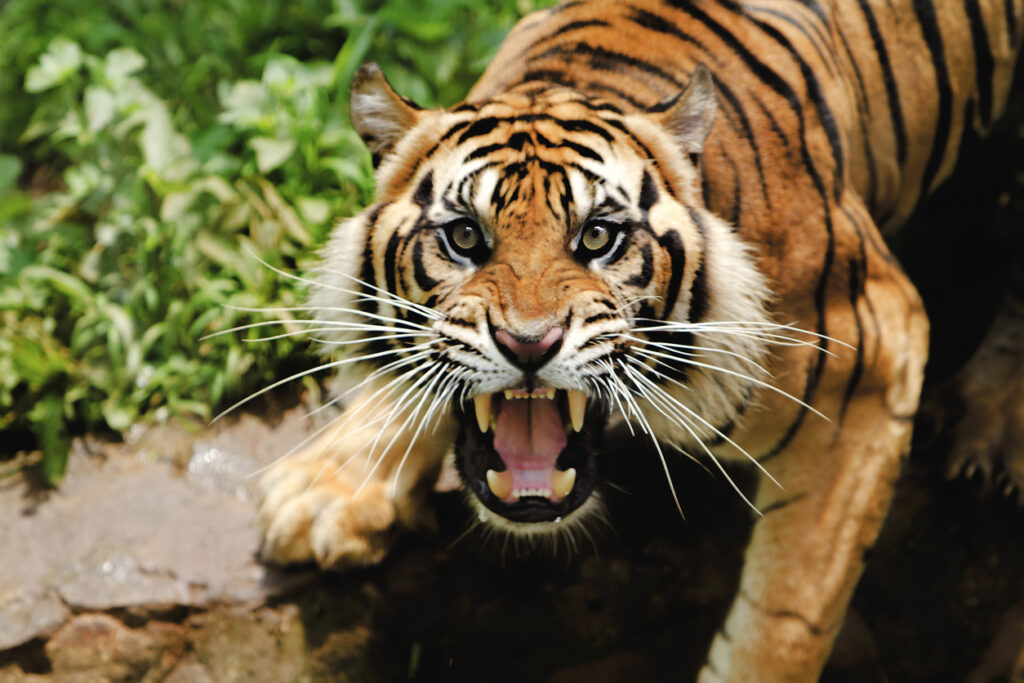
Lions, tigers, jaguars, and leopards produce impressive roars but can’t purr. This comes down to anatomy. Roaring cats have a flexible hyoid bone, enabling deep roars but preventing rapid vibrations needed for purring.
Smaller cats have a fully hardened hyoid bone, allowing purring but making roaring impossible. Evolution basically gave cats a choice between two different vocal superpowers. You can’t have both.
Cats with close human relationships purr more manipulatively.
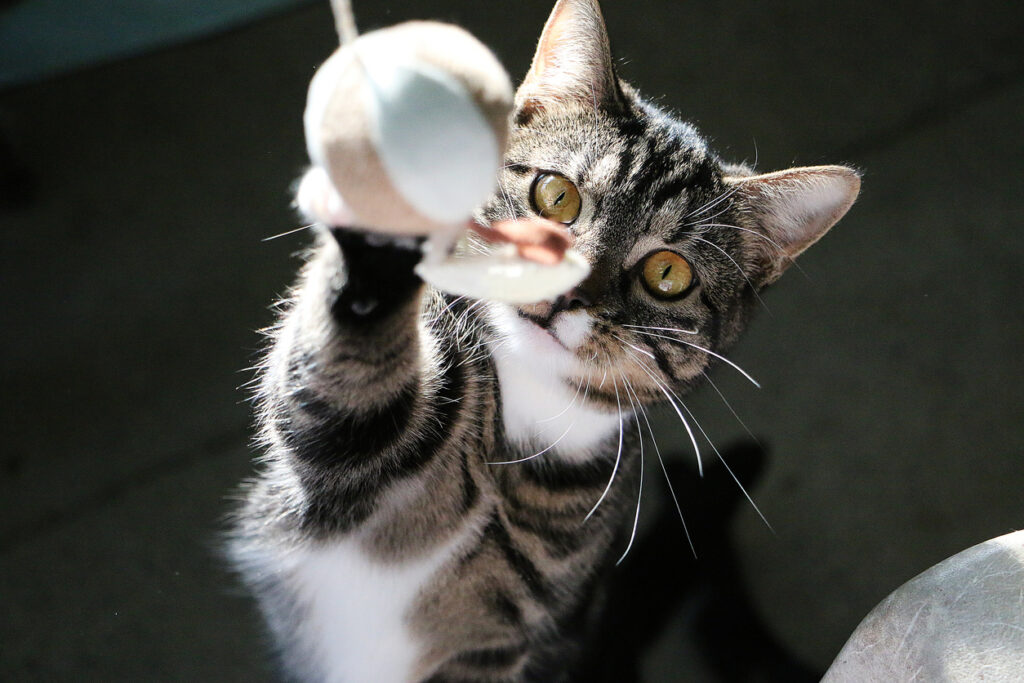
Research found cats in one-on-one relationships with owners are more likely to develop that sneaky food-solicitation purr. Cats in busy households rely on straightforward meowing instead because subtle purring gets overlooked.
This shows purring is learned and refined over time. Cats figure out what works on their specific human and adjust accordingly. If that manipulative baby-cry purr gets results, they keep using it and get better at it.
About 90% of the time, a purring cat really is happy.

After all these surprising facts, here is reassurance. Experts estimate about 90 percent of purring indicates genuine contentment. When your cat curls up and starts that familiar rumble, they almost certainly feel safe and pleased to be with you.
The key is watching context and body language. Relaxed posture and slow blinking alongside purring means happiness. A tense body or unusual timing might indicate stress. Understanding the difference makes you a better cat owner.