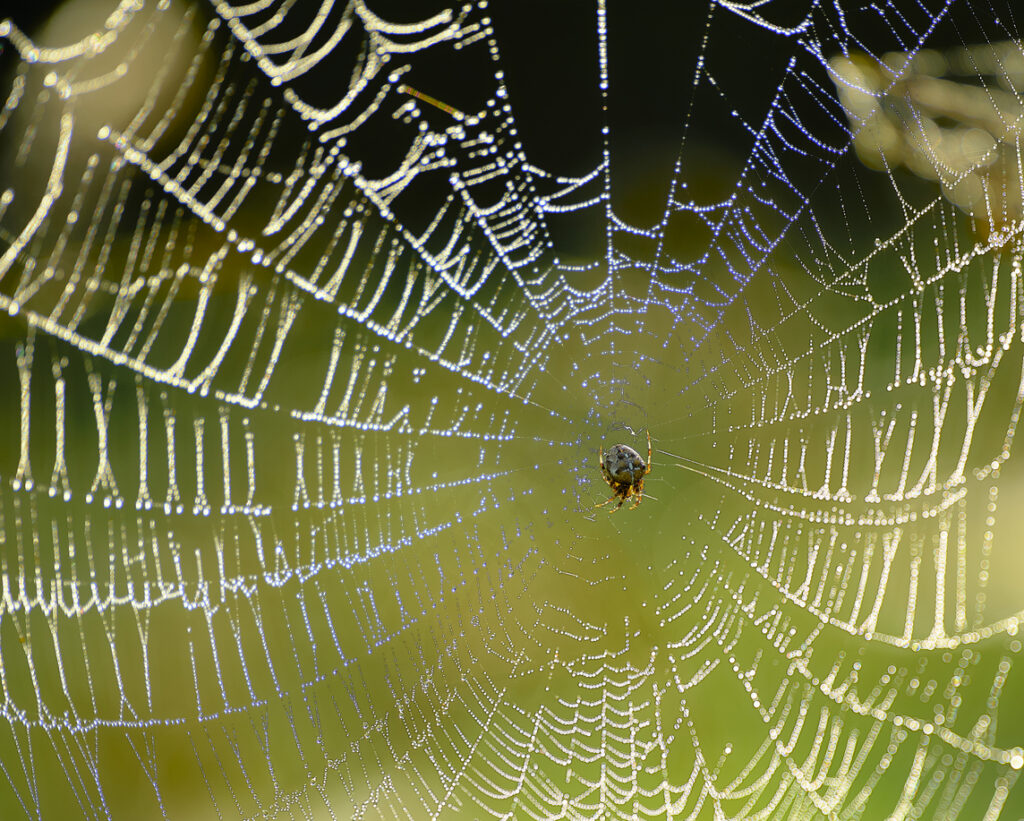
People often imagine spiders spinning endless webs without ever running out of silk, but their bodies don’t work like a bottomless spool. Silk is a natural material they produce, and although they make it well, it isn’t unlimited. Understanding how they manage their supply helps explain why spiders rebuild, recycle, and carefully use what they create.
Spiders can run low on silk when they overdo it.
When a spider builds a big web or wraps multiple prey in quick succession, they burn through their supply faster than their body can top it up. They’re constantly making silk, but it’s not an instant process, so a heavy day of weaving can leave them with very little to work with.
To avoid getting caught out, they take built-in breaks and work in short bursts. That down-time gives their body a chance to refill the glands. It’s a clever bit of self-management that stops them from draining themselves completely.
Silk production depends on how much energy they’ve got.
Silk is made from proteins, which means a spider needs a decent meal to produce strong, reliable threads. If they haven’t eaten well, the silk can be weaker, or they simply don’t have enough of it to spare. Once they eat, they often get straight back to repairing webs or building new ones. You can almost see the energy kick in once the nutrients hit their system.
Many spiders recycle their own webs
A web only lasts so long before dust, pollen, and tiny bits of debris make it unusable. Rather than ditching the whole thing and starting fresh, lots of spiders actually eat the web first. It sounds strange, but it’s smart: they reclaim the proteins and use them to build a brand-new web. It’s one of the most efficient recycling systems you’ll ever see in nature.
Silk types vary, and each requires different effort.
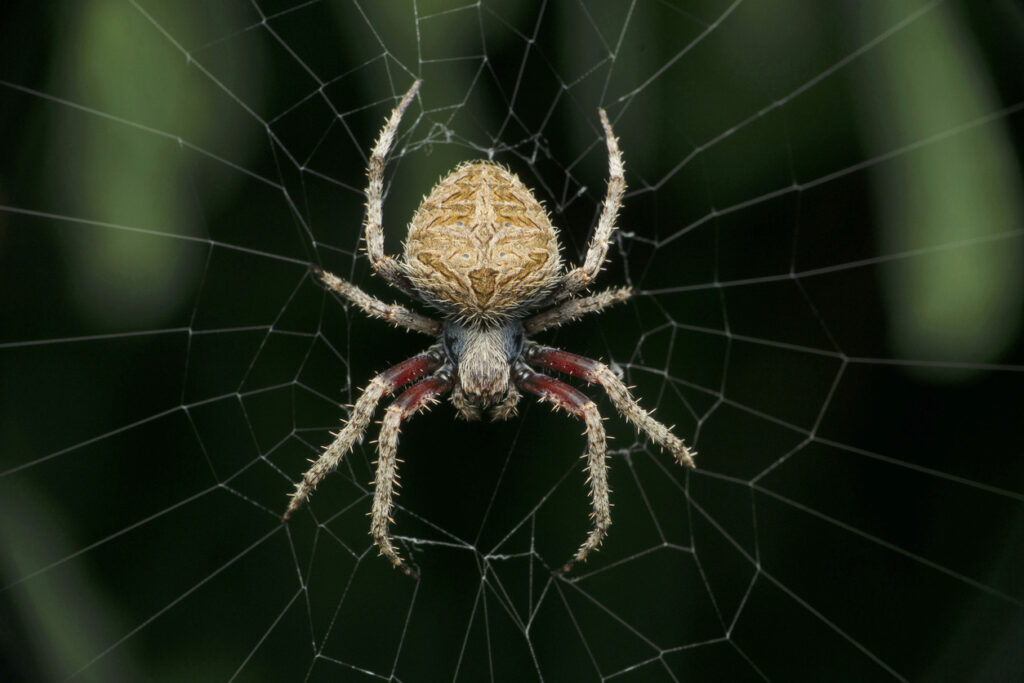
Spiders don’t produce just one kind of silk. Some threads are sticky, others are strong, others stretchy. The trickier the silk, the more effort it takes to make. Sticky silk, for example, is costly, so they only use it where they absolutely need it. This is why a web has a mix of textures. They save their richest silk for the job of catching prey and use the simpler stuff for structure and support.
Young spiders can run out faster than adults.
Baby spiders have tiny reserves and smaller glands, so they can empty their supply surprisingly quickly. If they try to build something too ambitious, they’ll burn themselves out. To work around this, juveniles make smaller webs and repair them bit by bit. With age comes bigger glands, stronger silk, and a lot more stamina.
They stop their web-building when their silk glands need a break.
If a spider has been weaving nonstop or just finished wrapping a thrashing insect, the glands can temporarily run dry. There’s nothing wrong with them, they simply need time to catch up. You’ll often see the spider sitting still during these moments. It’s not resting for fun. It’s waiting for its silk supply to return so it can get back to work safely.
Some spiders keep a stash of ready-made silk inside their bodies.
Even though they produce silk continuously, they also store some so they’re prepared for sudden moments, like catching prey or making a quick getaway. This supply gives them a bit of breathing room. If danger appears or food drops into the web, they’ve got enough on hand to react fast instead of waiting for their glands to produce more.
Running out of silk can be dangerous during escape moments.
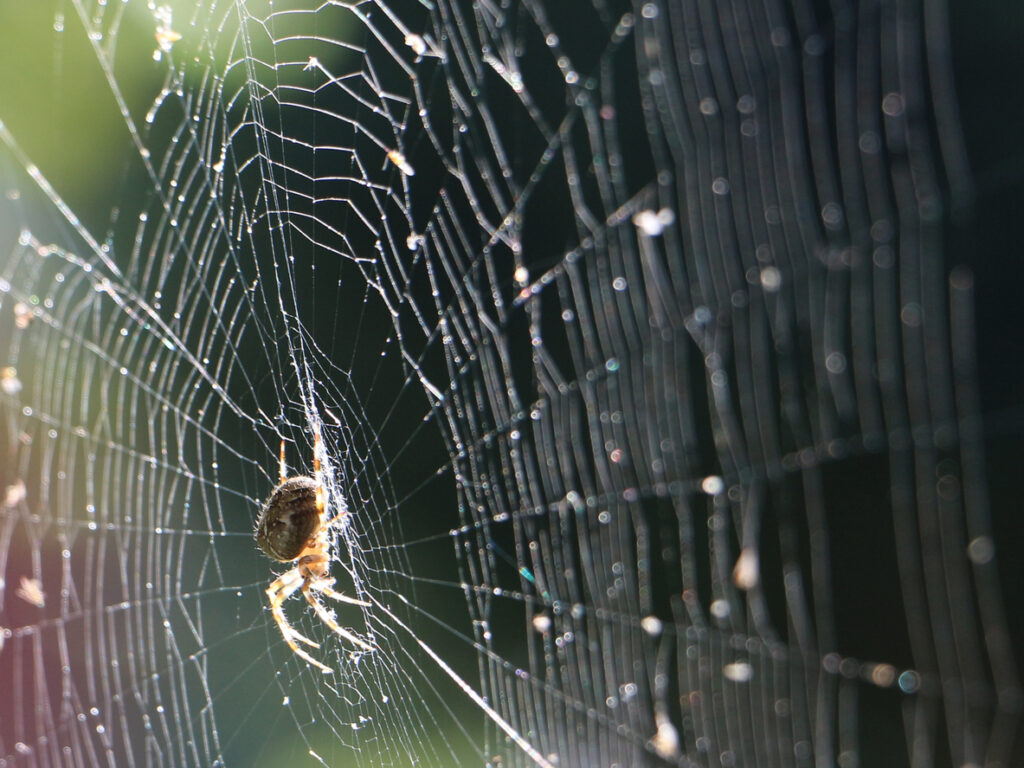
A lot of spiders use a dragline, which is a thread they can drop down on or cling to if something startles them. When they’re low on silk, that emergency line becomes harder to create. To prevent being caught unprepared, they’re careful not to overuse silk during calm periods. It’s their version of keeping a spare tyre in the boot.
Web-building spiders create new silk every day.
Orb-weavers, for example, build fresh webs constantly, sometimes daily. It’s a big job and costs a fair chunk of their silk supply. They tend to weave at night, when they’re less visible and the air is cooler. Everything about their routine is designed to save energy and keep predators off their trail.
Some spiders use silk only when necessary.
Not every species spins grand, decorative webs. Some only use silk for wrapping prey, lining a burrow, or building egg sacs. Being so conservative with their usage keeps their supply stable. They focus on using silk for survival rather than architecture.
Spiders can slow down silk production when food is scarce.
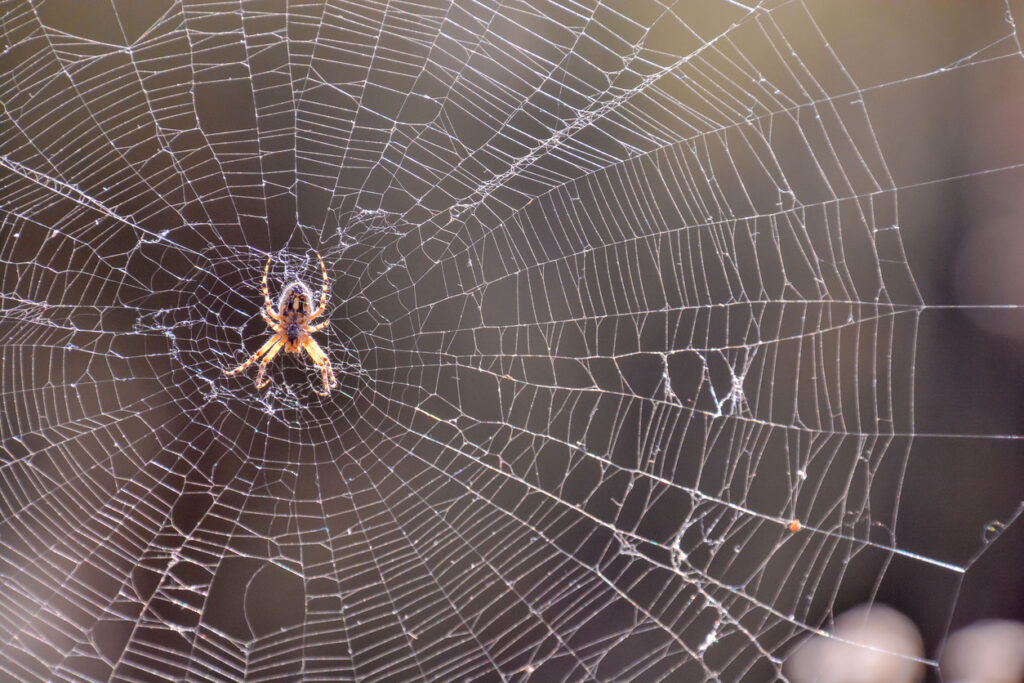
When prey is scarce, their body naturally reduces how much silk it can produce. It’s a way of conserving energy until conditions improve. During these lean periods, they switch tactics. Smaller webs, hiding spots, and ambush strategies replace the big, energy-heavy constructions.
They choose web designs that save silk.
Not all webs are created equal. Orb webs look stunning, but they’re costly. Many spiders instead build scruffy, tangled webs because they require far less silk. These messy designs can still catch plenty of insects, and the spider doesn’t drain itself trying to maintain them.
They rarely run out completely because they manage their supply well.
People imagine spiders getting stranded midair with no silk left, but they’re too good at managing their resources for that to happen often. Their instinct helps them ration their supply long before they get anywhere near empty. Between resting, recycling, clever design choices, and keeping an emergency stash, they stay topped up enough to survive, hunt, and escape danger.