The Dolomites and Milan already stand out for completely different reasons, but 2026 is set to give both places a fresh burst of attention.
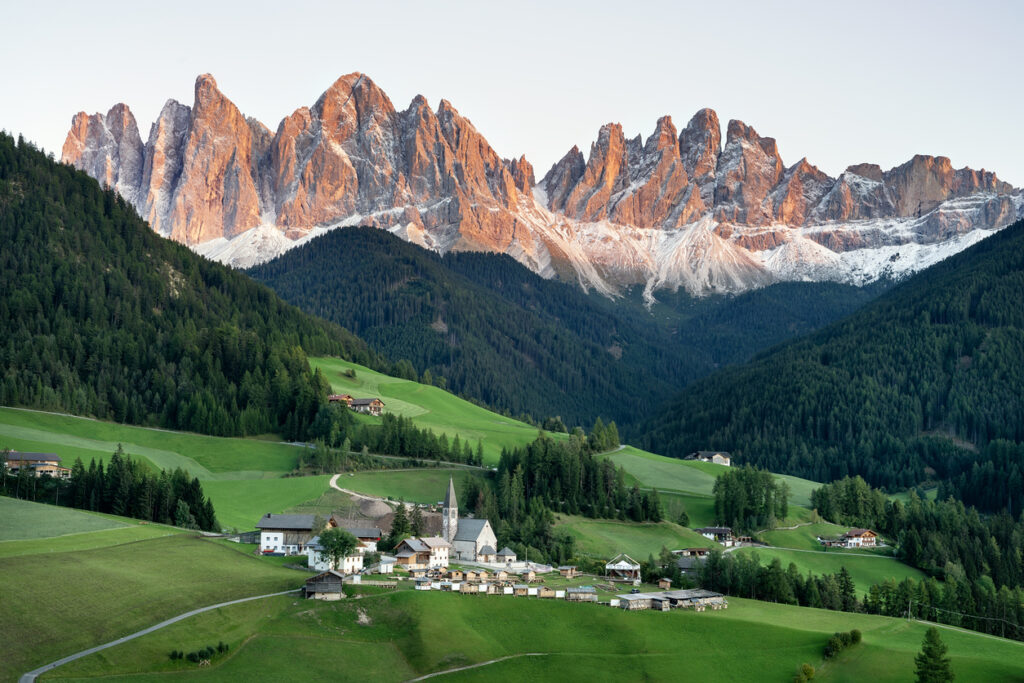
With the Winter Olympics heading their way, there’s a real mix of excitement and transformation happening behind the scenes. You’ve got mountain towns preparing for crowds they’ve never seen before, and a major city getting ready to show off on a global stage.
Whether you’re into sport, scenery, culture or you’re just curious about how big events reshape the places that host them, this is a year worth paying attention to. The changes won’t just last for the duration of the games, either. They’ll shape how both Milan and the Dolomites feel, look and function long after the closing ceremony. Here’s what 2026 is bringing to these two very different but equally fascinating corners of Italy.
Brand new high-speed train connections
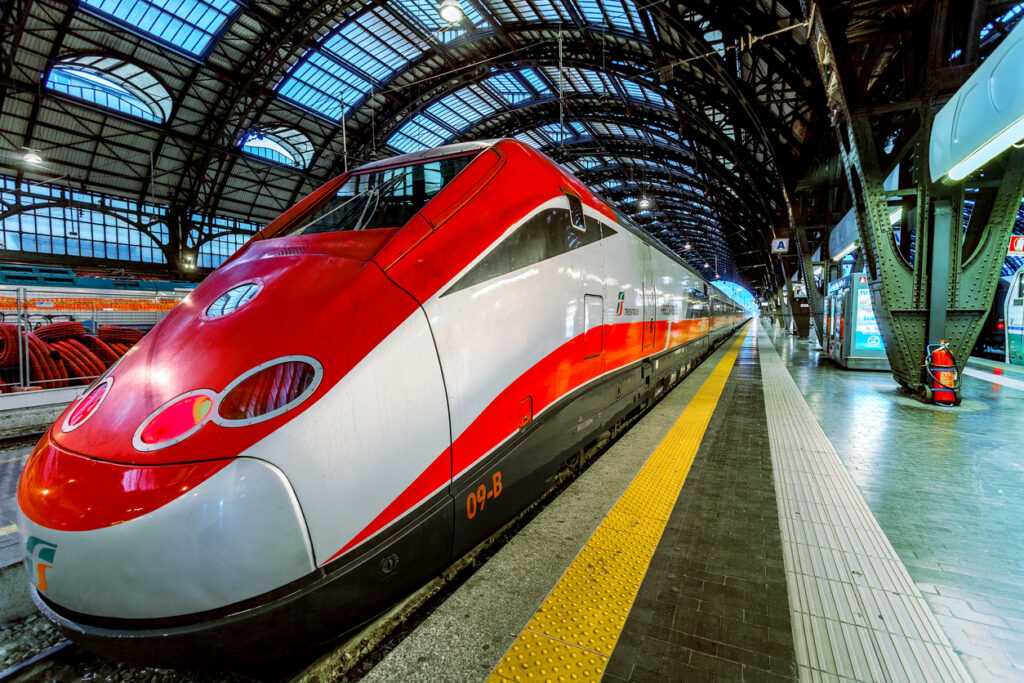
Getting from Milan to the Dolomites currently involves quite a long journey with multiple connections and changes. The route isn’t particularly straightforward and can take ages, making it a bit of a faff to move between the city and the mountains efficiently.
They’re building new high-speed rail links that’ll slash travel time between Milan and Cortina dramatically. You’ll be able to go from the fashion capital to the ski slopes in a fraction of the current time, making it dead easy to combine city culture with mountain adventures. This improved connection will open up the Dolomites to loads more visitors who couldn’t be bothered with the long journey before.
Completely revamped Olympic venues that’ll stay open
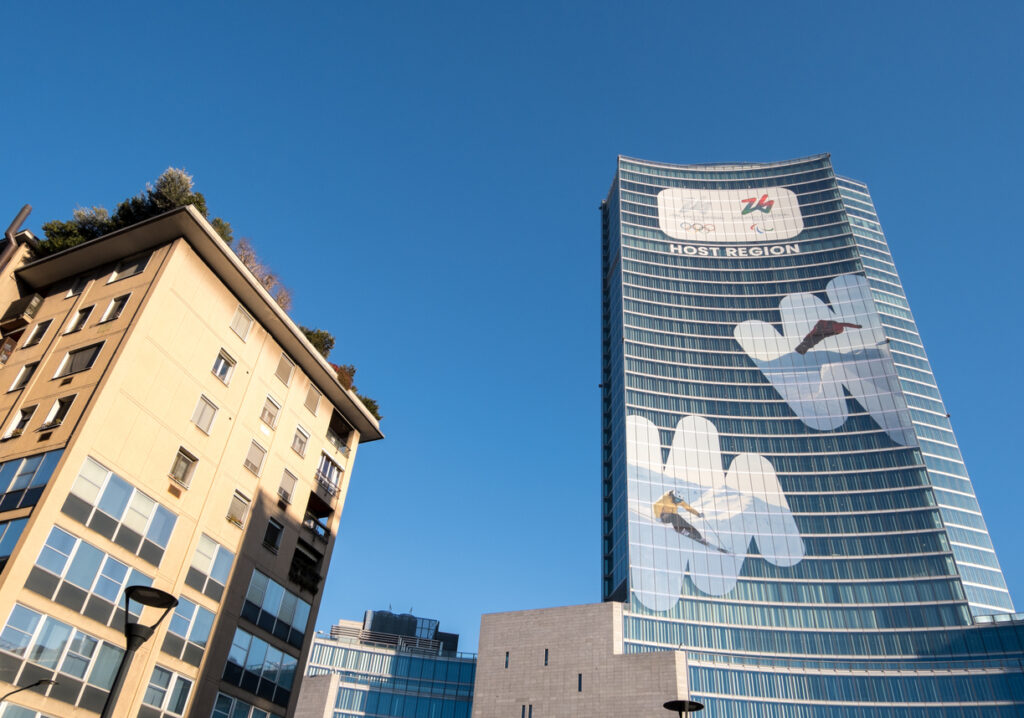
Olympic venues often get built for the games and then sit empty or underused afterwards, becoming expensive white elephants. Cities spend fortunes on facilities that serve a purpose for two weeks, and then struggle to justify their existence once the event’s over.
The 2026 venues are being designed with long-term use in mind, creating world-class sports facilities that locals and tourists can actually use after the Olympics. The ice rinks, ski jumps, and other facilities will become permanent attractions and training centres rather than abandoned buildings. Legacy planning means the investment actually benefits the region for decades rather than just during the games.
Massive infrastructure upgrades throughout the region
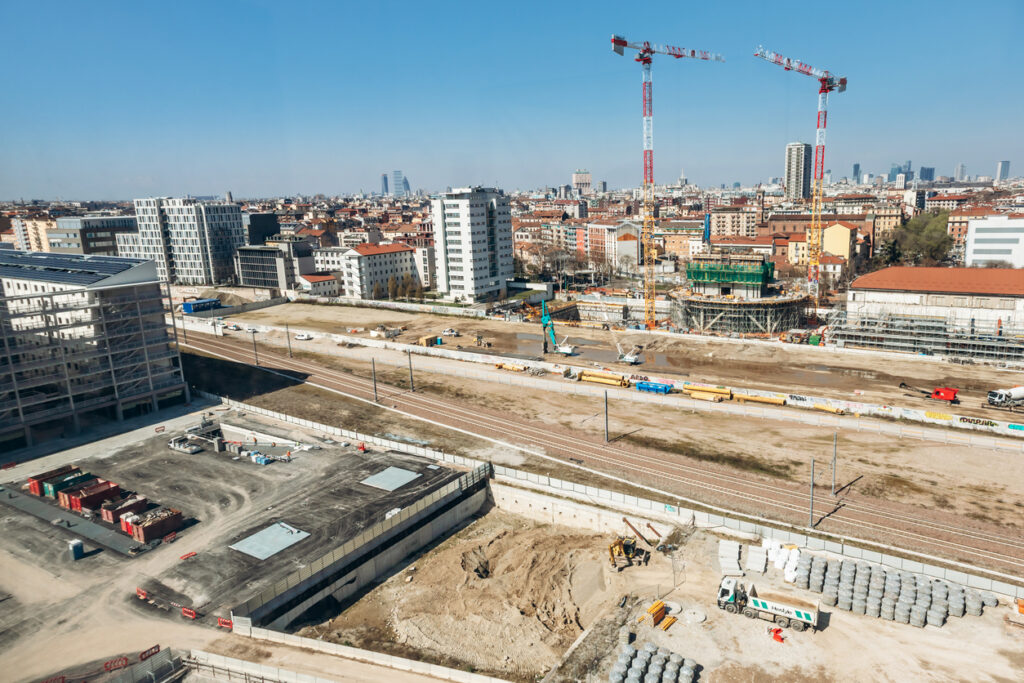
The roads, bridges, and general infrastructure in mountain regions can be quite dated and not really built for modern tourism numbers. Getting around certain areas can be slow and challenging, especially during peak season when everything’s rammed with visitors.
They’re upgrading roads, building new tunnels, and improving infrastructure throughout the Dolomites to handle Olympic crowds and beyond. These improvements will make getting around the mountains much easier and safer year-round, opening up areas that were previously quite difficult to reach. The better infrastructure means more of the Dolomites becomes accessible to regular tourists rather than just serious mountaineers.
Milan’s getting a proper Olympic-standard ice arena
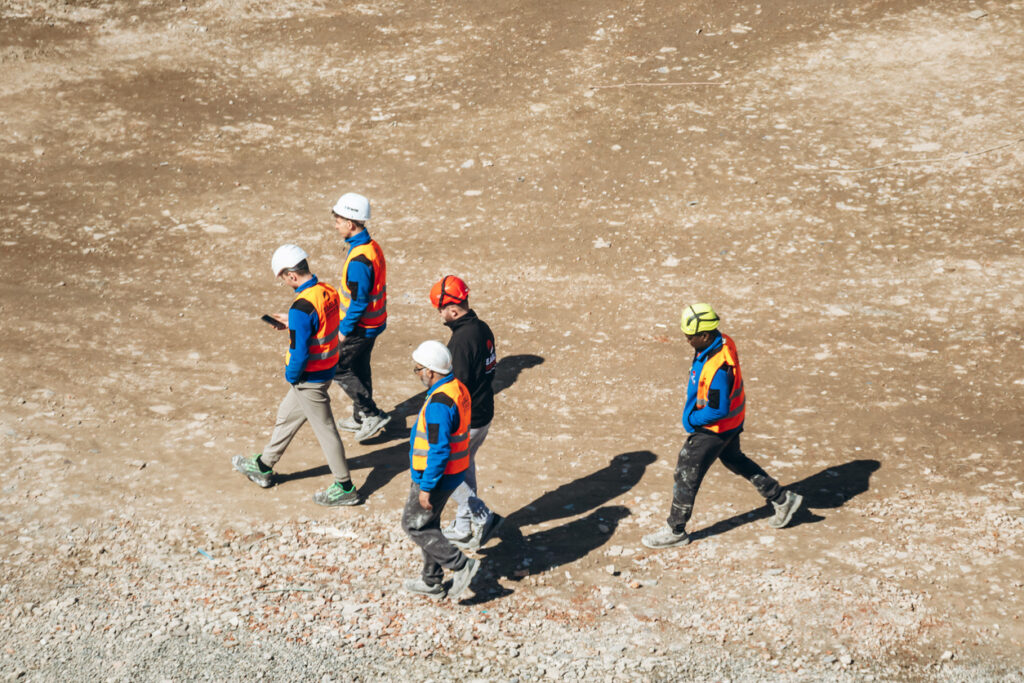
Milan’s known for fashion, design, and culture, but it’s never really been thought of as a winter sports destination. The city doesn’t have the kind of world-class winter sports facilities you’d expect from an Olympic host, which seems odd for such a major European city.
The new Olympic ice arena in Milan will be absolutely state-of-the-art and available for public skating, hockey, and events after 2026. This gives Milan a proper winter sports venue that’ll host international competitions and give locals somewhere brilliant to skate. The arena transforms Milan into a year-round sports destination rather than just a summer city break spot.
Sustainable tourism initiatives across the Dolomites
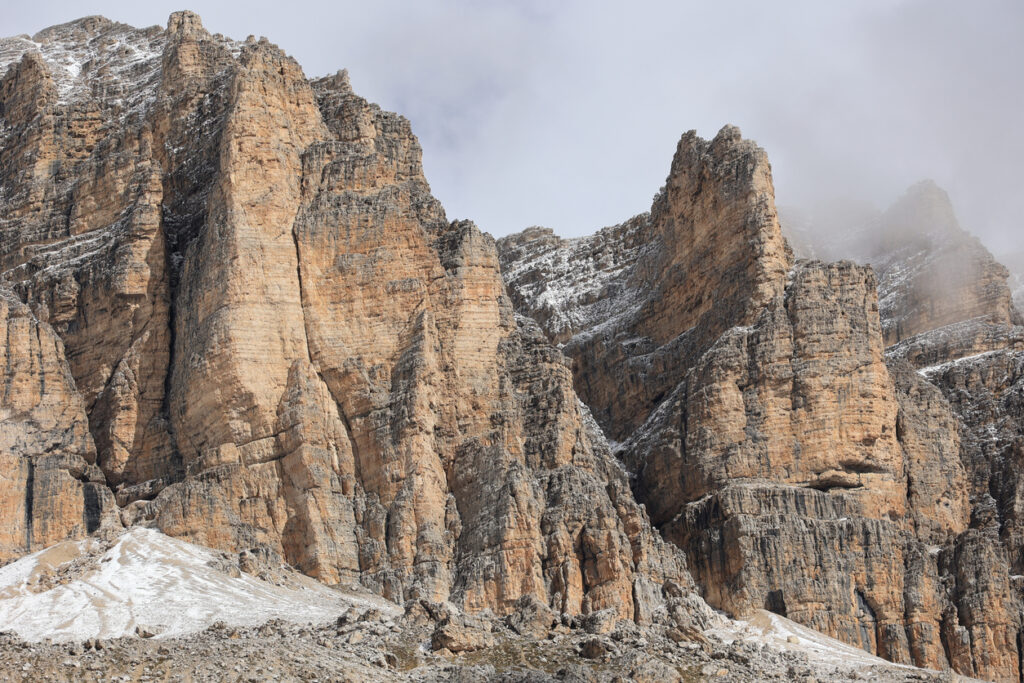
The Dolomites have been struggling with overtourism in recent years, with too many visitors damaging the delicate mountain environment. Popular spots get absolutely rammed, creating erosion, pollution, and strain on local communities that aren’t equipped to handle the numbers.
The Olympic preparations include major sustainability projects focused on protecting the mountains while still welcoming tourists. They’re implementing better waste management, promoting off-season visits, and creating systems to limit numbers at the most vulnerable spots. These green initiatives will help preserve the Dolomites’ natural beauty for future generations, rather than loving it to death.
Upgraded ski resorts with modern facilities
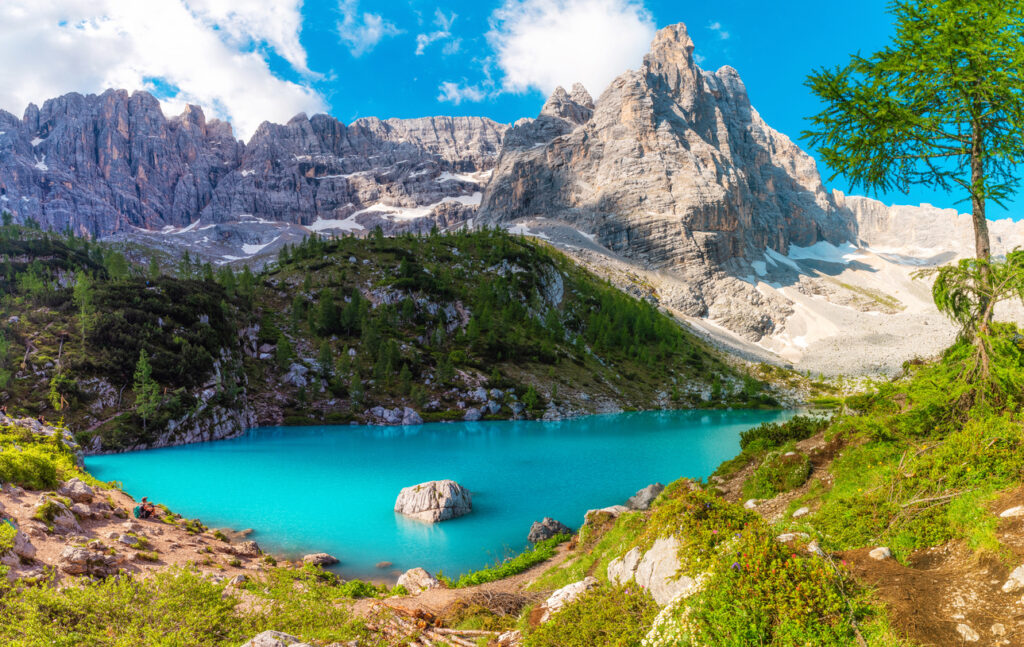
Some of the Dolomite ski resorts have been operating with quite dated infrastructure and facilities that haven’t been properly updated in decades. Lift systems can be slow, lodges can be basic, and the overall experience isn’t always what modern skiers expect from a world-class destination.
Olympic investment is forcing major upgrades to ski resorts throughout the region, with new lifts, improved snow-making systems, and modernised facilities. Cortina and surrounding areas are getting a proper facelift that’ll make them competitive with top Alpine resorts in France, Switzerland, and Austria. These improvements will attract more visitors year-round and justify the premium prices the Dolomites charge.
Enhanced accessibility for people with disabilities
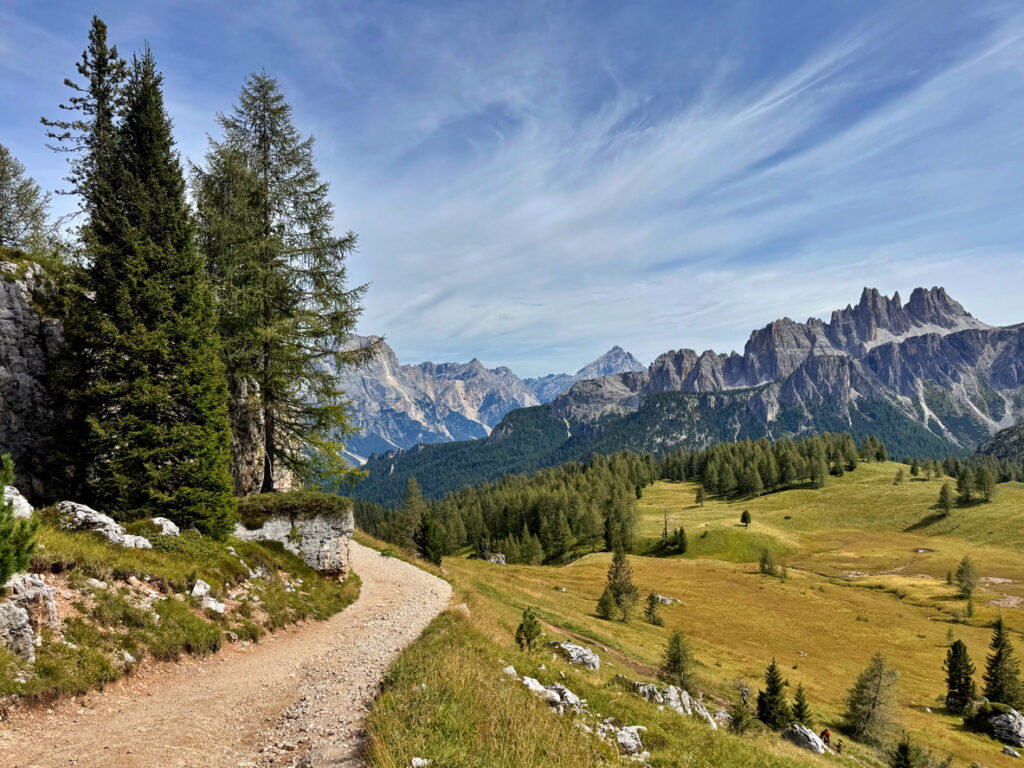
Mountain regions are notoriously difficult for people with mobility issues, with lots of stairs, uneven terrain, and facilities that aren’t really designed with accessibility in mind. The Dolomites have been particularly challenging for disabled visitors who want to experience the mountains but face serious barriers.
Olympic standards require proper accessibility, so they’re retrofitting venues, hotels, and public spaces throughout the region with ramps, lifts, and accessible facilities. This Paralympic-driven accessibility will open up the Dolomites to visitors who’ve been effectively excluded before. The improvements go beyond just the Olympic venues to improve access throughout the wider region.
Milan’s public transport is getting a massive boost
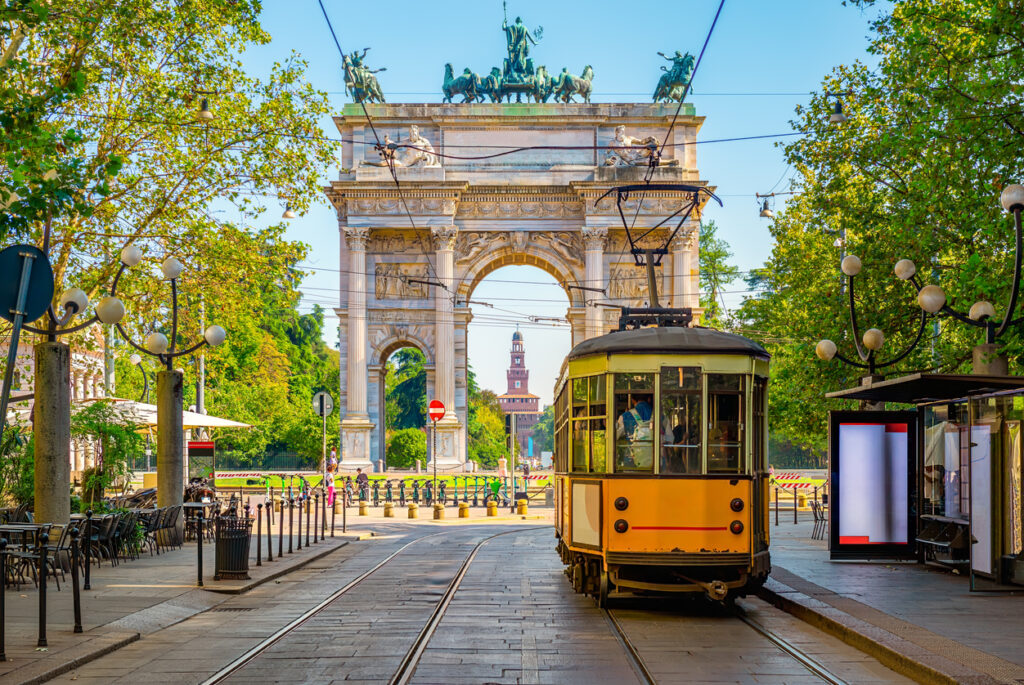
Milan’s metro system is decent, but it doesn’t cover the entire city comprehensively, leaving some areas quite difficult to reach without a car. The buses can be unreliable, and the overall system struggles during peak times with overcrowding and delays.
They’re extending metro lines, adding new stations, and improving the entire public transport network to handle Olympic crowds. These improvements will make getting around Milan much easier for regular tourists visiting after 2026. Better transport means you can explore more of the city without relying on expensive taxis or confusing bus routes.
Year-round tourism replacing the ski-only season
The Dolomites have traditionally been focused almost entirely on winter skiing, with many resorts basically shutting down in summer. This seasonal approach wastes the stunning summer hiking and climbing opportunities, leaving the region quiet and many businesses closed for half the year.
Olympic investment is promoting the Dolomites as a four-season destination with activities beyond just skiing. They’re developing summer sports facilities, promoting hiking and climbing, and encouraging resorts to stay open year-round. This diversification will spread tourism more evenly and give visitors reasons to come back in different seasons.
New hotels and accommodation across all price ranges
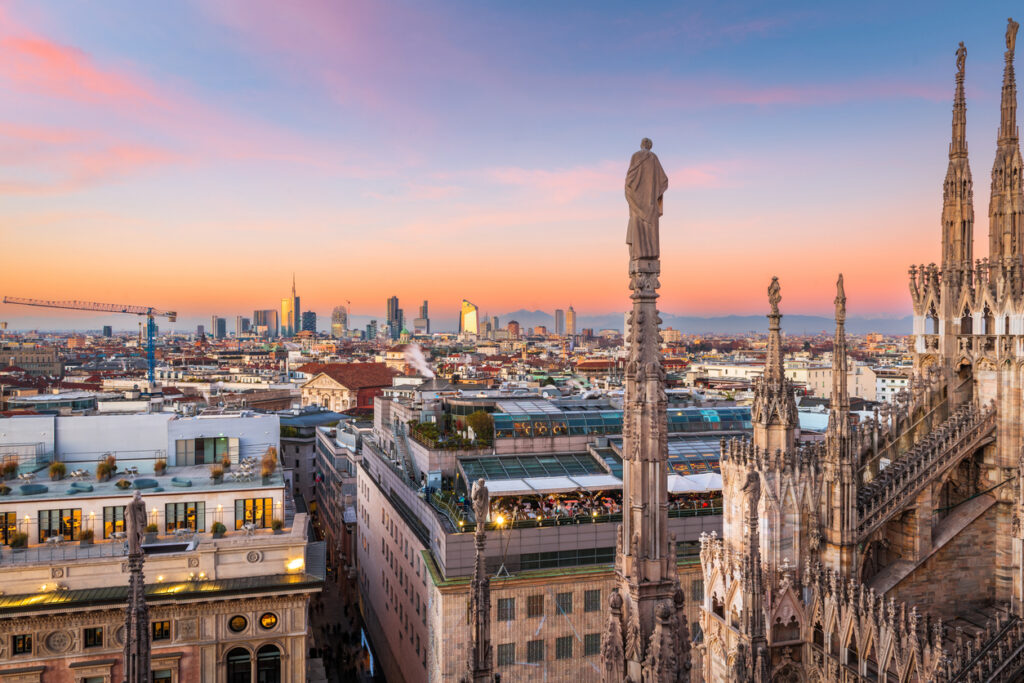
The Dolomites currently have loads of high-end luxury hotels, but not enough mid-range or budget options for normal travellers. This shortage of affordable accommodation prices out lots of potential visitors who’d love to experience the mountains but can’t afford the premium rates.
Olympic preparations are bringing new hotels, hostels, and flat developments at various price points throughout the region. This expanded accommodation will make the Dolomites accessible to a wider range of visitors, rather than just wealthy tourists. More competition should also help moderate the sky-high prices that’ve made the region prohibitively expensive for many people.