The idea of bringing the woolly mammoth back to life sounds like something out of science fiction.
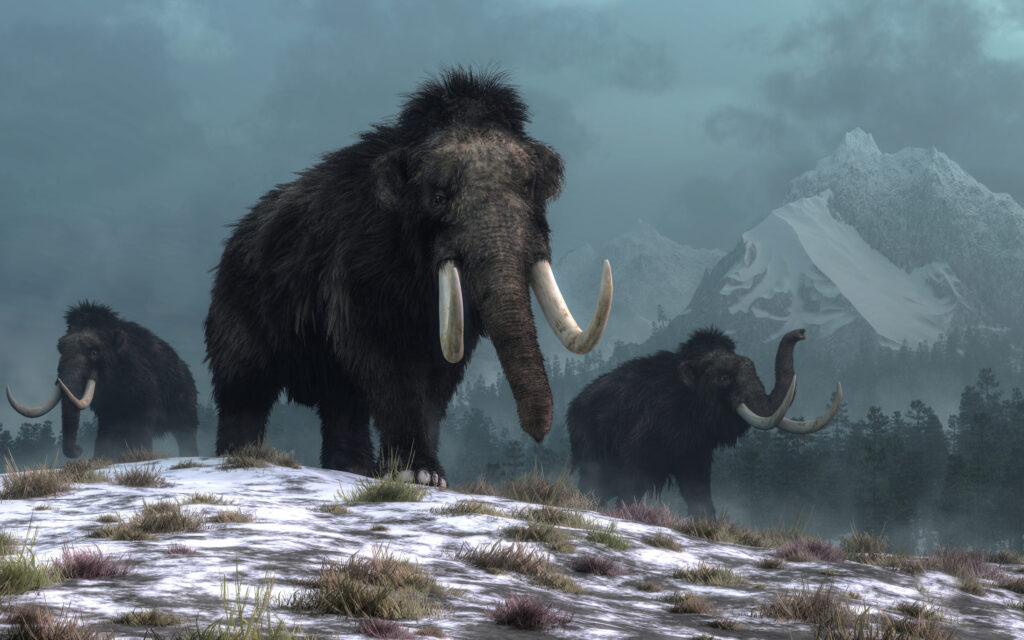
Shaggy giants roaming the tundra alongside musk oxen and reindeer might seem more fitting for a Hollywood blockbuster than a genuine scientific pursuit. And yet, researchers around the world are actively exploring whether this Ice Age icon could one day make a comeback. It’s part of a broader and increasingly serious field known as de-extinction—the process of reviving extinct species using advanced genetic technologies.
The woolly mammoth became extinct roughly 4,000 years ago.
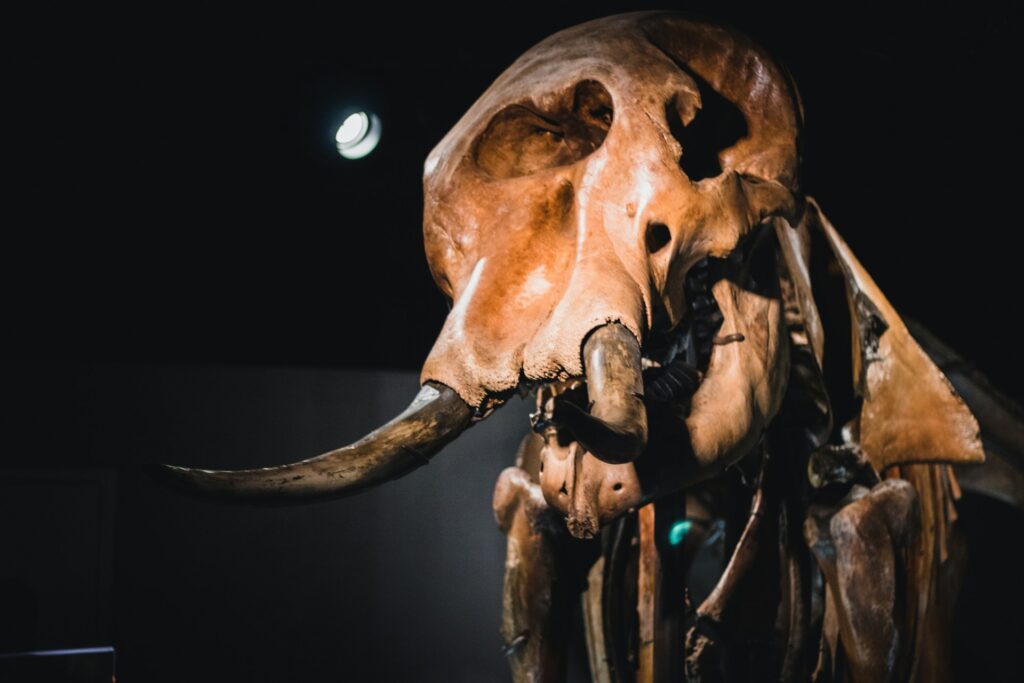
However, small populations survived on remote islands like Wrangel Island long after they vanished from the mainland. Their extinction was likely caused by a combination of warming climates, shrinking habitats, and overhunting by humans. Now, the idea of reversing this loss is no longer purely theoretical. With powerful new tools in molecular biology and genome editing, some scientists believe it’s just a matter of time before something mammoth-like walks the Earth again. But what exactly would it take to make that happen—and should we even try?
What is de-extinction?
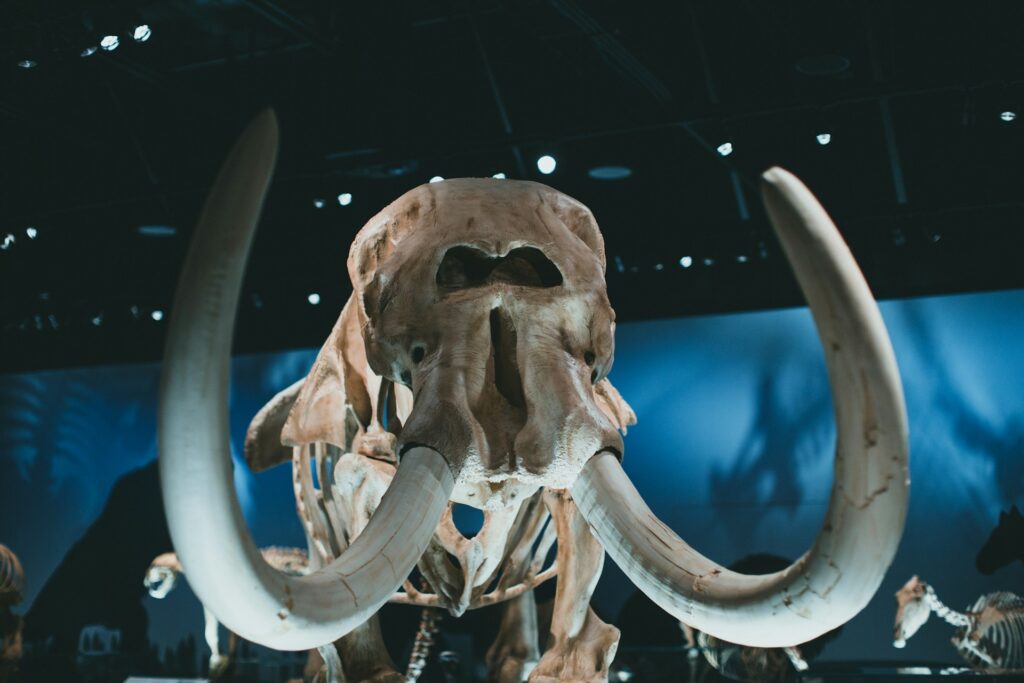
De-extinction refers to a set of scientific strategies aimed at reviving extinct species. These methods include:
Cloning, where preserved DNA from an extinct animal is used to create an embryo, which is then implanted into a closely related surrogate species.
Gene editing, in which genes from an extinct species are inserted into the DNA of a living relative to recreate certain traits.
Back-breeding, a technique that selectively breeds living species over generations to express ancestral characteristics.
For woolly mammoths, cloning is not currently viable due to the poor quality of recovered DNA. DNA breaks down over time, and mammoth samples recovered from permafrost are too fragmented to produce a complete genome that could support cloning. Instead, researchers are pursuing gene editing using CRISPR-Cas9—a tool that allows for precise alterations to DNA. By inserting cold-adaptive mammoth genes into the genome of the Asian elephant (their closest living relative), scientists hope to engineer a hybrid animal with mammoth-like traits, according to a study published in Nature Communications.
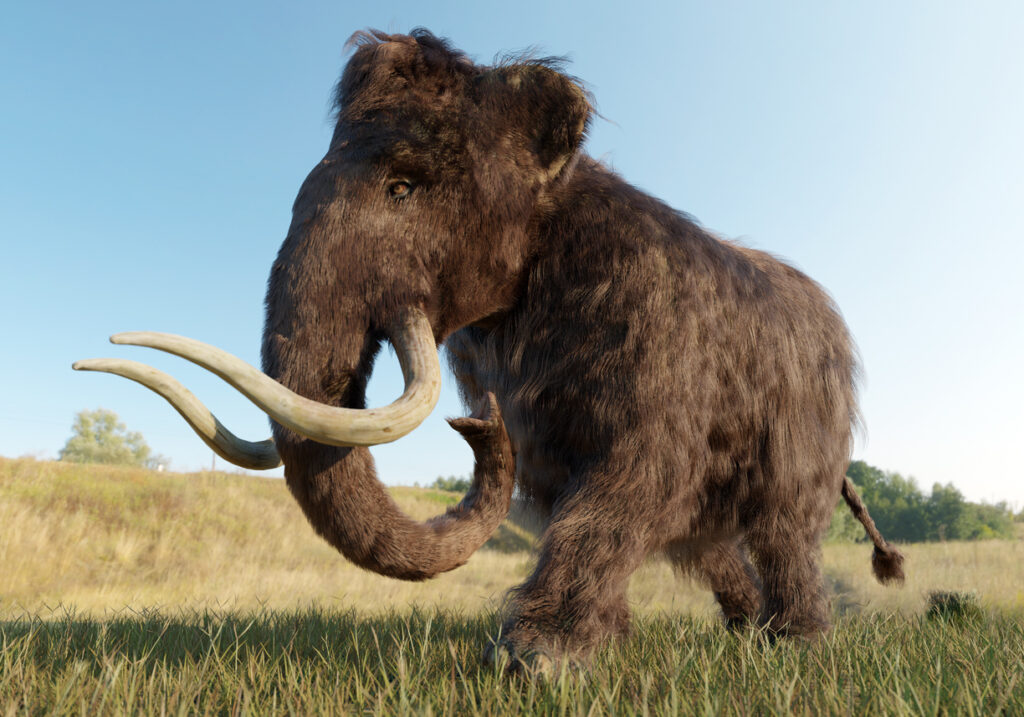
These traits include thick fur, small ears to conserve heat, a domed skull, and a fat layer for insulation. The result wouldn’t be a pure mammoth, but an elephant-mammoth hybrid capable of surviving in cold environments.
The leading project: Colossal Biosciences

At the forefront of this effort is Colossal Biosciences, a biotech start-up founded by Harvard geneticist George Church and entrepreneur Ben Lamm. Launched in 2021, Colossal has raised over $75 million to bring woolly mammoth traits back to life using advanced CRISPR technology. Their goal is to create hybrid calves with mammoth traits that can one day thrive in the Arctic tundra.
But Colossal’s ambitions go beyond scientific curiosity. They argue that reintroducing mammoth-like creatures could help restore the “mammoth steppe”—a cold, dry grassland ecosystem that once spanned the northern hemisphere. This biome, which supported megafauna like bison and reindeer, was highly efficient at storing carbon and regulating climate. Colossal believes that mammoth-like animals could:
Knock down trees to preserve open grasslands.
Compact snow to reduce insulation and keep permafrost frozen.
Encourage grass growth, which reflects sunlight better than forests.
This ecological engineering approach could, in theory, help mitigate some effects of climate change by stabilising the Arctic permafrost and reducing greenhouse gas emissions. As Smithsonian Magazine points out, the idea has received cautious support from some scientists, who acknowledge its potential while stressing the need for careful ecological modelling.
Can we really do it?
Technologically, de-extinction is advancing rapidly. The woolly mammoth genome has been fully sequenced, and researchers have identified around 60 genes associated with cold adaptation. Gene editing in elephants has been demonstrated in the lab, and there’s steady progress in creating embryos that could carry mammoth traits, per Current Biology.
Still, several significant challenges remain:
Elephant reproduction is complicated. Elephants have a gestation period of 22 months and complex social structures, making breeding slow and ethically sensitive.
No elephant has ever been cloned. Cloning large mammals remains extremely difficult, and doing so with an endangered species like the Asian elephant adds extra scrutiny.
Artificial wombs are still experimental. Colossal hopes to develop artificial wombs to avoid using live elephant surrogates, but that technology is not yet viable.
A viable population would take decades. Producing one or two hybrid animals is not enough. Building a self-sustaining population would require decades of research, breeding, and habitat development.
Even if scientists manage to create a mammoth-like calf, it’s unclear how well it would fare in the wild. Today’s Arctic is not the same as it was thousands of years ago, and the ecological implications of reintroducing such animals remain uncertain.
The ethics of de-extinction are somewhat murky.

The ethical questions surrounding de-extinction are as complex as the science. Should we invest time, money, and energy into reviving long-extinct species when many living animals are on the brink of disappearing?
Critics argue that de-extinction could divert funding from conservation efforts focused on protecting endangered species. The Asian elephant, for example, is classified as endangered by the IUCN Red List, with habitat loss and poaching driving its decline. Using them as surrogate mothers for experimental embryos raises serious concerns about welfare and consent.
Moreover, cloning and gene editing come with high failure rates. Attempts to clone other animals have resulted in stillbirths, deformities, and shortened lifespans (BBC Science Focus). For elephants—intelligent, social animals—the ethical burden is even greater.
Then there’s the ecological concern. How would these animals interact with the environment? Could they outcompete existing species or spread disease? Would they need human intervention to survive long term? There’s also the philosophical question: if we revive something that’s not exactly a mammoth, are we truly bringing it back—or creating something entirely new?
What comes next?
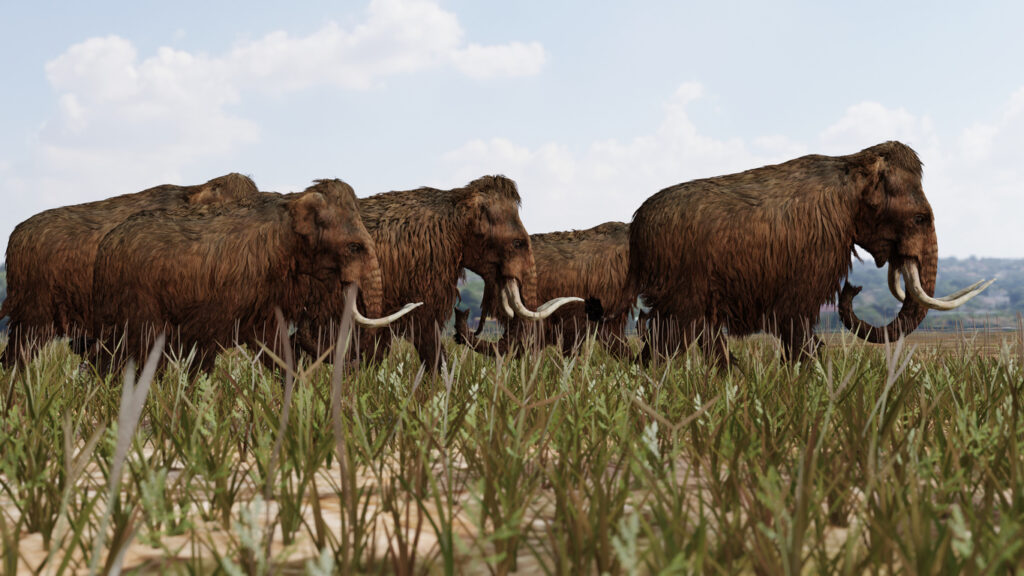
Colossal aims to produce its first mammoth-elephant hybrid calf by 2028, according to The Guardian. Whether or not that target is met, the project is expected to yield breakthroughs in gene editing, embryology, and species conservation.
De-extinction efforts are also underway for other animals:
The thylacine (Tasmanian tiger), extinct since the 1930s.
The passenger pigeon, which once formed massive flocks across North America.
The gastric-brooding frog, which had a unique method of gestating its young in its stomach.
These projects offer test cases for how de-extinction might work across different species and habitats. They also invite us to rethink our relationship with extinction and how future generations might inherit Earth’s biodiversity.
Never say never, we guess.

The idea of reviving the woolly mammoth blends science, technology, imagination, and a bit of hubris. While it raises extraordinary possibilities, it also comes with profound risks. De-extinction could help restore lost ecosystems and correct some of humanity’s past environmental mistakes—but only if it’s pursued with caution, transparency, and a clear understanding of the ethical stakes.
Whether or not a mammoth-like animal ever roams the Arctic again, the science behind the effort is already influencing conservation, genetics, and our broader understanding of what it means to preserve life on Earth.
In trying to bring back the mammoth, we’re not just resurrecting a species. We’re reshaping how we think about loss, recovery, and the future of nature itself.