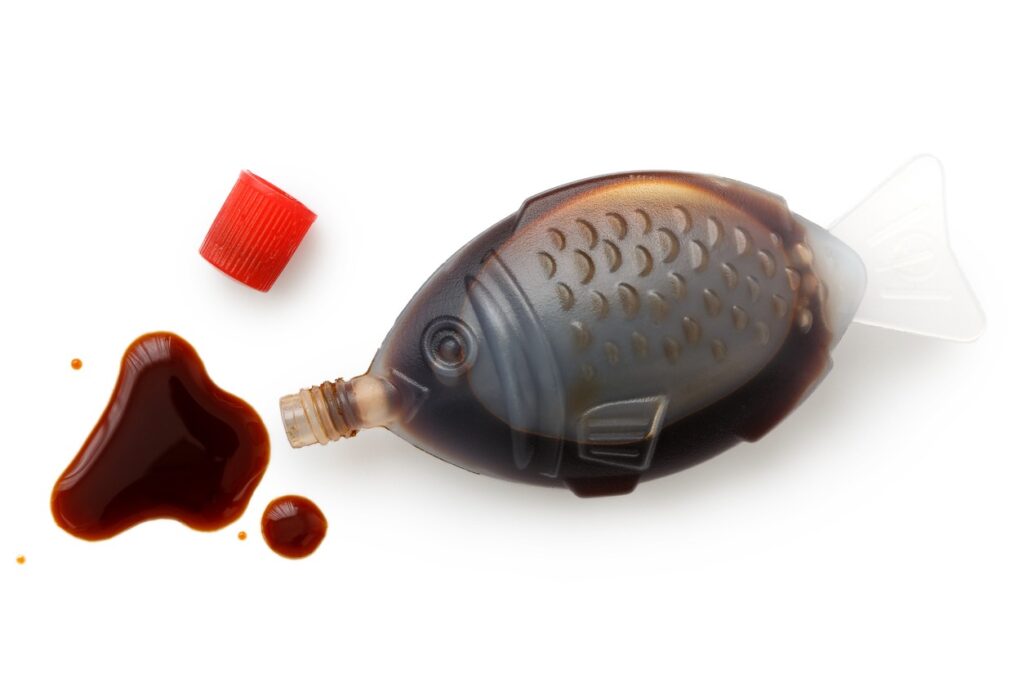
South Australia has outlawed the tiny, fish-shaped soy sauce containers that come with sushi trays, a targeted ban designed to cut plastic litter at the source. The rule, which forms part of the state’s wider crackdown on single-use packaging, makes South Australia the first place to prohibit the condiment “minis,” as reported by The Guardian.
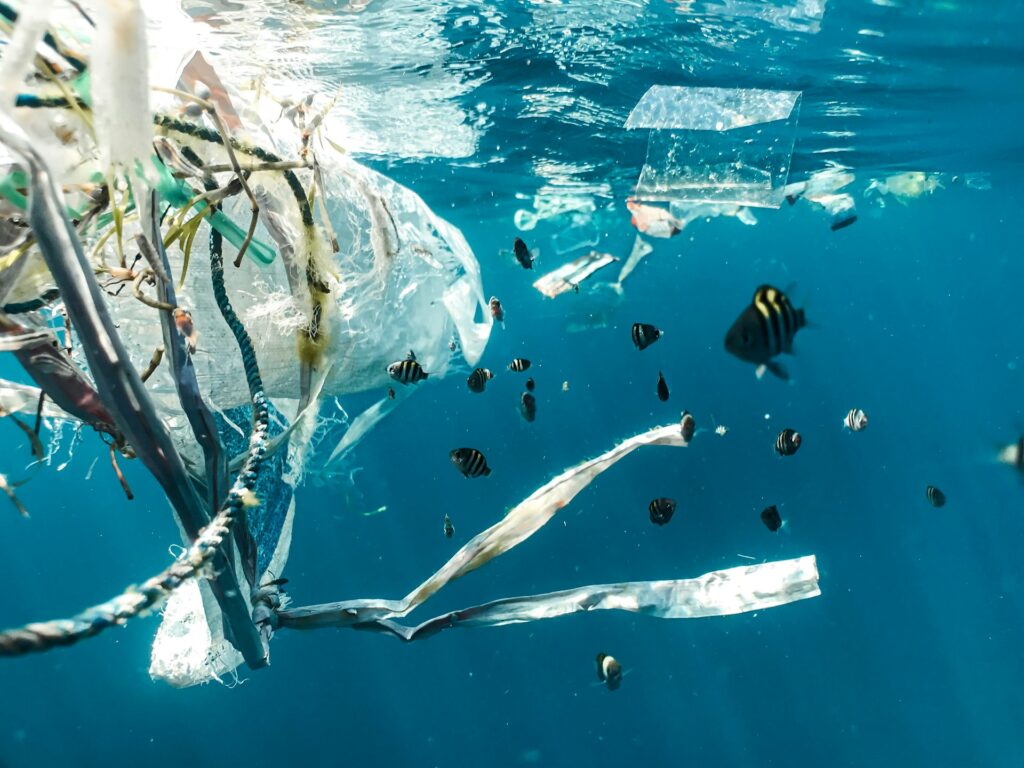
Those novelty fish may look harmless, but they have all the traits of a persistent pollutant: they are small, easily lost, and made of plastics that hang around in the environment. They slip through bins, blow out of outdoor dining areas, wash down drains and turn up on beaches. Clean-up crews find them wedged in rocks, tangled in seaweed and scattered across car parks. Because they are rigid and oddly shaped, they can be mistaken for food by birds and marine life. And they are everywhere: millions are used for seconds and tossed.
Banning a niche item might feel like tinkering at the edges, yet policymakers argue that targeting the worst offenders by design can make a visible dent. A single sushi lunch can produce an outsized pile of small plastic bits like the fish bottle, plastic soy plug, napkin wrap, and mini fork, most of which are too fiddly for recycling systems. Remove the most litter-prone piece, and you reduce stray waste without changing anyone’s lunch. That is the theory behind the new rule: stop the most escapable items at the source, then nudge businesses toward refillable or larger reusable dispensers that stay on counters rather than blowing into the street.
There is a cultural angle here as well. The fish bottles are a post-war Japanese design, copied worldwide, and they have stuck around partly because they are cute. But design charm does not outweigh environmental cost. South Australia’s lawmakers have framed this as a common-sense tweak: keep the soy, change the container.
What changes for businesses and diners
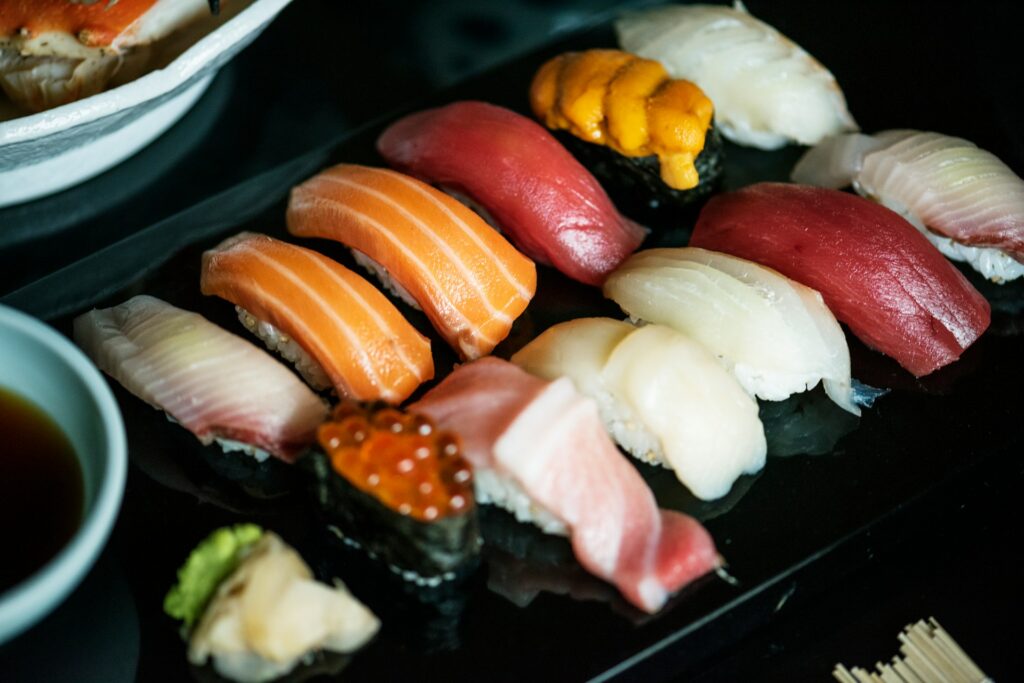
Sushi bars and convenience chains will have to swap the minis for alternatives that do not end up as flyaway litter. Expect to see refillable pump bottles at tills, larger sealed sachets that are easier to capture in bins, or a simple switch back to the small dipping tubs that sit behind the counter. For delivery orders, restaurants can include a larger, resealable pack rather than multiple mini fish. The aim is to reduce the sheer number of items in circulation and make each one easier to handle and dispose of properly.
For customers, the change should feel minor. You will still get soy with your maki or nigiri, just not in a tiny plastic carp. If anything, an in-store dispenser offers better control; you can add a splash rather than wrestle with a stiff cap or end up with a puddle on the briquette of ginger. For venues, there is an adjustment period of ordering new stock, training staff, making space on counters, but many operators have already moved to pump dispensers to save money and cut mess. In the longer run, buying soy in bulk and dispensing it on site can be cheaper than purchasing trays of single-serve bottles, and it reduces the time staff spend picking minis off the floor or out of nearby planters.
Enforcement will sit with the state, but success depends on buy-in from businesses and diners. Most people understand that the quickest way to cut plastic litter is to stop handing out the items most likely to end up as litter. This ban meets that test; it targets a product that is used for seconds, easy to swap out, and rarely missed once gone.
It’s part of a wider clean-up
The fish-bottle rule is the latest addition to South Australia’s broader single-use plastics programme. The state has already restricted items like lightweight shopping bags, certain cutlery, straws, and some polystyrene foodware, and it has expanded container deposit schemes to pull more bottles and cans back into the system. The thinking is simple: remove the worst offenders first, then keep tightening the net so that packaging designs fit real-world disposal, not idealised recycling posters.
Critics sometimes argue that bans like this are symbolic. Supporters counter that symbols change behaviour, and that targeted rules deliver practical gains. When bag levies arrived in the UK, the number of disposable carrier bags in rivers and hedgerows fell quickly. When cafés normalised reusable cups and water refills, single-use cup waste dropped in districts that leaned into the change. A similar effect is expected here: eliminate the litter-prone mini, replace it with something easier to manage, and public spaces look cleaner in weeks, not years.
There is also a materials story. Tiny multi-part items are hard to recycle because they are a pain to sort and easily jam machinery. Even when captured, their small size and mixed plastics make them poor candidates for reprocessing. By contrast, larger dispensers are easier to reuse on site or recycle at end of life. The design choice is doing the heavy lifting: fewer, bigger, reusable containers beat millions of uncatchable trinkets.
Businesses that worry about customer reaction can take comfort from how quickly norms evolve. The fish bottles feel standard only because we have seen them so often. Once they vanish, nobody pines for them. In their place, restaurants can lean into simple, tidy dispensers and make the change part of their brand story: same flavours, less waste.
There will be edge cases. Outdoor festivals and markets need practical ways to serve condiments without creating a sea of packets. The answer lies in better site design: clearly placed refill stations, staffed condiment points, and bins where people actually stand. Councils and event organisers already manage this for cutlery and napkins; soy and sauces are no different.
None of this is a silver bullet for plastic pollution. Fishing gear, cigarette filters, foam fragments and bottle caps still dominate litter counts on many beaches. However, progress often comes from taking away the objects that most readily escape the bin. In that sense, the fish-bottle ban is less quirky than it sounds; it is a small, targeted fix that removes a needless product from circulation.
For the UK, the lesson is clear. If you want cleaner high streets and tidier parks, go after the items that most often end up underfoot. Local authorities have already used this logic with bag charges and plastic-free event policies. Supermarkets are cutting shrink-wrap, cafés offer refill discounts, and councils trial reuse schemes at food courts. A narrow rule about a single condiment packet fits that same pattern and proves the point: when regulation and design nudge in the same direction, habits change quickly.
South Australia’s step is likely to be copied. Once one jurisdiction shows the ban is easy to implement and does not ruin anyone’s lunch, others will take note. That is how these things spread. A tiny fish turns out to be a big test for how we treat packaging that exists purely for convenience. Swap it for something sensible and the world keeps turning, with a little less plastic underfoot.