Most people think walking a dog is straightforward, but there are plenty of small rules that slip past even the most responsible owners.
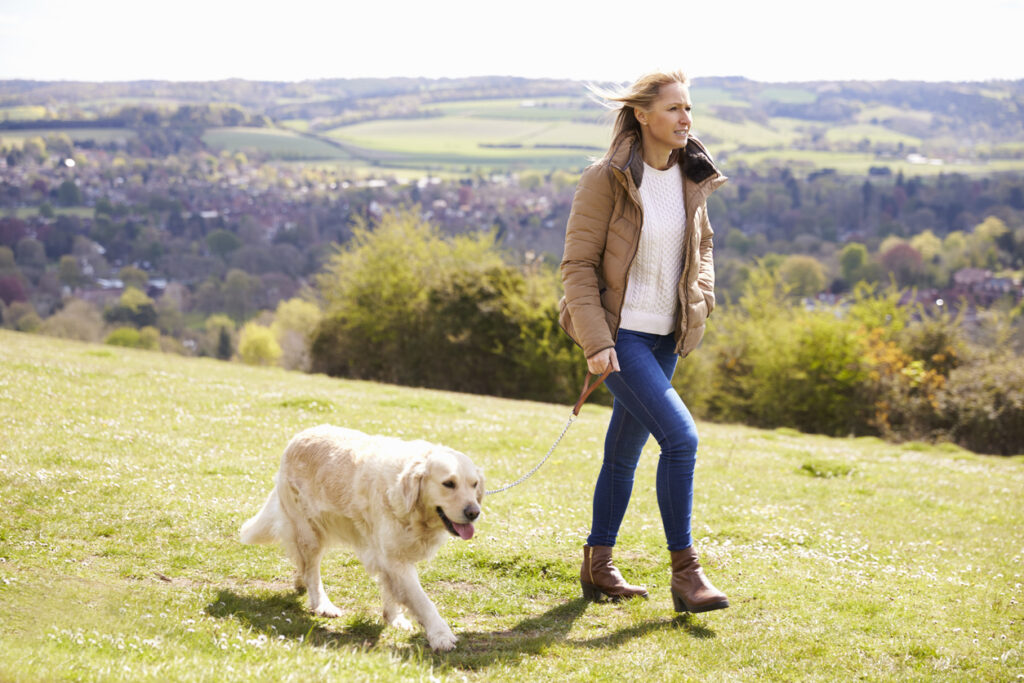
You head out with the lead to enjoy the fresh air and assume you’re doing everything right, only to learn later that a few common habits are actually causing problems for your dog or the people around you. None of it comes from bad intentions. It’s usually just a case of not knowing the finer points.
Once you understand these points, walks become smoother, safer, and far less stressful. A few simple tweaks can make a huge difference to your dog’s comfort and to everyone sharing the same paths and pavements. Here are the rules people break without noticing (or caring), and why they matter more than most owners realise.
1. Not picking up in all areas
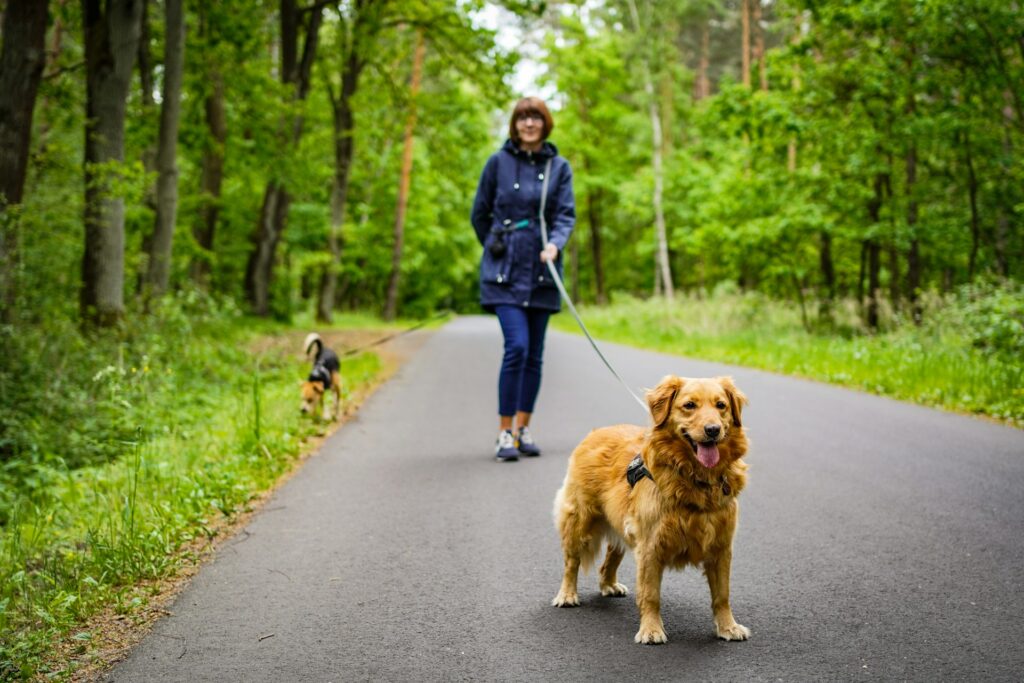
Many people assume countryside paths or woodland trails don’t count, but UK law says you must pick up after your dog anywhere the public has access. That includes parks, pavements, beaches, and open fields with public rights of way. Leaving waste behind isn’t just unpleasant, it’s also a public health risk. Councils can fine you up to £1,000 for ignoring this simple rule, even if “everyone else does it.”
2. Letting dogs off the lead where they shouldn’t be
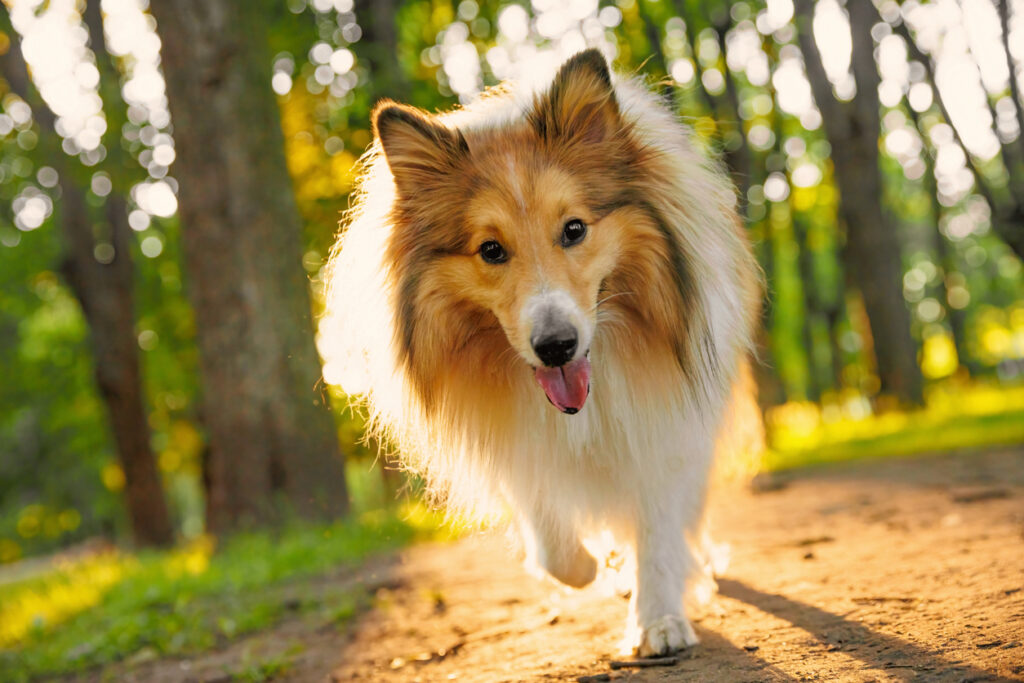
It’s easy to assume an open space means freedom, but not every park or public field allows dogs off lead. Nature reserves, children’s play areas, and sports pitches often have restrictions clearly displayed at entry points. Ignoring them can lead to fines or complaints, especially during nesting season or events. Always look for signage before unclipping, even if it’s a familiar walking spot.
3. Walking more dogs than allowed
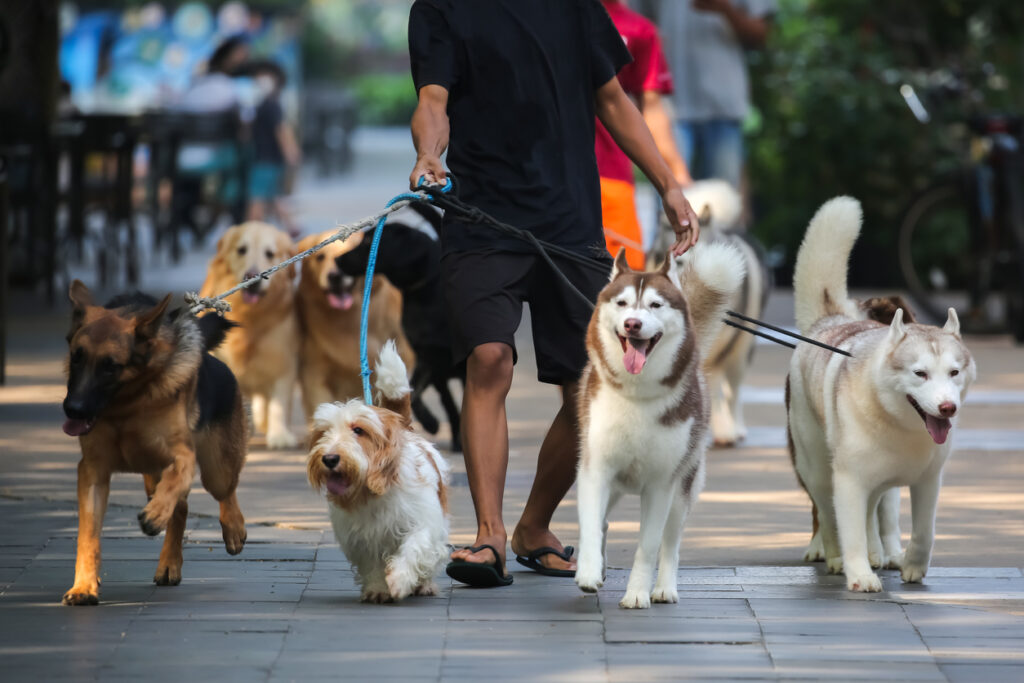
Some councils limit how many dogs one person can walk at once, even on private land. This rule protects both walkers and the animals, especially in busy public spaces or near roads. Limits usually range from four to six dogs. Professional walkers must also hold the correct licence and insurance if they’re managing larger groups.
4. Failing to keep control near livestock

In the countryside, keeping dogs on a lead around livestock isn’t just good manners, it’s a legal requirement. Farmers can legally intervene if a dog chases or harms animals on their land. Even friendly dogs can startle sheep or cattle. Keeping them close protects livestock, prevents panic, and avoids the serious consequences of worrying farm animals.
5. Using extendable leads irresponsibly
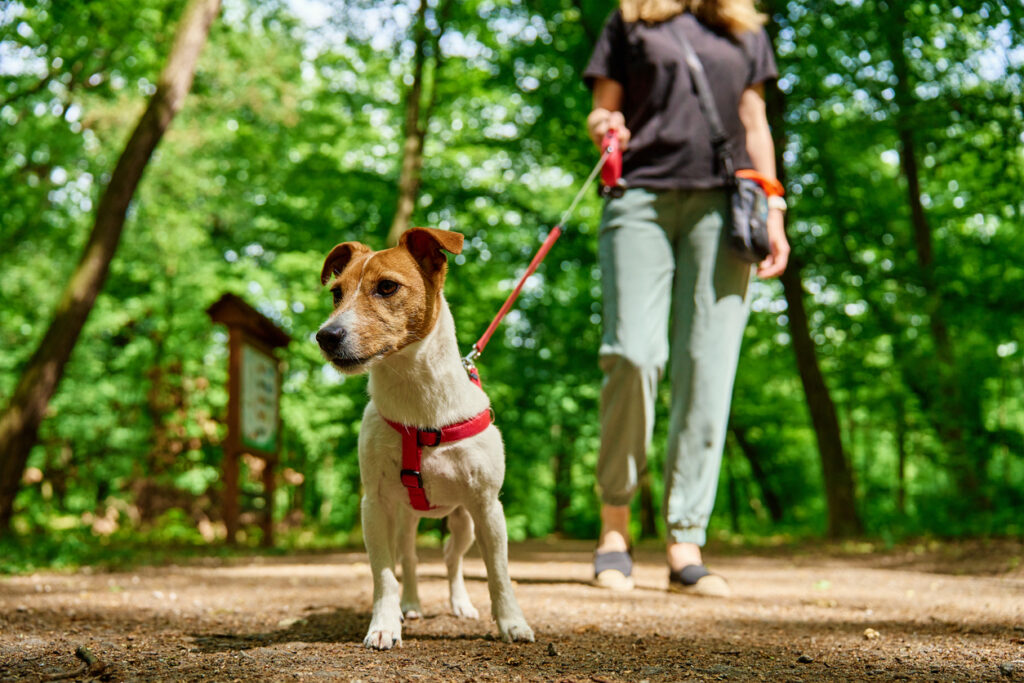
Extendable leads might seem handy, but they can cause chaos in busy areas. Dogs can dart into roads, wrap around cyclists, or spook other pets before you’ve had time to react. Short, fixed leads are safer in towns and parks. Save the long-line leads for open, quiet spaces where you’ve got plenty of room to manage them.
6. Allowing dogs to jump on strangers
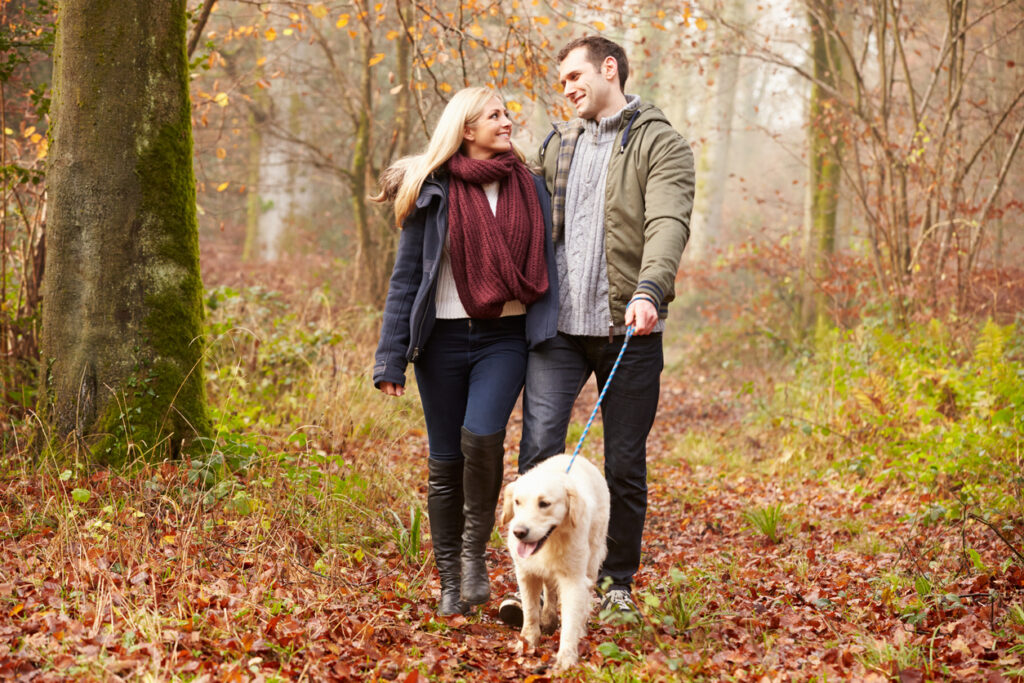
Your dog might be friendly, but not everyone enjoys muddy paws or sudden enthusiasm. Legally, even friendly jumping can be classed as “out of control” behaviour under the Dangerous Dogs Act if it causes fear or injury. Good recall and lead awareness are key. Respecting space makes walks easier for everyone and helps keep both your dog and your reputation safe.
7. Ignoring local beach bans
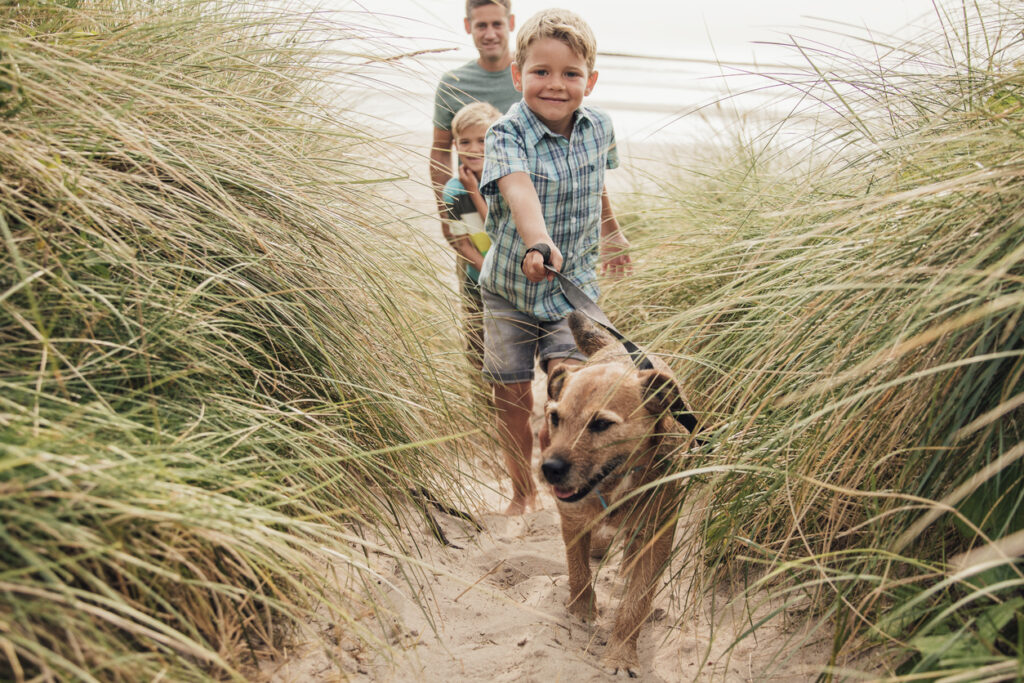
Many British beaches ban dogs during summer months, usually between May and September. Signs are often small or easy to miss, but breaking this rule can earn you an on-the-spot fine. Check local council websites before heading to the coast. There are plenty of year-round dog-friendly beaches, so it’s worth finding the right one instead of risking a penalty.
8. Blocking pavements with leads
When walking on narrow paths or in busy towns, it’s easy for leads to stretch across the pavement. It might not sound serious, but it can trip pedestrians, especially older people or those with pushchairs. Keeping your dog close to your side avoids accidents and makes you a considerate walker. It also keeps your pet safer from bikes, traffic, and unexpected distractions.
9. Letting dogs run through playgrounds
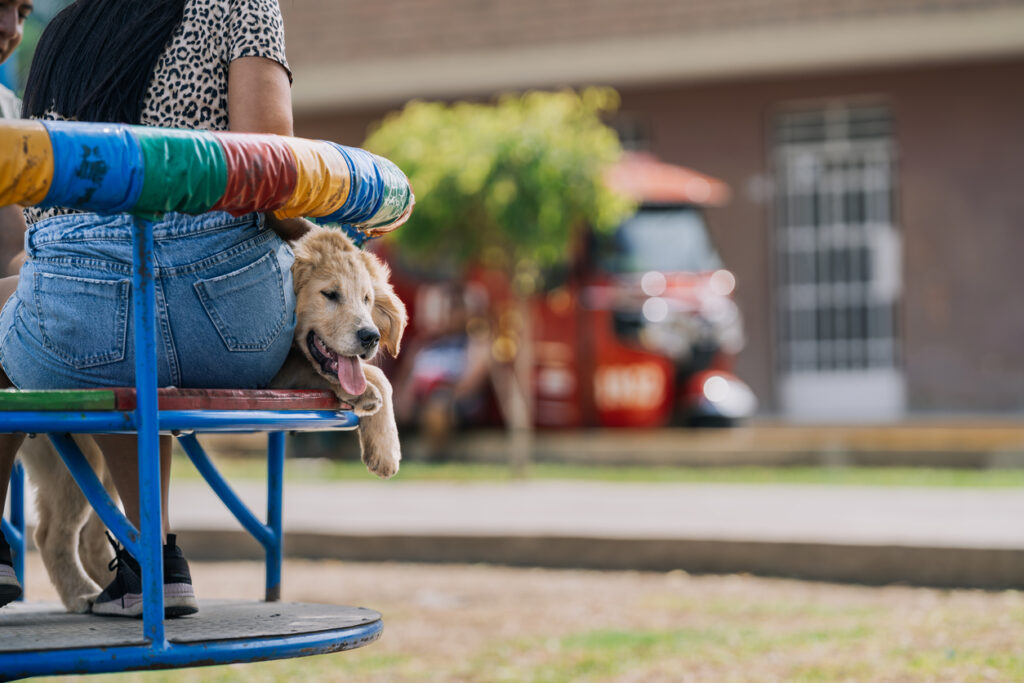
Even if the gate’s open, playgrounds are usually off limits for dogs. These rules protect children from potential bites, scratches, and contamination from unseen waste or bacteria. Many play areas have fenced zones for exactly this reason. It’s best to admire from outside and save playtime for dog-friendly parks or fields.
10. Ignoring signs about nesting birds
During spring and early summer, nature reserves and heathlands often ask visitors to keep dogs on leads to protect ground-nesting birds. Even brief disturbance can cause birds to abandon their nests entirely. It’s not just about rules; it’s about preserving fragile ecosystems. Following those seasonal notices helps protect wildlife for everyone to enjoy later in the year.
11. Forgetting that dogs must wear an ID tag
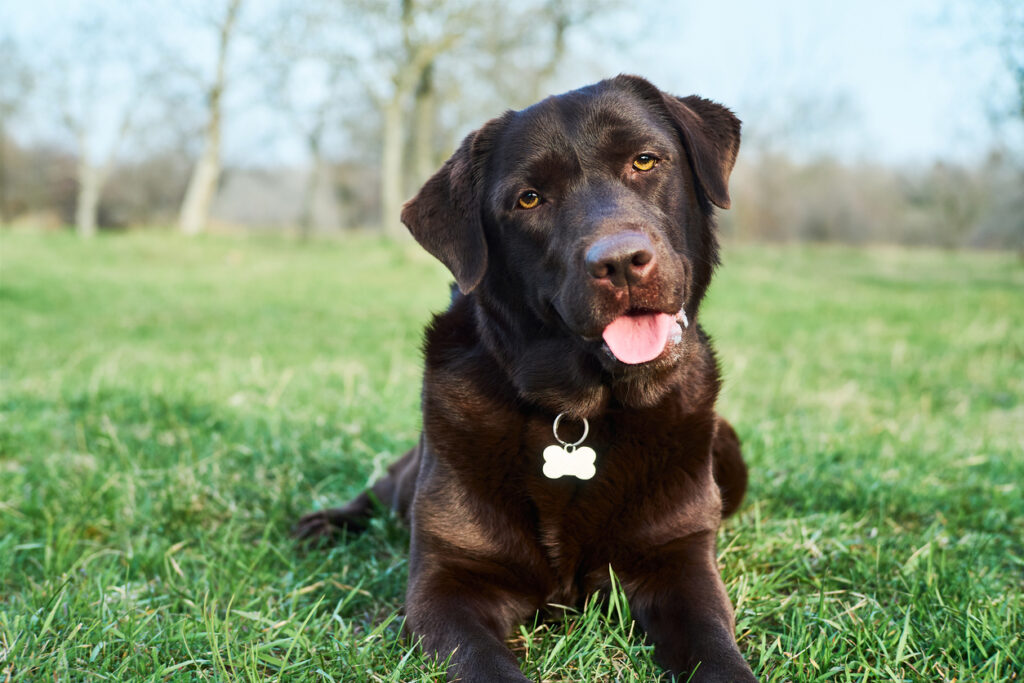
Even though microchipping is required by law, your dog must also wear a visible ID tag in public. It should include your name and address to help anyone who finds them contact you quickly. Skipping the tag can lead to a fine of up to £5,000. A simple engraved disc or collar plate does the job and keeps your pet within the law.
12. Walking dogs in extreme heat
There’s no legal penalty for walking dogs in hot weather, but it’s one of the most common mistakes people make. Pavements can burn paws, and heatstroke can develop within minutes of exposure. Check the temperature before heading out. If it’s too hot to touch the pavement comfortably, it’s too hot for your dog’s paws, too.
13. Failing to pick up old tennis balls or toys

Leaving toys or broken tennis balls behind after a walk is classed as littering, and councils treat it like any other waste. These items can also harm wildlife or block drains during heavy rain. It only takes a moment to pick them up. Taking responsibility for what you bring helps keep shared green spaces safe and enjoyable for everyone.
Most dog walking mistakes happen because people don’t know the rules have changed. Staying aware of local laws keeps your walks stress-free, protects wildlife, and ensures your dog stays safe wherever you roam.