
The manchineel is the kind of tree you could walk past without giving it a second thought, which is part of what makes it so unnerving. It blends into coastal landscapes, looks perfectly ordinary, and doesn’t hint at the reputation it’s earned. People have told stories about it for centuries, and not the pleasant kind. Spend even a moment digging into its history, and you quickly realise why this unassuming tree has such a fierce place in local warnings and folklore.
The manchineel tree looks harmless, which makes it more dangerous.
The tree blends into tropical beaches with smooth bark, glossy leaves and fruit that resembles a small green apple. Nothing about it looks threatening, and that is what catches people out. Tourists walk past without knowing how severe the risks are. Local communities warn people never to touch it, yet many still approach it because it looks welcoming.
The contrast between appearance and danger is what makes the tree so feared. You can’t tell by looking that a single drop of sap can burn your skin. People assume danger comes with obvious signs, yet this tree shows the opposite. Its innocent look is the reason so many injuries still happen today.
Its sap causes painful burns on contact with skin.
The manchineel tree produces a thick, white sap that contains strong toxins capable of causing intense blisters. Even a small amount can create burning pain that lasts for hours. The sap can drip from leaves or branches without warning. People who touch it accidentally often feel the reaction within minutes.
The danger increases because the sap spreads easily if touched and can move onto eyes or mouth, and this causes more severe reactions that medical teams must treat quickly. The tree doesn’t need to be eaten or cut to cause harm because simple contact is enough to trigger major discomfort.
Rain passing through the leaves can burn your skin.
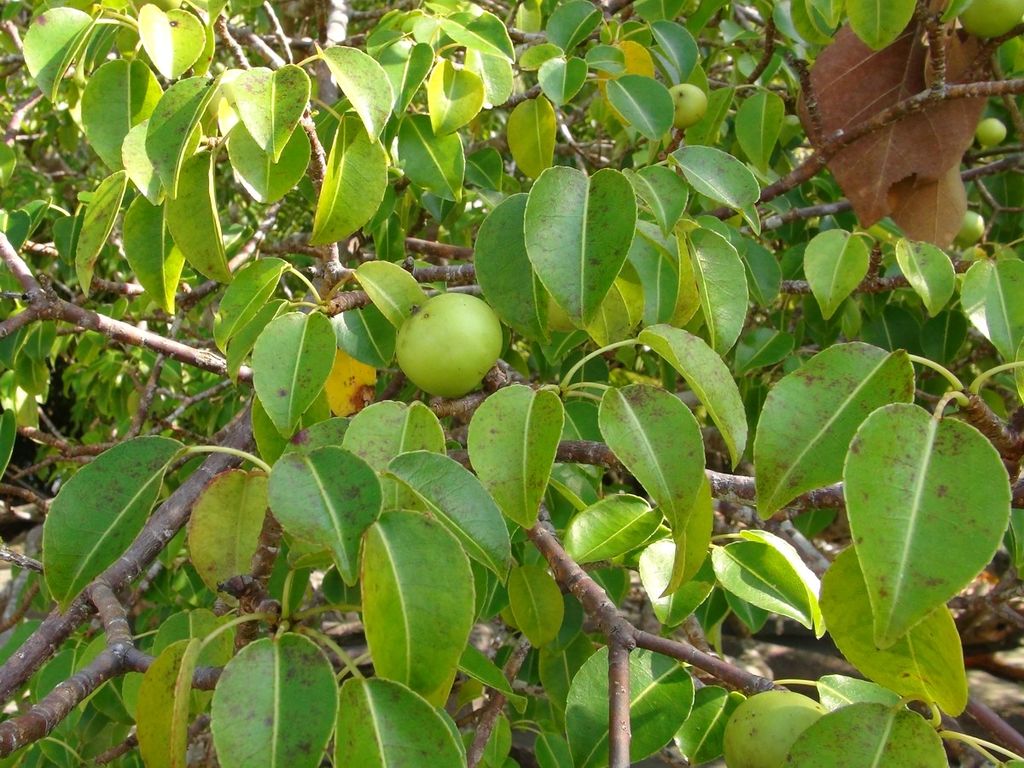
When it rains on a manchineel tree, the water mixes with the toxic sap. Anyone standing underneath can feel painful burns wherever the droplets land. The reaction is common because people look for shelter under trees during sudden storms. Tourists in the Caribbean often learn this rule the hard way.
Local authorities place warning signs or paint the trunks red to prevent accidents, yet the tree still surprises those who don’t know its dangers. The burning sensation arrives quickly and can leave marks for days. This makes even shade from the tree unsafe, especially during wet weather.
Its fruit can cause severe stomach pain if eaten.
The fruit looks sweet and tempting and is often called the little apple of death. People who have tasted it describe a sharp burning feeling in the mouth almost instantly. Swallowing even a small bite can lead to painful throat swelling. The toxins affect the stomach and cause intense vomiting and dehydration.
Historical reports show that people once used the fruit as a way to harm enemies. Sailors and explorers learned quickly to avoid anything that resembled these small apples. Today, warnings continue because travellers still mistake the fruit for safe tropical fruit and only discover the danger once it’s too late.
Smoke from burning the tree is harmful to breathe.
If the wood is burned, the toxins release into the air and can irritate the lungs and eyes. People standing near the smoke may feel stinging sensations or coughing that becomes difficult to control. These effects increase indoors or in enclosed spaces. The danger extends to firefighters or workers clearing land near the tree.
In the past, communities sometimes burned manchineel wood without knowing the risks. Many suffered painful reactions because the smoke carried the toxin far beyond the flames. Even today, controlled burns near these trees require strong protection and clear guidelines to prevent accidental exposure.
Its bark contains toxins that can injure anyone trying to cut it.
The bark holds the same harmful sap found in the rest of the tree. Cutting or scraping the wood causes sap to spray or drip, which creates immediate danger. People clearing land often face severe burns because the sap splashes unexpectedly while the bark is disturbed. Gloves and tools offer only limited protection.
It makes the tree difficult to remove safely. Crews need specialised equipment and protective clothing, and even then, the job is stressful. The bark releases toxins easily, meaning the risk is high from the moment cutting begins. This explains why many manchineel trees remain untouched even in areas of heavy development.
Even the leaves can irritate skin if handled.
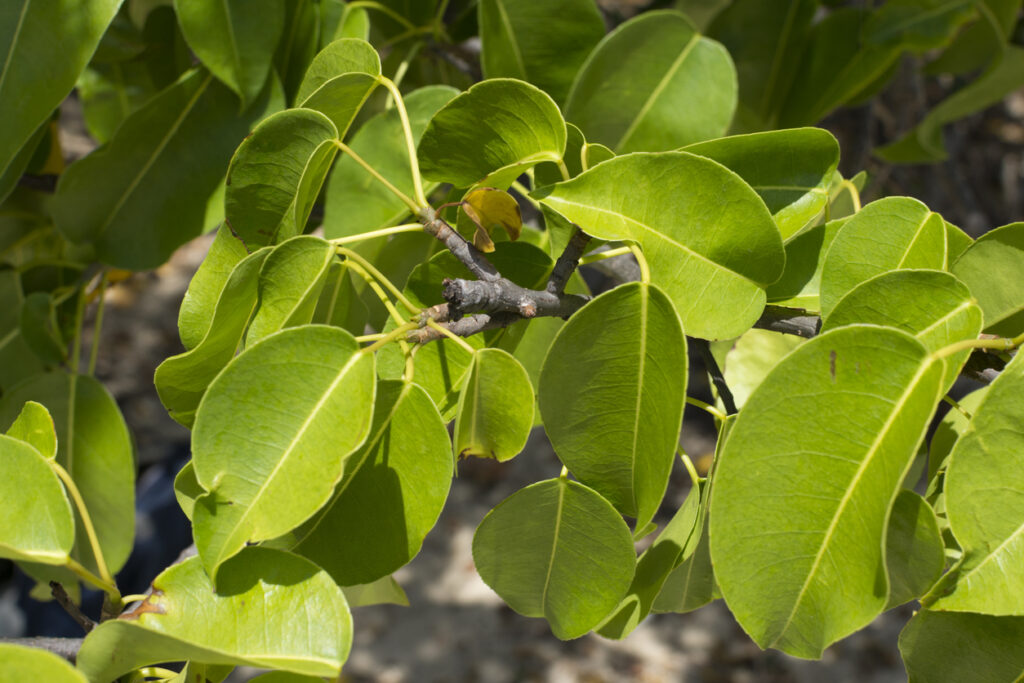
The leaves contain low levels of the same toxins found in the sap, which means picking them up can cause burning sensations. The reaction usually starts as tingling before turning into redness and itchiness. People who gather leaves or step on fallen ones with bare skin often report discomfort soon after.
It creates a wide zone of risk around the tree because fallen leaves mix with sand and ground debris. Children or pets can brush against the leaves without realising the danger. The tree’s reputation comes from the fact that no part of it is completely safe to touch.
It grows near beaches where people expect safety.
The manchineel tree thrives in coastal areas across the Caribbean and parts of Central and South America. These are popular tourist spots with soft sand and warm water. People don’t expect danger here, so they let their guard down easily. The tree fits into the scenery so well that many don’t notice it.
The placement increases risk because people place towels, bags, and chairs near its trunk. Children climb the branches without knowing the danger. Beaches use warning signs to protect visitors, yet not everyone reads them. The natural beauty of the environment hides how severe the risk truly is.
Many stories and injuries have built its deadly reputation.
Historical accounts describe explorers who suffered burns, swelling or temporary blindness after touching the tree. Locals warned early settlers with strong language because they knew how dangerous the tree could be. These stories passed down through generations and helped shape its reputation as the deadliest tree on the planet.
Modern science confirmed what older accounts suggested by identifying toxins that cause severe reactions. Reports continue today because tourists still make accidental contact. The steady number of injuries proves that the danger is real. The reputation isn’t fearmongering but a reflection of repeated documented harm.
It remains the most poisonous tree because every part can hurt you.
Most dangerous plants have one harmful part, yet the manchineel tree poses risk from top to bottom. The sap burns, the fruit poisons, the leaves irritate, the smoke harms and even the rain through the branches can injure. Few plants combine this many dangers in one species.
This is why scientists and locals agree it’s the most poisonous tree known today. You can’t interact with it safely without protective gear and knowledge. The danger isn’t hidden in one part but spread across the entire tree, which solidifies its reputation as the most hazardous tree in the world.