Vipers have a way of unsettling people more than most snakes, and it isn’t just their looks.
There’s something about the way they watch, wait and react that feels different from other species. They’re built for quick decisions and close-range strikes, and that combination gives them a reputation that sticks. You don’t need to be a reptile expert to understand why people tread carefully around them.
What makes them stand out is a mix of instinct, precision and the environments they’ve adapted to. They’re highly tuned animals, and their behaviour reflects that. Spend even a short time learning how they operate, and you start to see why they command so much respect wherever they’re found.
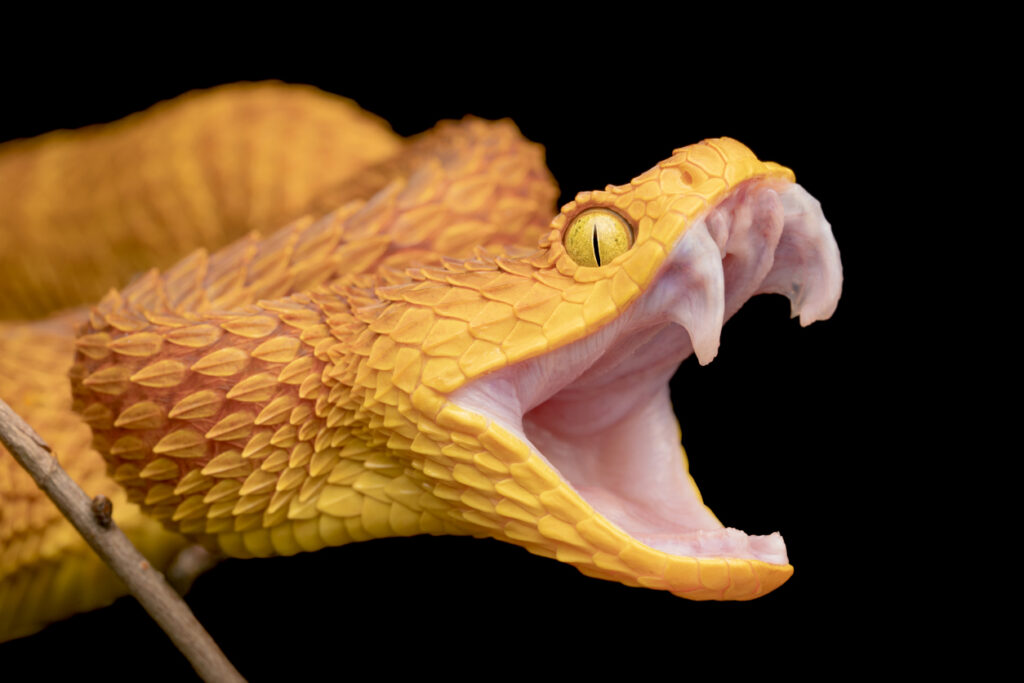
They have the longest fangs of any snake family.

Viper fangs aren’t just long, they’re absolutely massive compared to other venomous snakes. Some species have fangs reaching over 5 cm long that fold up against the roof of their mouth when not in use, like switchblades that snap forward when the snake strikes.
These hollow fangs work like hypodermic needles, injecting venom deep into tissue where it does maximum damage. The length means vipers can deliver venom into vital organs and blood vessels that shorter-fanged snakes can’t reach. It’s a massively effective killing tool.
Their venom destroys tissue and causes horrific damage.
Viper venom is hemotoxic, meaning it attacks blood and tissue rather than the nervous system. It breaks down cell walls, destroys blood vessels, prevents clotting, and causes massive internal bleeding. The result is tissue death, extreme swelling, and damage that spreads from the bite site.
Victims describe excruciating pain as their flesh essentially dissolves from the inside. Even with treatment, viper bites can result in permanent tissue damage, loss of limbs, and organ failure. The venom continues destroying tissue for days after the bite.
They can see in infrared to hunt in total darkness.
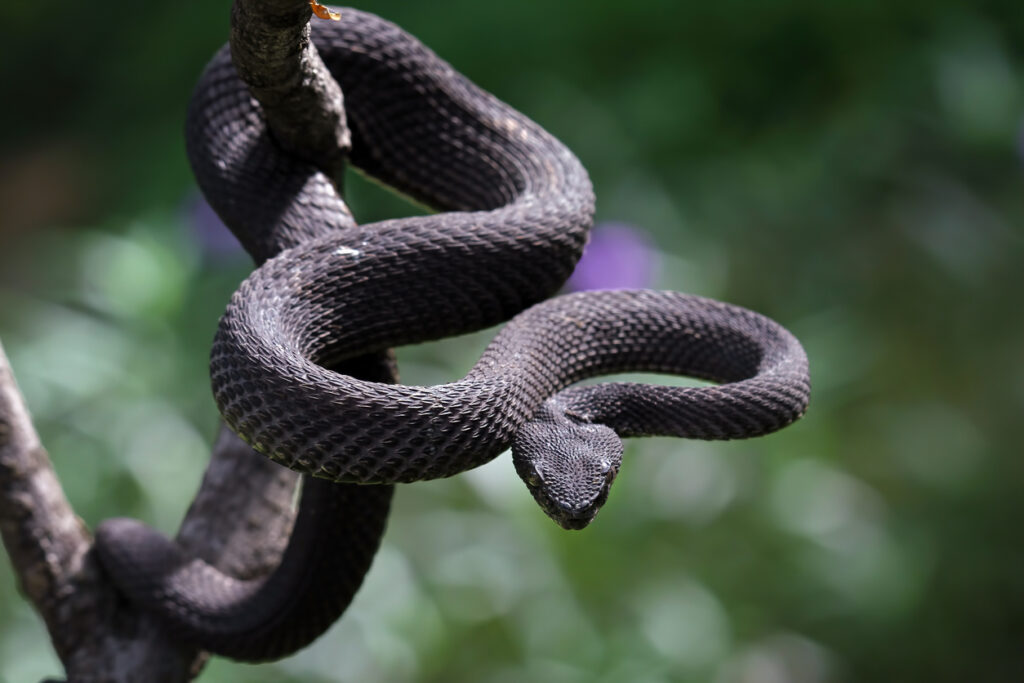
Pit vipers have heat-sensing organs between their eyes and nostrils that detect infrared radiation from warm-blooded prey. This lets them hunt in complete darkness by seeing the heat signature of animals, creating a thermal image of their surroundings.
Their heat vision is so sensitive, they can detect temperature differences of a fraction of a degree, spotting prey from several meters away even in pitch black. You could be standing perfectly still in darkness and a viper would see you as a glowing heat source.
They strike faster than humans can react.
Vipers can strike at speeds of up to 8 meters per second, covering the distance between them and prey in a fraction of a second. The strike is so fast that high-speed cameras are needed to properly study it because the human eye can’t track the movement.
By the time your brain registers the snake moving, you’ve already been bitten. This incredible speed combined with the folding fang mechanism means vipers can strike, inject venom, and retract before prey even knows what’s happened. There’s essentially no dodging a viper strike.
They’re ambush predators that wait motionless for days.
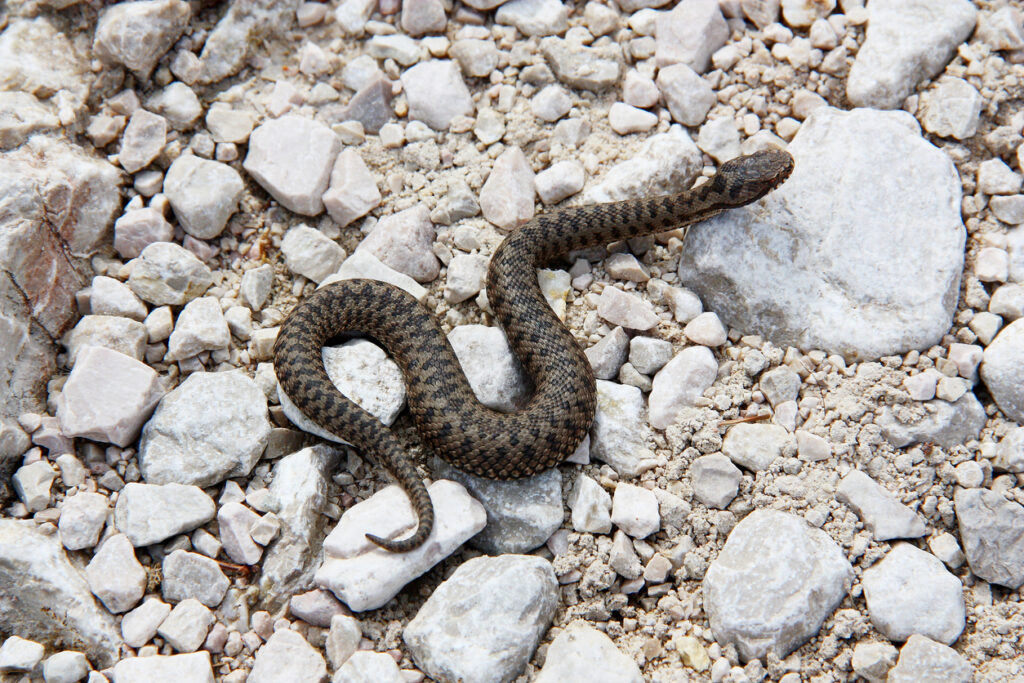
Unlike snakes that actively hunt, vipers are patient ambush predators that select a good spot and wait completely still until prey wanders within striking distance. They can sit in the same position for days or even weeks without moving.
That hunting strategy is terrifying because you can walk right past a viper and never see it. They’re masters of camouflage, and their complete stillness makes them invisible until the moment they explode into action. The first sign a viper is there is often the bite itself.
Their camouflage makes them nearly impossible to spot.
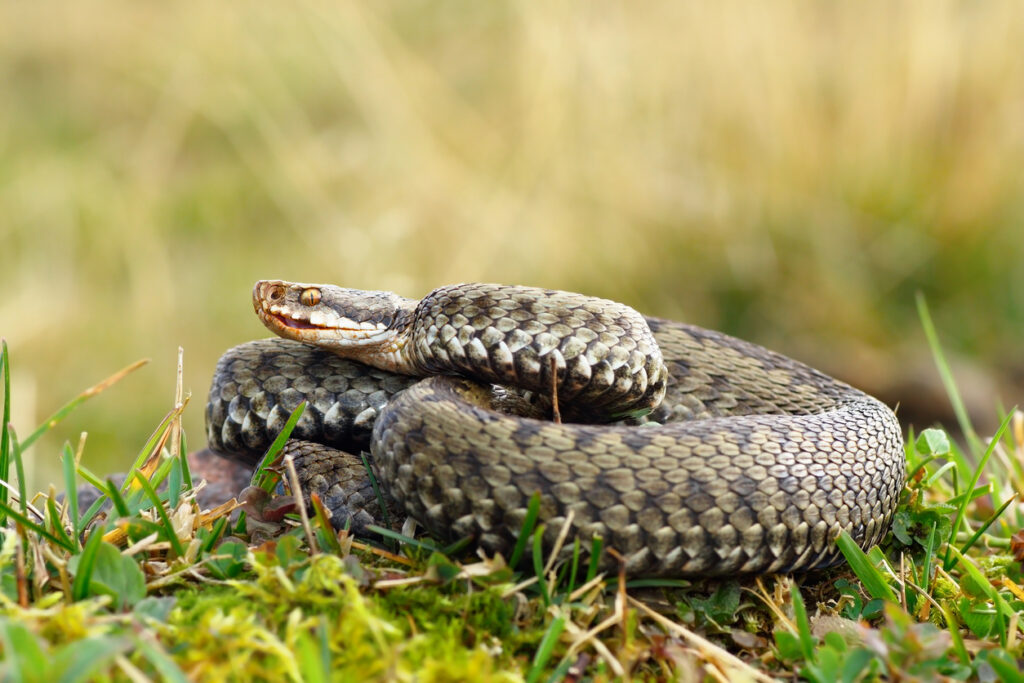
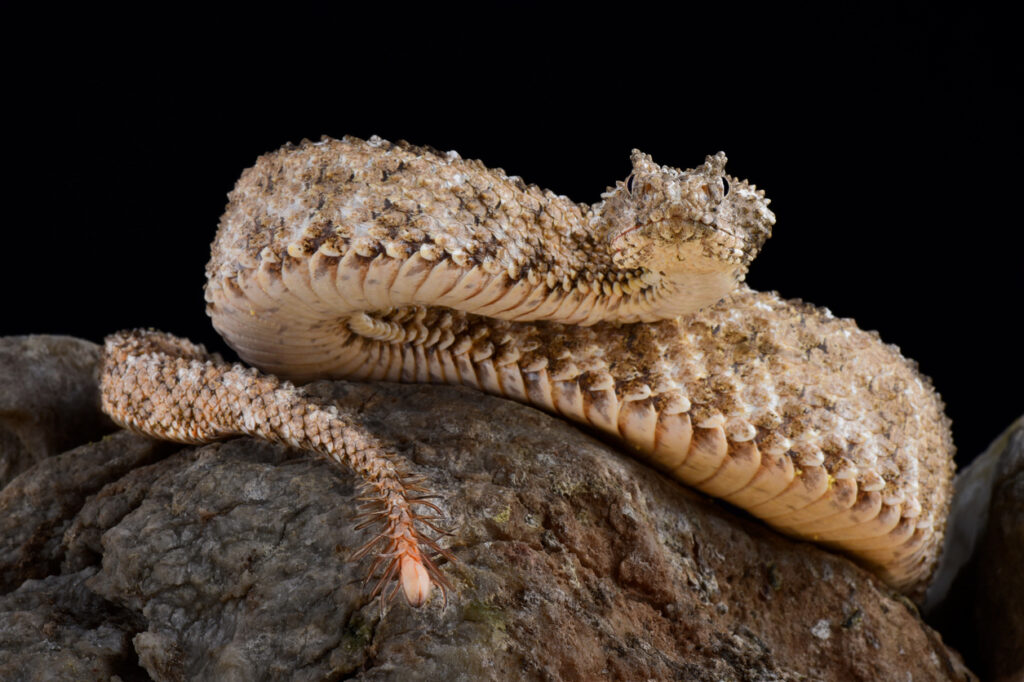
Vipers have evolved patterns and colours that blend perfectly with their environment. Desert vipers match sand, forest vipers look like leaf litter, and rocky habitat species disappear against stones. Their camouflage isn’t just good, it’s genuinely exceptional.
People step within centimetres of vipers without seeing them because the snake’s pattern breaks up its outline completely. This cryptic colouration combined with their ambush behaviour means encounters happen when someone accidentally gets too close to a snake they never knew was there.
They can control how much venom they inject.
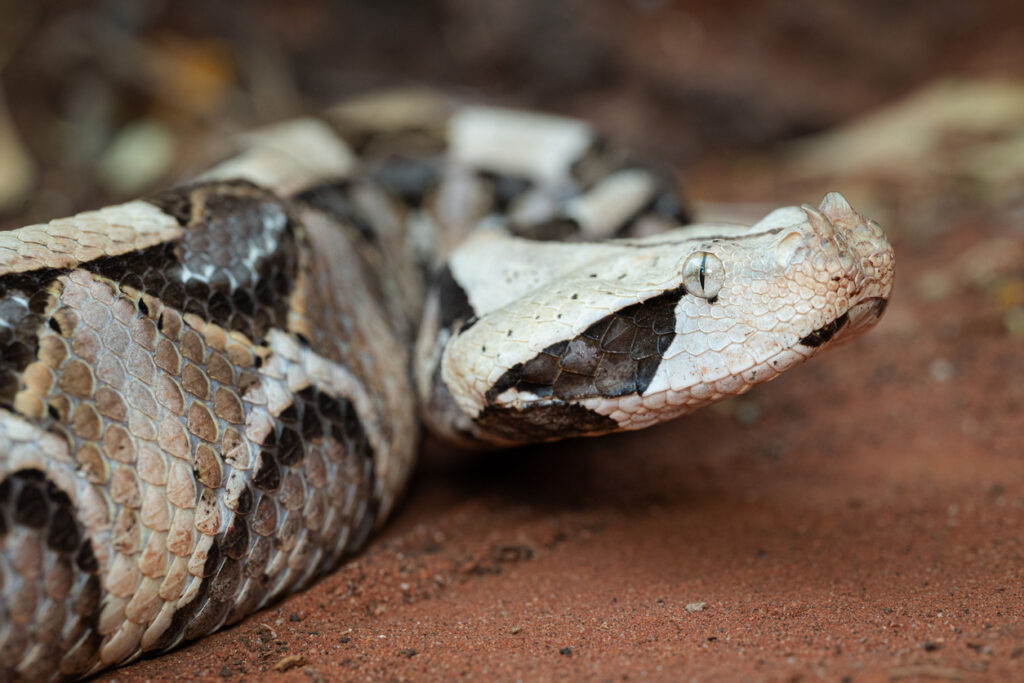
Vipers have voluntary control over their venom delivery, able to give dry bites with no venom, warning bites with small amounts, or full defensive bites with maximum venom. This shows intelligence in venom use because producing venom is metabolically expensive.
The terrifying part is that you never know which type of bite you’ve received until symptoms appear. Even experienced handlers can’t predict venom yield from a bite. This unpredictability makes treatment complicated because you don’t know how severe the envenomation is initially.
Some species can spit venom at your eyes.
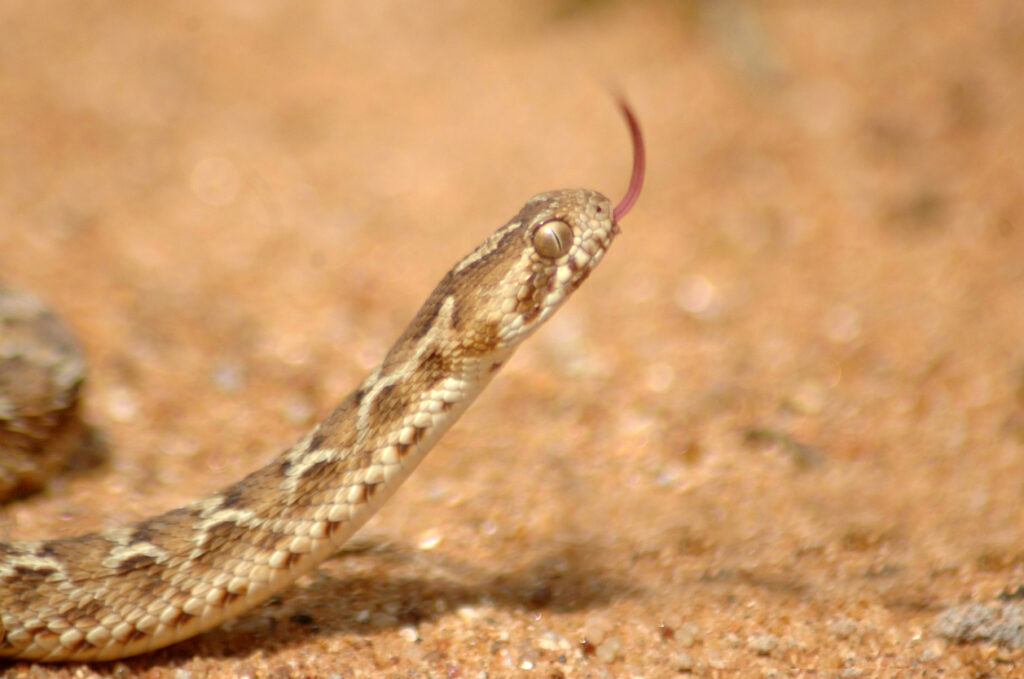
Spitting cobras get more attention, but some viper species can also spray venom defensively. They force venom through modified fangs at high pressure, aiming for the eyes of threats. The venom causes immediate burning pain, temporary or permanent blindness if not washed out quickly.
That defence means you don’t even need to be in striking range to be hurt. A viper can spray venom several meters with surprising accuracy. Getting venom in your eyes while trying to avoid the dangerous end of a snake is a nightmare scenario.
They give birth to live young that are venomous immediately.
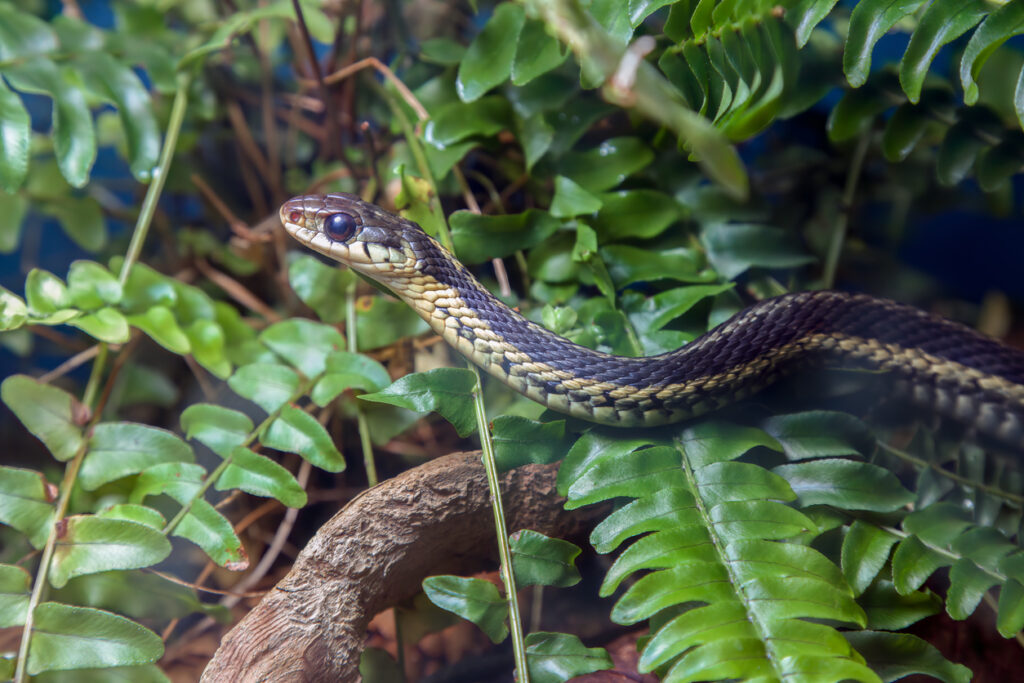
Most vipers don’t lay eggs, they give birth to fully formed live babies that are venomous from birth. A newborn viper is just as dangerous as an adult relative to its size, with fully functional fangs and potent venom ready to use.
Baby vipers are actually more dangerous in some ways because they’re less experienced at controlling venom delivery and often inject everything they have in defensive bites. Finding one baby viper means there are likely many more nearby, all small enough to hide anywhere and all perfectly capable of killing you.
Their venom has evolved to target specific prey perfectly.
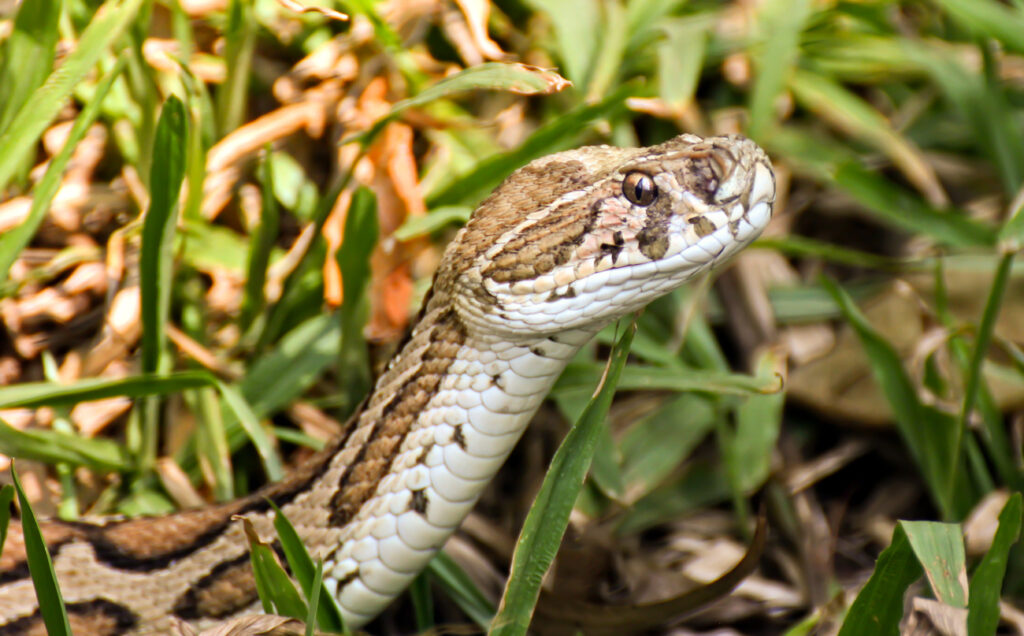
Viper venom isn’t generic, it’s fine-tuned over millions of years to work optimally on their preferred prey. The toxin cocktail varies between species depending on what they typically eat, making each viper’s venom uniquely effective for its ecological niche.
Such specialisation means antivenom needs to match the specific viper species because each venom works differently. Using the wrong antivenom can be useless or even dangerous. The sophistication of viper venom as an evolved weapon is genuinely impressive and terrifying.
They can strike from any position without coiling first.
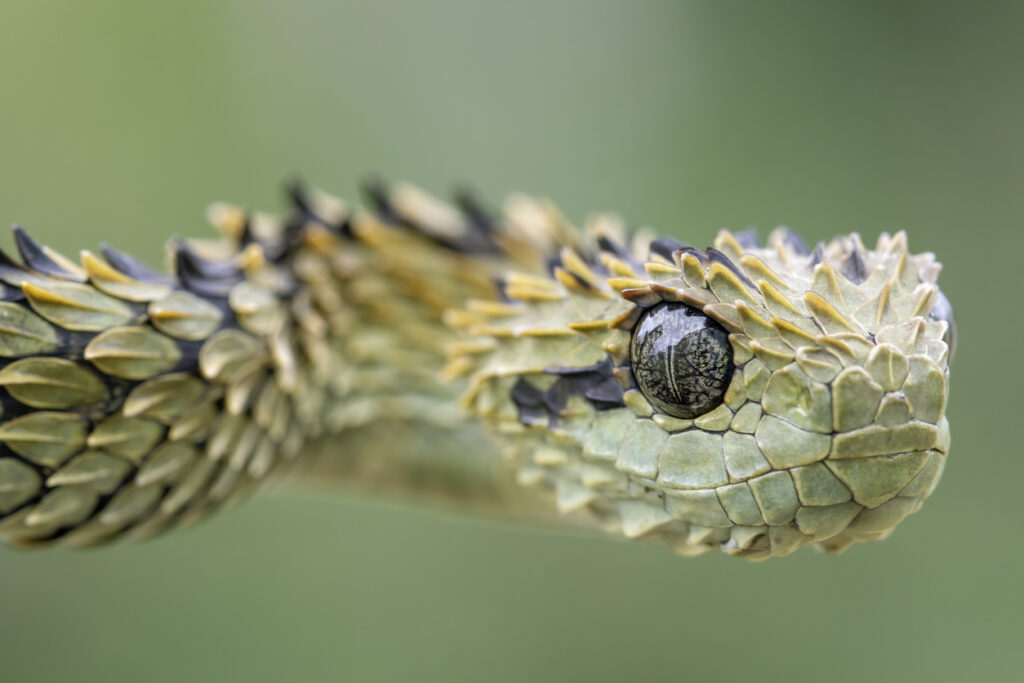
Many snakes need to coil into an S-shape before striking, giving a warning of their intentions. Vipers can strike from rest position, while moving, from any angle, without any preparatory movement. This eliminates warning signs that might let you avoid being bitten.
The mechanical advantage of their strike doesn’t require coiling because of how their vertebrae and muscles work. A viper lying straight can still generate the explosive force needed to drive fangs deep into flesh. There’s no safe position or orientation when near a viper.
Some species shake their tails to mimic rattlesnakes.

Various viper species vibrate their tails against leaves or grass when threatened, creating a buzzing rattle sound similar to rattlesnakes, even though they don’t have actual rattles. This acoustic mimicry warns potential threats to back off before the snake needs to bite.
The scary part is hearing that distinctive rattle sound and not being able to tell if you’re dealing with a relatively predictable rattlesnake or a different viper species with different behaviour patterns. The sound creates fear and confusion about exactly what danger you’re facing.
They’re found on every continent except Antarctica and Australia.
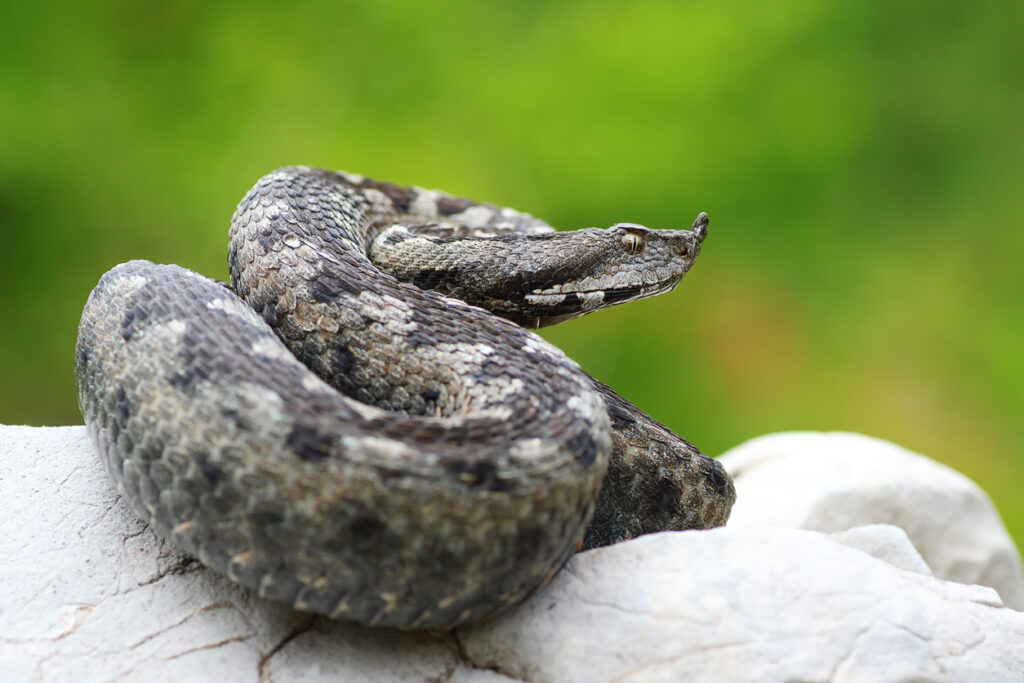
Vipers have successfully colonised almost the entire world, adapting to deserts, forests, mountains, swamps, and everywhere in between. Their success as a snake family shows how effective their hunting strategy and venom delivery system is across diverse environments.
Their global distribution means you could encounter vipers almost anywhere you travel. From European adders to American rattlesnakes to Asian pit vipers to African puff adders, there’s a local viper species ready to ruin your day on most of the planet. Their worldwide presence makes them genuinely the most dangerous snake family.