Ancient woodland has a feel to it that you don’t quite get anywhere else, even if you can’t put your finger on why at first.
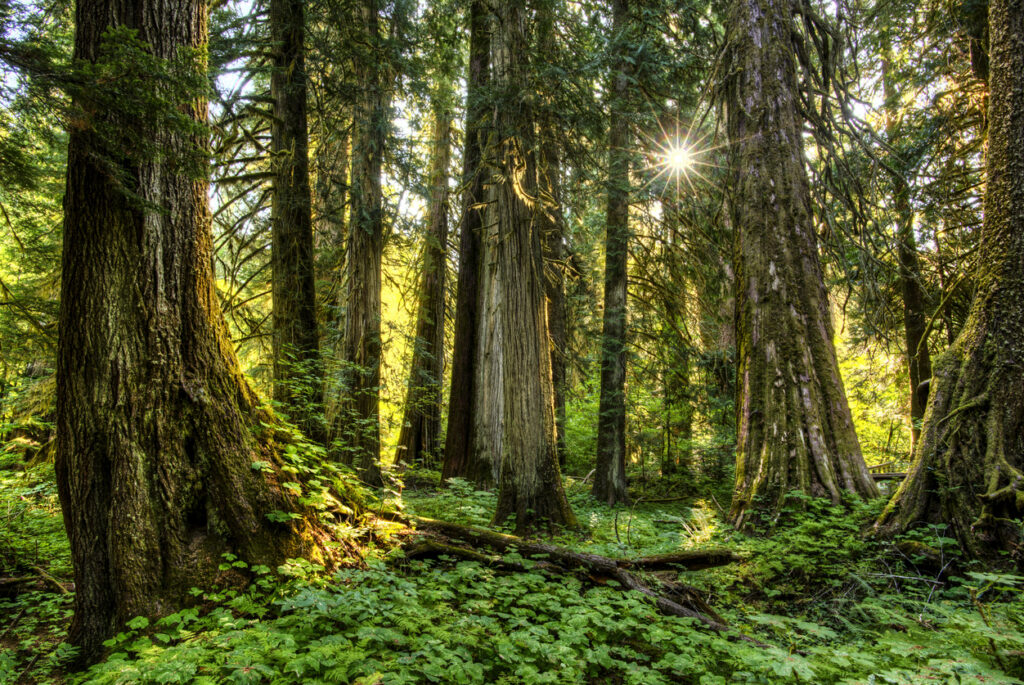
The shapes of the trees, the way the ground grows uneven with age, and the mix of plants you spot as you walk through all give little hints. These places haven’t been freshly planted or tidied into neat rows. They’ve grown in their own way for centuries, and that history shows up in small details rather than big, obvious markers.
What helps most is knowing what to look for. Certain plants only grow in these older landscapes, the trees tend to have thicker, more irregular trunks, and the whole place carries a kind of long-settled structure you don’t find in newer woods. It’s less about one clear feature and more about noticing those clues coming together. Once you start spotting them, you get a much better sense of when you’re standing in a woodland that’s been rooted in the same place for hundreds of years.
Look for indicator plant species that only grow in old woodland.
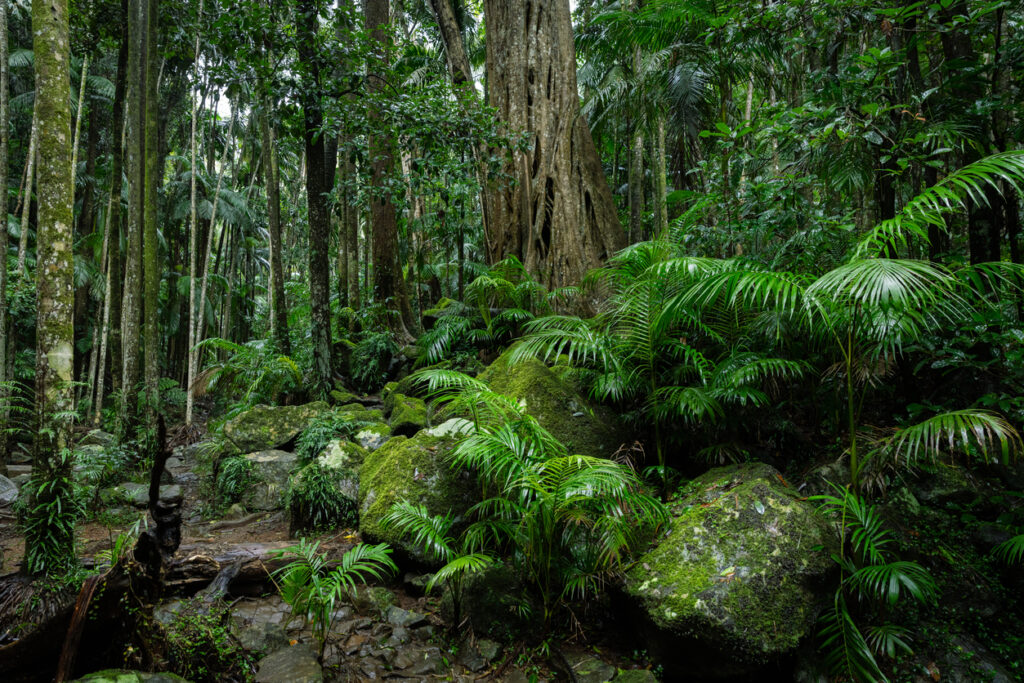
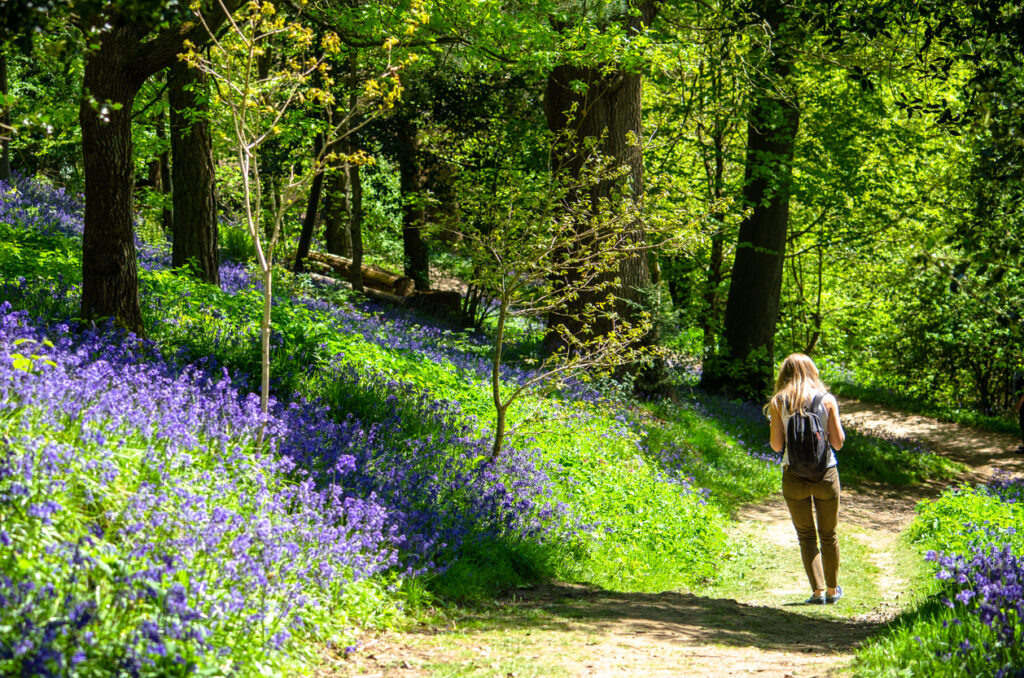
Certain plants are incredibly fussy about where they grow and only appear in woods that have been there for hundreds of years. Bluebells carpeting the forest floor, wood anemones, wild garlic, and wood sorrel are classic signs you’re in ancient woodland rather than recently planted trees.
These plants spread very slowly, sometimes only a few meters per century, so finding them means the woodland has been undisturbed for ages. They won’t grow in new plantations or recently forested areas because they simply haven’t had time to colonise the space yet.
Check for massive old trees with huge girths.

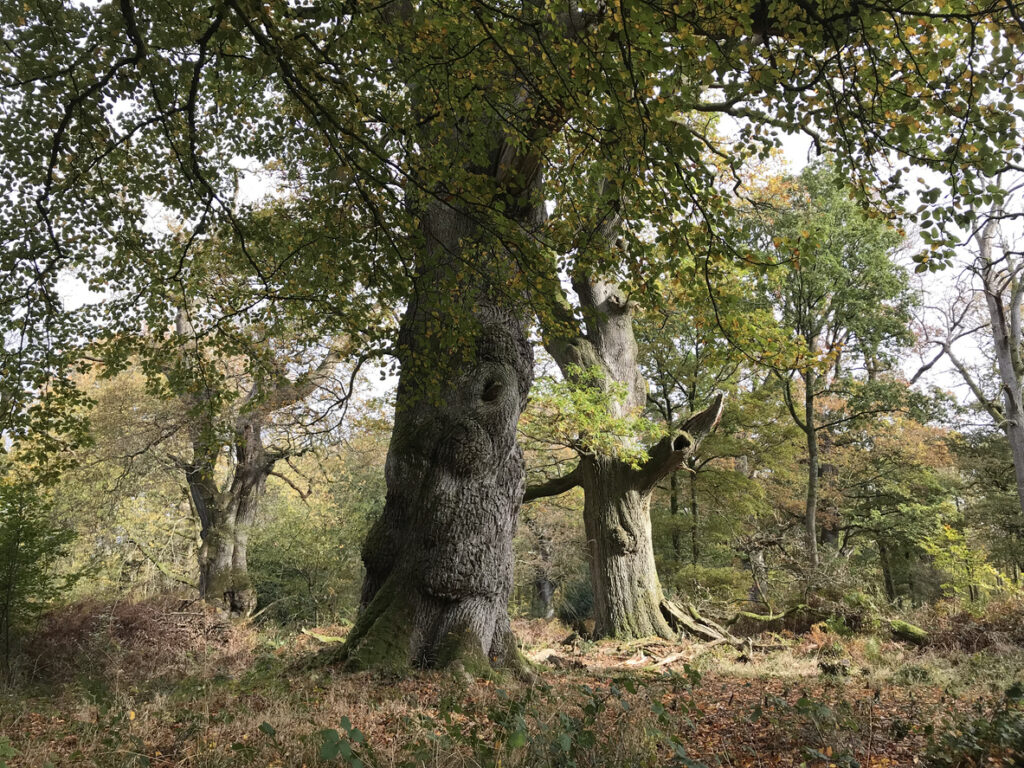
Ancient woodlands contain individual trees that are genuinely ancient themselves. Look for oaks, beeches, or yews with trunks so wide you can’t wrap your arms around them. Trees with girths of several meters indicate they’ve been growing undisturbed for centuries.
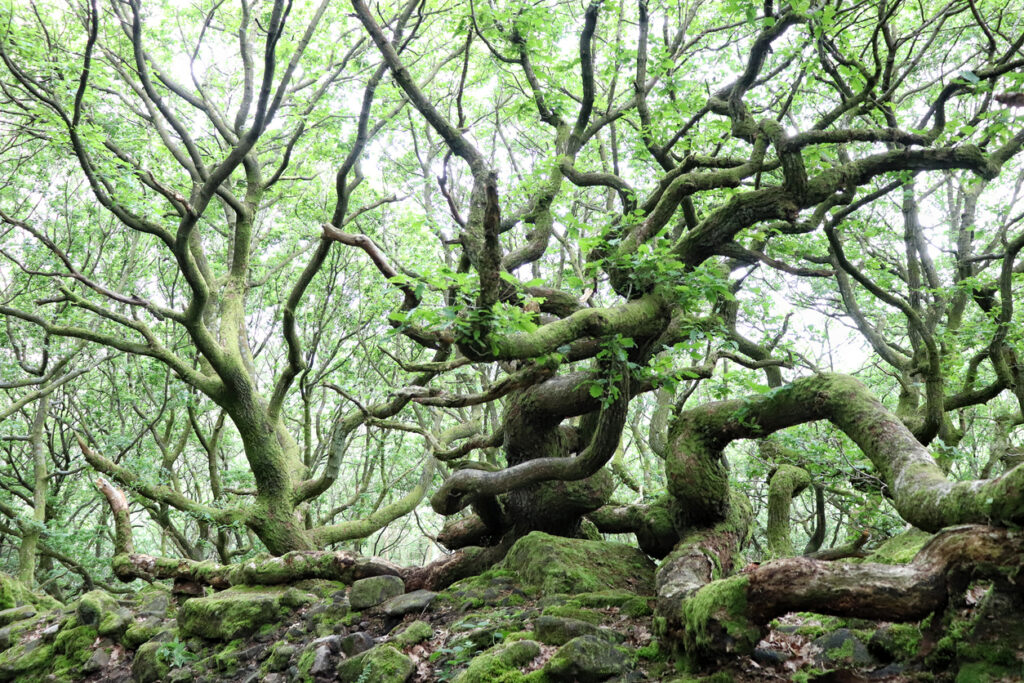
These veteran trees often have hollow trunks, missing branches, and gnarly twisted shapes from hundreds of years of growth. They’re wildlife hotels, supporting thousands of species. Finding multiple old giants in one wood is a strong sign the whole site is ancient.
Notice the uneven ground, with bumps and dips everywhere.
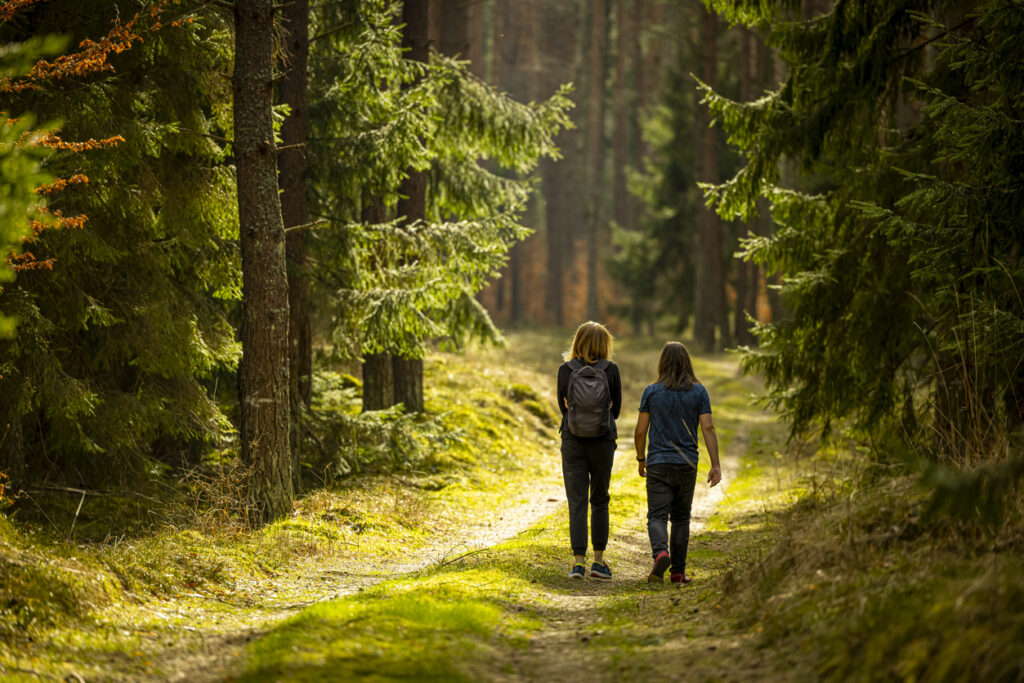
Ancient woodland floors are rarely flat. You’ll find mysterious humps, hollows, banks, and ditches all over the place. These are traces of centuries of human activity, from medieval charcoal burning pits to old boundary markers and forgotten trackways.
The undulating ground shows the woodland has been around long enough to accumulate layers of history. Modern planted forests have flat, even ground because they’re created on cleared land. All those random bumps are like reading a history book written in earth.
Spot the ancient boundary features like old banks and ditches.
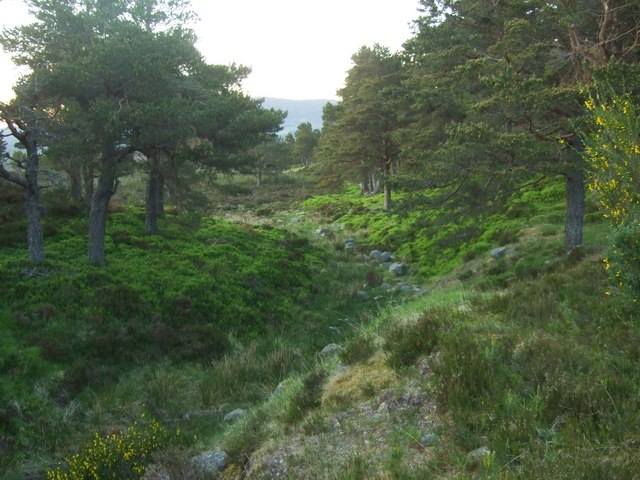
Look for raised earth banks with ditches running alongside them at the woodland edge. These are often medieval or even older boundary markers showing where the woodland has been for centuries. The banks can be several feet high and covered in vegetation now.
These boundaries were created to keep livestock out or mark property lines hundreds of years ago. Finding them means the woodland edge has been in roughly the same place for an incredibly long time. Modern woods don’t have these historic boundaries.
Find trees growing in dead straight lines or unusual patterns.
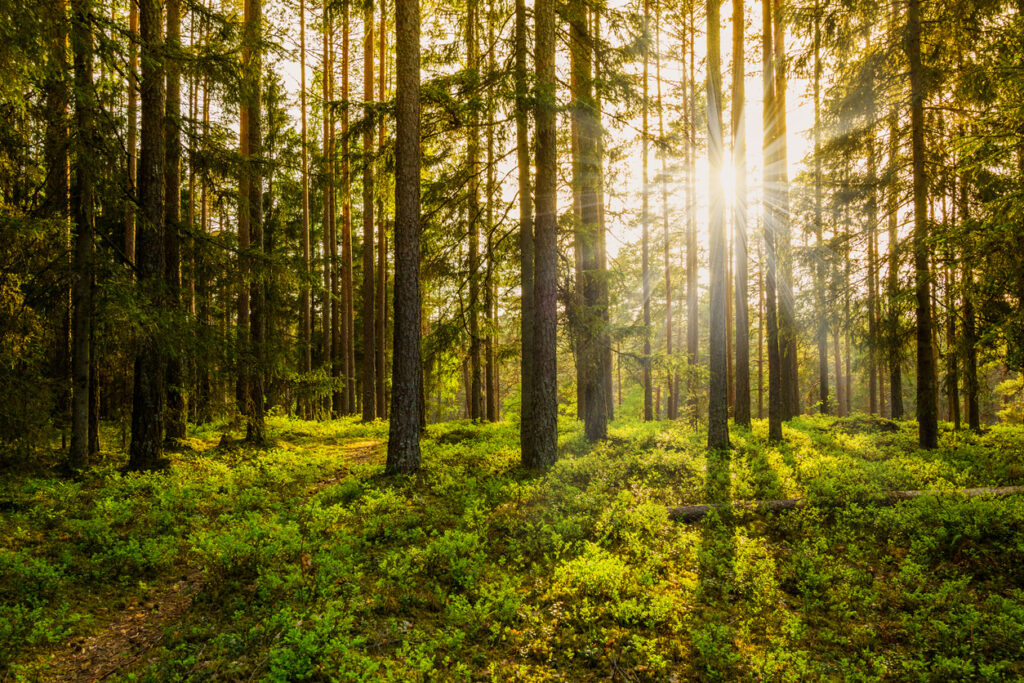
Weirdly, very straight lines of trees or geometric patterns can indicate ancient woodland. These might be old coppice boundaries, medieval planting rows, or markers of historic woodland management practices that go back centuries.
The patterns seem unnatural at first, but they’re actually proof of long-term human management of ancient woods. People have been working these woodlands for so long that their management systems are written into the landscape. It’s the opposite of wild, but it proves ancient status.
Look for coppiced trees with multiple trunks from one base.

Coppicing is an ancient woodland management technique where trees are cut near ground level and allowed to regrow multiple stems. These multi-stemmed trees, especially hazel, ash, or sweet chestnut, show the woodland has been actively managed for centuries.
Some coppice stools, the base from which multiple trunks grow, are hundreds of years old despite the stems being younger. Finding lots of coppiced trees means people have been sustainably harvesting this woodland for generations, which only happens in ancient sites.
Notice lichens and mosses covering everything.
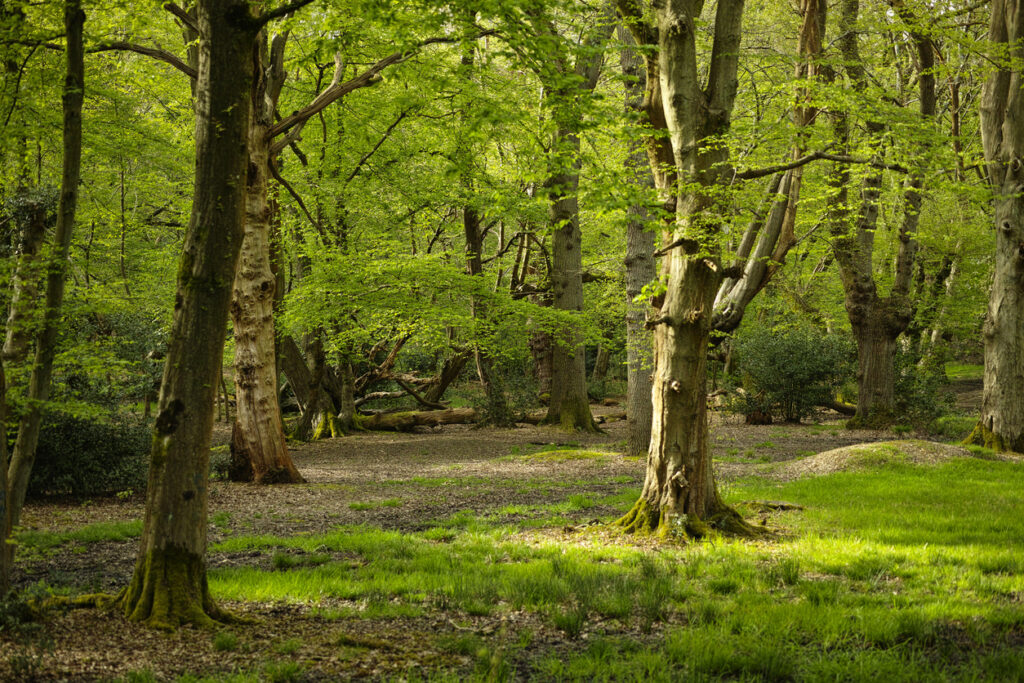
Ancient woodlands are absolutely covered in lichens and mosses, creating a green, slightly fuzzy appearance on tree trunks, rocks, and fallen wood. The diversity of lichen species is particularly telling because some rare types only grow in undisturbed ancient forests.
These organisms need stable conditions over very long periods. They’re incredibly sensitive to pollution and disturbance, so their presence indicates the woodland has been continuously present with clean air for centuries. Modern plantations look bare by comparison.
Find lots of deadwood lying around undisturbed.
Ancient woodlands are messy places with fallen logs, standing dead trees, and rotting wood everywhere. This deadwood habitat is crucial for thousands of species, and its presence shows the woodland hasn’t been tidied up or heavily managed recently.
Commercial plantations clear away deadwood because it’s seen as waste or fire hazard. Ancient woodlands keep it because it’s been there forever and plays a vital role. The amount of decay happening at different stages creates a complex ecosystem you don’t find in newer woods.
Check old maps to see if the woodland appears on them.
This is cheating a bit because it requires homework, but looking at historic maps is the most definitive way to prove ancient status. If a woodland appears on maps from 1600 or earlier, particularly estate maps or early Ordnance Survey maps, it’s definitely ancient.
In England, any woodland that’s been continuously present since 1600 is classified as ancient. Maps don’t lie about this, they show exactly where woods stood centuries ago. If your local woodland is on a map from Shakespeare’s time, you’re walking through history.
Look for pollarded trees with swollen trunks and high branches.

Pollarding is like coppicing, but the cuts are made high up the trunk, above browsing height for deer and livestock. Pollarded trees develop distinctive swollen lumps where branches regrow from the same points repeatedly over centuries.
These weird-looking trees with fat lumpy trunks and branches sprouting from one point are signs of ancient management systems. Pollarding was common in medieval deer parks and wood pastures. Finding them indicates the woodland has been managed in traditional ways for hundreds of years.
Notice the variety of different aged trees all mixed together.
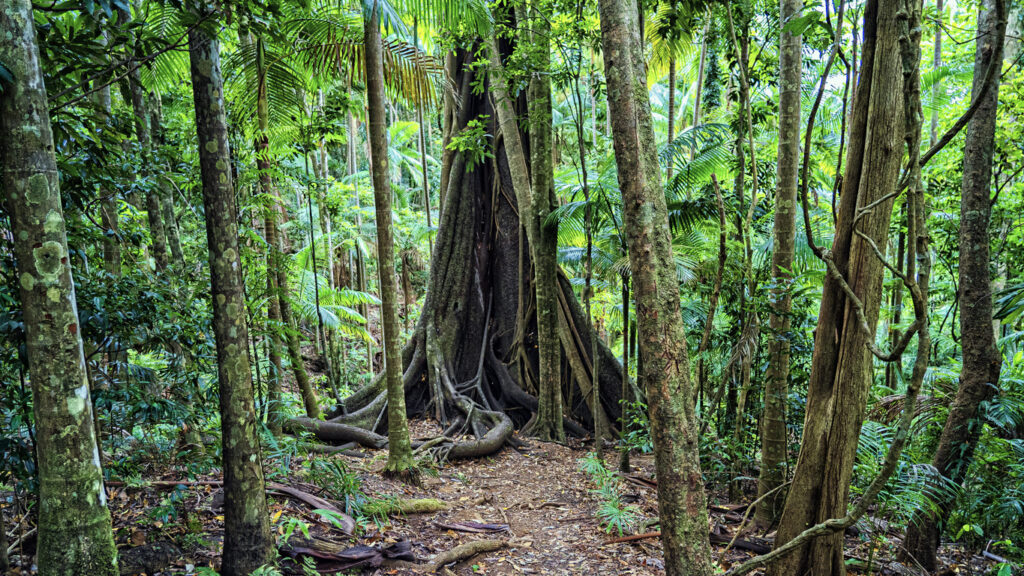
Ancient woodlands contain trees of all different ages growing together naturally. You’ll see seedlings next to middle-aged trees next to ancient giants all in the same area, creating a complex structure with multiple layers of canopy.
Commercial plantations are all the same age because they were planted at once. That uniform appearance is the giveaway they’re modern. Ancient woods have continuous regeneration over centuries, creating a much more varied and natural-looking age structure.
Find rare wildlife that depends on old forest habitat.
Certain creatures only live in ancient woodland because they need the specific conditions these old forests provide. Spotting things like purple hairstreak butterflies, lesser spotted woodpeckers, dormice, or rare beetles suggests you’re in genuinely ancient habitat.
These species are indicators because they can’t survive in young plantations or recently created woodland. They need the deadwood, the specific plants, the old trees, and the continuity that only ancient woodlands offer. Their presence confirms what the plants and trees are already telling you about the site’s age.