Nectar and pollen both play a huge role in the life of a flower, but they serve entirely different purposes for the creatures that visit them.
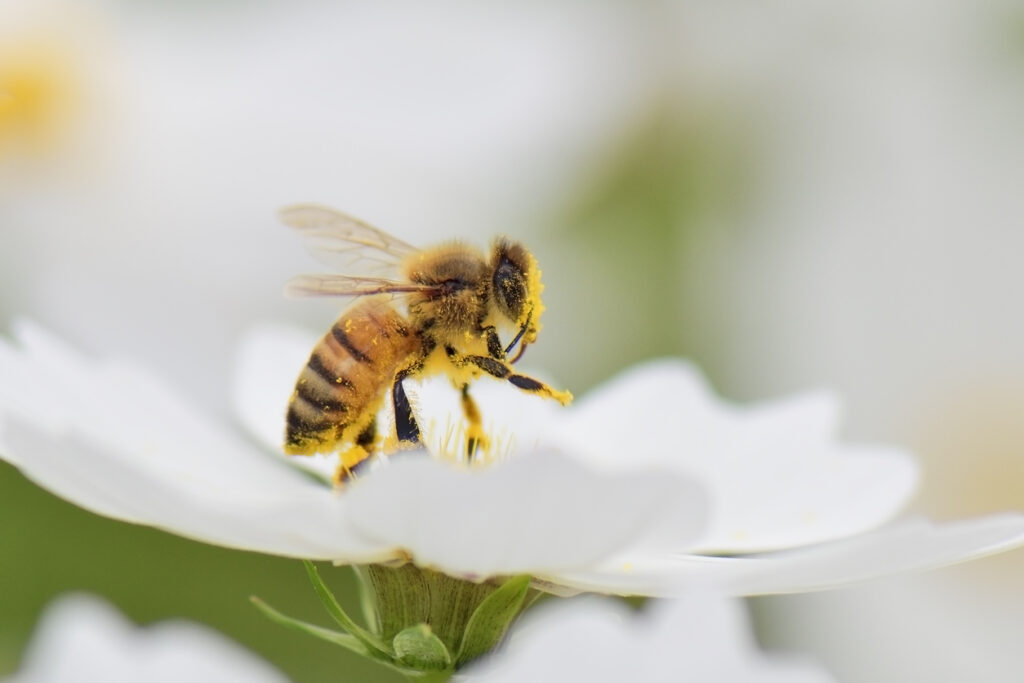
Nectar is the sweet liquid plants produce to draw in bees, butterflies and other visitors, giving them a quick hit of energy. Pollen, on the other hand, is the fine powder that carries a plant’s genetic material and sticks to anything that brushes past it. One is a reward, the other is the real business of reproduction. Once you know what each one does, it becomes much easier to understand why so many insects bounce between flowers the way they do.
Nectar is basically sugar water that plants make deliberately.

Plants produce nectar specifically to attract pollinators like bees, butterflies, and hummingbirds. It’s a sugary liquid that sits in special glands called nectaries, usually at the base of flowers, where visitors have to brush past the reproductive parts to reach it.
It’s not accidental, either. The plant is literally bribing insects and birds to visit by offering them an energy-rich reward. The nectar contains mostly sugars dissolved in water, with some amino acids and other compounds thrown in. It’s the plant’s way of saying, “Come here, and I’ll feed you” knowing that the visitor will carry pollen in exchange.
Pollen is plant reproductive material that gets moved around accidentally.
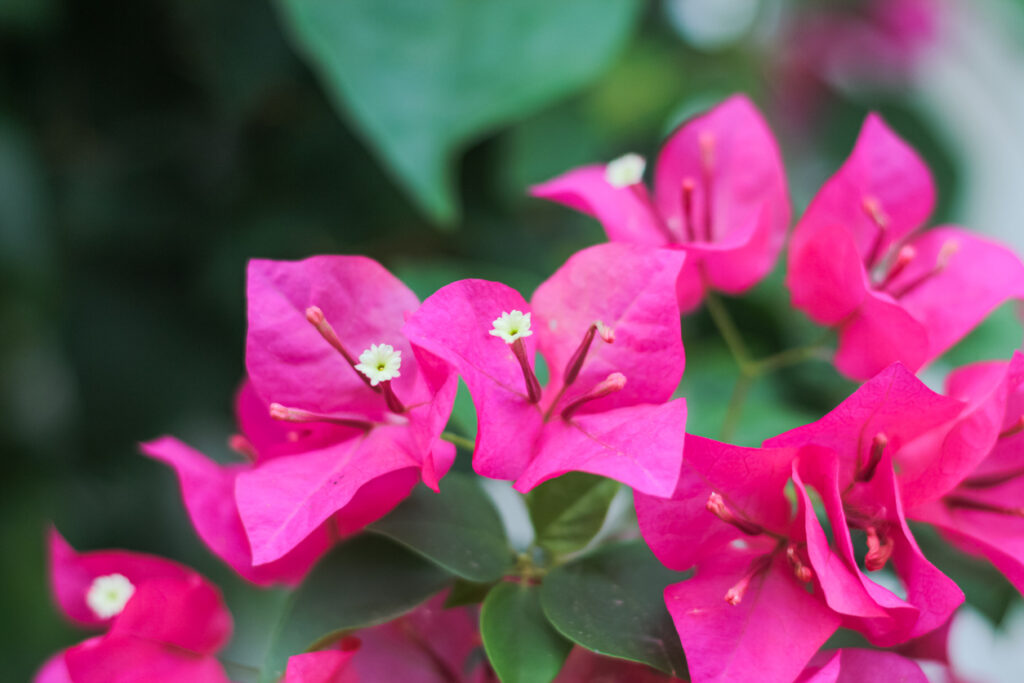
Unlike nectar, which is made as a bribe, pollen is the male reproductive cells of the plant. Each grain of pollen contains the genetic material needed to fertilise another flower and create seeds. Plants don’t make it for pollinators, they make it to reproduce.
When bees and other insects visit flowers for nectar, they inadvertently get covered in pollen that’s sitting on the stamens. They then carry this pollen to the next flower, where some of it rubs off onto the stigma, completing pollination. The whole system works because insects are messy eaters who can’t help but get dusted with reproductive cells as they’re drinking.
Bees turn nectar into honey for winter food.
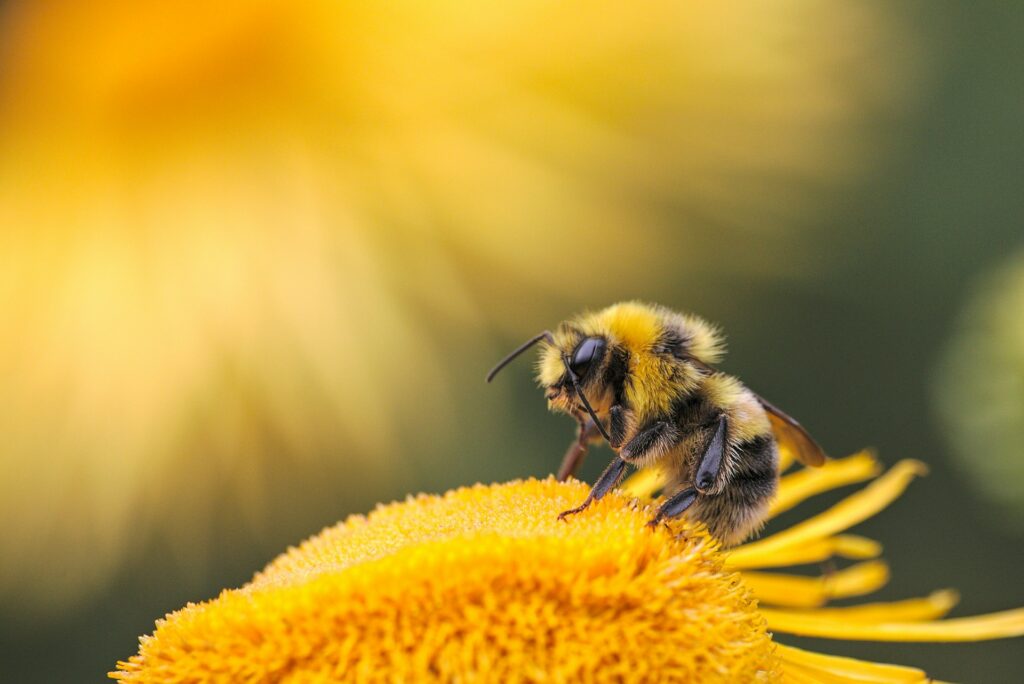
When bees collect nectar, they store it in a special stomach and carry it back to the hive. There, they pass it to other worker bees, who chew it and add enzymes that break down the complex sugars into simpler ones. They then spread it into honeycomb cells and fan it with their wings to evaporate the water.
What’s left is honey, which is basically concentrated nectar that won’t spoil. The colony stores massive amounts of it to survive winter when there are no flowers. A single hive might stockpile 30 kilograms or more. Nectar is the raw material, honey is the processed product that keeps the colony alive when they can’t forage.
Pollen gets packed into little baskets on bees’ legs.
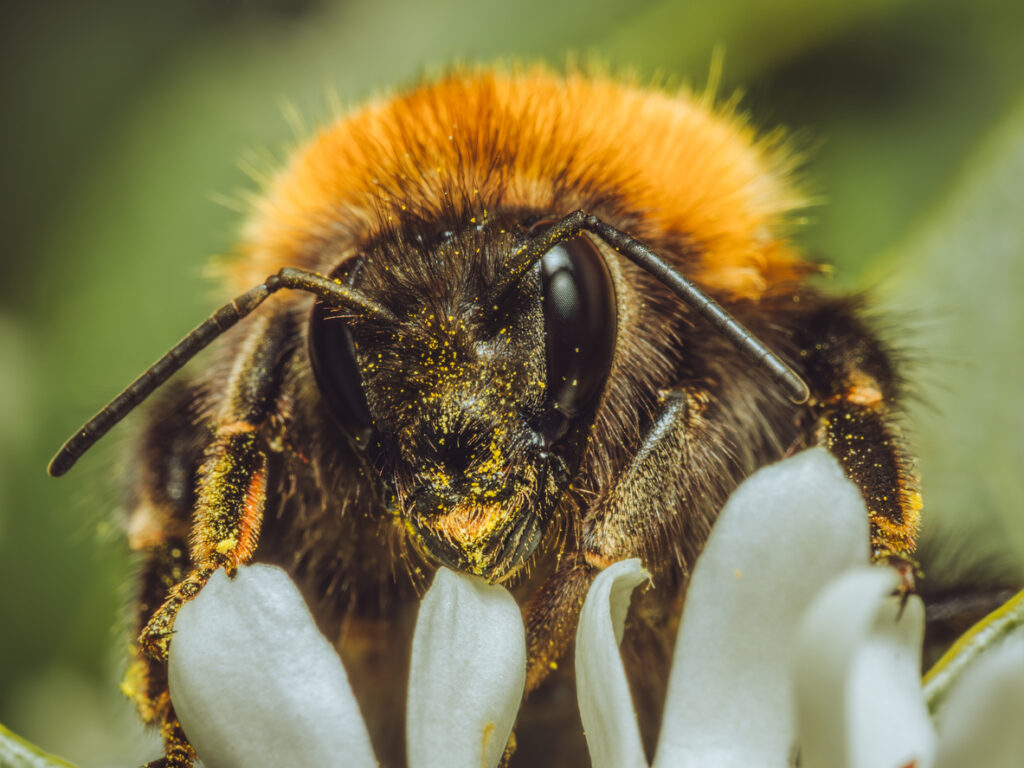
Bees don’t just accidentally carry pollen between flowers. They actively collect it in special structures on their back legs called pollen baskets, or corbiculae. You can see these as bright yellow or orange lumps on bees flying back to the hive, looking like they’re wearing tiny saddlebags.
Worker bees use their legs and mouth to scrape pollen off their fuzzy bodies and pack it into these baskets with a bit of nectar to make it stick together. A single bee might visit hundreds of flowers to fill both baskets. They’re not doing this for the plant’s benefit, they’re harvesting protein to take home.
Nectar provides energy; pollen provides protein.
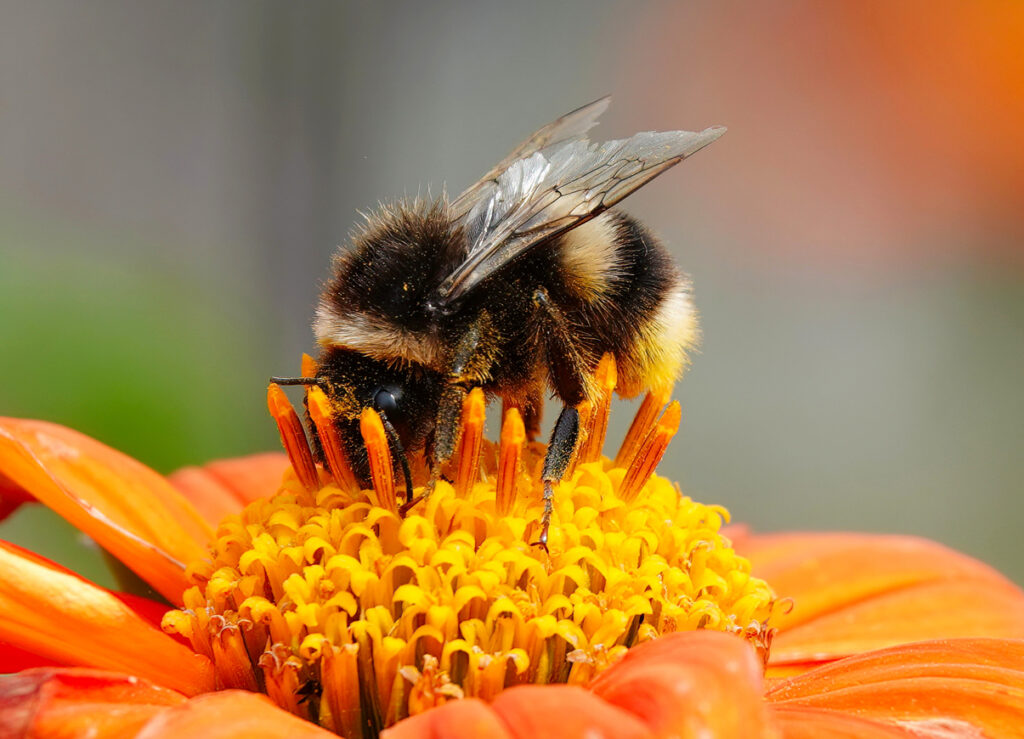
For bees and other pollinators, these two substances serve wholly different nutritional needs. Nectar is almost pure carbohydrate, providing the quick energy needed for flying, which is incredibly demanding. It’s like a sports drink for insects.
Pollen, however, is loaded with protein, fats, vitamins, and minerals. This is what bees feed to their larvae to help them grow, and young adult bees need it to develop properly. A colony can’t survive on nectar alone, any more than you could survive on just sugar. They need both the energy from nectar and the complete nutrition from pollen.
You can see nectar glistening, but pollen looks dusty.
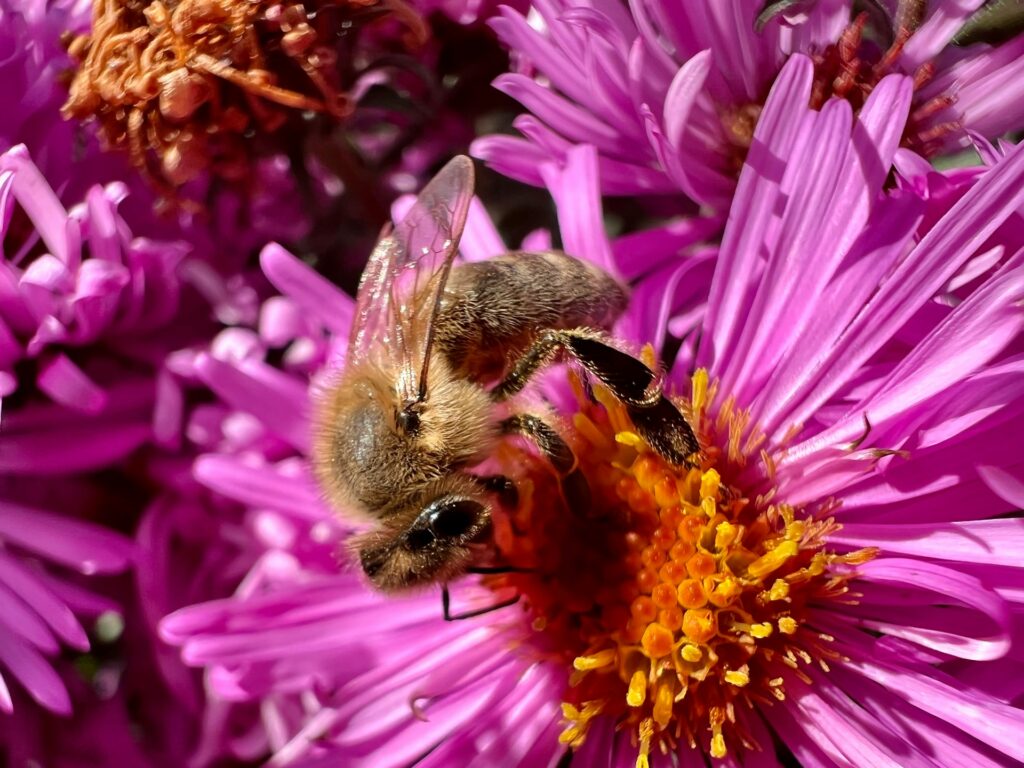
Nectar is a liquid that you might spot as tiny droplets at the base of a flower, catching the light like miniature jewels. In some flowers, it pools in visible amounts, while in others, it’s hidden deep inside where only long tongues or beaks can reach it.
Pollen looks totally different, appearing as fine dust coating the anthers at the tips of stamens. It’s usually yellow but can be orange, red, brown, or even purple depending on the plant. When you brush against certain flowers, you might get pollen all over your clothes as a powdery stain. The two substances are as different in appearance as they are in purpose.
Plants make nectar in glands, while pollen comes from anthers.
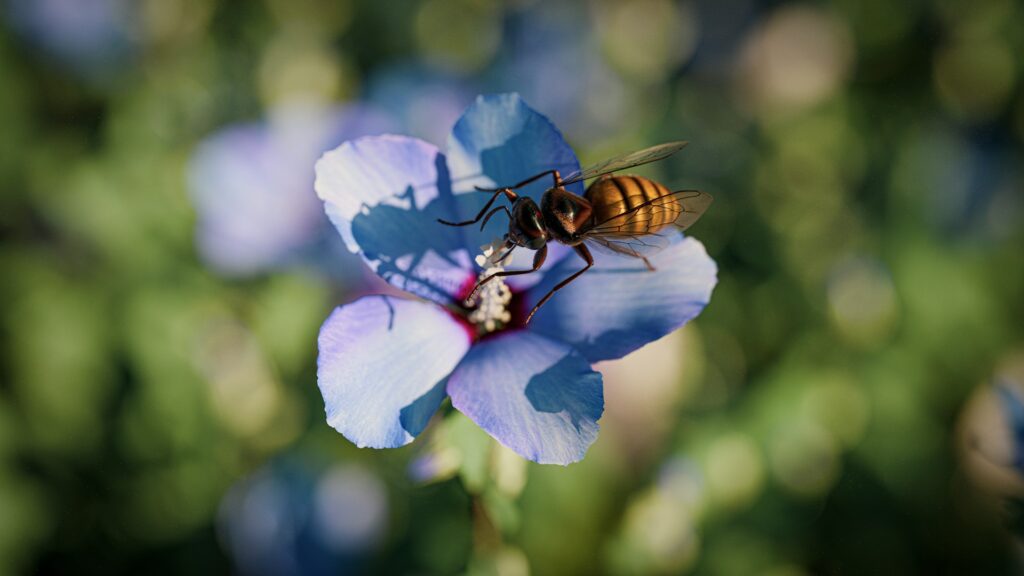
Nectar is produced in specialised structures called nectaries that can be located in different parts of the flower depending on the species. Some are at the base of petals, others are hidden deep in tubes, and some plants even have nectaries on their stems or leaves.
Pollen is made inside anthers, which are the swollen tips of the stamens, the male parts of the flower. Inside each anther, millions of pollen grains develop in special chambers. When the pollen is ready, the anther splits open and releases the dusty grains. The two substances come from different flower structures with different jobs.
Nectar composition varies to attract specific pollinators.

Not all nectar is the same. Plants adjust the sugar concentration and types of sugar depending on who they want to attract. Hummingbird flowers tend to have more dilute nectar around 20% sugar because birds prefer it thinner, while bee flowers might go up to 50% or more.
Some flowers even add caffeine to their nectar to make bees remember them better and come back more often, essentially getting their pollinators addicted. Others include toxic compounds that only certain insects can tolerate, filtering out unwanted visitors. Nectar is a sophisticated communication tool, not just generic sugar water.
Pollen can cause allergies, but nectar generally doesn’t.
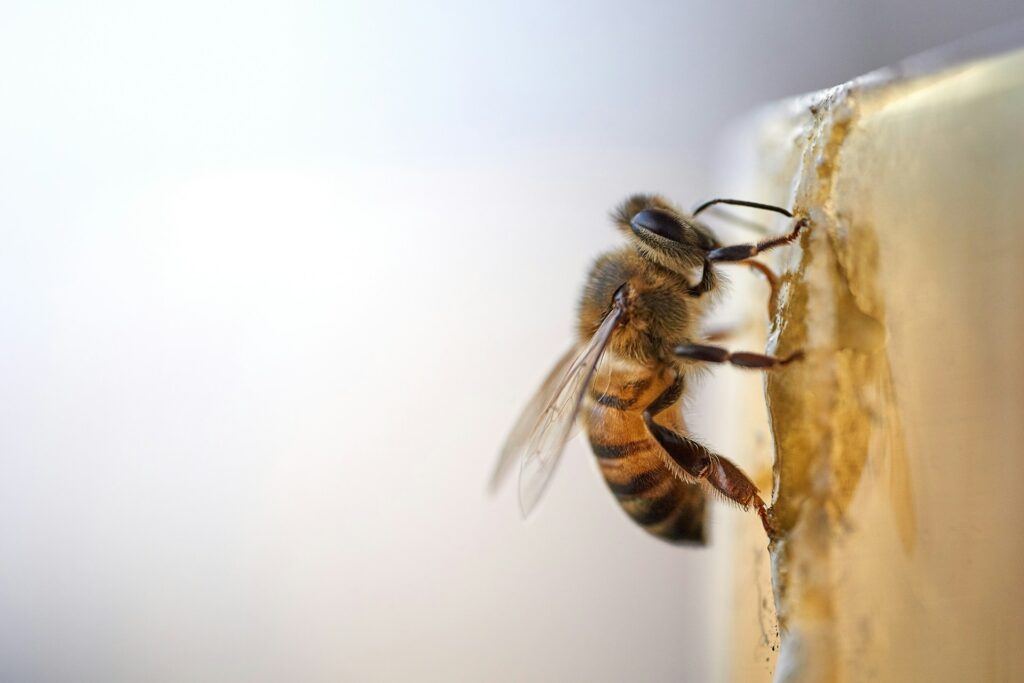
The pollen that triggers hay fever and allergies is the stuff designed to be carried by wind rather than insects. These grains are tiny, light, and produced in enormous quantities because most of them miss their target. When you breathe them in, your immune system can overreact to the proteins in the pollen coat.
Nectar rarely causes problems because you’re not inhaling it, and it’s mostly just sugars. Insect-pollinated flowers produce heavier, stickier pollen in smaller amounts because it’s being hand-delivered rather than broadcast randomly. This is why flowers that smell lovely and attract bees generally don’t trigger allergies, while trees dumping clouds of pollen into the wind make everyone miserable.
Both are essential for ecosystems, but in different ways.
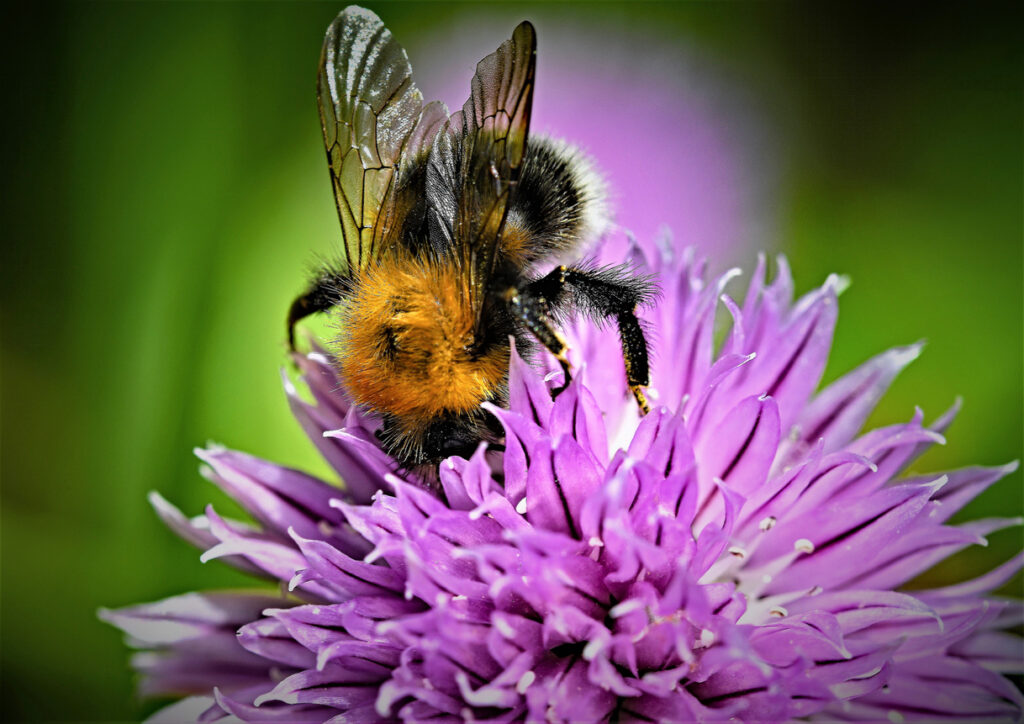
Nectar drives the pollination economy by providing the incentive for animals to visit flowers in the first place. Without nectar rewards, many pollinators would have no reason to risk the energy expenditure of flying from flower to flower. It’s the engine that powers the whole pollination system.
Pollen is what makes reproduction actually happen and provides essential nutrition for developing bees and other insects. It’s also a crucial protein source for many other animals. Remove either substance and ecosystems would collapse, but they contribute in fundamentally different ways. One is the bribe that makes the system work, the other is the genetic cargo and protein payload that sustains life.