
Nature has found incredible ways to create colour, from bright bird feathers to glowing jellyfish. However, some shades are almost impossible to find. You can spot vivid blues, deep reds, and glowing greens across the natural world, yet there are colours that evolution simply can’t produce, or at least not easily. The reason has less to do with beauty and more to do with chemistry, biology, and physics. Here are thirteen reasons why evolution struggles to create certain colours in nature, and how that challenge shapes the way life looks today.
Pigments come from chemistry, not imagination.
Every natural colour starts with a pigment, a chemical that absorbs some wavelengths of light and reflects others. The trouble is, living organisms can only make pigments from the molecules their bodies know how to build. For example, plants use chlorophyll to make green, while animals use melanin to make browns and blacks. There are only so many chemical reactions that can happen inside living cells, which limits the palette available to nature.
Creating a completely new pigment would mean evolving a new biochemical pathway. That takes time, energy, and luck, which is why evolution usually works with the same few pigments again and again. This is why so many animals and plants share familiar tones like green, brown, and yellow because those colours are simply easier to make.
True blue is one of the hardest colours to create.
Blue is a striking colour, but it’s extremely rare in nature. Very few species actually produce blue pigments because it’s chemically difficult. Most blue animals aren’t really blue at all; their colour comes from structure rather than pigment. For instance, a blue butterfly’s wings are covered in tiny scales that bend light in a way that reflects blue wavelengths.
Even birds such as blue jays or kingfishers don’t make blue dye. Their feathers contain microscopic air pockets that scatter light, creating the illusion of blue. This trick is known as structural colour, and it’s one of nature’s most inventive solutions when chemistry can’t deliver the desired shade.
Green in animals is surprisingly rare.
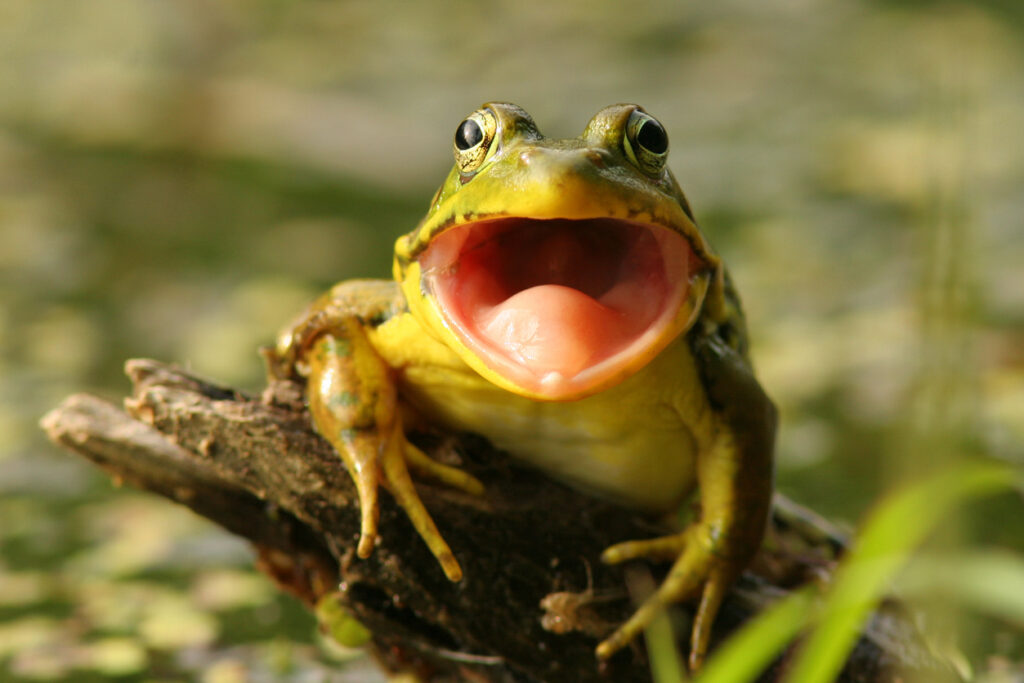
Green feels like a common colour because it dominates the plant world, but very few animals produce it through pigment. Plants use chlorophyll to absorb sunlight for energy, but animals don’t have that ability. Most green animals, such as frogs or caterpillars, create the colour by combining yellow and blue pigments or by reflecting light in a way that tricks the eye.
Some birds and insects generate green through a mix of structural colour and yellow pigment. Producing true green pigment would require completely new molecules to evolve, something that has only happened a few times in millions of years.
Pure red is costly to produce.
Red is easier to make than blue or green, but it still demands effort. In animals, red pigments usually form from carotenoids, which come from food rather than from within the body. Flamingos, for example, turn pink because they eat algae and crustaceans that contain these pigments. Without that diet, they fade to pale grey.
This dependency makes red an expensive colour to maintain. Animals that rely on carotenoids must eat well and stay healthy to keep their colours bright. That’s why red and pink shades often signal strength and fertility. They are honest signs of good health, not colours that can be faked.
Nature struggles to make certain purples.
Purple looks like a simple blend of blue and red, but it’s more complicated than that. Purple doesn’t exist as a single wavelength of light; our brains create it when we see red and blue together. Because of this, very few animals appear purple without using complex layering or light effects.
Some flowers and birds achieve violet shades by combining different pigments in the same cells, but it’s difficult to maintain. Many species simply avoid it, which is why purple remains one of the rarest natural colours found in living organisms.
Metallic colours rely on structure, not pigment.
When you see a beetle’s shiny shell or a hummingbird’s glittering feathers, you’re not looking at pigment. You’re seeing light bouncing off microscopic layers in the surface. These layers bend and reflect light in different directions depending on the angle, creating that metallic shimmer.
This form of colour, called iridescence, depends entirely on surface structure. It’s delicate and easily disrupted, so evolving and maintaining it is hard. Even small changes in scale or shape can ruin the shine, which is why metallic colours are stunning but rare.
White and black are the simplest colours to make.
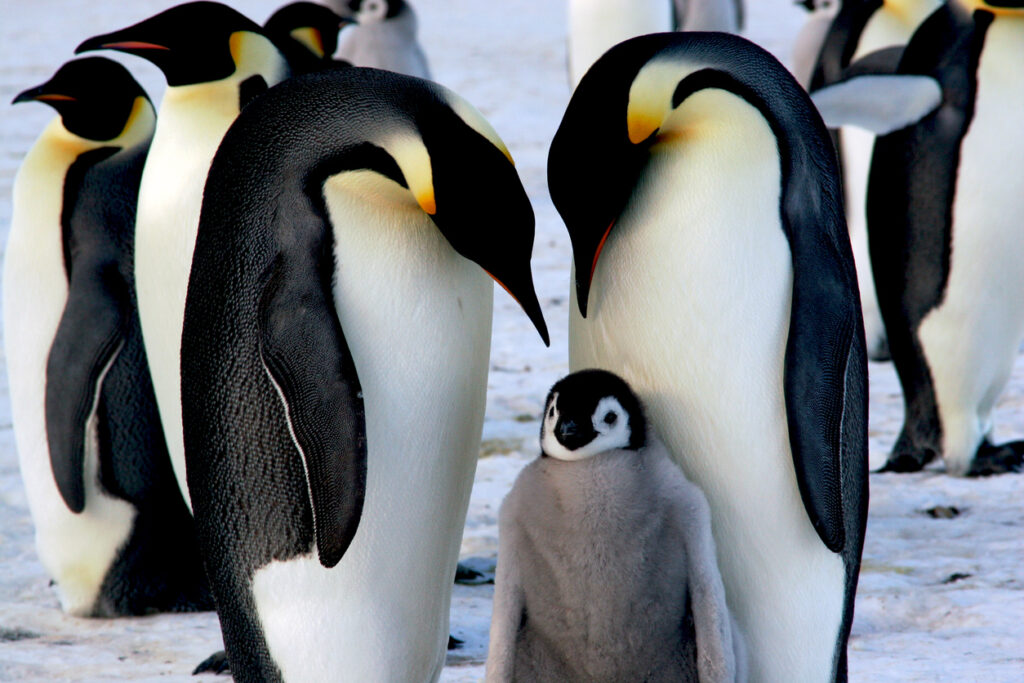
Black and white are everywhere in nature because they are simple to produce. Black comes from high levels of melanin, a pigment used by nearly every animal. White appears when light reflects off unpigmented surfaces like feathers, fur, or shells. Because they require little energy or special chemistry, these shades appear again and again. From penguins to zebras, black and white patterns evolve easily and work well for both camouflage and display.
Some colours fade quickly over time.
Many bright pigments are unstable when exposed to sunlight or air. Blues and purples, for example, fade or change shade when they react with oxygen or ultraviolet light. For animals, that means constantly replacing pigments to maintain brightness, which costs valuable energy.
Evolution favours durability. It prefers pigments that stay stable and useful over time. That’s one reason why so many desert and savannah animals have earthy, sun-resistant tones rather than fragile, bright hues.
Underwater light makes some colours invisible.
Even if evolution could make every colour, many wouldn’t be practical. In water, red light disappears first as depth increases, leaving only blues and greens visible. Deep-sea animals that appear red to us are effectively invisible in their world, as red light never reaches them.
This is why so many marine creatures are red or black. Those colours help them hide, while producing bright pigments would offer no benefit. Evolution only keeps what works, and underwater, visibility often means vulnerability.
Not all eyes see colour the same way.
What looks colourful to humans might appear dull to other species. Dogs see fewer colours, while birds and insects can see ultraviolet patterns that we can’t. Evolution develops colour based on what matters to a species’ survival and communication, not on what humans find beautiful.
That means many colours we never notice are everywhere, and others we love are pointless in nature. A flower may look plain to us but glow brightly in ultraviolet light for bees. Evolution chooses visibility based on who is looking, not who’s watching.
Some pigments are actually toxic to make.
Even when certain pigments are possible, they may not be safe to produce. Some blue and green compounds need metals like copper or cobalt, which are poisonous in large amounts. These substances can damage cells or interfere with essential chemical reactions. Evolution avoids dangerous shortcuts. Instead of risking harm, most species rely on structural colour or other simple pigments. Safety always wins over variety, which is why some shades, though possible in theory, never appear in reality.
Bright colours make animals easier to spot.
Colour in nature often involves compromise. Bright colours attract mates but also predators. For most animals, blending in offers a better chance of survival. That’s why mammals and reptiles tend to be brown, grey, or dull green rather than vividly coloured. Only species that can defend themselves, such as poisonous frogs or powerful birds, can afford to stand out. For others, safety in plain sight is a far better evolutionary strategy.
Evolution can only use what already exists.
The biggest reason evolution can’t create every colour is that it can only work with what is already there. It doesn’t design new materials from scratch. It adapts existing traits to suit new needs, reusing the same pigments in creative ways.
This is why so many unrelated species end up sharing the same range of colours. Nature paints with a small palette, but it still finds endless ways to combine and display it. Even with limited ingredients, evolution produces the beauty we see across the world today.