Most people hear “red panda” and picture a close relative of the giant panda, but the two aren’t connected in the way you’d expect.
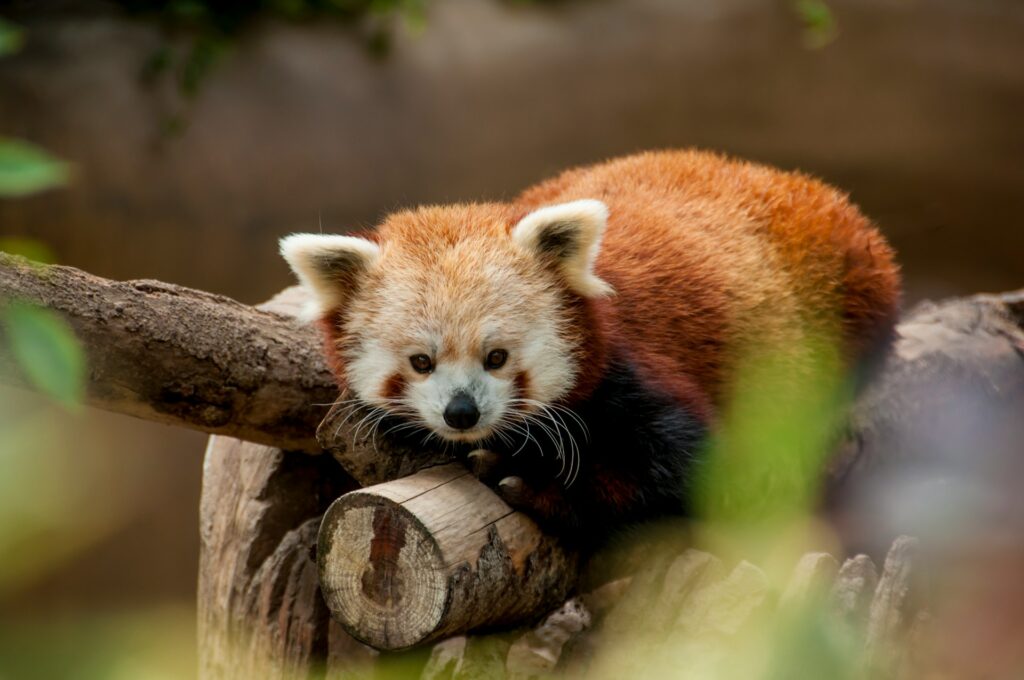
The red panda sits in its own category entirely, with its own quirks, its own diet and its own style of living high up in the trees. It’s small, strikingly coloured and surprisingly agile, and once you learn a bit about it, the name starts to feel like the least interesting thing about the animal.
What makes the red panda so memorable is how different it is from anything else in its habitat. It has traits you wouldn’t expect, and a personality that makes it one of the most charming mammals in the forests where it lives. Here’s why this species deserves attention in its own right.
They’re not related to giant pandas, despite the shared name.
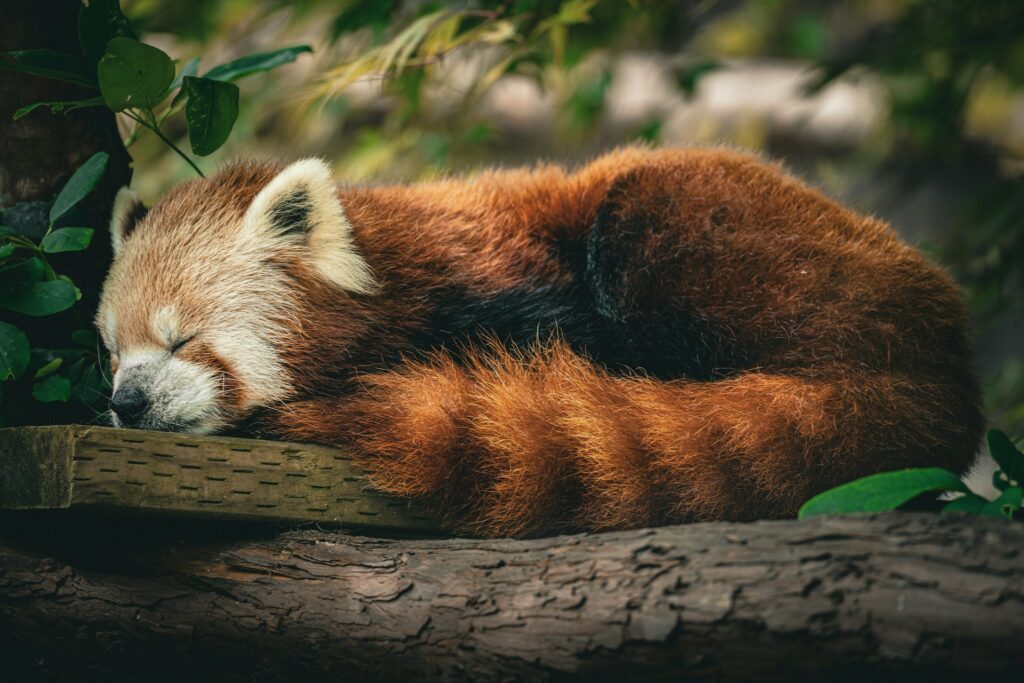
Red pandas are closer to raccoons and mustelids than giant pandas. They sit in their own biological family because scientists could never fit them neatly into any existing group. Their features and behaviour are too distinct to match other species.
The name panda stuck because both animals eat a lot of bamboo, but that is where the similarity ends. Red pandas evolved separately and have their own ancestry. They’re a reminder that names don’t always explain an animal’s true history.
They use their long, bushy tails for balance and warmth.
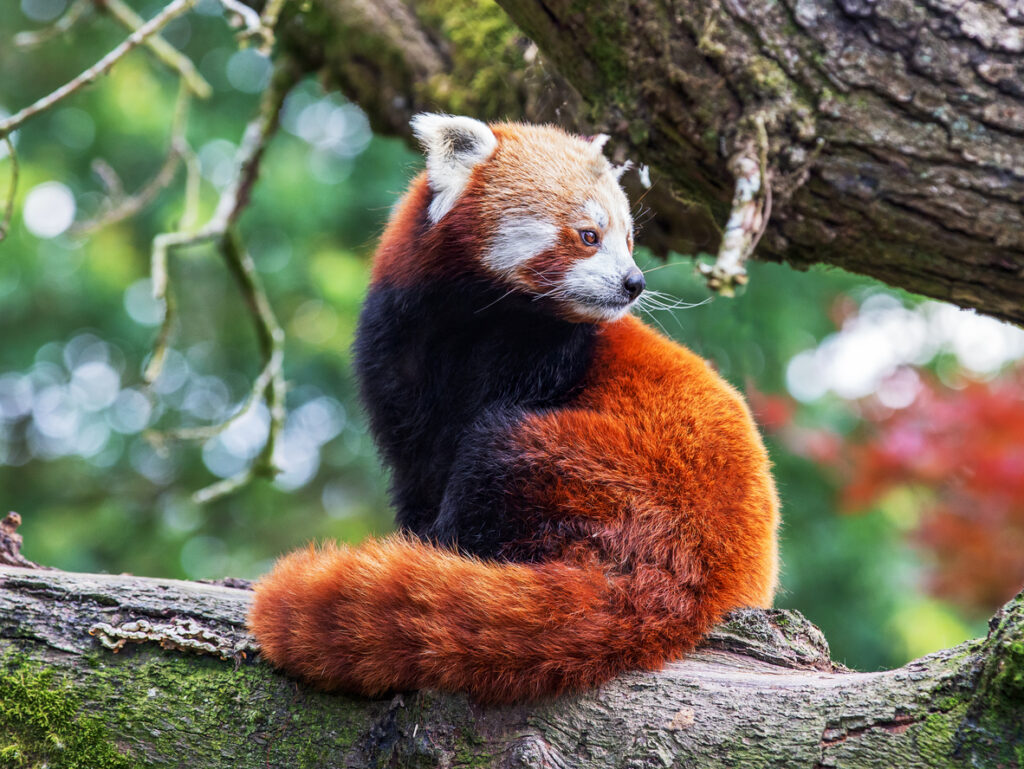
Red pandas climb high into the trees and their tail helps them stay steady while moving through branches. The tail works like a counterweight, allowing them to shift their body smoothly without losing grip or slipping. At night or on cold days, the tail becomes a warm wrap. They curl it around their face to protect themselves from the chill. This simple behaviour helps them survive in mountain climates that often feel freezing.
They spend most of their lives in the trees.
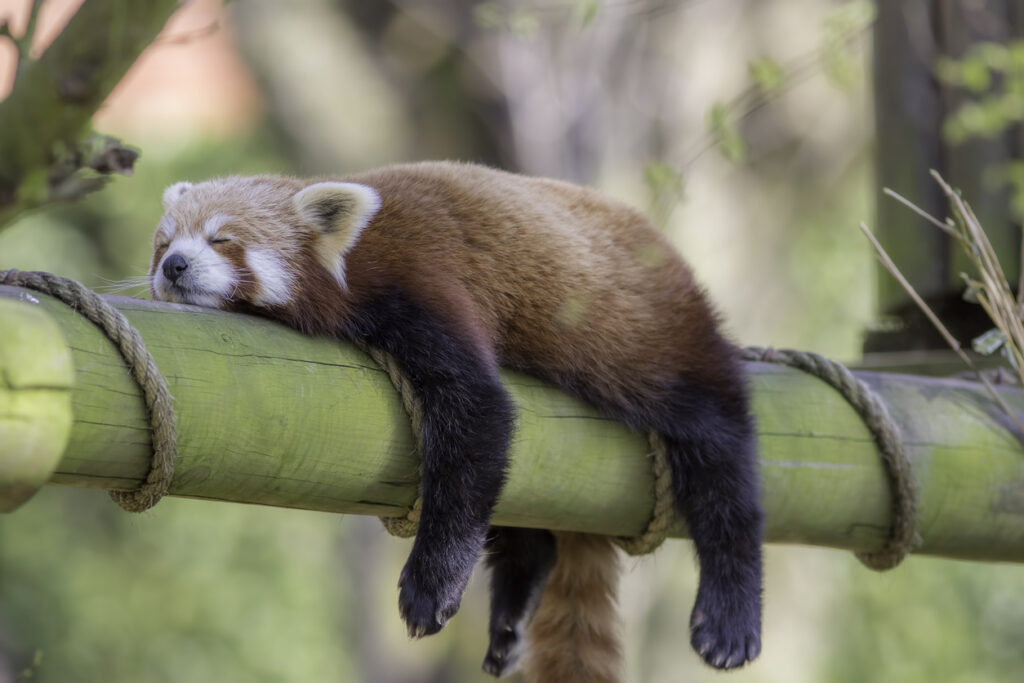
Red pandas rarely spend time on the ground. They climb, rest, hide, and travel through the forest canopy because it keeps them safe from predators. The trees give them space to move without drawing attention to themselves. Their claws and ankle joints help them grip bark and climb easily. They move with surprising skill, often walking along thin branches that would never hold a larger animal. Their whole lifestyle is shaped around height and safety.
They have a false thumb that help them grip bamboo.
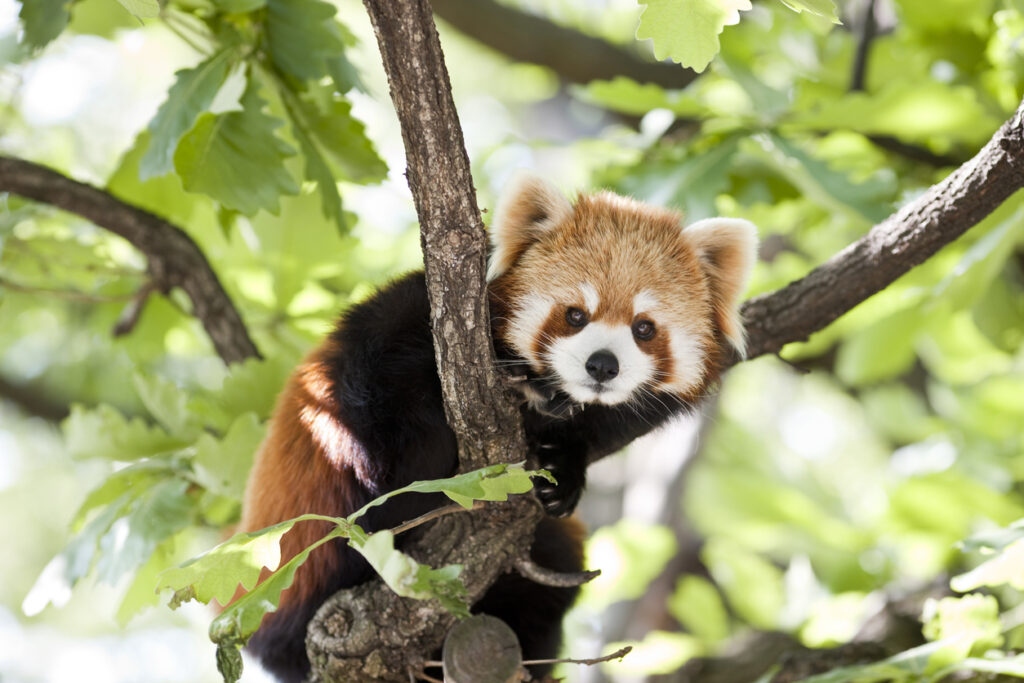
Like the giant panda, the red panda has a small thumb-shaped bone that helps it hold bamboo stalks. This extra digit isn’t a real thumb but works well enough to give them a strong grip. That adaptation evolved because bamboo is a large part of their diet. Holding the stalk properly helps them strip leaves and eat quickly. It’s one of their most useful features in the forest.
They eat mostly bamboo, but still need other food to stay healthy.
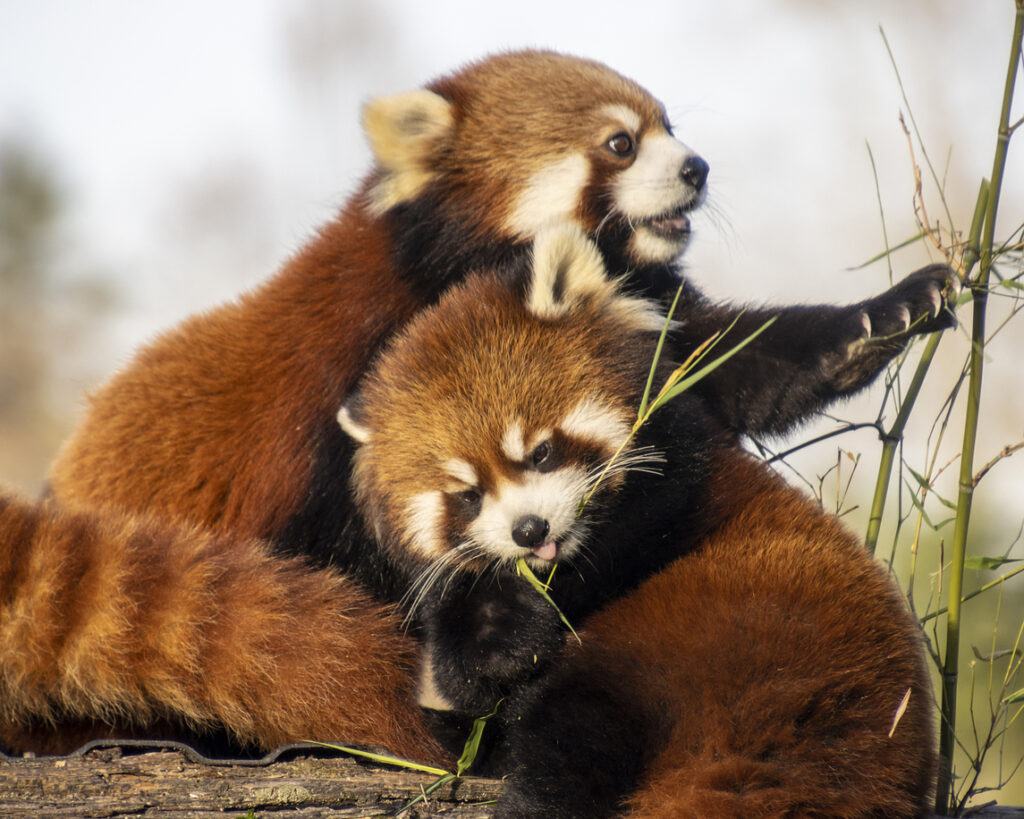
Red pandas rely heavily on bamboo, yet bamboo doesn’t give them enough nutrients on its own. They supplement their meals with fruit, berries, insects and small plants to stay strong and steady through the year. Their mixed diet helps them maintain their energy. Bamboo fills their stomach, but the extra foods give them the vitamins and protein they wouldn’t get otherwise. Their menu changes with the seasons as different foods become available.
They’re most active at dawn and dusk rather than during the day.
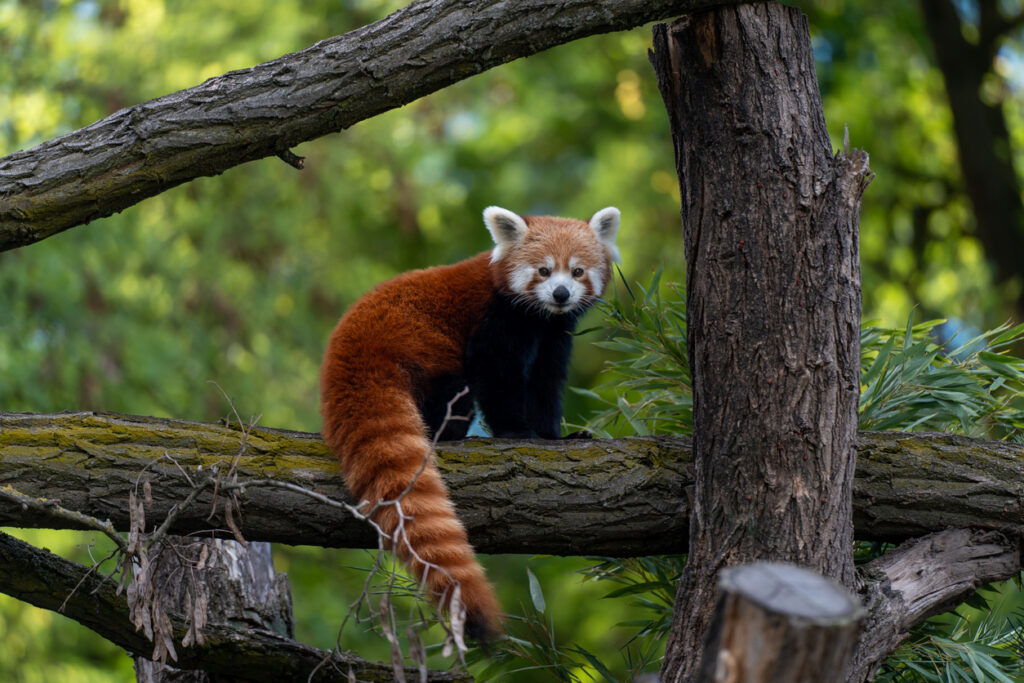
Red pandas prefer the early morning and late evening when the forest is quiet. These hours allow them to move without attracting too much attention from larger animals or people passing nearby. During the daytime, they sleep in shaded branches or curled up against the trunk of a tree. Their routine keeps them safe and helps them save energy, especially in colder weather.
They use scent marking to communicate with other red pandas.
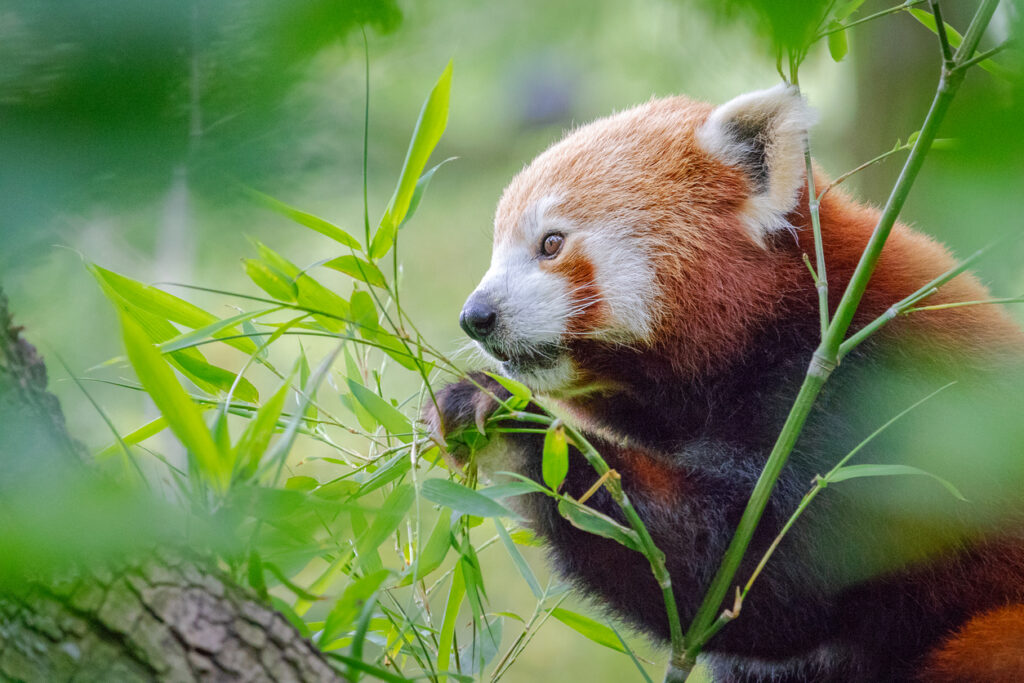
Red pandas leave scent signals on trees and paths to communicate. They use special glands to mark territory, announce their presence or warn others to keep their distance. These messages help keep their forest space organised. They also use scent to understand who has been nearby. Each red panda has a unique smell, so these marks become a simple way to share information without direct contact.
They make a range of soft vocal sounds.
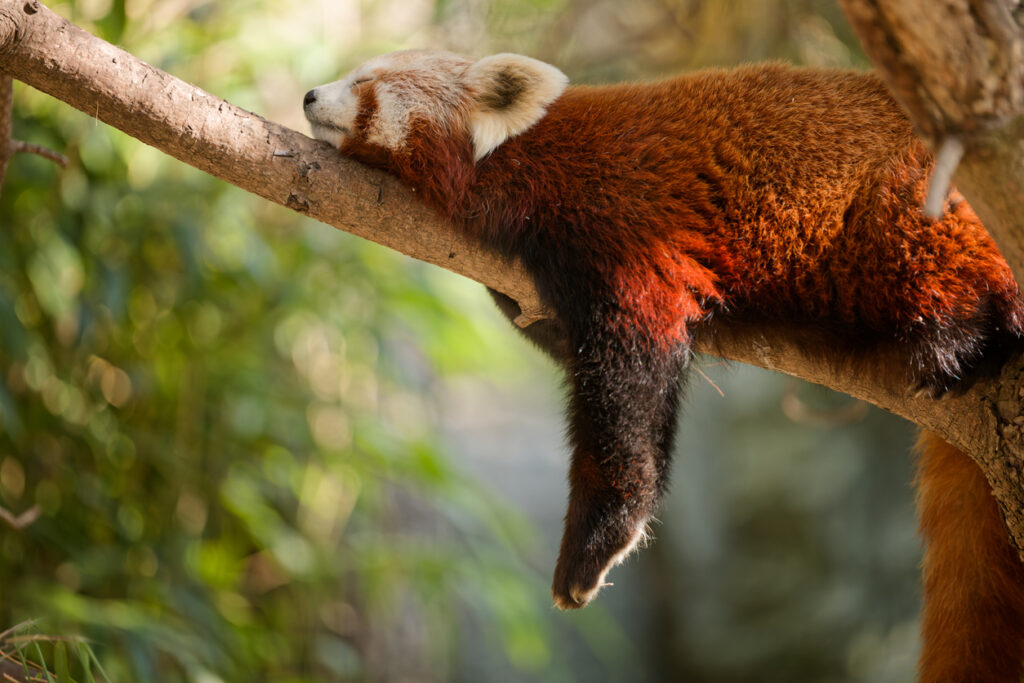
Red pandas communicate with a mixture of chirps, squeaks and gentle whistles. These quiet sounds help them signal danger, call to mates or reassure their young without attracting large predators. Their voices are subtle but expressive. People who work with them often learn to tell their moods by the tone and rhythm of their calls. Their sounds reflect their gentle nature.
They’re shy and avoid confrontation whenever possible.
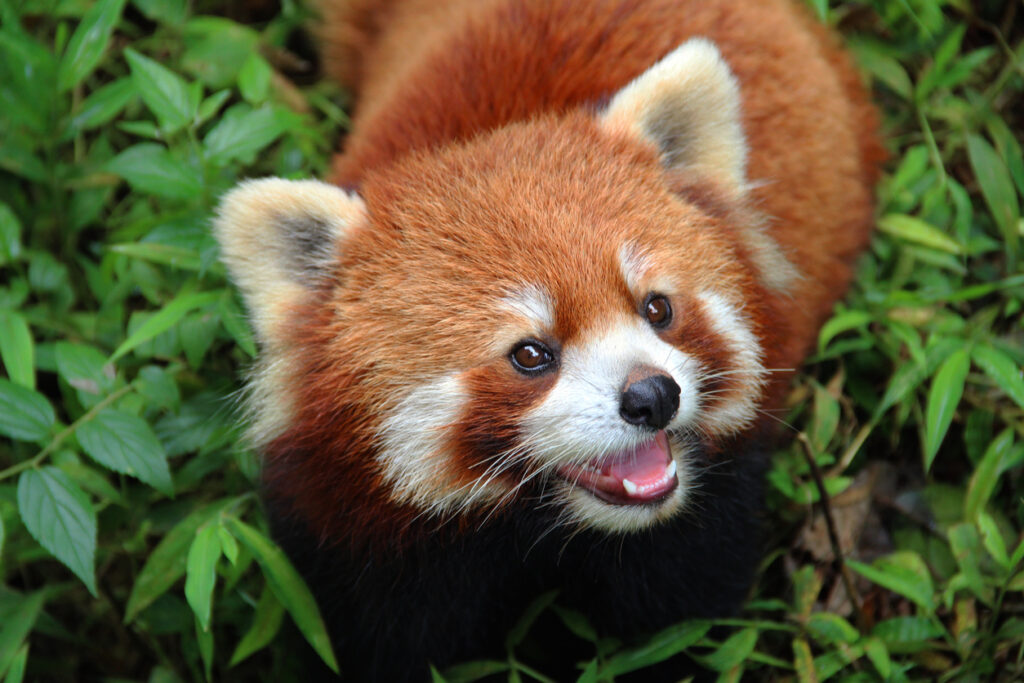
Red pandas don’t seek out fights. When threatened, they prefer to climb higher or hide among branches where they can’t be reached easily. Their behaviour focuses on staying safe rather than standing their ground. If escape isn’t possible, they may stand on their hind legs to appear larger. This display is more about warning than attacking. They rely on avoidance to survive in a forest full of larger predators.
They’re solitary animals that prefer their own space.
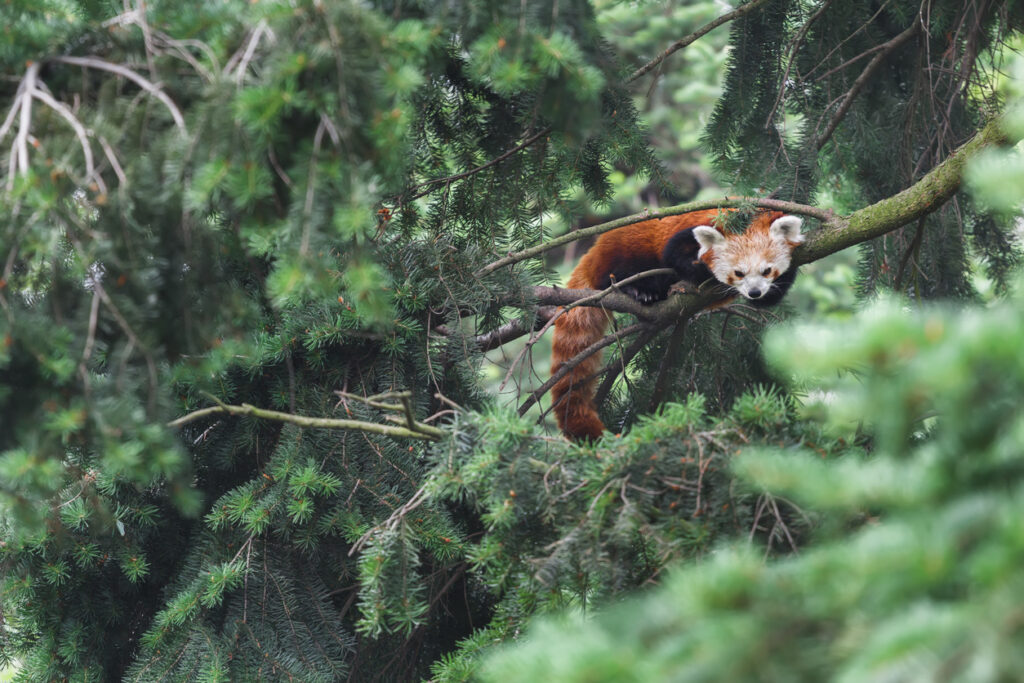
Red pandas don’t form large groups. They live alone and only come together briefly during mating season. This allows each individual to control its own territory and food supply without competing too heavily. Their solitary lifestyle suits their quiet, careful nature. They interact peacefully but prefer distance, which helps reduce stress and conflict in the forest.
They face major threats from habitat loss and climate change.

Red pandas live in mountain forests that are shrinking due to farming, development, and logging. Their habitat is becoming more fragmented every year, making it harder for them to find food and safe territory. Climate change adds further pressure by altering bamboo growth and pushing them into smaller areas. These changes leave them vulnerable and limit their long-term survival unless their forests are protected.
They’re protected by breeding programmes around the world.

Many zoos and conservation groups run breeding programmes to help maintain healthy red panda populations. These efforts create safe environments where the species can grow without the dangers they face in the wild. These programmes also help raise awareness. Visitors learn about the struggles red pandas face, which encourages support for forest protection and conservation work in their home regions.
They play a vital role in its ecosystem despite their small size.
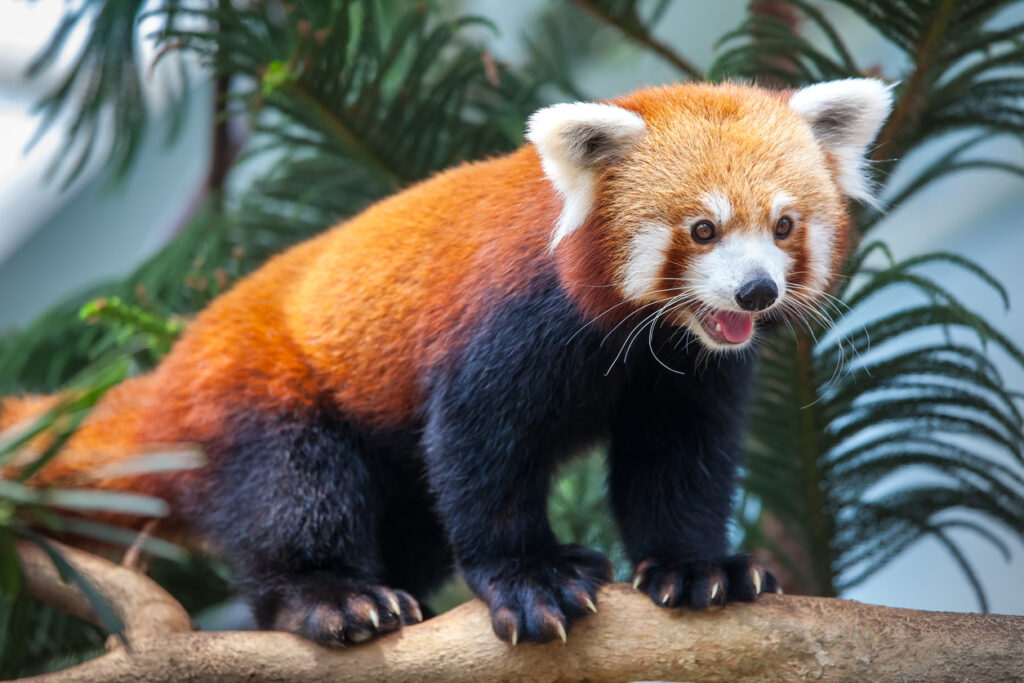
Red pandas help maintain forest health by spreading seeds and shaping plant growth as they move through the trees. Their feeding habits support biodiversity in ways that might seem small but are important for overall balance. Their presence shows that even gentle, quiet animals can hold a crucial place in the environment. Protecting them helps protect many other species that share their forest home.