Glow-worms used to be a magical part of British summer nights.
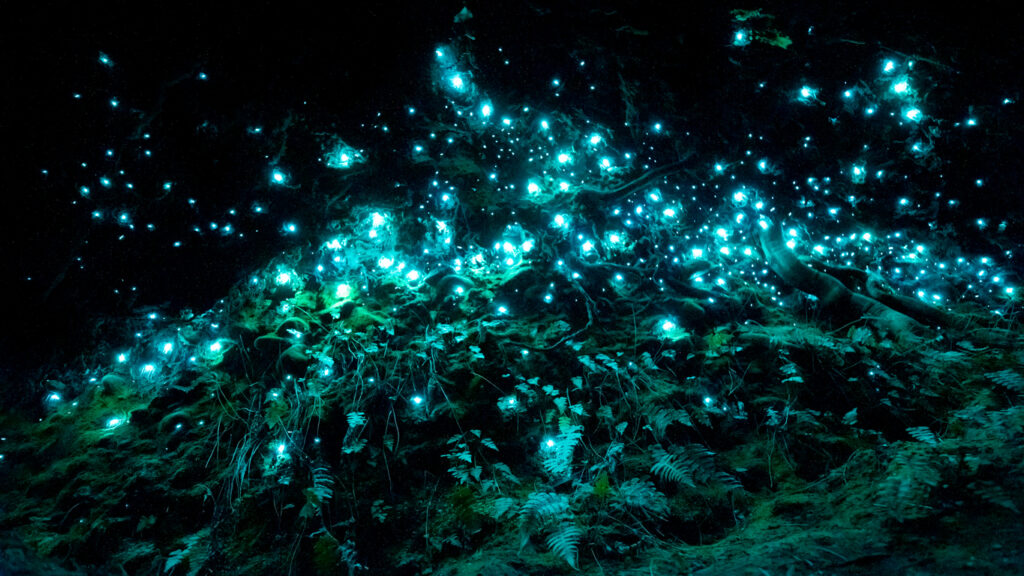
Their small golden lights would shine along hedgerows, woodland edges, and country paths, turning quiet fields into living constellations. These tiny beetles once lit up rural evenings across the country, but today their glow is fading fast. In many parts of the UK, glow-worms have completely vanished, and experts say human activity is mostly to blame.
Here are some of the explanations for why they’re disappearing, and what this means for the future of Britain’s natural night light.
1. Too much artificial light at night
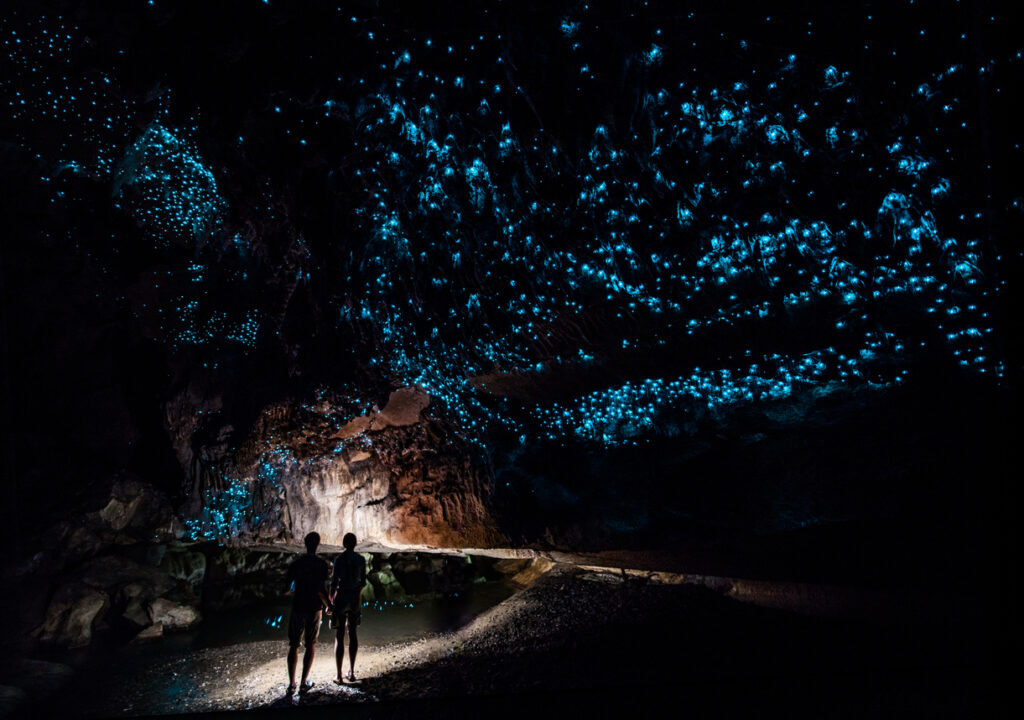
Glow-worms rely on natural darkness to find each other. Females sit still and glow softly to attract flying males, who use that light as a signal. When streets, gardens, and buildings are lit up all night, those signals get drowned out by bright surroundings. Males get confused and waste energy flying towards the wrong lights or none at all.
This light pollution disrupts their entire breeding process. Fewer successful matings mean fewer eggs and larvae the following year. Over time, entire colonies collapse simply because the night sky has become too bright. Even rural villages are now bright enough to cause problems, which shows how sensitive glow-worms are to changes in light.
2. Loss of wild habitats
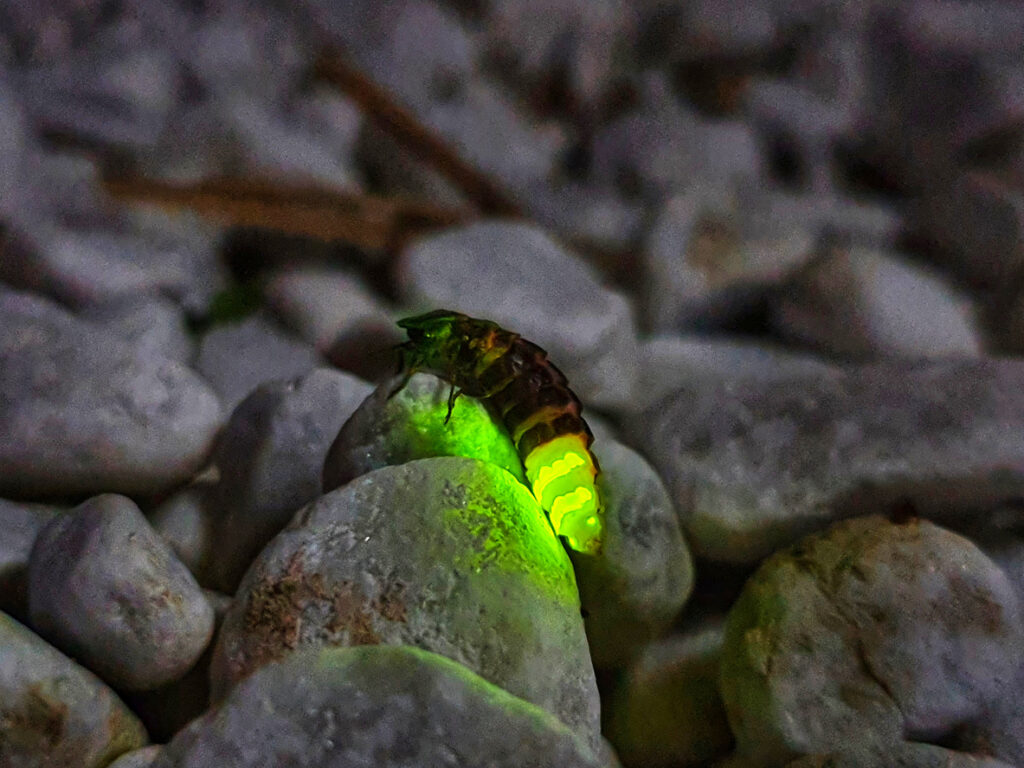
Glow-worms need grassy banks, wildflower meadows, and hedgerows with enough cover and food. As more land is developed for housing, roads, and farms, those habitats are disappearing fast. A single new housing estate can wipe out an entire population if their habitat is flattened or paved over.
Even small changes, such as cutting grass too short or clearing undergrowth, remove the shelter that females need to display safely. The larvae also lose their hunting grounds. Without overgrown spaces or wild corners, glow-worms have nowhere to thrive or lay their eggs, which depend on damp, shaded ground to survive.
3. Fewer snails and slugs to feed on
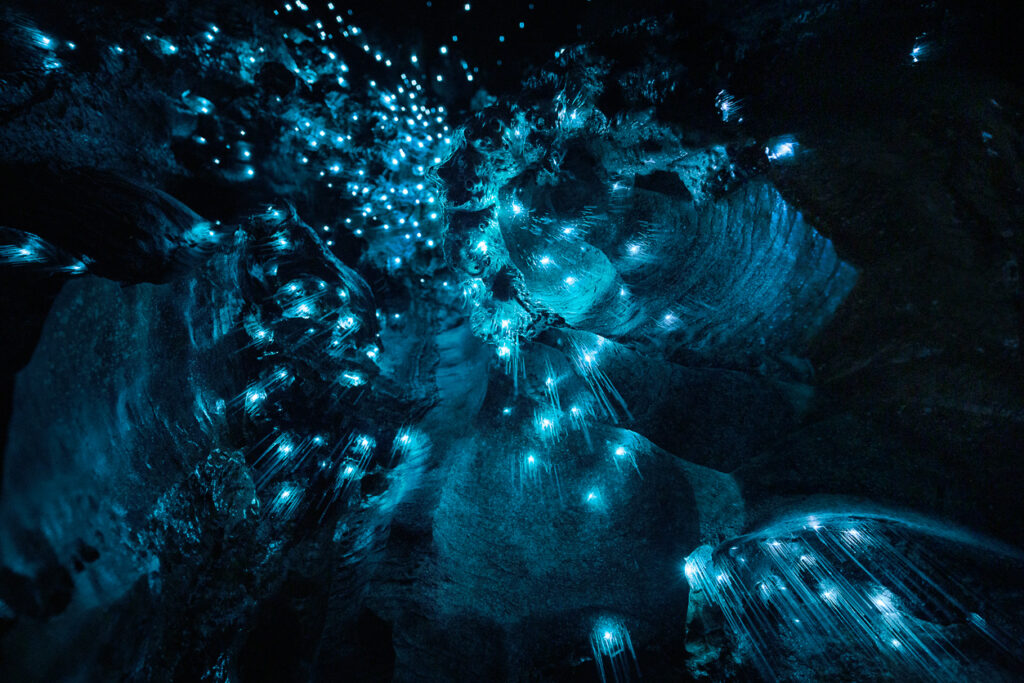
Glow-worm larvae are natural hunters that feed on small snails and slugs. They inject a mild venom to paralyse them and then digest the soft body slowly. If there are fewer snails, there are fewer meals for young glow-worms to grow strong enough to reach adulthood.
Pesticides, dry weather, and tidy gardens have all reduced snail populations. When the food source disappears, so do the predators. Healthy glow-worm colonies depend on a healthy balance of insects and molluscs, and modern gardening habits often break that balance completely.
4. Changes in climate and weather

Glow-worms have evolved to live in cool, damp British summers, but the changing climate is throwing off their rhythm. Warmer winters mean larvae don’t rest properly, and long dry spells make it hard for them to hunt or keep their bodies moist. Sudden heatwaves can dry out eggs before they hatch.
When the seasons become unpredictable, the timing of their growth and breeding becomes mismatched. Adults might emerge before their food supply appears or after their ideal window for mating has passed. Each small shift has a knock-on effect that weakens the next generation.
5. Use of pesticides and garden chemicals
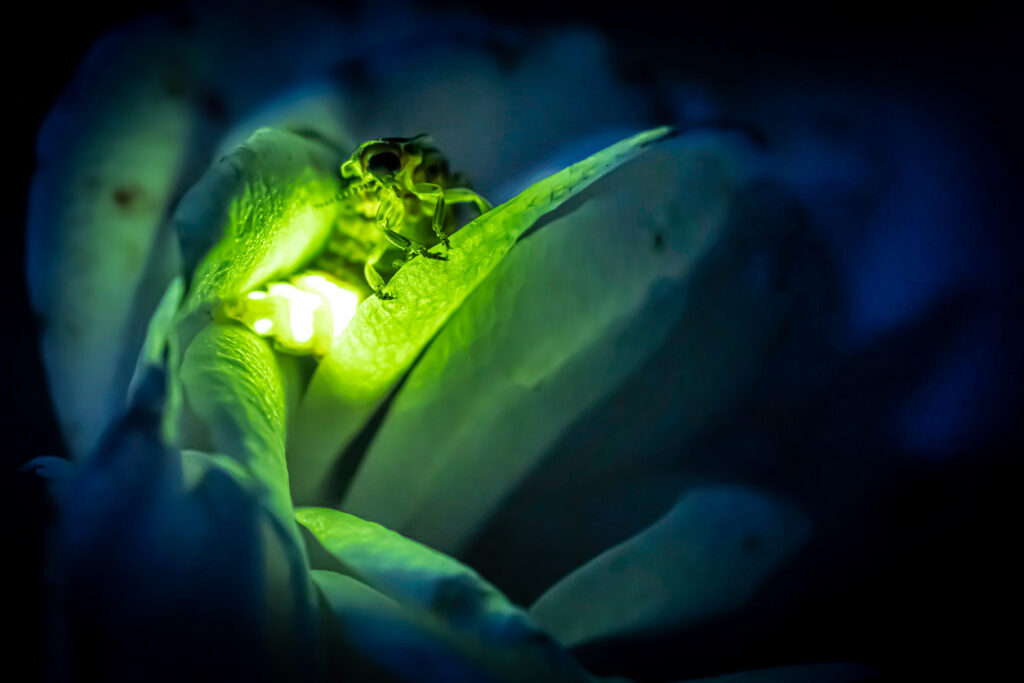
Glow-worms are sensitive to chemical sprays, even in small doses. When pesticides are used to get rid of slugs or insects, glow-worms lose both their food and their safety. Many larvae die after crawling through treated soil or eating poisoned prey.
Weedkillers can be just as harmful because they remove the plants that hold the damp conditions glow-worms need. A garden that looks clean and pest-free to humans can be deadly to the insects trying to survive there. The loss of these safe spaces has been quietly wiping out local populations for decades.
6. Tidy gardens and over-managed green spaces

Modern gardening trends often focus on neat lawns and trimmed borders, but glow-worms depend on long grass and untidy corners. They need shelter to hide during the day and cool ground to lay eggs in. Over-mown lawns and bare flowerbeds don’t give them a chance.
Wild patches, compost piles, and shaded hedges create the kind of microhabitats they need to thrive. In places where people let nature take the lead, glow-worm numbers have stayed steady. In overly tidy gardens, they almost never return once they’re gone.
7. Roads, cars, and urban development
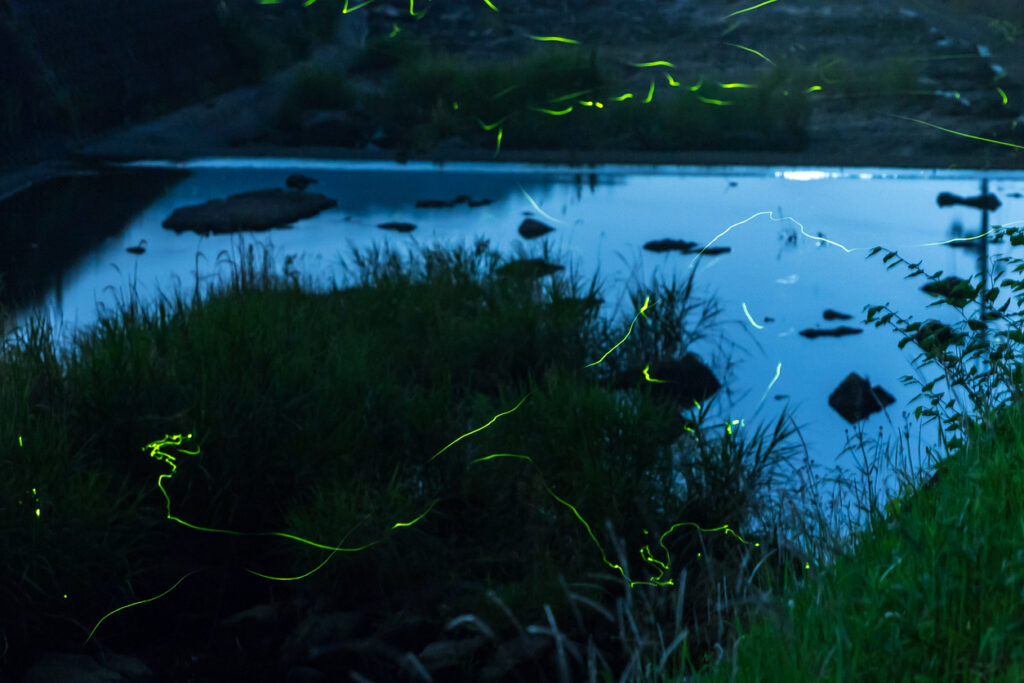
Road construction splits glow-worm habitats into smaller, isolated pockets. The insects can’t fly far enough to cross these barriers safely, which makes it impossible for small colonies to mix or spread. Once a patch becomes too isolated, it slowly dies out.
Headlights from cars add another layer of disturbance. The strong beams confuse male glow-worms and draw them away from where the females are waiting. On warm summer nights, many die on the roads after flying towards car lights or landing on hot tarmac.
8. Lack of public awareness

Many people don’t realise glow-worms still exist in Britain. They’re quiet, harmless insects that often go unseen, and their slow decline has happened mostly out of sight. Without awareness, there’s little motivation to protect their habitats or keep local areas dark at night.
Public projects that encourage people to record sightings have helped scientists track populations, but more needs to be done. Most people only notice they’re gone when they realise the countryside feels less magical than it used to.
9. Changes in farming methods
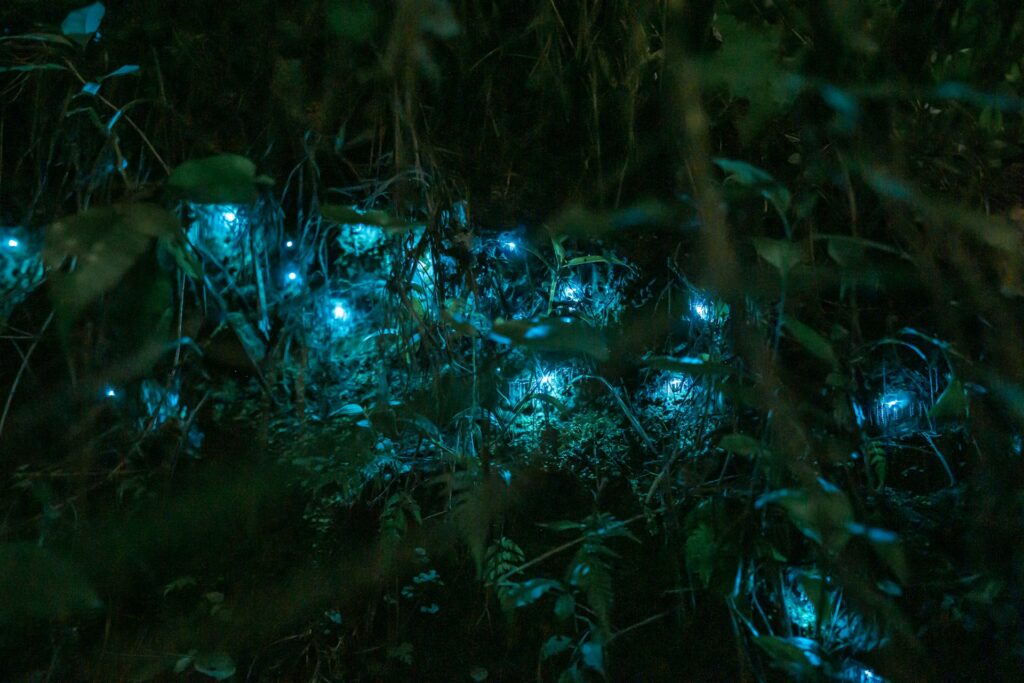
Traditional farming used to leave wild margins around fields and thick hedgerows full of life. Modern large-scale farming has replaced many of these with open land and heavy use of chemicals. Glow-worms lose both their food source and their protection when that happens.
Machinery and soil disturbance can destroy eggs and larvae buried just a few centimetres below the surface. Even where farms want to be wildlife-friendly, the scale of modern production makes it hard to keep suitable conditions for these small creatures.
10. Fewer dark and quiet places left in Britain
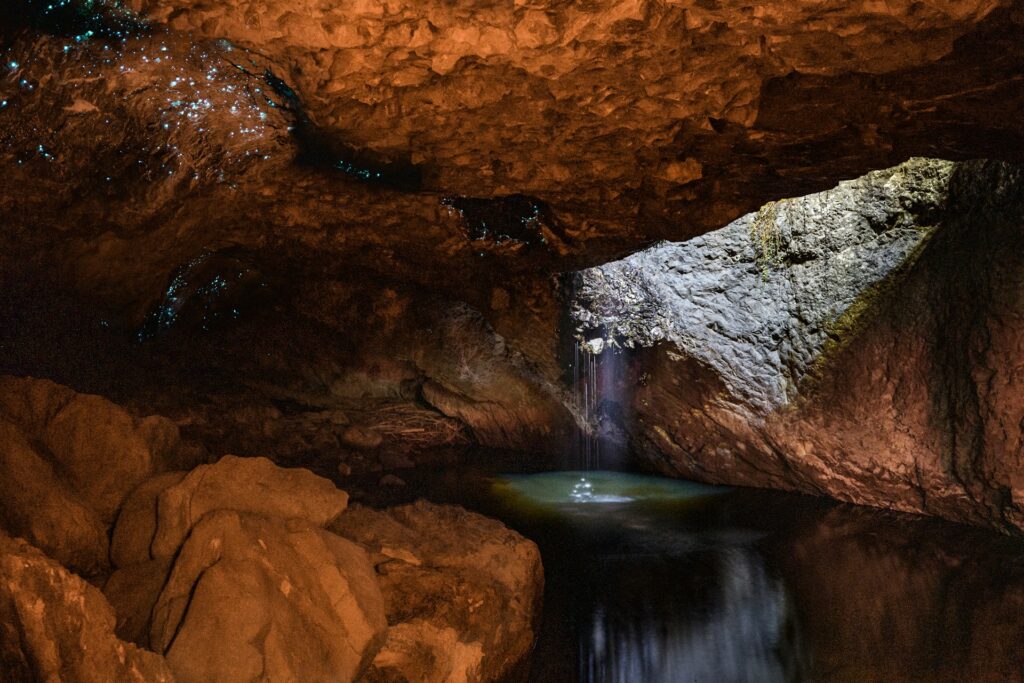
One of the biggest losses is darkness itself. Britain once had long stretches of countryside where the night sky was pitch black, allowing glow-worms to shine clearly. Now, even remote areas are touched by the orange haze of nearby towns, car parks, and buildings.
Glow-worms depend on that darkness for their survival. Without it, their signals get lost and their world becomes too harsh for their delicate bodies. Protecting patches of dark countryside might seem small, but for glow-worms it’s the difference between survival and silence.
How to help glow-worms recover
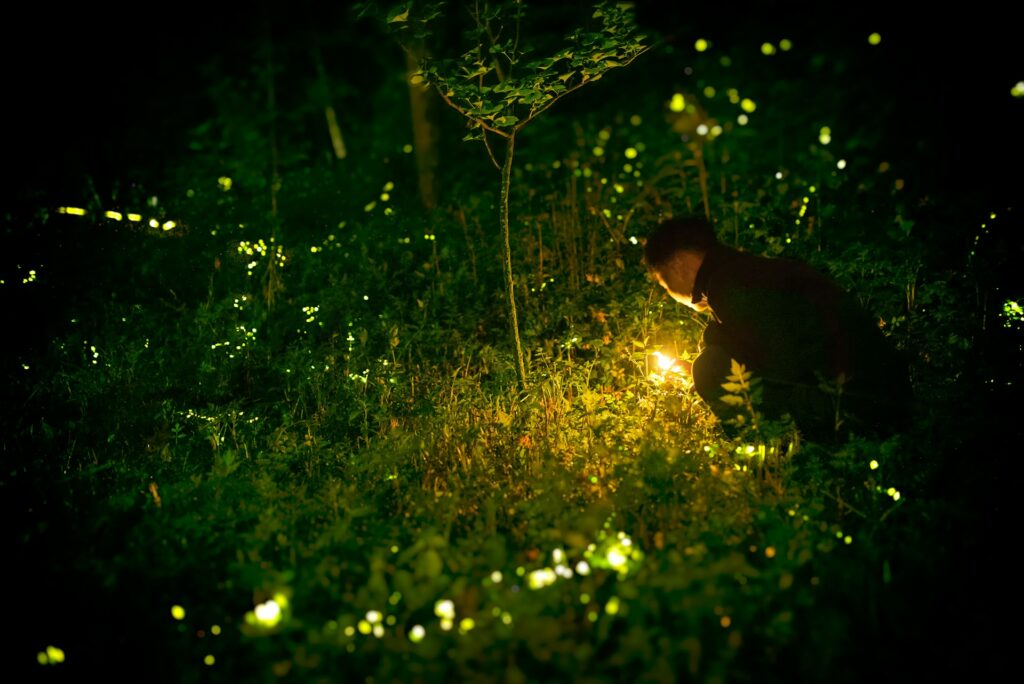
Everyone can help in simple ways. Turning off outdoor lights when they’re not needed keeps nights darker. Leaving a small wild patch in the garden with long grass, wildflowers, and damp corners gives them a safe home. Avoiding slug pellets and weedkillers protects both their food and their young.
Even small changes add up. When people create darker, wilder, and chemical-free spaces, glow-worms begin to return. They don’t need much, just a little light protection and a bit of patience. With the right conditions, their glow can once again be a familiar part of summer nights across Britain.