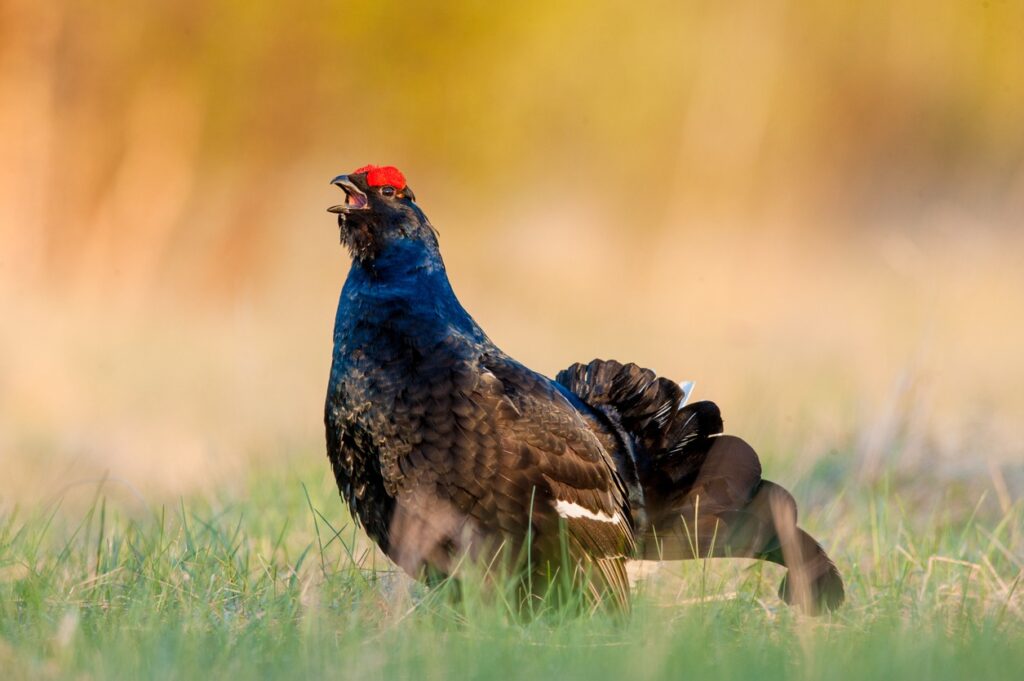
It happened quietly on a misty morning in the North York Moors, but for conservationists, it was the kind of moment worth celebrating. After nearly two centuries, the black grouse has bred successfully on the moors again, marking the first confirmed return of the species since the 1840s. Incredible news, right?
It was a long-awaited return for many.
The Gazette and Herald reported that a female black grouse has raised chicks to fledging, signalling a genuine comeback for a bird long thought lost to this part of the country. The last confirmed breeding pair on the North York Moors was recorded around 200 years ago, when much of the landscape was being reshaped by farming, forestry, and industrial expansion.
Experts from the Game & Wildlife Conservation Trust say the return is the result of years of work restoring the kind of moorland habitat the birds depend on. They’ve been collaborating with the North York Moors National Park Authority, local landowners, and conservation groups to bring the upland landscape back into balance. Careful heather management, reducing dense conifer cover, and re-wetting peat bogs have all helped create a patchwork of habitats that the grouse need to survive.
The specialist birding site BirdGuides confirmed that at least one female successfully reared chicks this year. According to their report, this follows a gradual increase in sightings in the area, suggesting that the birds may be naturally dispersing from established populations in the North Pennines. That movement is only possible because the moors are now better suited to them than they’ve been in generations.
Roughly 12 chicks were believed to have fledged this summer, an encouraging number for a population still finding its feet. For anyone who’s spent time on those moors, that’s an extraordinary thought: black grouse once again strutting across the heather after nearly two hundred years away.
What made the comeback possible?
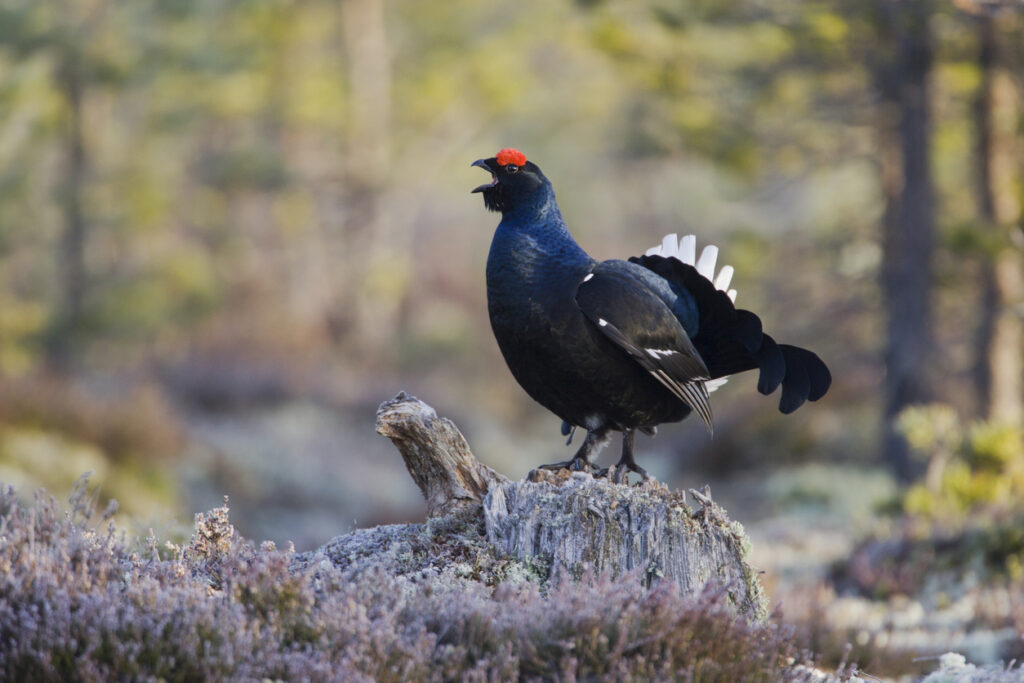
Black grouse are famously choosy about where they live. They thrive where moorland, woodland edge, and open ground meet in just the right proportions. Too much dense forestry or overgrazed pasture and they simply move on. For decades, the North York Moors lacked that mix. When heather was over-burned, scrub thickened, and insects declined, so did the birds.
Restoration projects across the park have gradually changed that picture. Heather has been allowed to regenerate in stages, creating shelter for nesting. Young woodland and scattered shrubs have been reintroduced to offer cover and foraging areas. Wet flushes and peat bogs have been restored, attracting insects that are vital for chicks in their first weeks of life. Conservationists call it “joined-up habitat management,” essentially making sure that everything from the plants to the predators supports the wider ecosystem.
Funding and cooperation have been crucial. The National Park Authority and the GWCT have received support through Natural England’s Species Recovery Programme, with help from local estates and farmers who manage much of the moorland. These partnerships have been quietly transforming the area for years, and now there’s something tangible to show for it.
This progress is delicate, though. A single successful breeding season doesn’t mean the species is secure. Experts warn that the next few years will be critical to see whether the birds can establish a self-sustaining population. They’ll need multiple successful breeding seasons and low disturbance during the nesting months to stand a real chance.
Keeping the momentum is paramount.
The work isn’t over. Managing the moors for black grouse means striking a balance every year. If scrub or bracken take hold, the birds lose open space. If burning or grazing is too heavy, they lose cover. It’s a landscape that constantly needs fine-tuning.
Connectivity is another challenge. The Vale of Mowbray separates the North York Moors from the North Pennines, where larger black grouse populations live. That wide stretch of farmland can act as a barrier to movement, making it harder for new birds to migrate in and strengthen the local population. Conservationists are exploring how habitat corridors could eventually reconnect the two areas, making the species more resilient in the long term.
Climate change adds more uncertainty. Warmer winters, wetter summers, and unpredictable breeding conditions could all affect survival rates. Even subtle shifts in insect populations or vegetation can make life tougher for a species that relies on such precise conditions.
Despite those hurdles, there’s a sense of cautious optimism. The GWCT says it’s already planning further monitoring and habitat work to build on this success. Locals, too, are being encouraged to report any sightings and to take care during breeding season, especially when walking dogs through known nesting areas. Small acts of awareness can make a big difference for a species just finding its way back.
The return of the black grouse offers a glimmer of hope.
It shows that with time, funding, and cooperation, the damage done to ecosystems can start to be repaired. It also proves that conservation isn’t just about protecting remote wilderness; it’s about how we manage working landscapes like farms, estates, and moors.
If the population holds, the sight and sound of black grouse could once again become part of Yorkshire’s springtime landscape, with the males performing their dramatic “lekking” displays at dawn, the air filled with that distinctive bubbling call that hasn’t echoed across these hills for generations.
For now, the first successful breeding in nearly two centuries is something worth celebrating. It’s a small victory, but one that shows nature’s remarkable ability to recover when given a chance.