Britain is home to some incredible wildlife, but not everyone realises just how many of these animals are protected by law.
Some of the species you see in your garden or on countryside walks actually have legal safeguards that make it an offence to harm, disturb, or even move them or their habitats.
These laws aren’t just about protecting rare creatures; they exist to keep fragile ecosystems balanced and ensure wildlife has a fighting chance against habitat loss, pollution, and human interference. From bats nesting in old buildings to slow worms hiding under garden stones, plenty of familiar faces are quietly protected by some surprisingly strict rules. Here are some of the British animals that enjoy legal protection, and what that really means for anyone sharing space with them.
1. Hedgehogs are protected under wildlife law.
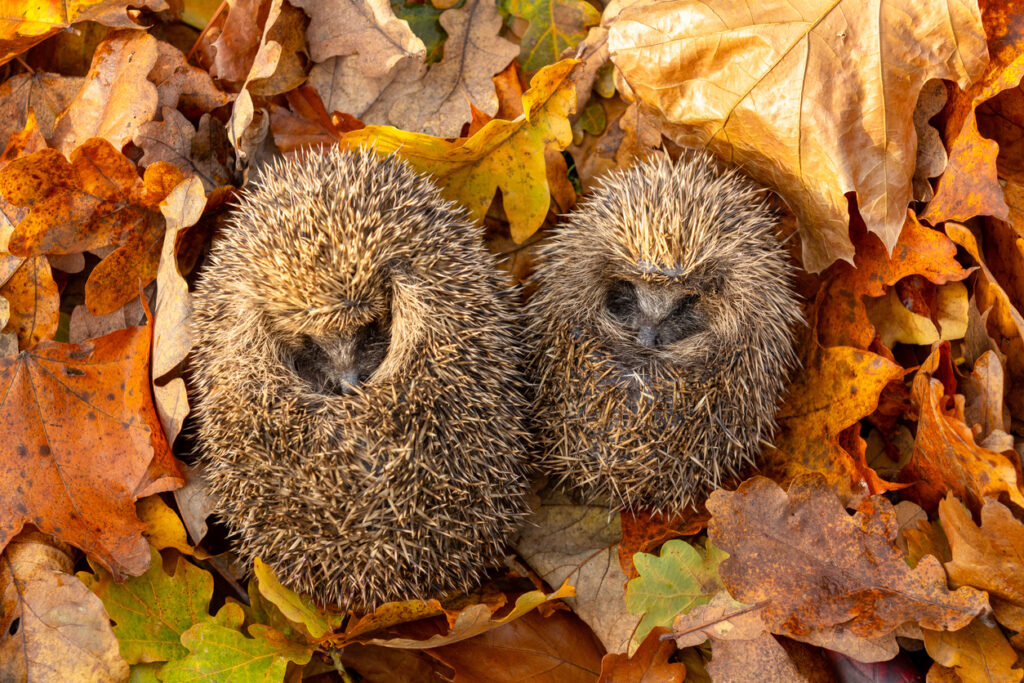
That hedgehog in your garden is legally protected from intentional harm or killing. Their populations have crashed by over 50% since 2000, making them a priority species under the UK Biodiversity Action Plan.
That’s why you need to check for hedgehogs before strimming long grass or lighting bonfires. Create hedgehog highways by cutting small holes in fences and avoid using slug pellets which poison them.
2. All bats have full legal protection.

Britain’s 18 bat species are protected by law, meaning you can’t disturb them, damage their roosts, or handle them without a licence. Even accidentally blocking access to a roost in your attic is illegal.
It helps if you contact a licensed bat worker before doing any roof work or tree surgery. The fines for harming bats can reach £5,000 per bat plus potential prison time, so professional advice is essential.
3. Slow worms aren’t worms, and they’re protected.
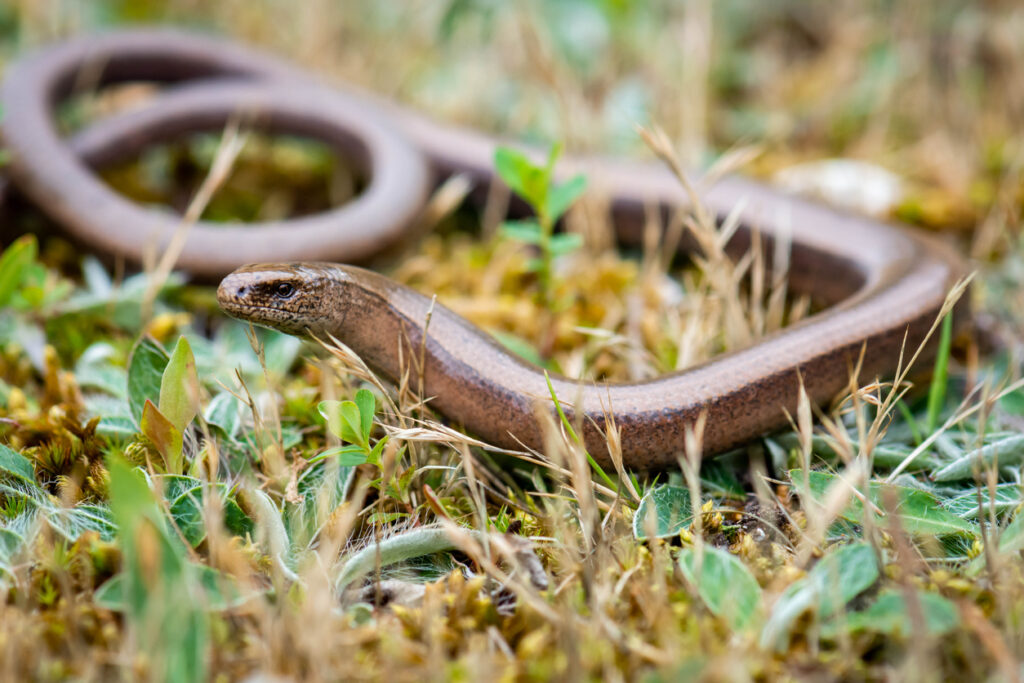
These legless lizards look like snakes but are actually protected reptiles. Killing or injuring them is illegal, and their habitats are safeguarded under the Wildlife and Countryside Act.
You’ll notice they’re completely harmless and beneficial for gardens because they eat slugs and insects. If you find them during gardening, carefully relocate them to safety rather than disturbing their habitat.
4. Common toads are legally protected.
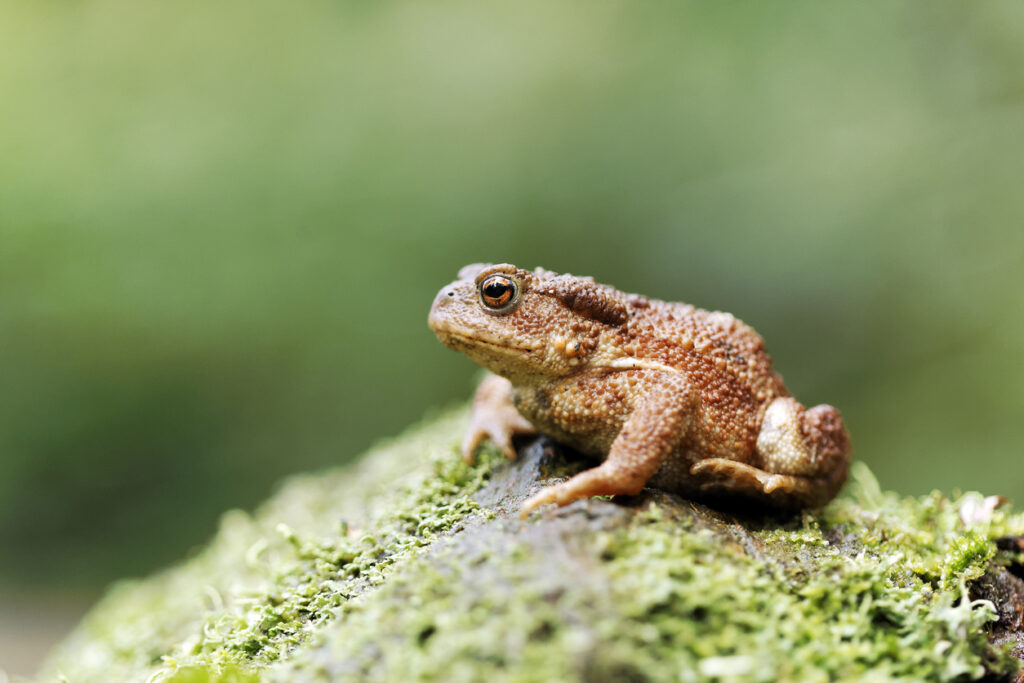
Toads might seem abundant, but they’re actually declining rapidly and have legal protection. You can’t kill them, injure them, or sell them without specific licences.
That’s why you should create toad-friendly spaces with log piles and ponds. During breeding season, drive carefully near ponds as toads crossing roads are a major cause of mortality.
5. All birds and their nests are protected during breeding season.
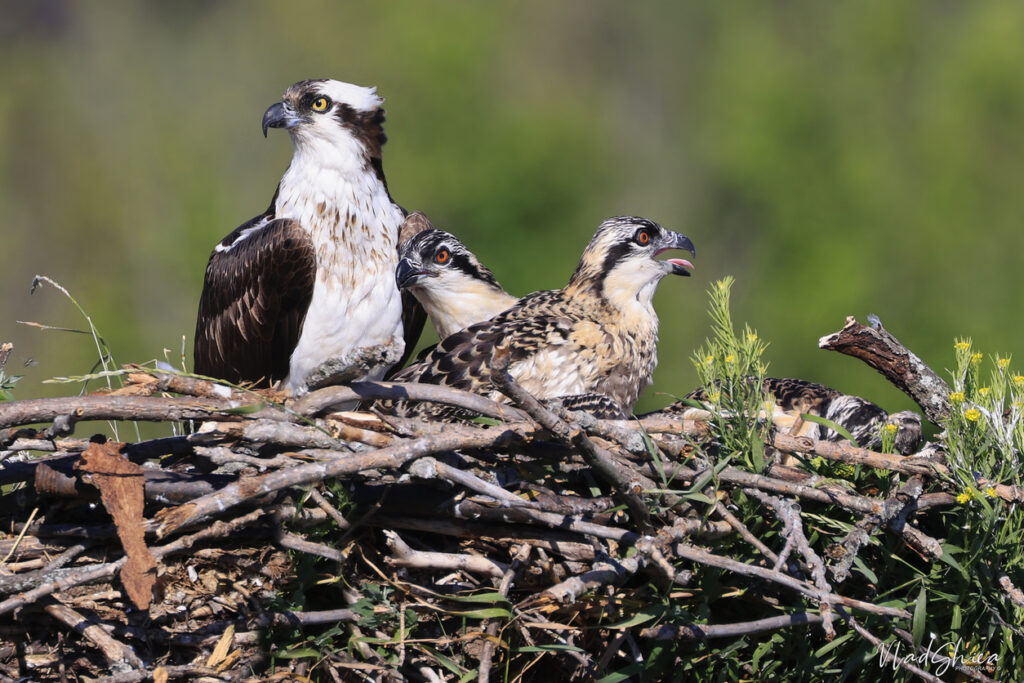
Even common garden birds like robins and blackbirds have legal protection when nesting. Disturbing active nests or destroying eggs is illegal, with fines up to £5,000 or six months imprisonment.
It helps if you plan garden work and building projects outside the breeding season, from March to August. If birds nest somewhere inconvenient, you legally have to wait until chicks fledge naturally.
6. Red squirrels have full protection, while greys don’t.
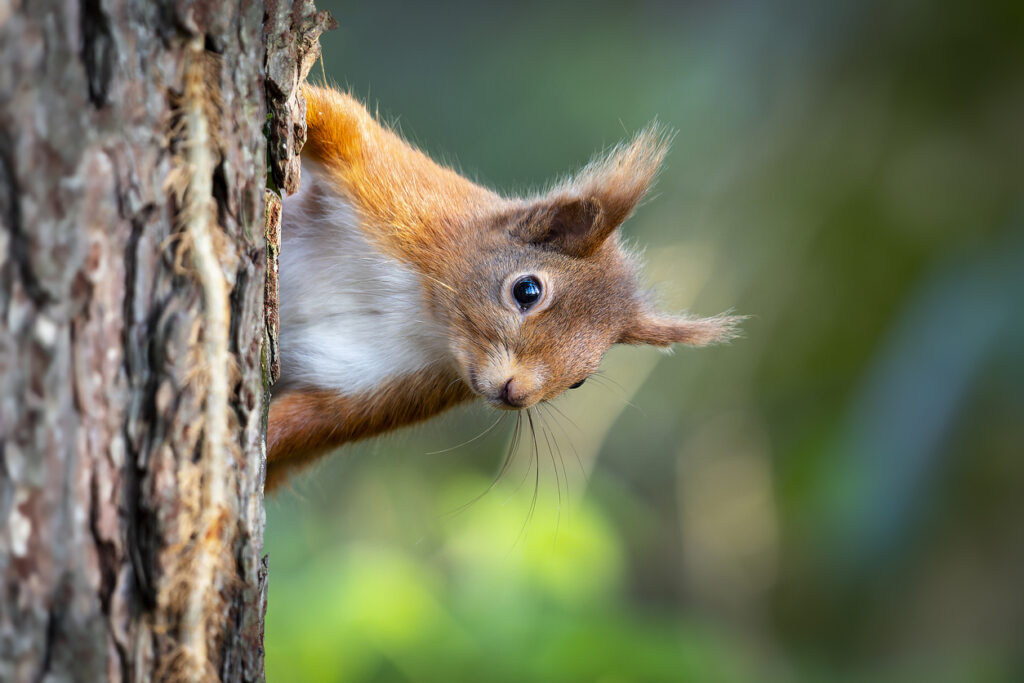
Red squirrels are protected species and harming them is illegal. Grey squirrels have no protection and are actually classified as invasive pests, creating an odd legal distinction between the two.
You’ll notice this causes confusion in areas where reds still exist. Always check which species you’re dealing with before taking any action, as mistaking a red for a grey could result in prosecution.
7. All reptiles are protected to some degree.
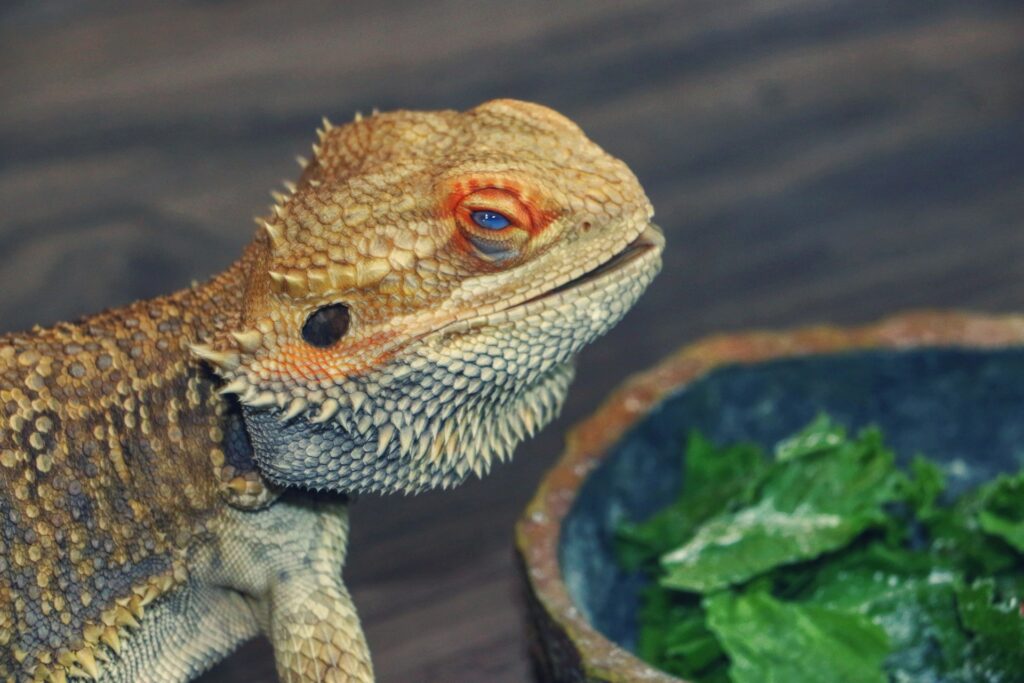
Britain’s native reptiles including grass snakes, adders, common lizards, and sand lizards all have legal protection. You can’t intentionally kill or injure them under the Wildlife and Countryside Act.
That’s why you need to be careful with garden chemicals and check compost heaps before disturbing them. Even our only venomous snake, the adder, is protected despite people’s fears.
8. Water voles have special protection.
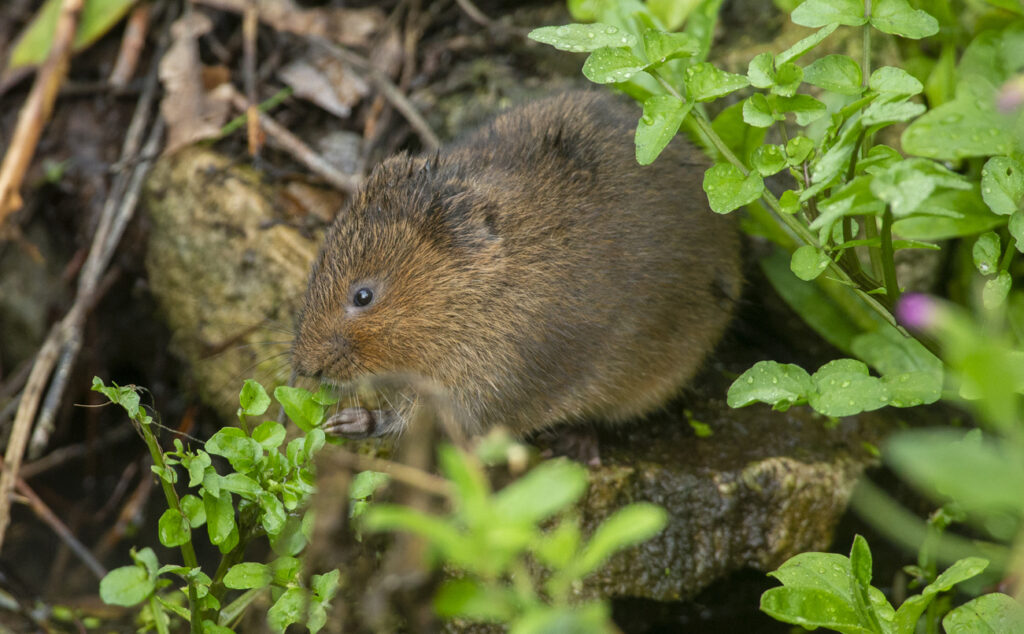
Often called “Ratty” from Wind in the Willows, water voles are actually fully protected. Their populations crashed by 90% and harming them or damaging their burrows carries serious penalties.
It helps if you report sightings to local wildlife trusts because conservation efforts depend on knowing where populations still exist. Riverside development must now include water vole surveys before proceeding.
9. Dormice are protected and rarely seen.
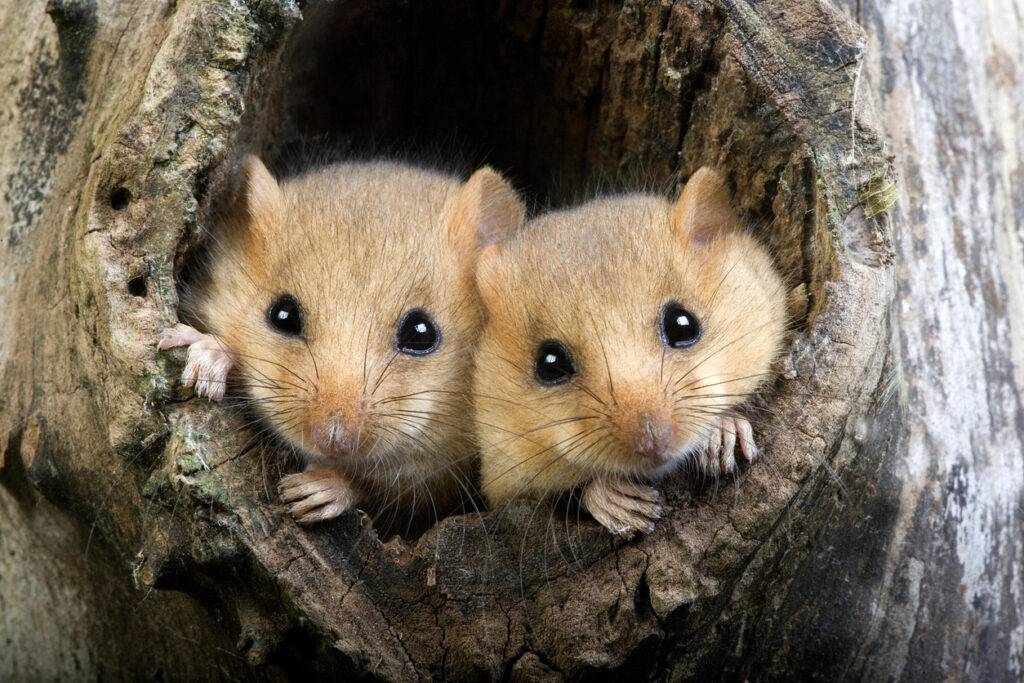
These adorable endangered rodents have full legal protection. Disturbing them or their nests is illegal, and finding them on your property means development plans need serious modification.
You’ll notice they’re so rare that many Britons have never seen one, despite them being native. Hazel dormouse surveys are now required before many woodland development projects can proceed.
10. Great crested newts halt construction projects.

These amphibians are so protected that finding them on development sites can stop projects completely. They’re European Protected Species, with strict legal safeguards for them and their habitat.
That’s why developers now conduct newt surveys before breaking ground. Moving them requires expensive mitigation licences, and creating replacement habitats costs tens of thousands of pounds.
11. Pine martens are making a comeback with protection.

Once nearly extinct in Britain, pine martens now have full protection as they slowly recover. Harming them intentionally or even accidentally through habitat destruction is illegal.
It helps if you recognise their ecological importance in controlling grey squirrel populations naturally. Report sightings to help track their recovery and expansion across Britain.
12. Badgers have some of the strongest protections.
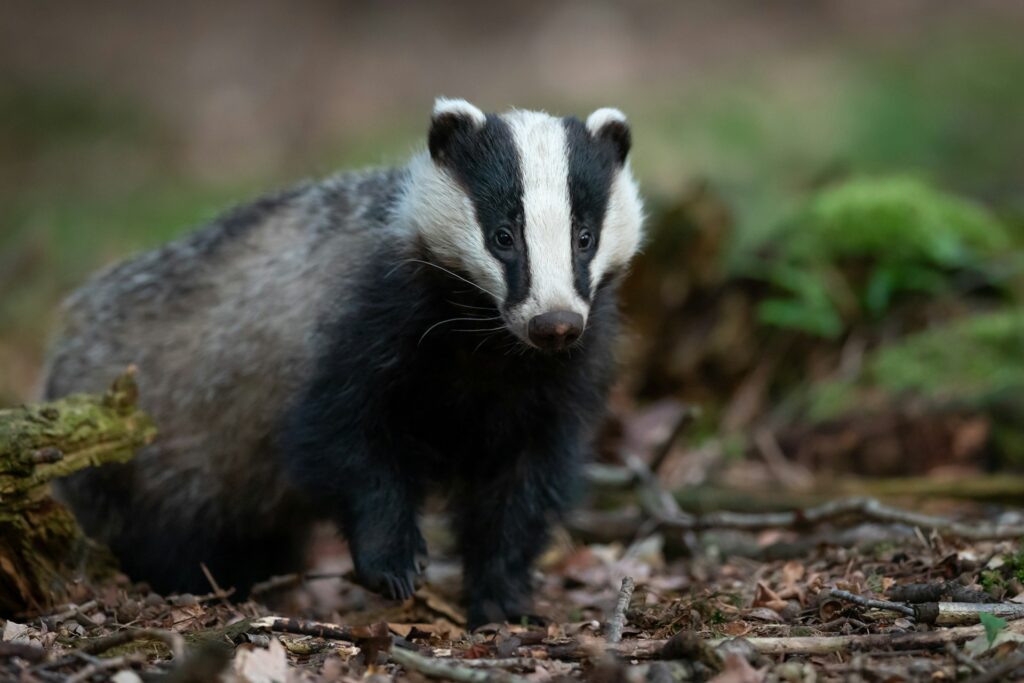
The Protection of Badgers Act makes it illegal to kill, injure, or disturb badgers or damage their setts. Even blocking sett entrances without a licence is a criminal offence.
You’ll notice this creates controversy around TB and cattle farming, but the law remains strict. If badgers move onto your property, you need specialist legal advice before taking any action.
13. Barn owls need special consideration.
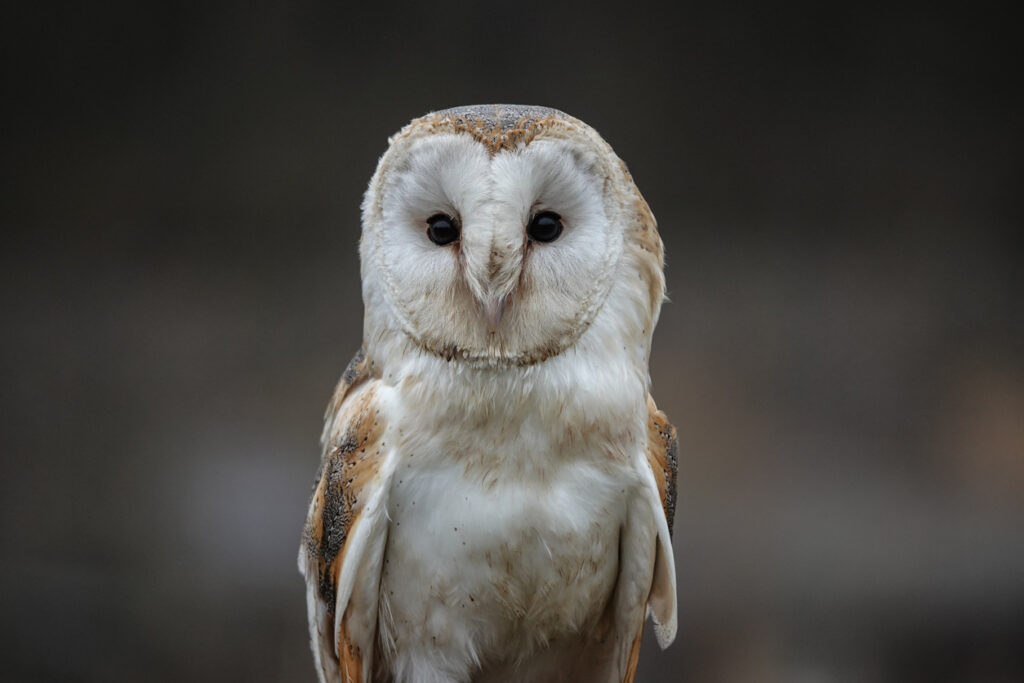
As a Schedule 1 species, barn owls have extra protection beyond other birds. Disturbing them at the nest even photographically is illegal without a special licence.
That’s why barn conversions and agricultural building work require barn owl surveys first. Finding nesting barn owls means timing work carefully and often installing nest boxes as mitigation.
14. Otters are fully protected European species.

After near extinction, otters have recovered but remain strictly protected. Disturbing them, damaging their holts, or interfering with their habitat is illegal with severe penalties.
It helps if you keep dogs under control near rivers where otters live. Their comeback is a conservation success story, but they still need legal protection to maintain populations.
15. Hazel dormice and smooth snakes are rarest of all.

Britain’s rarest native species have the highest level of protection. Finding them on your land means development becomes extremely complicated and expensive.
That’s why ecological surveys before purchasing land or planning projects are essential. The presence of these protected species can completely change what you’re legally allowed to do with property.