From the window of the International Space Station, astronauts get a view of Earth that most of us can only imagine.
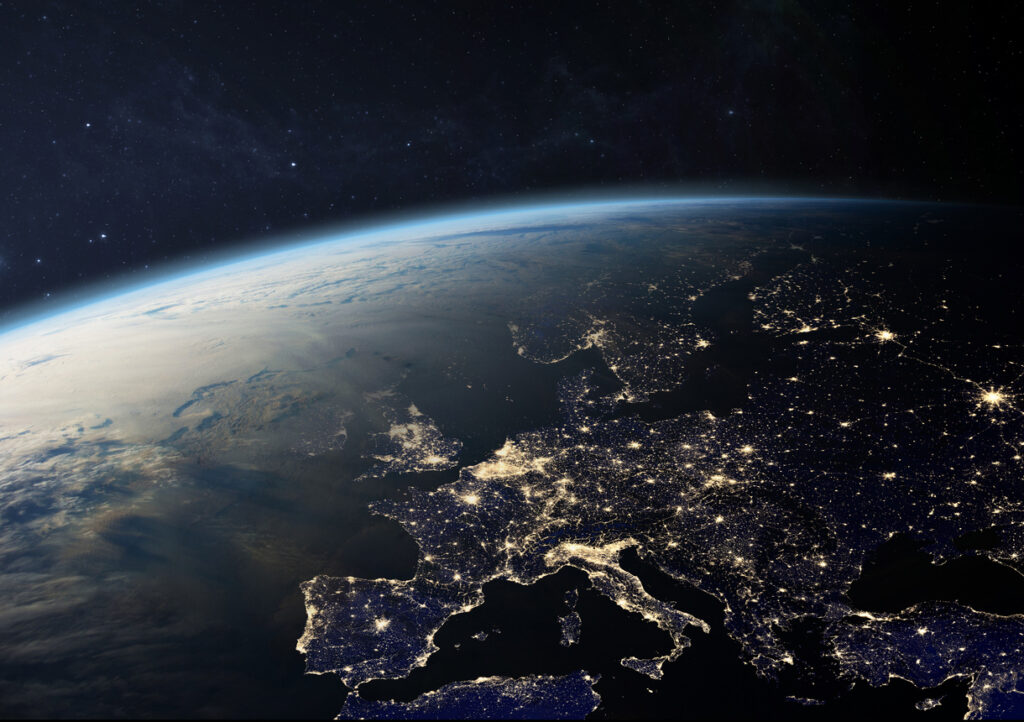
Floating more than 200 miles above the surface, they can see entire coastlines, mountain ranges, and even city lights glowing at night. However, not everything visible from space is natural beauty; some of it is the mark humans have left behind, for better or worse.
Certain man-made structures and environmental scars are surprisingly visible from orbit, while others you might expect to stand out, like the Great Wall of China, are nearly impossible to spot. What astronauts can see tells a fascinating story about the scale of our planet and the impact we’ve had on it. Here are some of the most striking things visible from space with the naked eye.
1. City lights at night
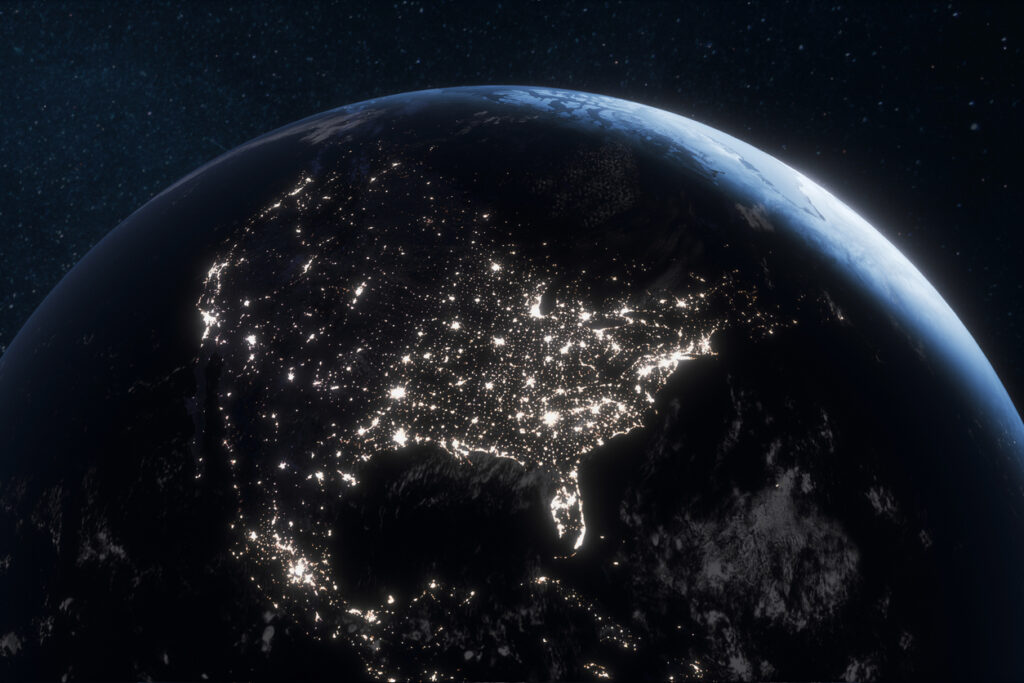
When astronauts pass over the night side of Earth, cities light up like they’re glowing. Major metropolitan areas create bright patches that stand out brilliantly against the dark landscape, making it easy to identify continents and countries just from their lighting patterns.
You can trace the shape of coastlines just from where the lights stop and the darkness of the ocean begins. Places like London, Tokyo, and New York create massive bright spots that are impossible to miss from orbit. Some cities have distinctive colours too, with orange sodium lights in older areas and white LED lights in newer developments creating patterns that tell you exactly where you are.
2. The Amazon rainforest as a massive dark green patch
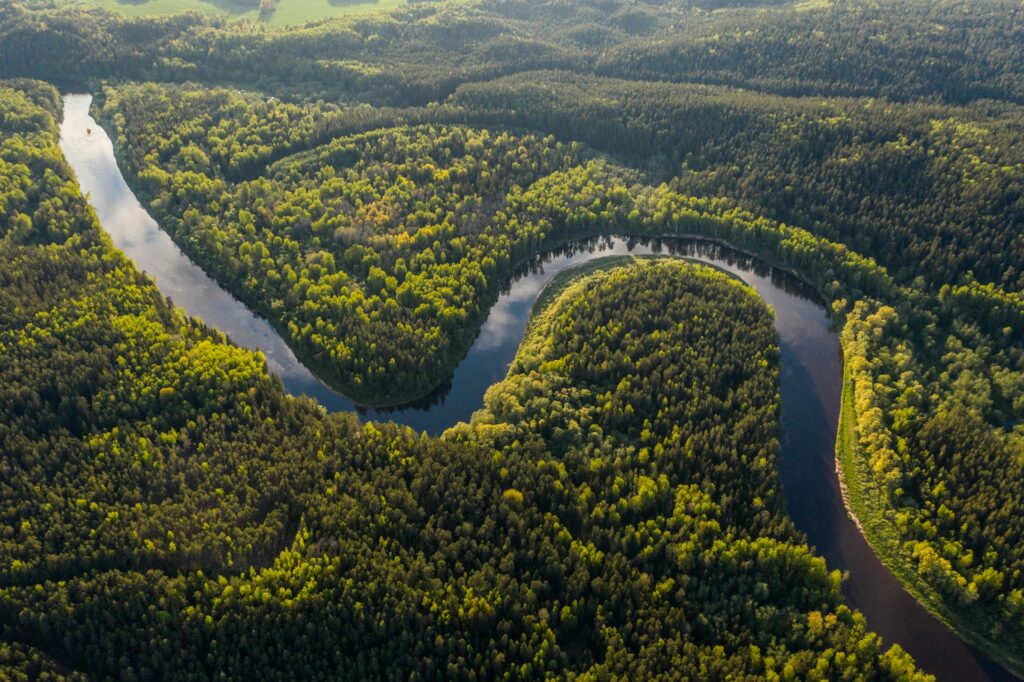
The Amazon covers such a huge area that it’s one of the most noticeable natural features from space. It shows up as this enormous expanse of deep green cutting across South America, stretching across multiple countries and creating an unmistakable landmark.
What’s sad is astronauts can also see the deforestation happening in real time. The cleared areas show up as lighter patches and straight lines where roads have been cut through the jungle. Some astronauts have said watching the Amazon shrink over multiple missions is one of the most heartbreaking parts of their job because you can literally see the destruction from space.
3. Major airports with their distinctive runway patterns
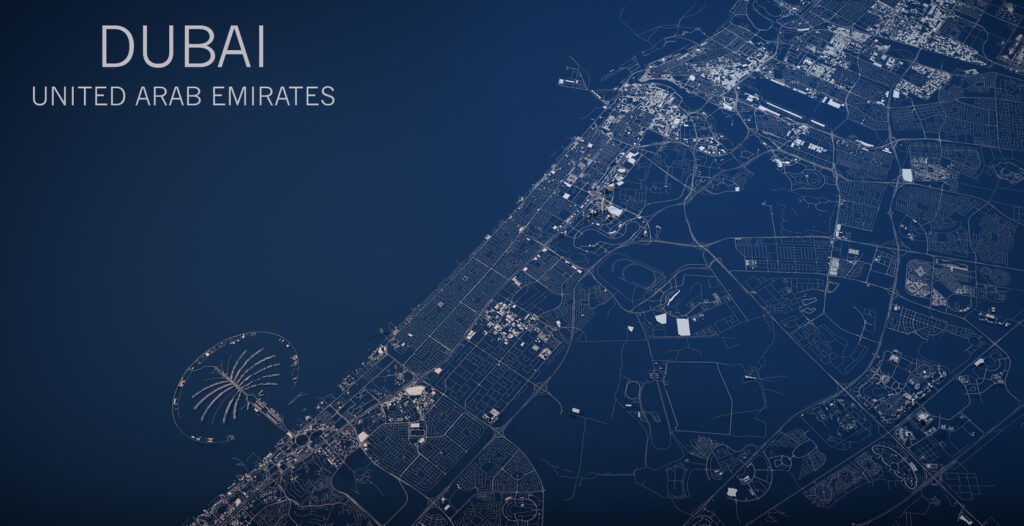
Large airports are easy to spot because of their long, straight runways arranged in specific patterns. The concrete stands out sharply against surrounding land, and the layouts are deliberately designed to be visible and functional from above.
Places like Dubai International or London Heathrow create recognisable shapes from orbit that astronauts learn to identify as navigation markers. During the day, you can see planes lined up like tiny white dots and the terminal buildings creating geometric patterns. The taxiways connecting everything create these intricate webs that look almost like circuit boards from space.
4. Massive fires and smoke plumes

When there are big wildfires or bushfires, astronauts can see the smoke from hundreds of miles away. The plumes stretch across entire regions and create visible brown or grey clouds that dwarf any normal weather patterns.
Australian bushfires have been photographed from the International Space Station looking like massive orange glows at night with smoke covering thousands of square kilometres during the day. It’s one of the more disturbing things they report seeing because the scale of destruction becomes obvious when you can see entire states covered in smoke. The 2019-2020 Australian fires were so intense that astronauts could see them clearly, and the smoke plume eventually circled the entire planet.
5. The Pyramids of Giza show up as tiny triangles
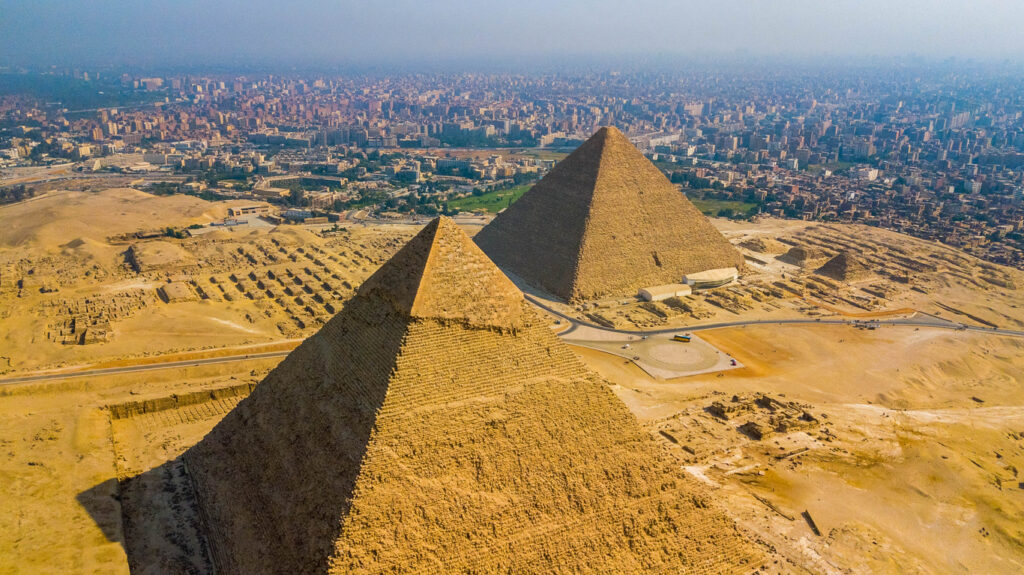
The Egyptian pyramids are just about visible from space if you know exactly where to look and atmospheric conditions are absolutely perfect. They appear as very small triangular shapes casting long shadows across the desert sand.
You’d need a good camera with a telephoto lens to photograph them properly, but astronauts have confirmed they can spot them with the naked eye on clear days. They’re nowhere near as obvious as people think, though, and you have to already know where Cairo is to find them. The shadows they cast are often more visible than the pyramids themselves because the contrast stands out better.
6. Huge dust storms sweeping across deserts
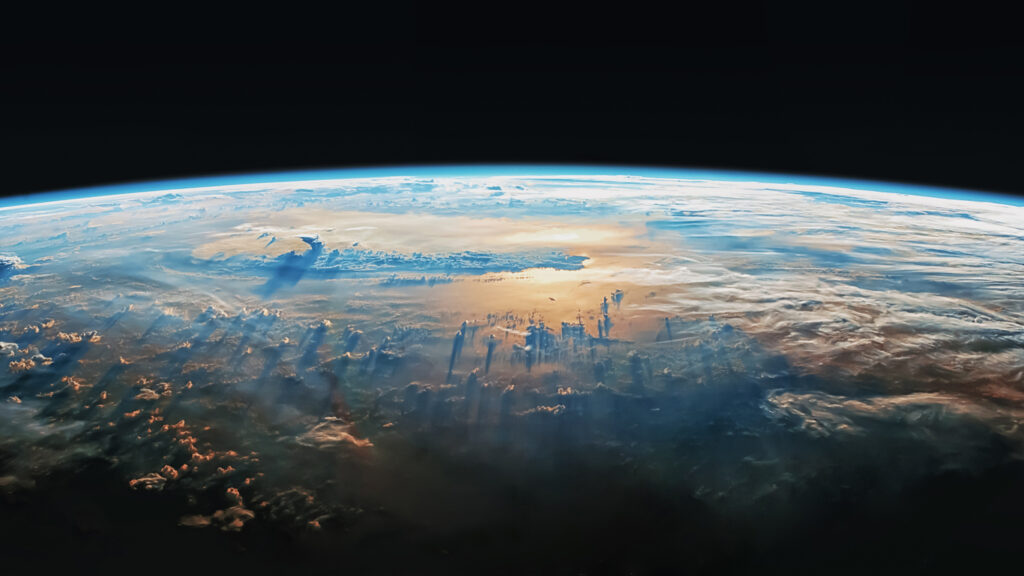
When dust storms kick up in the Sahara or other major deserts, they’re absolutely massive from space. The dust clouds can stretch for thousands of miles and even cross entire oceans, carrying sand from one continent to another.
Saharan dust regularly blows all the way across the Atlantic to the Caribbean and South America, sometimes making the sky hazy as far away as Texas. From orbit, you can watch these enormous tan-coloured clouds moving across the planet like slow-motion tsunamis. The storms are so large that they can affect weather patterns and air quality on the other side of the world.
7. Coral reefs in shallow tropical waters
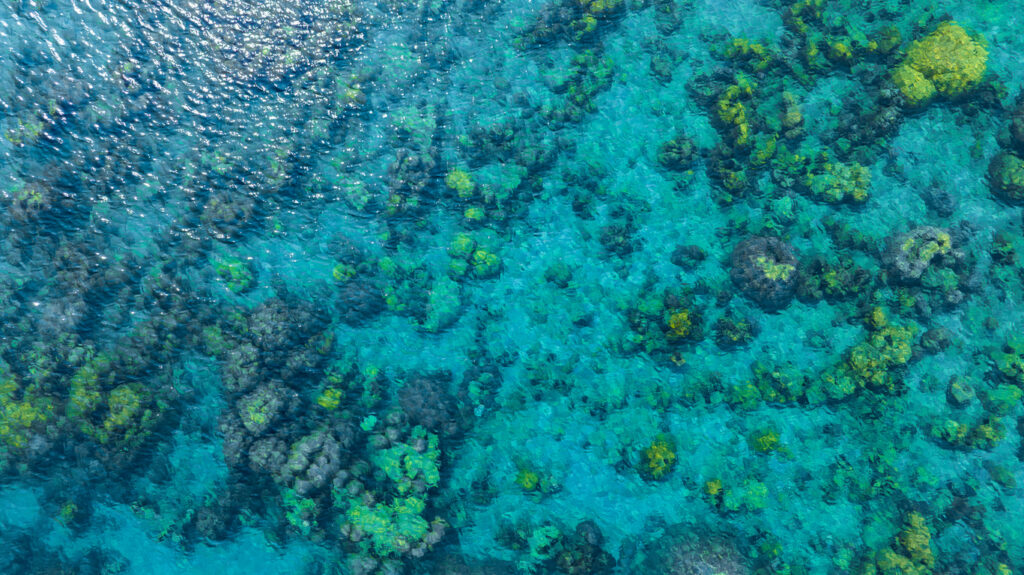
The Great Barrier Reef and other major reef systems are visible as lighter patches in the ocean where the water’s shallow enough. The bright coral and white sand create colour contrasts that stand out brilliantly against the deeper blue water surrounding them.
Sadly, astronauts have also documented coral bleaching events, where the reefs turn ghostly white as they die. The before and after photos from space show just how much damage rising ocean temperatures are doing to these ecosystems. Some astronauts have reported it’s heartbreaking to see reefs they photographed on one mission looking completely different and degraded on their next trip to space.
8. Long straight shipping routes across the ocean

Major shipping lanes create visible white lines across the ocean from all the ship exhaust and wake trails. These routes show up like highways on the water connecting major ports around the world.
The paths are so well-travelled and consistent that they form clear patterns you can trace with your finger. You can basically map global trade routes just by looking at where these lines appear on the ocean surface. The busiest shipping lanes, like the ones through the Suez Canal or around Singapore, show up as particularly bright lines because there’s constant traffic creating overlapping trails.
9. Volcanic eruptions and their ash clouds
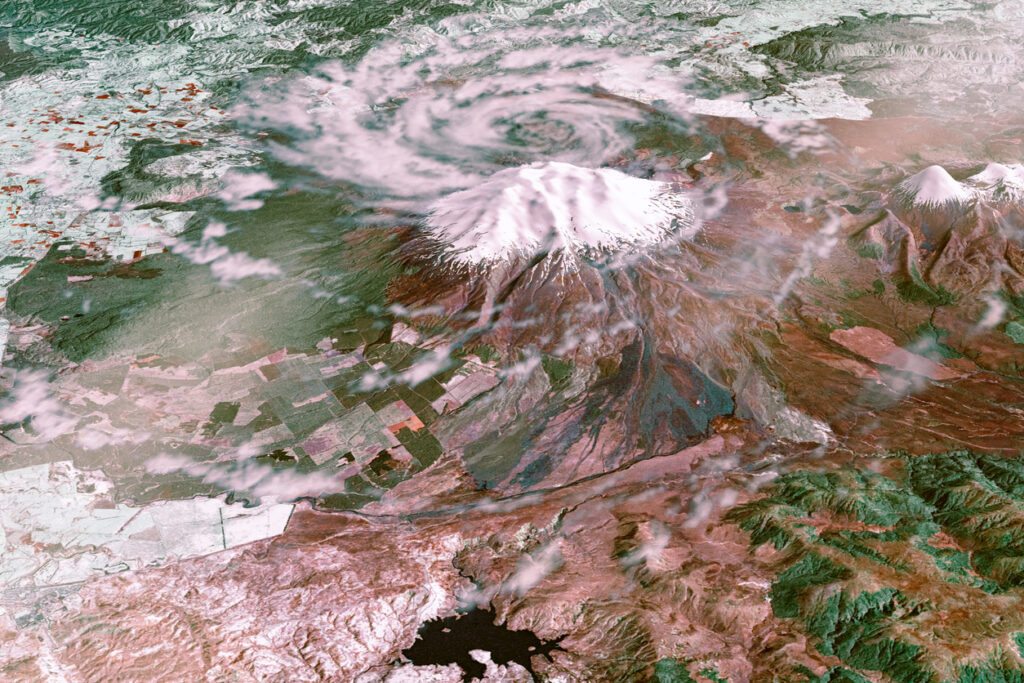
When a volcano erupts, the ash plume is one of the most dramatic things visible from space. The cloud shoots up high enough into the atmosphere that it’s easy to spot and track as it spreads across regions.
The 2010 Eyjafjallajökull eruption in Iceland was monitored continuously from space as the ash spread across Europe and grounded flights for weeks. The grey cloud showed up clearly against the white clouds and blue ocean surrounding Iceland. More recent eruptions like the 2022 Tonga volcano were so powerful that astronauts could see the shockwave spreading across the ocean and the ash plume reaching into the stratosphere.
10. Hurricane and typhoon formations
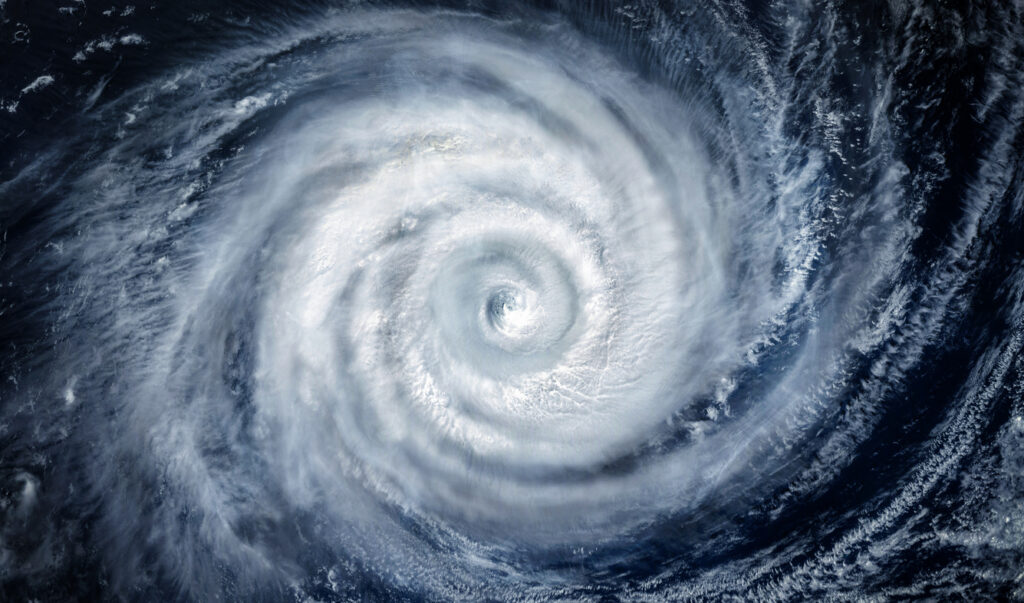
These massive storm systems are probably the most photographed weather events from space, and for good reason. The spiral shape with the clear eye in the centre makes them instantly recognisable and absolutely stunning to see.
Astronauts can watch hurricanes form, grow, and move across the ocean in real time as the station orbits overhead every 90 minutes. The sheer size of these storms is mind-blowing when you see the whole thing at once from orbit, sometimes covering an area larger than entire countries. Some astronauts have said that seeing a major hurricane from space gives you a healthy respect for how powerful nature can be when you realise you’re looking at something that could fit several cities inside its eye alone.