Most people think of bees and butterflies as summer creatures, but they still need help once the weather turns cold.
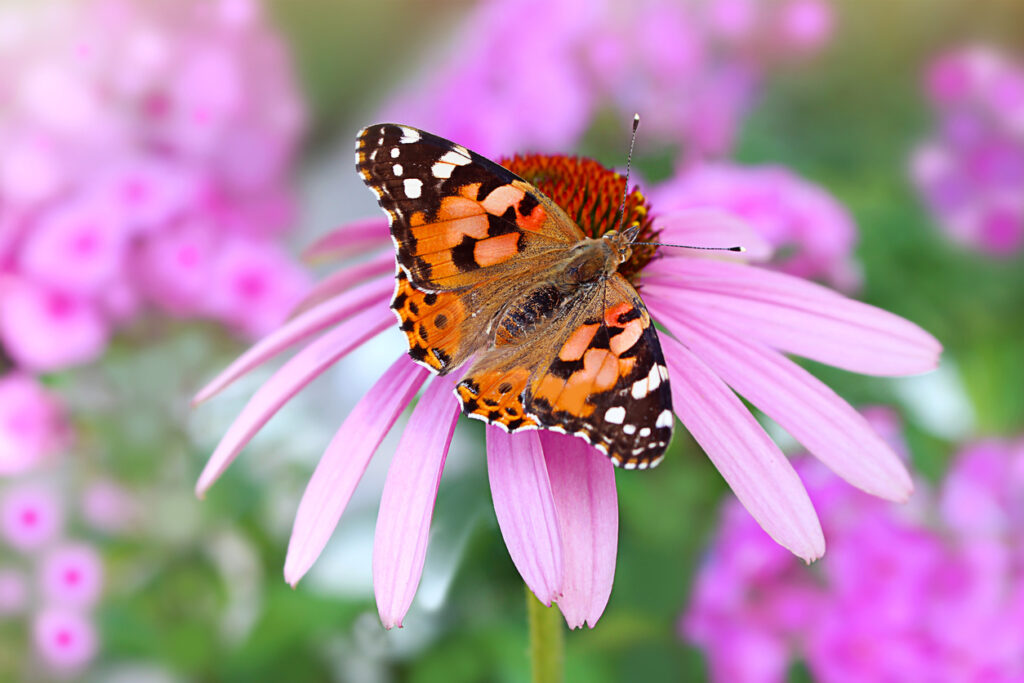
Many pollinators spend winter hidden away in nests, soil, or hollow stems, relying on what they built or stored during warmer months. With a few small changes, your garden can become a safe haven that helps them survive until spring returns. Here are some easy ways to support pollinators in the colder months.
Leave some leaves on the ground.
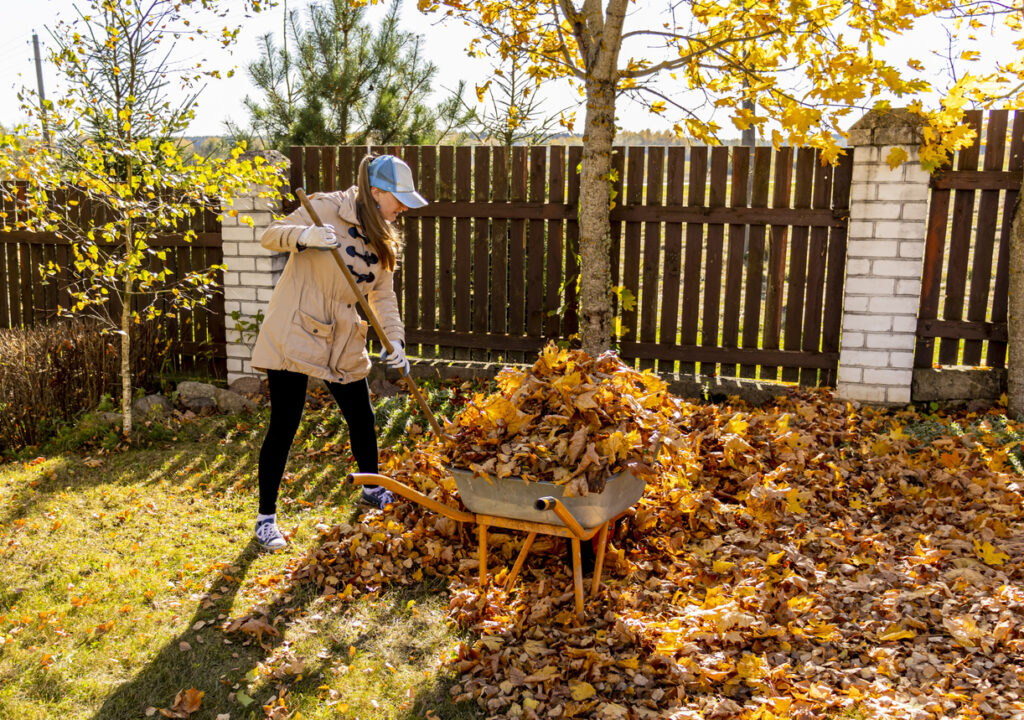
It might feel satisfying to clear every leaf from your lawn, but those piles actually protect sleeping insects. Bumblebee queens, beetles, and butterflies often shelter under fallen leaves where the layer keeps them warm and hidden from predators. Instead of raking everything, try leaving some corners of your garden untouched. It looks a bit wild, but it gives pollinators a safe, natural blanket for winter.
Avoid cutting back dead stems too early.

Many pollinators hide or lay eggs inside hollow plant stems. When you cut everything down in autumn, you destroy their winter homes before they’ve had a chance to emerge again in spring. Leave dead stems and seed heads standing through the colder months. They’ll provide shelter for insects and food for birds, and you can tidy them up once temperatures start to rise again.
Build or buy a bee hotel.
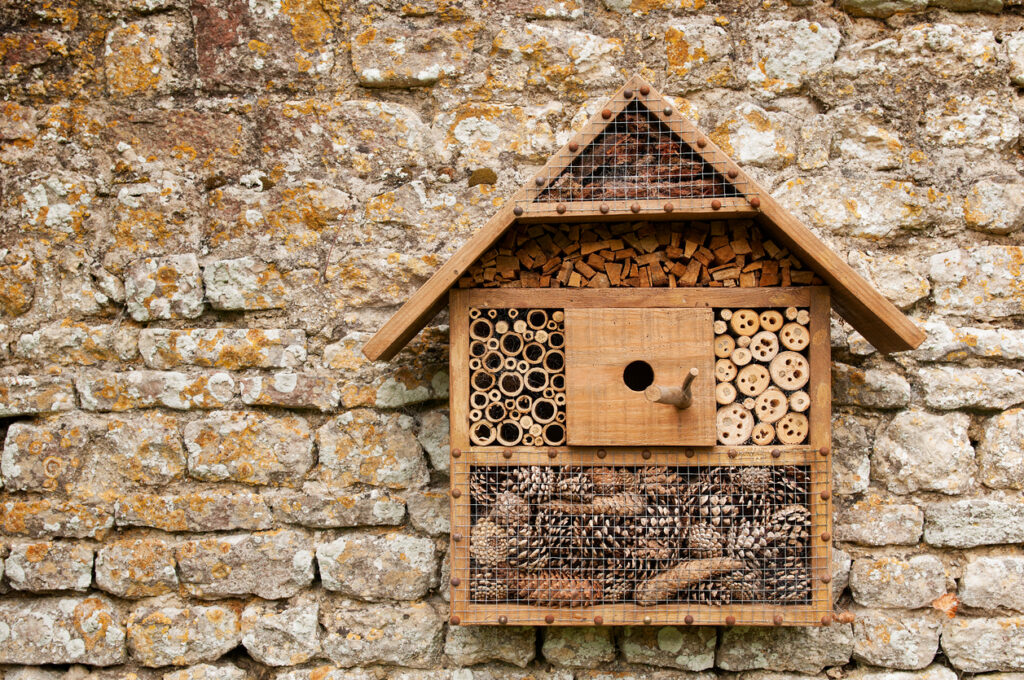
Solitary bees don’t live in hives like honeybees. They need small holes or tubes to nest in, and many of them stay inside these shelters until spring. Bee hotels made from bamboo, wood, or hollow reeds are perfect for this. Place your bee hotel somewhere sheltered and dry, facing the morning sun if possible. It’s a simple addition that can make a big difference for local pollinators trying to survive the winter.
Grow late-blooming flowers.
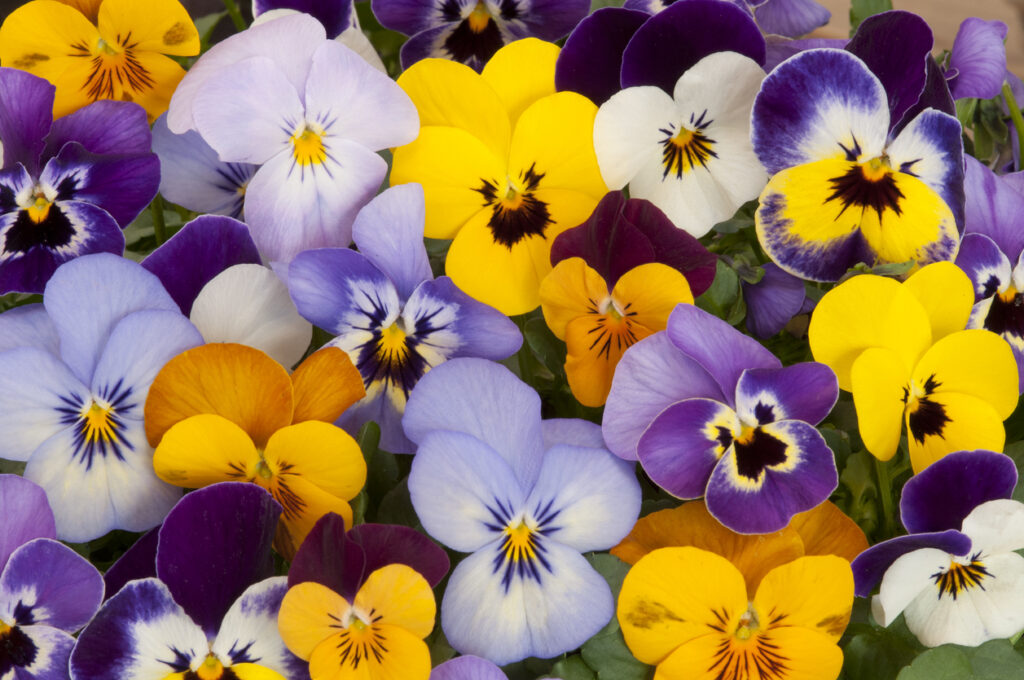
Autumn flowers like sedum, ivy, and asters are vital food sources for pollinators before they hibernate. The nectar they collect in late autumn often determines whether they have enough energy to make it through winter. If your garden still has space, add a few of these late bloomers. They’ll keep bees and butterflies buzzing longer and give them a better chance of surviving the cold months ahead.
Provide a small water source.
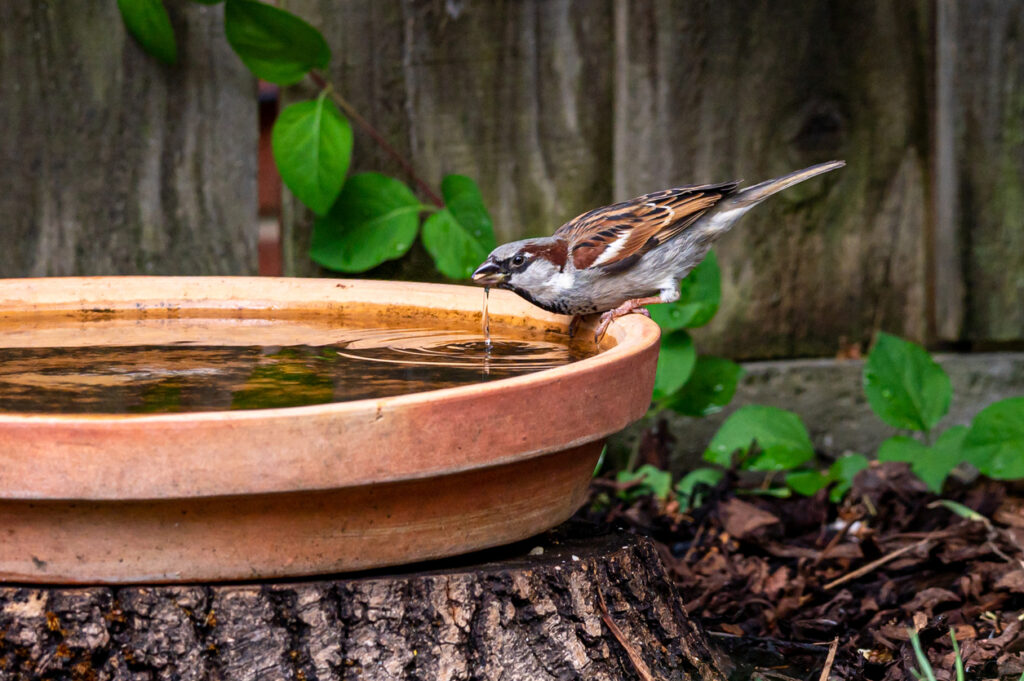
Even in cold weather, pollinators still need access to fresh water. A shallow dish with stones or pebbles gives them a safe place to drink without the risk of drowning. Check that it doesn’t freeze over completely, and top it up on mild days. It’s a small gesture that helps more than you might realise, especially for active winter insects like hoverflies.
Avoid pesticides and sprays.
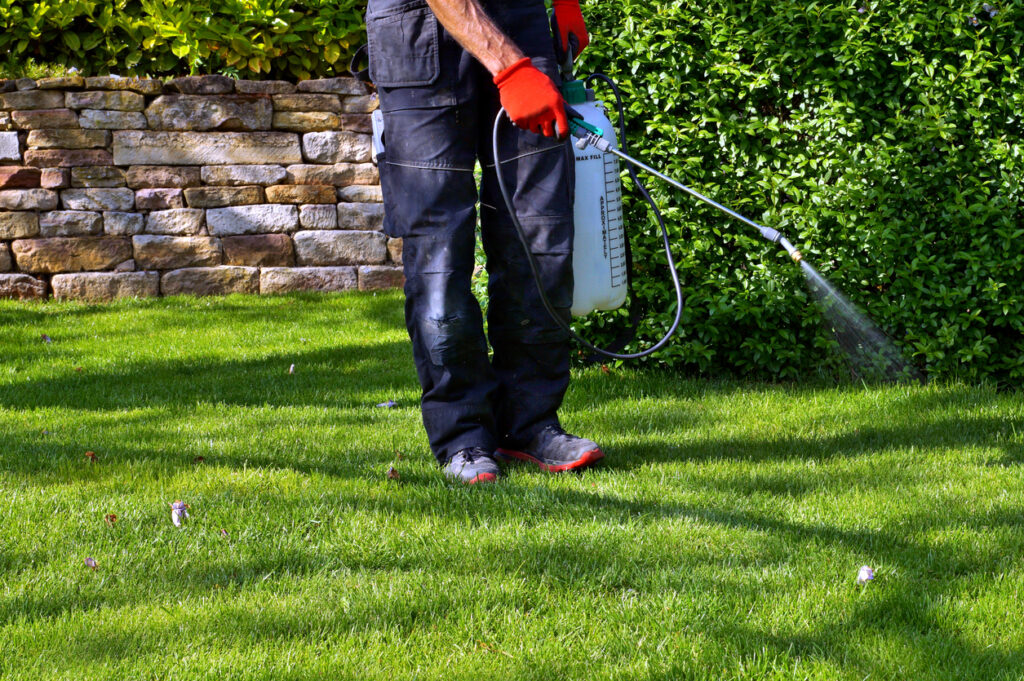
Winter might seem like the perfect time to tackle pests, but using chemicals harms far more than just unwanted bugs. Many pollinators overwinter in the same soil, shrubs, or leaves where sprays get applied. Try natural alternatives like neem oil, soap sprays, or simply leaving pest control to birds and spiders. A few chewed leaves are a small price to pay for keeping your garden pollinator-friendly all year.
Leave some soil bare.

Not all bees live above ground. Around 70% of native bees nest in soil, digging small tunnels to raise their young. Covering every inch of your garden with mulch, gravel, or paving blocks them completely. Leaving a patch of bare ground, especially in a sunny, sheltered spot, gives ground-nesting bees somewhere safe to hibernate and lay eggs. It’s one of the easiest yet most overlooked ways to help.
Keep old logs and twigs.
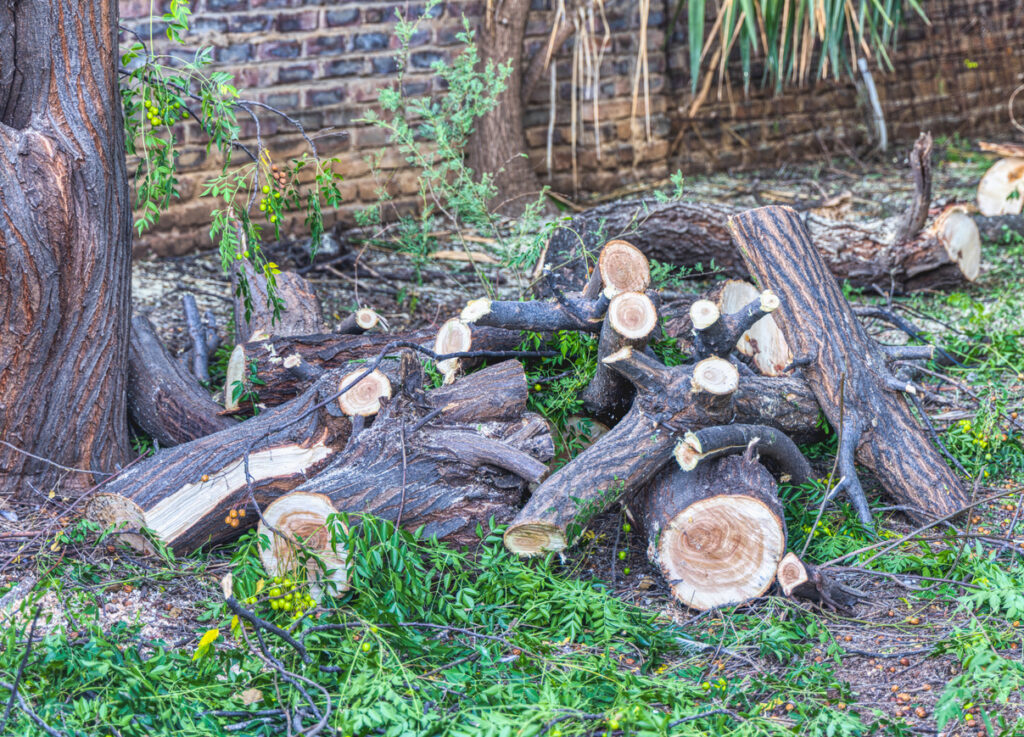
Rotting wood might not look tidy, but it’s a haven for overwintering insects. Beetles, solitary bees, and even butterflies hide inside cracks or under bark where it’s protected from frost. Stack a few logs in a shady spot or leave an old branch pile in a corner. It’ll quietly support life all winter and become an insect buffet for birds in early spring.
Plant early-spring flowers now.

Bulbs like crocuses, snowdrops, and hellebores bloom when bees first wake up from hibernation. Planting them before winter ensures that nectar and pollen will be waiting when the pollinators need it most. Choose a mix of native varieties if possible, and plant them in sunny spots. They’re among the first lifelines for pollinators coming out of winter dormancy.
Make your compost heap a winter shelter.
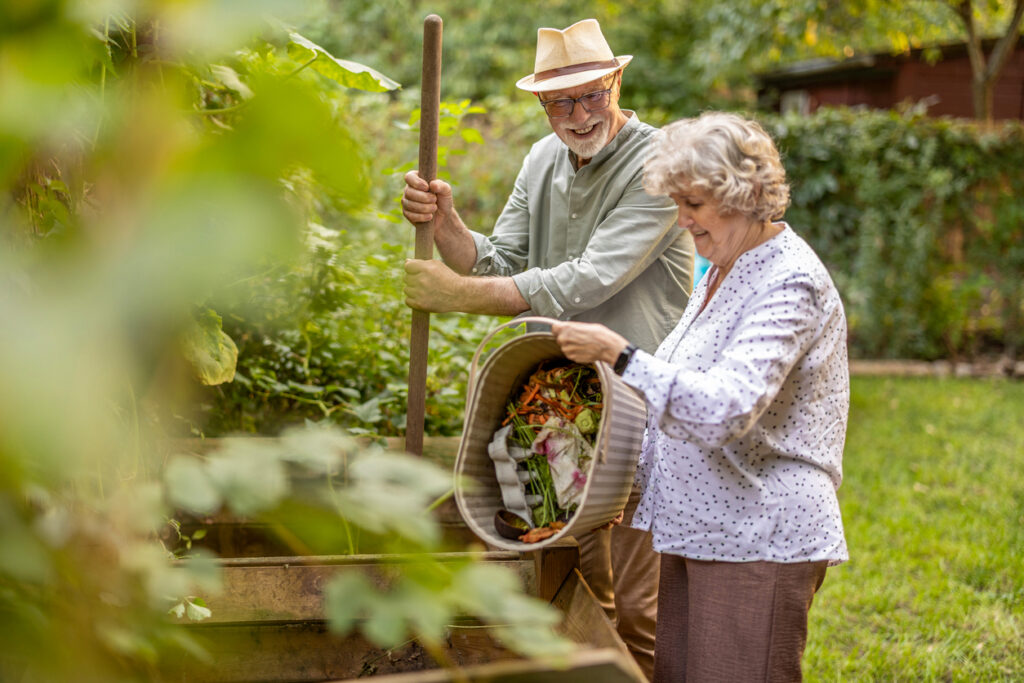
A compost heap doesn’t just recycle garden waste; it also becomes a warm refuge for insects during cold months. The decomposing material gives off gentle heat, and the loose structure makes perfect hiding spots. Try not to turn or disturb your compost too often in winter. You might be surprised at how many bees, beetles, and butterflies are quietly sleeping inside, waiting for spring to wake them.