If you think of bats as creepy creatures that hang upside down in caves and might fly into your hair, you’re not alone.

Most people have a pretty grim view of bats, probably thanks to horror films and Halloween decorations. But the last week of October is Bat Appreciation Week, and it exists for a very good reason. Bats are actually doing absolutely crucial work that keeps our world functioning, and most of us have no idea.
There are more than 1,400 species of bats worldwide, making up nearly 20% of all mammal species on Earth. They’re controlling pests, pollinating plants, spreading seeds, and saving farmers billions of pounds every year. Without bats, our food system would be in serious trouble. So maybe it’s time to stop thinking of them as scary and start appreciating what they actually do.
They eat an insane amount of insects.
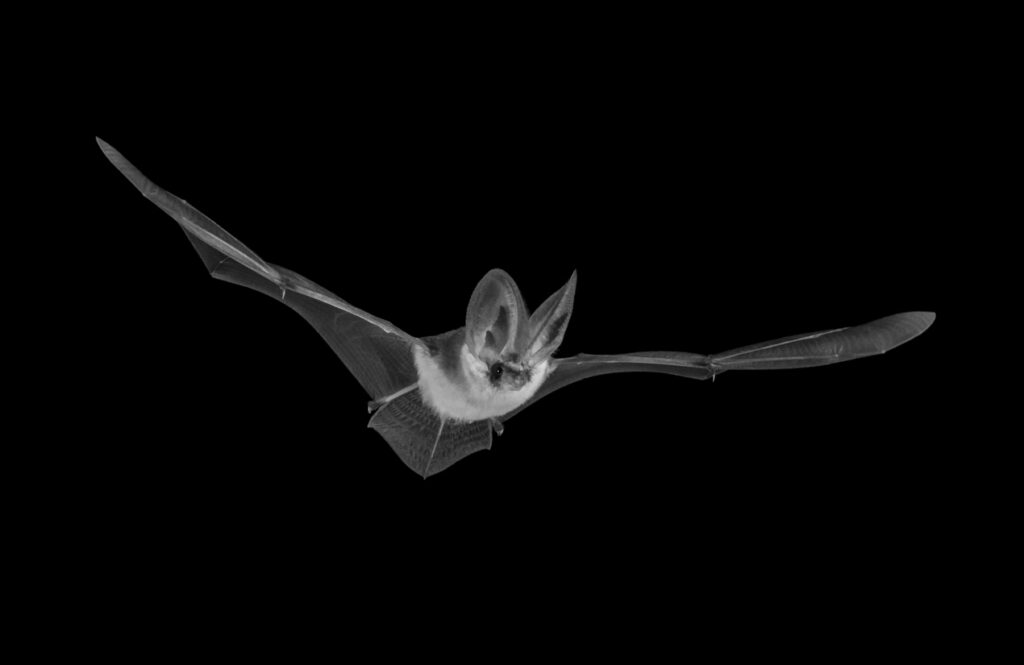
A single bat can eat up to its body weight in insects in one night. Some manage to gobble down between 600 and 1,200 insects in just an hour. That’s everything from mosquitoes and moths to beetles and flies, and they’re the exact pests that make summer evenings unbearable.
Here in the UK, bats are a natural form of pest control for farmers and gardeners alike. They reduce the need for chemical pesticides, which helps protect soil, waterways, and pollinating insects like bees. Across the world, it’s estimated that bats save the farming industry billions every year. In short, they’re nature’s night-shift pest patrol, and they do it entirely for free.
They pollinate plants we actually care about.

More than 500 species of flowers rely on bats as their major or exclusive pollinators. Some plants have even evolved specifically to attract bats, developing strong scents and flowers that bloom at night. Bats can carry significantly more pollen in their fur compared to other pollinators, and they fly much longer distances.
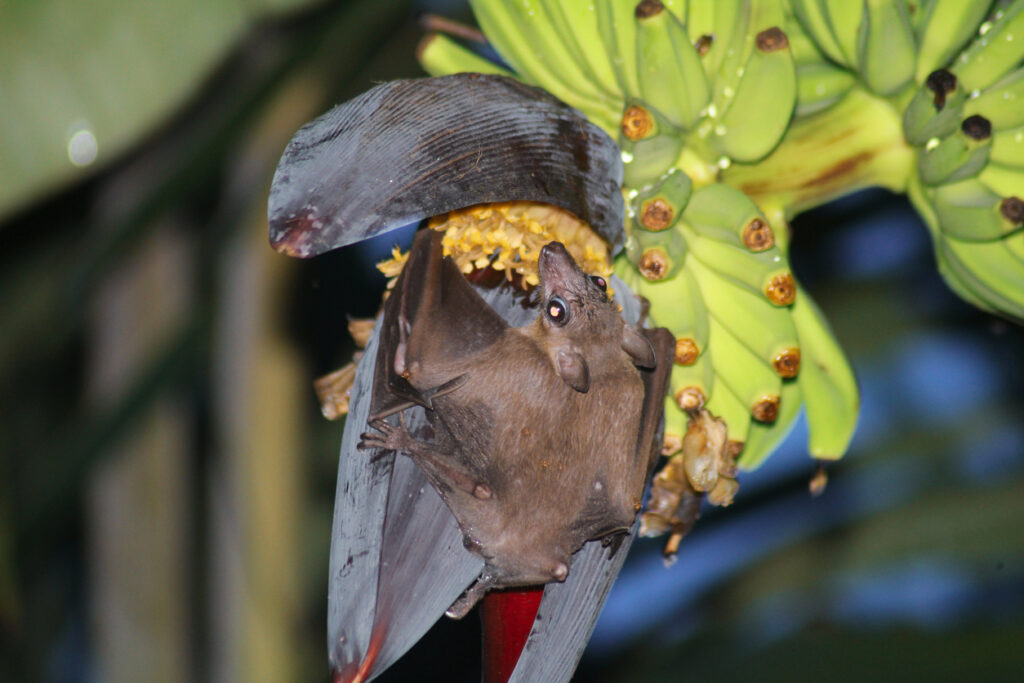
It’s not just random wildflowers either, bats help pollinate plants that give us agave for tequila, bananas, mangoes, and cacao for chocolate. So if you enjoy a margarita or a chocolate bar, you’ve got bats to thank for that.
They’re rebuilding forests.
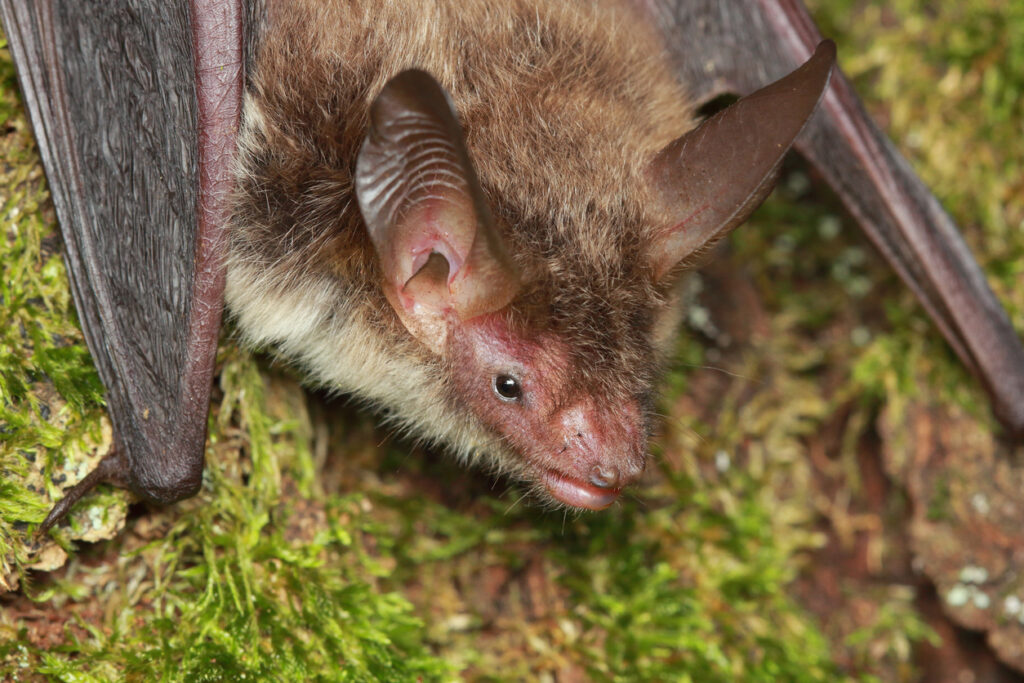
Fruit bats spread seeds in their droppings across massive distances, up to 75 kilometres from where they roost. One large colony of fruit bats in Ghana generates over 300,000 seed dispersal events every single night. That’s an insane amount of reforestation happening just because bats are going about their business.
This is especially crucial in areas devastated by deforestation or natural disasters. Bats are helping forests regenerate naturally, planting thousands of trees without anyone having to do anything. The seeds they spread grow into new plants and trees that support entire ecosystems.
They save farmers massive amounts of money.
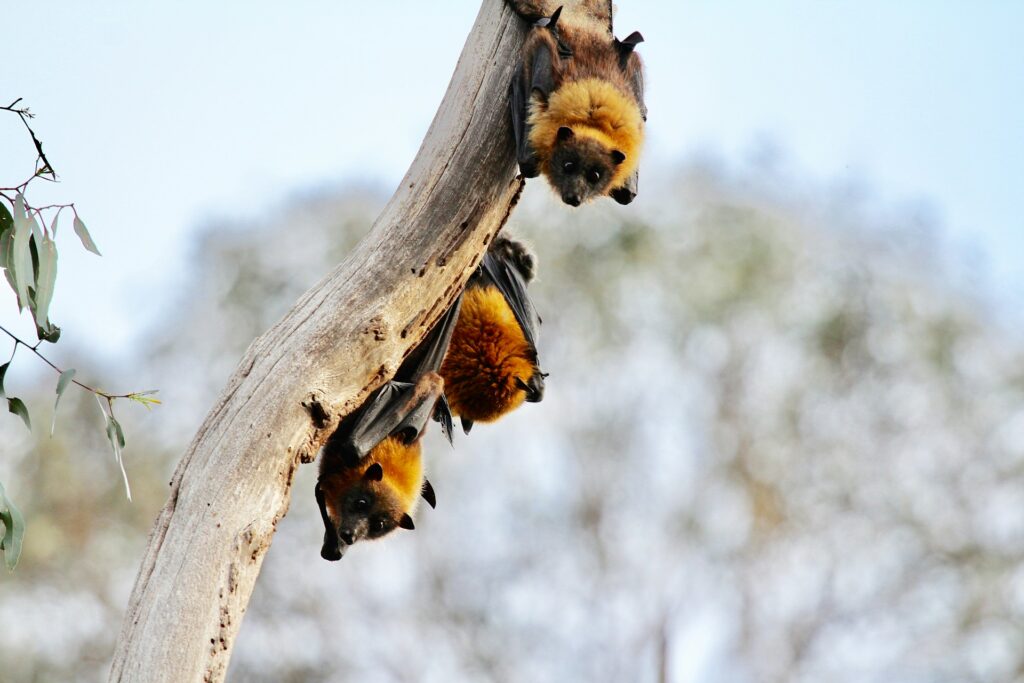
Around the globe, over 20 key crops rely on bats for pollination, seed dispersal, or pest control. Farmers who create bat-friendly spaces, such as installing bat boxes or protecting roosts, often find their pest problems drop dramatically. There have even been cases where farmers have stopped using chemical pesticides altogether because bats handled the workload naturally.
If we lost bats, the financial and environmental impact would be massive. Experts estimate that without them, global agriculture would need billions more in pesticide spending every year to fill the gap, and all that extra chemical use would pollute soil and water systems even further. Bats might not get much recognition, but they’re quietly propping up the food industry every single night.
They’re helping medical research.
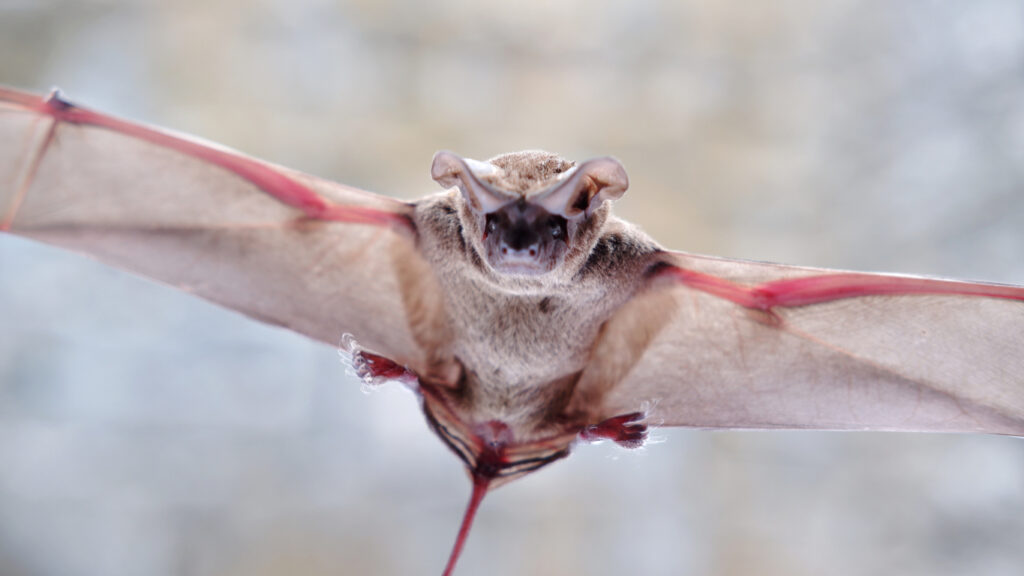
Bats can carry viruses that would kill humans, but they don’t get sick themselves. Scientists are studying bat immune systems to understand how they coexist with viruses like SARS-CoV-2 without dying. This research could be key to developing treatments for COVID-19 and other diseases.
There’s also research into vampire bat saliva, which contains a powerful anticoagulant that reduces inflammation. Researchers are investigating whether it could help stroke patients. Even the “scary” vampire bats are potentially contributing to life-saving medical treatments.
They’re actually fascinating creatures.
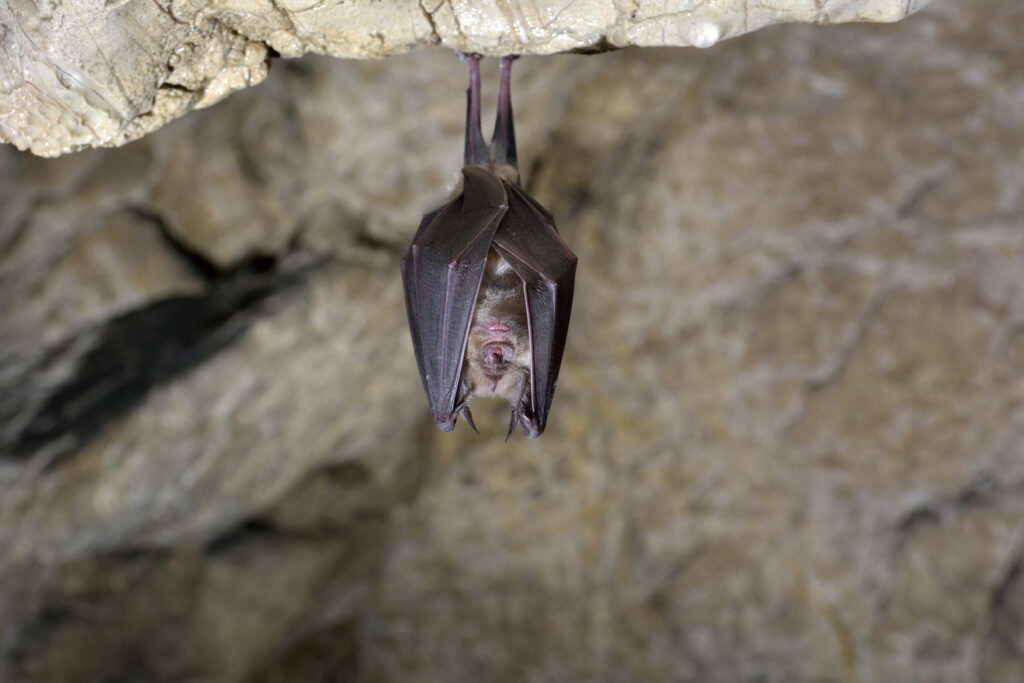
Bats range from the tiny bumblebee bat, which weighs less than a penny, to flying foxes with wingspans up to six feet. They’re the only mammals capable of true flight. Their wings are actually modified hands, similar to human hands but with elongated fingers connected by membrane.
Most bats use echolocation to navigate and hunt, emitting high-pitched sounds that bounce off objects. And despite the phrase “blind as a bat,” bats actually have perfectly good eyesight, with some species seeing three times better than humans. They’re highly sophisticated hunters, with multiple sensory systems working together.
They’re in serious trouble.
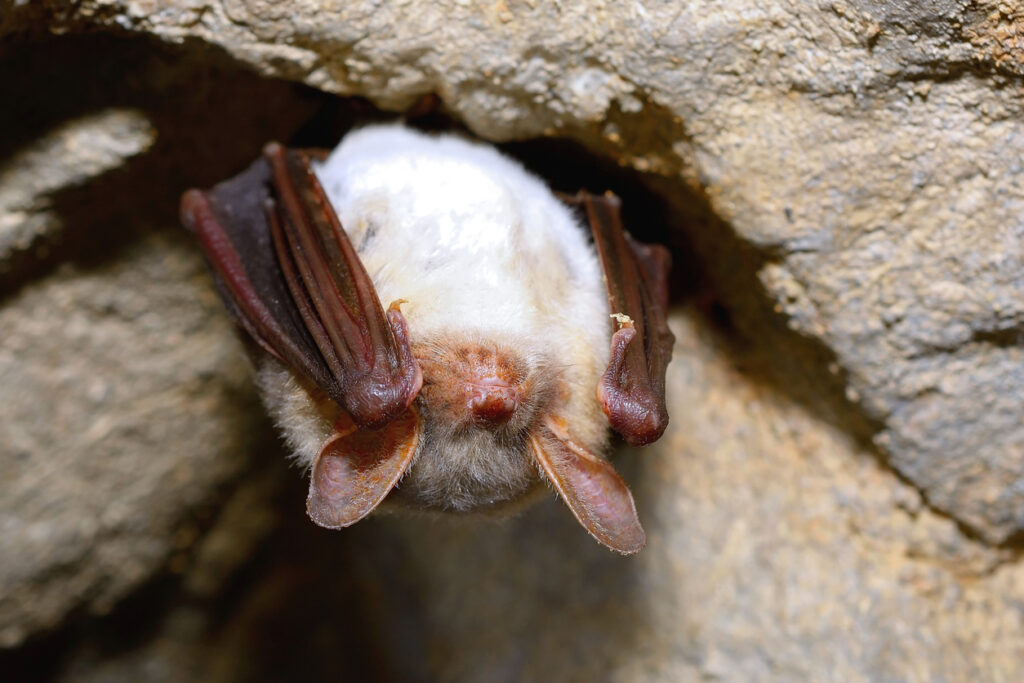
Bats across the world are in decline. In North America, a fungal disease known as white-nose syndrome has wiped out millions, decimating colonies and throwing ecosystems out of balance. Here in the UK, the dangers are different but just as severe. Habitat loss, pesticide use, and light pollution are all taking a toll on our native bat populations.
The UK is home to 18 species of bats, and all of them are protected by law, yet numbers have fallen sharply over recent decades. When old trees are cut down, roof spaces are sealed, or caves are disturbed, bats lose the safe roosting sites they depend on. Without help, we risk losing them entirely, and with that, losing one of nature’s most efficient pest controllers and pollinators.
Most bat myths are rubbish.
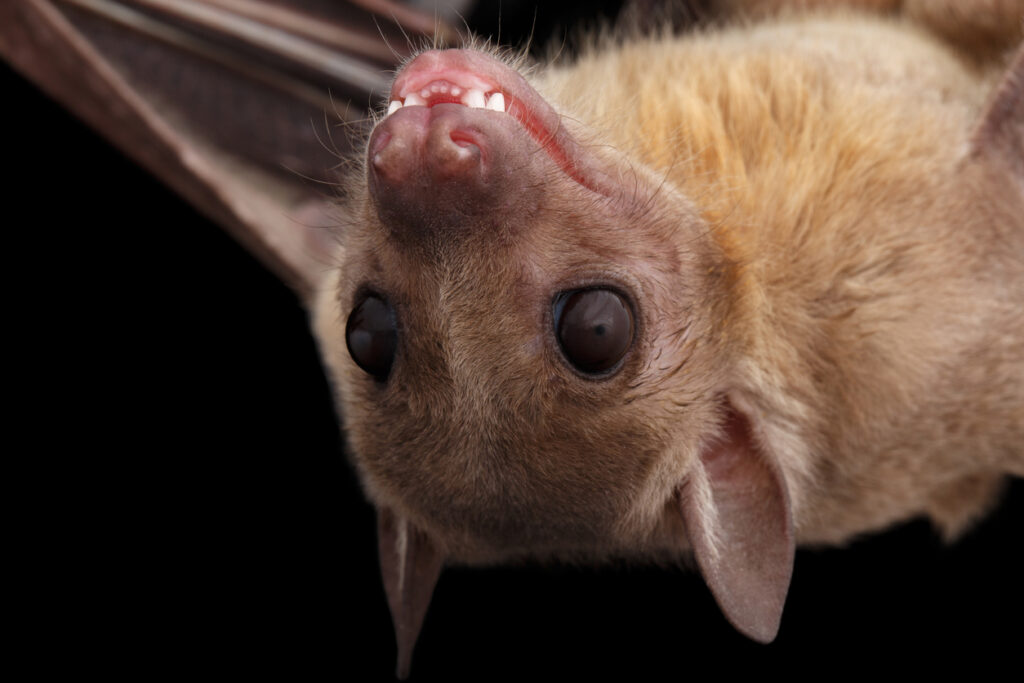
Bats will not fly into your hair. They’re excellent at avoiding obstacles. Your hair won’t turn grey if a bat touches it, and you won’t go bald if bat droppings land on you. These are old wives’ tales with no basis in reality.
Less than 1% of bats have rabies, and even those that do aren’t aggressive. The vampire bat myths are overblown too, those three blood-drinking species live in Central and South America, not here, and they feed on livestock, taking about an ounce of blood per feeding. They’re not lurking anywhere waiting to drain you dry.
What you can actually do
If you’ve got a bit of outdoor space, putting up a bat box is one of the simplest ways to support them. It needs to be mounted at least four metres high, somewhere sheltered but with a clear flight path. Avoid using pesticides in your garden, as the insects you’re killing are exactly what bats feed on. You can also plant native wildflowers that attract moths and other night-flying insects, and that’s a natural buffet for hungry bats.
Just as importantly, challenge the myths. Teach kids that bats aren’t scary, they’re extraordinary. They’re gentle animals that only want a safe place to live and enough food to eat. When people stop seeing them as pests or symbols of fear, they stop destroying their homes, and that small change in attitude can make a big difference to their survival.
They’re so special, they even have their own week!
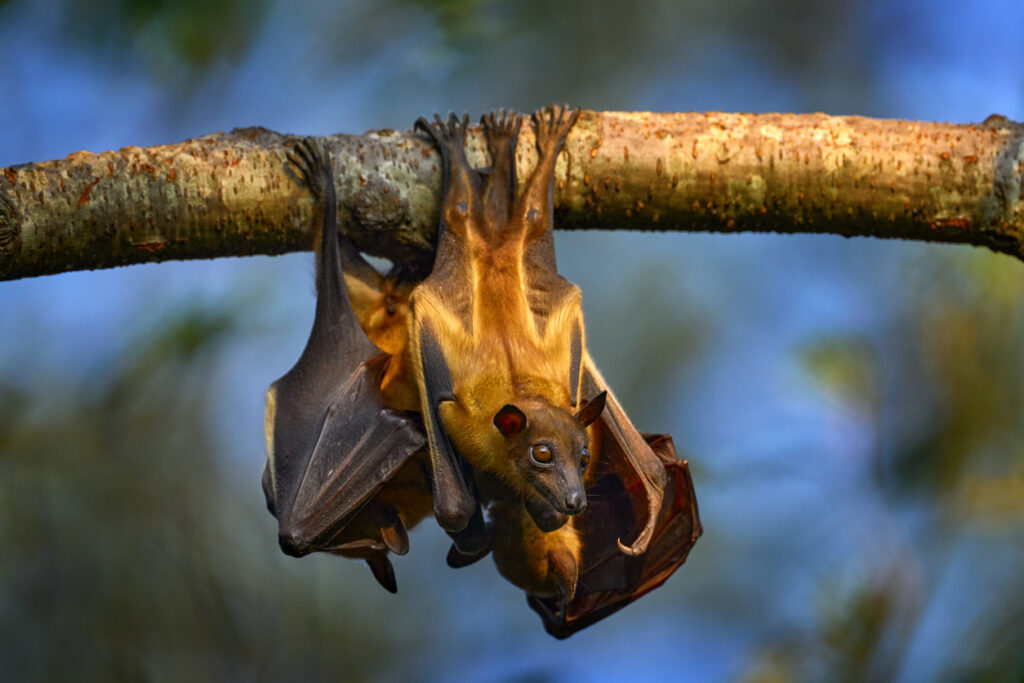
Bat Appreciation Week, which runs from October 24 through October 31, exists because bats are genuinely vital to our survival and most people don’t realise it. They’re not gothic decoration or Halloween symbols, they’re hardworking animals performing essential ecological services that we rely on every single day. Without bats, we’d have more pests, fewer crops, degraded forests, and ecosystems in collapse.
So this week, take a moment to appreciate what bats actually do rather than what you think they do. They’re not trying to scare you or bite you. They’re just trying to survive while coincidentally keeping your world functioning properly. That’s worth celebrating, even if they do look a bit strange hanging upside down in the dark.