Chipmunks look cute enough to star in a children’s book, but there’s a lot more to them than cheek pouches and quick movements.

They’re small, but they know how to handle harsh seasons, scarce food and predators with a level of strategy most people never notice. Everything they do has a purpose, from the way they collect food to the way they build their homes underground.
Once you understand how they operate, you start to see just how clever these little rodents really are. They store food with precision, remember hundreds of hiding spots, and switch routines fast when something threatens their safety. Here’s what makes chipmunks far tougher and more resourceful than they first appear.
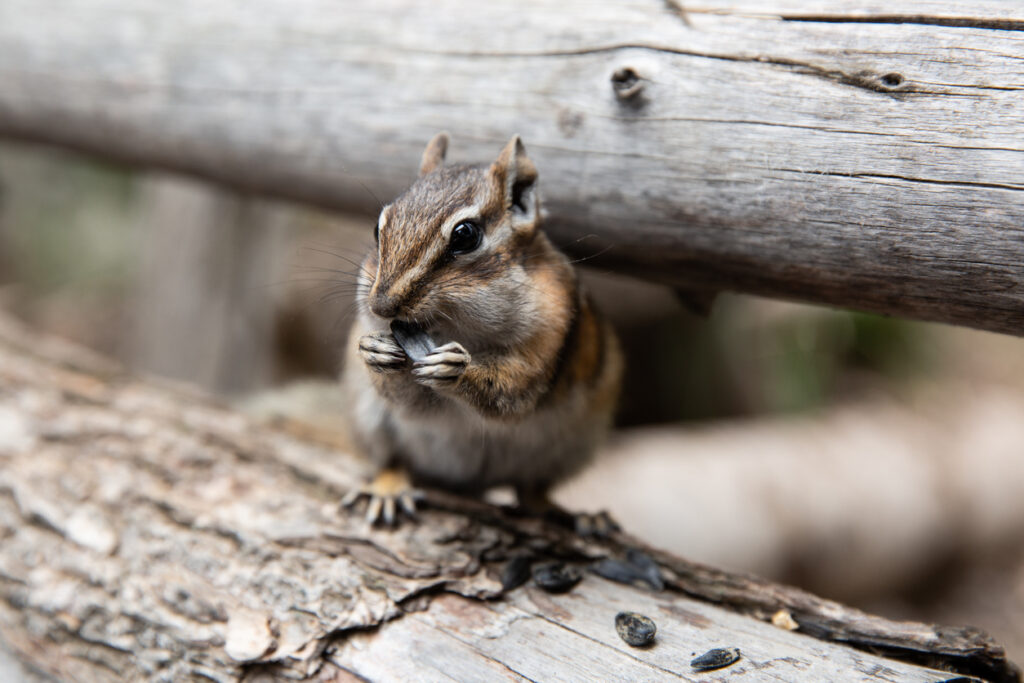
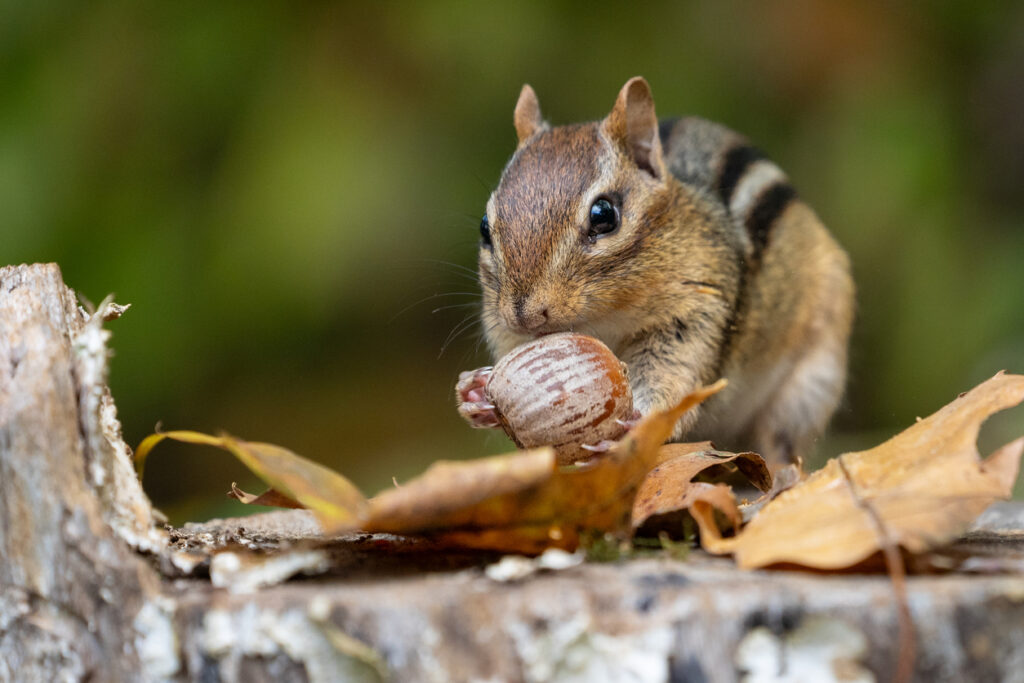
They stuff their cheeks with enormous amounts of food.

Chipmunks have expandable cheek pouches that can stretch to three times the size of their head. They pack these pouches absolutely full of seeds, nuts, and berries before scurrying back to their burrows. A single chipmunk can carry dozens of acorns at once. The pouches stretch from their cheeks all the way back to their shoulders.
This lets them gather food incredibly efficiently. Instead of making hundreds of trips carrying one seed at a time, they can haul massive loads in one go. The pouches keep their hands free for climbing and running. When they get home, they empty the pouches by pushing the food out with their paws. It’s like having built-in shopping bags.
They create elaborate underground tunnel systems.
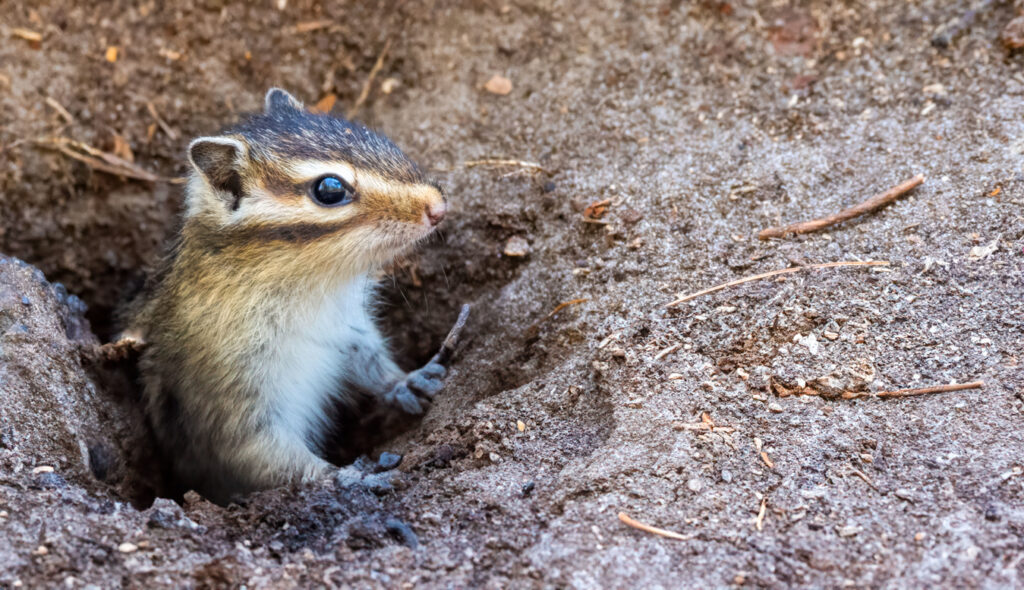
A chipmunk burrow isn’t just a simple hole in the ground. It’s a complex network of tunnels that can stretch over 3 meters long with multiple chambers. They dig separate rooms for sleeping, storing food, and even toilets. The entrance is cleverly hidden and often disguised. Some burrows have emergency escape tunnels in case predators find the main entrance.
These underground homes protect them from weather and predators. The temperature stays stable underground, even when it’s freezing or boiling outside. The storage chambers can hold several litres of food. Building these tunnels takes weeks of work but provides safety and comfort for years. They basically have a fully equipped flat underground.
They hibernate but wake up regularly to eat.
Chipmunks don’t hibernate like bears do. They enter a state called torpor, where their body temperature drops and their heart rate slows way down. But they wake up every few days throughout winter to eat from their stored food. They’ll munch on their supplies, use the toilet, then go back to sleep. This pattern continues for months.
This survival strategy is brilliant because they don’t need to bulk up massively before winter like true hibernators. They just need enough stored food to last. Waking up periodically means they can respond if something goes wrong, like their burrow flooding. True hibernators would die in their sleep in those situations. Chipmunks get the benefits of hibernation without being completely vulnerable.
They’re incredibly fast for their size.
Chipmunks can run at speeds up to 21 miles per hour. That might not sound impressive compared to bigger animals, but for something weighing less than 150 grams, it’s remarkable. They can also change direction instantly while running at full speed. This agility helps them dodge predators like hawks, foxes, and cats that want to eat them.
Their speed and manoeuvrability are crucial for survival. They’re small enough to be prey for loads of animals, so being able to sprint and zigzag away saves their lives daily. They can accelerate incredibly quickly from a standstill. Combined with their ability to climb trees rapidly, they have multiple escape routes when danger appears. Speed is their primary defence mechanism.
Each chipmunk is completely solitary and territorial.

Chipmunks don’t live in family groups or colonies. Each adult chipmunk lives alone and defends its territory aggressively. They’ll chase away other chipmunks who enter their area, even their own grown offspring. The only time they tolerate another chipmunk nearby is briefly during mating season. Otherwise, they’re complete loners.
Their solitary lifestyle means they don’t have to share food resources. Every nut they collect goes into their own stores. There’s no competition from family members. It also reduces the spread of diseases and parasites. Living alone means their burrow location stays secret from others who might steal from their food stores. Independence keeps them safer and better fed.
They have an incredible memory for food locations.

Chipmunks can remember thousands of hiding spots where they’ve buried food. They scatter-hoard, meaning they hide seeds and nuts in loads of different places rather than one big pile. Months later, they can return to these exact spots and dig up what they buried. Their spatial memory is remarkably accurate even after the landscape changes.
That memory prevents them from losing their food and also spreads risk. If a predator finds one cache, the chipmunk hasn’t lost everything. It also means they accidentally plant trees because they forget about some buried seeds, which then sprout. Their hoarding behaviour actually helps forests regenerate. The ones they do remember keep them fed when food is scarce.
They communicate with surprisingly loud alarm calls.
For tiny animals, chipmunks make a lot of noise. They have different alarm calls for different types of danger. A sharp chip sound warns of aerial predators like hawks. A trill warns of ground predators like foxes. They’ll stand on their hind legs and call repeatedly to warn others in the area, even though they’re normally antisocial.
These alarm calls benefit the whole chipmunk population in an area, even though they don’t live together. Warning others also confuses predators and might make them abandon the hunt. The calls are loud enough to be heard from far away. Other animals have learned to recognise chipmunk alarms and use them as warnings too. It’s a community alert system despite their solitary nature.
Their striped pattern provides perfect camouflage.

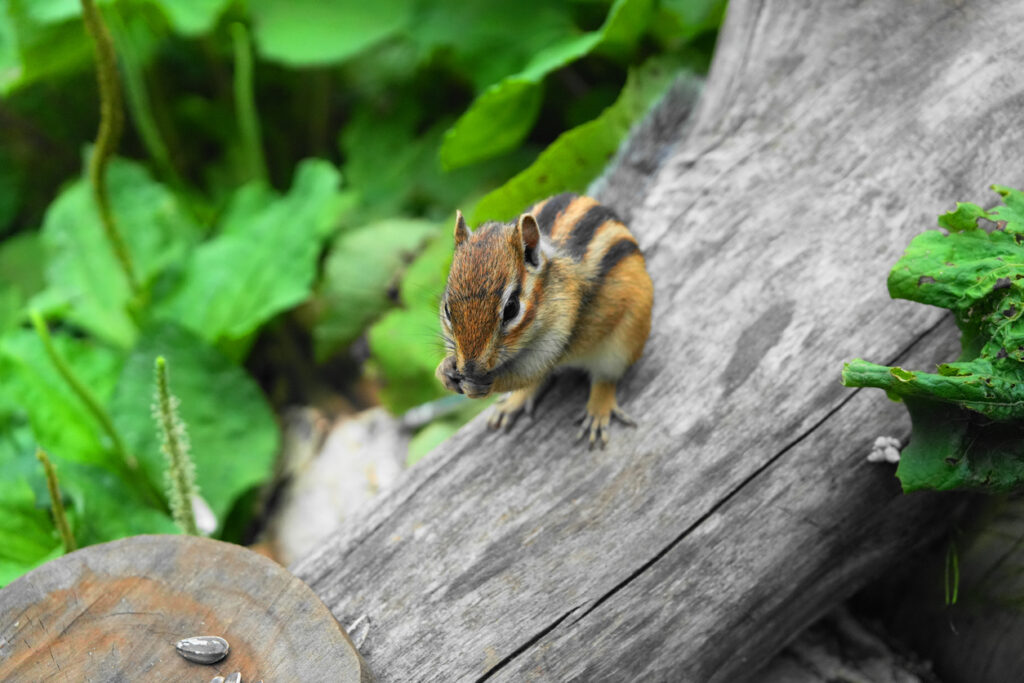
The distinctive stripes on a chipmunk’s back aren’t just for looks. The pattern breaks up their outline when they’re moving through leaf litter and undergrowth. Predators looking from above see broken lines rather than a solid shape. The stripes also help them blend into shadows and dappled sunlight under trees.
This camouflage is their first line of defence before they even need to run. If they freeze when danger appears, the stripes make them incredibly hard to spot against the forest floor. The brown and black tones match fallen leaves perfectly. Even when they’re moving, the stripes create visual confusion. It’s natural camouflage that’s been perfected over millions of years.
They’re expert climbers despite living underground.
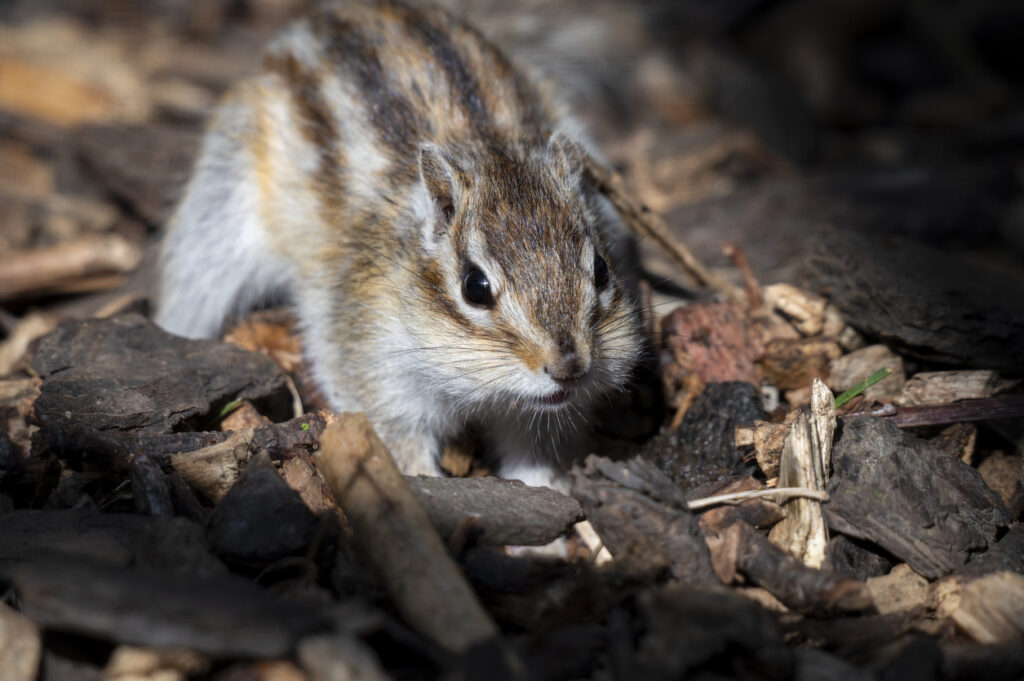
Although chipmunks dig burrows, they’re also brilliant climbers. They can scale trees quickly to escape ground predators or reach food. Their sharp claws grip bark easily. They can even hang upside down on branches to reach seeds and berries. They’re comfortable both above and below ground, giving them more survival options.
Their versatility means they have escape routes in all directions. Predator on the ground, climb a tree. Hawk above, dive into their burrow. They gather food from trees, bushes, and the ground. Being good at both climbing and digging doubles their territory and food sources. Most animals specialise in one environment but chipmunks master both.
They clean and organise their food stores obsessively.

Chipmunks don’t just throw food into their storage chambers randomly. They sort different types of seeds and nuts into separate areas. They regularly check their stores and remove anything that’s gone mouldy or started sprouting. They even clean their storage chambers, removing debris and old shells. This organisation prevents their entire food supply from spoiling.
This behaviour is crucial for surviving winter. One mouldy nut can spread to others and ruin everything. By keeping things clean and organised, they protect months worth of food. They know exactly what they have and where it is. The time spent organising pays off when they need specific nutrients. It’s like having a well-maintained pantry rather than a messy cupboard.
They can detect predators by vibrations in the ground.
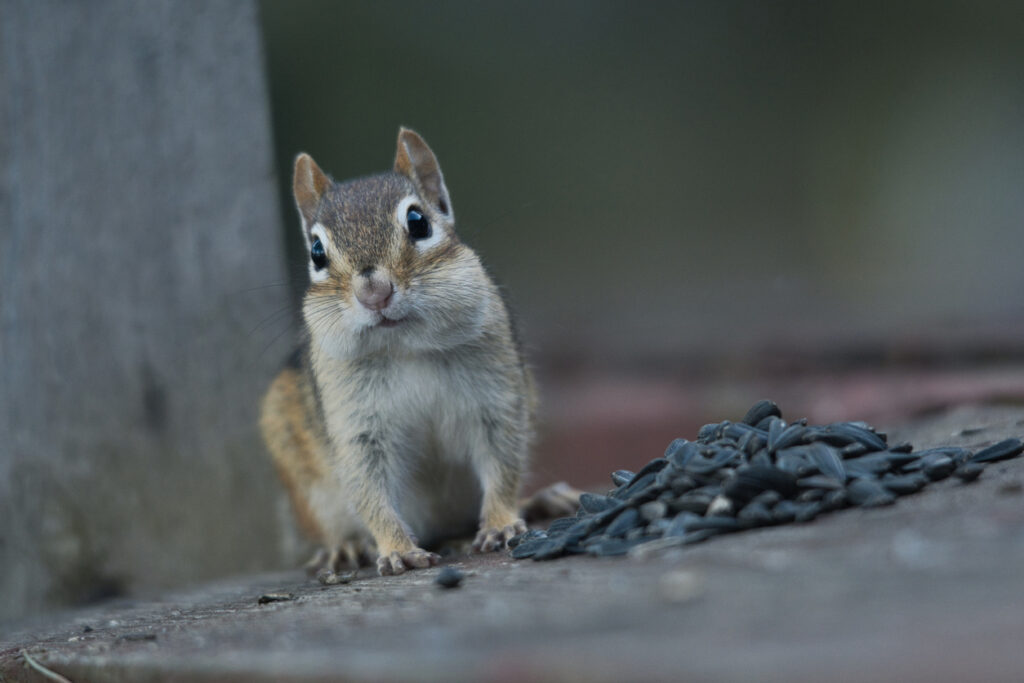
Chipmunks have sensitive feet that pick up vibrations through the soil. They can feel a predator approaching before they see or hear it. This early warning system gives them extra seconds to escape. They can tell the difference between a bird landing and a fox walking based on the vibration pattern.
That sense is especially useful when they’re focused on gathering food and might not be watching for danger. The vibrations travel faster than sound through the ground. It also works when visibility is poor, or they’re partially hidden in vegetation. Combined with their other senses, it creates a comprehensive threat detection system. Those extra seconds of warning often mean the difference between life and death.
They’ve adapted successfully to living near humans.
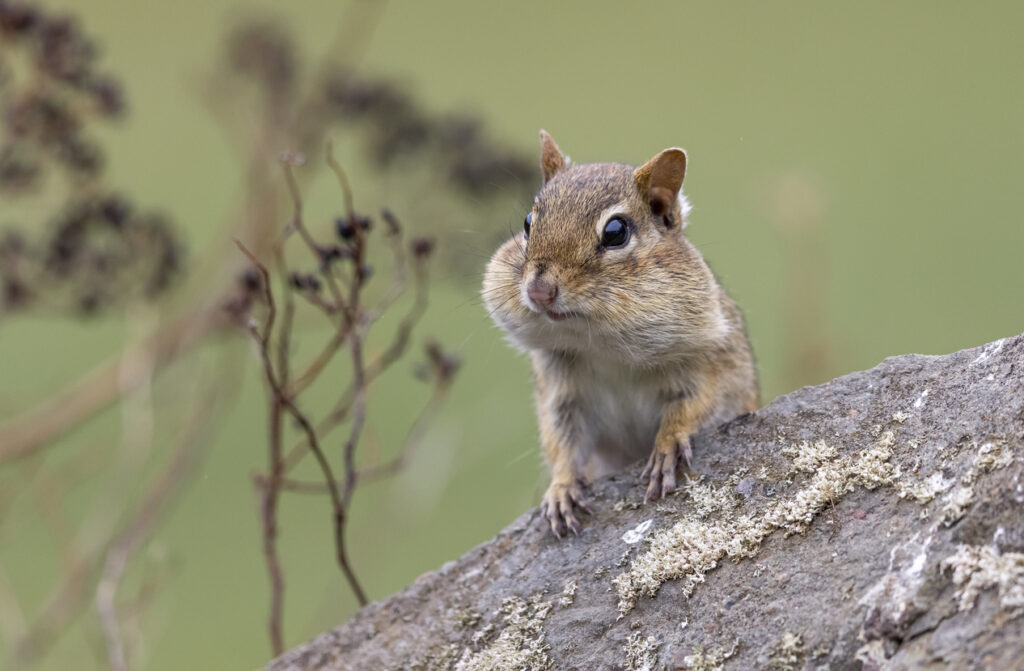
Unlike many wild animals, chipmunks have figured out how to thrive in suburban and urban areas. They nest in gardens, parks, and even under garden sheds. They eat from bird feeders and adapt their diet to whatever’s available. While some animals struggle with human presence, chipmunks have learned to benefit from it.
Their adaptability has helped their populations stay strong while other species decline. They’re small enough to hide easily, but bold enough to take advantage of human food sources. Gardens provide shelter and food with fewer natural predators. They’ve learned which humans are dangerous and which are harmless. This flexibility is a huge survival advantage in a world increasingly dominated by human development.