Gardeners are always on the lookout for natural, cost-free ways to boost plant growth, and mushroom water is one of those simple tricks that’s starting to catch attention.

It’s easy to make, completely organic, and can help improve soil health and plant resilience. The idea is to soak mushrooms in water to release beneficial spores and nutrients that support stronger, more active soil life. Here’s how it works and why it’s worth trying in your garden.
Mushroom water introduces healthy fungi to your soil.
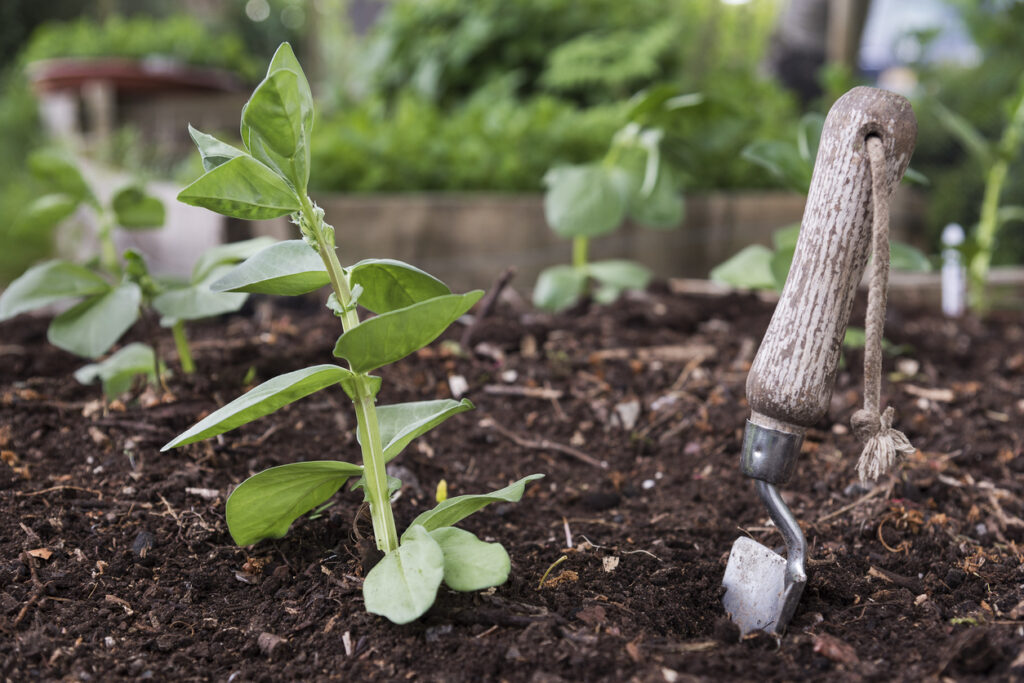
Fungi play a vital role in breaking down organic matter and helping plants access nutrients. By soaking mushrooms in water, you’re creating a natural “fungal tea” that contains spores and enzymes beneficial for soil life. When poured around plant roots, those fungal spores help form networks underground. These networks link with plant roots and boost their ability to absorb water and minerals efficiently.
It encourages stronger root systems.
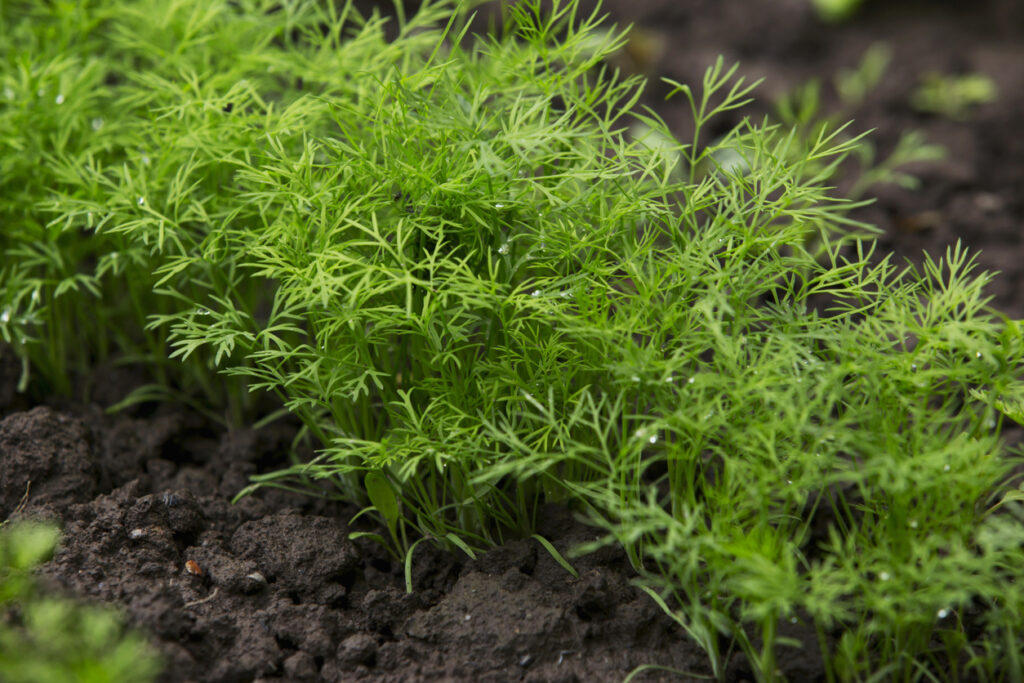
The spores in mushroom water promote the growth of mycorrhizal fungi, which form partnerships with plant roots. This relationship helps roots spread further and take up more nutrients from the soil. Healthier root systems mean more stable, resilient plants that can handle dry spells and poor soil better than usual. It’s a natural way to toughen plants without fertilisers.
It helps restore soil balance after chemical use.
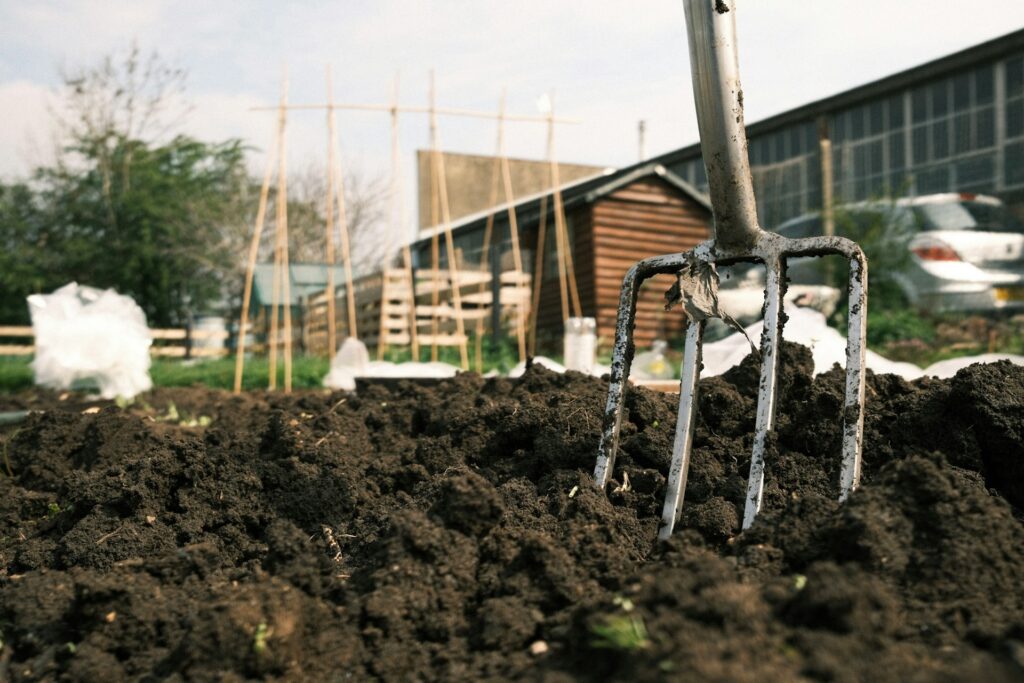
If your garden has been treated with artificial fertilisers or weedkillers, beneficial fungi may have been reduced. Mushroom water helps restore microbial balance by reintroducing healthy fungi. Using it regularly can slowly rebuild soil structure and encourage the return of natural organisms that keep soil fertile and self-sustaining.
It supports composting and decomposition.
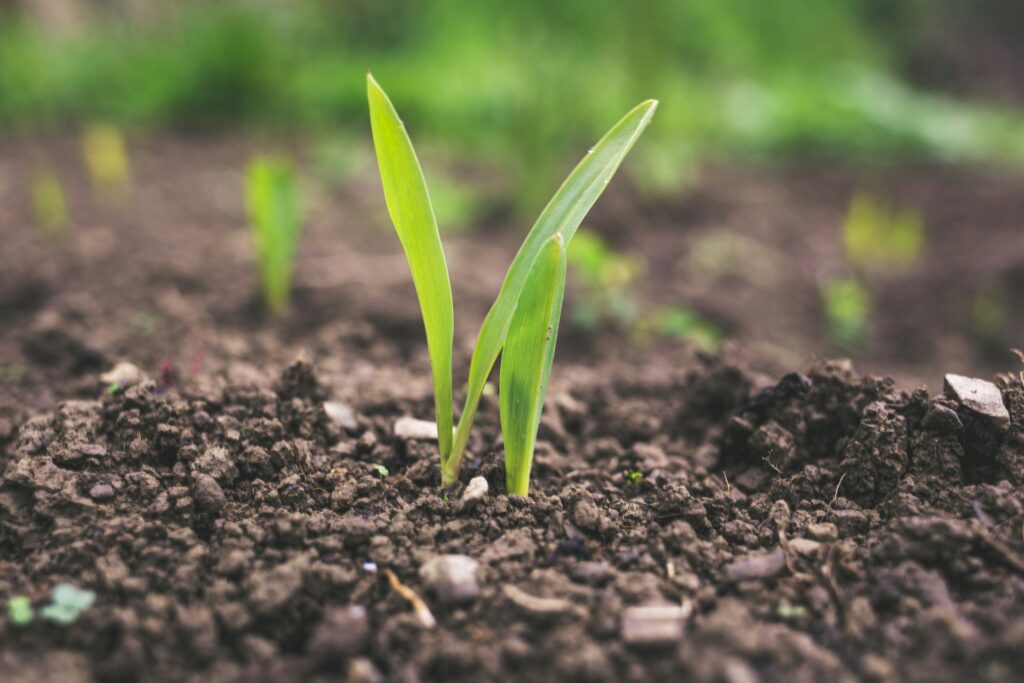
The enzymes and microorganisms released from mushrooms help break down organic waste faster. Pouring mushroom water into compost piles speeds up the process naturally. It keeps compost active during cooler months when decomposition slows. A small amount every few weeks can make a noticeable difference in how quickly material turns into rich, dark compost.
It can be made from shop-bought or wild mushrooms.
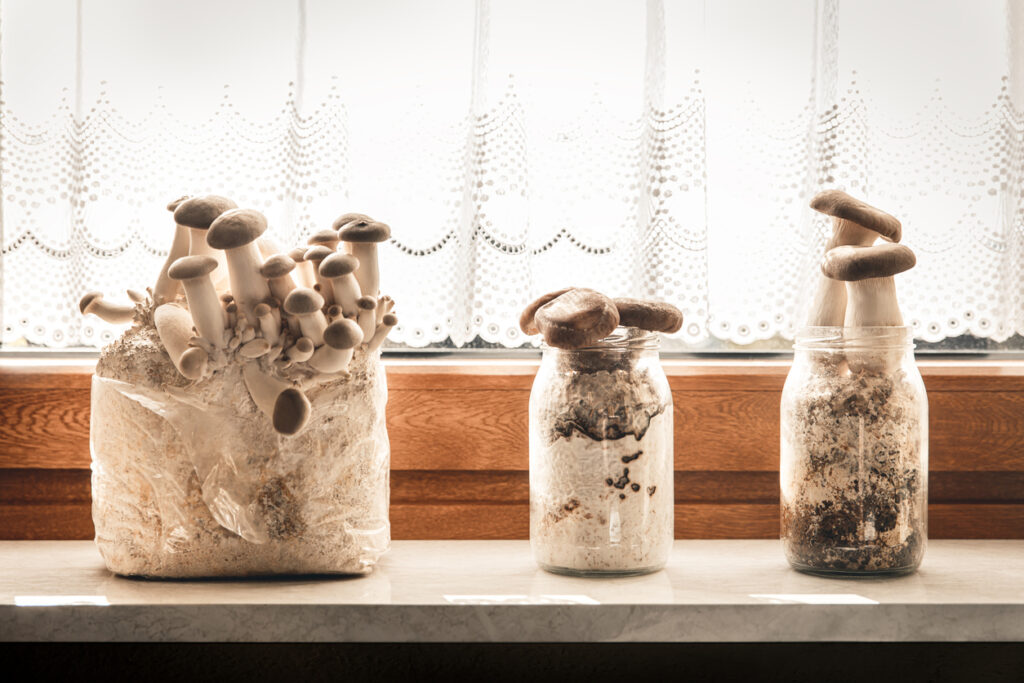
You don’t need fancy varieties to make mushroom water. Any edible or non-toxic mushrooms, including old or dried ones, will do the job. Wild mushrooms can work even better, as they often contain diverse spores that mimic natural forest conditions. Always make sure they’re non-toxic before using them in your garden.
It costs nothing and uses kitchen scraps.
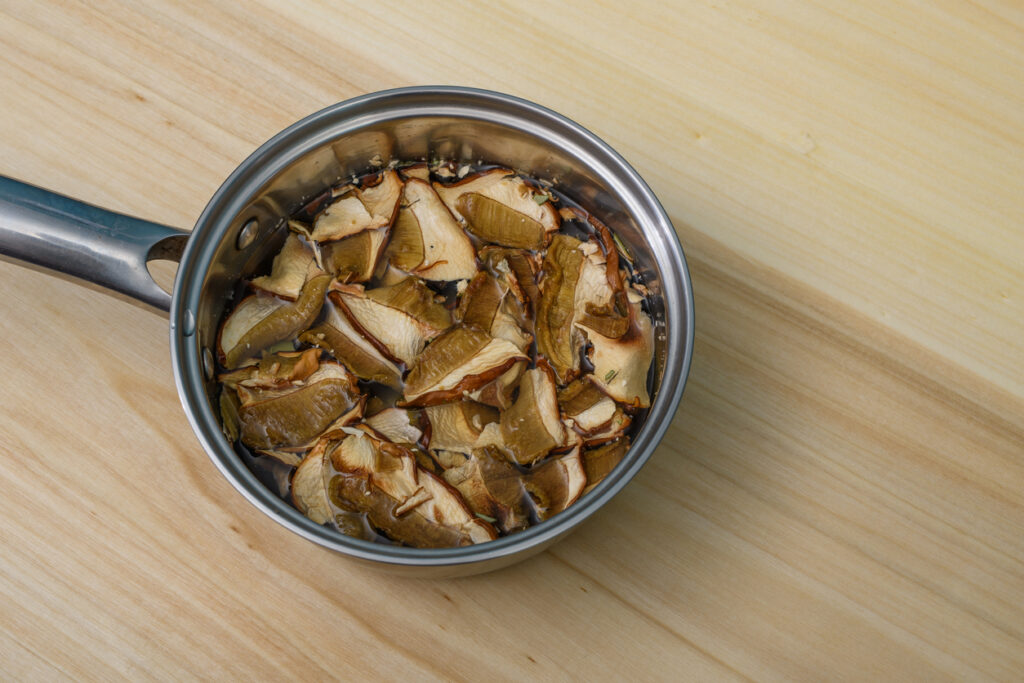
Leftover mushrooms that have gone soft or dried out are perfect for this. Instead of throwing them away, place them in a bucket or jug of rainwater and leave them to soak for a few days. The process releases nutrients and fungal spores into the water, creating a free and eco-friendly feed for your plants. It’s a clever way to reuse waste that would otherwise be binned.
It’s easy to apply across the garden.
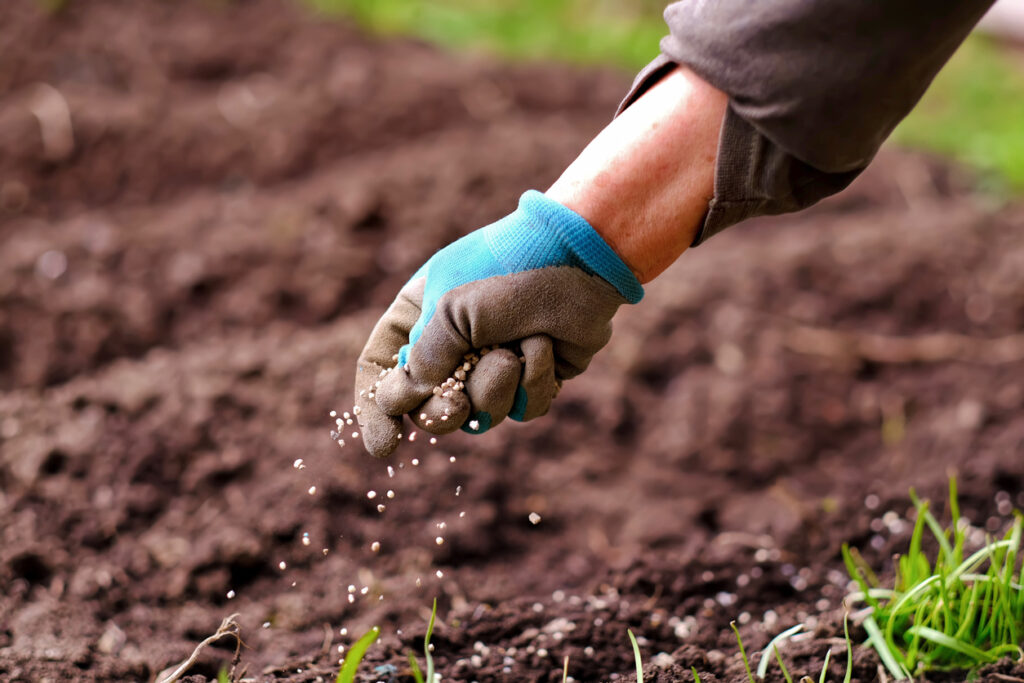
Once your mushroom water is ready, strain out the solids and pour it around the base of plants or onto soil beds. It can also be added to watering cans for even coverage. Using it on both edible and ornamental plants is safe, as it’s just water infused with natural organic matter. It works especially well on vegetables, shrubs, and perennials.
It helps improve soil texture over time.

Fungal networks supported by mushroom water slowly change how soil behaves. They bind particles together, improving drainage and aeration while keeping moisture locked in deeper layers. That means fewer puddles after rain and less watering needed in dry spells. Healthy fungal growth often gives soil a soft, crumbly feel that plants love.
It reduces reliance on commercial fertilisers.
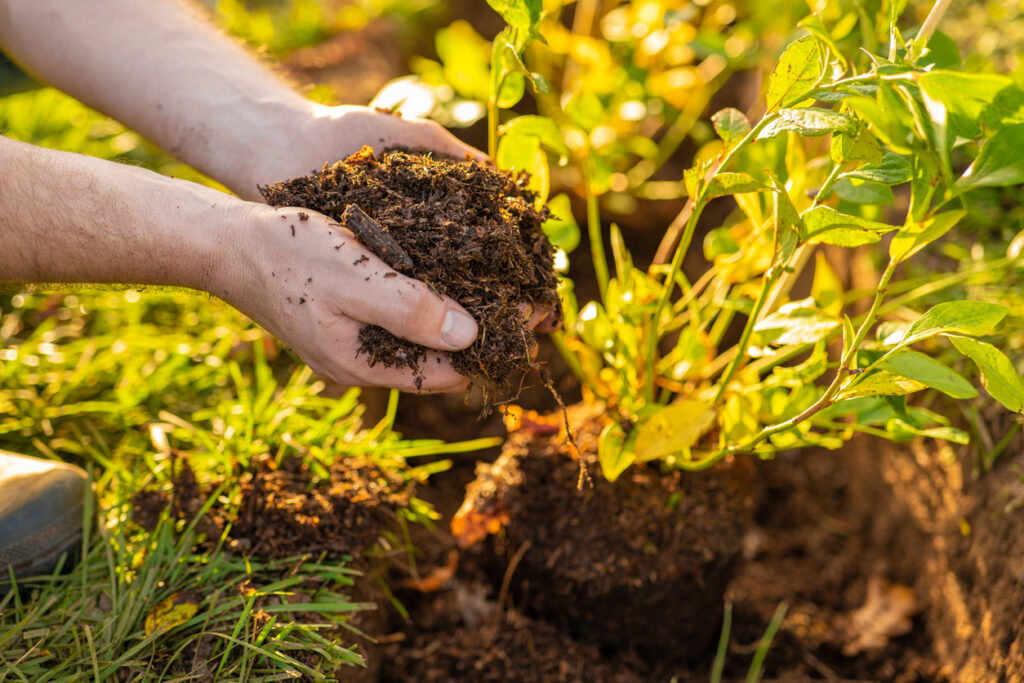
Mushroom water doesn’t provide instant results like chemical feeds, but it builds long-term soil health. Over time, you’ll need less added fertiliser because your soil becomes naturally richer and more active. It’s especially useful for gardeners trying to go organic, as it supports a sustainable ecosystem where plants and microbes feed each other naturally.
It brings gardens closer to natural forest systems.
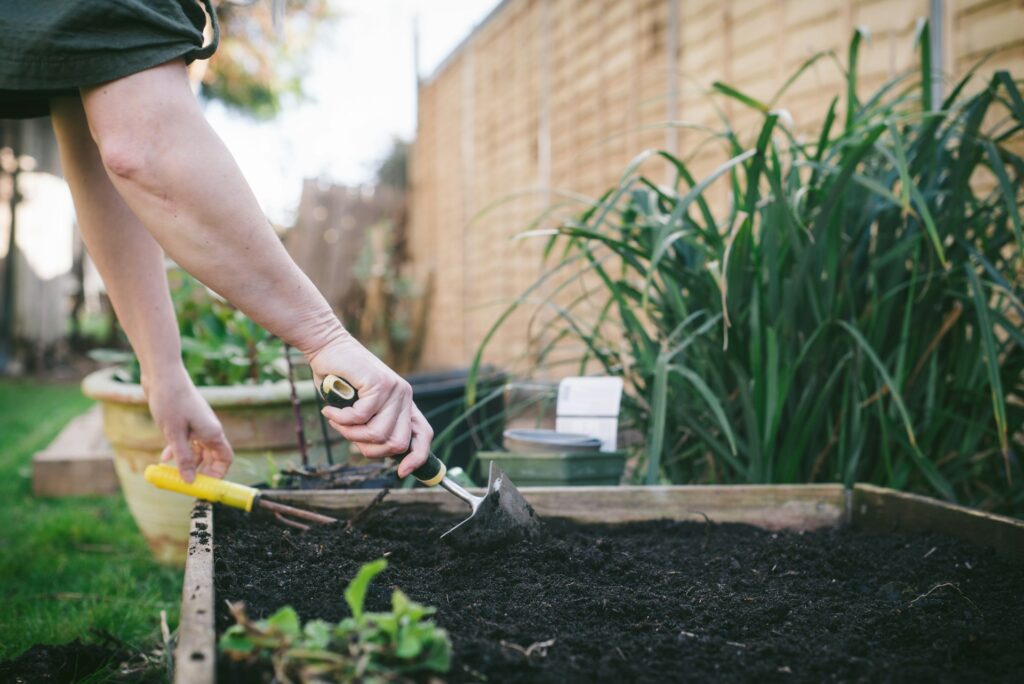
In forests, fungi connect everything underground, creating a “wood wide web” that supports trees and plants. Mushroom water mimics that same process on a smaller scale in your garden. Using it encourages your soil to behave more like a living community rather than just dirt. It’s a small, zero-cost habit that quietly builds a healthier garden year after year.