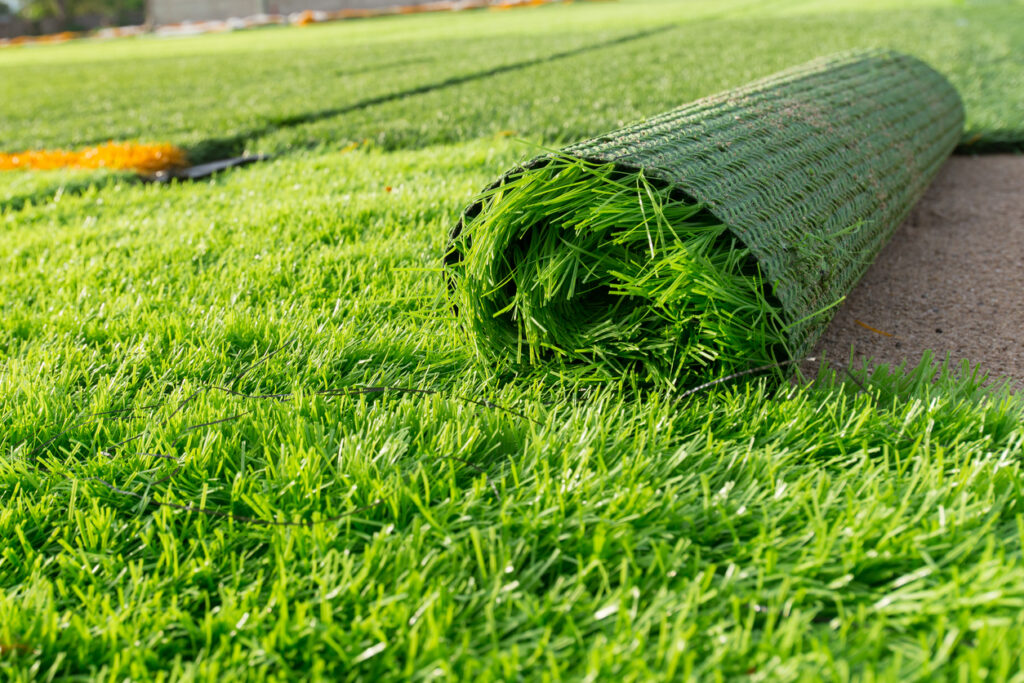
Fake grass has become a popular fix for homeowners who want a perfect-looking lawn without the work. It stays green all year, doesn’t need mowing, and seems ideal for busy families or those tired of patchy, muddy gardens. However, experts are warning that this convenience comes with serious environmental and health drawbacks that many people never think about. Here are ten key concerns they’re raising about artificial turf and its hidden costs.
It kills the natural ecosystem beneath it.
Real grass supports countless living things, from worms and beetles to fungi and bacteria, that keep soil healthy. When plastic turf is laid, it blocks air, water, and nutrients from reaching the soil, effectively killing everything underneath within weeks. That loss doesn’t just affect insects. Birds, hedgehogs, and frogs that depend on healthy soil ecosystems start to disappear too, leaving gardens silent and lifeless over time.
It contributes to microplastic pollution.
Artificial grass is made from plastics like polyethylene and nylon, which break down into microplastics over time. Rain, sunlight, and foot traffic all wear the surface away, sending these particles into drains and eventually into rivers and the sea. Experts say this steady release adds to the growing problem of plastic pollution in the environment. Once it’s in waterways, it becomes almost impossible to remove and can harm wildlife for decades.
It traps heat and raises local temperatures.
Natural lawns cool the air through evaporation, but fake grass does the opposite. Its dark surface absorbs heat and can reach temperatures hot enough to burn bare skin on sunny days. This “heat island” effect is especially noticeable in cities where green space is already limited. Replacing natural grass with plastic only makes urban areas hotter and less comfortable in summer.
It creates drainage problems.
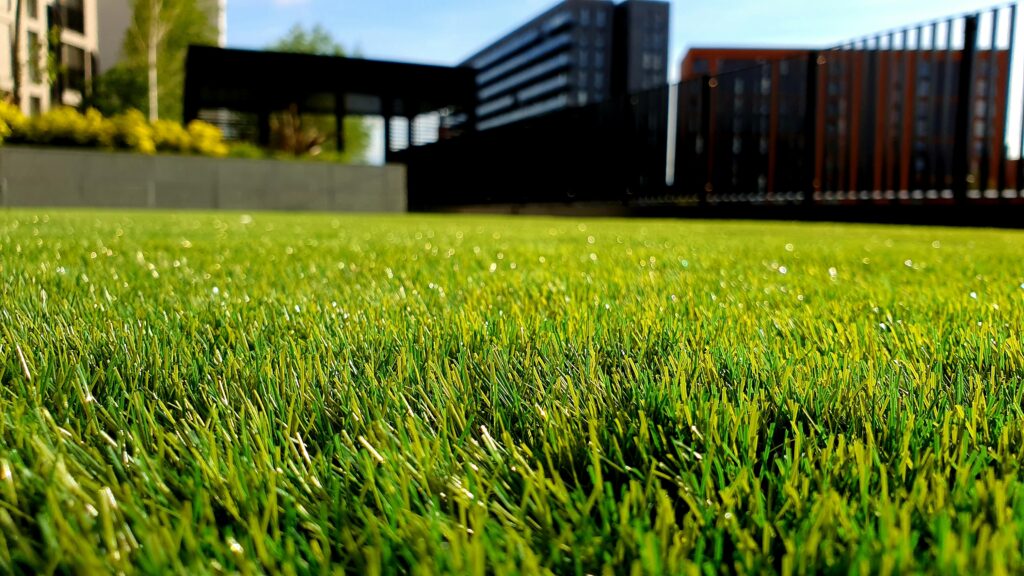
Even the best artificial turf doesn’t absorb water the way real soil does. Heavy rain can overwhelm drainage systems and cause puddling or localised flooding, especially on sloped gardens or driveways. Real grass, by contrast, acts like a sponge, slowing down rainfall and filtering water into the ground naturally. Fake turf disrupts that process and adds pressure to drains during storms.
It harms biodiversity in urban areas.
Every patch of natural grass, no matter how small, plays a part in supporting local wildlife. Bees, butterflies, and insects depend on these areas for food and shelter. Replacing them with plastic turf removes another vital microhabitat from the landscape. Environmental experts say that widespread use of fake lawns across neighbourhoods is quietly shrinking wildlife populations. Once those species are gone, they rarely return without significant rewilding efforts.
It gives a false sense of sustainability.
Manufacturers often market artificial turf as “eco-friendly” because it doesn’t need water or fertiliser. But the production process is highly energy-intensive and relies on non-renewable materials that will never fully biodegrade. In reality, the overall carbon footprint of fake grass is far higher than that of natural lawns. Many installers also fail to recycle old turf properly, sending huge amounts of plastic to landfill each year.
It releases chemicals as it degrades.
As time goes on, synthetic lawns can leach chemicals like zinc, cadmium, and plastic softeners into the surrounding soil. These compounds may contaminate groundwater or harm nearby plants. Children and pets playing on fake turf can also come into contact with these residues, especially in hot weather when the materials break down faster. Experts recommend regular cleaning, but that only adds more chemical use to the mix.
It doesn’t last as long as advertised.
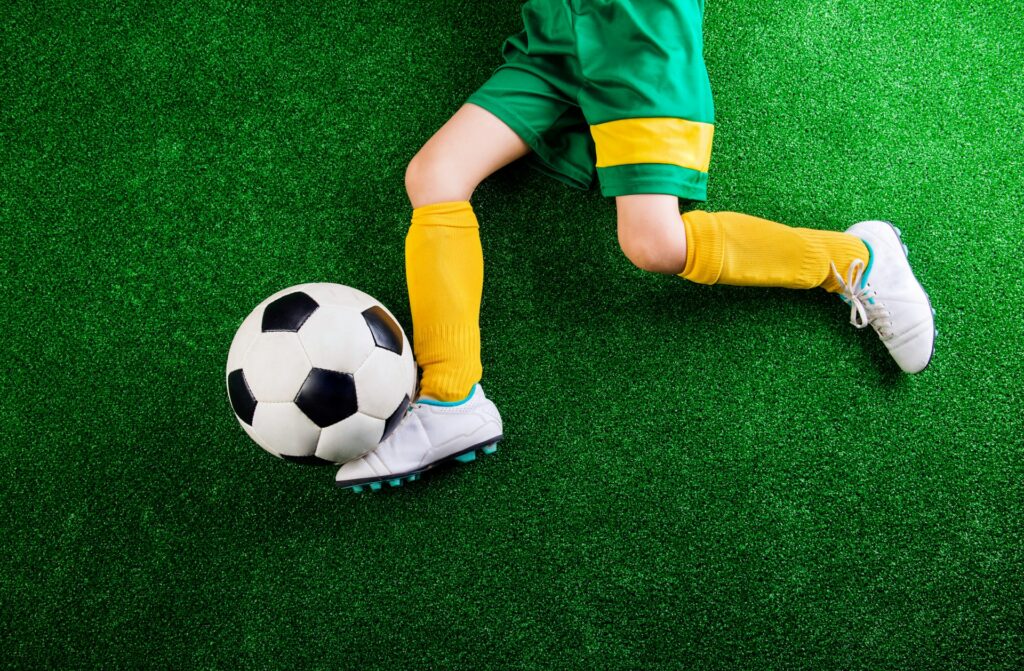
Many brands promise that artificial grass will last up to 20 years, but in real conditions, it often fades, flattens, or separates much sooner. Sun exposure and foot traffic wear it out quickly, particularly in areas with kids or pets. When it reaches the end of its life, most turf can’t be recycled easily because it’s made of mixed materials. That means thousands of tonnes of used plastic grass end up in landfill every year.
It can harm pets and wildlife directly.
Some animals chew or dig through fake turf, accidentally swallowing small plastic pieces or rubber infill pellets. These can cause internal blockages or chemical irritation. Birds have also been found collecting bits of artificial turf for their nests. Natural grass poses no such risks, and its soft surface is safer for animals’ paws. Replacing real lawns with plastic can unintentionally create hazards for both pets and wild species.
It removes the mental health benefits of real nature.
Studies show that being around real greenery improves mood, reduces stress, and encourages physical activity. Artificial grass may look tidy, but it lacks the smell, texture, and life that trigger those positive effects. Experts say fake turf gives the illusion of nature without offering its benefits. In the long run, choosing plastic over plants disconnects people from the real outdoors, making gardens feel more like decor than living spaces.