Scotland is full of stories about mythical beasts and legendary creatures, but the real wildlife living there is far more impressive.
From ancient forests to sweeping coastlines, the landscape is home to species that feel rare, wild and completely untouched by the rush of modern life. Many people picture Scotland as rugged hills and misty lochs, but its native animals are just as much a part of its identity as the scenery.
Some of these species are shy around humans, others are bold enough to stroll through villages or swim right under your feet. Whether you’re watching red deer on the hills at sunrise or spotting puffins that look like tiny, serious little comedians, Scotland quietly proves that you don’t need a legend to feel awe. The real creatures are more magical than anything made up.
Scottish wildcat
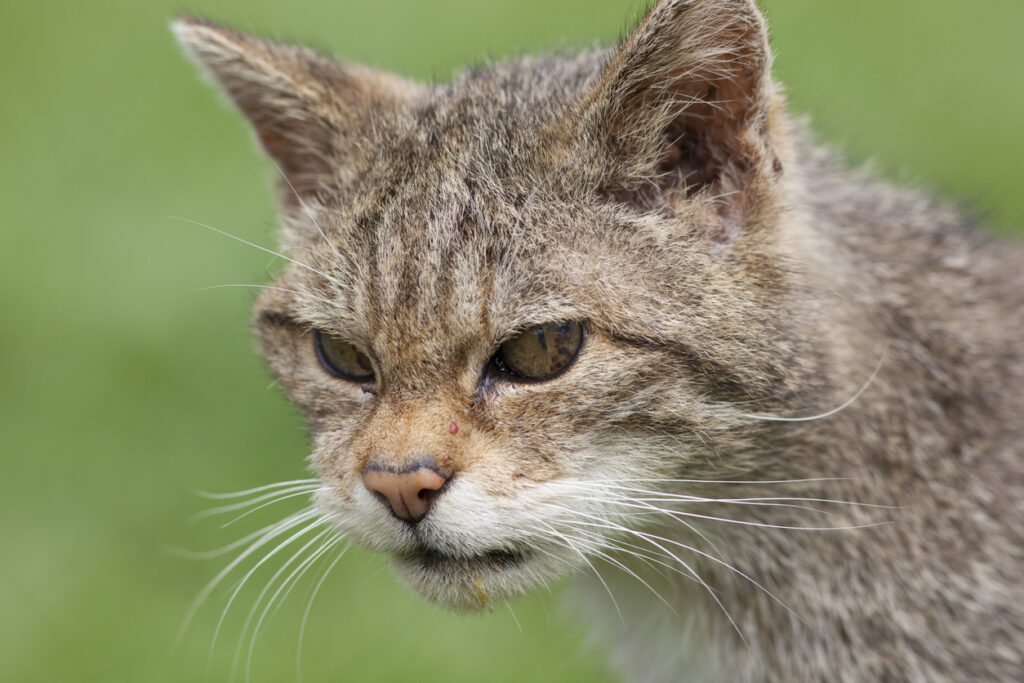
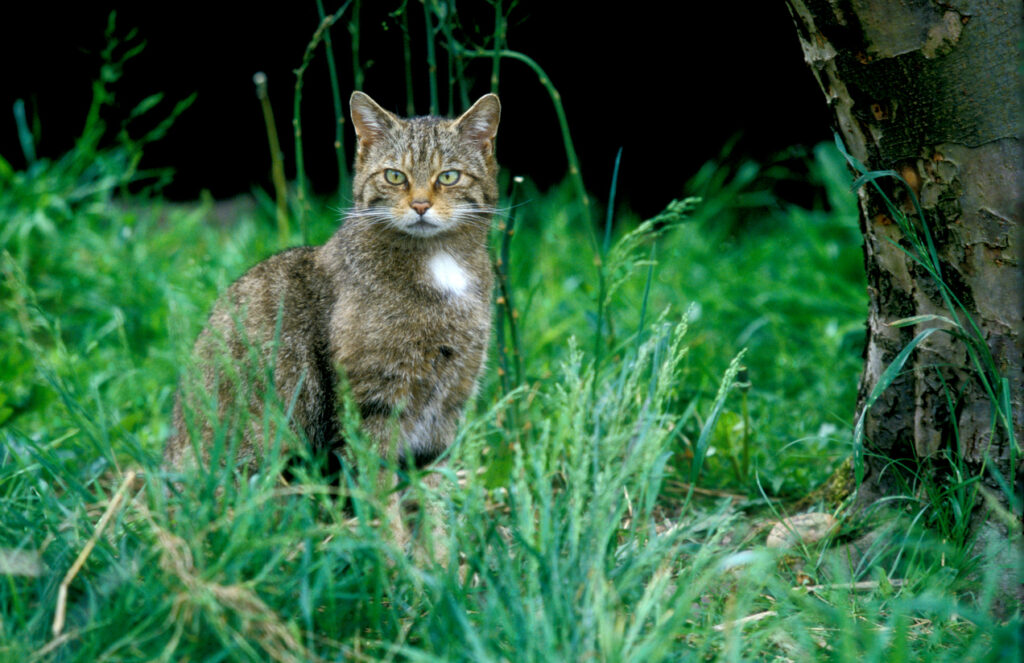
Rarer than tigers, the Scottish wildcat is Britain’s only remaining native big cat. With distinctive thick striped fur and a bushy tail, they’re bigger and more muscular than domestic cats. They nearly became extinct in the early 21st century due to habitat loss and breeding with feral cats. The Saving Wildcats project began reintroducing captive-bred wildcats to the Cairngorms in 2023, giving this critically endangered species another chance at survival in the wild.
Red squirrel
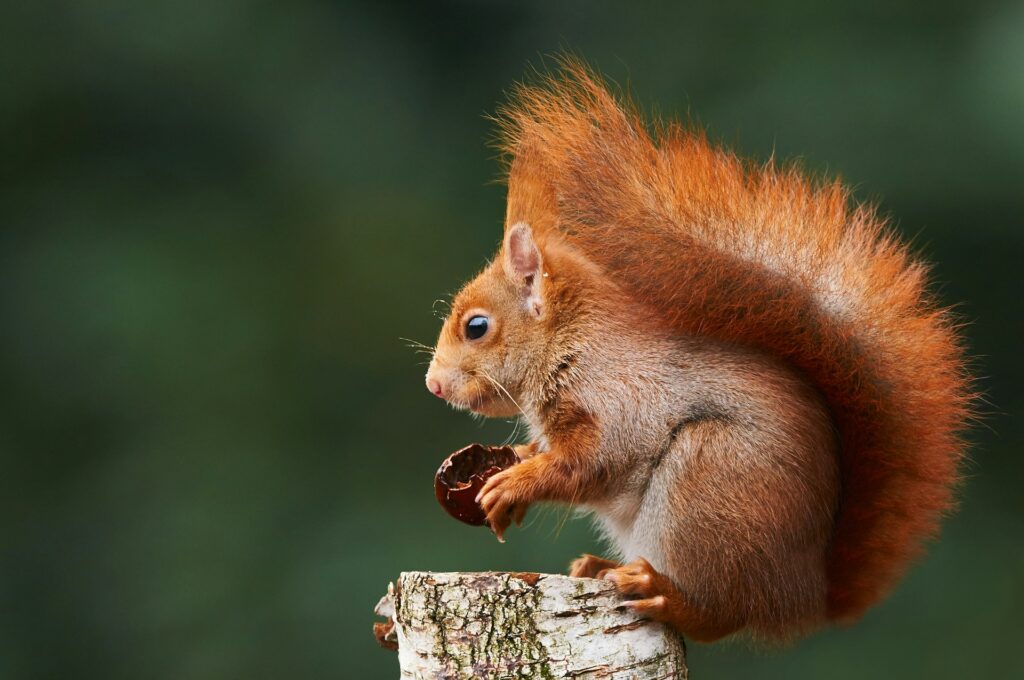
These ginger furballs with tufted ears were once common across Britain, but are now largely confined to Scotland’s woodlands. About 75% of Britain’s remaining 120,000 red squirrels live in Scotland.
Grey squirrels outcompete them for food and carry squirrelpox, which is fatal to reds but doesn’t affect greys. You’ll find red squirrels in conifer forests from Galloway to the Highlands, where conservation efforts are helping their populations stay stable.
Golden eagle

With a wingspan reaching over two metres, golden eagles are Scotland’s most iconic bird of prey. They hunt across open moorland and mountains, taking hares, grouse and even young deer.
Scotland holds around 500 breeding pairs, making it one of Europe’s strongholds for the species. The Cairngorms and Scottish Highlands offer your best chance of spotting one soaring on thermals, though you’ll need patience and binoculars.
Mountain hare
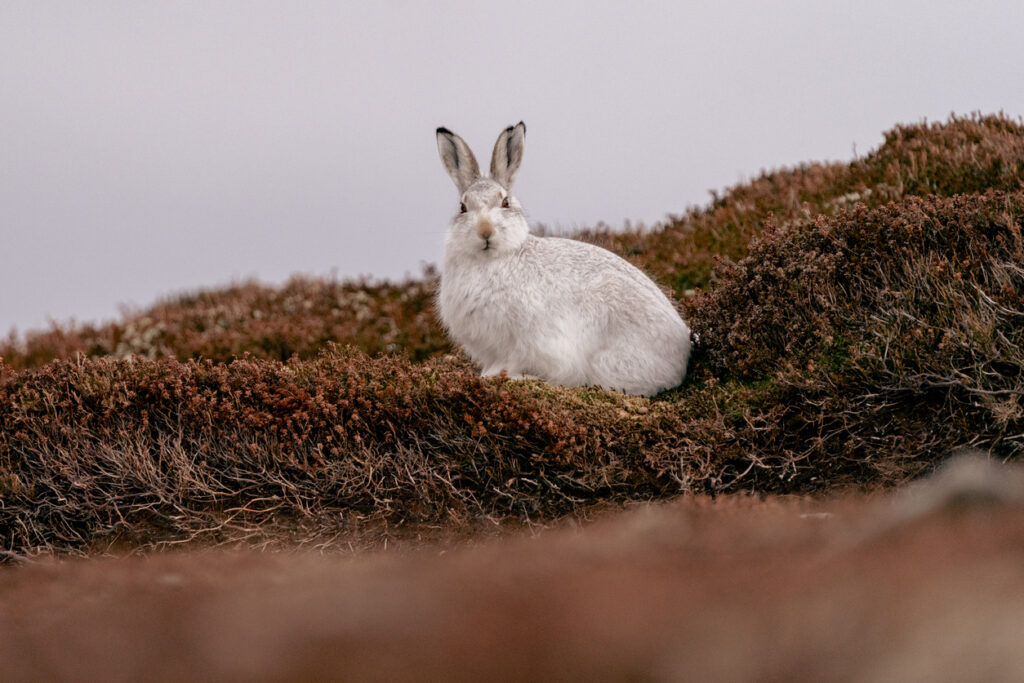
The only hare native to Britain, mountain hares are brilliant at camouflage. Their coat changes from grey-brown in summer to pure white in winter to blend with Highland snow. They’re found across Scotland’s uplands, grazing on vegetation and sheltering in shallow depressions in the heather. Climate change is affecting their survival, as winters with less snow make their white coats more visible to predators like foxes and eagles.
Pine marten
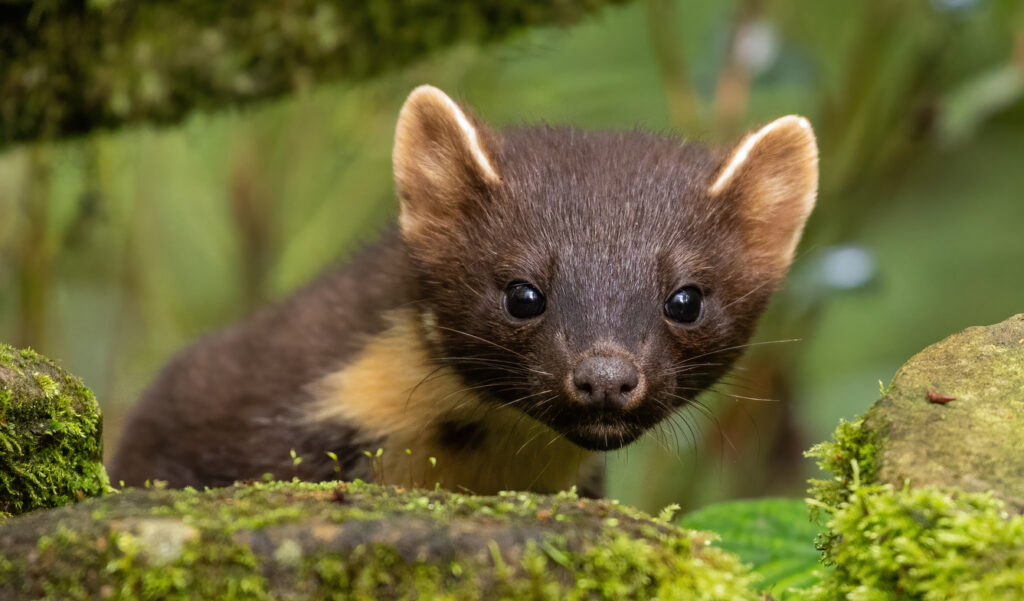
These cat-sized members of the weasel family have rich brown fur, a creamy throat patch and a bushy tail. Once hunted to near extinction, around 3,700 adults now live in Scotland. They’re expanding from their Highland stronghold into other parts of Britain. Pine martens are helping red squirrels by predating grey squirrels more effectively, as greys spend more time on the ground where martens can catch them.
Red deer
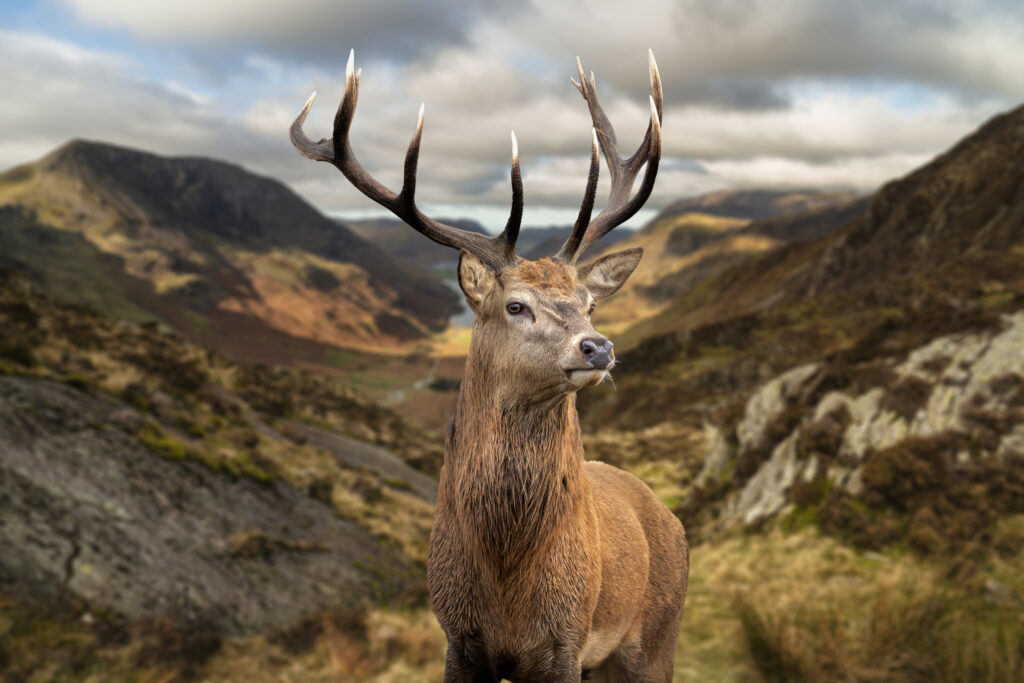
Scotland’s largest wild land mammal, red deer stags can weigh up to 190 kilograms. Males grow impressive antlers each year that they shed every spring. You’ll find them across the Highlands in huge numbers, sometimes in herds of hundreds. The autumn rut is spectacular, with stags bellowing and clashing antlers to compete for females. They’re so widespread that deer-vehicle collisions are a genuine road safety concern.
Otter
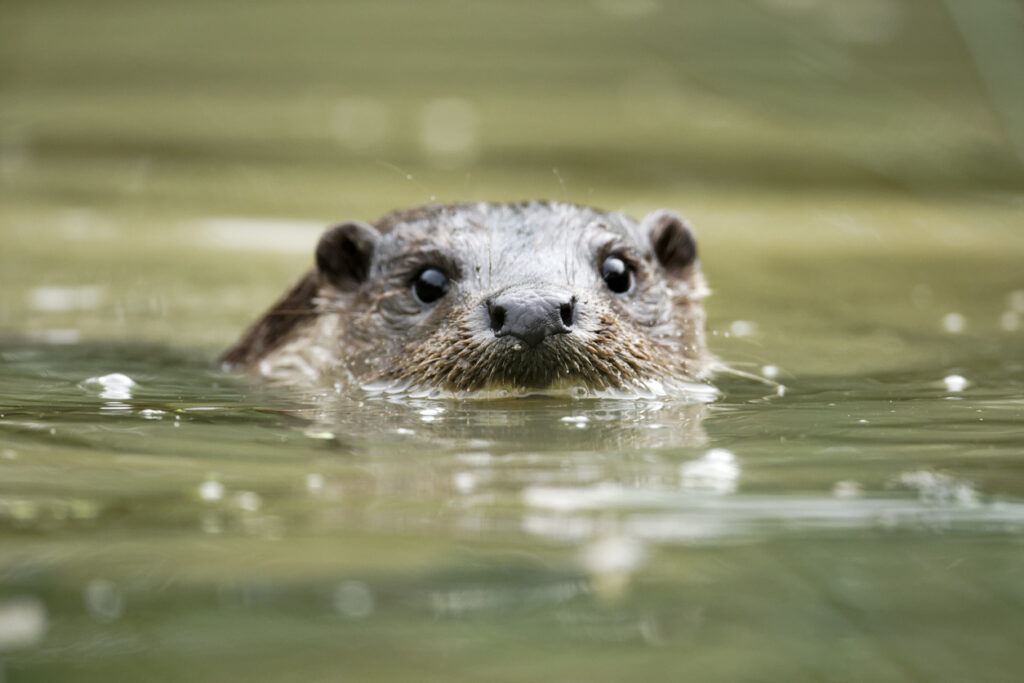
Scotland holds about 8,000 otters, making it a European stronghold for this semiaquatic mammal. Unlike otters elsewhere in Britain, Scottish otters are commonly found along coastlines as well as rivers. They’re most active at dawn and dusk, hunting fish, crabs, and frogs. The Isle of Mull and Shetland offer particularly good chances of sightings, especially if you’re near freshwater lochs or rocky shorelines where they haul out to eat.
Bottlenose dolphin
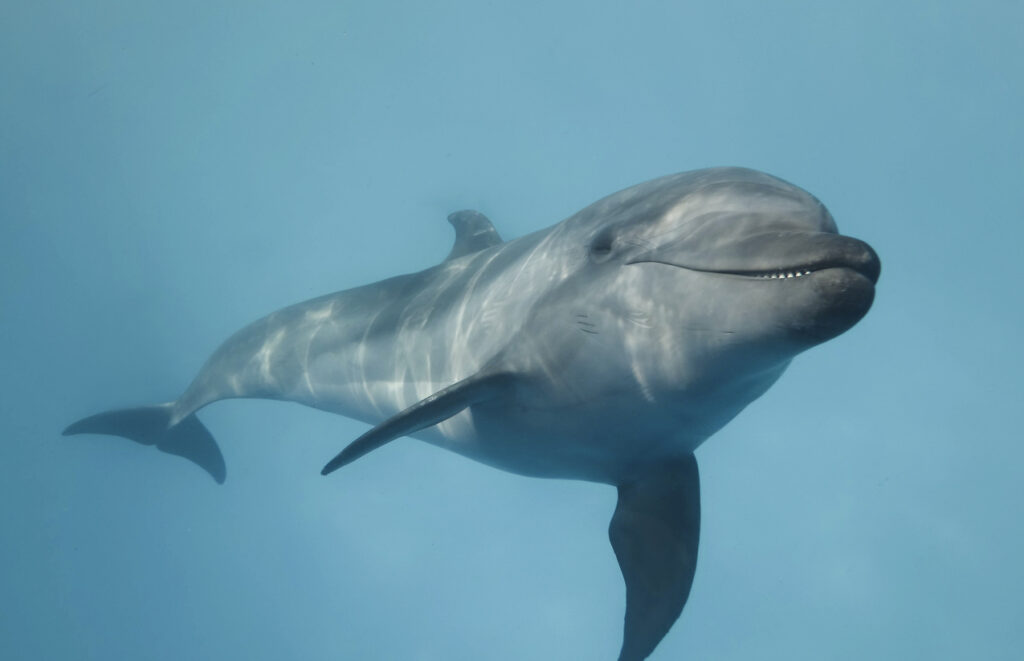
The Moray Firth is home to the world’s most northerly population of bottlenose dolphins. These large grey dolphins can reach three metres long and are known for breaching and performing acrobatic displays. Around 200 dolphins live year-round in the Moray Firth, with spring and summer offering the best viewing conditions. You can spot them from shore at Chanonry Point, where they come close to land to hunt salmon.
Grey seal
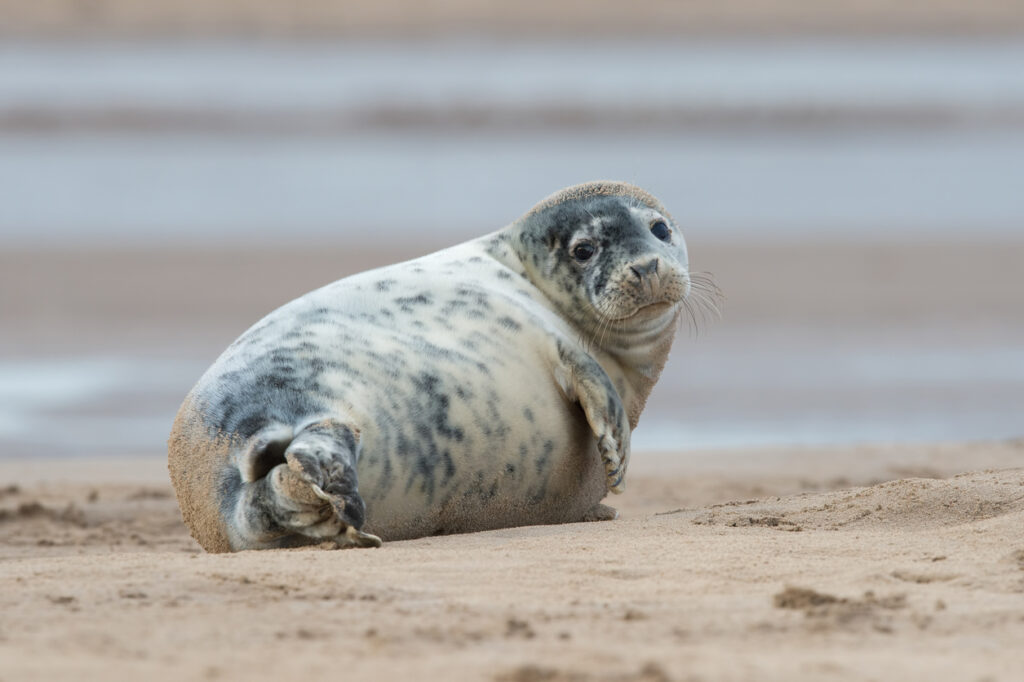
Scotland’s coasts support massive populations of grey seals, the larger of Britain’s two seal species. You can identify them by their elongated heads and distinctive hooked noses. Orkney and Shetland hold significant breeding colonies where pups are born in autumn with white fluffy coats. Grey seals are curious and often approach boats or watch people from the water, their dog-like faces peering above the waves.
Scottish crossbill

This chunky finch with a crossed bill is the only bird species unique to Britain. It evolved specifically to extract seeds from Scots pine cones in the Caledonian forests. The crossed mandibles work like scissors to prise open cone scales. Only about 6,800 breeding pairs exist, all in Scottish pine forests. Their distinctive call helps ornithologists distinguish them from other crossbill species that visit Scotland.
Basking shark

The world’s second-largest fish after whale sharks, basking sharks can reach nearly eight metres long. Despite their massive size, they’re gentle filter feeders that cruise with their enormous mouths open. Summer brings them to Scottish waters, particularly around the Inner Hebrides and west coast. You can see them from boats or even swim alongside them on organised tours from places like Oban, Mull, and the Small Isles.
Capercaillie

Britain’s largest grouse, male capercaillies look prehistoric with their turkey-sized bodies and fan-shaped tails. They’re critically endangered, with only about 500 left in the wild.
Found almost exclusively in Cairngorms pine forests, males are territorial and have been known to charge at humans during breeding season. Their elaborate courtship displays involve puffing up, fanning tails and making bizarre clicking and popping sounds.
Puffin
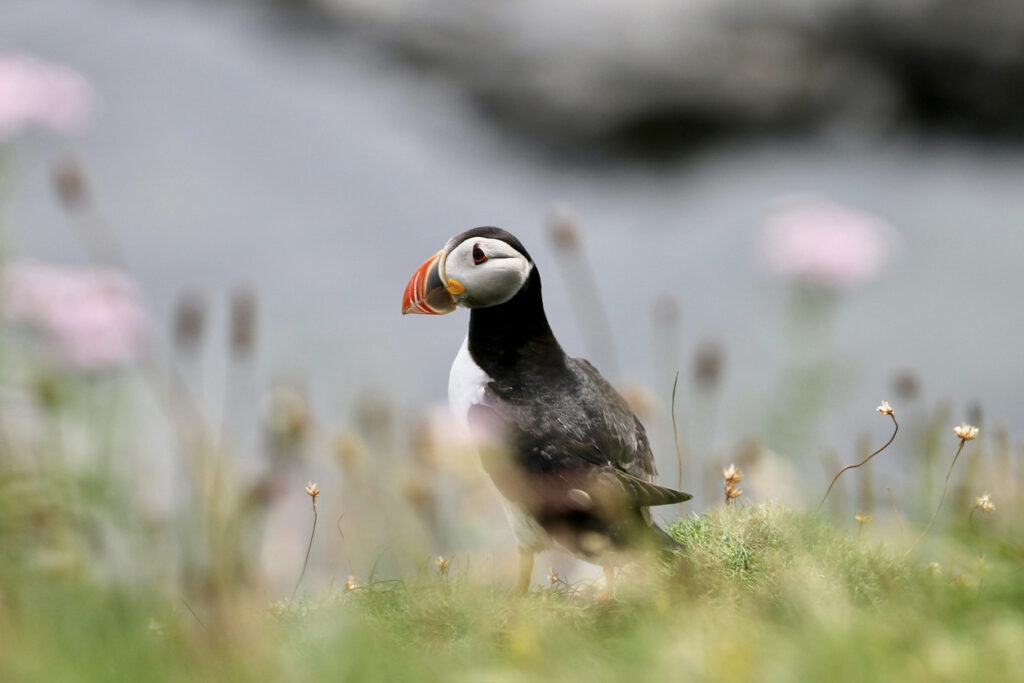
These distinctive seabirds with their colourful striped beaks and tuxedo-like plumage nest in huge colonies on Scottish islands and cliffs. They spend most of the year at sea but return to land to breed in spring.
Scotland holds internationally important puffin colonies on islands like St Kilda, the Isle of May, and Shetland. They dig burrows or nest in rock crevices and can carry multiple small fish crossways in their bills to feed their single chick.
Beaver

Hunted to extinction 400 years ago, beavers were successfully reintroduced to Scotland and now thrive along rivers and lochs. They’re Britain’s largest rodent, weighing up to 30 kilograms. Their dam-building creates wetland habitats that benefit countless other species, from dragonflies to otters. The River Tay holds a significant population, and their presence has sparked debate about balancing their ecological benefits against impacts on farmland and fisheries.
Adder
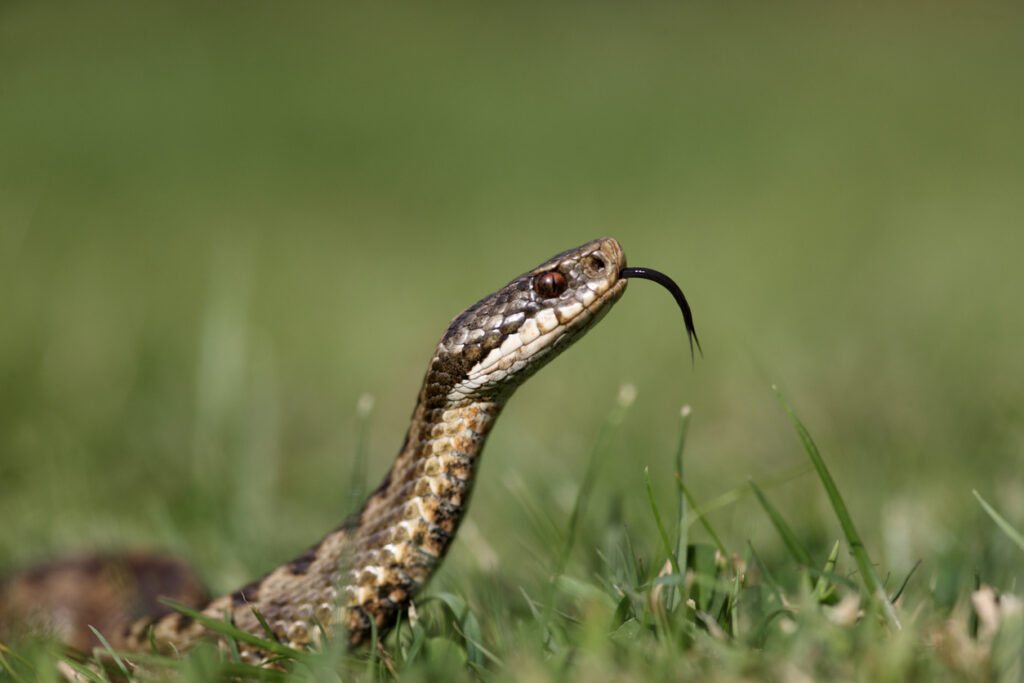
Britain’s only venomous snake, adders are widespread across Scotland’s heaths, moorlands, and woodland edges. They’re easily identified by the distinctive dark zigzag pattern down their backs.
Despite being venomous, adders are shy and prefer to escape rather than bite. They’re cold-blooded, so you’re most likely to spot them basking on sunny days in spring and autumn. Bites are rare and almost never fatal to humans, though they do require medical attention.