For decades, Tyrannosaurus rex has held the crown as the largest and most fearsome carnivorous dinosaur.
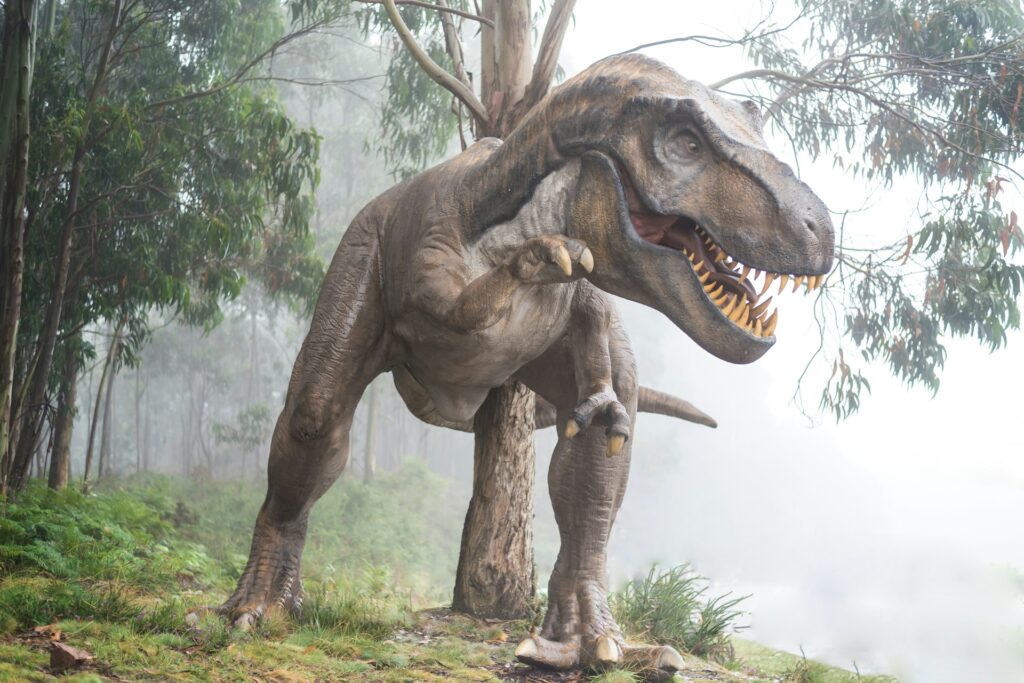
Museums, documentaries, and films turned it into the undisputed king of the prehistoric world, a towering predator that symbolized raw power. However, palaeontology is a field built on constant discovery, and each new dig site has the potential to rewrite what we think we know about ancient giants.
Recent findings suggest that T. rex may not actually have been the biggest carnivorous dinosaur. Other massive predators may have matched or even exceeded its size, challenging our long-held assumptions. As new fossils are analysed and new species are identified, the story of the largest carnivore becomes more complex and far more interesting than a single legendary name.
Spinosaurus was likely bigger than T. rex.
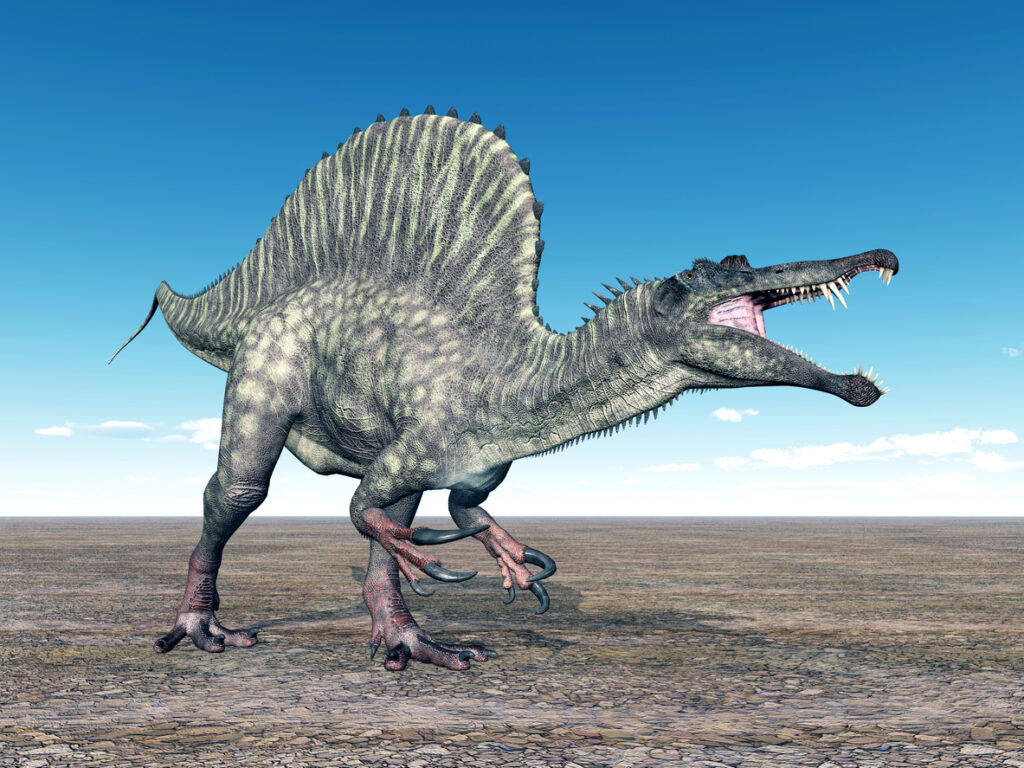
Spinosaurus is now considered the largest known meat-eating dinosaur ever discovered. Fossils found in North Africa show it could reach up to fifteen metres in length, longer than T. rex by several metres. It also had a huge sail-like fin on its back that made it stand out from other predators. Unlike T. rex, Spinosaurus was built for both land and water. Its long, narrow snout and conical teeth suggest it hunted fish as well as land animals, making it one of the most unusual hunters of its time.
Spinosaurus was a semiaquatic predator.
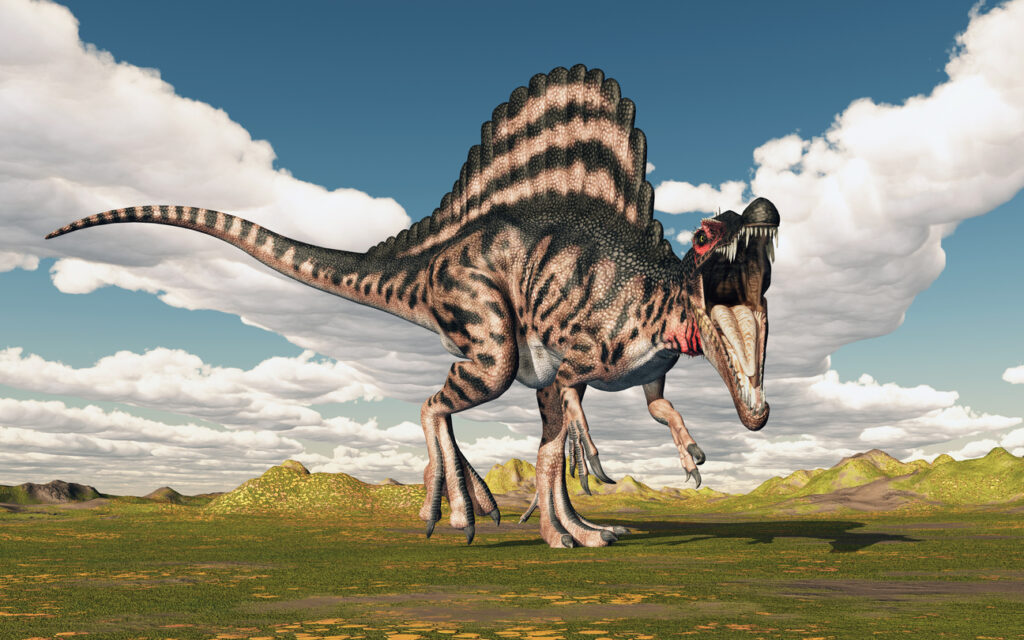
Scientists believe Spinosaurus spent much of its life near rivers and swamps. Its paddle-like tail and dense bones helped it move through water more easily, similar to crocodiles today. This makes it the only known dinosaur to have adapted so well to both land and aquatic environments. This dual lifestyle gave it an advantage over land-based hunters like T. rex. It could ambush prey from the water and then return to land to rest or scavenge.
Giganotosaurus was T. rex’s main land rival.
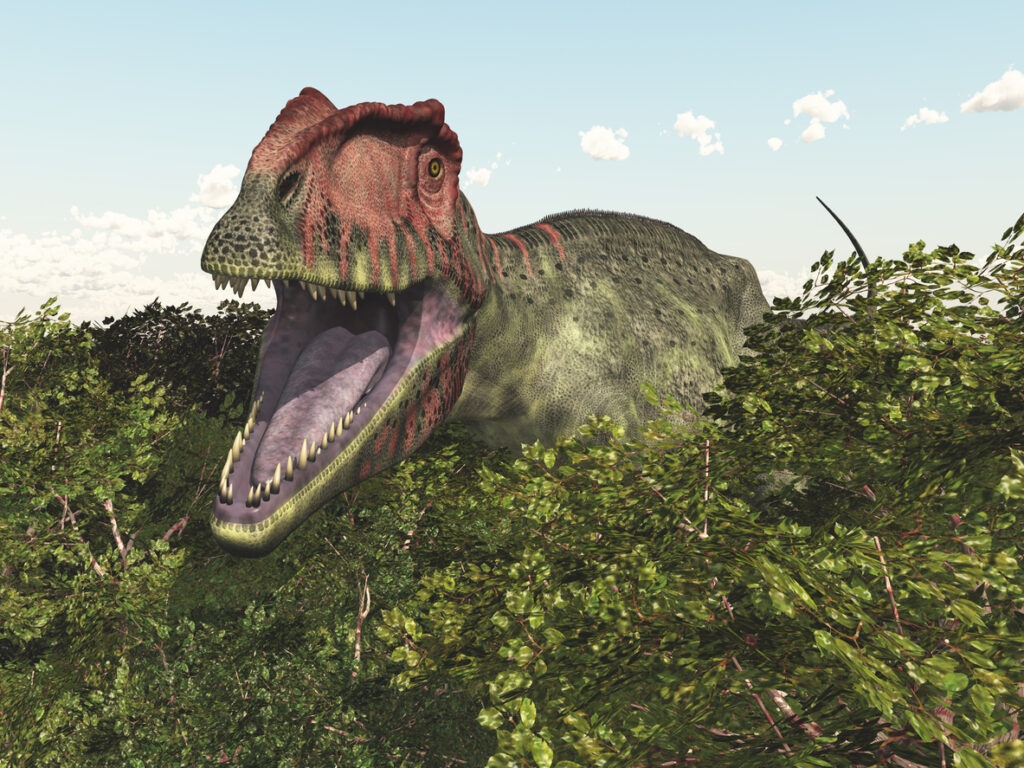
Giganotosaurus, discovered in Argentina, was another enormous carnivore that lived around thirty million years before T. rex. It could grow up to thirteen metres long and weigh nearly as much. Its long, sharp teeth were designed for slicing flesh rather than crushing bone. This dinosaur hunted large plant-eating giants like Argentinosaurus. Unlike T. rex, which had a powerful bite, Giganotosaurus likely used quick slashing attacks to weaken prey before finishing the hunt.
Carcharodontosaurus was another huge hunter from Africa.
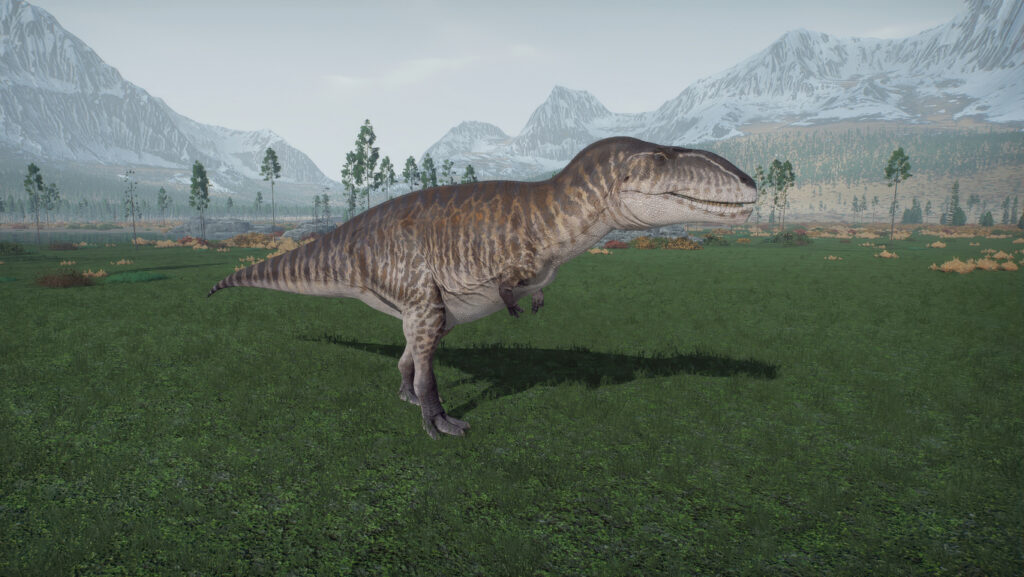
Carcharodontosaurus lived around the same time as Spinosaurus in North Africa. It reached about thirteen metres in length and had massive jaws lined with teeth similar to a great white shark. Its name actually means “shark-toothed lizard.” Scientists think it may have competed with Spinosaurus for prey in the same region. Its long legs suggest it was built for speed, possibly chasing down other large dinosaurs on land.
T. rex was still one of the strongest predators.
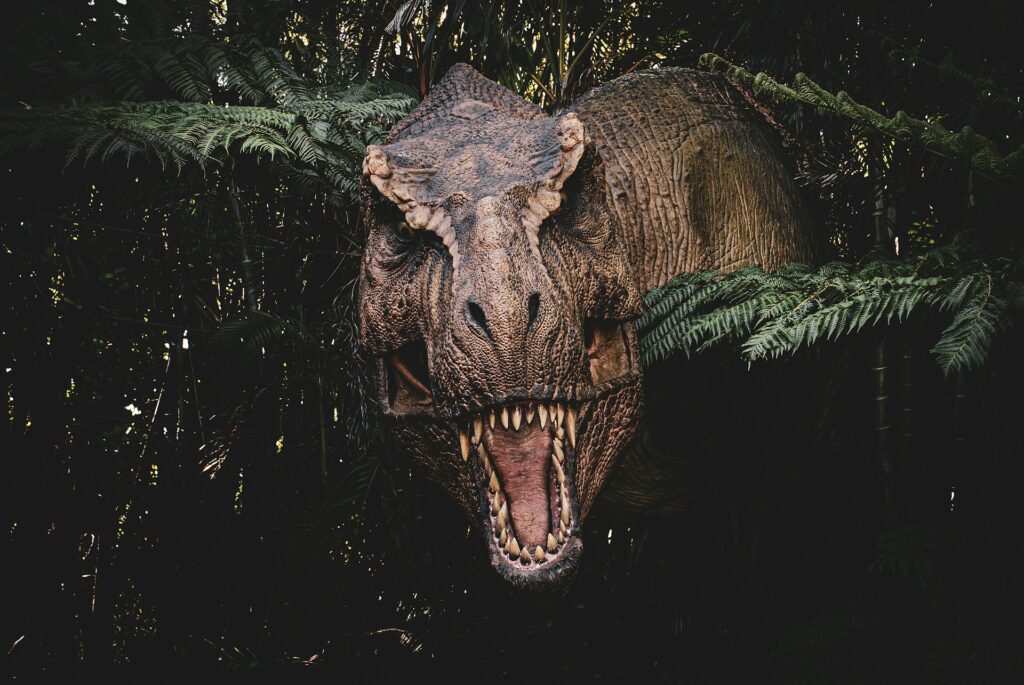
Even if it wasn’t the biggest, T. rex remains one of the most powerful carnivores to ever live. It had an enormous skull, strong neck muscles, and a bite force strong enough to crush bone. No other known predator came close in raw power. Its short but thick legs and heavy body made it slower than some rivals, but it didn’t need to be fast. T. rex likely ambushed its prey or scavenged when it could, using brute strength to dominate its territory.
Some predators may have hunted together.
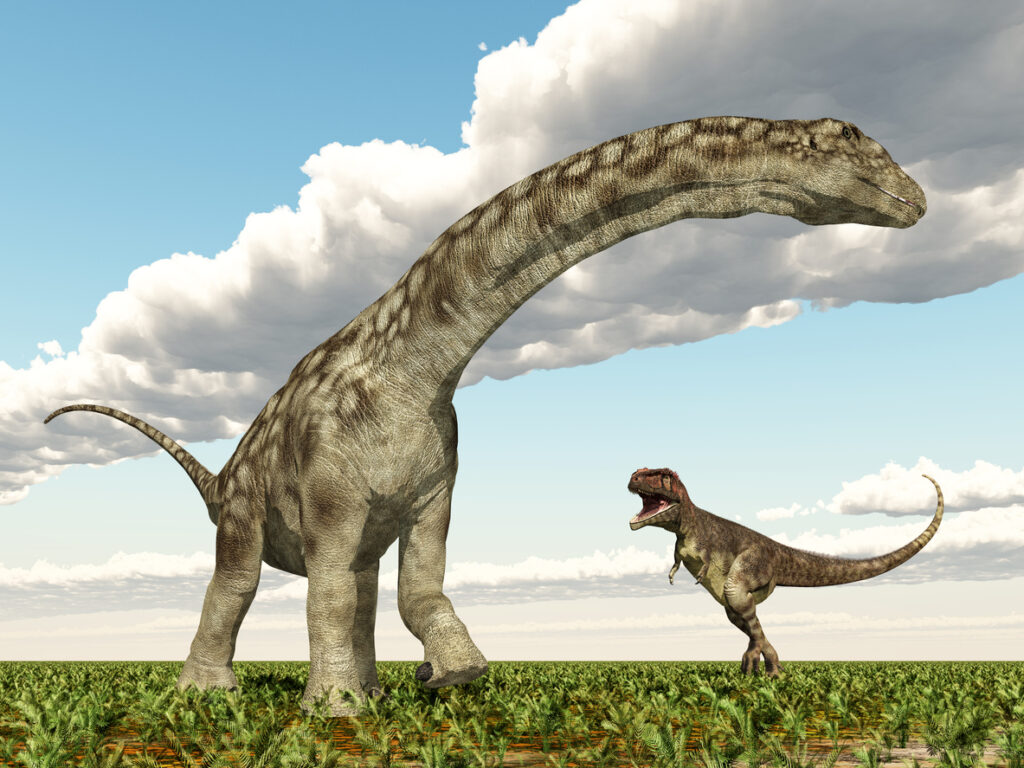
There’s evidence that certain large carnivorous dinosaurs, like Mapusaurus, may have hunted in groups. Fossil beds containing several individuals suggest they worked together to take down massive prey that one dinosaur alone couldn’t handle. If true, that would make them even more dangerous than solitary hunters. Working as a pack would have allowed them to attack some of the largest herbivores on Earth at the time.
Scientists are still debating exact sizes.
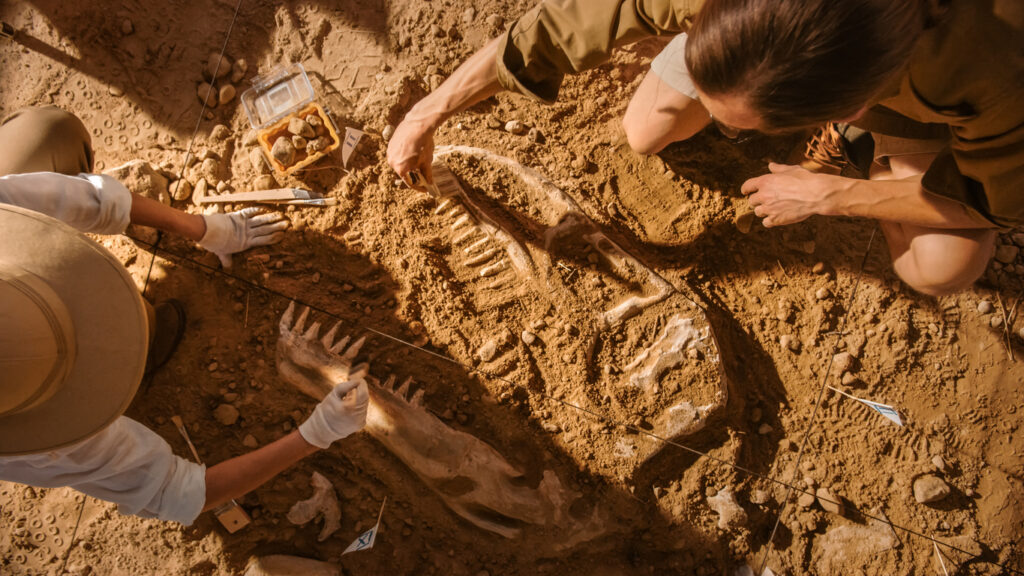
Because fossils are often incomplete, exact size comparisons are difficult. Some dinosaurs, like Spinosaurus, are known only from partial remains, so scientists must estimate their full length and weight. Different studies sometimes reach slightly different conclusions. Even so, most experts agree that Spinosaurus was at least as large as T. rex, if not larger. As new fossils are discovered, these size rankings could still change again.
Spinosaurus and T. rex lived on different continents.
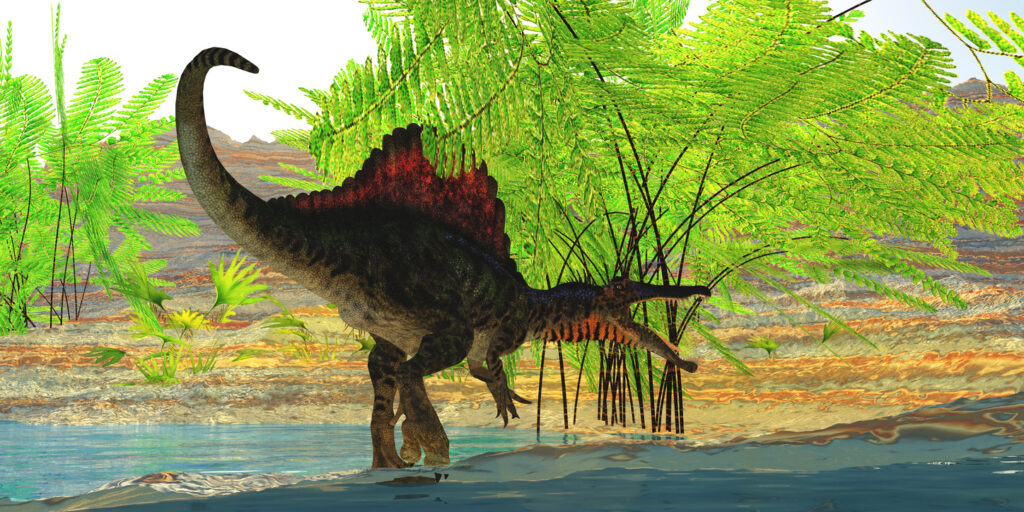
Spinosaurus lived in what’s now northern Africa, while T. rex lived in North America. They never met in real life because they were separated by millions of years and thousands of miles. Each dominated its own environment. This makes comparing them tricky, since they evolved for different lifestyles. Spinosaurus was adapted for water hunting, while T. rex ruled dry land as a top predator.
Other large carnivores were impressive too.
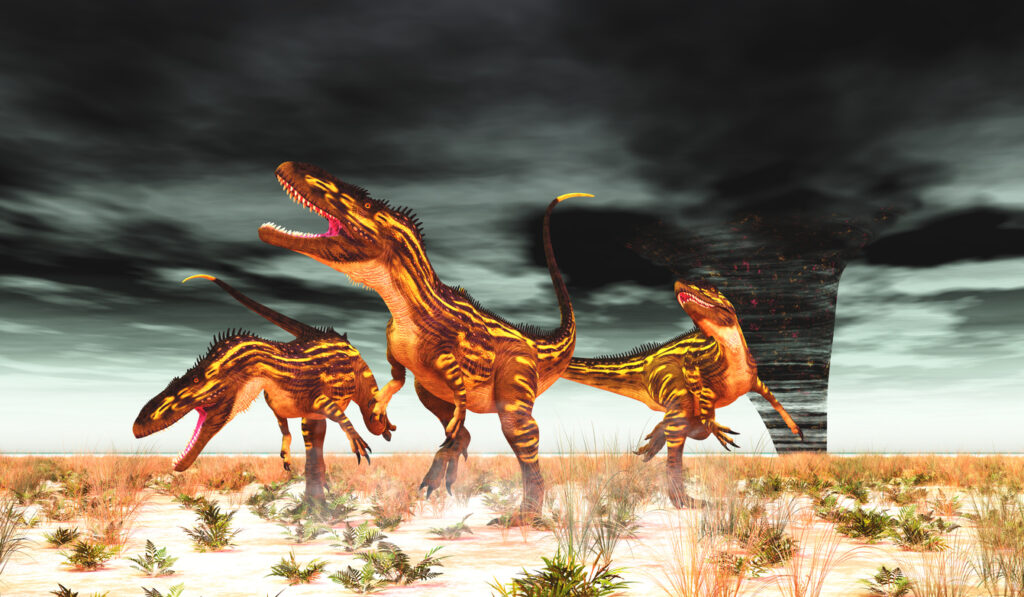
Dinosaurs like Torvosaurus and Acrocanthosaurus were also among the biggest hunters of their time. While not as large as T. rex or Spinosaurus, they still reached around twelve metres in length and had powerful builds that made them effective predators. These giants ruled different regions of the world, showing that massive meat-eaters evolved several times in Earth’s history. Each had unique strengths that suited their environments.
The title of “largest” keeps changing.
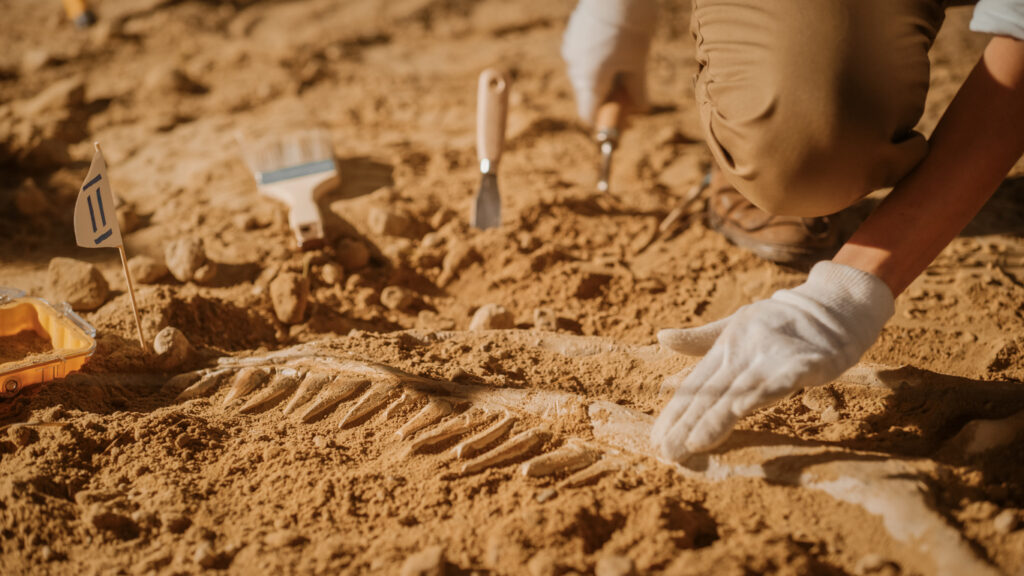
As new fossils are found and technology improves, scientists continue to refine their estimates. Some think there may be even bigger species waiting to be discovered in unexplored areas or deep fossil beds. For now, Spinosaurus holds the lead as the largest known carnivorous dinosaur. But T. rex still remains one of the most iconic predators in history, known not just for its size, but for its power, intelligence, and place in popular culture.