Not every dinosaur was a mindless monster stomping through the Earth.
Some were sharp, adaptable, and showed surprising signs of awareness. While they didn’t think like humans, a few species used clever tactics to survive. Here’s the smartest dinosaur ever found, as well as some other clever prehistoric reptiles that proved brains mattered just as much as brawn.
Troodon (the smartest dinosaur)
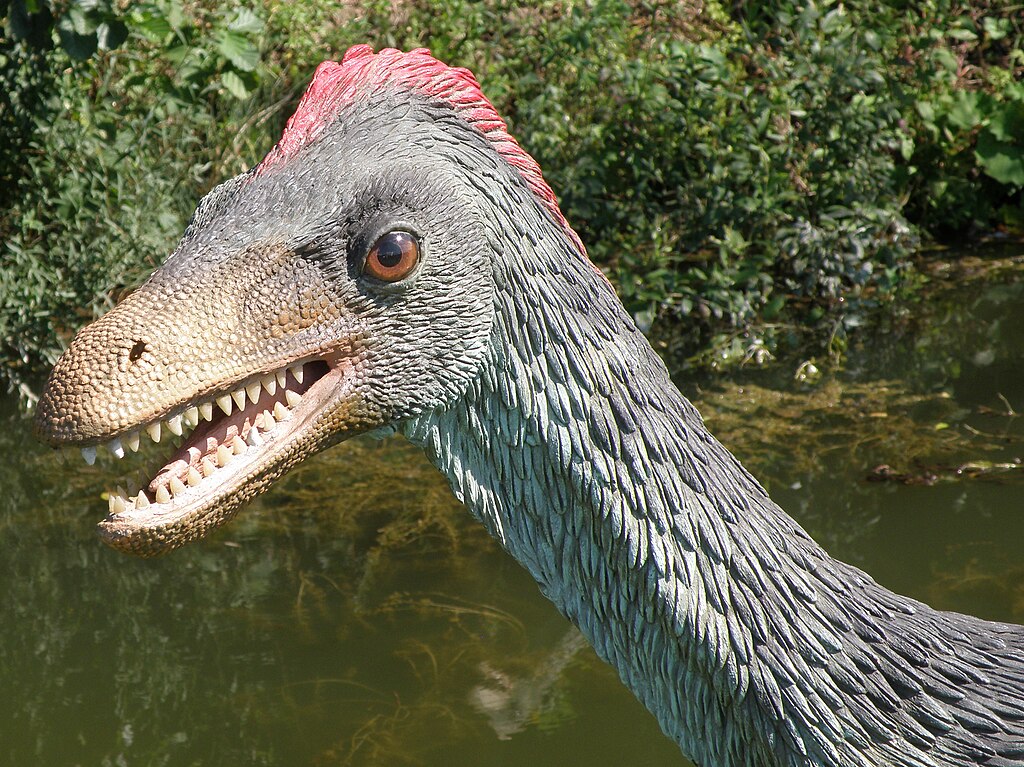
Troodon is widely believed to be the most intelligent dinosaur that ever lived. It had a large brain for its size, forward-facing eyes, and quick reflexes, all signs of advanced coordination and awareness. Some scientists think its intelligence could have rivalled modern birds, which are known for their problem-solving skills.
It probably hunted in groups and used its sharp claws to plan precise attacks. If any dinosaur came close to true reasoning ability, Troodon was it. Many experts even think that if it hadn’t become extinct, its descendants might have evolved into something far more advanced.
Velociraptor
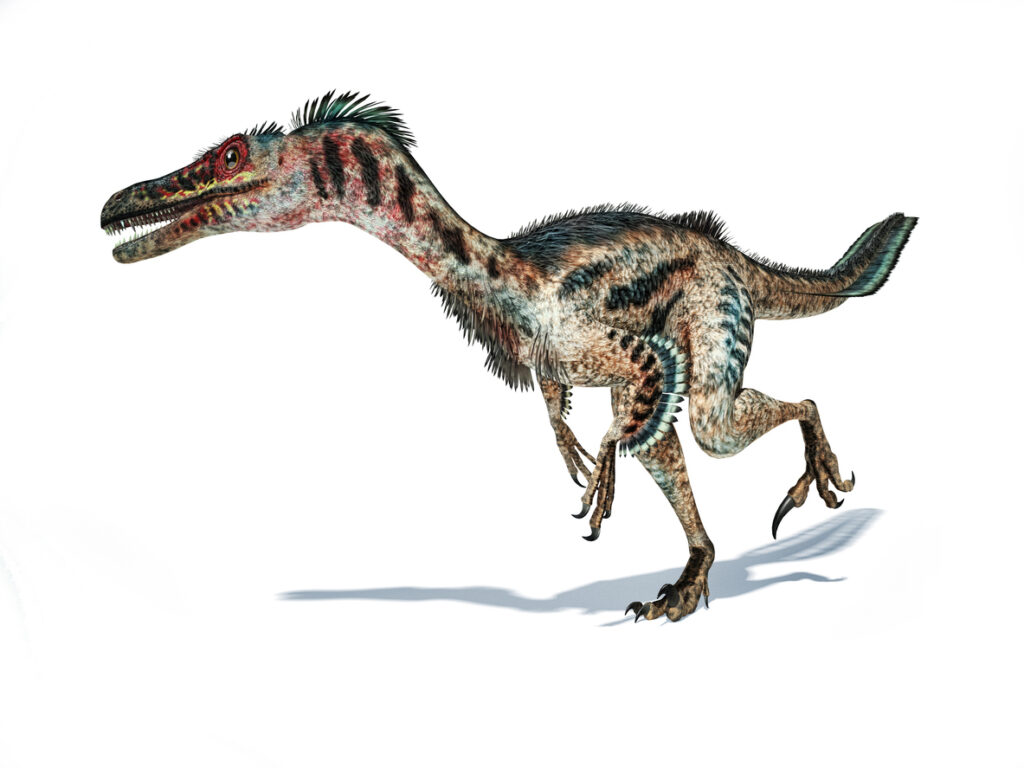
Velociraptor wasn’t huge, but it was extremely smart. Its light frame and long claws made it quick and strategic, not just fierce. Its eyes faced forward, which gave it depth perception and allowed it to plan attacks carefully instead of relying on brute strength. Fossils suggest that Velociraptors may have hunted together, using group tactics to trap prey. They were alert, calculated, and capable of adjusting their methods depending on what they were chasing.
Oviraptor

Oviraptor was long misunderstood as an egg thief, but later discoveries showed that it was actually a caring parent. Fossils have been found with Oviraptor adults sitting over their nests to protect their eggs, much like birds do today. This kind of nurturing behaviour shows emotional awareness and social intelligence. Oviraptor used more than instinct; it showed care, which was rare in dinosaurs of its time.
Deinonychus

Deinonychus helped change how scientists think about dinosaurs. Before it was discovered, dinosaurs were seen as slow and simple. Deinonychus proved they could be fast, alert, and intelligent. Its brain was built for quick decision-making and coordinated hunting. It likely hunted in groups and used communication to surround prey. Its ability to plan made it one of the most dangerous and effective predators in the prehistoric world.
Psittacosaurus
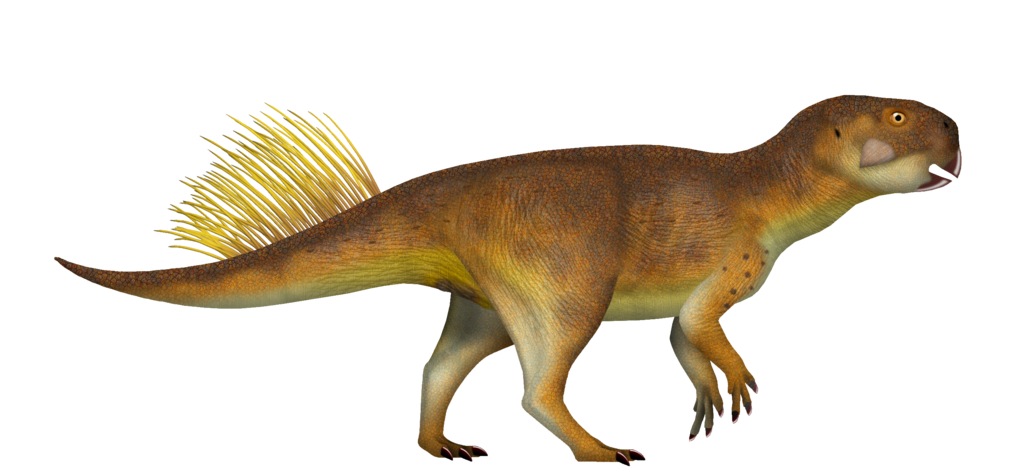
Psittacosaurus, or “parrot lizard,” showed early signs of social behaviour. Fossils of young Psittacosaurs have been found grouped together, suggesting they stayed close for safety or were cared for by adults. That kind of cooperation points to emotional and social intelligence. Its parrot-like beak helped it adapt its diet, showing flexible problem-solving. This small dinosaur used awareness and communication to survive, not just speed or strength.
Allosaurus
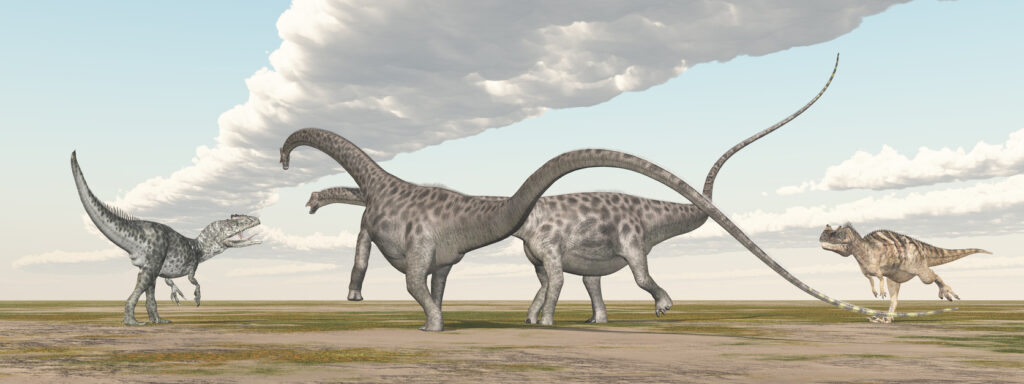
Allosaurus was a large predator, but it was more thoughtful than reckless. Studies suggest it may have ambushed its prey with planned attacks rather than chasing randomly. That takes timing, observation, and quick judgement. Its excellent vision and strong coordination helped it conserve energy and strike at the right moment. For a carnivore of its size, that level of control made it one of the cleverest hunters of its era.
Pteranodon
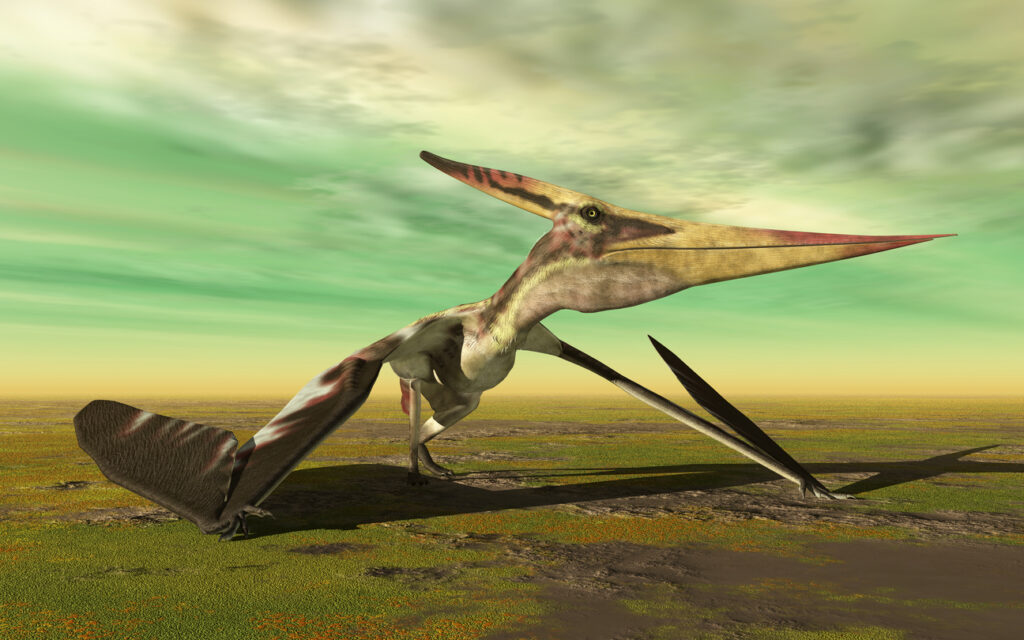
Pteranodon ruled the skies, showing a kind of intelligence that came from awareness and adaptation. It could sense air pressure, use wind currents, and change its wings’ position mid-flight with precision. Its ability to glide long distances with little effort meant it understood its surroundings better than most animals at the time. Flying smartly kept it fed and safe in changing weather conditions.
Triceratops
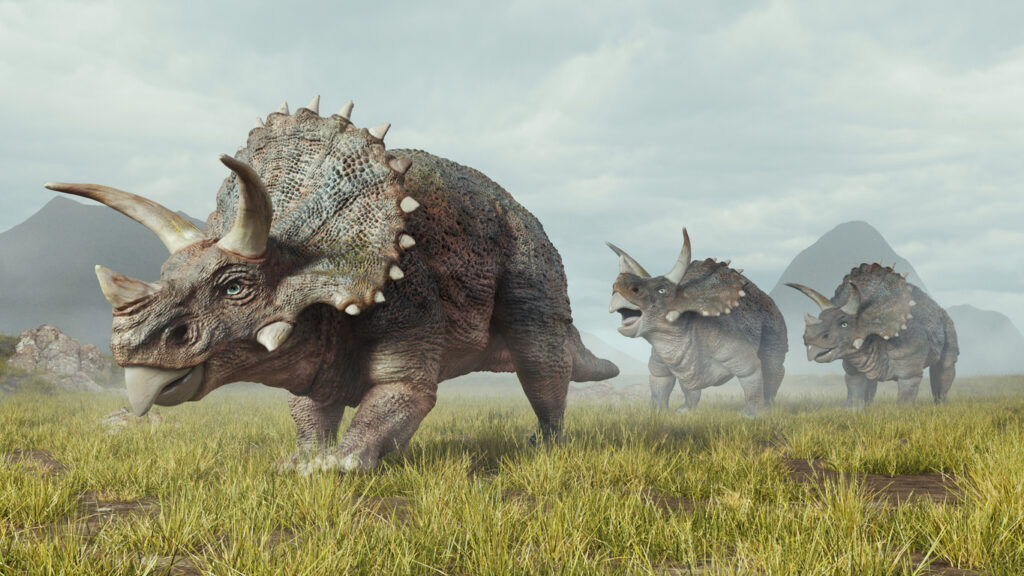
Triceratops is known for its horns, but it also had a surprisingly complex social life. Fossil evidence suggests these dinosaurs lived in herds and may have protected one another from predators. That kind of teamwork takes communication and recognition. Its awareness of others and ability to act together gave it a major survival advantage. It wasn’t just strong; it was socially smart, too.
Spinosaurus
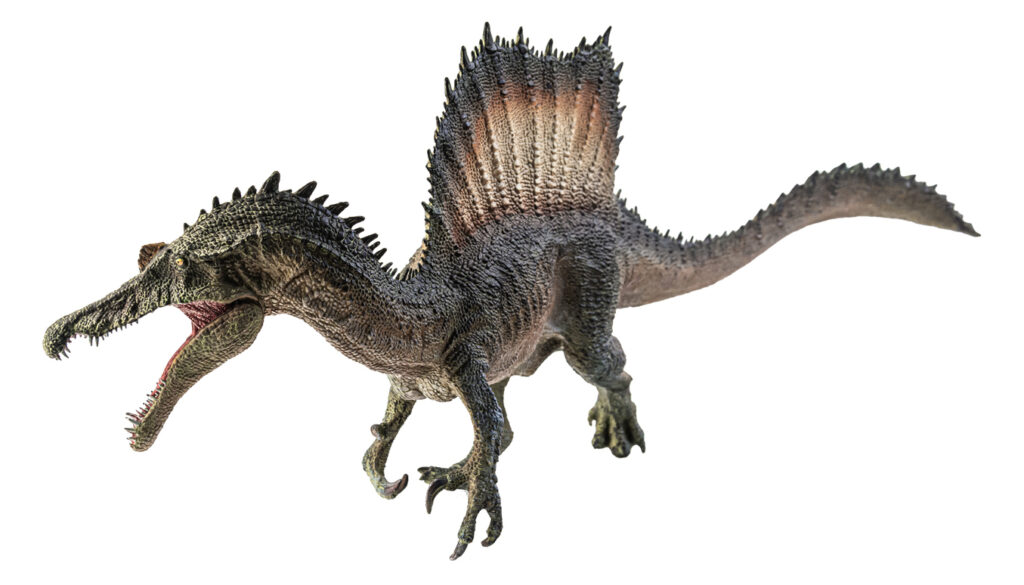
Spinosaurus stood out as one of the few dinosaurs that could hunt on both land and in water. That flexibility shows problem-solving ability and environmental awareness. It didn’t rely on one skill but learned to adjust its hunting style to different situations. It used its long snout to catch fish and strong legs to move through marshy areas. Its intelligence was practical, built on adaptability and observation rather than brute strength.
Coelophysis
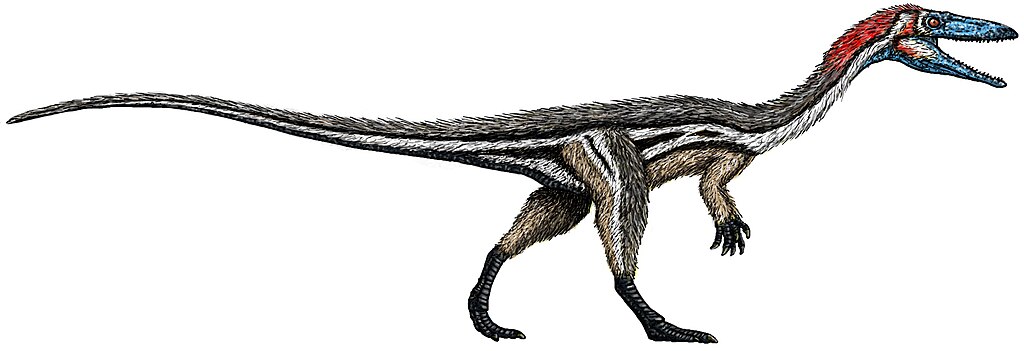
Coelophysis was small and fast, living in packs long before other dinosaurs tried group living. Working as a team required awareness and coordination, suggesting that Coelophysis wasn’t just acting on instinct. It used cooperation to take down prey much larger than itself. That kind of group intelligence made it one of the earliest examples of dinosaurs relying on teamwork instead of sheer power.
Archaeopteryx
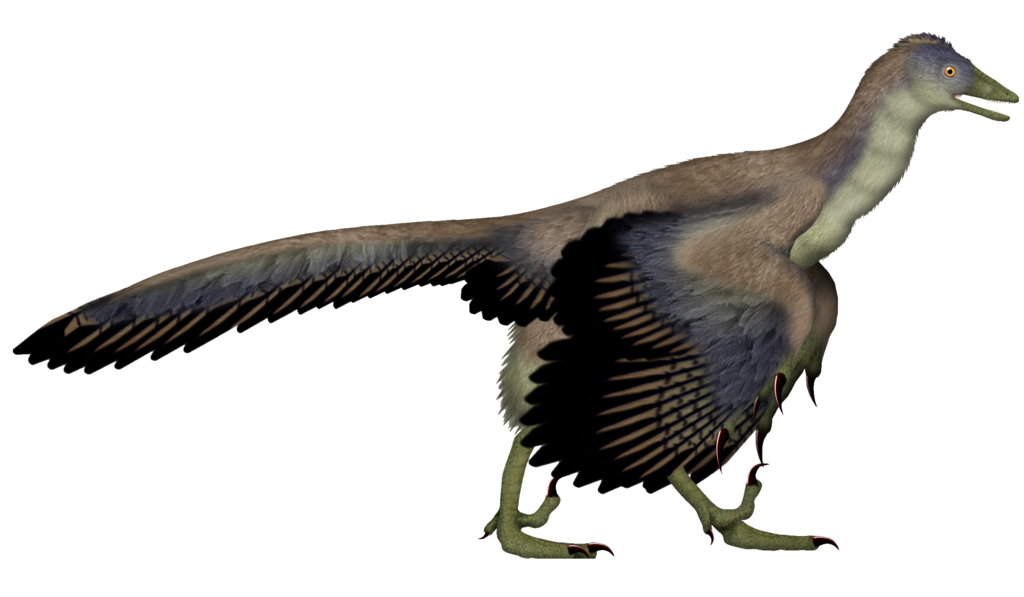
Archaeopteryx bridged the gap between dinosaurs and birds, showing advanced control and coordination. It had feathers for flight and a sharp brain to match, allowing it to balance, steer, and hunt efficiently in midair. Its intelligence showed in how it adapted to both land and sky. Archaeopteryx proved that evolution was already shaping smarter, more responsive creatures long before modern birds arrived.