Frogs look simple at first glance, but that’s far from the truth.
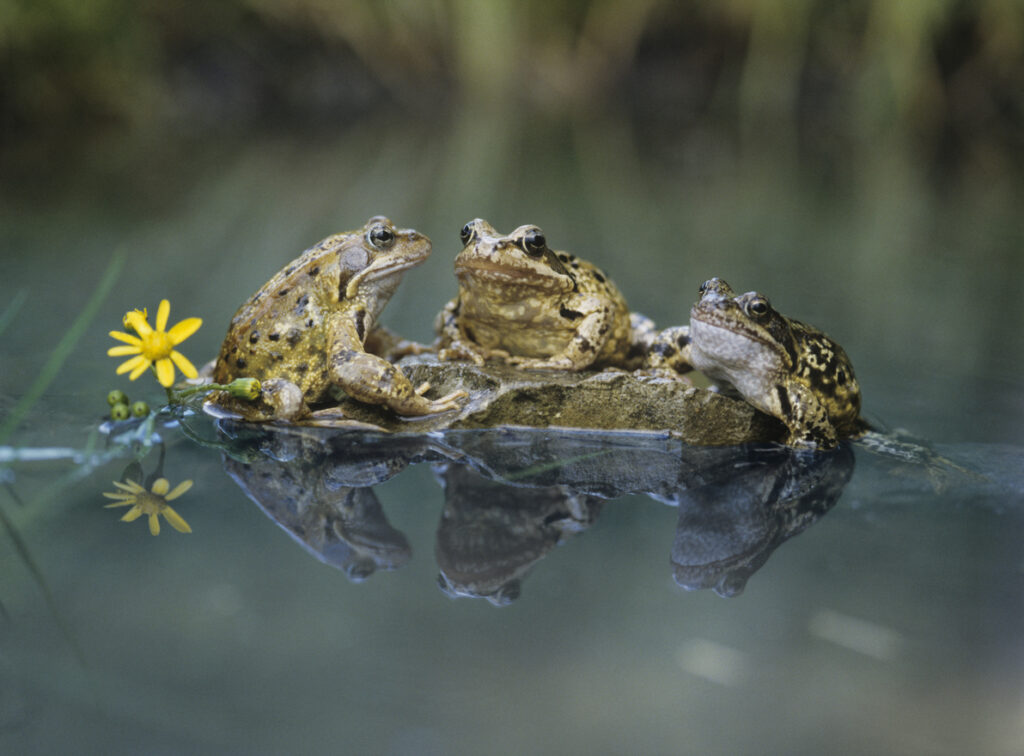
In fact, they’re built with some fascinating biological features that help them survive in water, on land, and in places most animals would avoid. Their bodies are fine-tuned for jumping, swimming, and spotting danger long before anything gets close. When you have a closer look at how they breathe, move and sense their surroundings, you realise there is a lot more going on under that smooth skin.
Understanding frog anatomy gives you a new appreciation for just how adaptable they are. From their unusual skeleton to the way they absorb oxygen through their skin, every part of a frog’s body has a purpose. Once you know how they’re put together, their behaviour makes perfect sense.
Their skin acts like an extra lung.

Frog skin isn’t just for camouflage; it actually helps them breathe. Oxygen passes directly through the thin, moist surface into their bloodstream, which means keeping their skin wet is vital for survival. When in water, frogs absorb most of their oxygen this way. On land, they rely more on lungs, but that extra breathing surface gives them an advantage few other animals share.
Their lungs are small but powerful.
Frog lungs are simple sacs rather than complex structures, but they do the job. Frogs fill them by swallowing air rather than expanding their chest, using throat movements to push oxygen into their lungs. This technique works well for short bursts of activity, though not for long flights or runs. It suits their lifestyle of sitting still, then leaping into sudden movement when needed.
Their hearts pump in three parts.
A frog’s heart has three chambers: two atria and one ventricle. It’s less efficient than the four-chambered hearts found in mammals, but it fits their slower, part-water, part-land metabolism perfectly. The system allows some mixing of oxygenated and deoxygenated blood, yet it keeps them going through sudden activity and long rests. It’s a simple but well-balanced design.
Their eyes help them swallow.
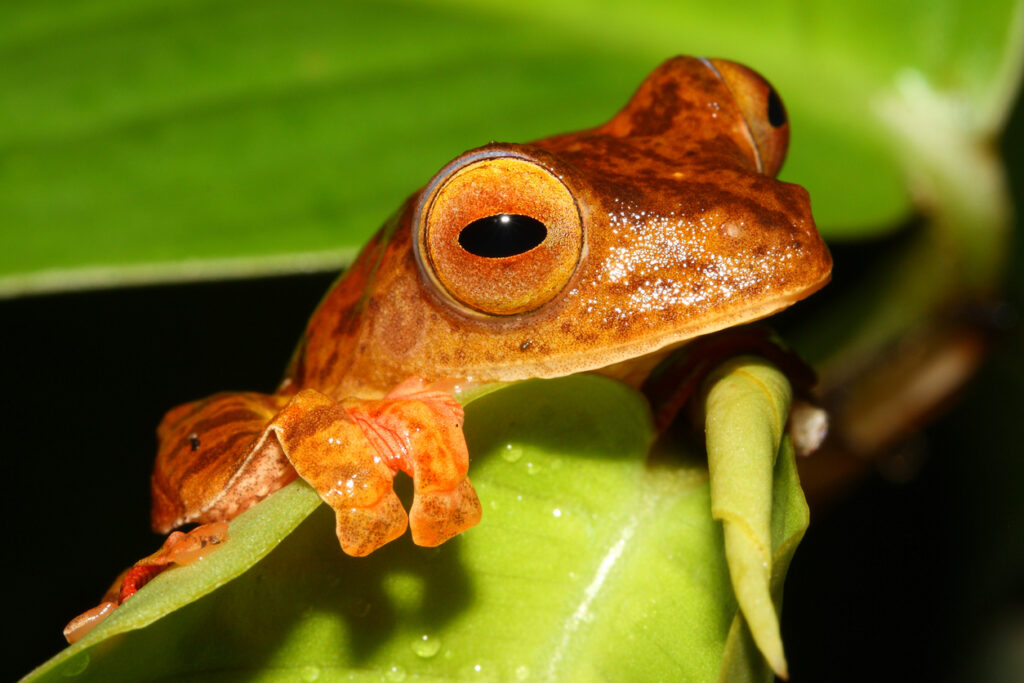
When a frog eats, it blinks hard, pushing its eyes downward into its mouth. This movement helps force food down the throat, making those bulging eyes part of their digestive system as well as their vision. It’s an odd but efficient feature. Their eyes are strong enough to help them see in low light, and flexible enough to assist their meal on its way down.
Their tongues are sticky and lightning fast.
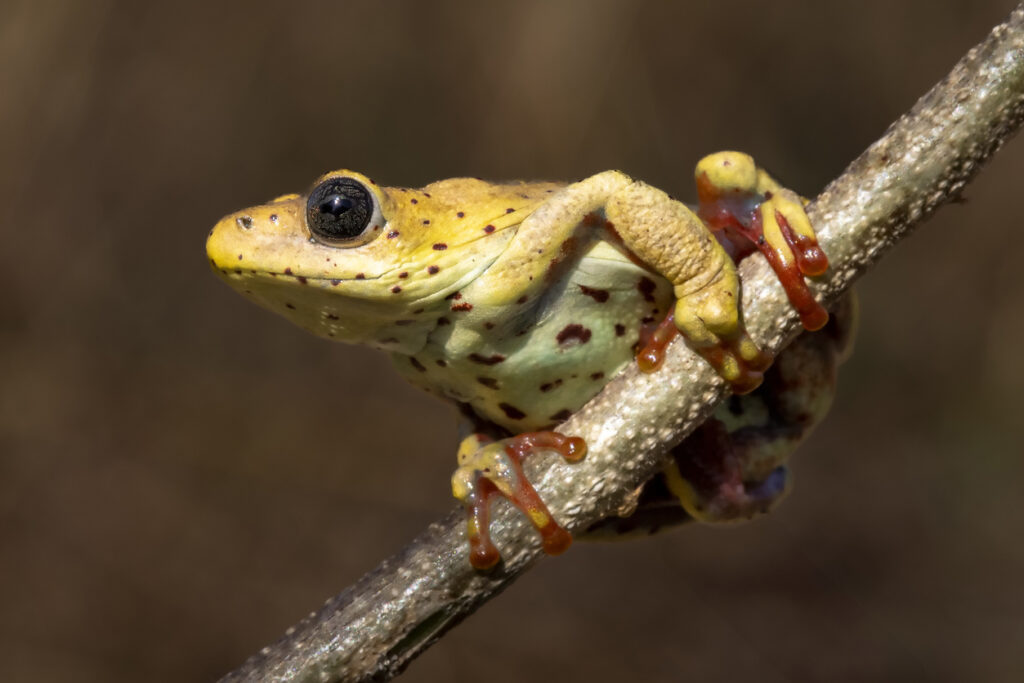
Frog tongues are attached at the front of the mouth instead of the back, which lets them flick out quickly to catch insects. The sticky coating acts like glue, trapping prey in a split second. Once the insect sticks, the tongue snaps back faster than the human eye can follow. The flexibility of their jaw and tongue muscles allows for this instant catch-and-swallow rhythm.
Their skeleton is built for shock absorption.
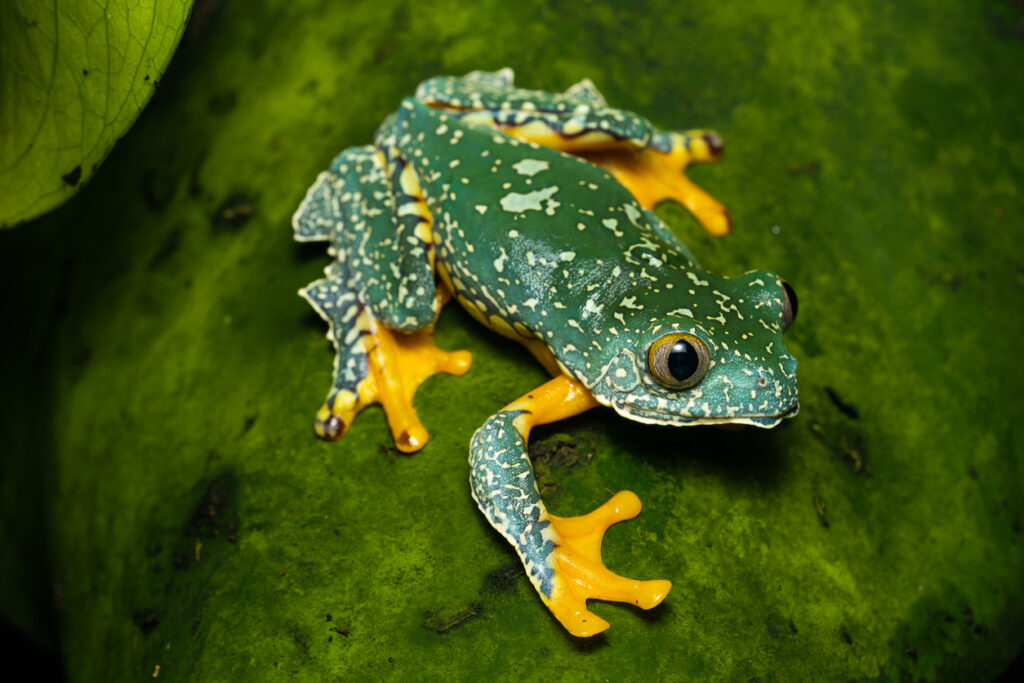
Every leap a frog makes involves serious impact. Their bones are shaped to absorb the force of landing, with long legs, strong hip joints and a flexible spine that spreads pressure evenly. That structure prevents injury while letting them jump several times their body length. It’s the same reason they can fall from surprising heights and hop away unharmed.
Their muscles store energy for sudden jumps.

Frogs use their legs like loaded springs. Their thigh and calf muscles store energy when crouched, then release it all at once, sending them forward in one clean burst. That quick, explosive power helps them hunt, escape predators and move between land and water efficiently. It’s one of nature’s best examples of energy transfer in motion.
Their eyes and ears are tuned to motion.
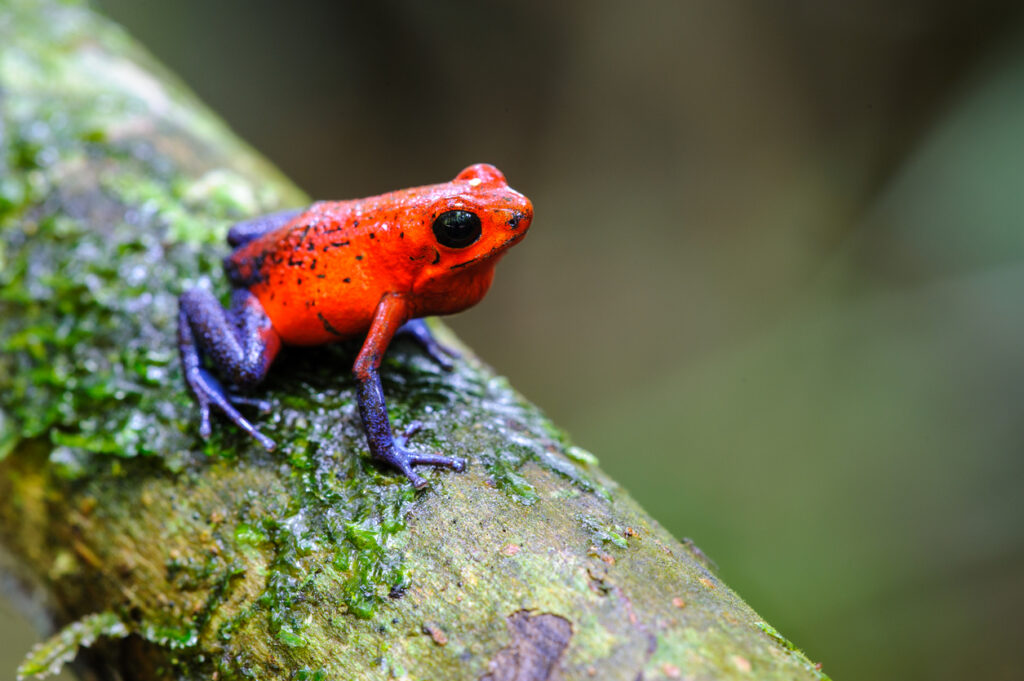
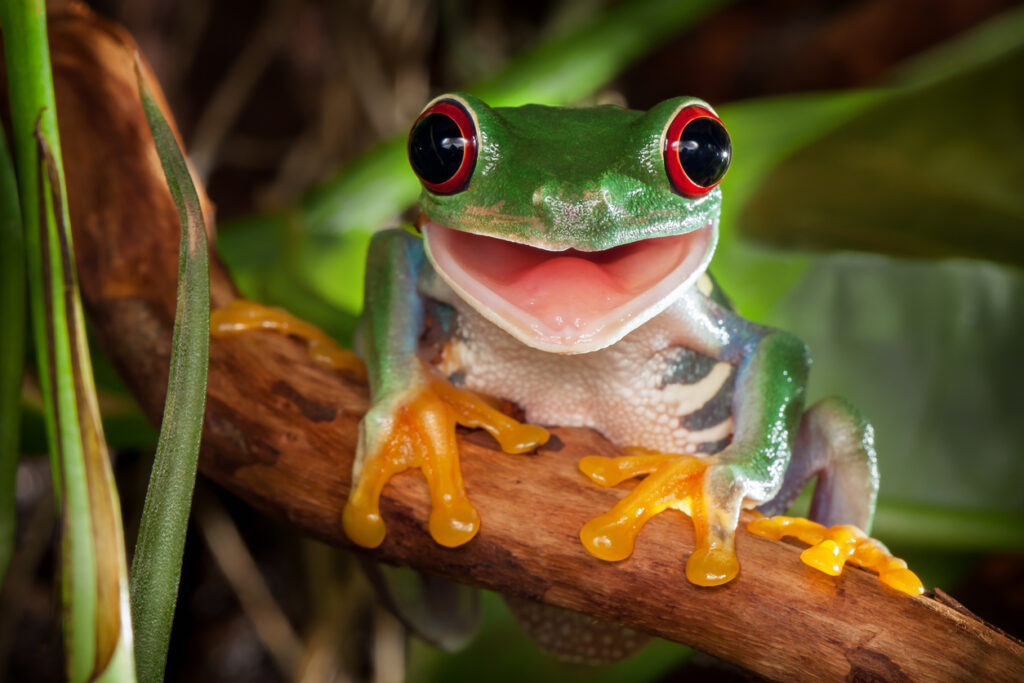
Frog eyes sit high on their head so they can watch for danger while staying mostly submerged. Their circular pupils give them a wide field of view, ideal for spotting insects and predators alike. Their eardrums, called tympanums, sit on the outside of their heads and pick up even faint vibrations. This helps them sense movement long before it reaches them.
Their vocal sacs work like natural amplifiers.
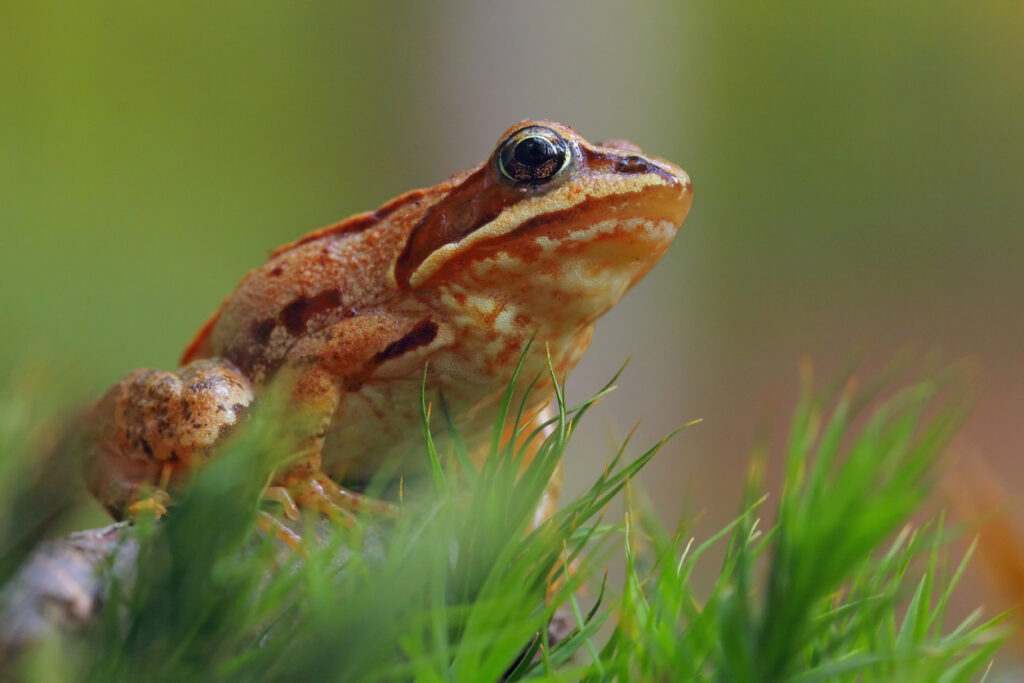
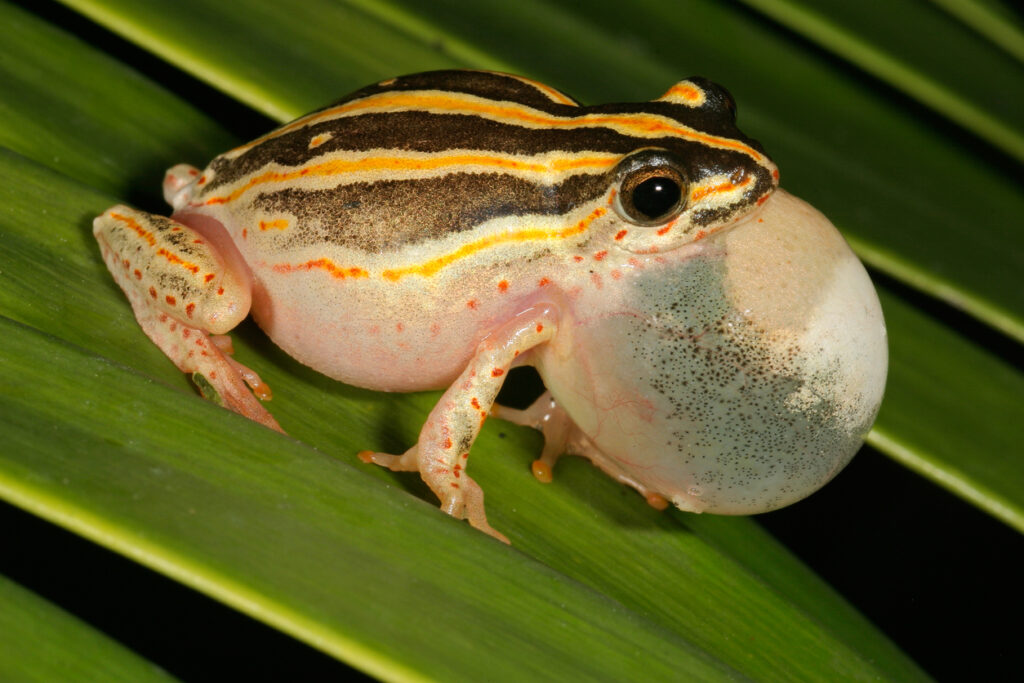
Male frogs inflate their vocal sacs to call for mates or mark territory. The stretched membrane acts like a drum, boosting the sound so it carries over long distances, especially across water. Each species has its own unique call, often used to recognise potential partners. It’s not just communication; it’s also a survival tool for reproduction and warning others away.
Their blood changes with the environment.

Frog blood circulation adapts to water and land. When underwater, they rely more on skin breathing, which changes how oxygen moves through the bloodstream. On land, the lungs take over and adjust accordingly. This flexible system keeps oxygen levels stable in very different conditions. It’s why frogs can thrive in ponds, swamps, and damp forests with equal success.
Their digestive system can pause during hibernation.
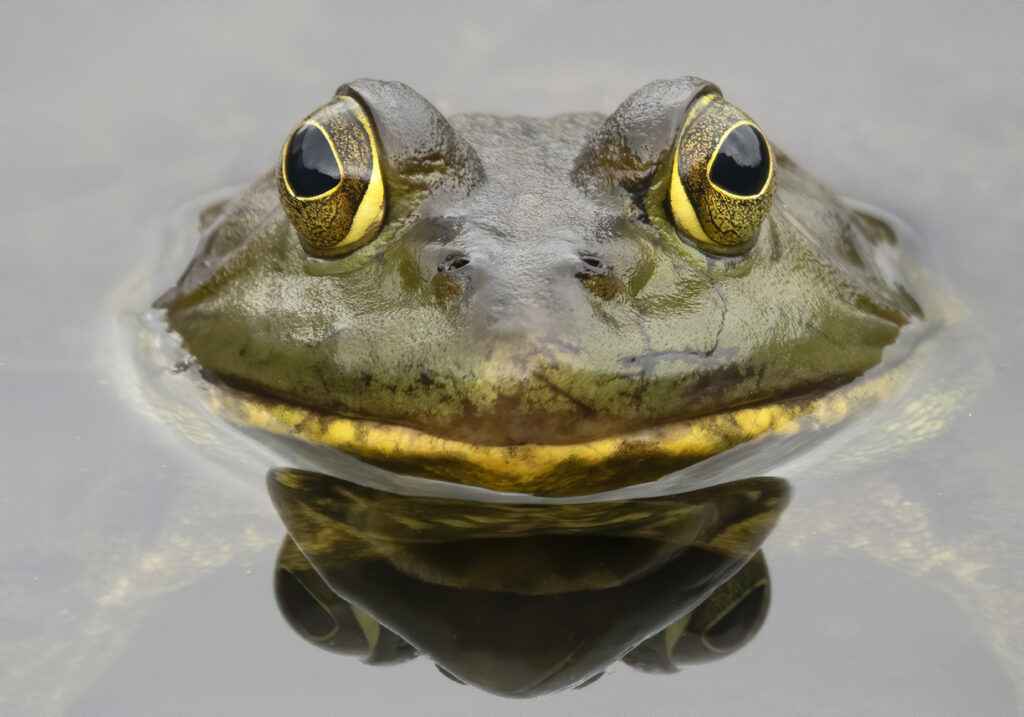
In colder months, frogs slow everything down. Their digestion almost stops as they enter a state close to suspended animation, surviving on stored energy until warmth returns. That ability protects them from freezing and food scarcity. When the weather improves, their metabolism wakes up again and picks up exactly where it left off.
Their skin protects them with toxins and camouflage.
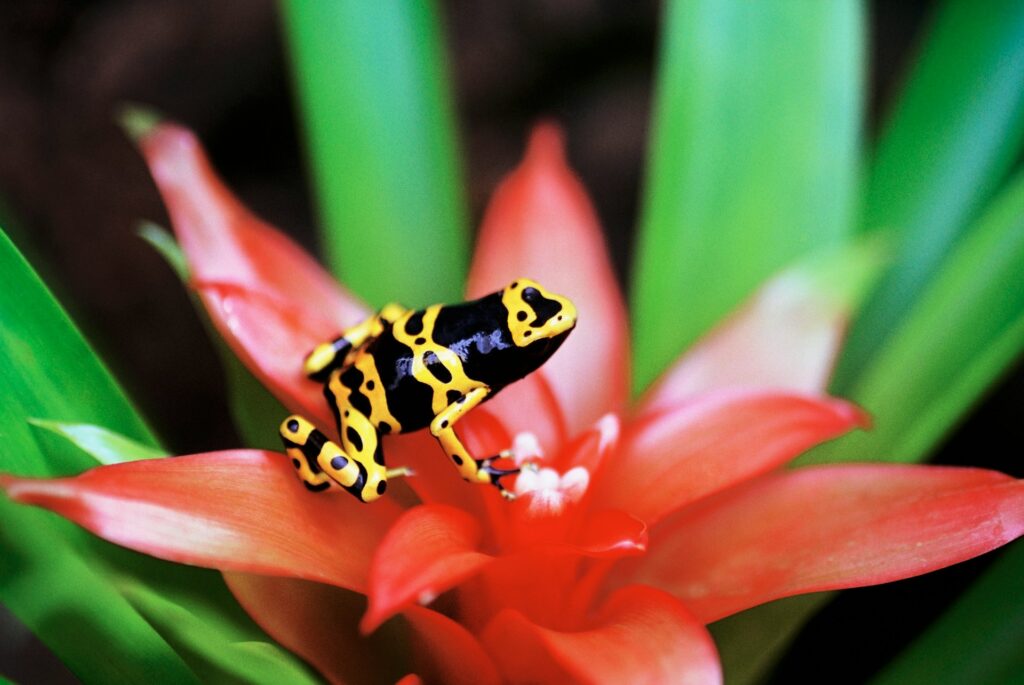
Some frogs have brightly coloured skin that warns predators to stay away, while others blend perfectly into leaves and mud. Many species also produce mild toxins that deter animals from eating them. The combination of colour and chemistry is both shield and signal. It’s a clever way of surviving in ecosystems where nearly everything is both predator and prey.
Their brains are small but perfectly tuned.
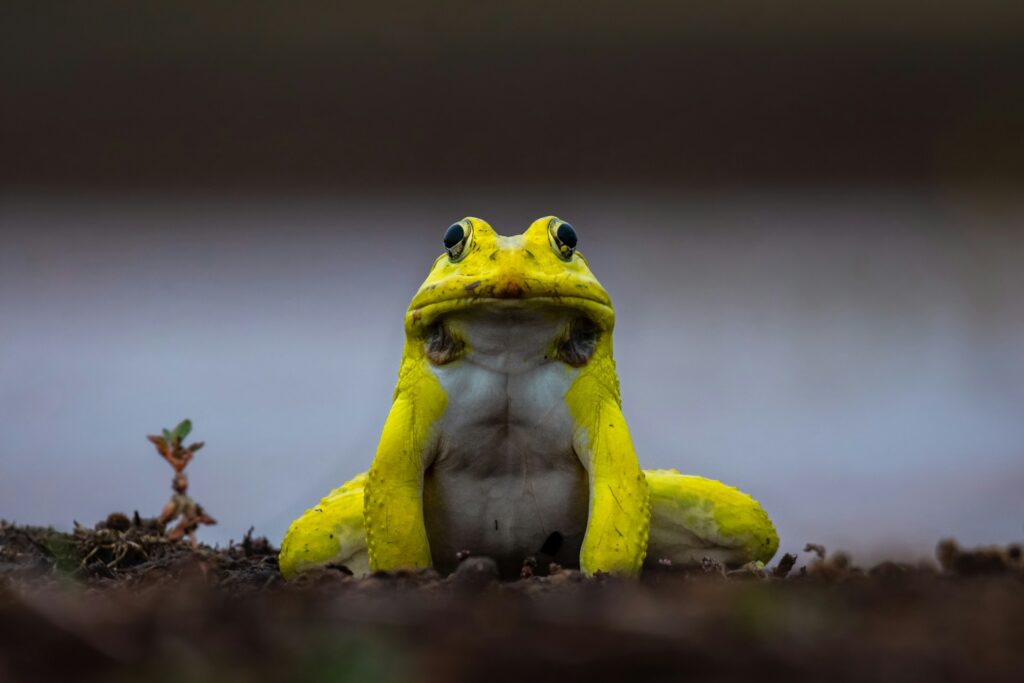
Frogs don’t need complex thought to survive. Their brains are wired for reflexes, quick reactions and instinctive behaviours that keep them alive in unpredictable environments. Every leap, blink, and croak is guided by simple but efficient wiring. It’s proof that evolution often values precision over size when it comes to staying alive.
Frogs may look delicate, but their anatomy is an expert design in survival. Every part of their body, from skin to skeleton, serves a clear purpose. They’re proof that nature’s simplest creatures can be its most finely tuned.