Most animals use their intelligence for survival.
They need their wits about them to hunt, hide, or protect their young. But some species seem to take it a step further, showing a mischievous streak that looks a lot like humour. These are the creatures that don’t just live in the wild; they play in it.
Scientists have found countless examples of animals fooling each other, not for food or safety, but seemingly for the fun of it. From sneaky distractions to clever pranks, some species appear to enjoy tricking their companions just to see what happens next. It’s a side of the animal world that feels surprisingly human: playful, curious, and a little bit cheeky.
Ravens hide objects and watch other birds search for them.
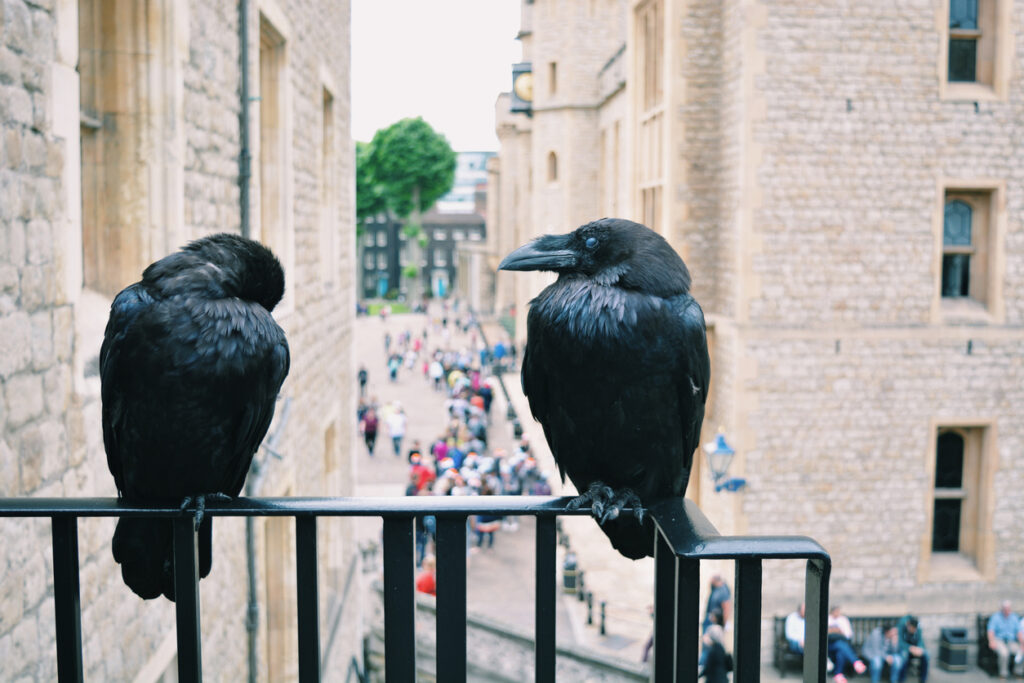
Ravens will take shiny objects or food and hide them, then sit nearby watching other ravens search in frustration. Once the searching bird gives up, the raven often retrieves the item and moves it somewhere else, apparently enjoying the confusion it caused.
This isn’t about protecting resources because they often do it with objects that have no real value. They’re creating a puzzle for another bird purely for the entertainment of watching them fail to solve it, which requires understanding what the other bird knows and doesn’t know.
Dolphins throw fish at each other when bored.
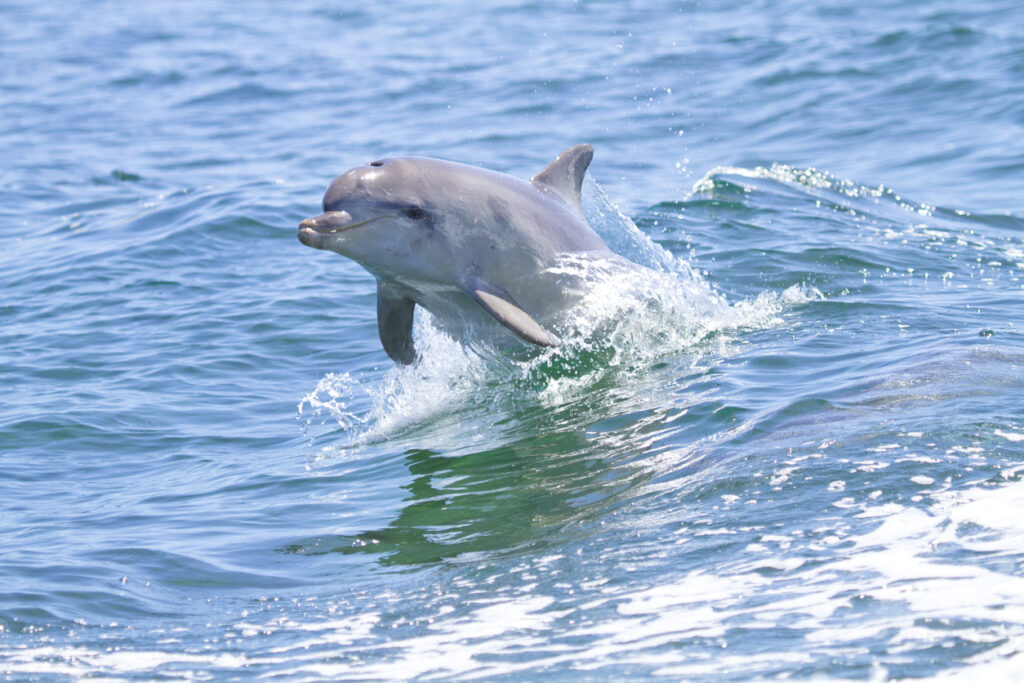
Young dolphins sometimes catch fish and instead of eating them, they’ll toss them at other dolphins like a game. The dolphins being hit often look annoyed and swim away, which seems to be part of what makes it funny to the dolphin doing the throwing.
They’re not hungry when this happens and the fish usually gets wasted, so there’s no practical reason for it. It’s pure messing about, testing social boundaries and seeing what reaction they get, which is basically what human teenagers do to annoy each other.
Crows drop things on people’s heads from power lines.
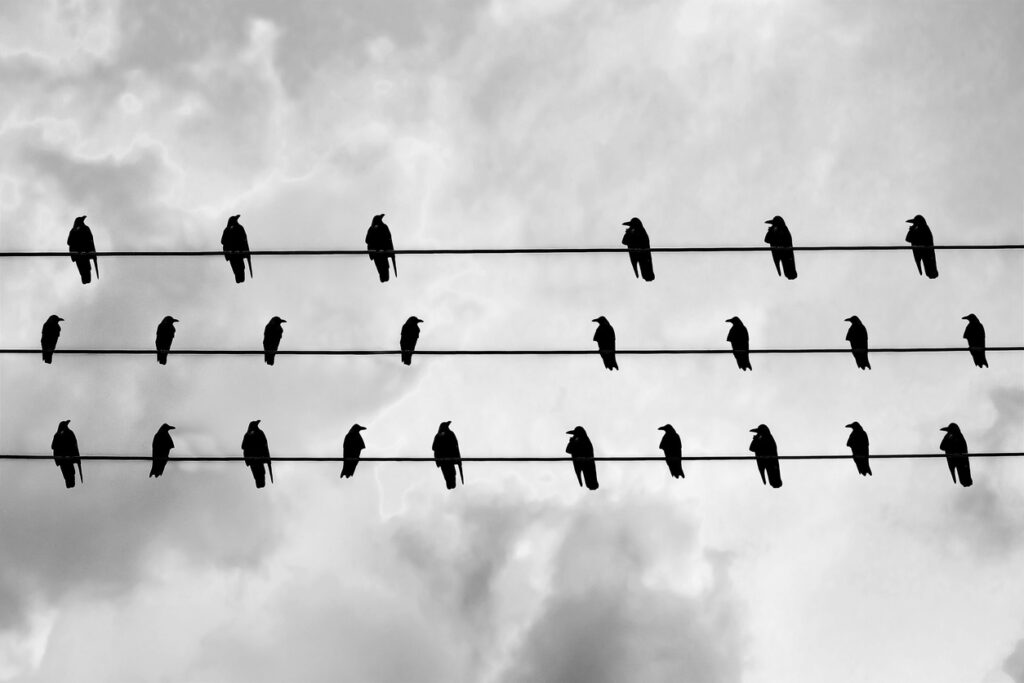
Crows have been observed sitting on power lines above walking paths, waiting for people to pass, then deliberately dropping sticks or small objects on them. They watch the person’s reaction, and if the person looks up annoyed, the crow often makes sounds that researchers describe as laughter.
This isn’t defensive behaviour because the person isn’t a threat. The crow is initiating contact just to get a reaction, which shows they understand cause and effect socially and find disrupting someone’s day genuinely amusing for its own sake.
Otters push each other off rocks into water.
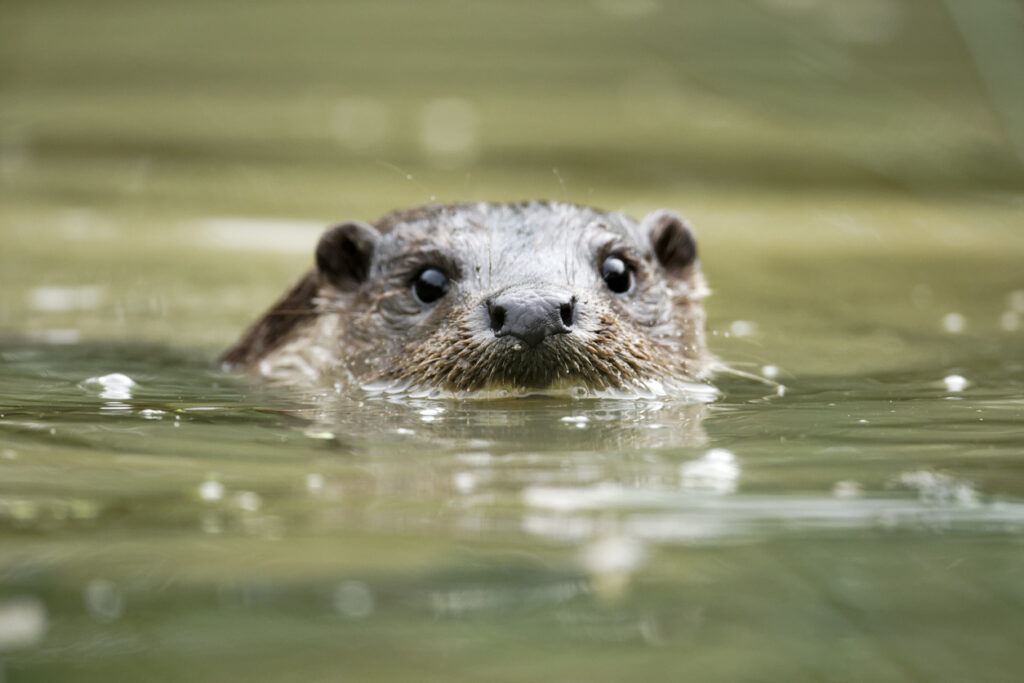
River otters will sneak up behind another otter sunbathing on a rock and shove them into the water, then dive in after them. The behaviour looks exactly like what children do at swimming pools, and the pushed otter often chases the pusher in what’s clearly play rather than actual aggression.
They could just jump in themselves, but they specifically wait for another otter to settle down first before disrupting them. The surprise element seems to be part of the fun, and they take turns doing it to each other throughout the day.
Parrots untie shoelaces and laugh at people stumbling.
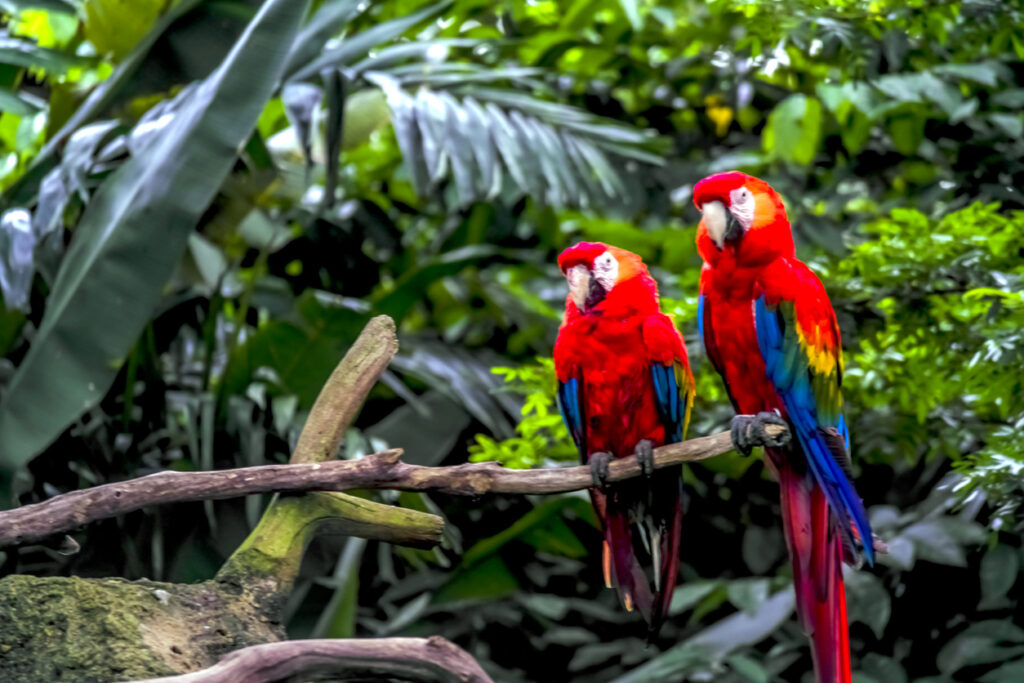
Pet parrots, especially larger species like African greys, will systematically untie shoelaces while their owner isn’t looking, then watch and vocalise excitedly when the person trips or notices. Some learn to do this repeatedly because they enjoy the reaction.
They’re smart enough to know untied laces cause problems, but not dangerous enough to avoid doing it. The deliberate timing, waiting until you’re not paying attention, shows they understand your awareness and are exploiting that gap for entertainment.
Chimpanzees throw things at zoo visitors to startle them.
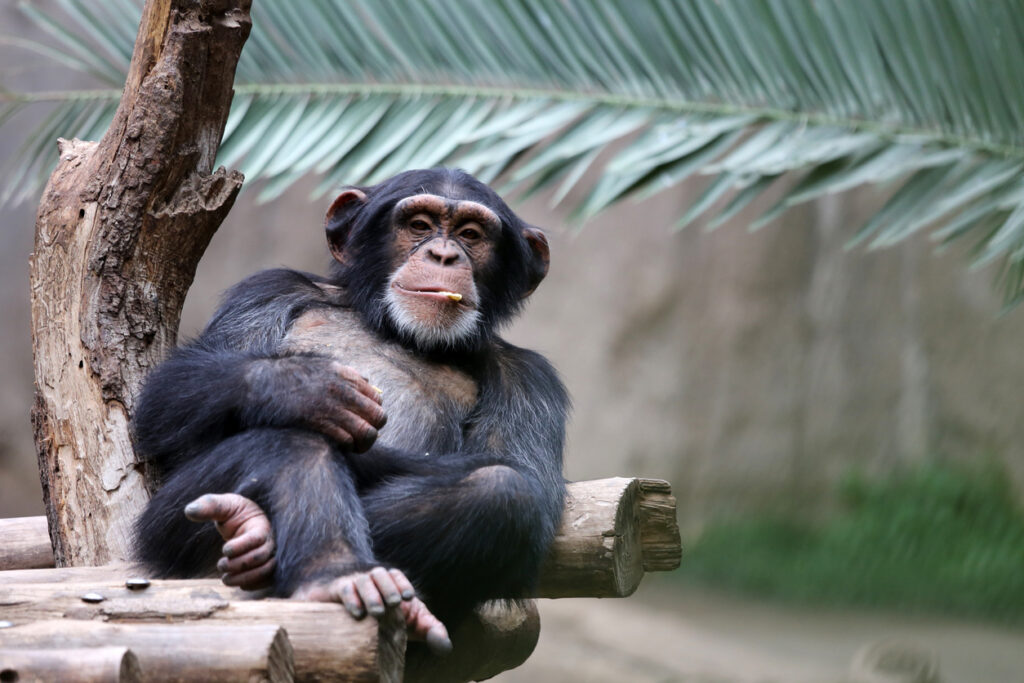
Chimps in zoos sometimes collect small objects or even their own faeces and wait for the right moment to throw them at visitors through the glass or bars. They watch people’s reactions closely and seem particularly pleased when they manage to startle someone badly.
This isn’t random aggression because they’re selective about targets and timing. They’re choosing when to throw for maximum surprise effect, which means they’re planning the prank in advance and anticipating how the person will react.
Foxes steal shoes and watch people search.

Urban foxes have developed a habit of stealing shoes left outside doors, but instead of running off immediately they often watch from a distance as people come out looking confused. Some foxes return later and do it again, suggesting they remember which houses provide good reactions.
They’re not eating the shoes or using them for anything practical. The whole point seems to be creating a mystery and watching the aftermath, which requires understanding that the missing shoe will confuse the owner, and that confusion is worth observing.
Kea parrots destroy windscreen wipers while you watch.
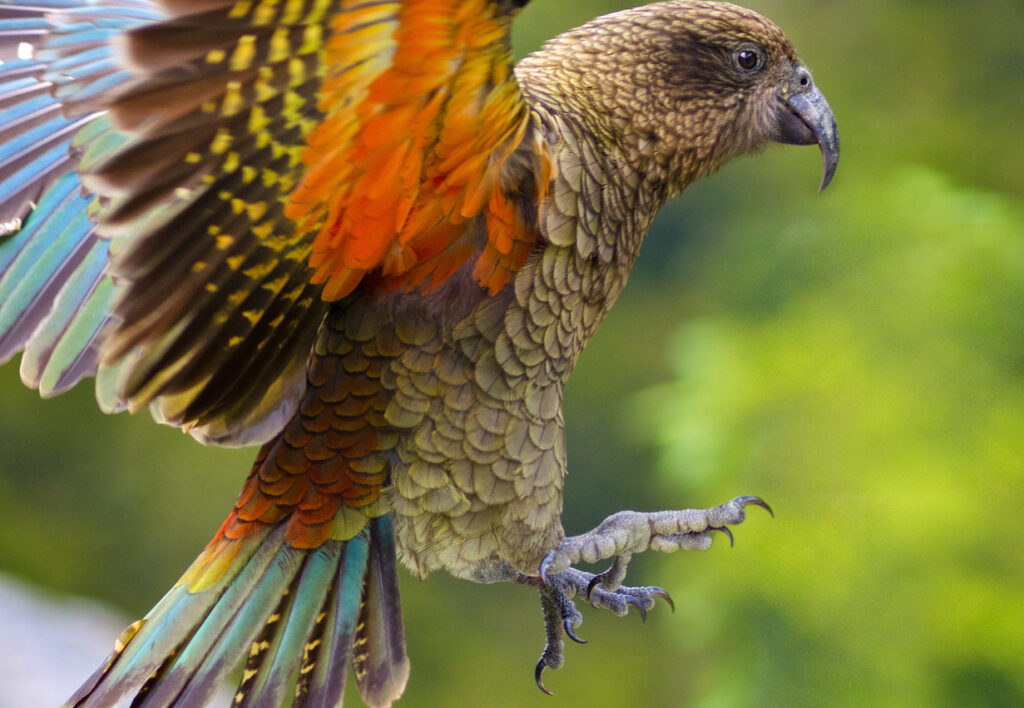
New Zealand’s kea parrots are famous for vandalising cars, specifically targeting rubber parts like windscreen wipers. But they often do this while making eye contact with the car owner, and if you chase them away they’ll come back and continue, almost like they’re testing how annoyed you’ll get.
They don’t eat the rubber, and they ignore cars when people aren’t around. The presence of an audience seems to make it more appealing, which suggests the reaction is part of the reward, not just the destruction itself.
Horses untie other horses and watch them wander off.

Some horses learn to untie knots and will quietly untie other horses in the stable, then stand there watching as the freed horse wanders around getting into trouble. They don’t untie themselves first, they specifically free another horse and observe the chaos.
This shows they understand consequences and find them entertaining when it’s not happening to them. They’re creating a situation they know will cause disruption while keeping themselves out of immediate trouble, which is remarkably calculating for something that’s supposedly instinct-driven.
Seals slap kayakers with octopuses.
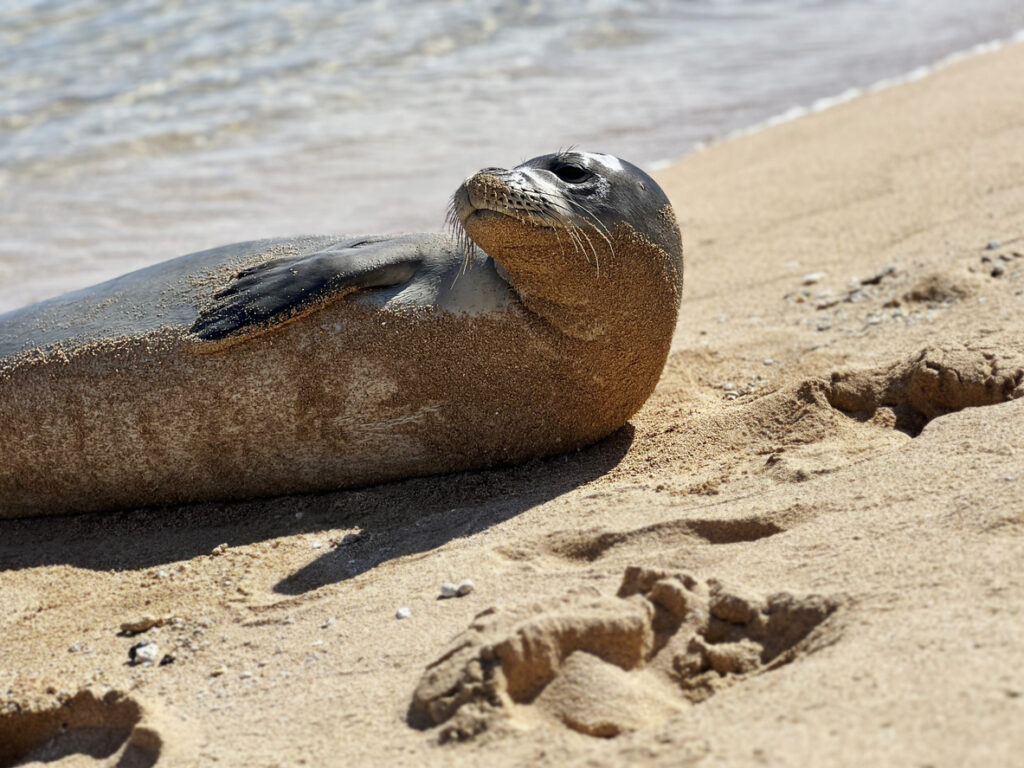
There are multiple documented cases of seals surfacing next to kayaks, slapping the person in the face with an octopus they’ve caught, then diving back down. It serves no survival purpose and the seal loses its meal, so the only apparent reason is the seal found it funny.
The effort required to surface right next to a moving kayak, aim accurately, and hit someone suggests this is deliberate rather than accidental. The seal went out of its way to make it happen, which means they thought it was worth doing purely for the act itself.